Medispirex
Medispirex
Medispirex
Optimized for Japanese medical device distributors and advanced surgical centers looking for immediate mechanical integrity.
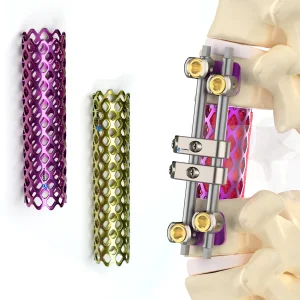
Japan faces a historic demographic transition. With over 29.1% of its population aged 65 or older, degenerative spinal conditions such as lumbar spinal canal stenosis, degenerative spondylolisthesis, and osteoporotic vertebral fractures have become major public health challenges. The demand for durable, biomimetic, and anatomically precise spinal implants is growing at an unprecedented rate.
For global medical device suppliers, entering the Japanese market requires a deep understanding of Japanese clinical practices. Japanese orthopedic surgeons demand exceptional tactile feedback during instrumentation, low-profile designs that minimize damage to the paraspinal muscles, and implants that promote rapid bone remodeling. This requires a dedicated approach to mechanical fatigue testing, manufacturing tolerances, and localized support.
Medispirex Orthopedic Technology Co., Ltd. offers spinal implant systems engineered to meet these clinical requirements. From high-grade PEEK lumbar cages to low-profile cervical plating systems, we provide Japanese distributors with competitive, high-performance OEM/ODM and brand solutions built on strict quality control.
Focusing on surgical precision, patient safety, and optimal long-term outcomes:
High-precision implants engineered to reduce recovery time and optimize patient outcomes in Japanese clinical pathways.
Navigating the regulatory landscape to ensure safety and clinical efficacy for Japanese medical markets.
We assist our Japanese partners in compiling the necessary dossier documentation for Pharmaceuticals and Medical Devices Agency (PMDA) submissions, ensuring compliance with Foreign Manufacturer Registration (外国製造業者登録) requirements.
Our production facility operates in strict alignment with ISO 13485 and Japan's MHLW Ministerial Ordinance No. 169, establishing full traceabilty from raw biocompatible materials to finished sterile medical packaging.
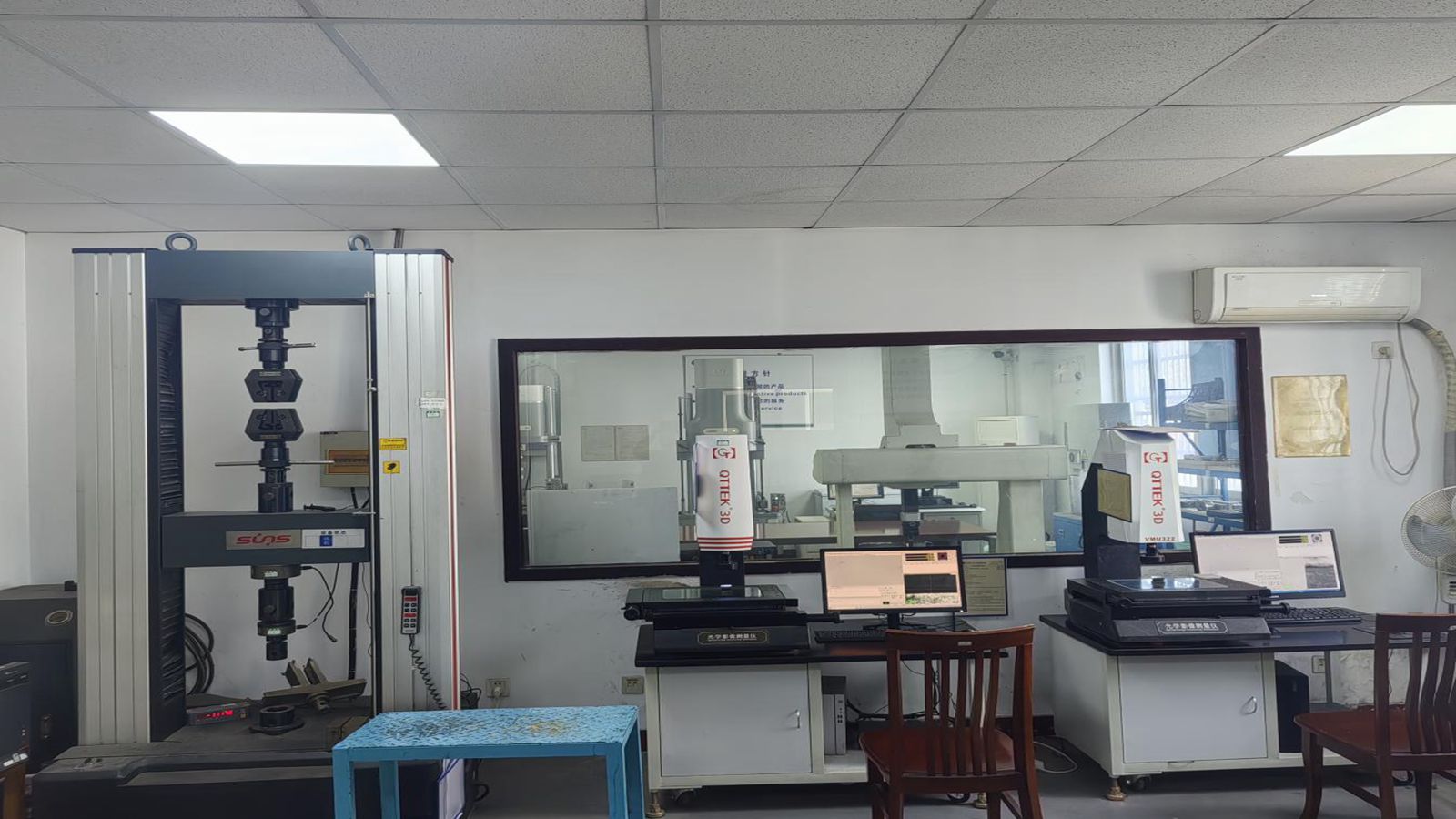
All implants undergo rigorous static and dynamic mechanical testing protocols, such as ASTM F1717 for spinal construct assemblies and ASTM F2077 for intervertebral fusion devices.
Addressing Japan's orthopedic clinical demands with targeted surgical system setups.
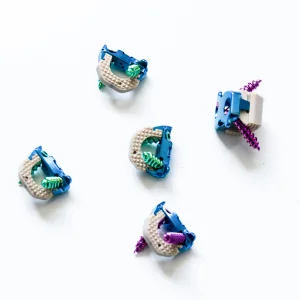
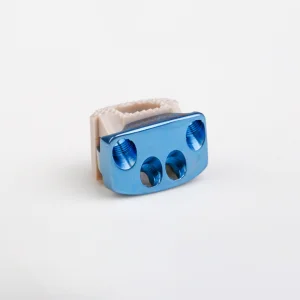
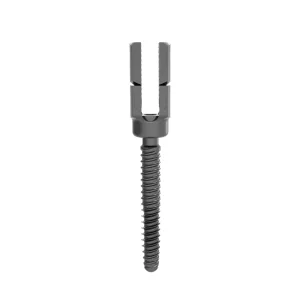
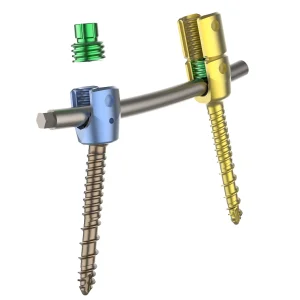
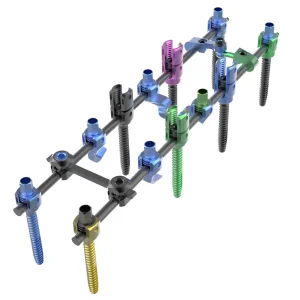
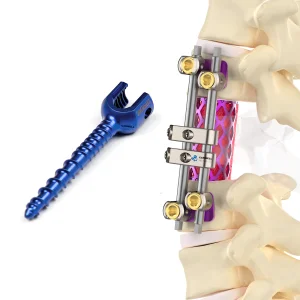
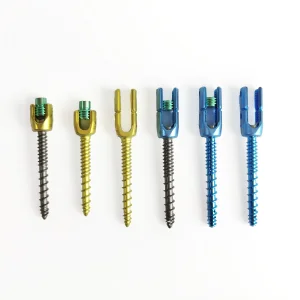
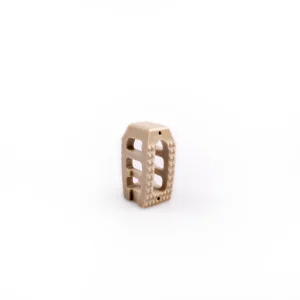
For Japanese patients suffering from lumbar canal stenosis with spinal instability, stability is key. Utilizing the PEEK Lumbar PLIF Cage system alongside our 5.5 Polyaxial Pedicle Screws enables surgeons to perform stable interbody fusions that support load-bearing pathways. The anatomical dome shape of our PEEK PLIF cage fits the vertebral endplate contours, preventing cage subsidence—a critical consideration in osteoporotic patients.
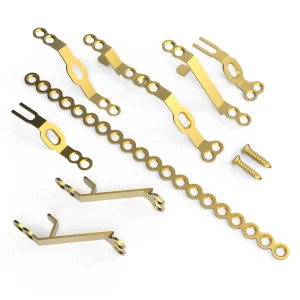
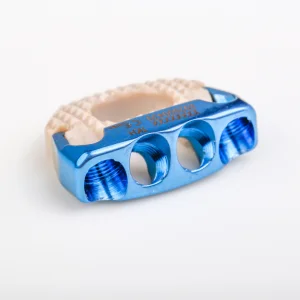
Posterior cervical laminoplasty is a well-established surgical choice in Japan for cervical myelopathy caused by OPLL (Ossification of the Posterior Longitudinal Ligament). Our Titanium Laminoplasty Fixation System features ultra-low profile plates and self-tapping screws designed to rigidly secure the lamina open, protecting the spinal cord while minimizing post-operative neck pain.
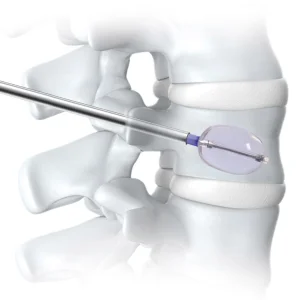
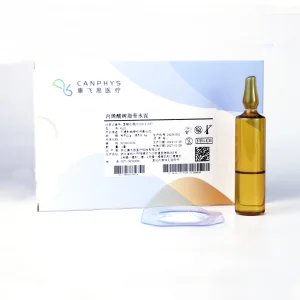
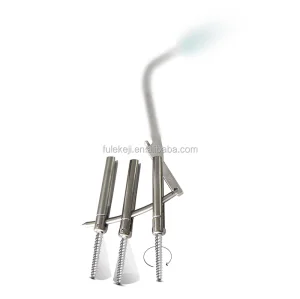
Osteoporotic vertebral fractures require rapid intervention to manage pain and prevent progressive kyphosis. Our PKP (Percutaneous Kyphoplasty) Balloon and Instrument Sets allow surgeons to restore vertebral height and inject PMMA bone cement in a controlled manner, providing immediate mechanical stabilization for elderly patients.
As a global OEM/ODM partner, we offer tailored manufacturing and distribution support:
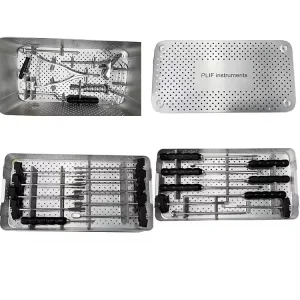
We customize surgical instrument handles and driver weights to meet the ergonomics preferred by Japanese spine surgeons.
Offering porous titanium coatings on PEEK implants to improve bone-implant interfaces and reduce micro-motion.
Implants designed to minimize protrusion, reducing the risk of adjacent segment irritation or post-operative dysphagia.
Integrating biomechanics, materials science, and digital planning to shape the next generation of spinal care.
Developing additive manufacturing (3D printing) technologies to produce trabecular titanium mesh cages. These constructs mimic human cancellous bone structures, reducing the risk of stress shielding and promoting bone growth.
Designing implants compatible with optical and electromagnetic intraoperative navigation systems. This includes high-precision registration markers on surgical guide instrumentation to improve implant placement accuracy.
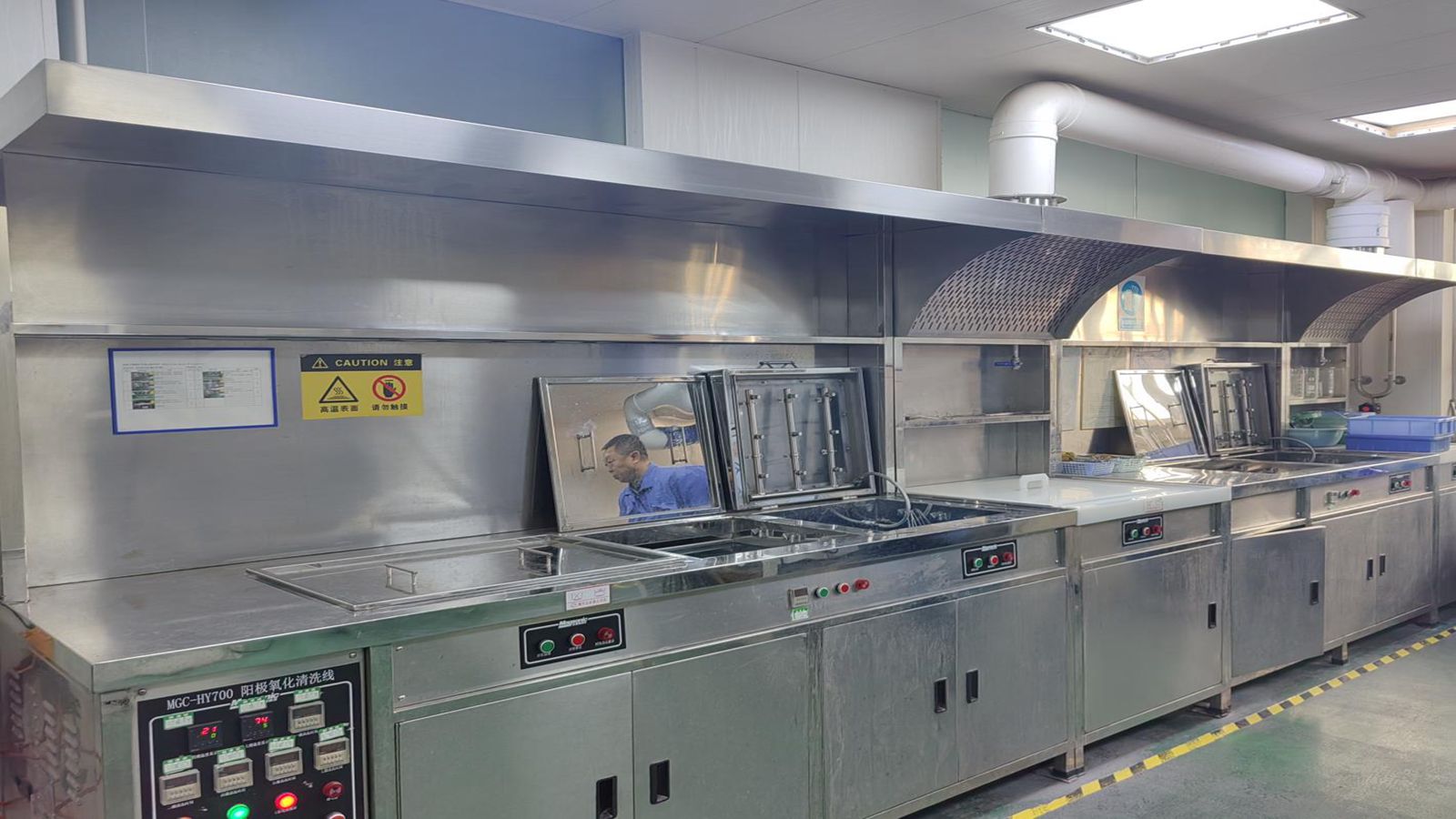
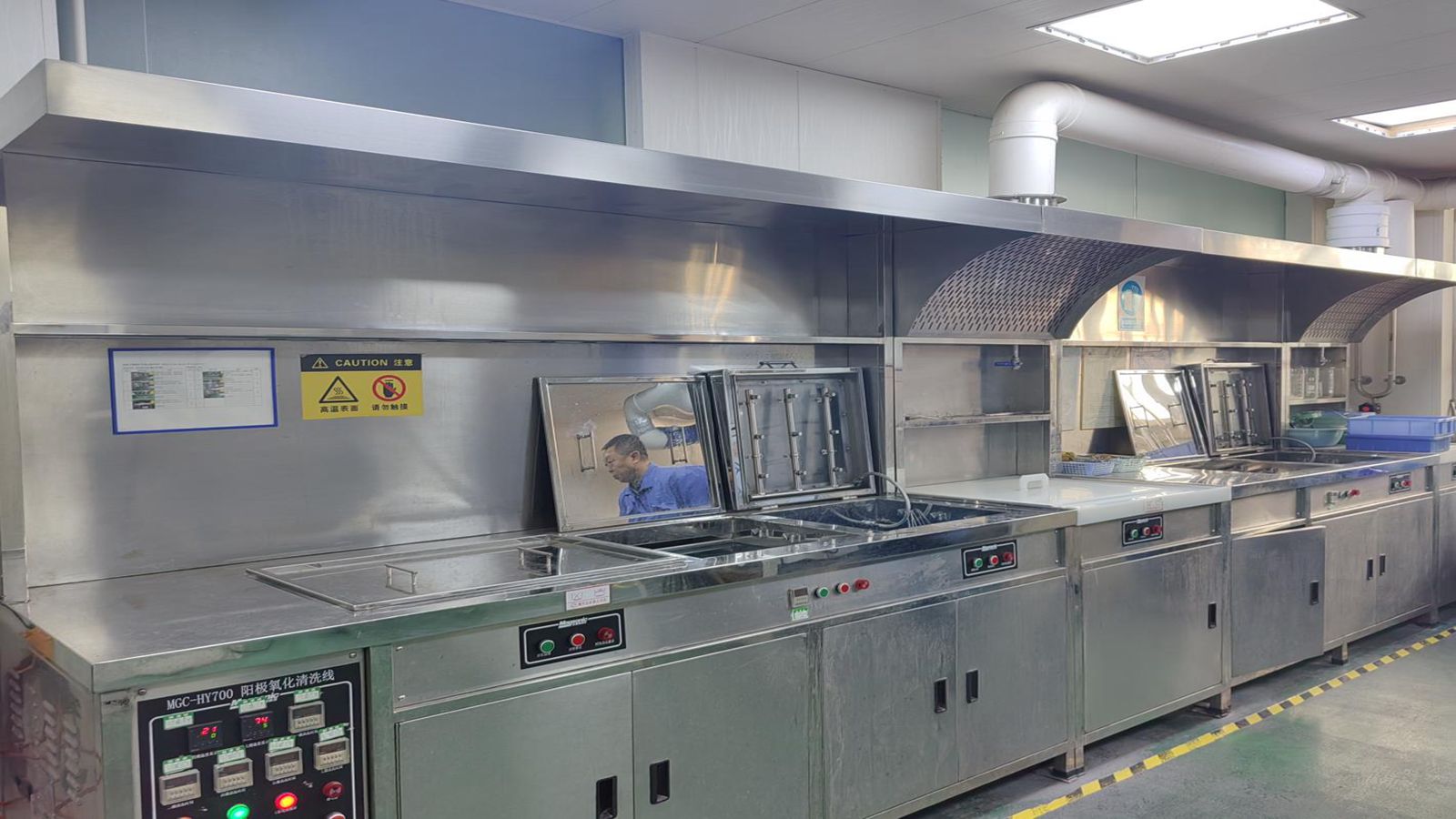
Partnering with researchers to test bio-active surface treatments such as Hydroxyapatite (HA) deposition and anodization processes. These modifications aim to enhance early-stage cell attachment in compromised bone beds.
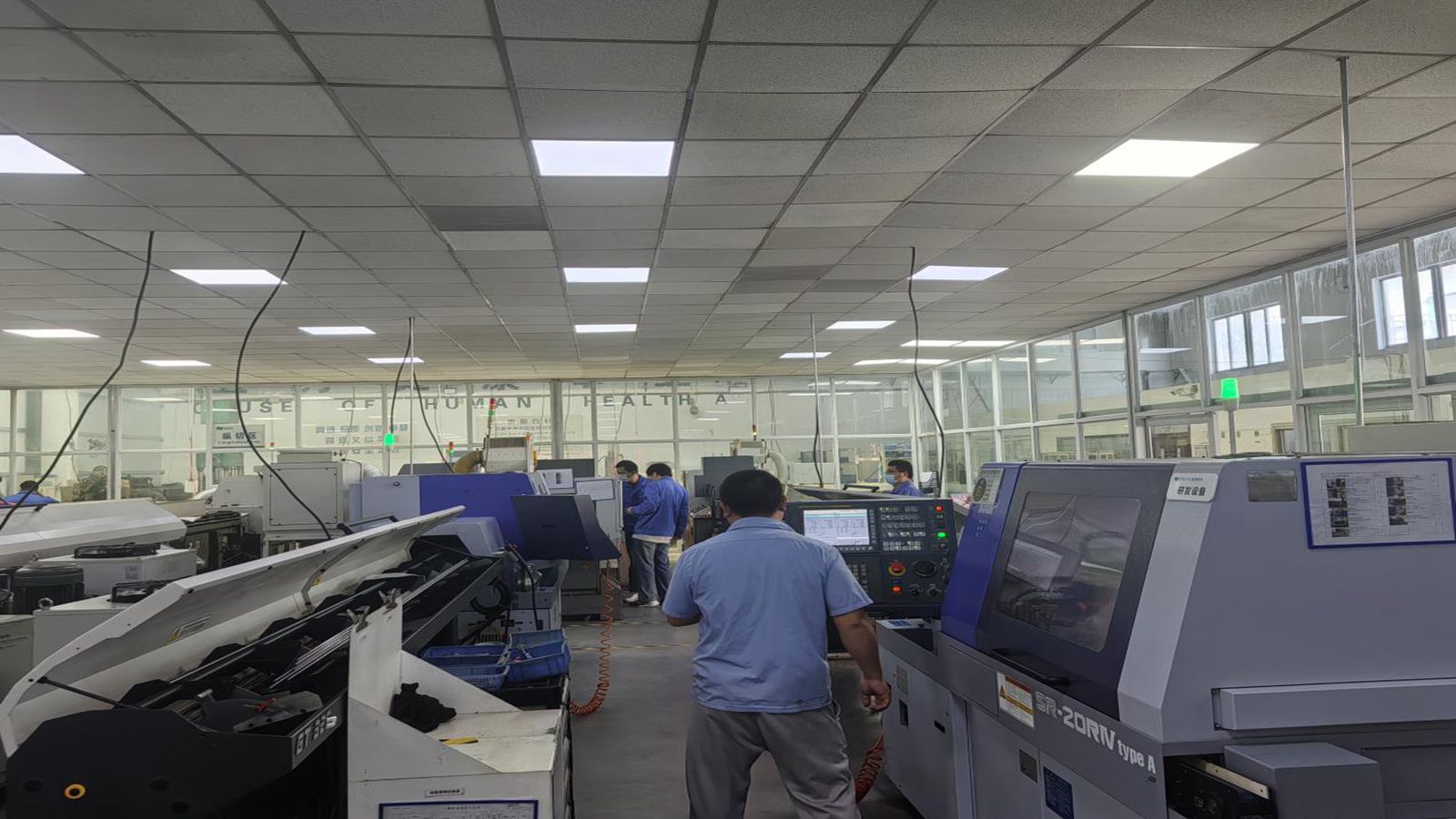
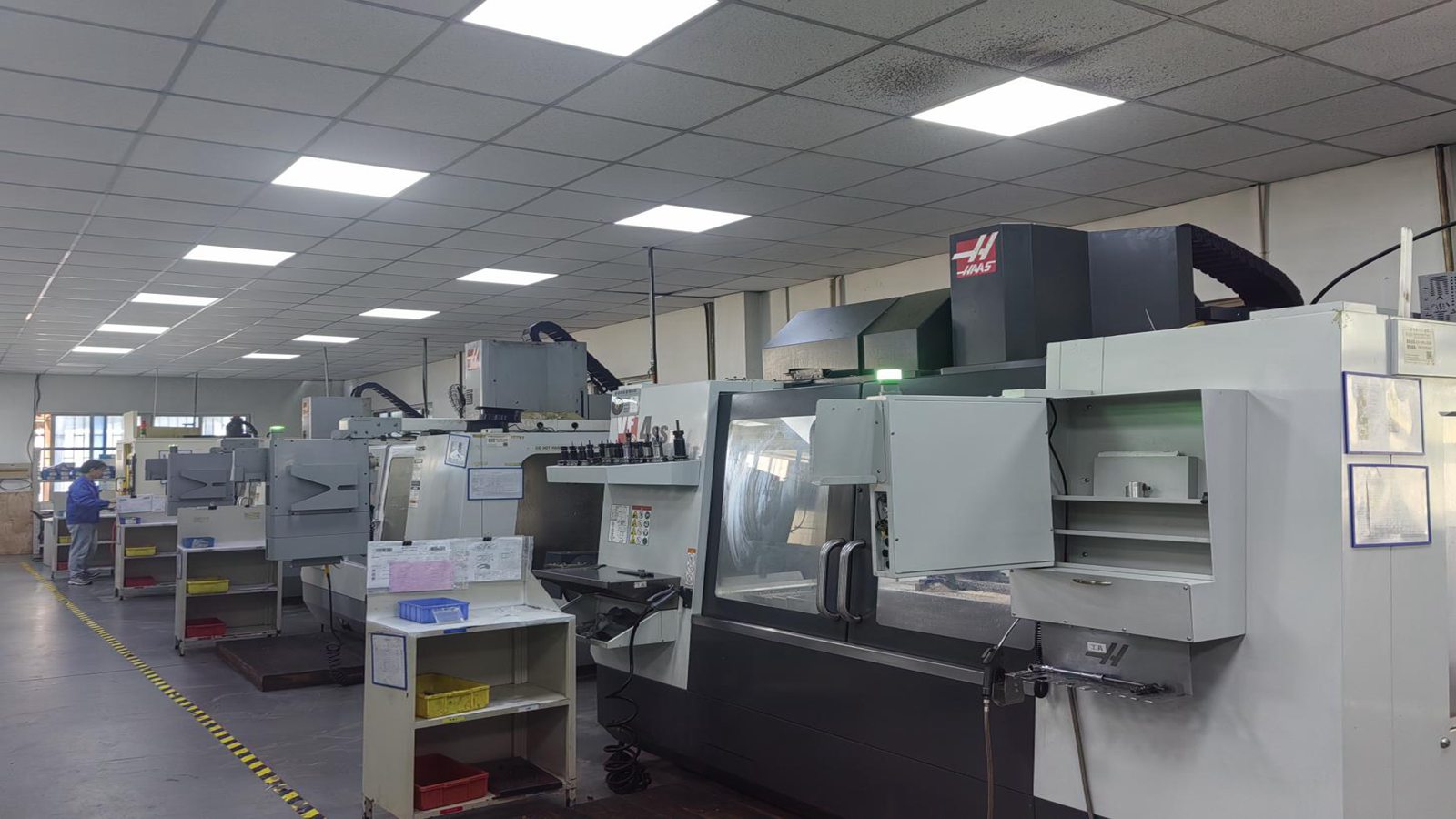
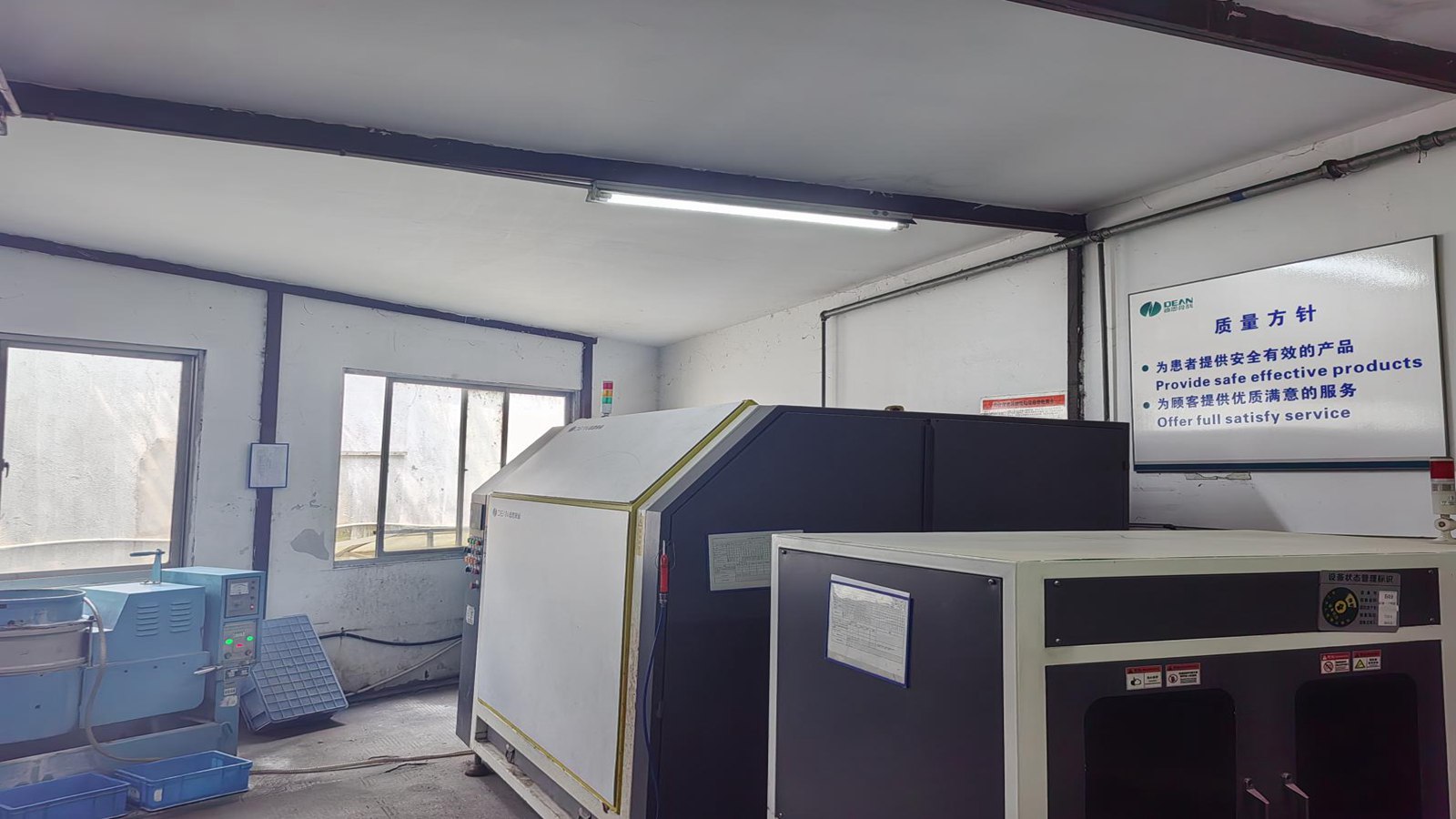
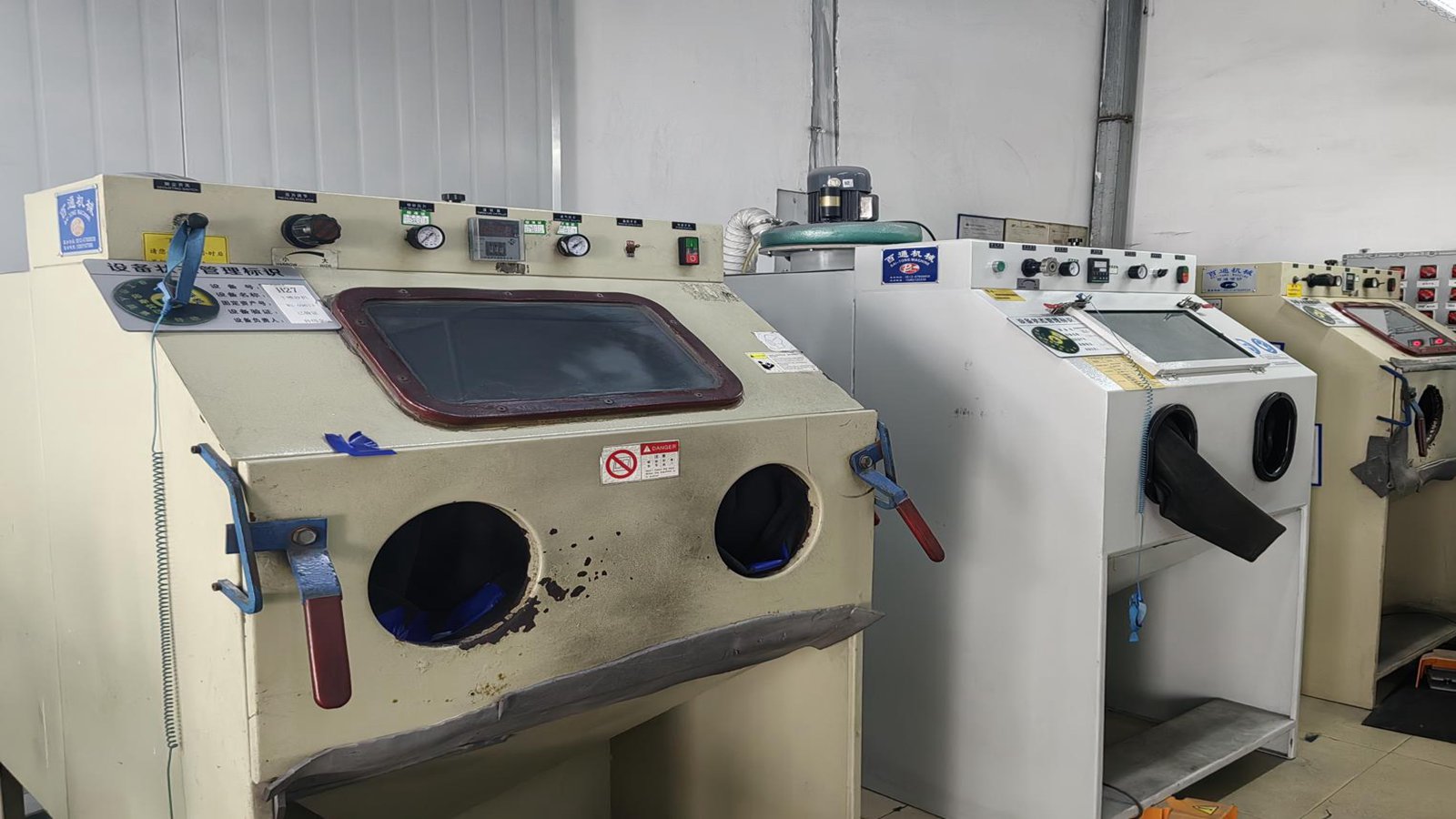
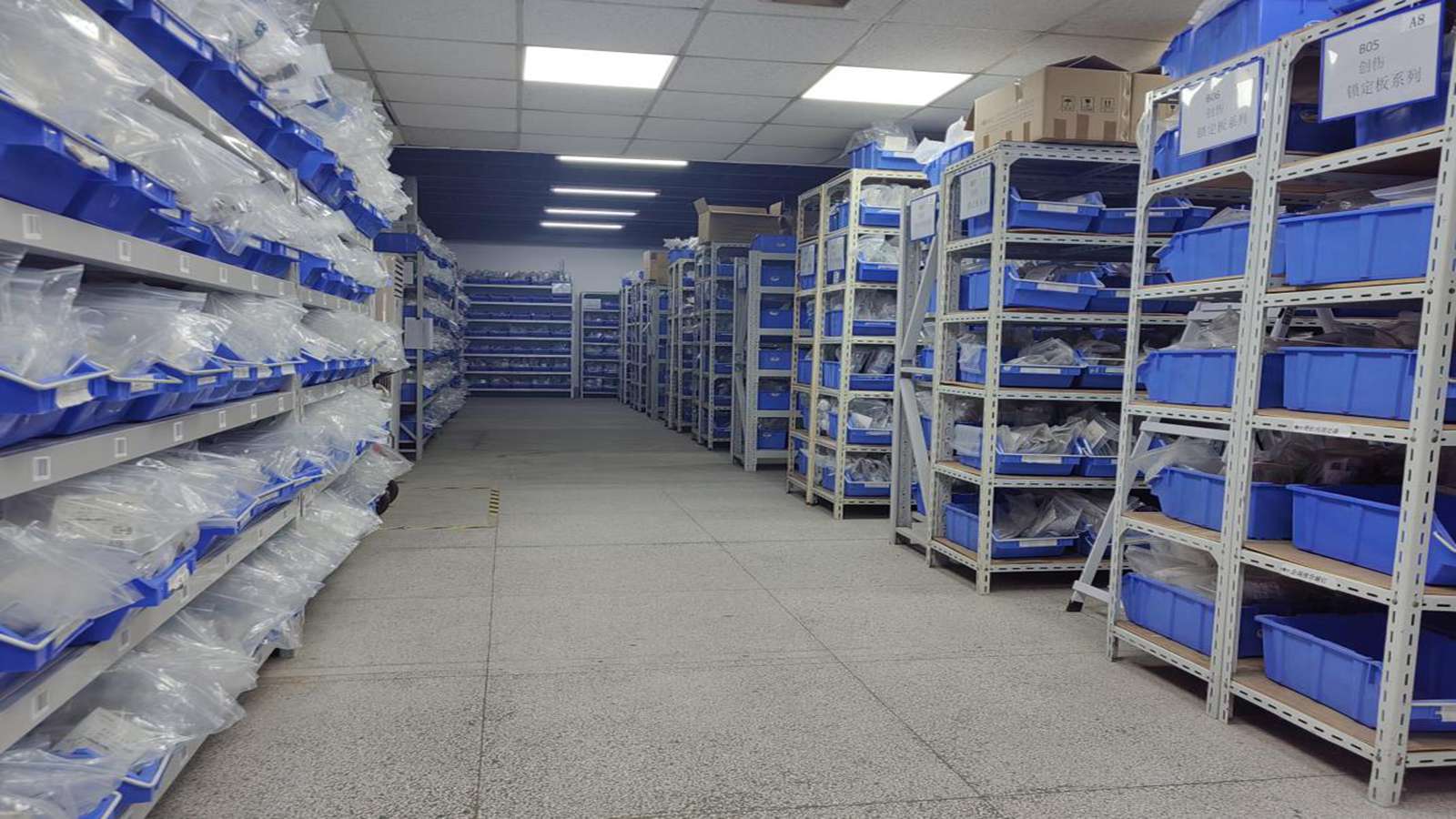
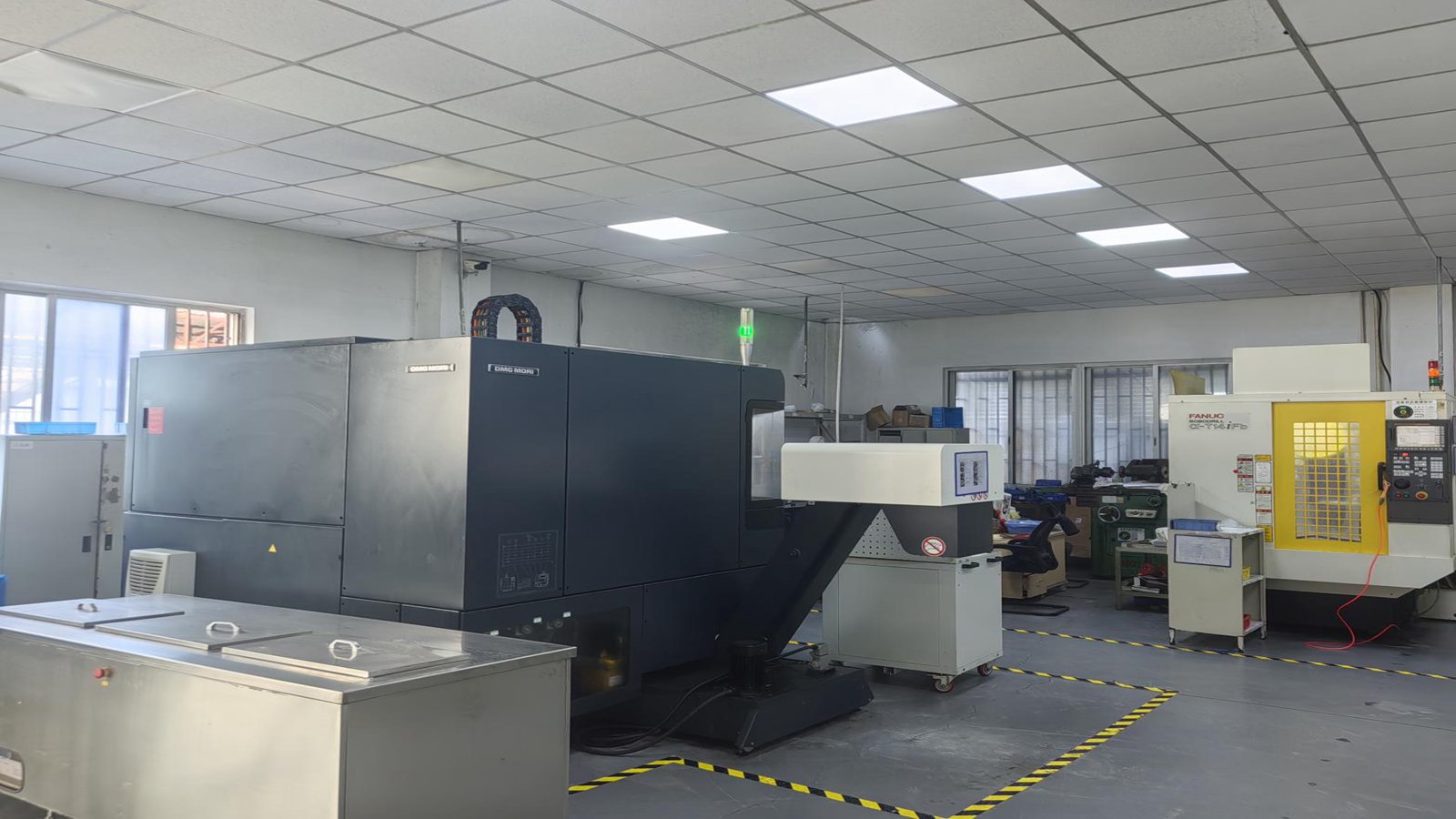
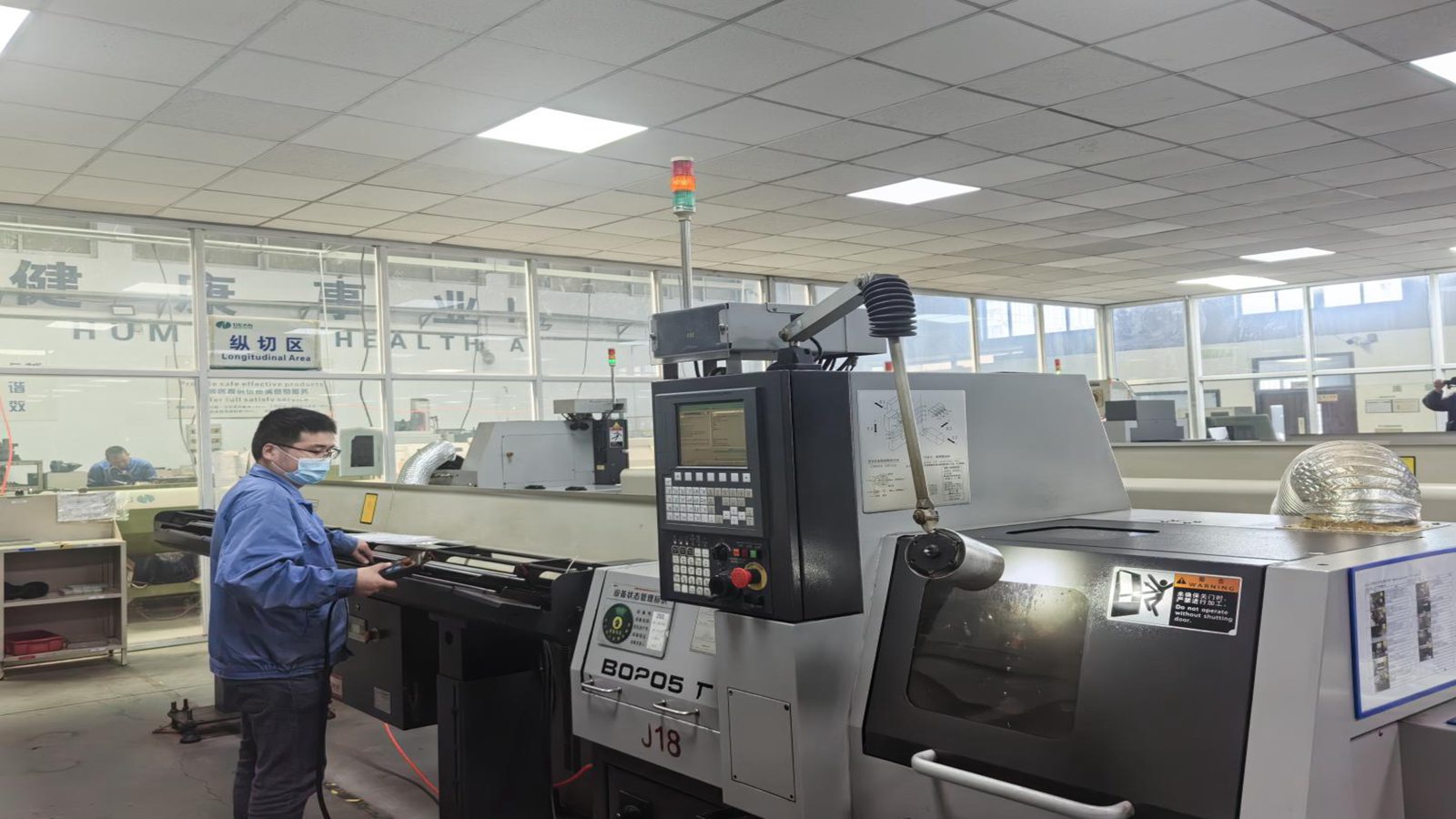
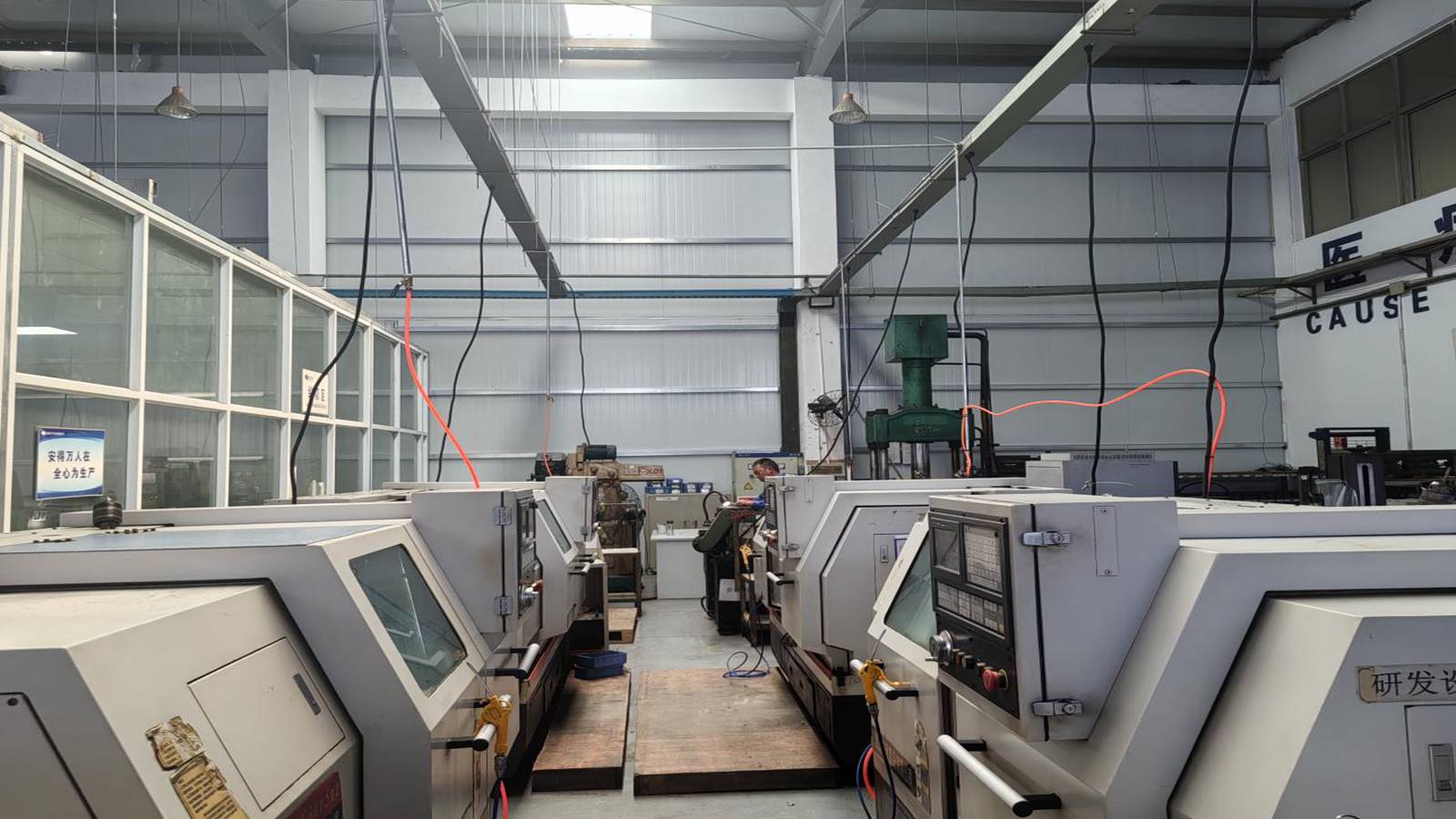
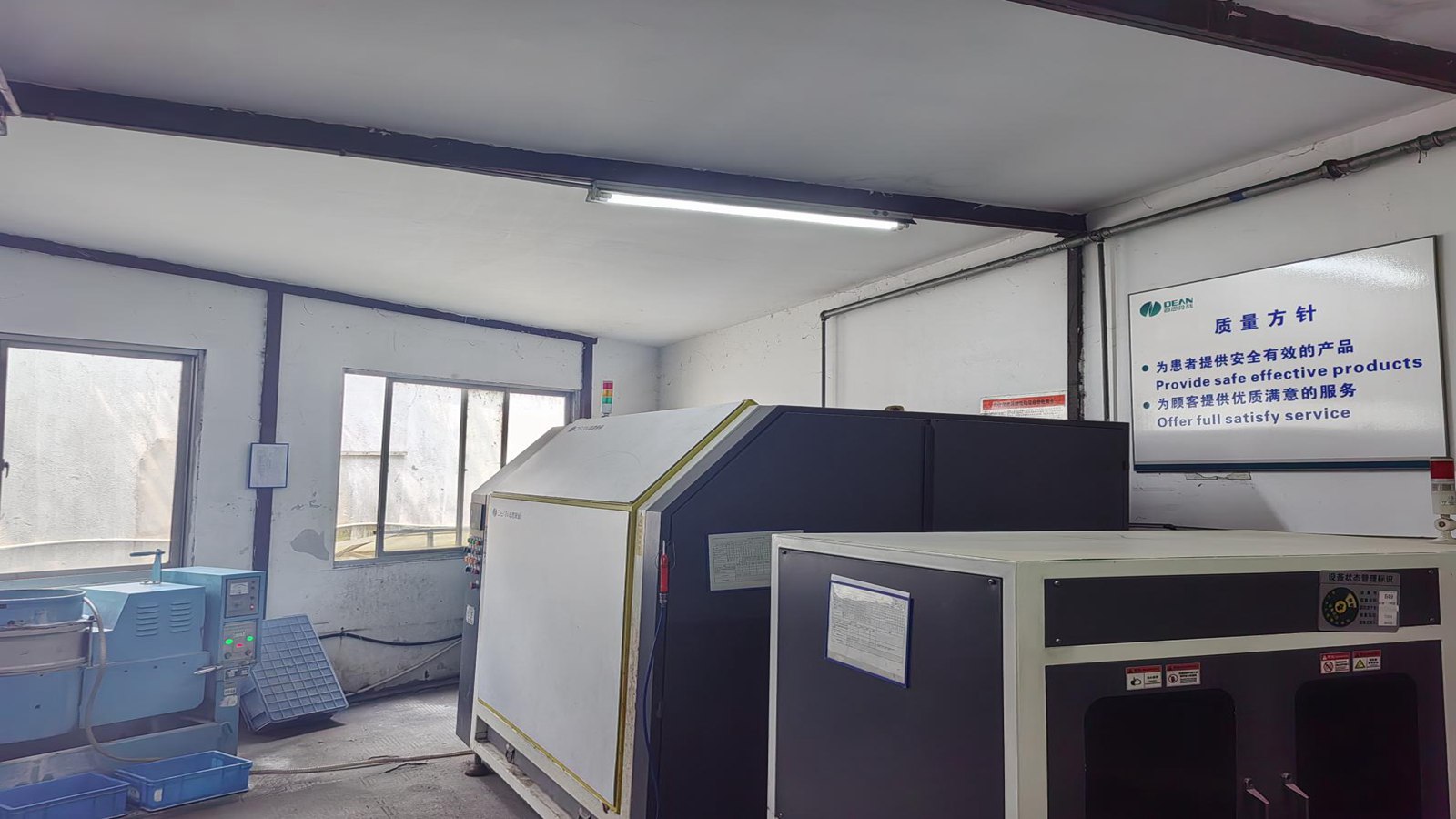
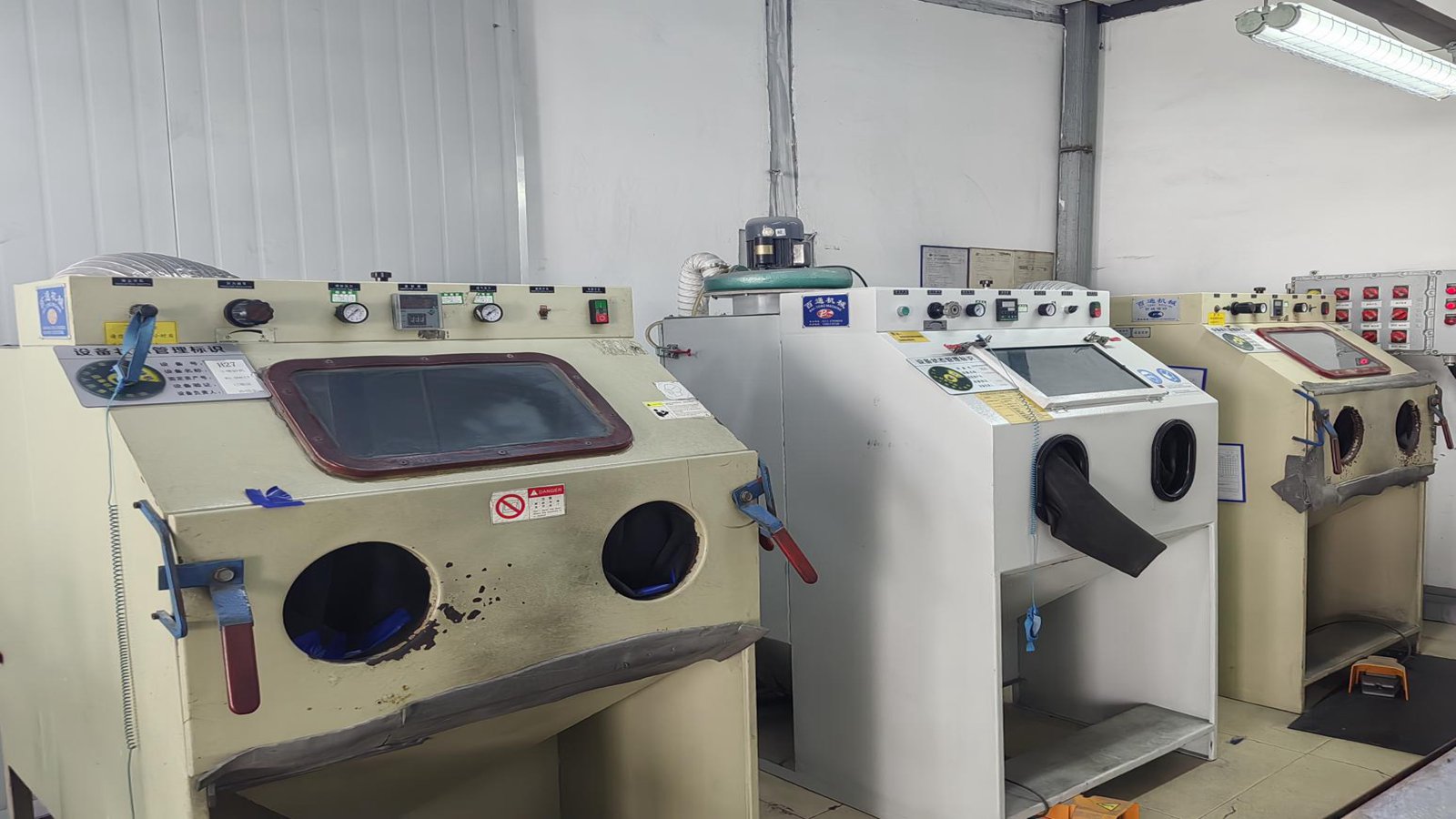
Exploring our 18,600㎡ manufacturing plant, equipped with multi-axis CNC machining centers and advanced testing laboratories.
Frequently asked questions by Japanese medical device distributors and regulatory affairs departments.
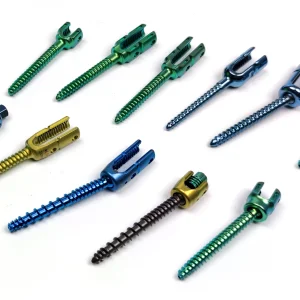
A comprehensive selection of CE and ISO-certified implants and instruments designed for distribution across Japan.