Medispirex
Medispirex
Medispirex
Designed to integrate seamlessly into Lisbon, Porto, and Coimbra orthopedic clinics, providing optimum biomechanical performance and simplified surgical workflows.
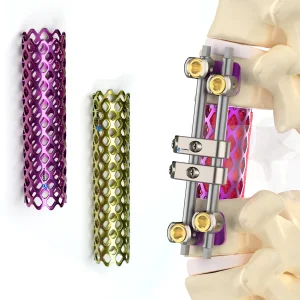
Portugal's orthopedic healthcare system represents a progressive blend of the public National Health Service (Serviço Nacional de Saúde - SNS) and an expanding network of private healthcare groups such as Luz Saúde, CUF, and Lusíadas. In recent years, Portugal has witnessed a pronounced demographic shift toward an aging population. According to the Portuguese National Statistics Institute (INE), the country’s aging index has surged, amplifying the clinical prevalence of degenerative disc diseases (DDD), osteoporotic vertebral compression fractures, spinal stenosis, and complex scoliosis. This epidemiological trajectory translates directly into an escalating clinical demand for reliable, high-performing spinal fusion systems, cervical and lumbar interbody cages, and minimally invasive (MIS) fixation constructs.
For Portuguese hospital purchasing departments and regional medical device distributors, sourcing implants involves navigating strict European Medical Device Regulation (EU MDR 2017/745) requirements, INFARMED registration protocols, and rigorous cost-to-benefit assessments. The public hospital sector, managed through national and regional public tenders (SPMS - Serviços Partilhados do Ministério da Saúde), demands medical supplies that balance uncompromising surgical efficacy with cost efficiency. Medispirex address these local needs directly by engineering high-quality orthopedic implants that meet or exceed international standards, providing an optimal cost-to-quality ratio that enables healthcare providers to stay within budgetary guidelines while maintaining high standards of patient care.
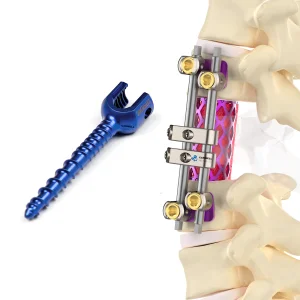
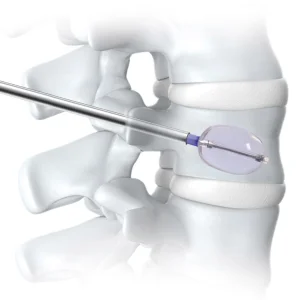
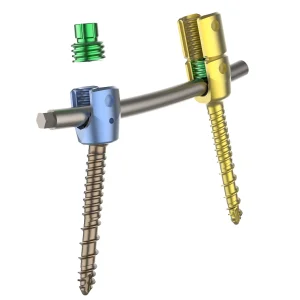
Modern orthopedic surgery departments across Lisbon, Porto, and Braga are rapidly adopting Minimally Invasive Spine Surgery (MISS) protocols. Traditional open surgeries are increasingly replaced by endoscopic and percutaneous procedures to reduce hospitalization times, minimize blood loss, and fast-track patient rehabilitation. This transition necessitates spinal implant systems that feature low-profile profiles, self-tapping screw threads, and robust mechanical guidance instruments. Our range of polyaxial reduction pedicle screws and Zero-Profile cervical cages are tailored to satisfy these refined surgical demands, allowing Portuguese surgeons to execute precise stabilizations through minimal anatomical incisions.
Pioneering material science, biocompatible coatings, and structural designs to enhance long-term osteointegration and mechanical stability.
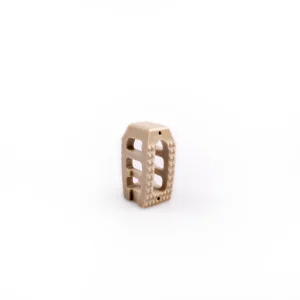
Our cervical and lumbar cages utilize advanced Polyetheretherketone (PEEK) polymer from industry-leading medical grade suppliers, providing an elastic modulus closely matching that of human cortical bone. This minimizes stress shielding and prevents implant subsidence. Additionally, our high-grade Titanium alloy (Ti-6Al-4V ELI) constructs offer exceptional fatigue life and mechanical strength.
Moving forward, the roadmap features 3D-printed porous titanium surfaces and plasma-sprayed titanium coatings on PEEK implants. These textured surfaces encourage rapid cellular adhesion and osseointegration, creating a biological bond that reduces micro-motion and enhances spinal fusion success rates.
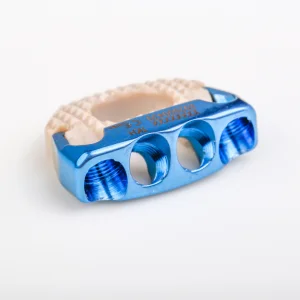
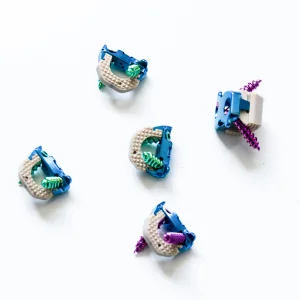
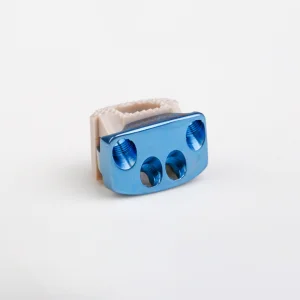
To reduce post-operative dysphagia and soft tissue irritation in cervical procedures, we emphasize Stand-Alone, Zero-Profile Interbody devices. By incorporating integrated locking fixation screws directly into the spacer body, we eliminate the need for anterior cervical plating, simplifying the surgical procedure.
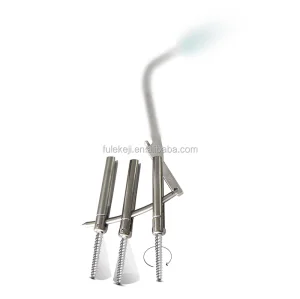
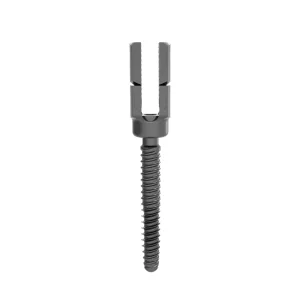
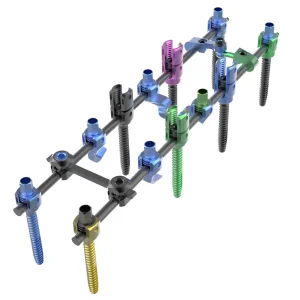
Minimally invasive spine stabilization has shifted from a novelty to a clinical standard. Our MIS systems utilize cannulated pedicle screws, specialized long-arm reduction mechanisms, and flexible rod-insertion tools. These technical characteristics allow spinal surgeons to construct rigid internal fixations through keyhole incisions, safeguarding the paraspinal musculature and preserving local vascularity. For Portugal's modern day-surgery spine centers, this technological path significantly reduces hospital stays, promoting a quicker return to daily life.
Established in 2016, our state-of-the-art facility occupies approximately 18,600 square meters. The company integrates R&D, manufacturing, and global distribution to deliver high-quality medical devices for trauma, spine, and joint reconstruction applications.
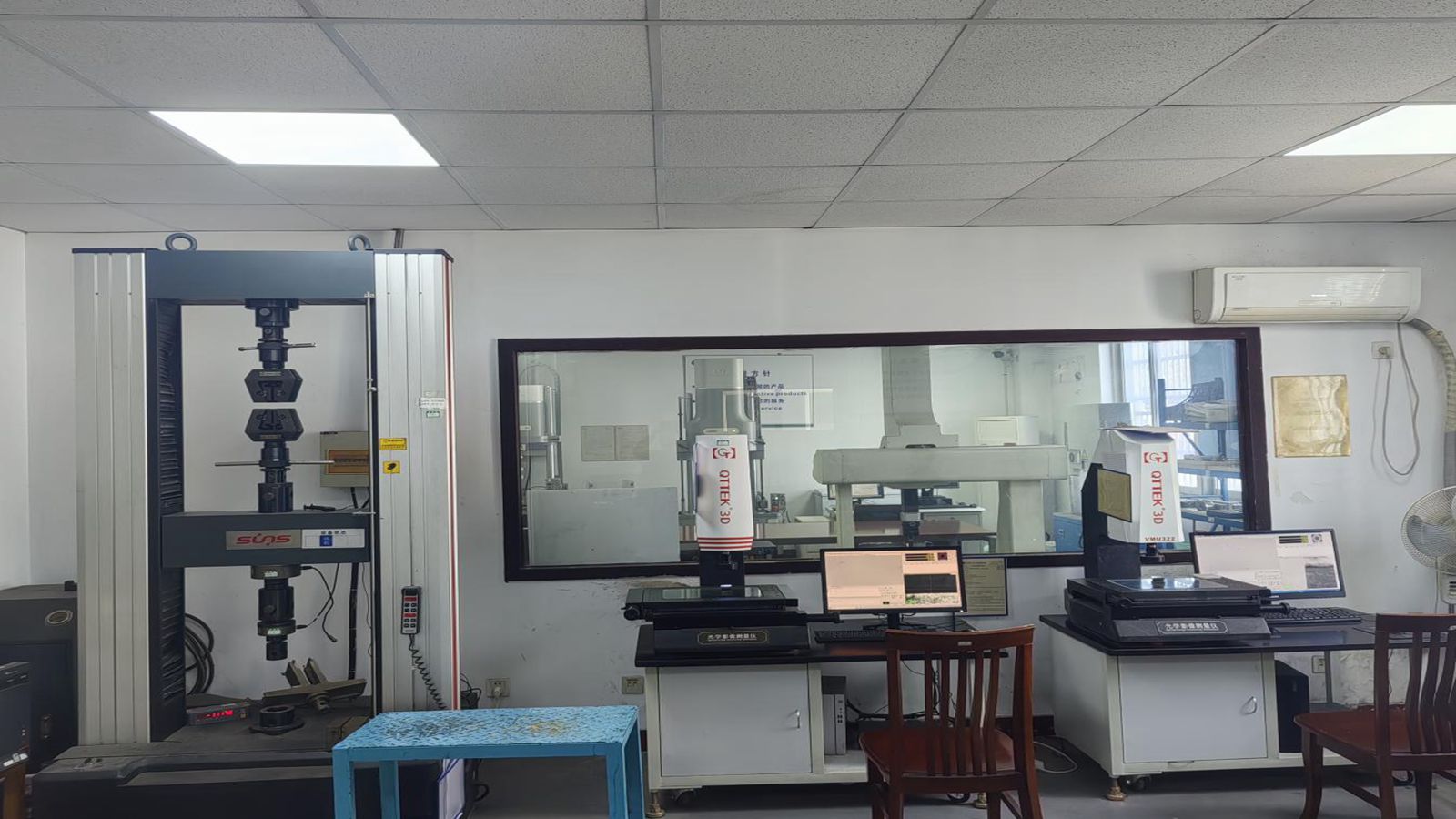
With an annual export revenue of approximately USD 18 million, Medispirex has built a stable international presence supported by 7 years of export experience and over 12 years of industry expertise. The company operates under a strict quality management system, ensuring product reliability through incoming material inspection, in-process quality control, final product testing, and batch traceability systems. Product verification methods include dimensional inspection, mechanical fatigue testing, and material composition analysis. The quality assurance team consists of around 45 dedicated QC professionals.
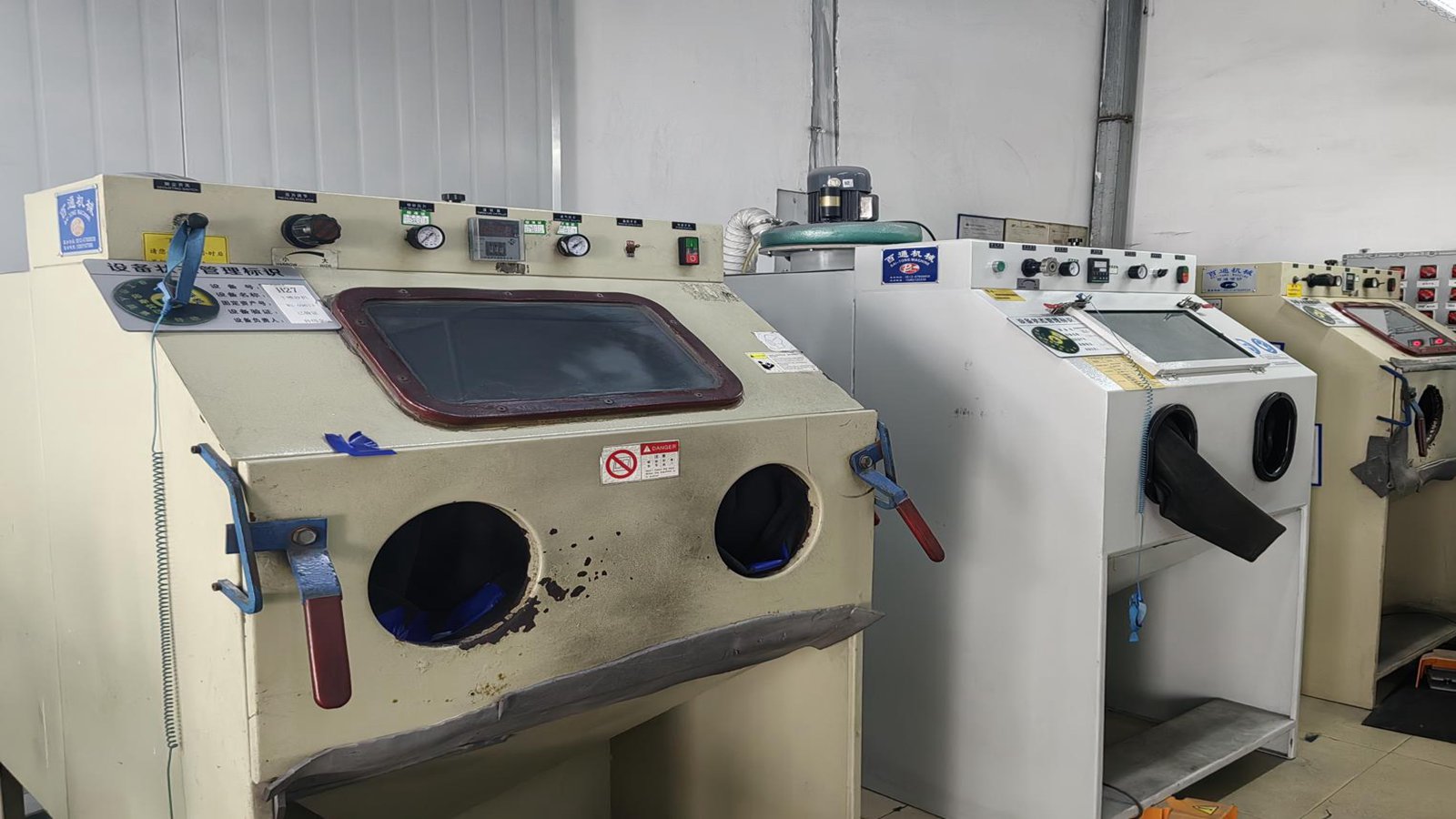
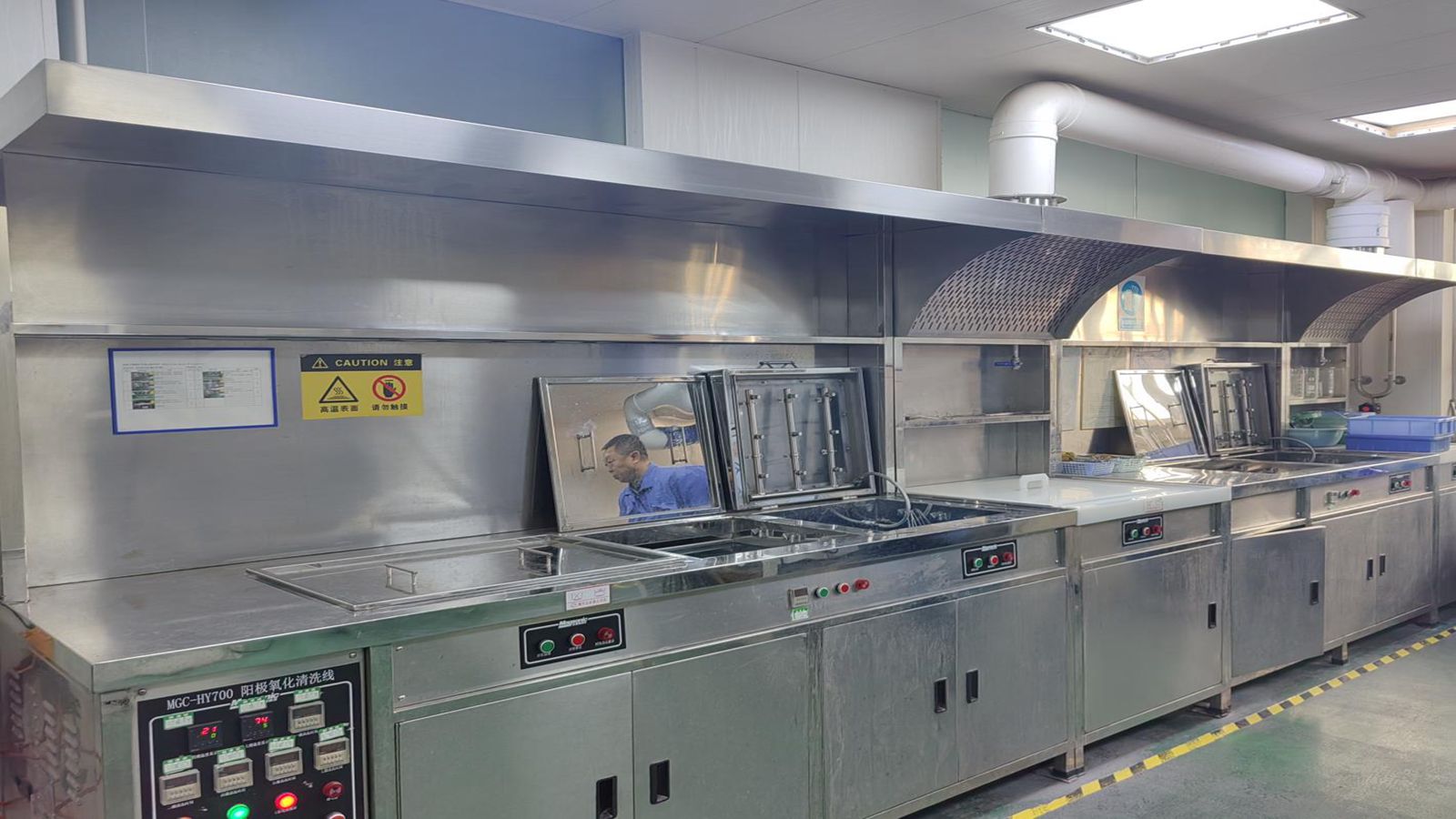
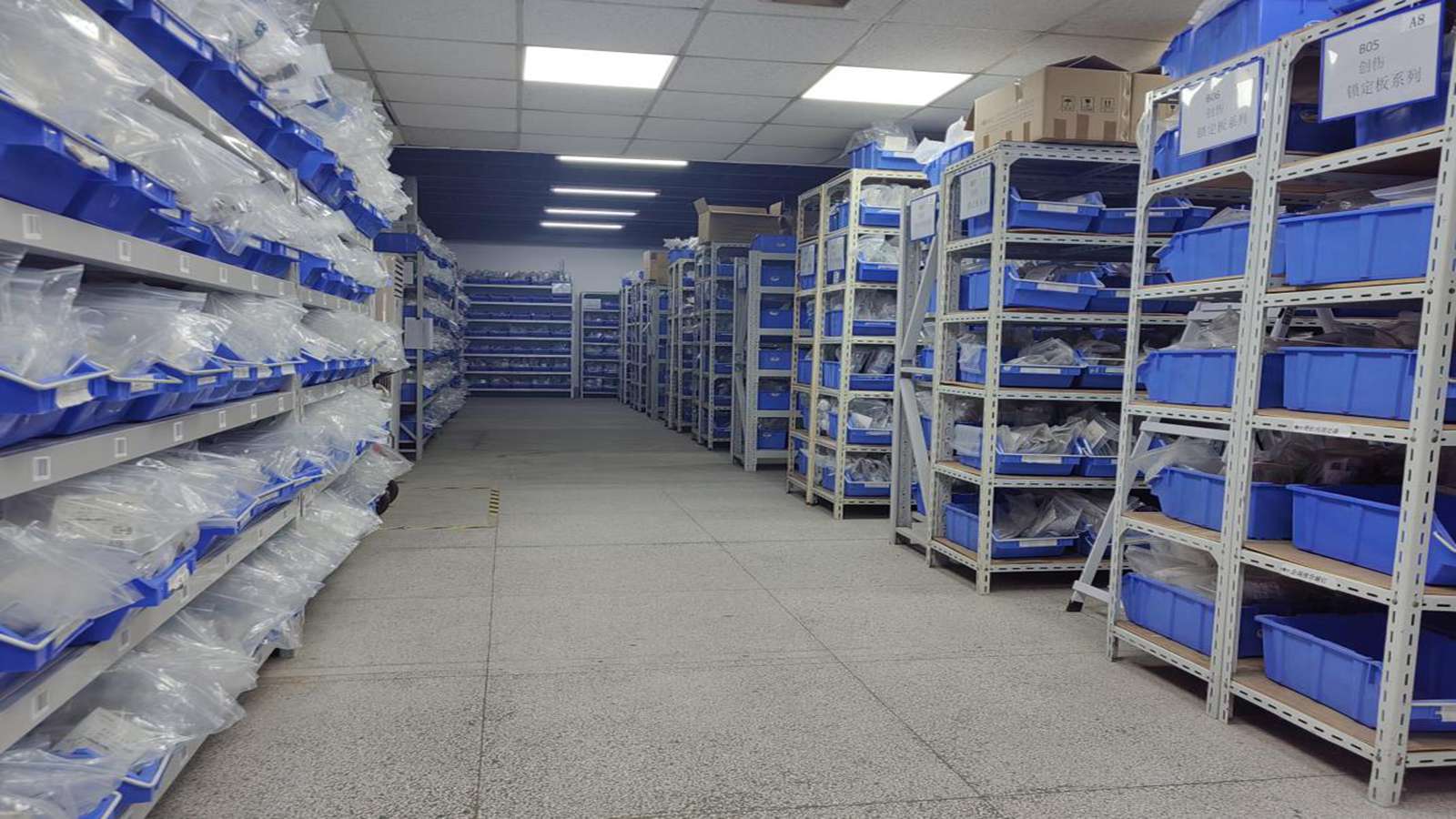
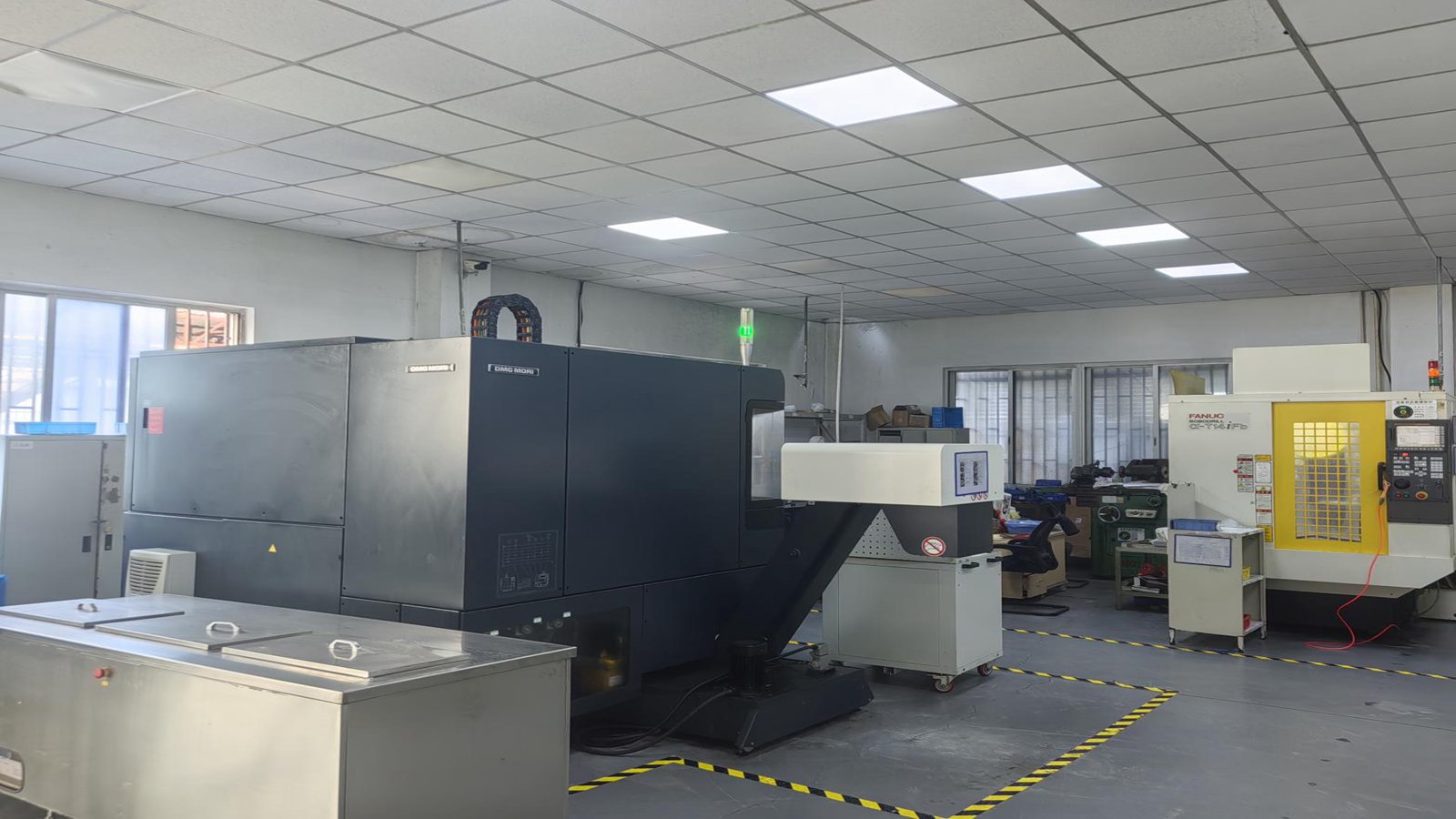
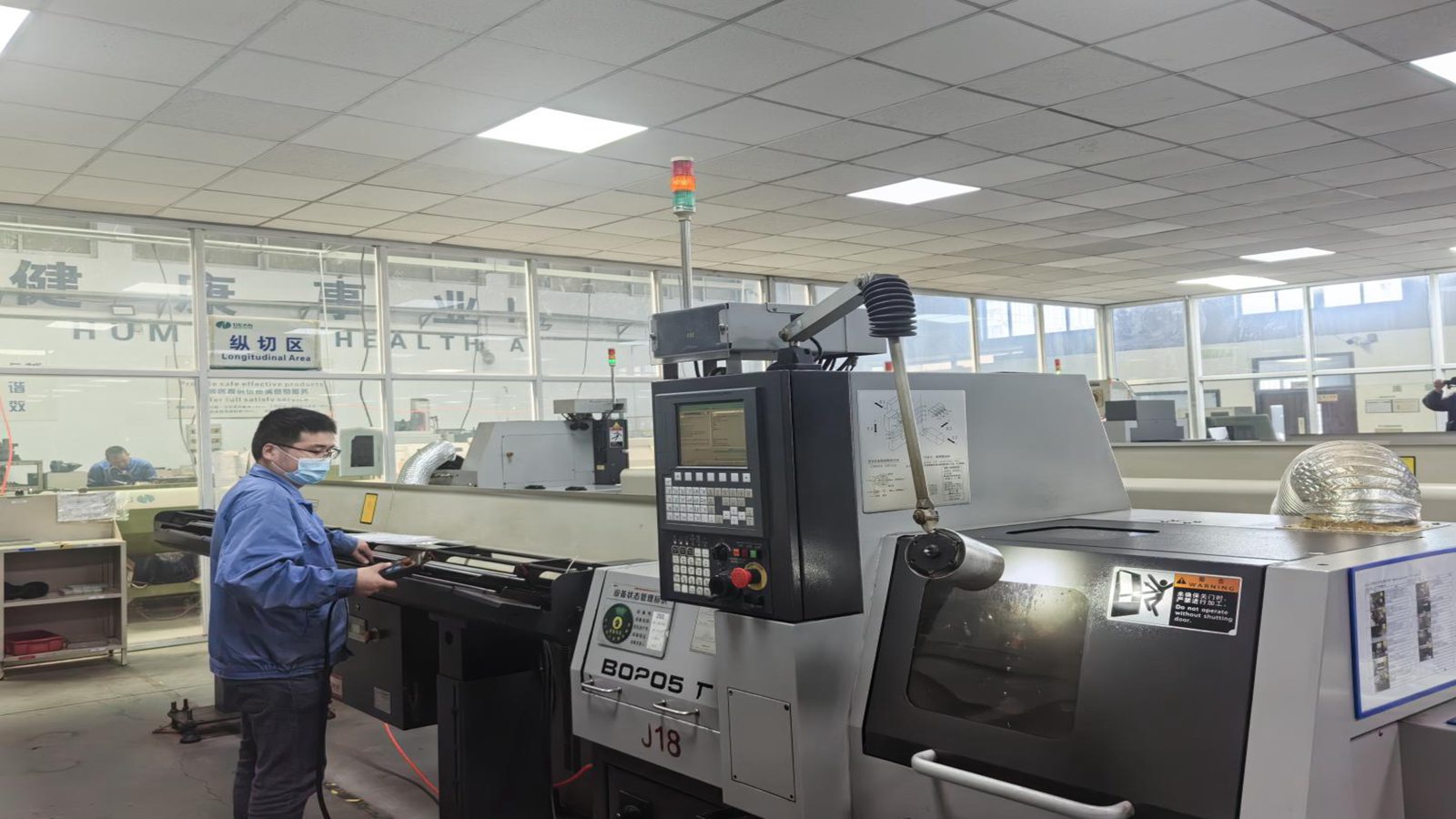
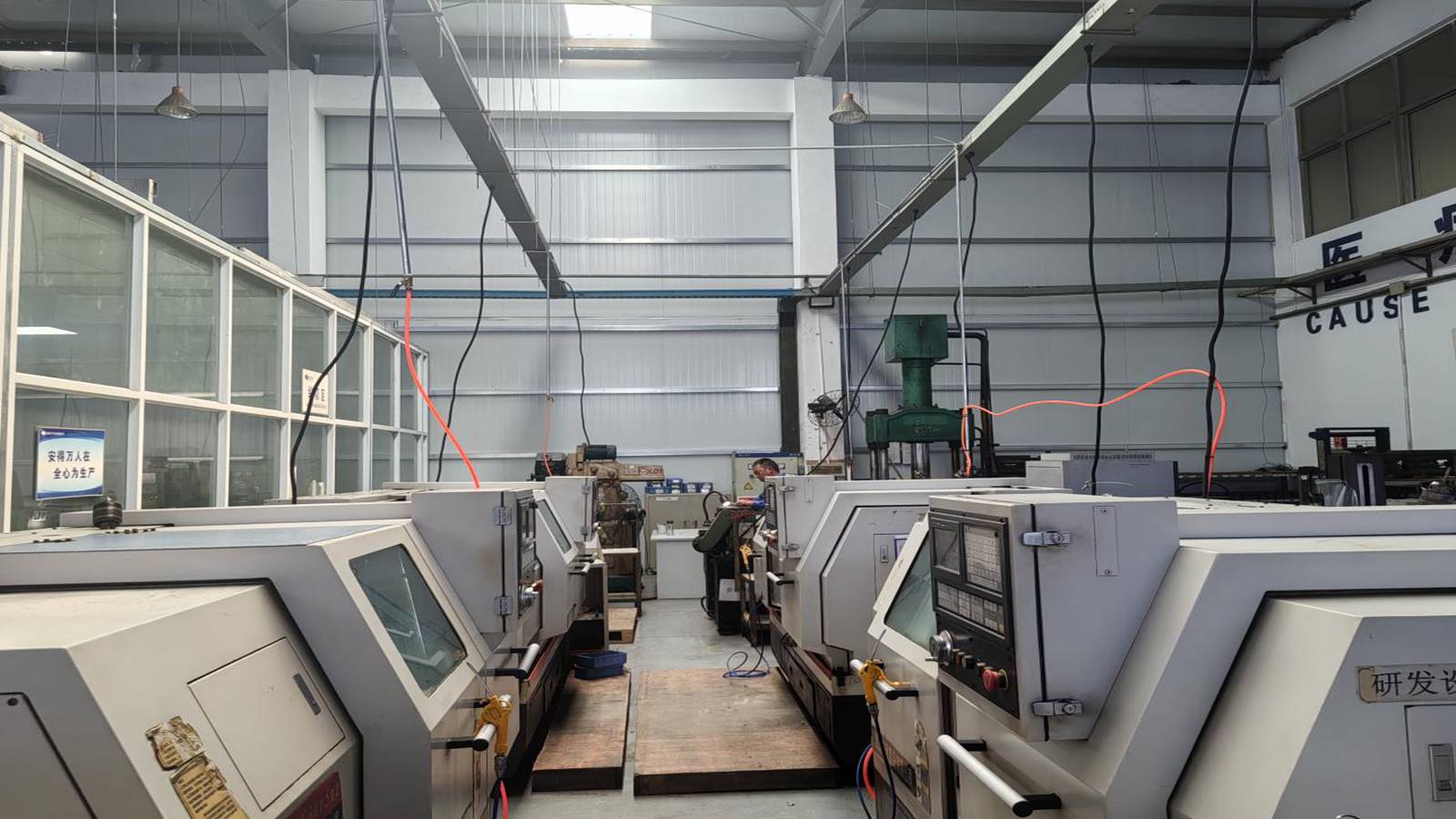
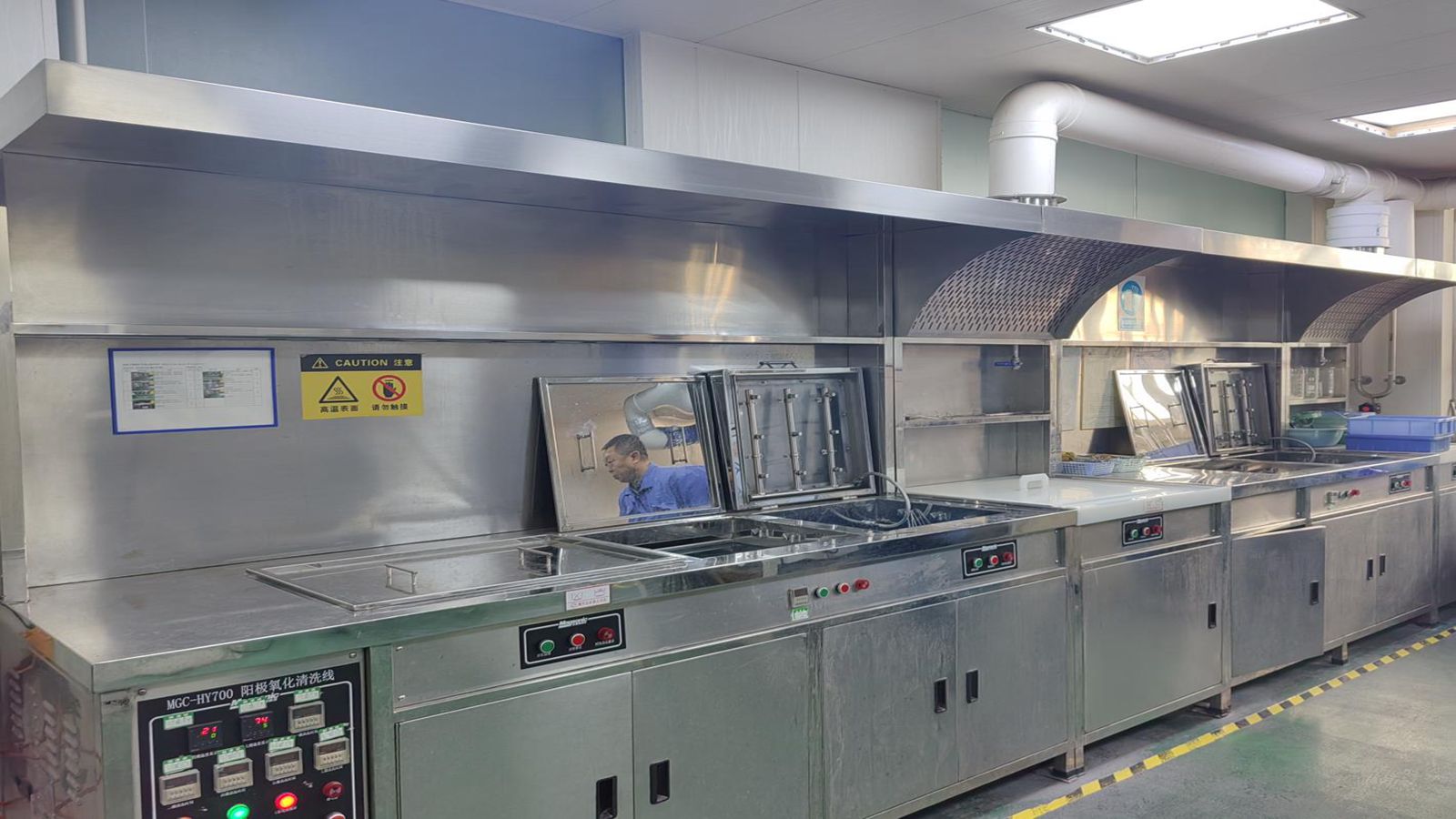
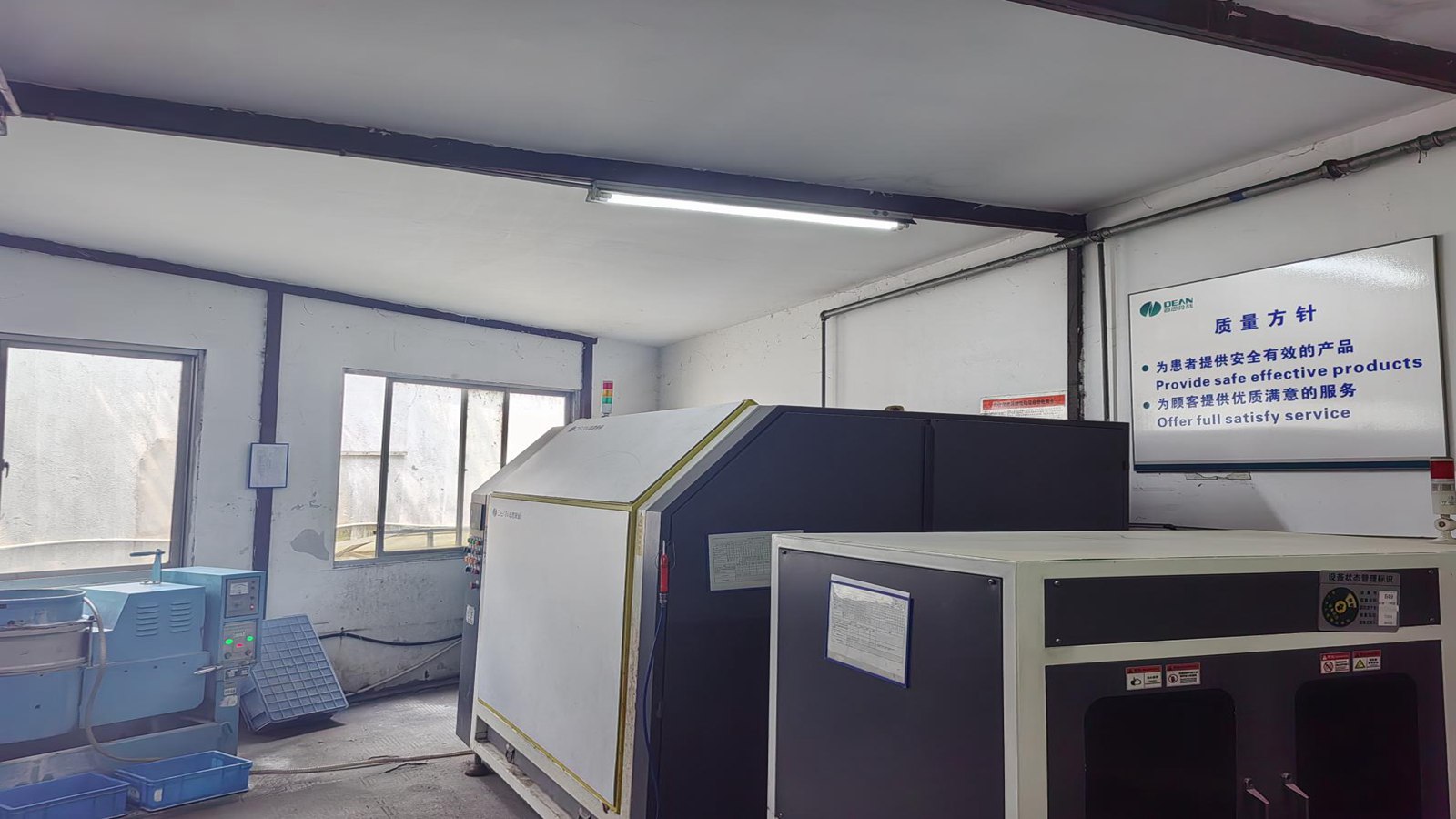
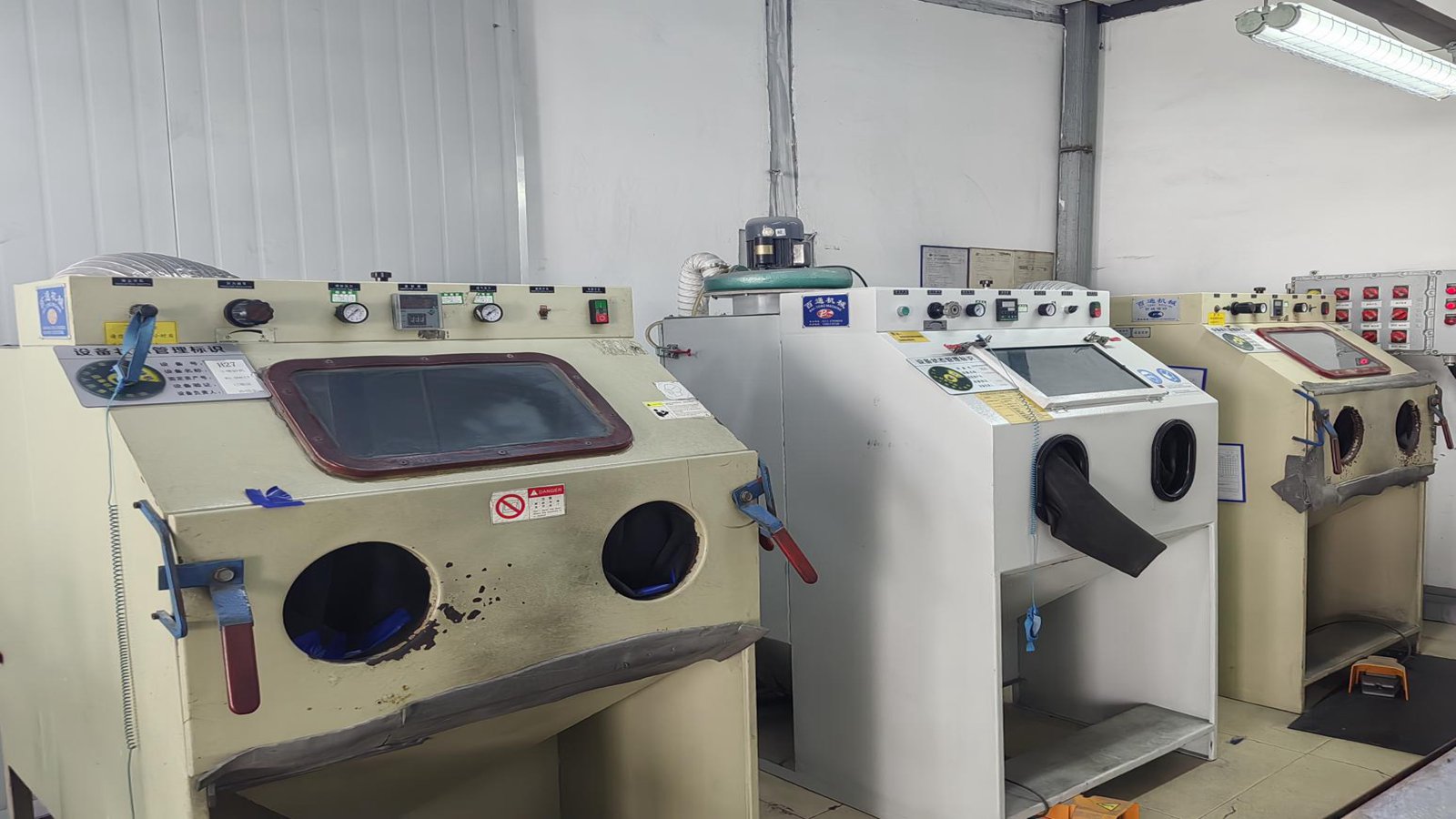
Our machinery infrastructure features five-axis CNC machining centers, high-performance longitudinal turning lathes, advanced anodization lines, and class 10,000 cleanroom packaging zones. Here is an inside look at the specific steps and specialized workshops that form our production pipeline:
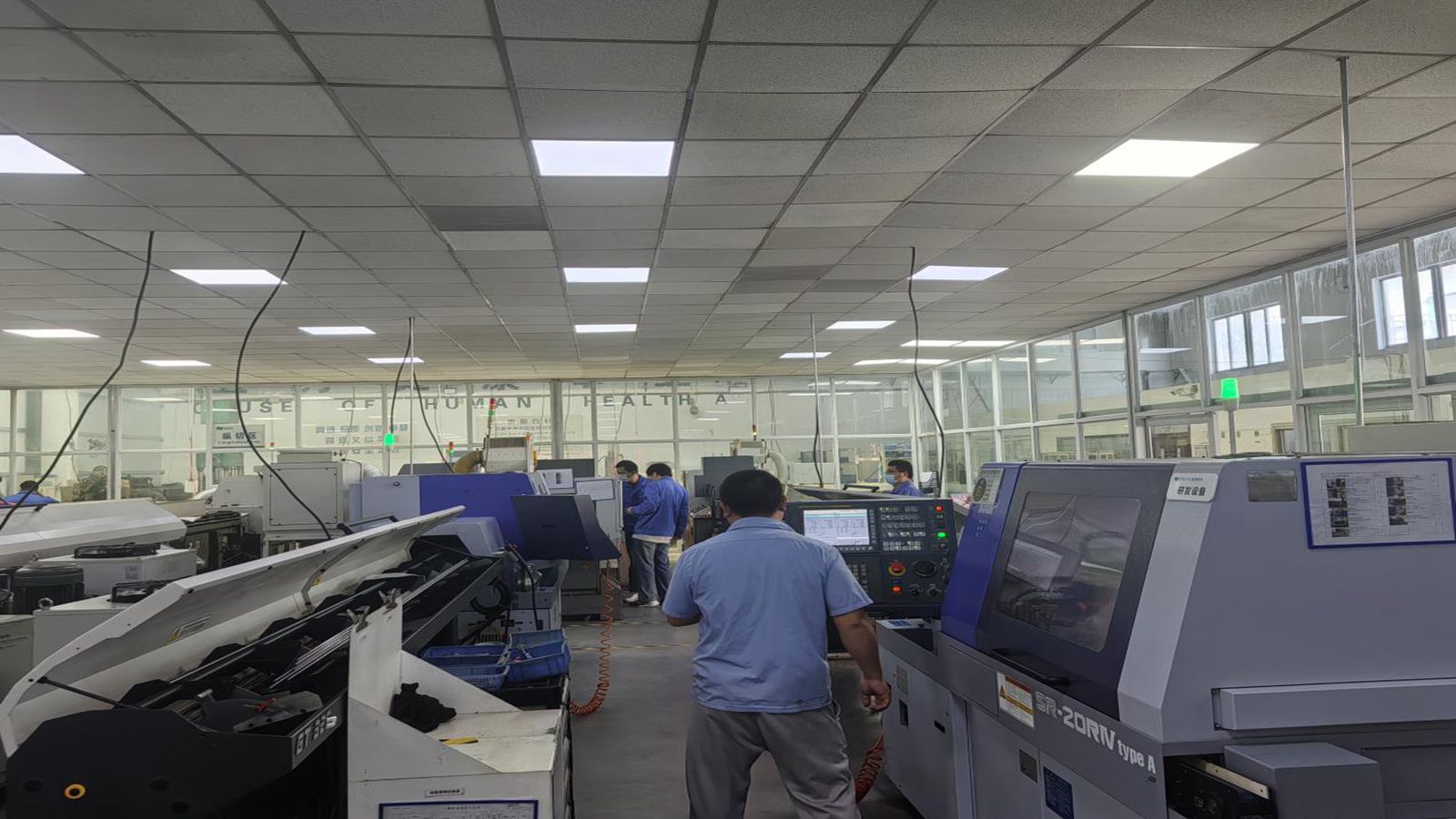
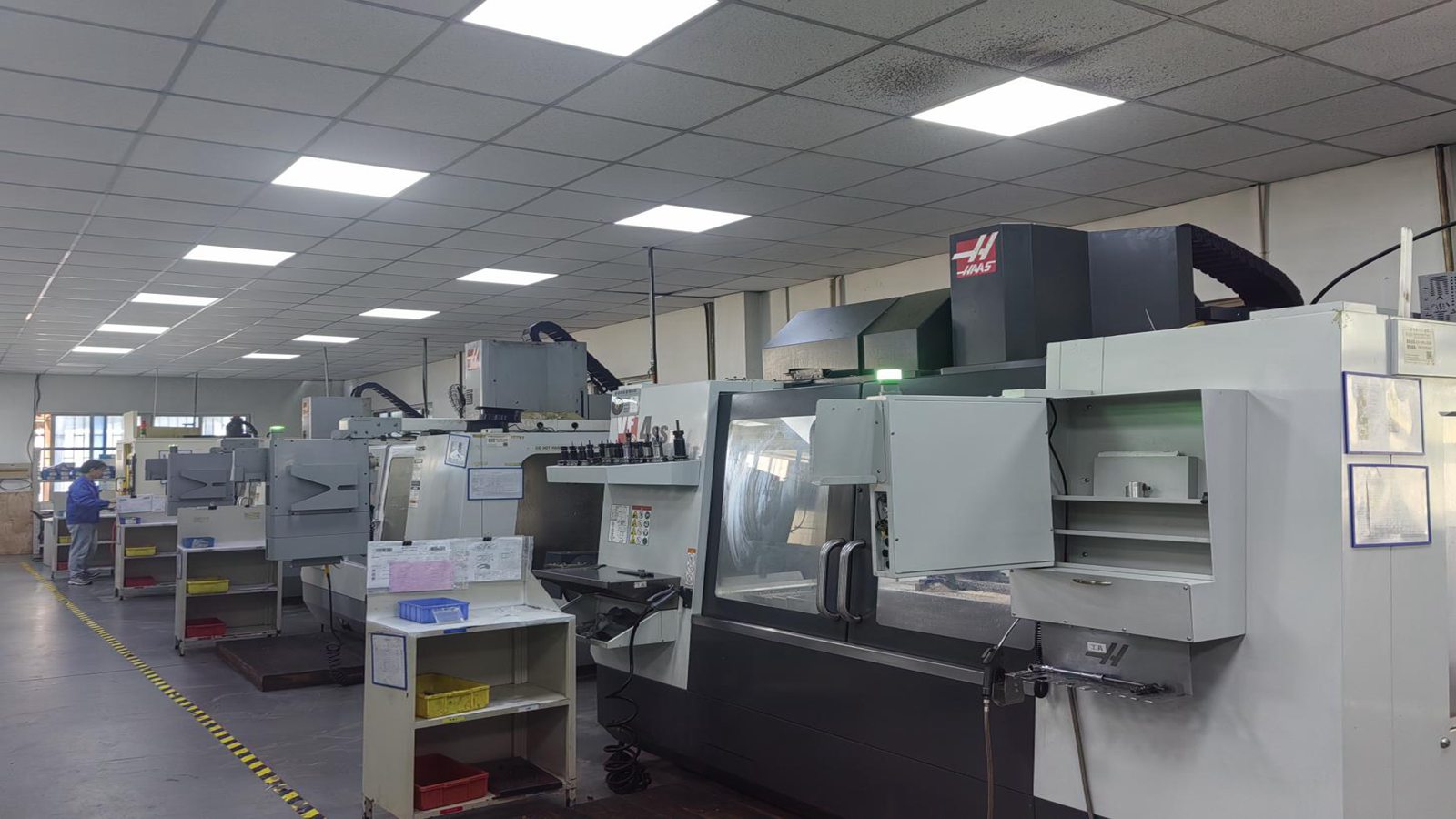
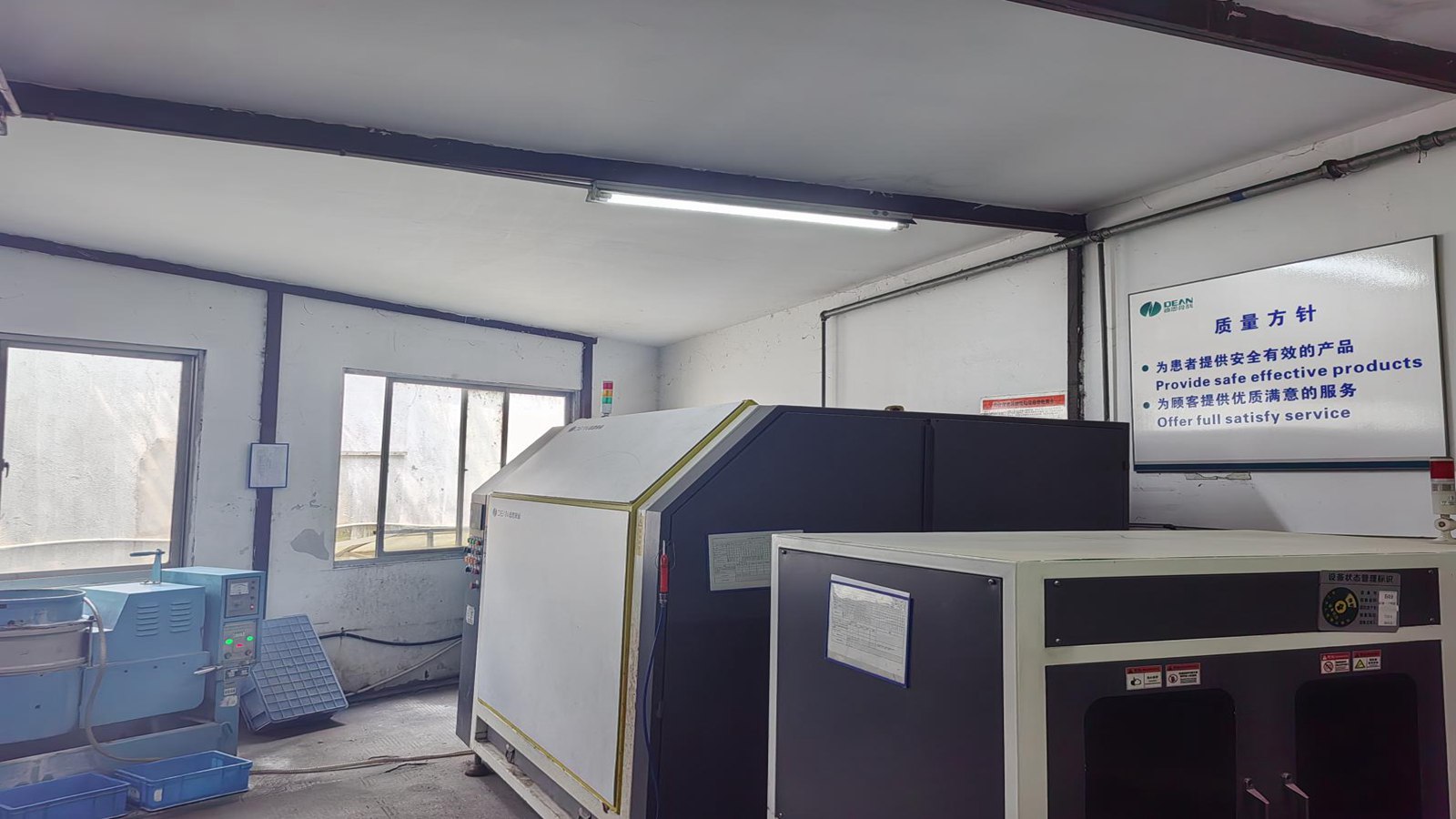
How Medispirex leverages manufacturing scale, raw material control, and design flexibility to benefit Portuguese medical distributors.
In the global medical device sector, supply chain resilience has become a critical operational metric. Medispirex maintains a strong trade-oriented manufacturing background, serving key markets including Europe, North America, the Middle East, and Southeast Asia. Our supply chain network includes approximately 860 upstream and downstream partners, enabling stable production capacity and efficient global delivery. This network minimizes the risk of stockouts and shields our partners from raw material market volatility.
For Portuguese medical distributors, collaborating with a Chinese orthopedic manufacturer like Medispirex offers distinct strategic advantages:
Operating within the European Union means adhering to rigorous regulatory frameworks. The transition from the Medical Device Directive (MDD 93/42/EEC) to the Medical Device Regulation (MDR 2017/745) has reshaped the landscape for orthopedics in Portugal. The MDR imposes strict requirements on clinical evaluation, post-market surveillance (PMS), and Unique Device Identification (UDI) traceability.
Medispirex works proactively to ensure all products conform to these updated standards. By securing CE certifications and implementing strict ISO 13485 quality management systems, we provide our partners with comprehensive technical files and regulatory support. This simplifies the process of registry in Portugal's INFARMED database, facilitating a smooth transition from import customs to the operating room.
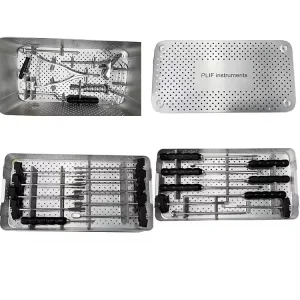
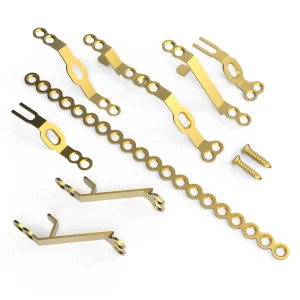
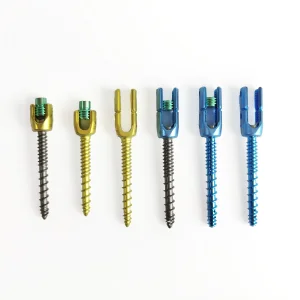
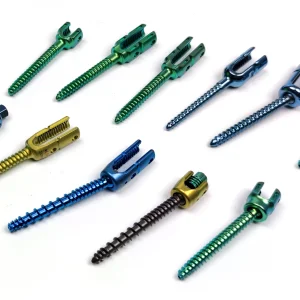
Examine our complete selection of CE-certified spinal systems, featuring high-grade titanium screws, cervical/lumbar interbody spacers, and specialized instrumentation kits.

Key details regarding regulatory pathways, custom specifications, logistics, and quality assurance for our partners in Portugal.