Medispirex
Medispirex
Medispirex
Direct export configurations of regulatory-compliant, bio-compatible spinal implant instruments and stabilization systems.
An Industry Whitepaper on Global Supply Chains, Advanced Biomaterials, and TGA-Compliant Sourcing Models.
Melbourne stands as Australia's premier healthcare and biotechnology hub, housing world-class clinical institutions such as The Alfred, Royal Melbourne Hospital, St Vincent’s Hospital, and the Epworth Healthcare network. The state of Victoria faces a dual challenge: addressing the backlog of elective reconstructive surgeries while managing the soaring costs of private health insurance and public hospital procurement budgets. Within this clinical environment, spine surgery units are constantly seeking implant systems that reconcile uncompromising biomechanical performance with economic sustainability.
Australia’s Therapeutic Goods Administration (TGA) enforces stringent regulatory frameworks (comparable to EU MDR and US FDA Class III regulations) to ensure patient safety. For Melbourne-based medical distributors and purchasing managers, securing a direct manufacturing partner who understands these exact compliance paradigms, material traceabilities, and batch consistencies is critical to maintaining uninhibited market access and hospital tender victories.
Information Gain Highlight: Medispirex Orthopedic Technology bypasses multi-tier brokerage markups, delivering Class III orthotic and spinal implant systems configured directly to ISO 13485:2016 international standards. This direct-to-manufacturer model enables Victorian distributors to mitigate the 30-40% pricing premiums traditionally imposed by global orthopedic conglomerates.
Modern spinal reconstructive surgery is moving rapidly toward Minimally Invasive Surgery (MIS) and bio-optimized structural interfaces. The choice between PEEK (Polyetheretherketone) and Titanium Alloys (such as Ti-6Al-4V ELI) represents the core technical decision in interbody fusion. PEEK devices exhibit an elastic modulus (approx. 3.6 GPa) closely resembling human cortical bone, reducing the risks of stress shielding and subsequent implant subsidence. Conversely, micro-rough titanium surfaces promote enhanced direct osteointegration and mechanical interlocking.
| Biomaterial Property | Medical-Grade PEEK (Optima®) | Titanium Alloy (Ti-6Al-4V ELI) | Clinical Significance for Surgeons |
|---|---|---|---|
| Elastic Modulus | 3.6 - 4.0 GPa | 110 - 114 GPa | PEEK minimizes stress shielding; Titanium offers superior load-bearing strength. |
| Radiolucency | Fully Radiolucent (X-ray transparent) | Radiopaque (Artifacts on CT/MRI) | PEEK allows clear postoperative evaluation of bone fusion mass. |
| Osteointegration | Bioinert (Requires surface modification) | High (Excellent cell attachment) | Titanium accelerates early-stage cellular anchoring. |
| Wear Performance | Extremely low wear debris | Excellent fatigue resistance | Ensures multi-decade implant lifecycle stability. |
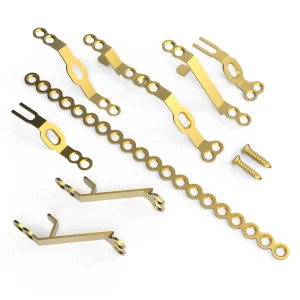
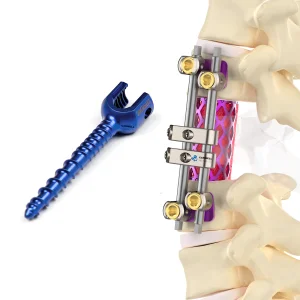
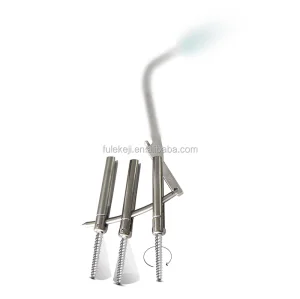
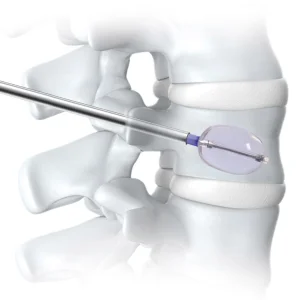
Spinal fusion architectures must adapt to varying patient demographics. In Melbourne's aging demographic, degenerative disc disease and osteoporotic fractures are prevalent, driving demand for Percutaneous Kyphoplasty (PKP) and fenestrated pedicle screws optimized for bone cement reinforcement. In youth sport-related spinal traumas, dynamic stabilization and low-profile laminoplasty plates are heavily utilized. Having an agile manufacturing partner capable of adapting screw threads (double-threaded systems for fast insertion) and surface textures is a vital strategic advantage.
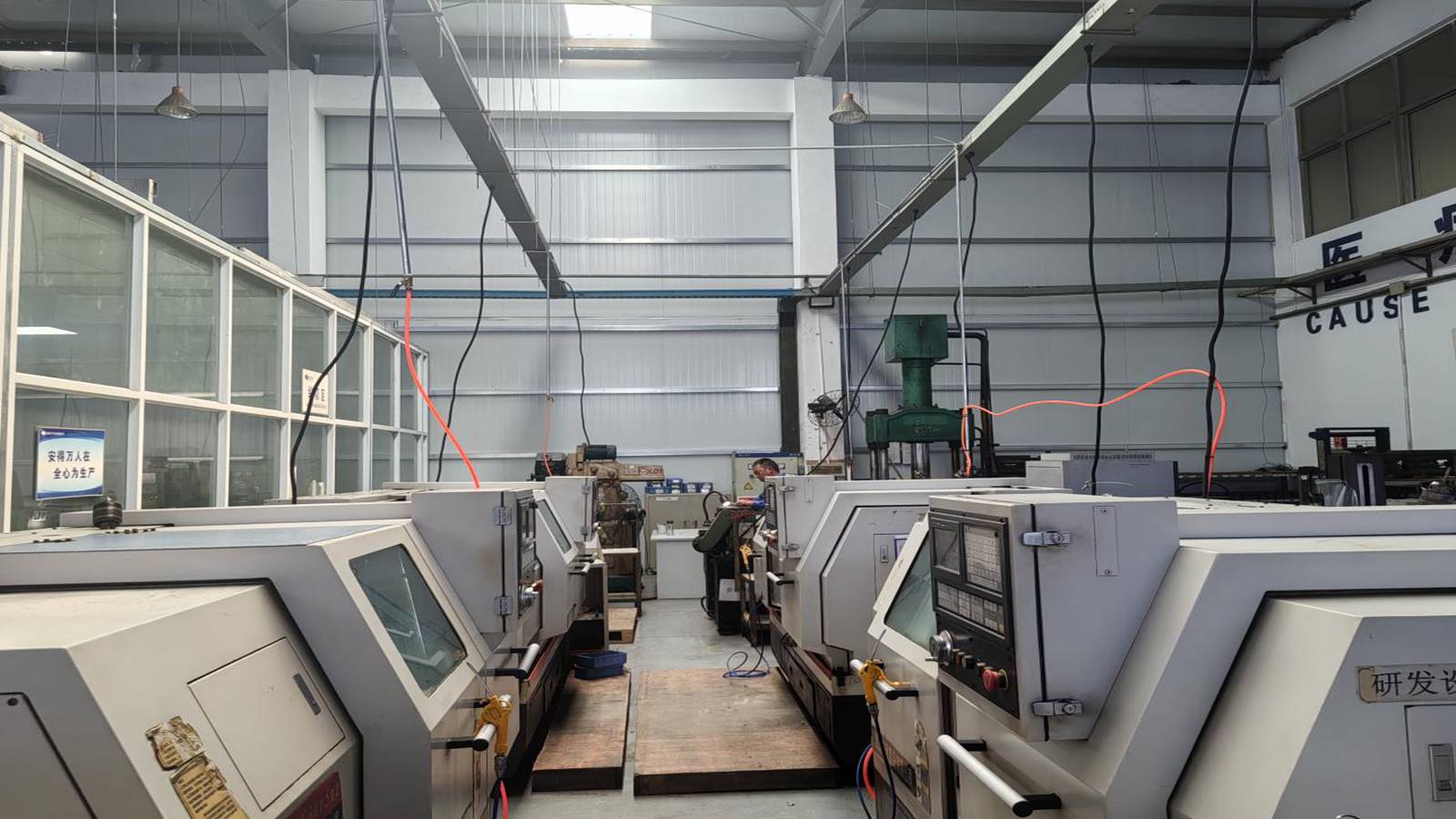
Modern Production Facility
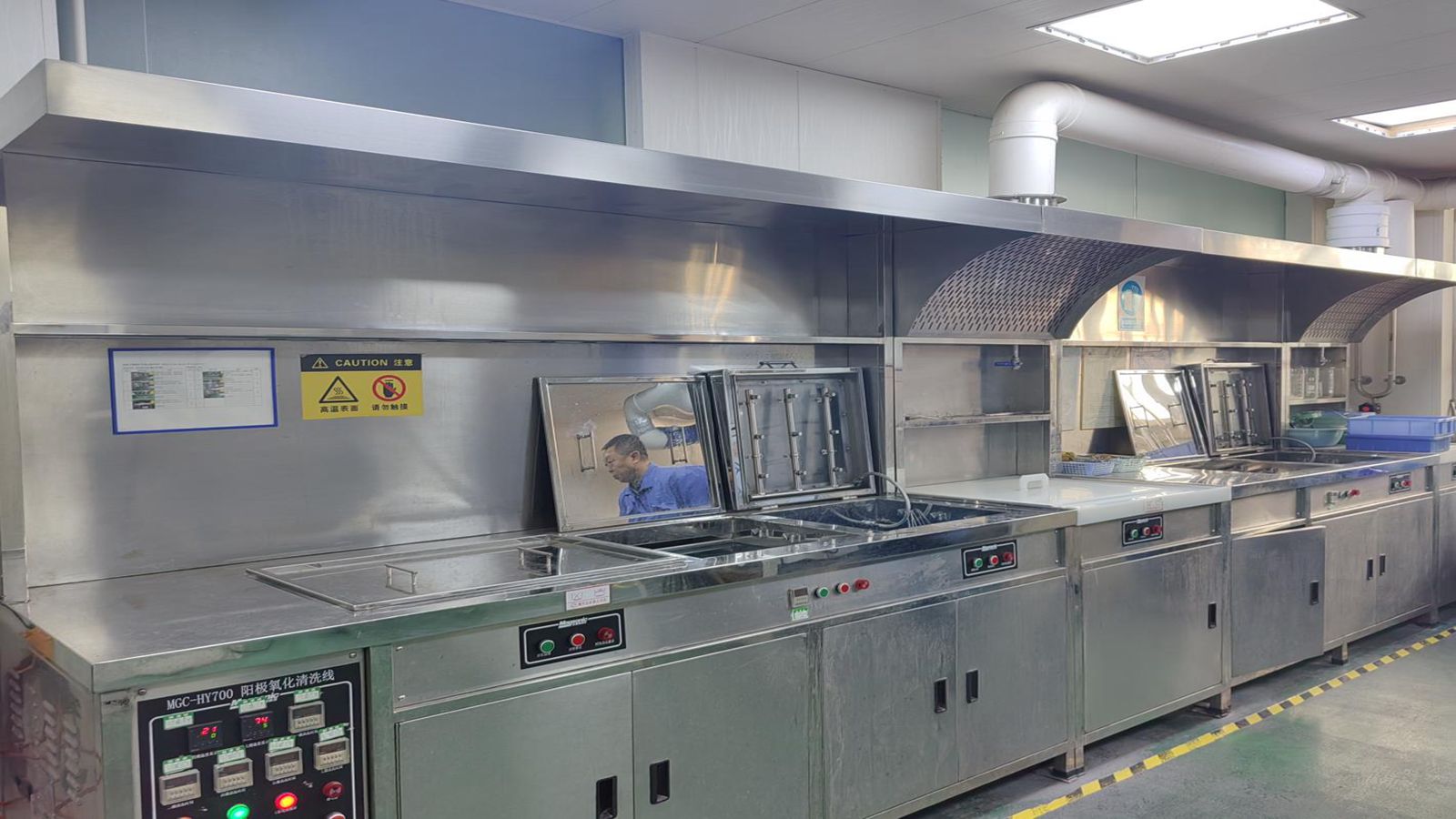
Dedicated QC Specialists
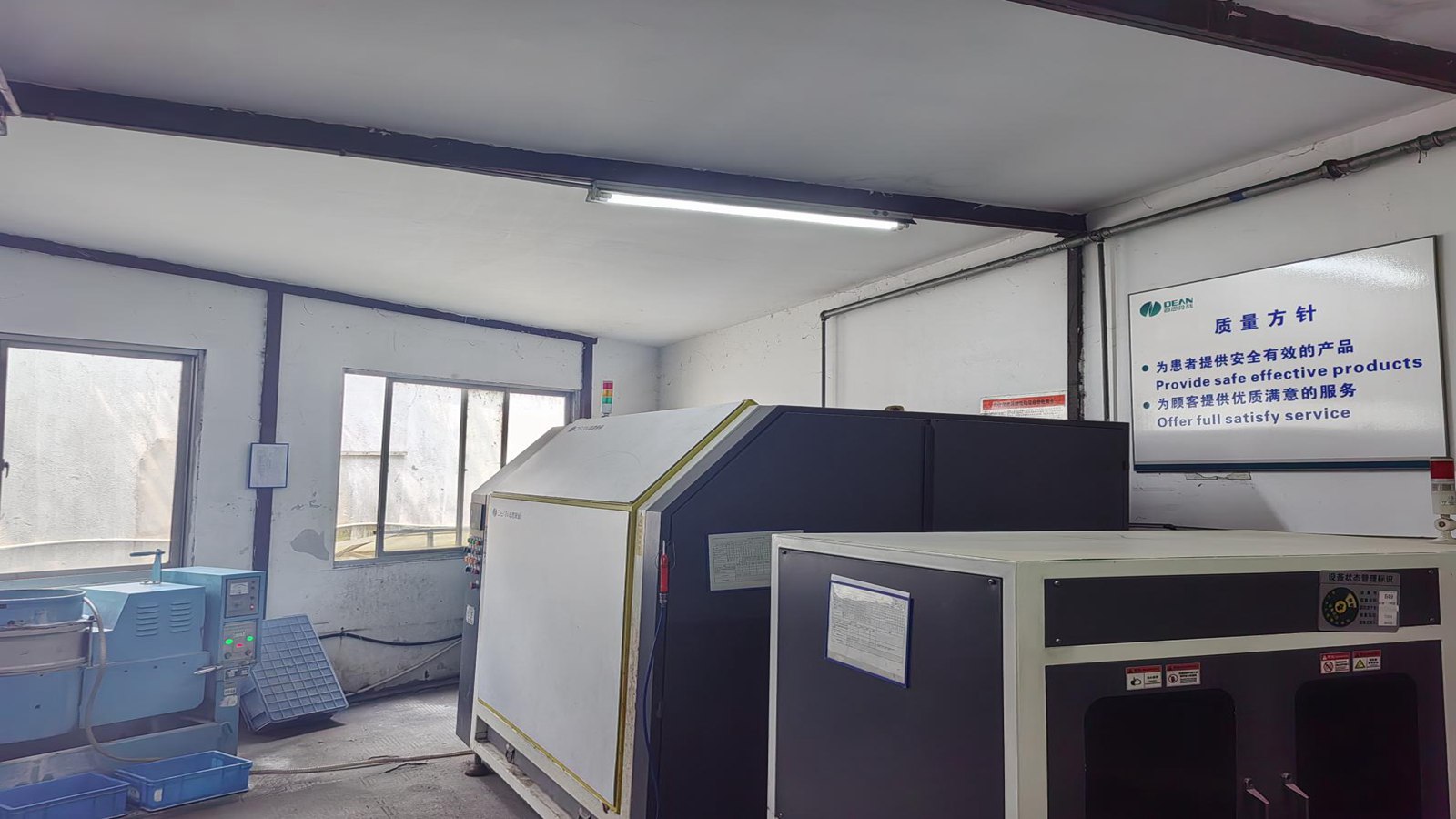
R&D Design Engineers
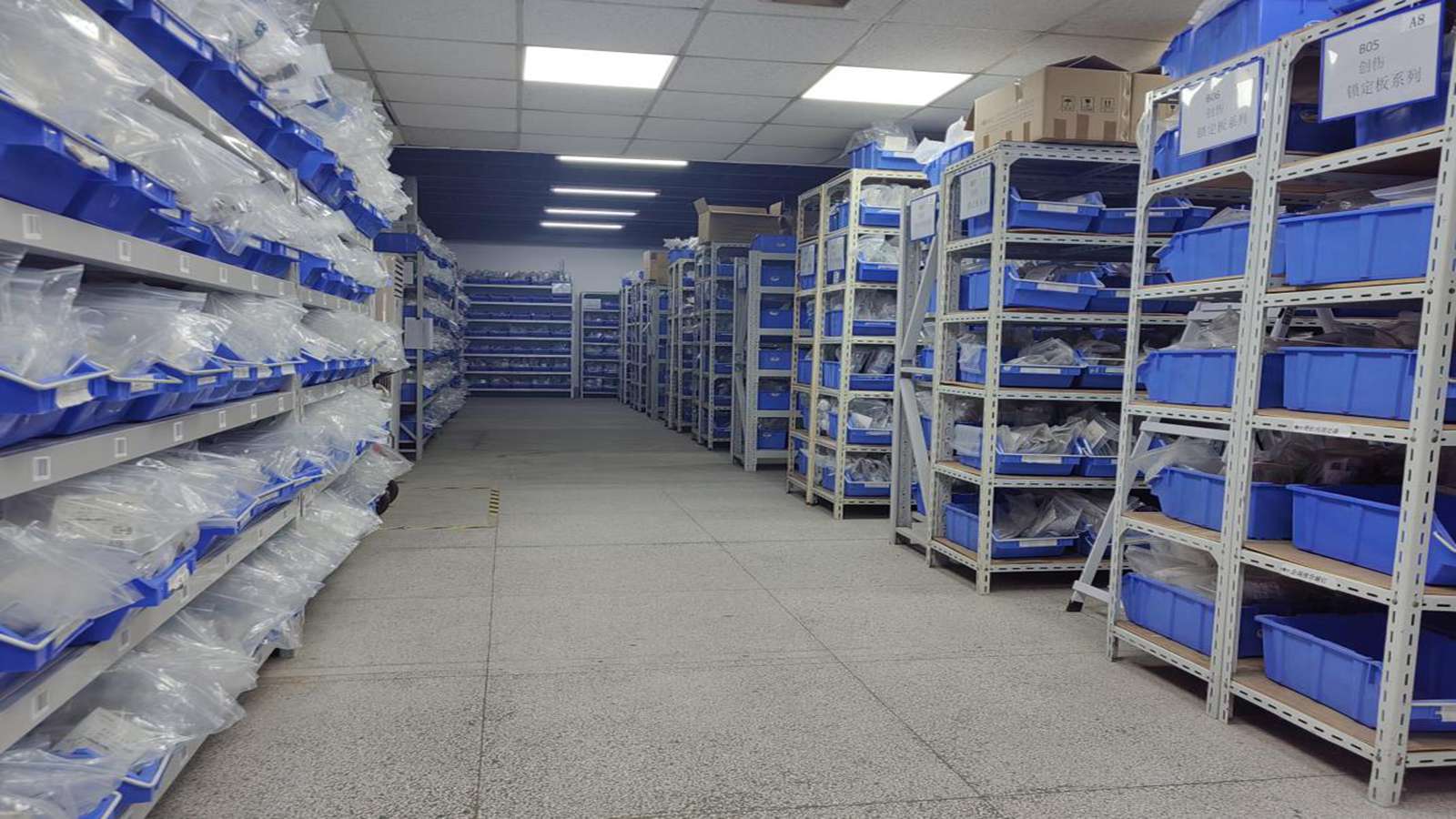
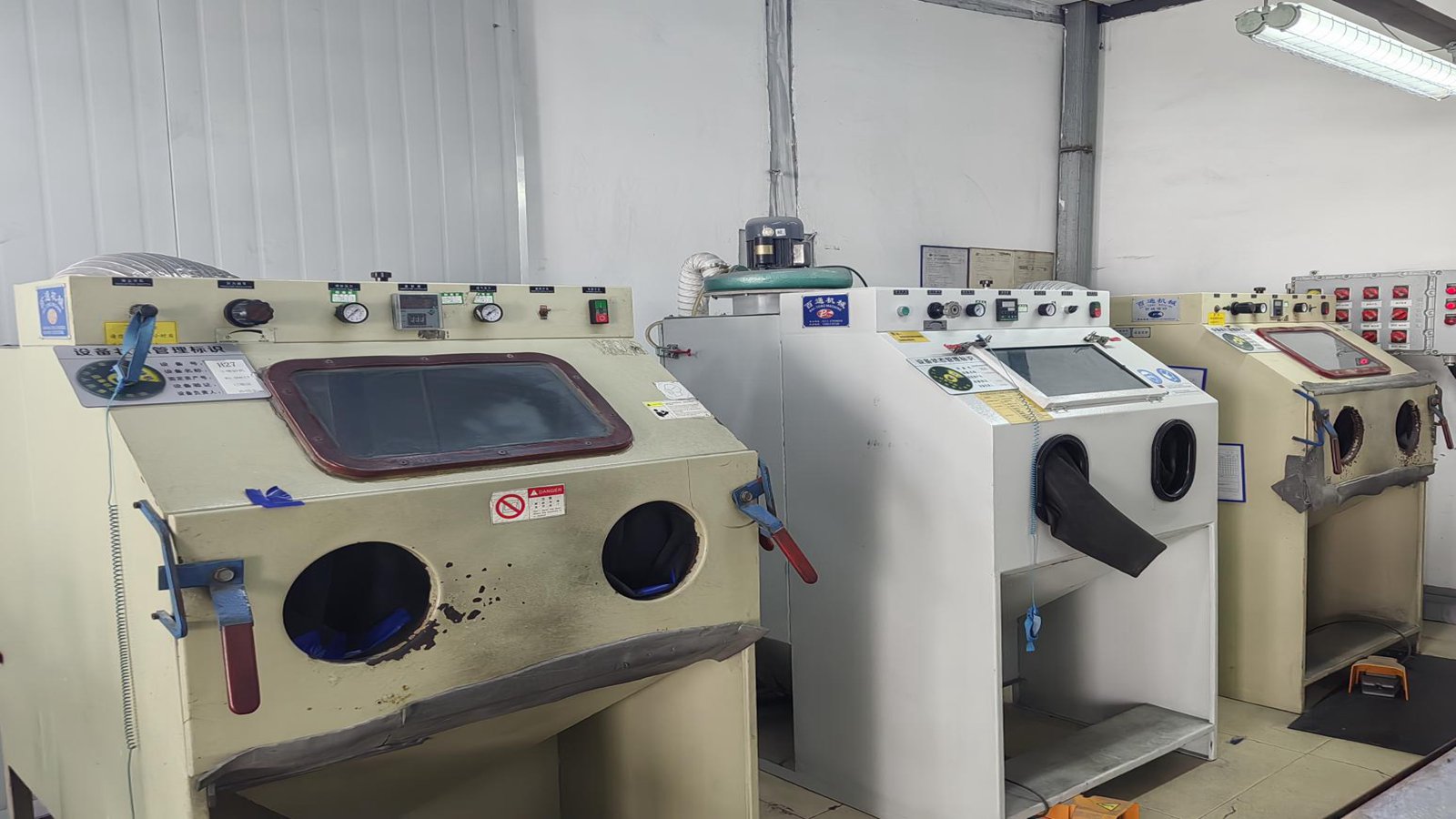
Global Upstream/Downstream Partners
Ensuring structural integrity and anatomical compatibility for complex spinal reconstructions.
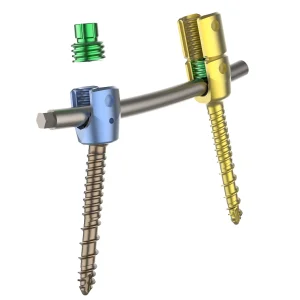
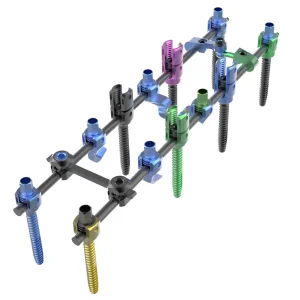
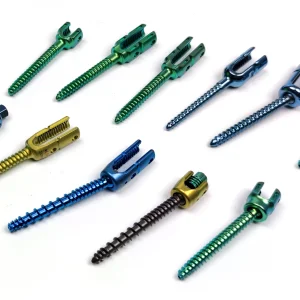
Inside Medispirex Orthopedic Technology Co., Ltd. - Driving down global healthcare costs without compromising quality.
Established in 2016, Medispirex operates an ultra-modern 18,600㎡ production facility dedicated to R&D, structural testing, and high-precision CNC manufacturing. With an annual export volume reaching USD 18 million, our production lines represent the pinnacle of medical manufacturing efficiency. Backed by 7 years of direct export compliance and over 12 years of industry engineering experience, we operate with a singular focus: delivering surgical implants that achieve the absolute highest tiers of quality assurance.
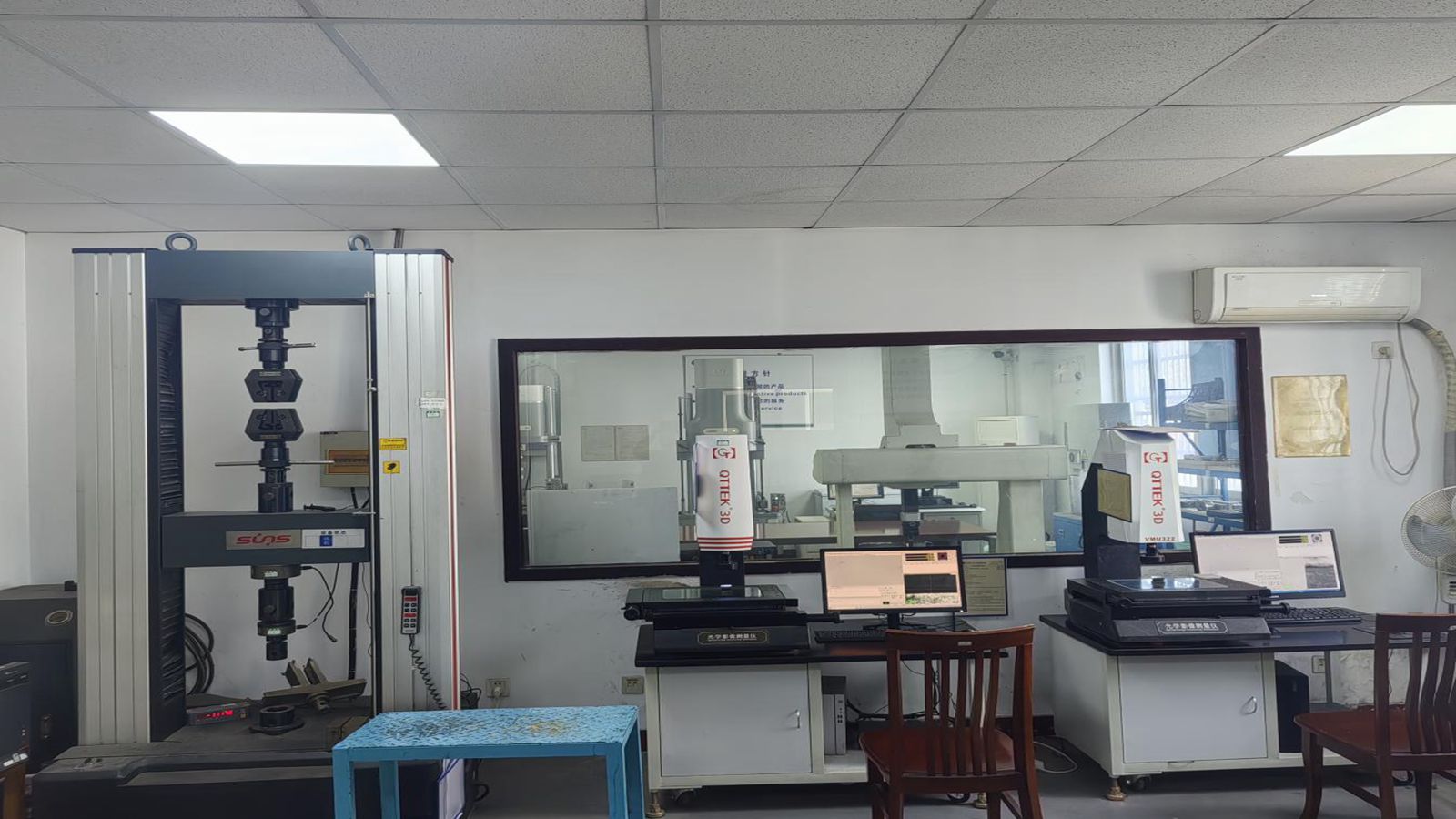
Our manufacturing ecosystem is built on a Four-Tier Quality Control System managed by 45 specialized quality inspectors. Every batch of raw titanium (Ti-6Al-4V ELI) and PEEK undergoes incoming material spectrometer validation. In-process quality control (IPQC) utilizes optical comparators and automated multi-axis measurement tools to secure tolerances under 5 microns. Final inspection routines (FQC) mandate strict biomechanical fatigue testing (simulating millions of compression-bending cycles conforming to ASTM F1717 / ISO 12189 standards) before sterile cleanroom packaging.
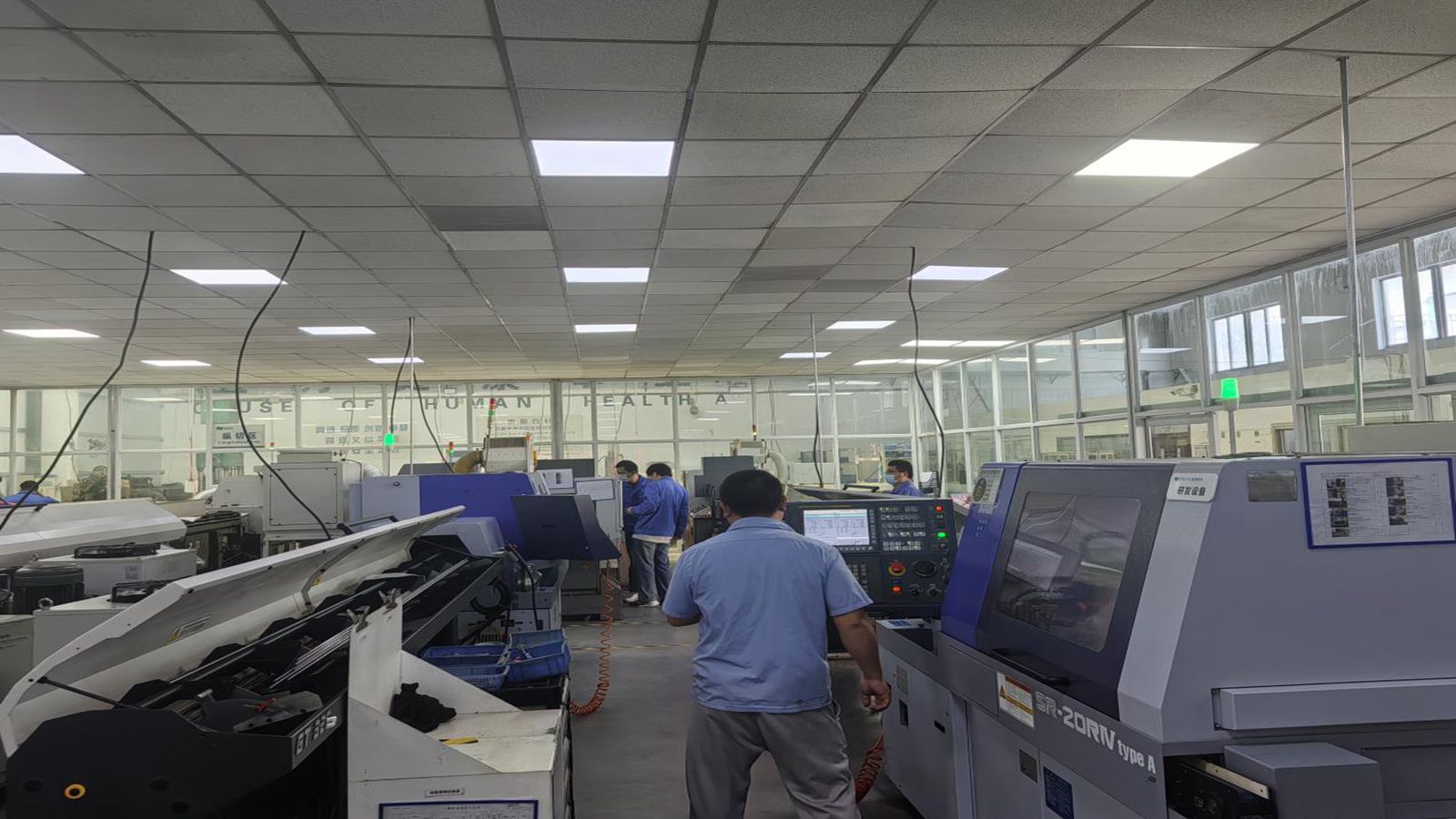
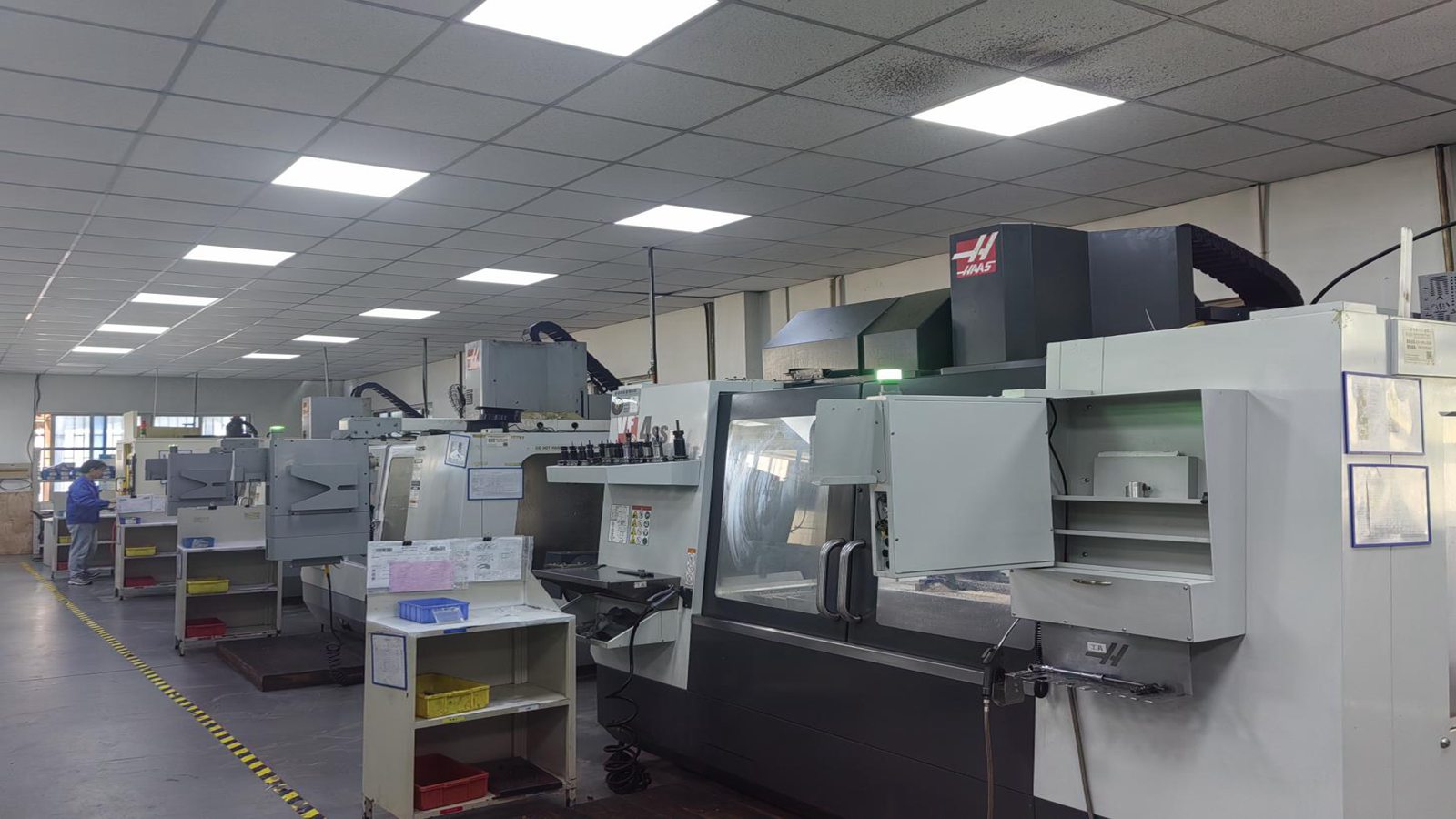
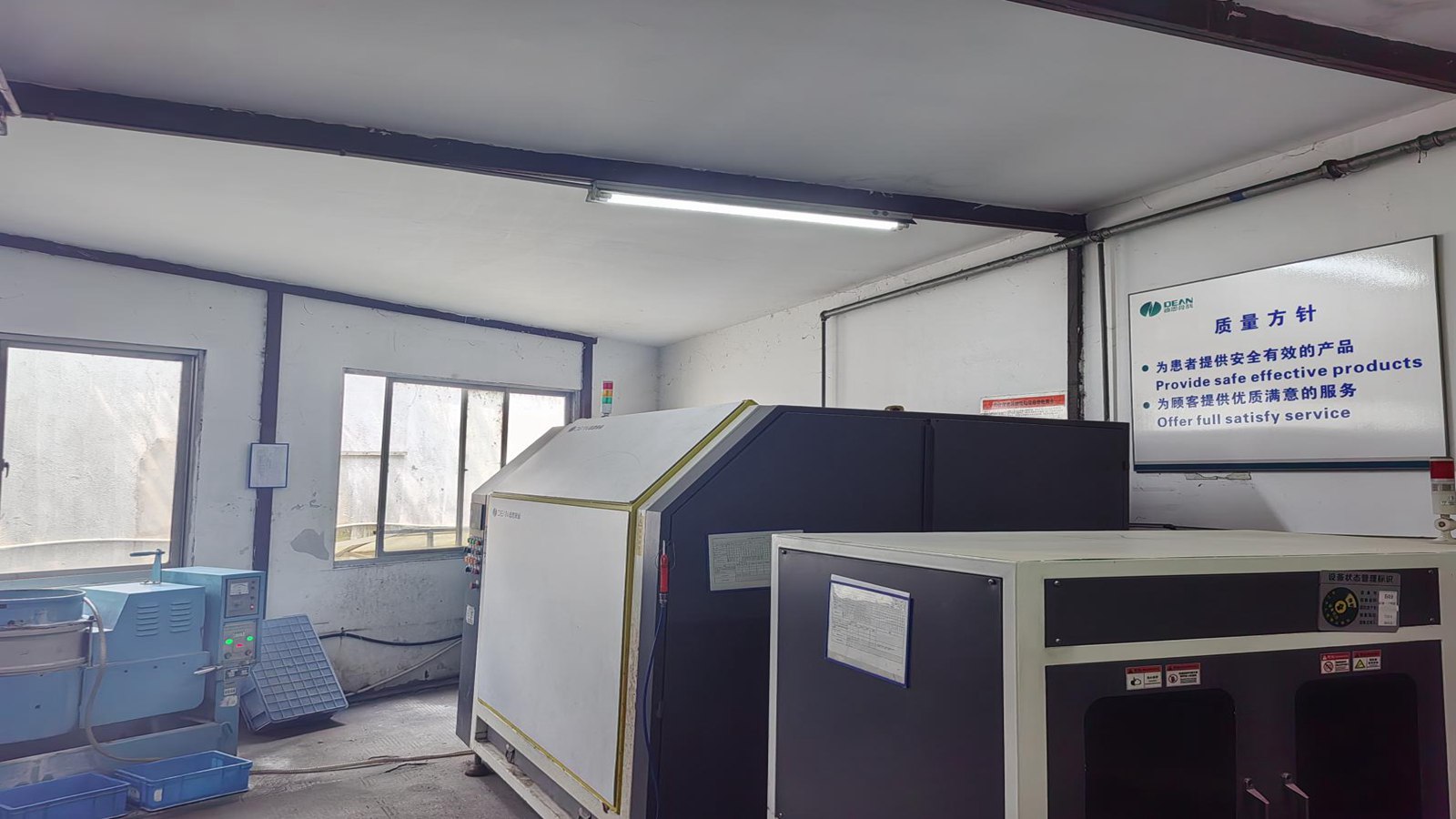
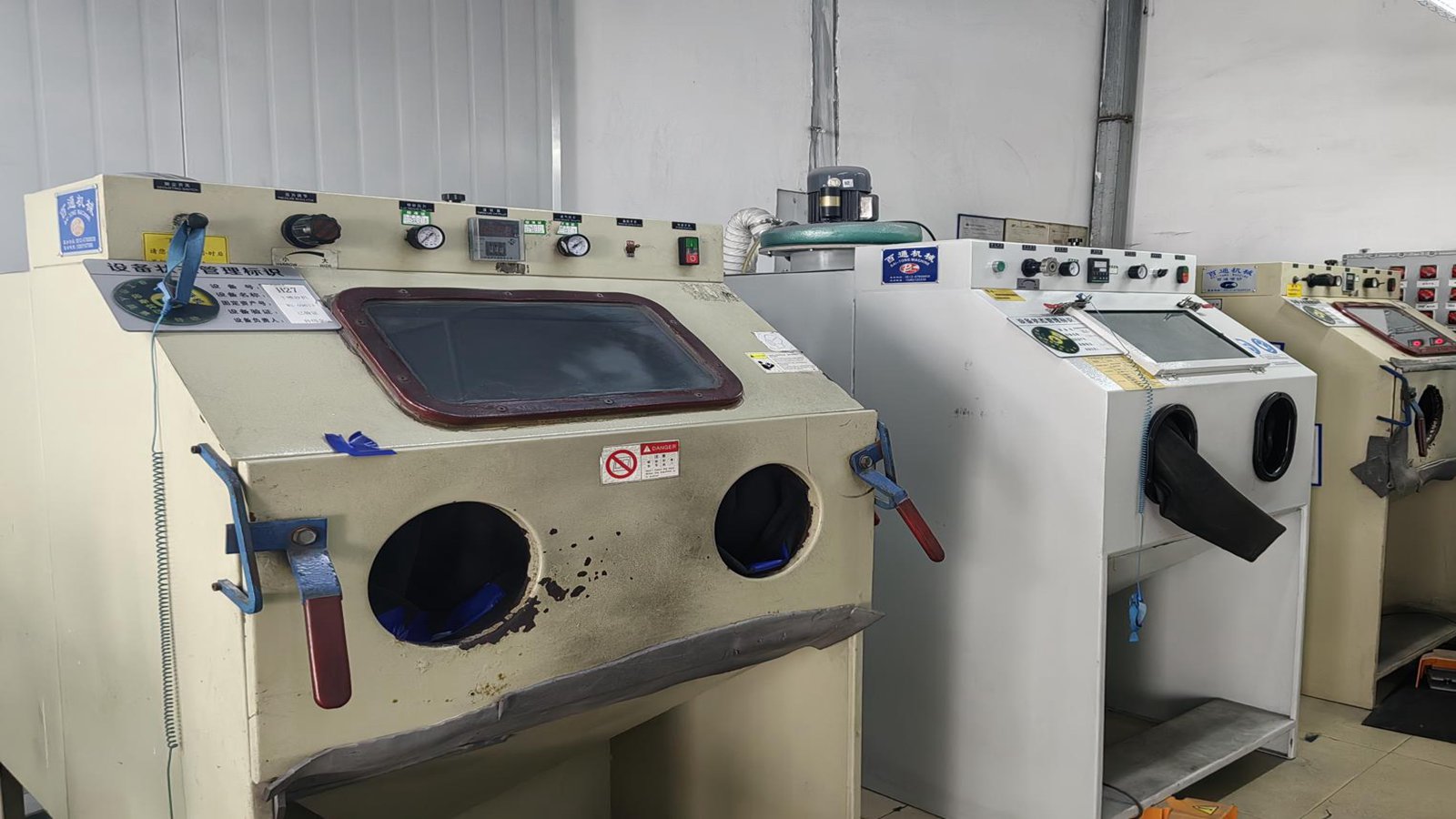
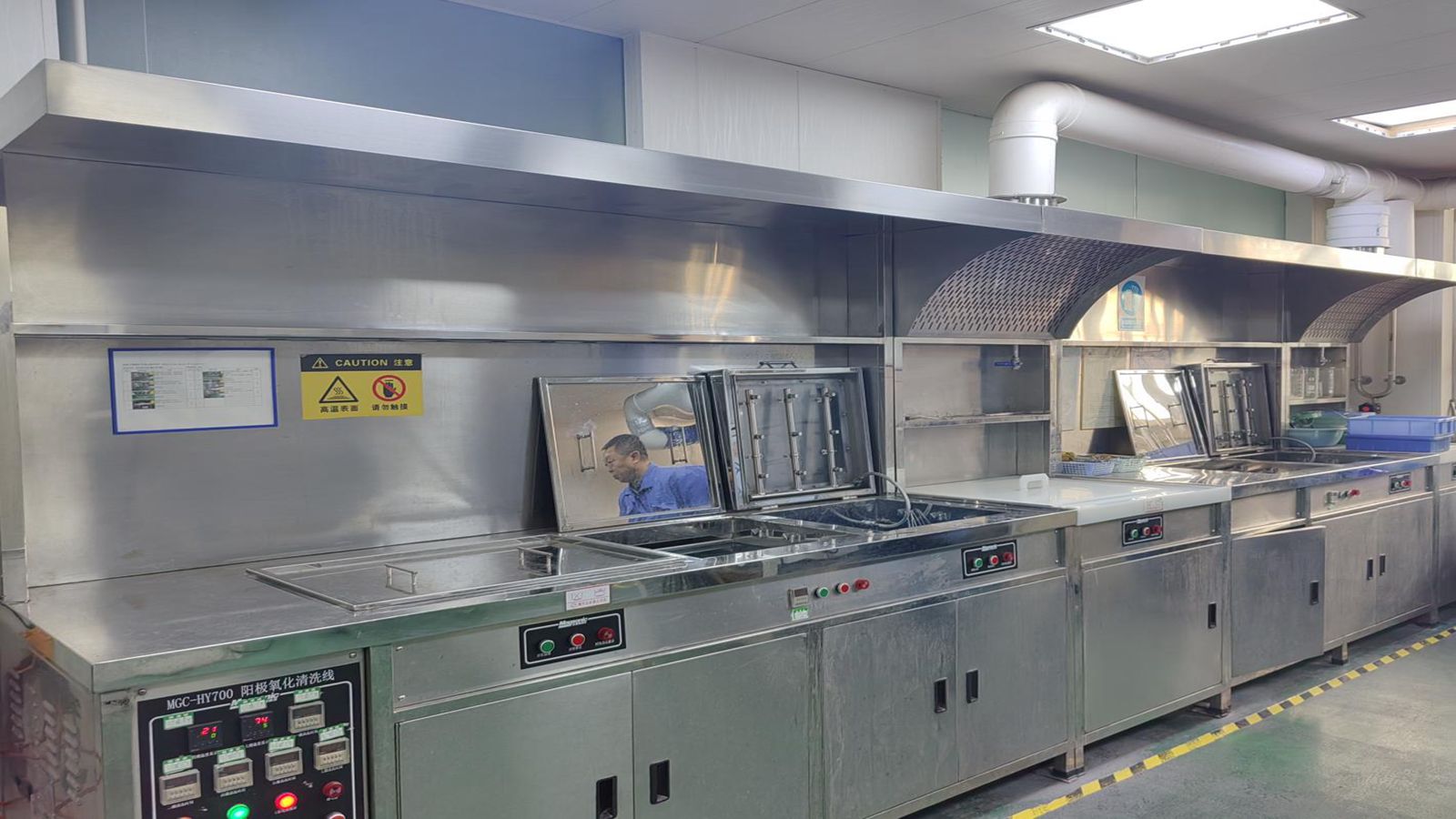
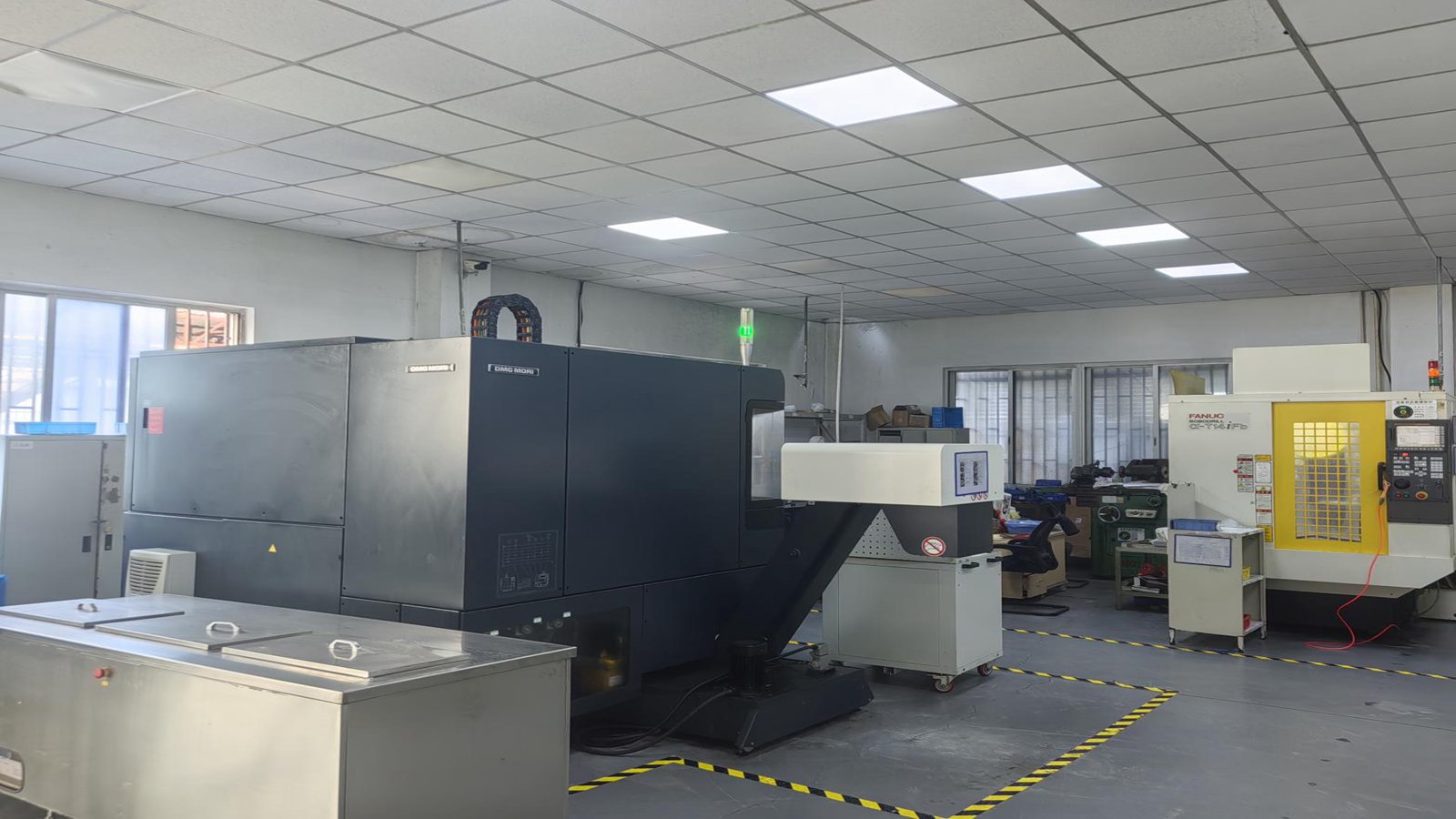
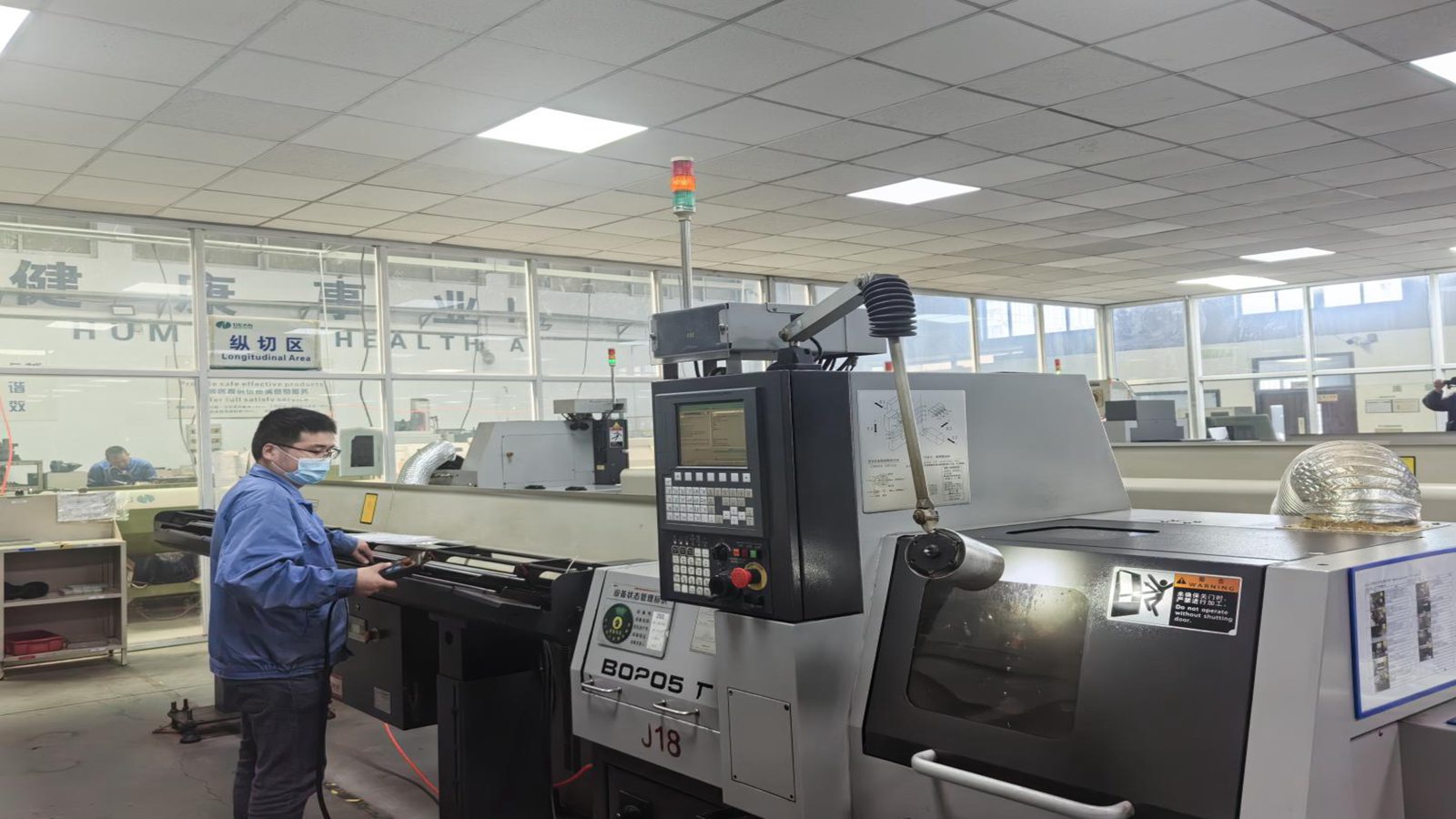
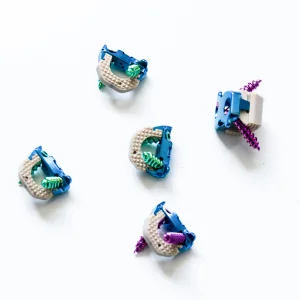
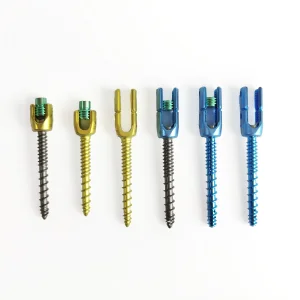
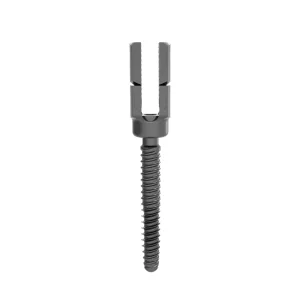
Discover our extensive range of clinical implants, including pedicle screw configurations, dynamic cervical systems, and ACDF cages.
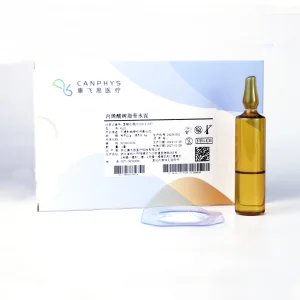
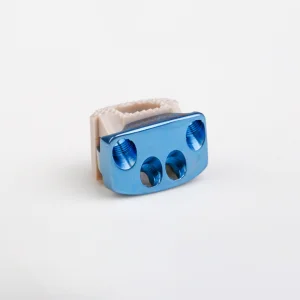
Addressing clinical verification, TGA coordination, material integrity, and OEM/ODM capacities.
Medispirex implants are manufactured in strict compliance with ISO 13485:2016 and hold valid CE marks. We work collaboratively with Australian sponsors and local medical device distributors in Melbourne to facilitate technical dossier submissions (including biological safety assessments and mechanical test reports) to the TGA to secure ARTG (Australian Register of Therapeutic Goods) listings.
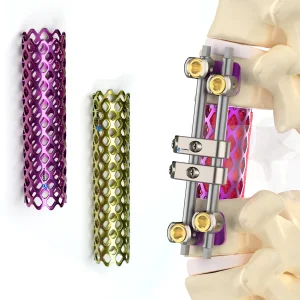
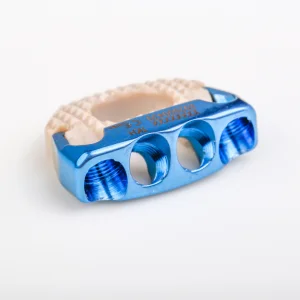
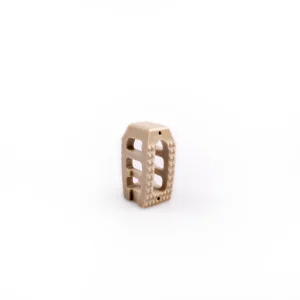
We exclusively use medical-grade PEEK (Polyetheretherketone) sourced from top-tier raw material providers (such as Evonik or Victrex Optima®). The PEEK cages are fitted with tantalum radiopaque markers to enable precise intraoperative and postoperative visualization of the implant's orientation and position under fluoroscopy.
Standard orders are processed and shipped within 30 to 45 days. For long-term contract partners and tender holders in Victoria, we establish safety stock thresholds within our centralized warehouse to enable air-freight fulfillment within 7-10 business days to Melbourne (Tullamarine) Airport, ensuring continuous clinical availability.
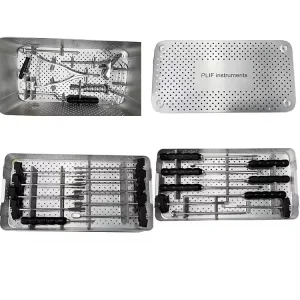
Yes, Medispirex is a premier partner for OEM/ODM contract manufacturing. Supported by our 85 R&D engineers, we provide custom design adaptation, custom instrumentation kit design, specialized surface coatings, and private label packaging tailored to meet the specific requirements of the Australian and global markets.
Every design iteration is subjected to strict dynamic testing procedures mimicking physiological lumbar loading. Mechanical validation is carried out in our state-of-the-art testing laboratory following ASTM F1717 standards (standard test methods for spinal implant constructs in a vertebrectomy model), verifying fatigue strength up to 5 million cycles.
Reduce surgical acquisition overheads while maintaining strict adherence to Class III safety parameters. Contact our international regulatory affairs and distribution division today.
Inquire Now: Secure Exclusive Distribution Rights