Medispirex
Medispirex
Medispirex
Premium Orthopedic Spine Systems Tailored for Clinical Demands, Hospital Efficiency, and PMDA Regulatory Standards in Central Japan
Engineered to strict clinical standards, providing precise stabilization and bone fusion performance for Nagoya's premier medical institutions.
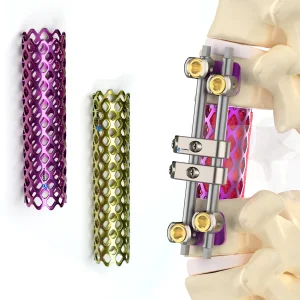
Nagoya, the capital of Aichi Prefecture and the industrial heart of the Chubu region, is experiencing one of the most rapid demographic shifts in the developed world. With an aging population that demands active, pain-free longevity, Nagoya's medical system faces intense pressure to optimize spine surgeries. Renowned healthcare centers like Nagoya University Hospital, Nagoya City University Hospital, and local orthopedic clinics are shifting from traditional open spinal operations to Minimally Invasive Spine (MIS) procedures.
This clinical paradigm shift requires implants that offer high mechanical stability, rapid osseointegration, and anatomical compatibility with East Asian patient physiologies. The demand for cervical disk replacements, Posterior Lumbar Interbody Fusion (PLIF), Transforaminal Lumbar Interbody Fusion (TLIF), and Kyphoplasty instrumentation has surged. Spinal implants must not only prevent revision surgeries but also simplify surgical steps to minimize anesthesia times for elderly patients.
Clinical Focus: In Japan, patient safety is paramount. Surgeons in Aichi demand implants made from medical-grade PEEK and ultra-clean titanium alloys that exhibit low fatigue profile, zero-artifact imaging under MRI/CT, and reliable biomechanical load-sharing properties.
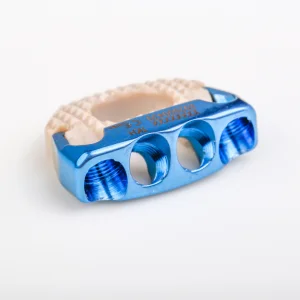
Globally, the spinal implant market is transitioning towards smart, specialized systems. The adoption of 3D-printed porous implants, standalone zero-profile cervical cages, and reduction pedicle screws with optimized thread pitches has elevated the standard of care. Standard medical devices must align with the global consensus on surgical efficiency and biological integration. The global orthopedic industry is also experiencing pricing pressures, driving hospitals and purchasing groups to look beyond traditional legacy brands toward OEM/ODM manufacturing powerhouses that deliver equivalent clinical safety profiles with superior cost efficiency.
Modern Production Facility
Annual Export Revenue
R&D Engineers
Dedicated QC Professionals
Medispirex Orthopedic Technology Co., Ltd. (established in 2016) has pioneered high-precision orthopedic design. Through our modern 18,600㎡ production facility, we resolve the historical trade-off between price and uncompromising quality. Leveraging advanced CNC multi-axis milling, automated polishing, and class 10,000 cleanroom packaging, we supply hospitals, distributors, and OEM/ODM partners in Nagoya and globally.
China's medical manufacturing efficiency lies in its integrated supply chain. With over 860 upstream and downstream partners, we secure high-grade raw materials (medical Ti-6Al-4V ELI titanium and Solvay PEEK) at bulk costs, transmitting these savings directly to our partners. Our 7-year export legacy and 12-year industry expertise guarantee that all manufactured spinal implants perform reliably under high-stress conditions.
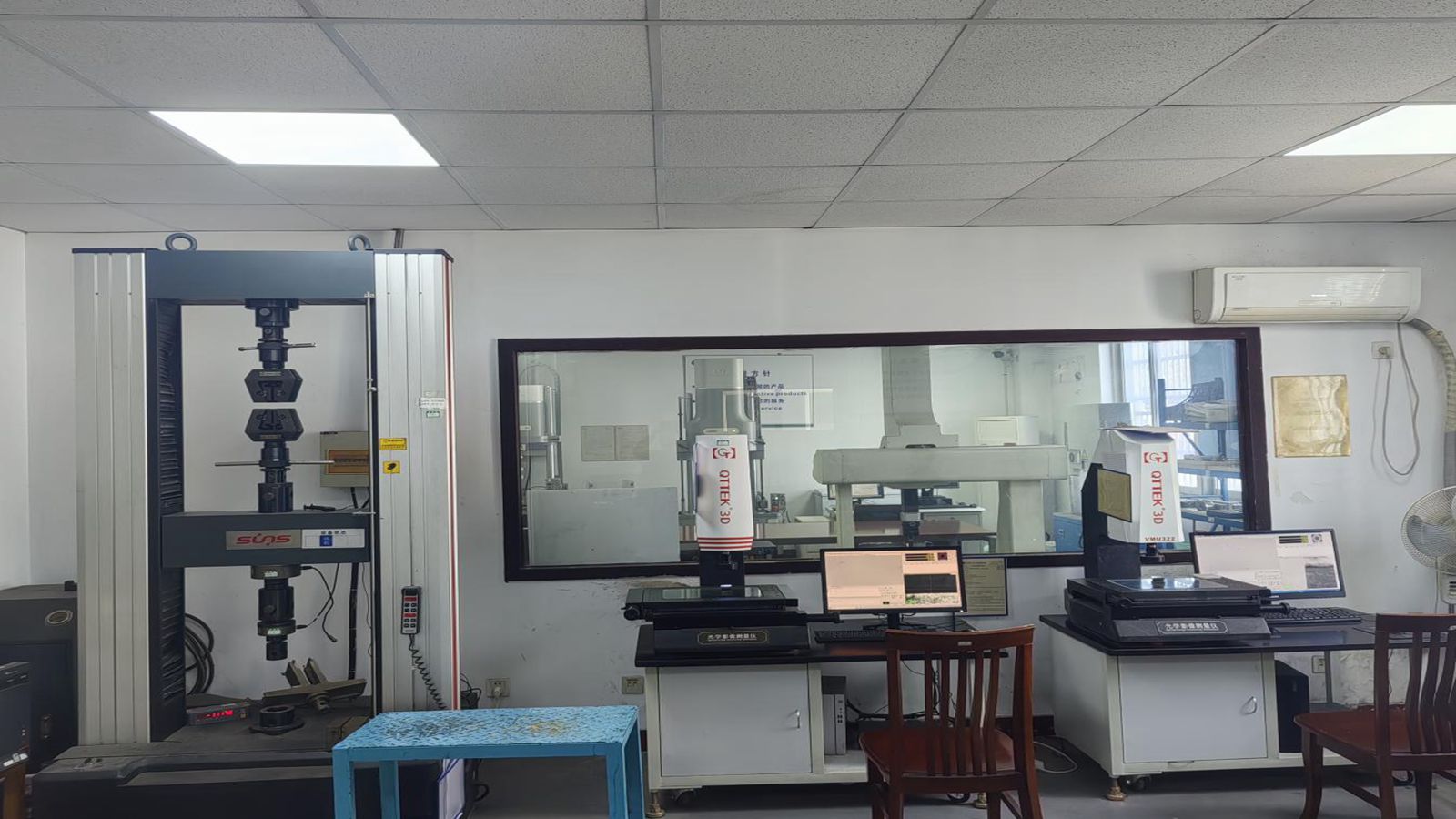
We deploy incoming material spectroscopy, mechanical fatigue validation, and 3D coordinate dimensional testing to guarantee 100% batch traceability.
Our team of 85 engineers quickly designs, prototypes, and adjusts spinal hardware to match target surgical styles and instruments.
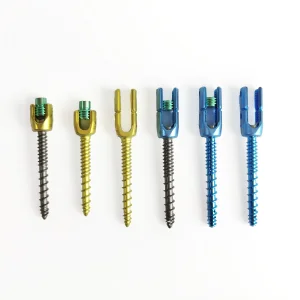
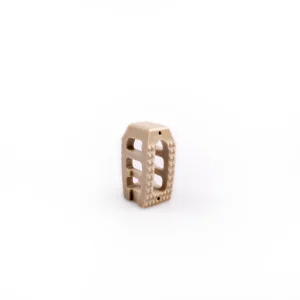
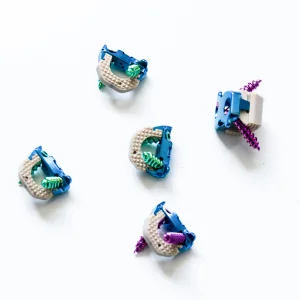
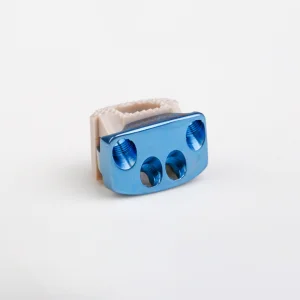
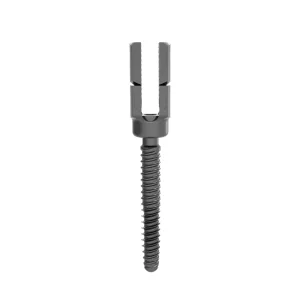
In Nagoya's surgical settings, orthopedic implants are evaluated on ease-of-use, ergonomic profile, and compatibility with endoscopic systems. During Anterior Cervical Discectomy and Fusion (ACDF), surgeons prefer zero-profile integrated screw cages to reduce post-operative dysphagia. In posterior lumbar surgeries, reduction pedicle screws with double-lead threads allow faster insertion and lower bone stress, which is critical when addressing osteoporotic bone tissue commonly observed in older demographics.
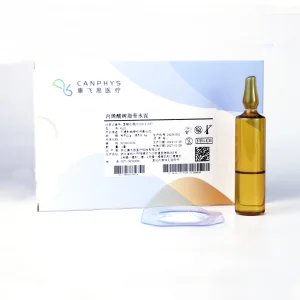
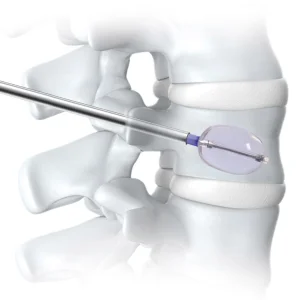
Furthermore, our PKP (Percutaneous Kyphoplasty) instruments and spinal cement delivery kits are designed to manage osteoporotic vertebral compression fractures (VCF) effectively. By optimizing the ergonomics of the cement injector and balloon inflation mechanisms, clinicians can shorten recovery times, reducing patient stays in Nagoya's regional hospitals.
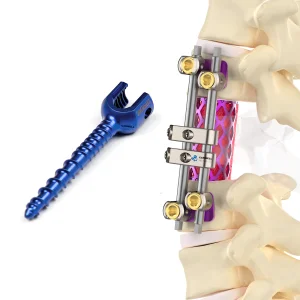
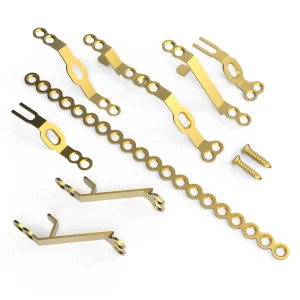
The industry is rapidly evolving towards surface-modified materials. Medispirex is investing heavily in surface-nanostructured titanium coatings on PEEK implants, combining the elastic modulus of PEEK (which mimics natural cortical bone) with the excellent osseointegration properties of titanium. Additionally, MIS (Minimally Invasive Surgery) continues to expand. We are developing low-profile rod-introduction systems and navigation-compatible screw assemblies to support robot-assisted orthopedic surgeries, ensuring Nagoya's distributors remain ahead of technological trends.
Navigating Japan's PMDA (Pharmaceuticals and Medical Devices Agency) approval requires meticulous document support, ISO 13485 certification, and detailed biocompatibility data (conforming to ISO 10993). Medispirex supports global procurement managers and Japanese primary distributors with comprehensive technical files, raw material certifications, and mechanical fatigue test results (conforming to ASTM F1717 for spinal constructs). This robust data package ensures a smooth registration pathway and reliable supply chain security.
Witness the precision engineering, controlled environmental zones, and modern CNC machinery behind our certified spinal implants.
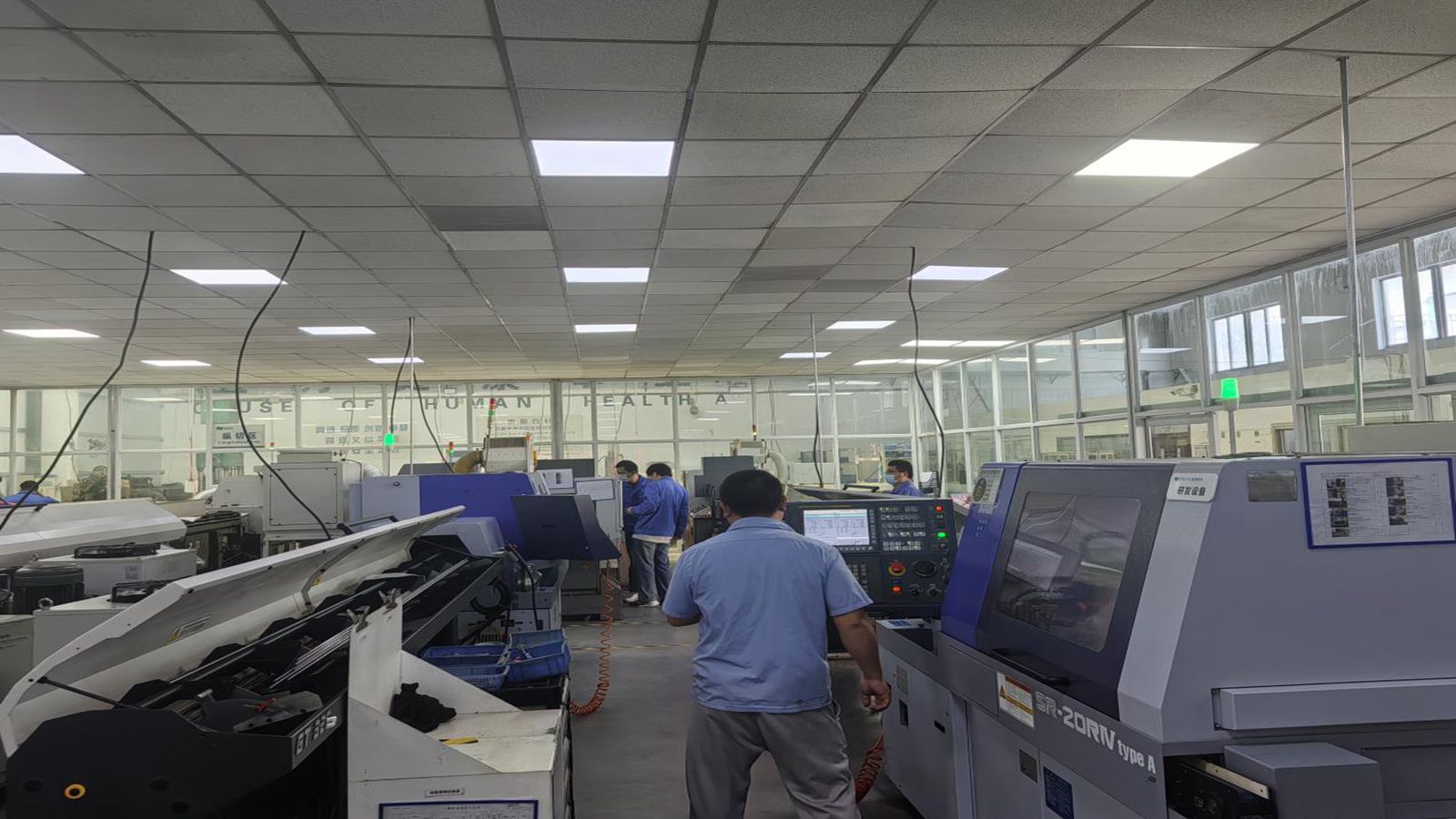
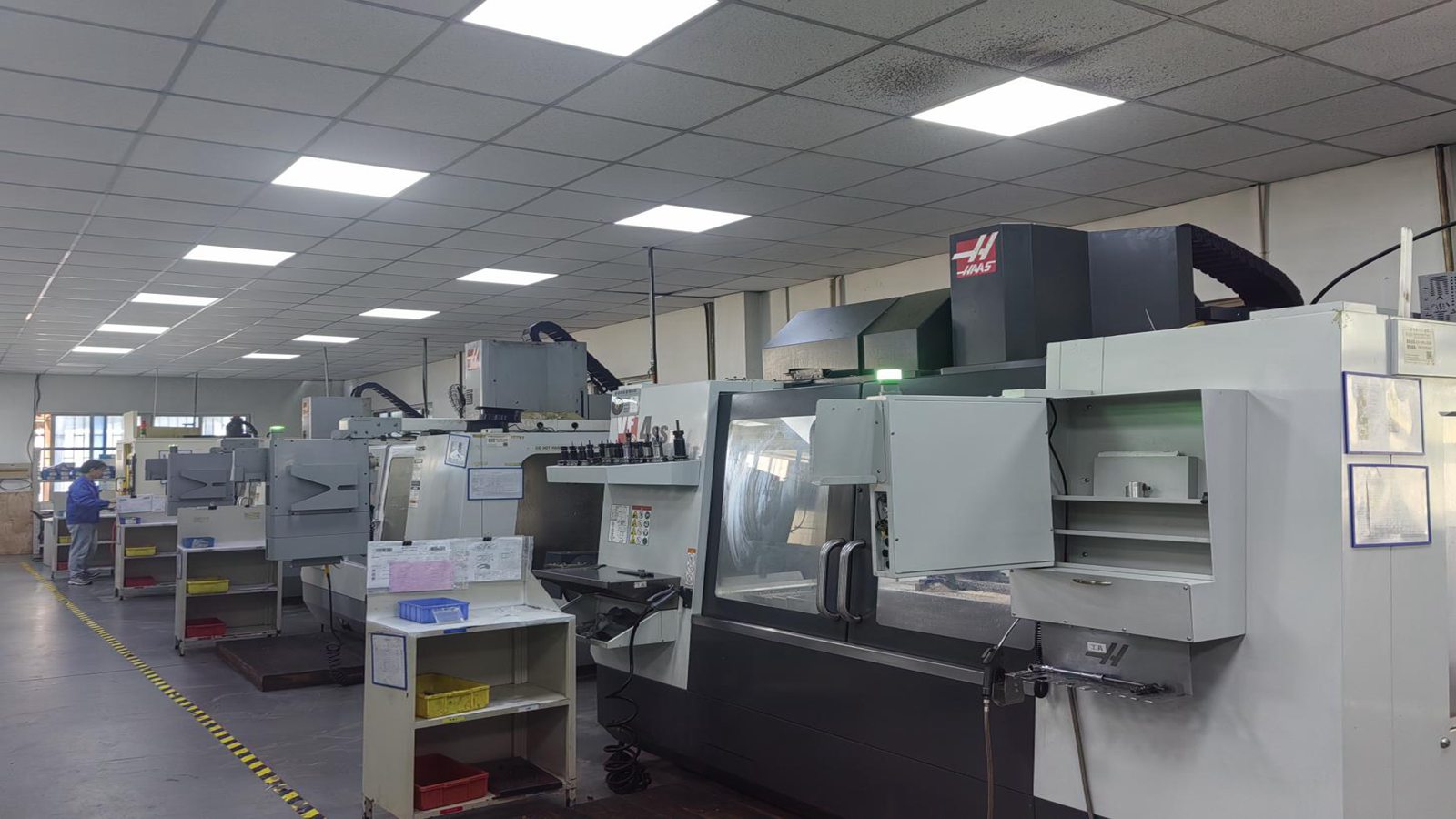
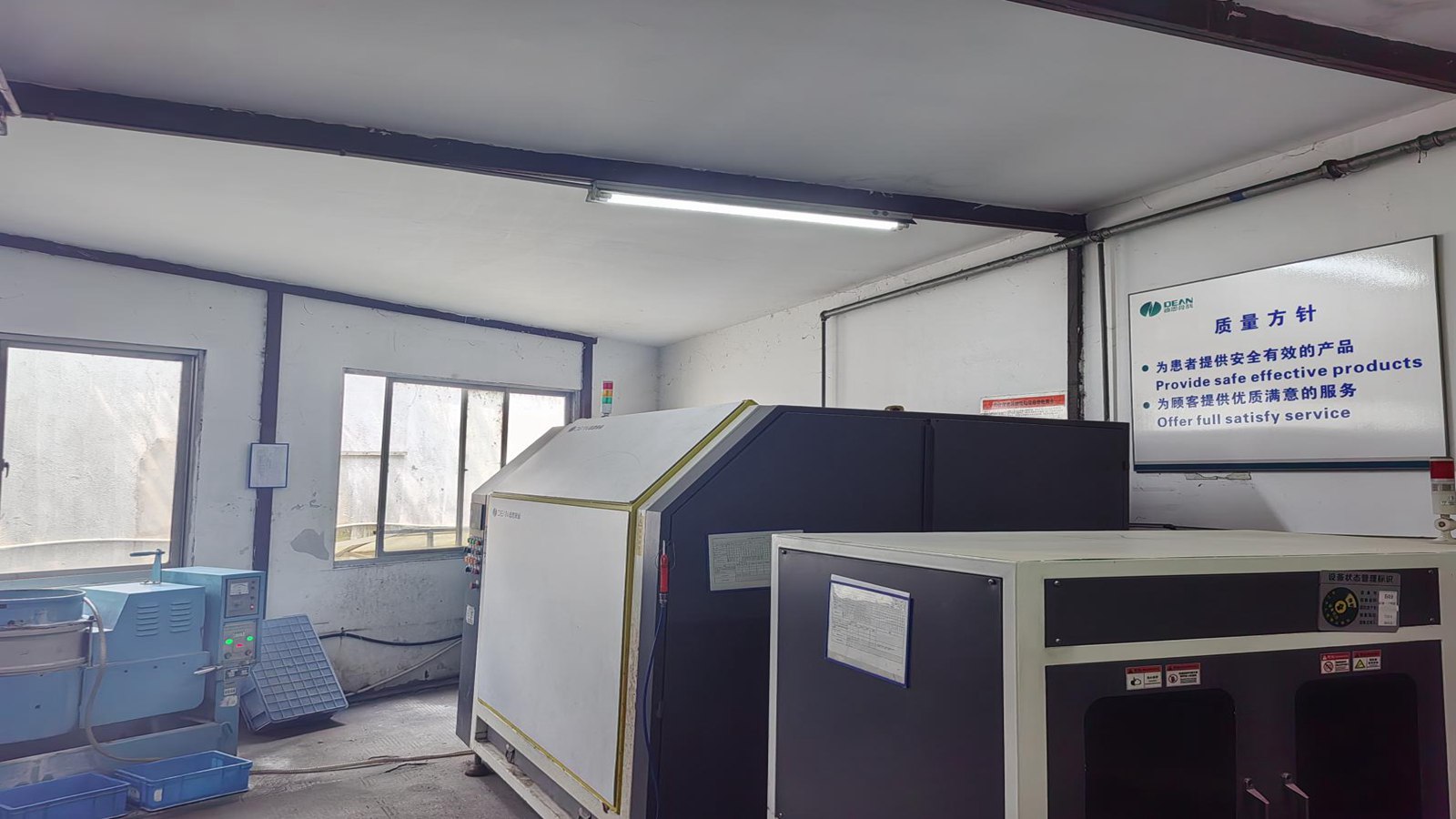
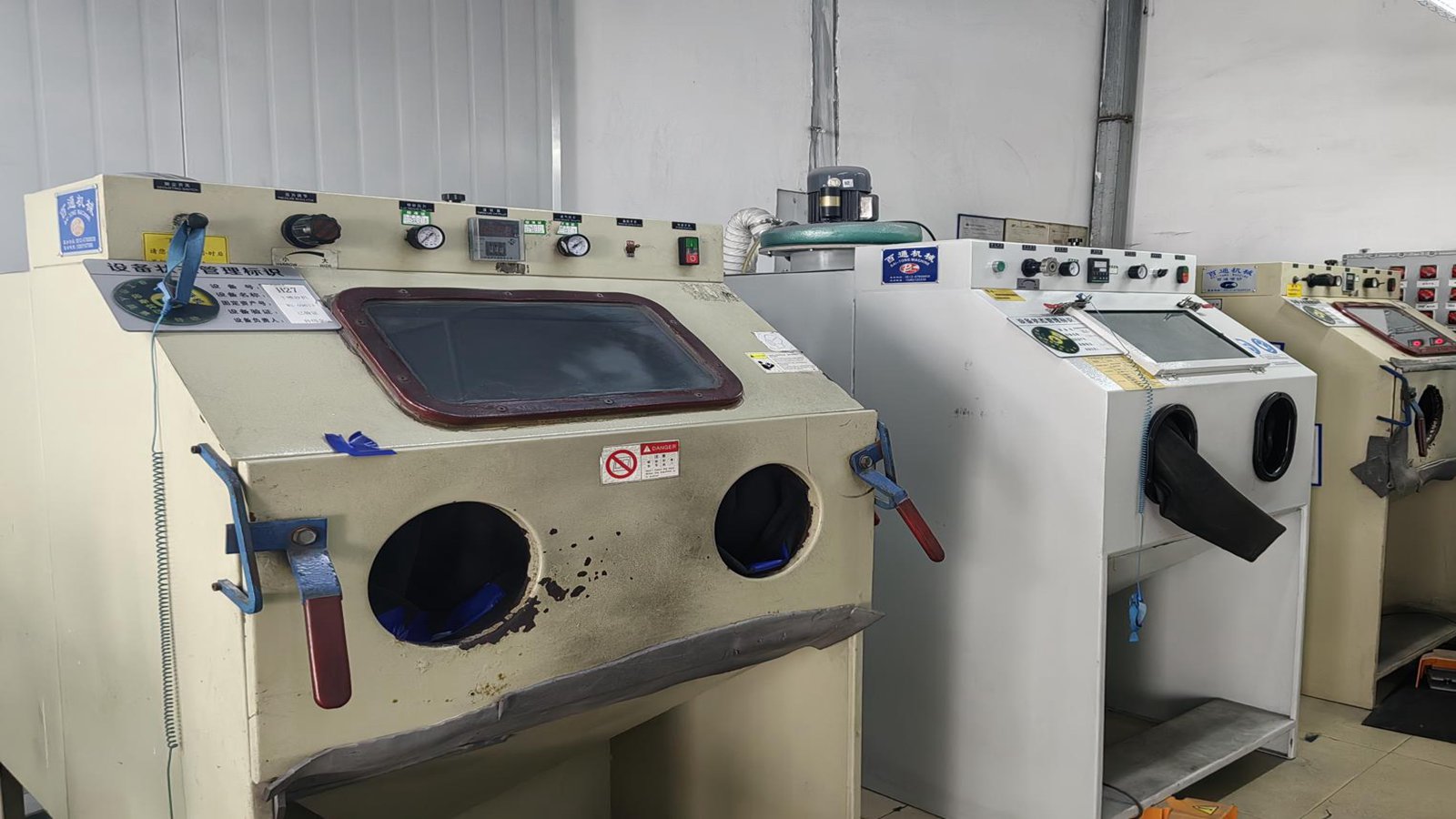
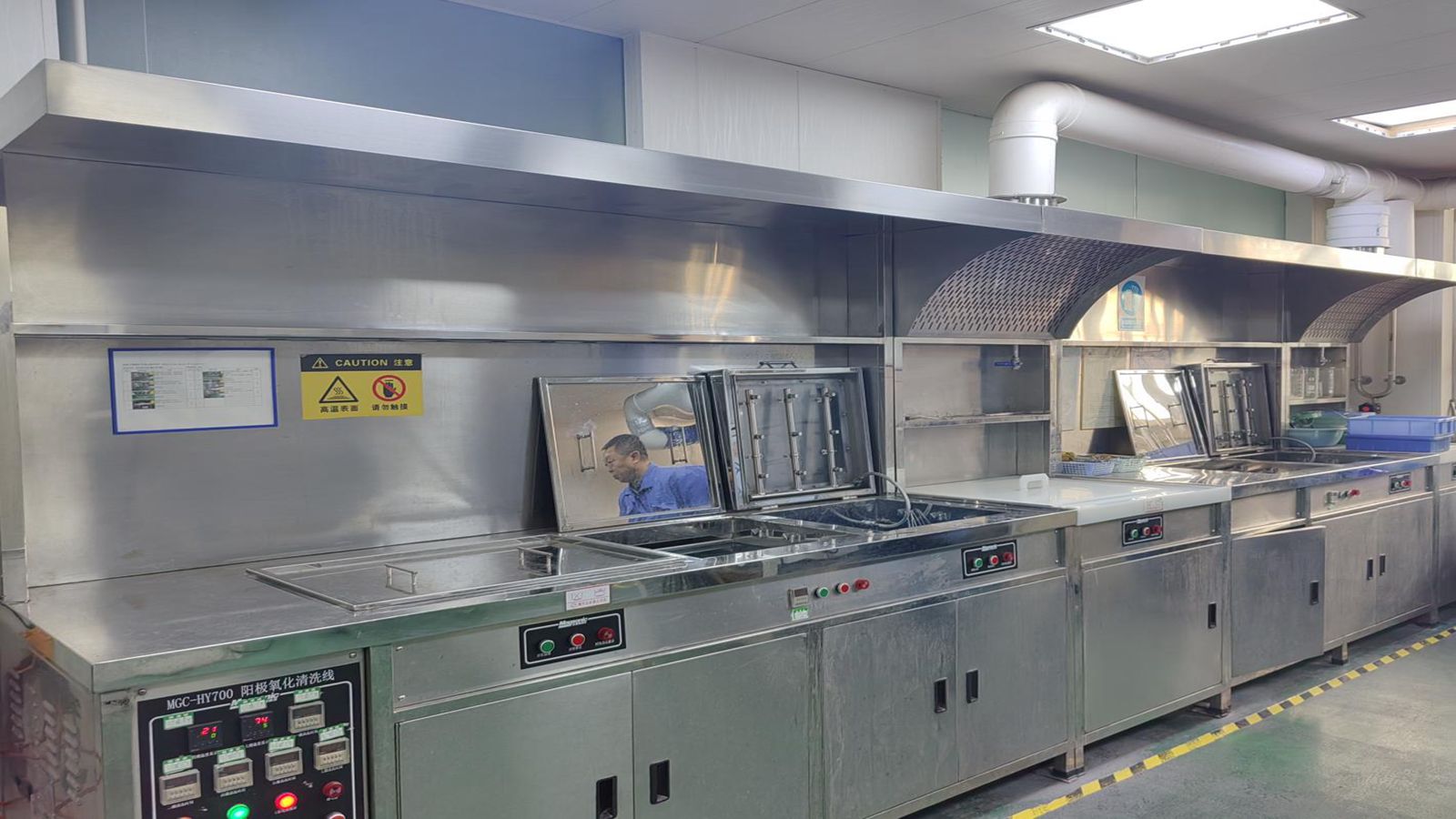
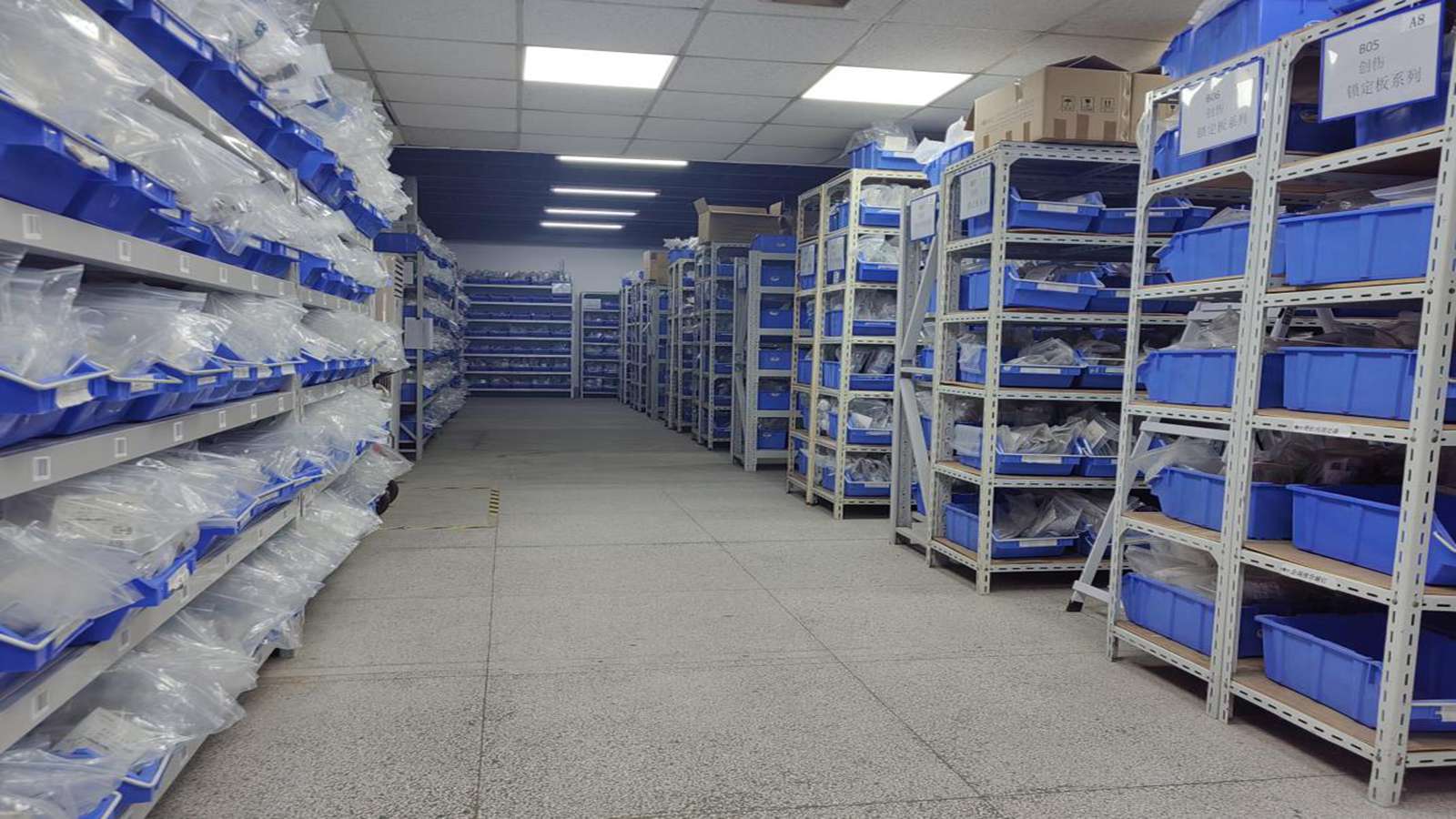
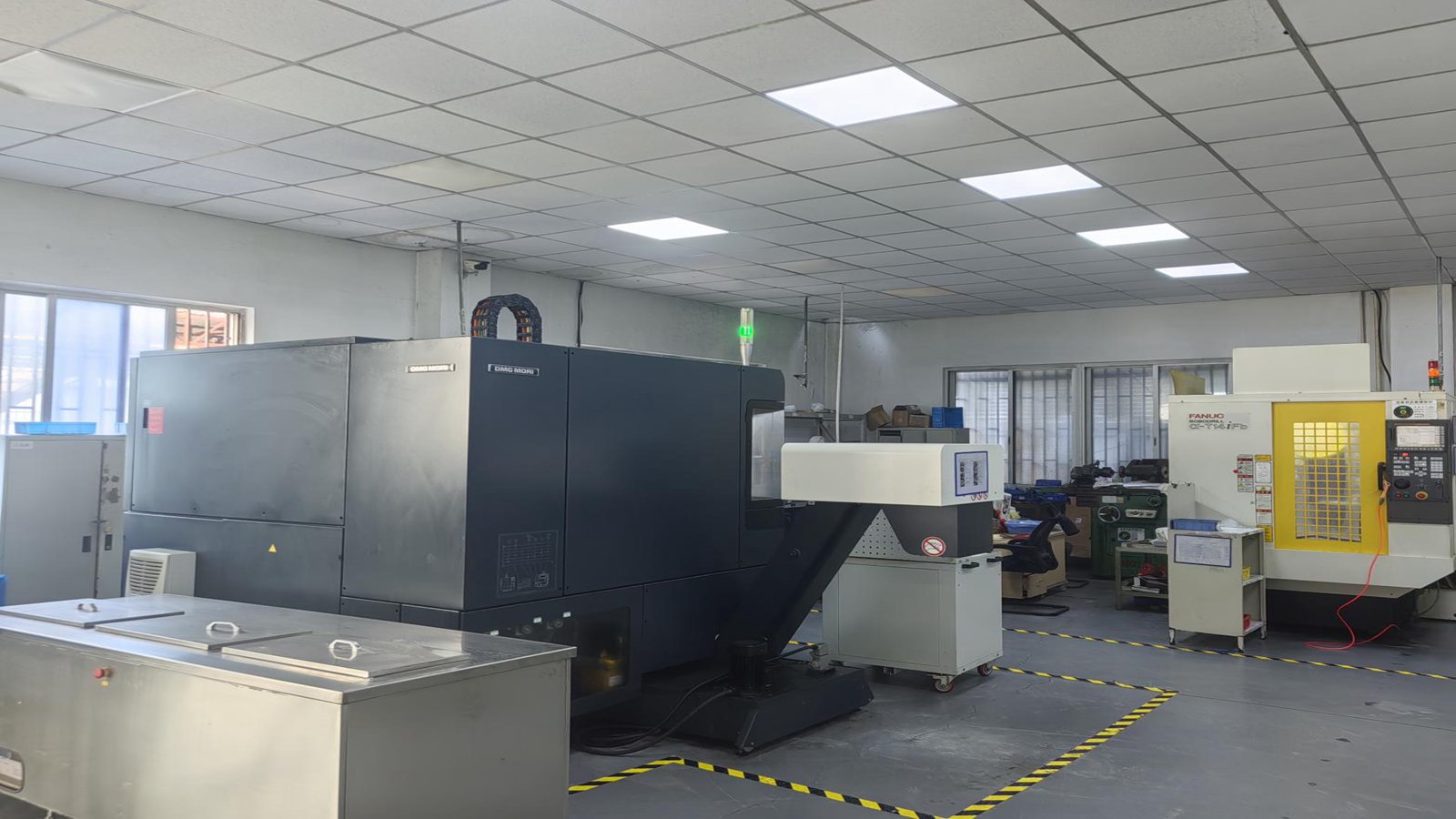
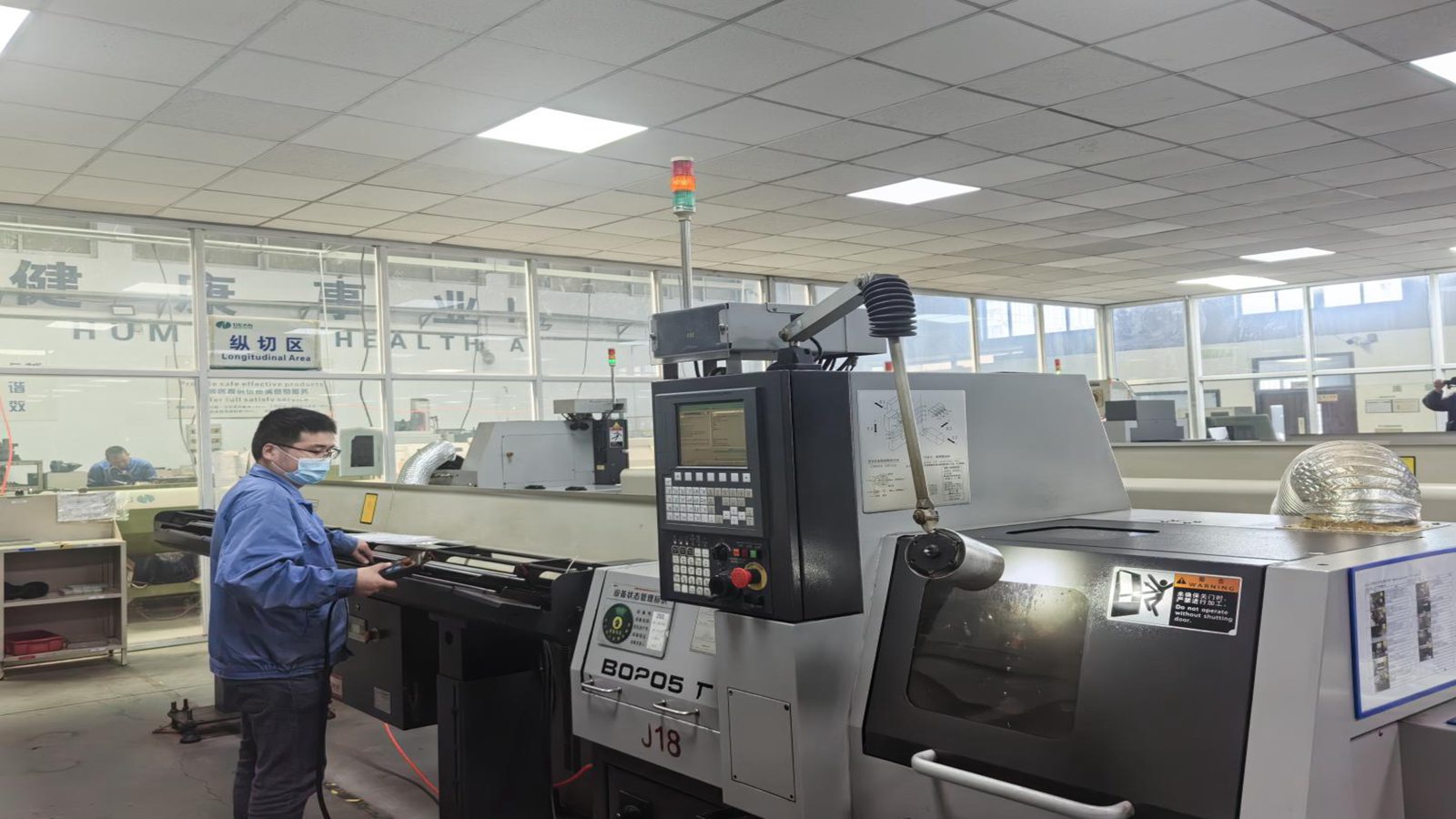
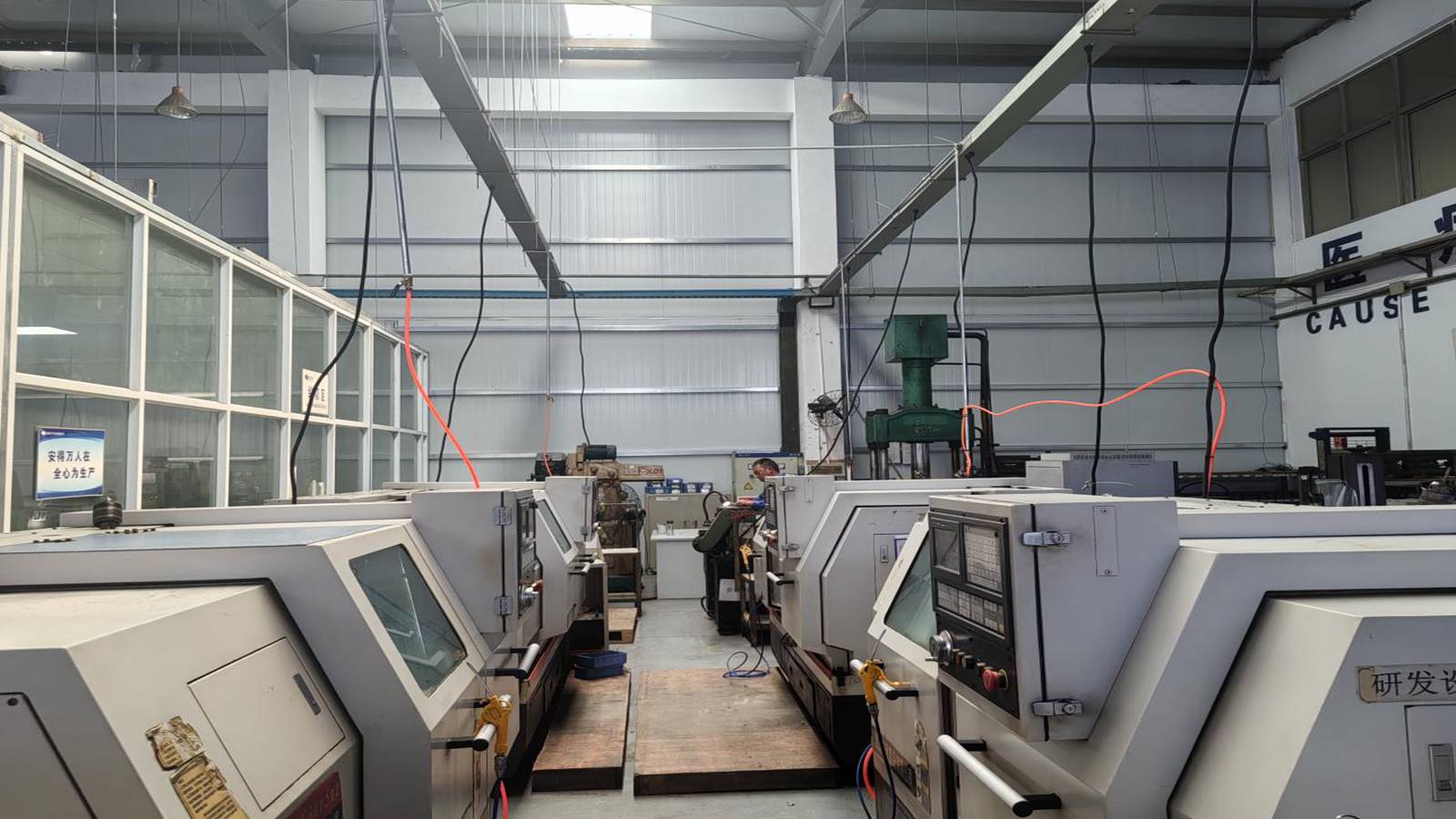
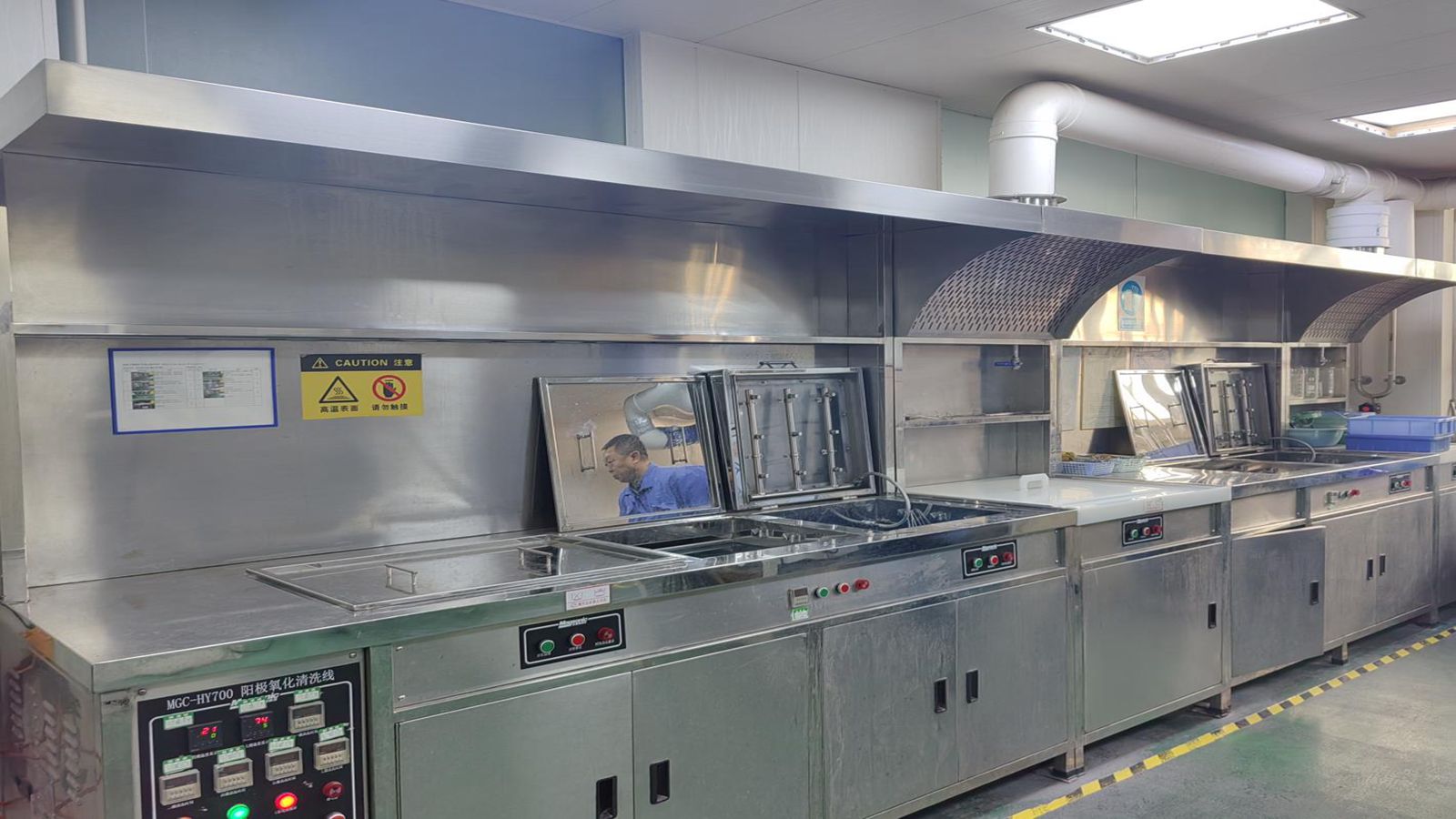
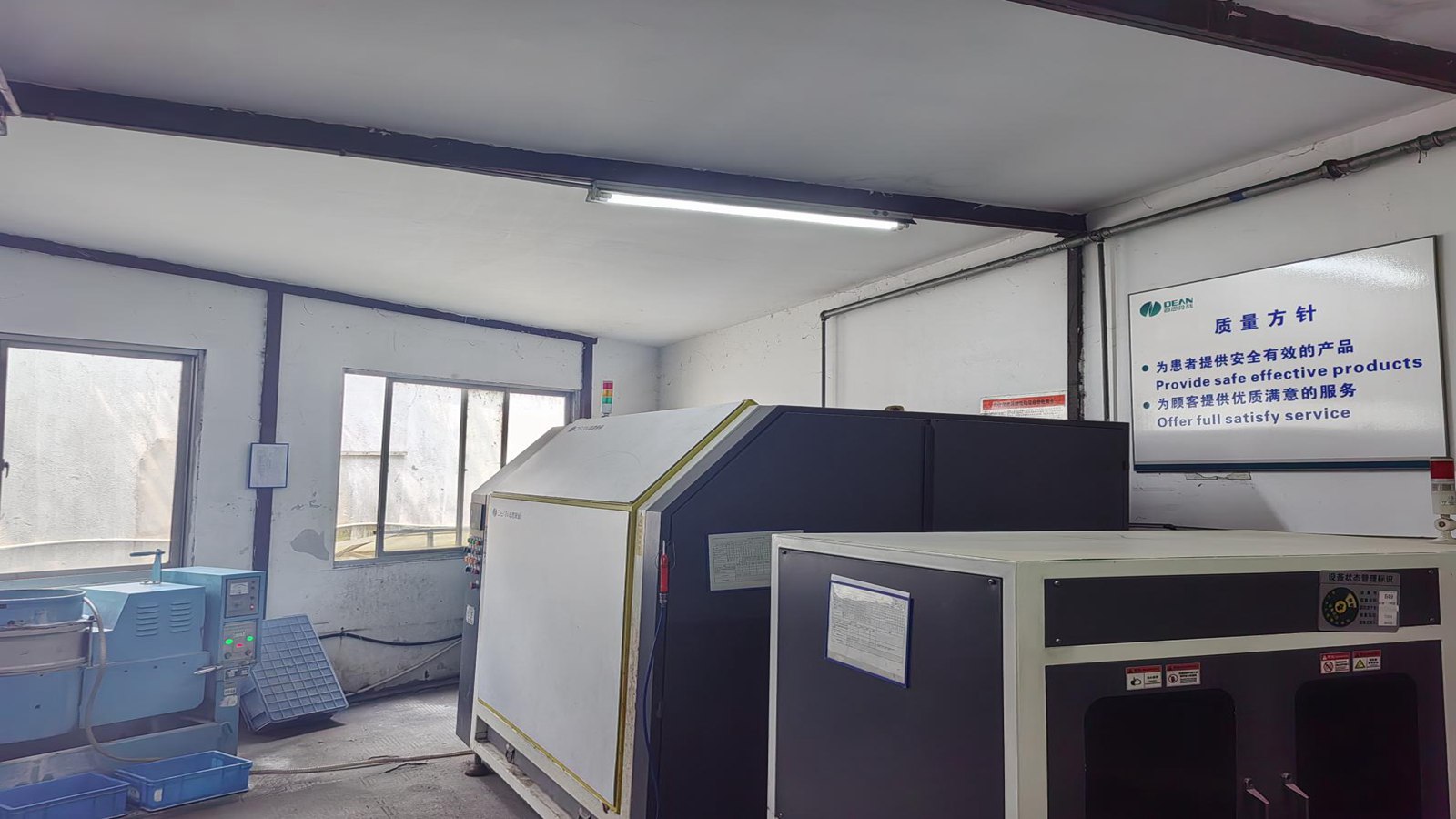
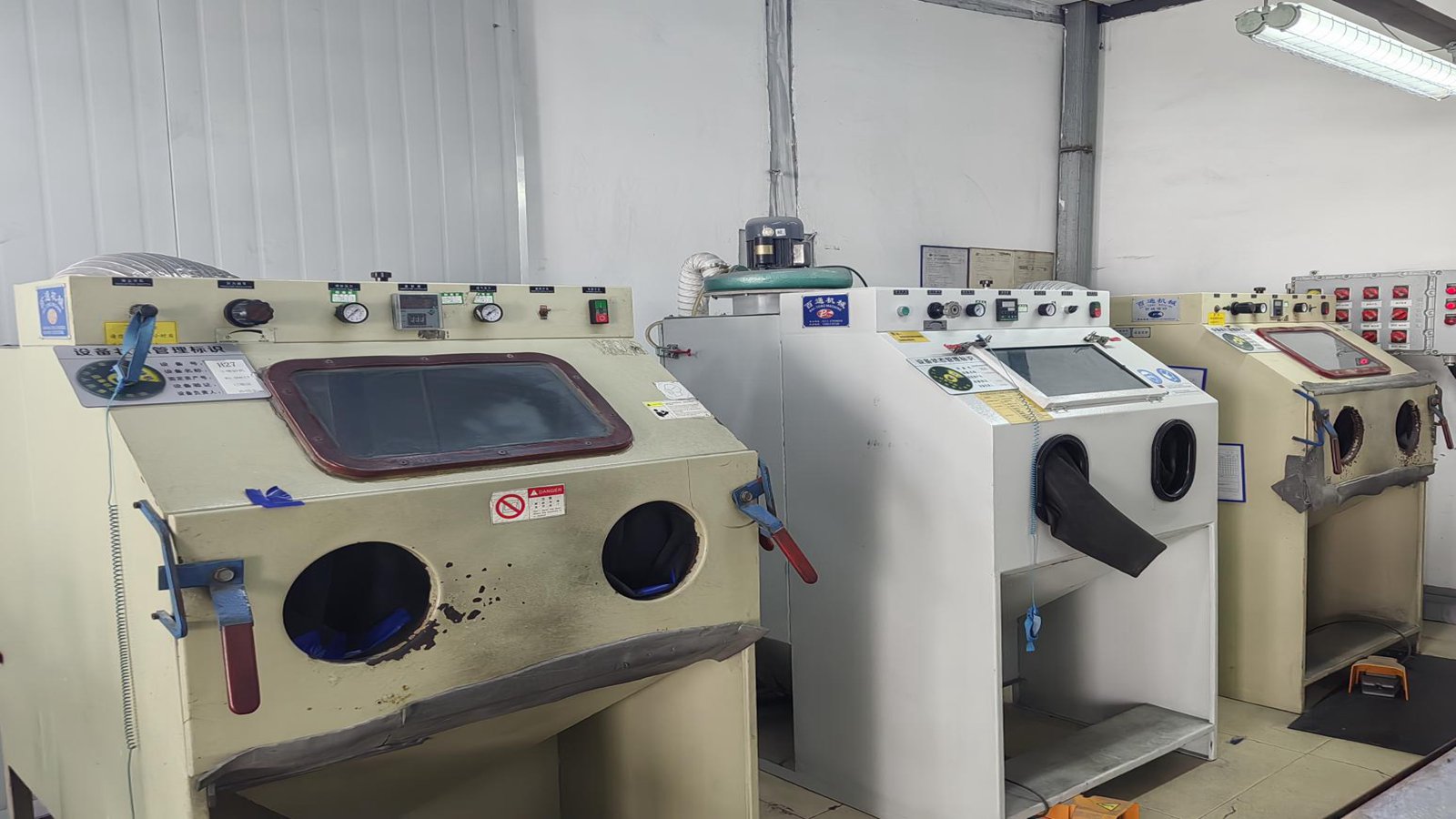
Equipped with biomechanical testing equipment for fatigue, stress-crack, and chemical composition validation.
Critical compliance, biomechanical parameters, and production capabilities details for medical purchasing professionals.
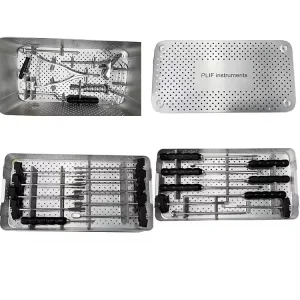
Explore our complete range of certified spinal implants, including pedicle screws, zero-profile cervical cages, and PKP instrument sets.