 Medispirex
Medispirex
Medispirex
Optimized for the high clinical efficacy standards of hospitals across Manama, Riffa, and Muharraq. These systems undergo strict mechanical fatigue testing according to ASTM guidelines.
The Kingdom of Bahrain is experiencing a significant modernization phase within its orthopedic and neurosurgical sectors. Driven by the National Health Regulatory Authority (NHRA) regulations and the objectives laid out in Bahrain Economic Vision 2030, government hospitals like the Bahrain Defence Force (BDF) Hospital and King Hamad University Hospital (KHUH) alongside premium private clinics are increasingly deploying advanced, minimally invasive spine surgery (MISS) protocols.
Because Bahrain lacks complex domestic manufacturing facilities for Class III titanium and PEEK (Polyetheretherketone) implants, medical distributors and healthcare purchasing departments must rely on international suppliers. These partners must prove not only regulatory alignment but also immediate supply-chain agility to support hospitals during acute surgical cases. Medispirex meets this clinical demand through certified manufacturing processes, delivering implants designed to match European and North American performance benchmarks.
Understanding the differences in clinical applications of PEEK cages, titanium mesh, and hybrid coating structures.
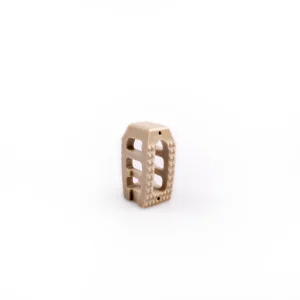
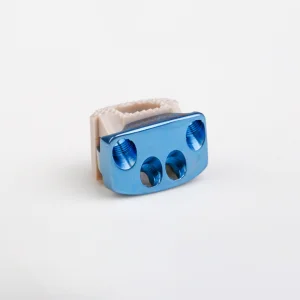
Widely favored for interbody fusion due to its elastic modulus (approx. 3.6 GPa) closely matching human cortical bone. PEEK significantly reduces the risk of stress shielding, which leads to bone resorption. Excellent radiolucency allows clear radiographic evaluation of bone fusion progression during post-operative patient check-ups.
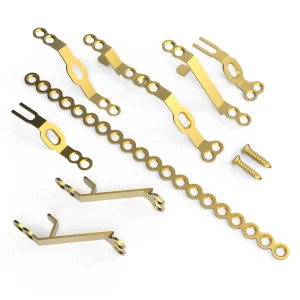
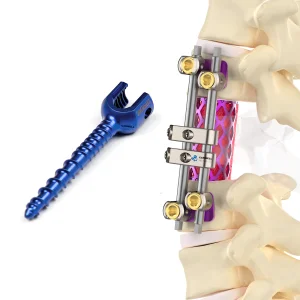
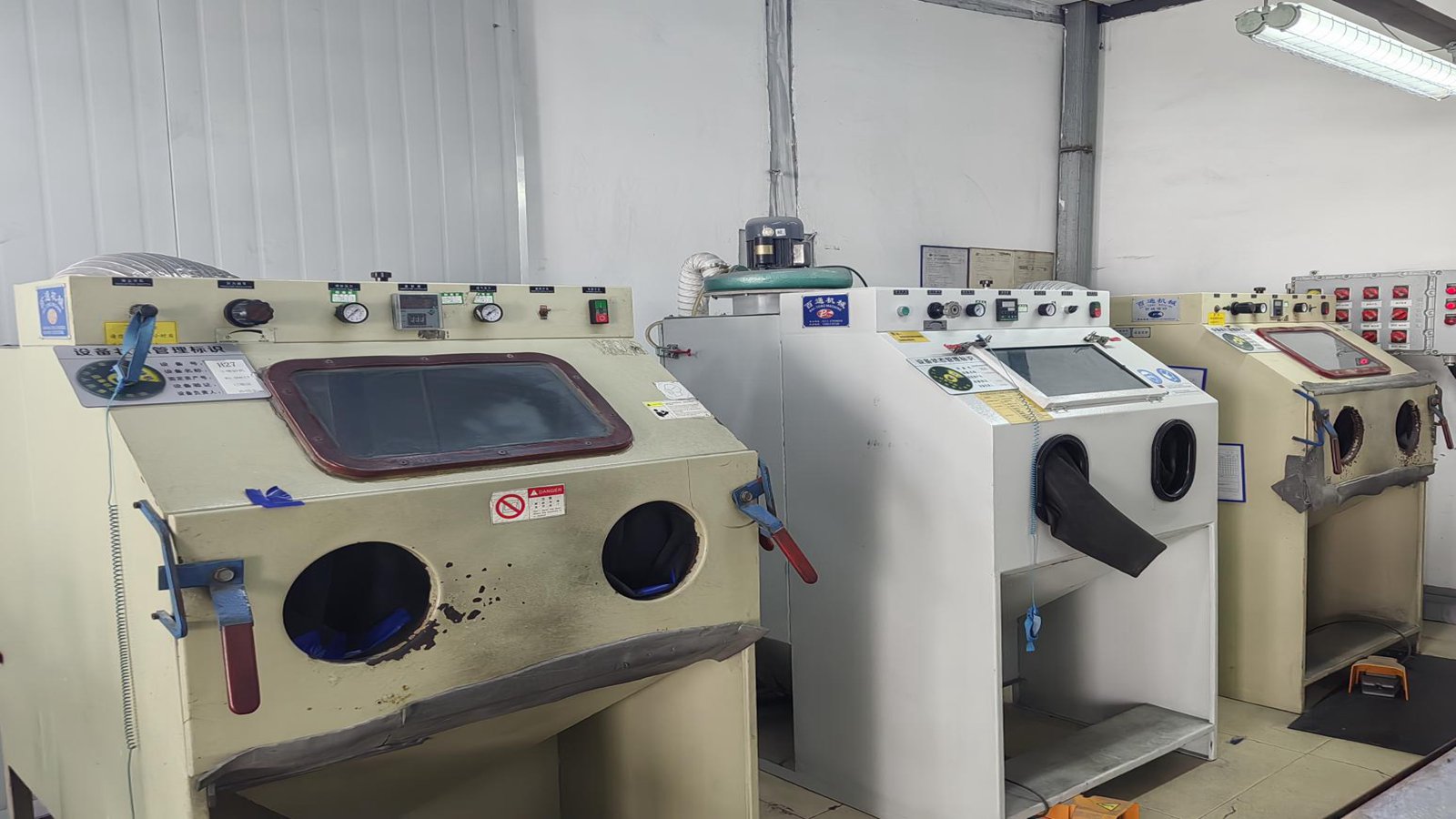
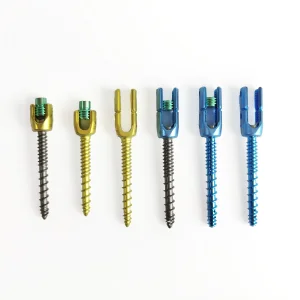
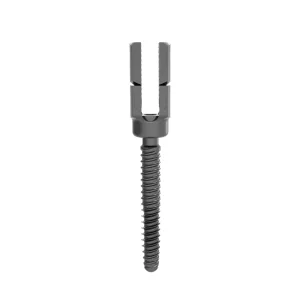
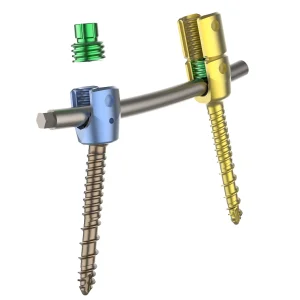
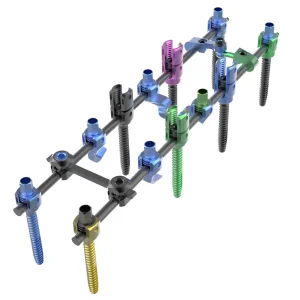
Offers high mechanical tensile strength and superior fatigue limit, crucial for posterior stabilization systems (pedicle screws and rods) and laminoplasty fixation. Specialized surface treatments, such as acid etching and grit-blasting, create a micro-rough surface topography that actively encourages fast osteoblast adhesion and osseointegration.
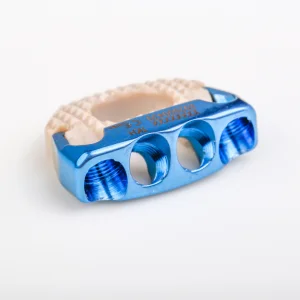
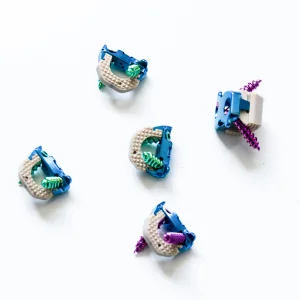
Engineered primarily for Anterior Cervical Discectomy and Fusion (ACDF). Unlike traditional cervical plates, these implants fit directly inside the interbody disc space without protruding past the anterior cortex. This minimizes mechanical irritation to the surrounding soft tissue, helping to dramatically lower post-operative dysphagia rates.
How we coordinate advanced technology, continuous quality assurance, and massive production capacity to support global and Middle Eastern medical markets.
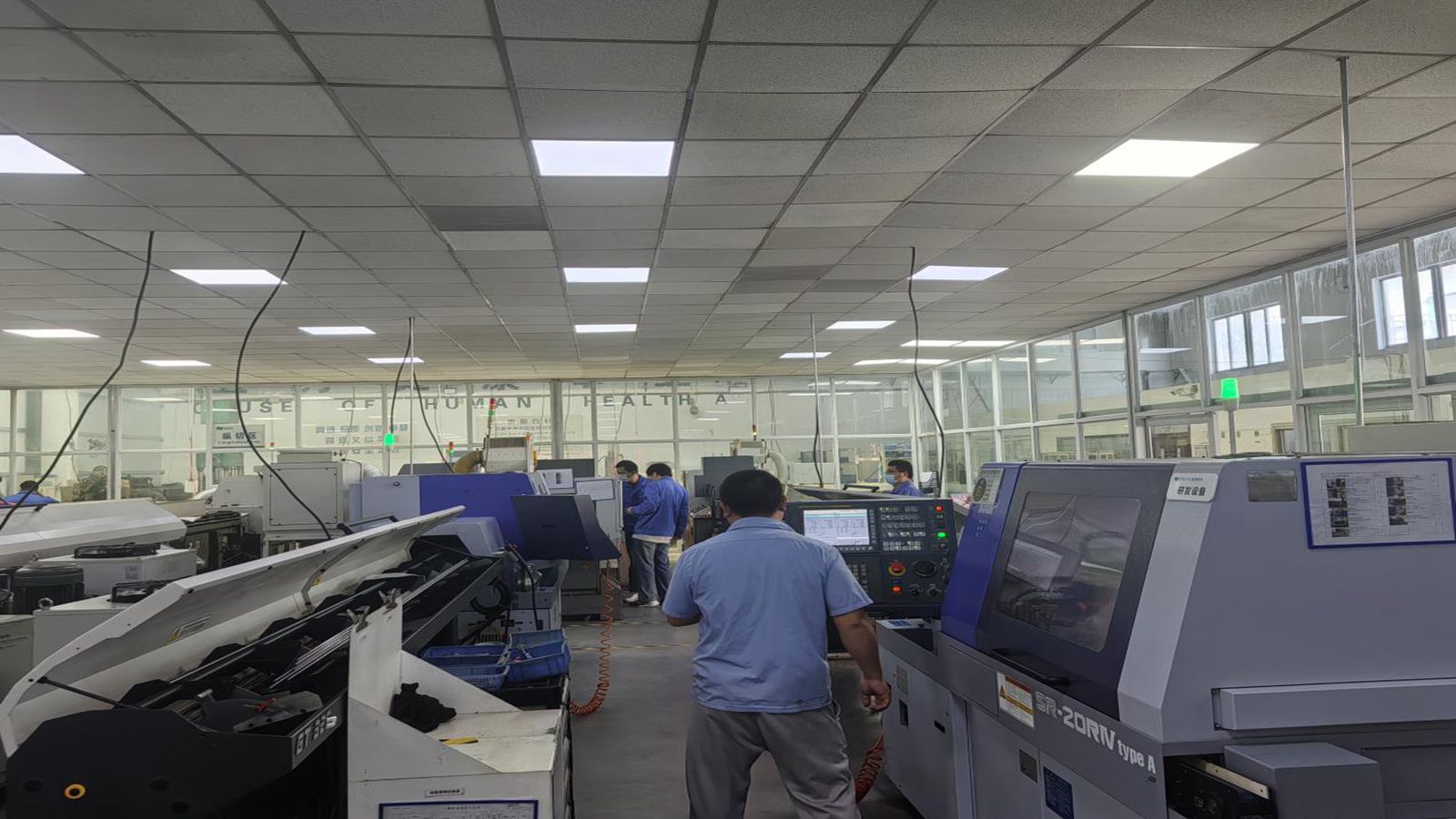
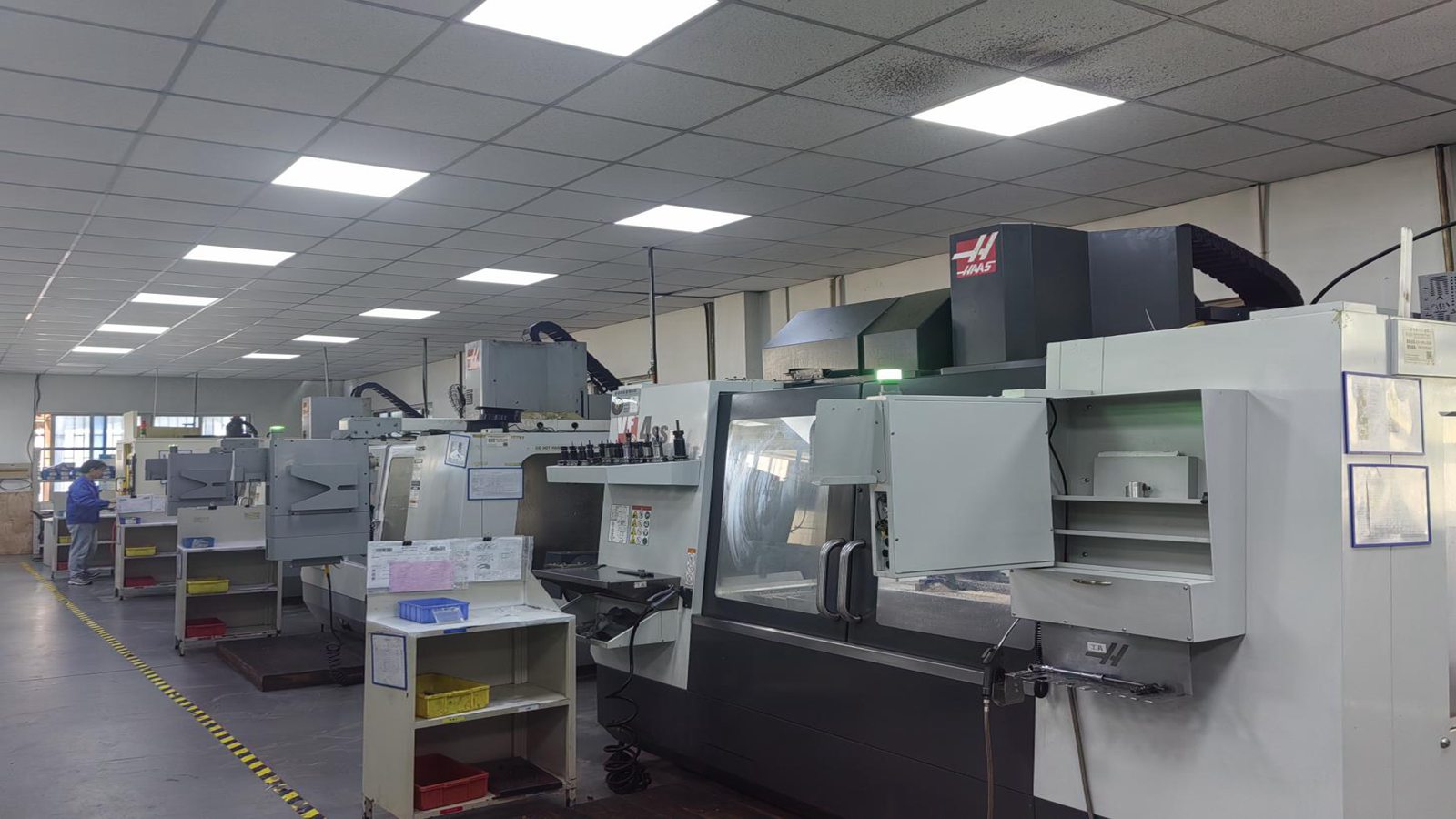
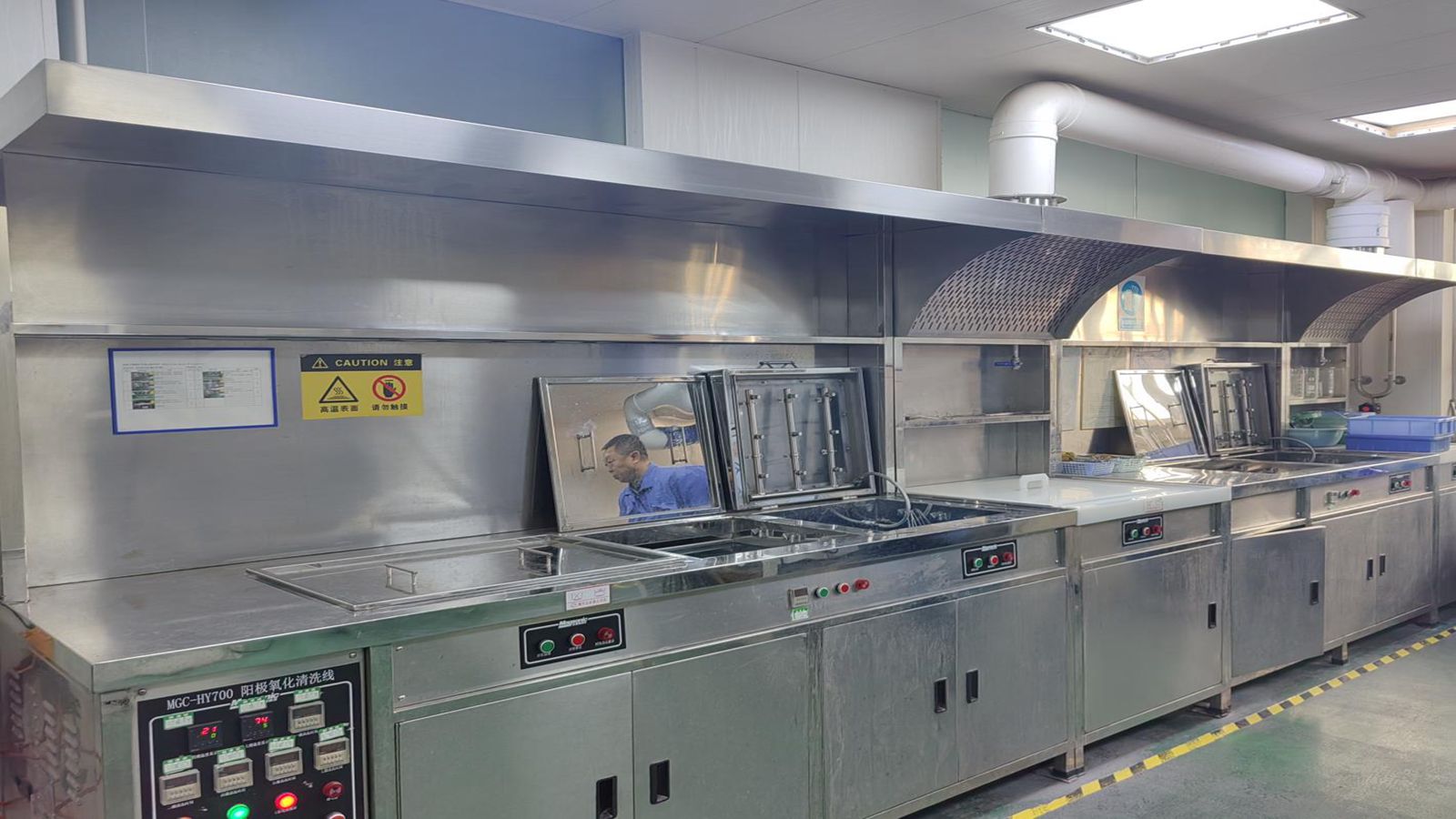
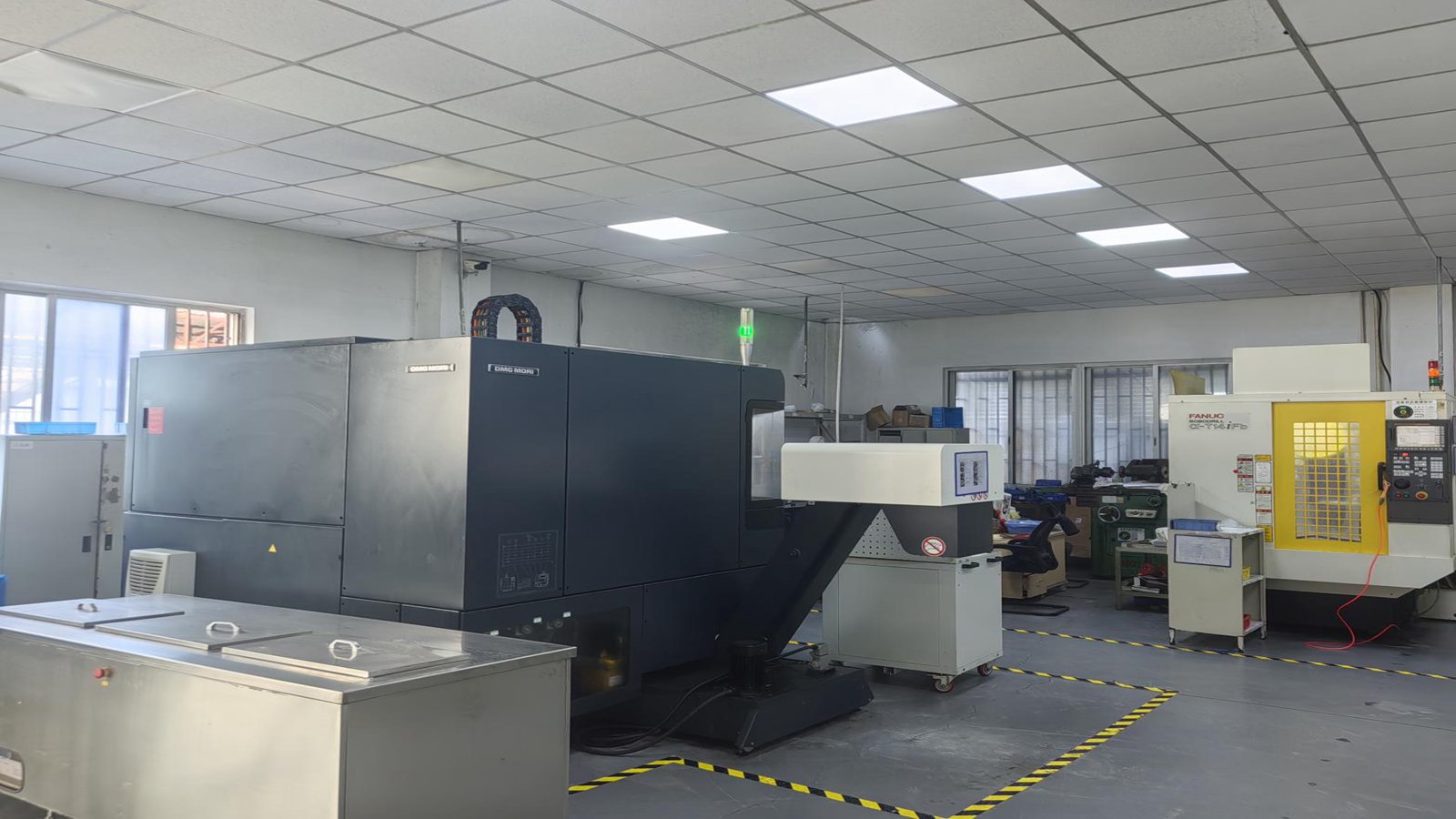
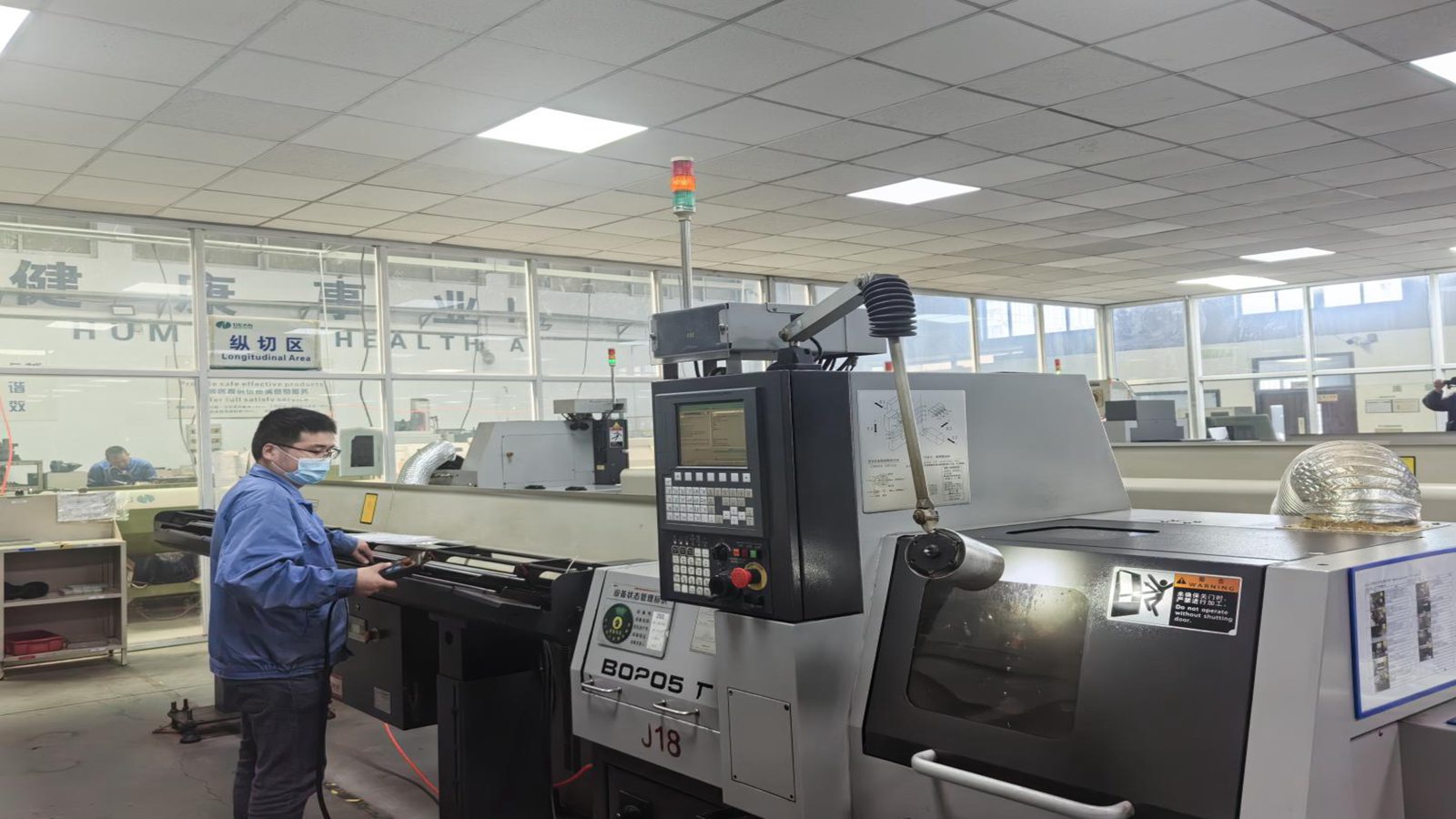
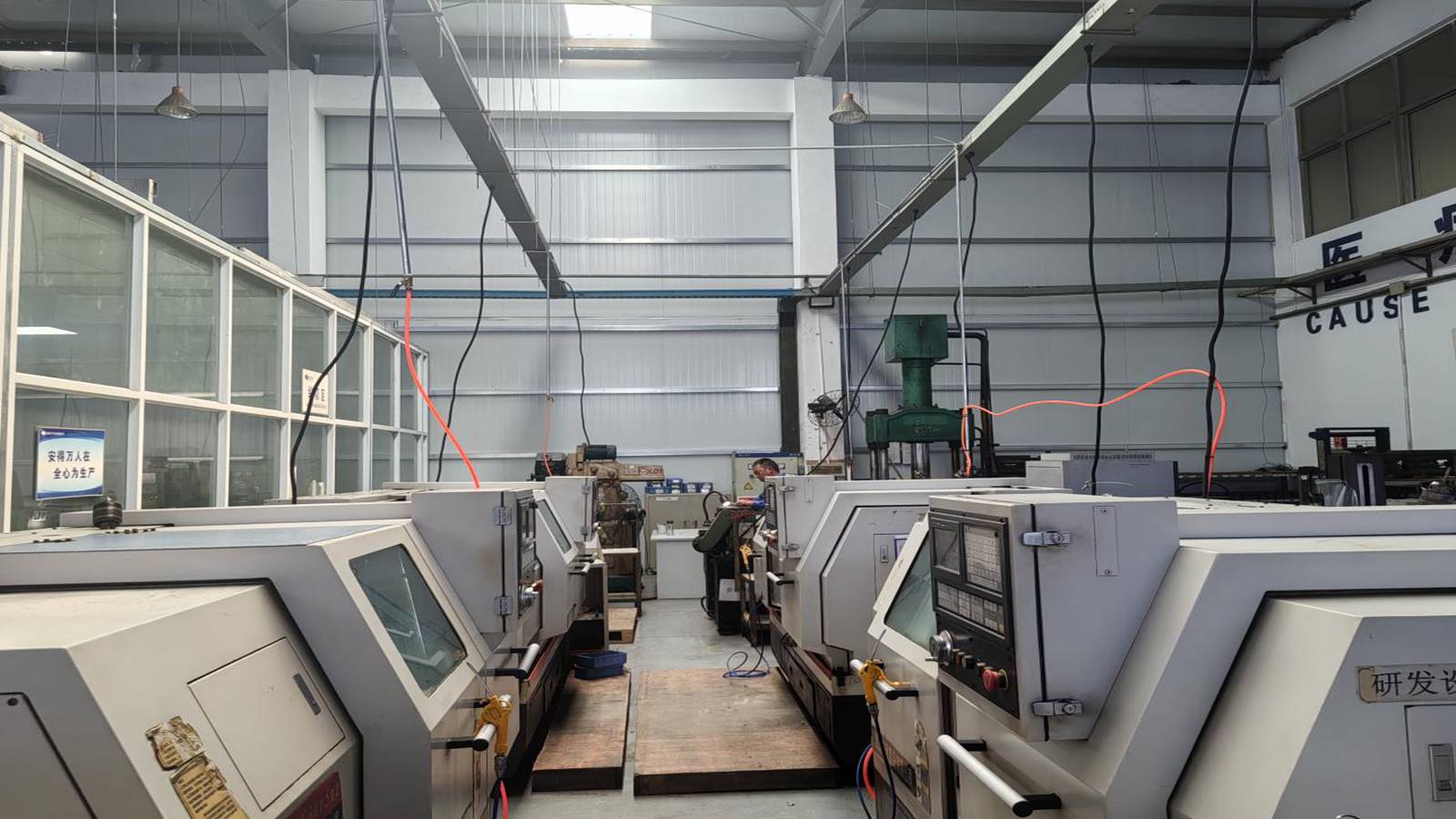
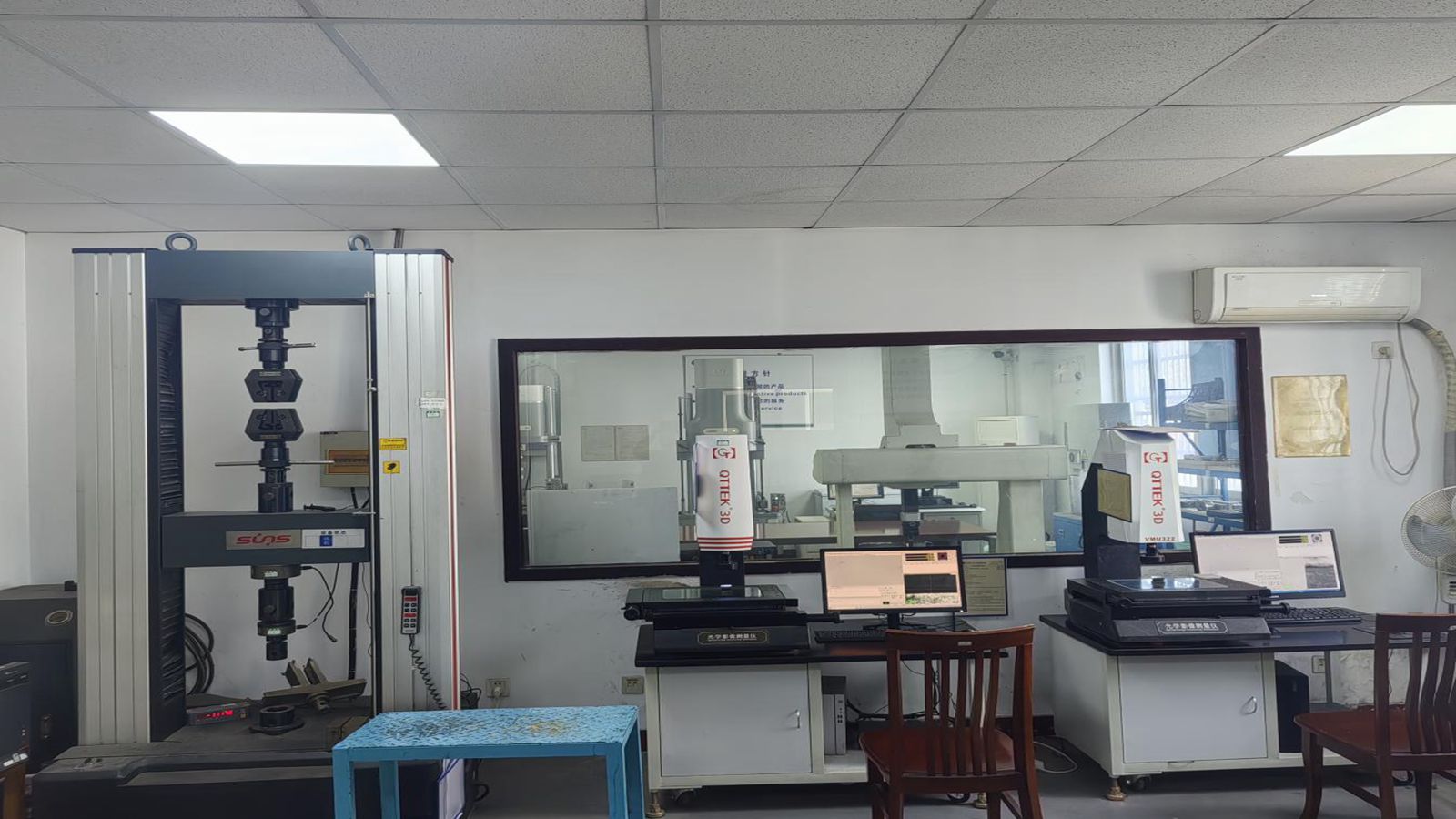
Established in 2016, Medispirex has structured its production around advanced material science and biomechanical integrity. Operating out of our 18,600 square meter smart facility, we coordinate a robust supply chain comprising over 860 partners. Our high-precision CNC machining center translates clinical drawings into surgical-grade implants with tolerances down to the micrometer.
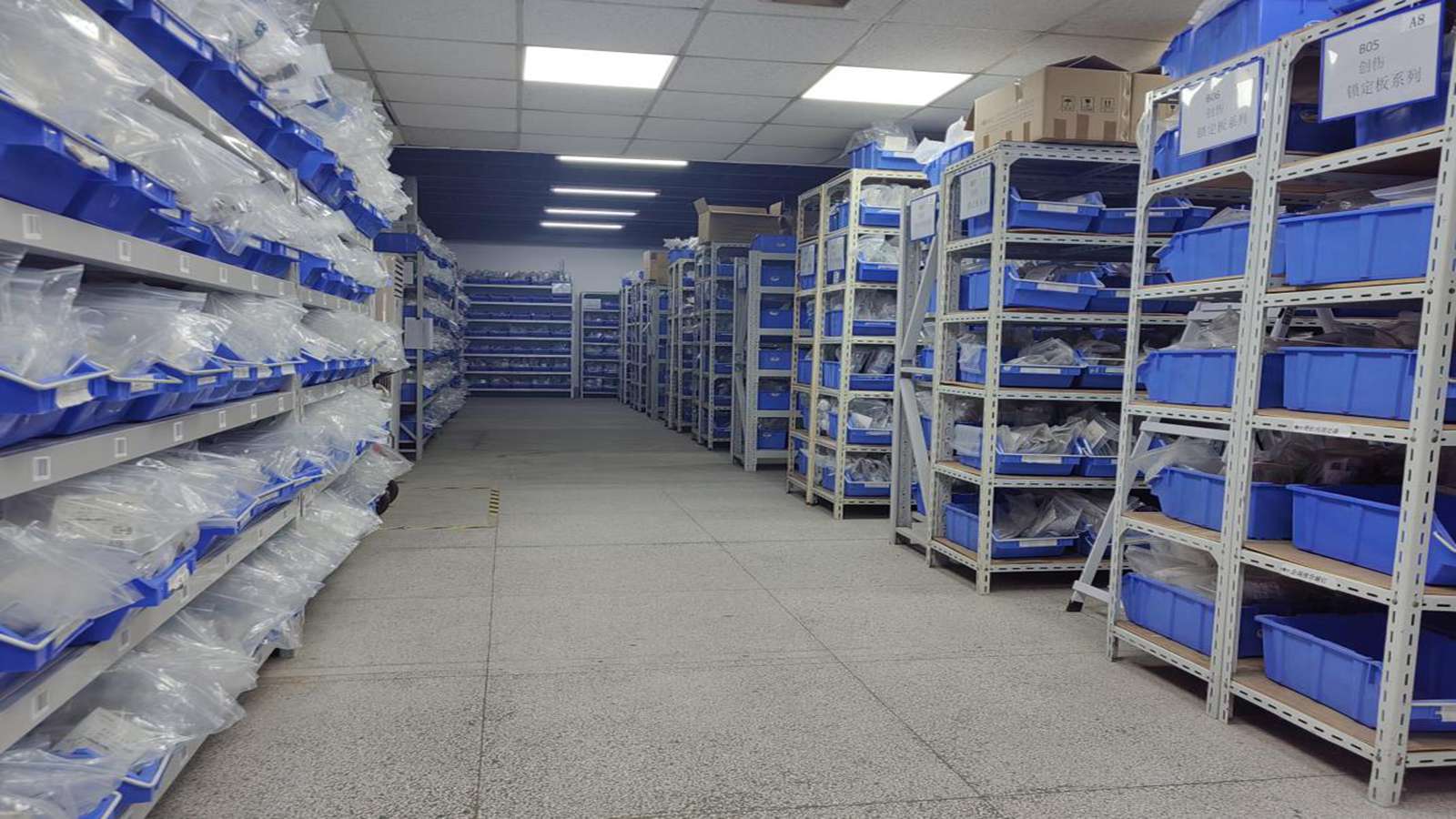
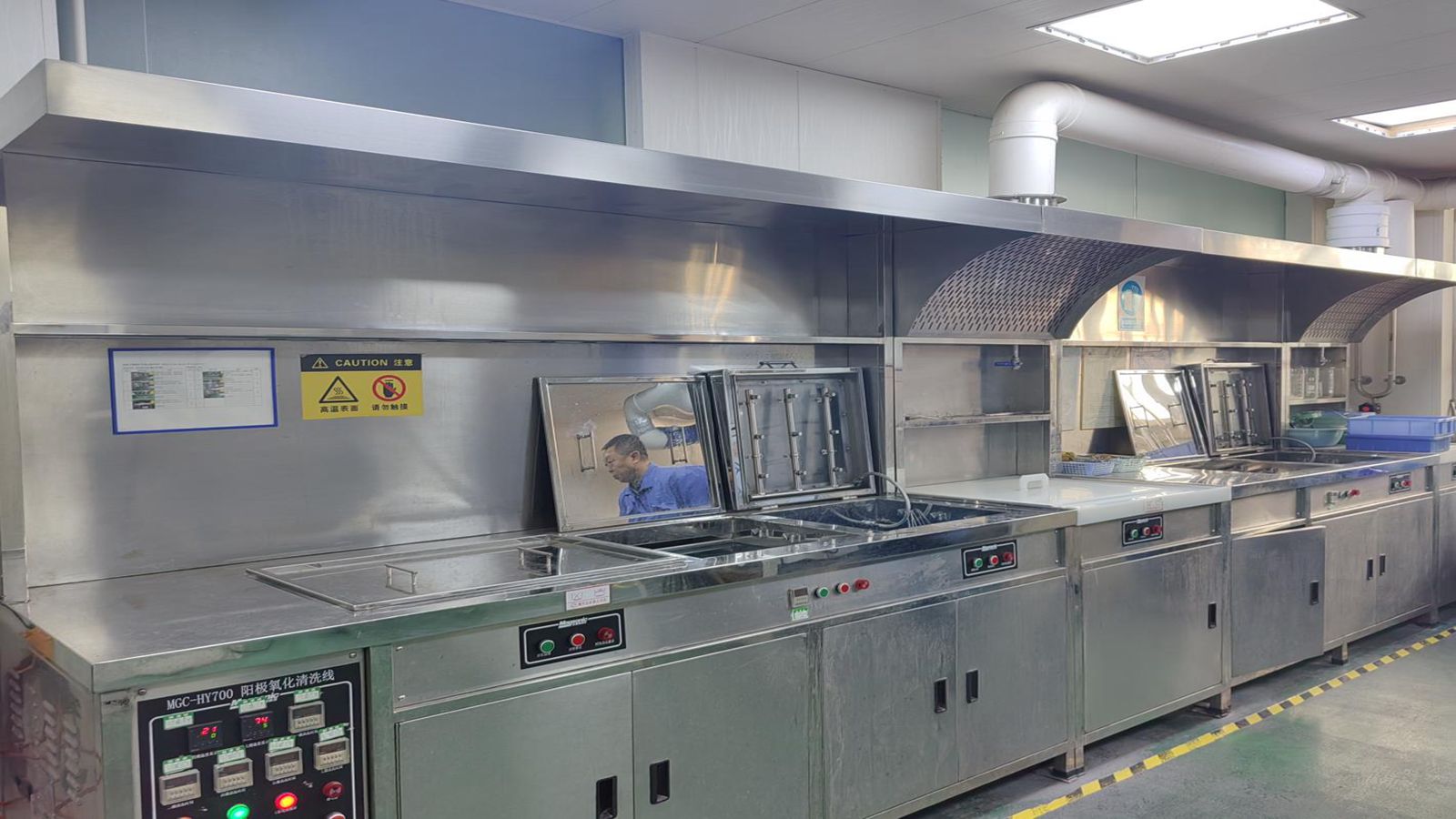
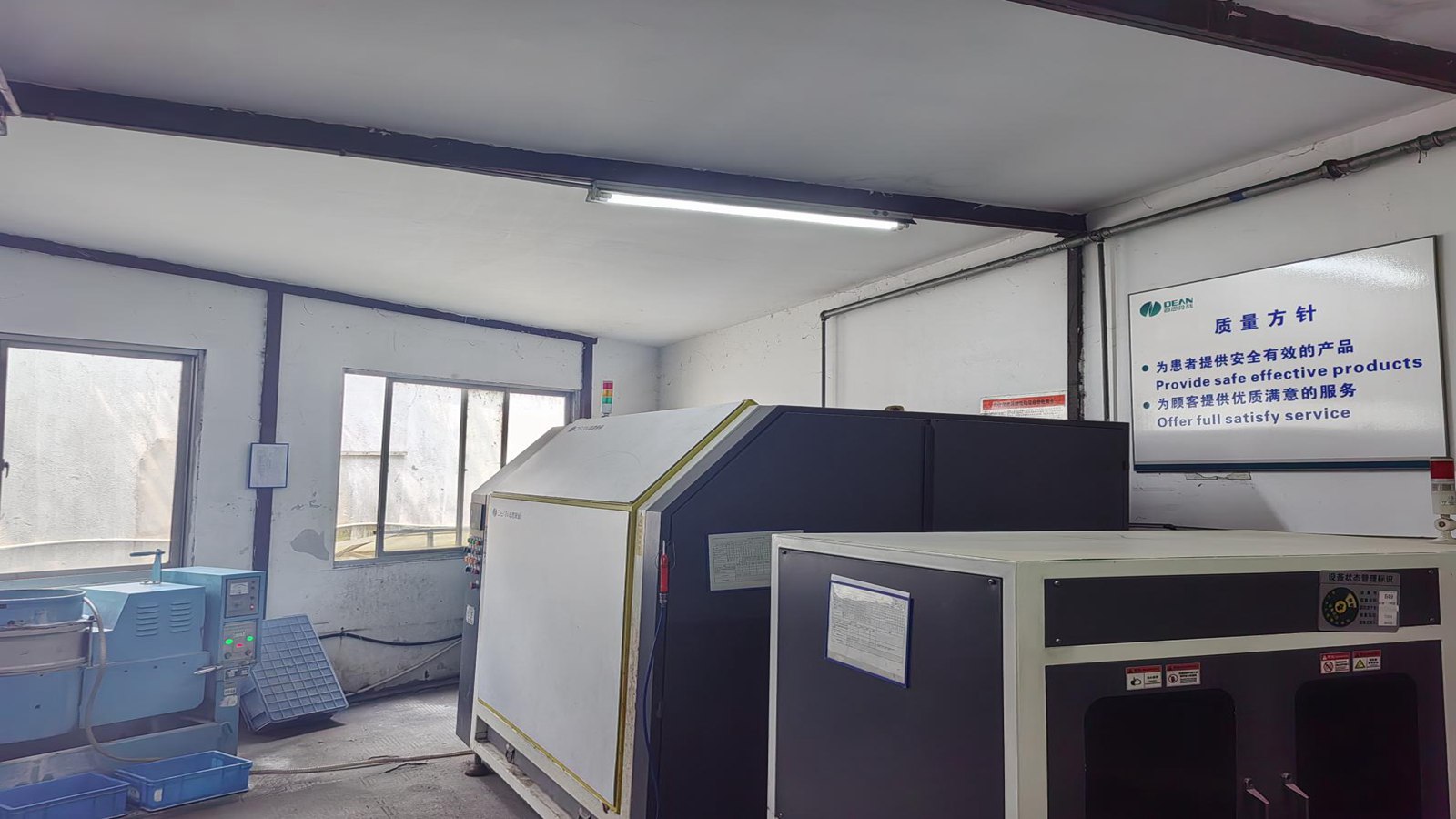
To address the stringent requirements of regional regulatory bodies like Bahrain's NHRA and Saudi Arabia's SFDA, Medispirex enforces strict in-process testing. Each manufacturing batch undergoes chemical composition spectroscopy, mechanical fatigue testing (including axial compression and torsion parameters), and meticulous coordinate-measuring machine (CMM) dimensional audits. Our quality control system ensures full traceability, from raw medical-grade titanium bars to the sterile, ready-to-use surgical kit delivered to your hospital.
Our 45-member QA team verifies compliance using methods such as:
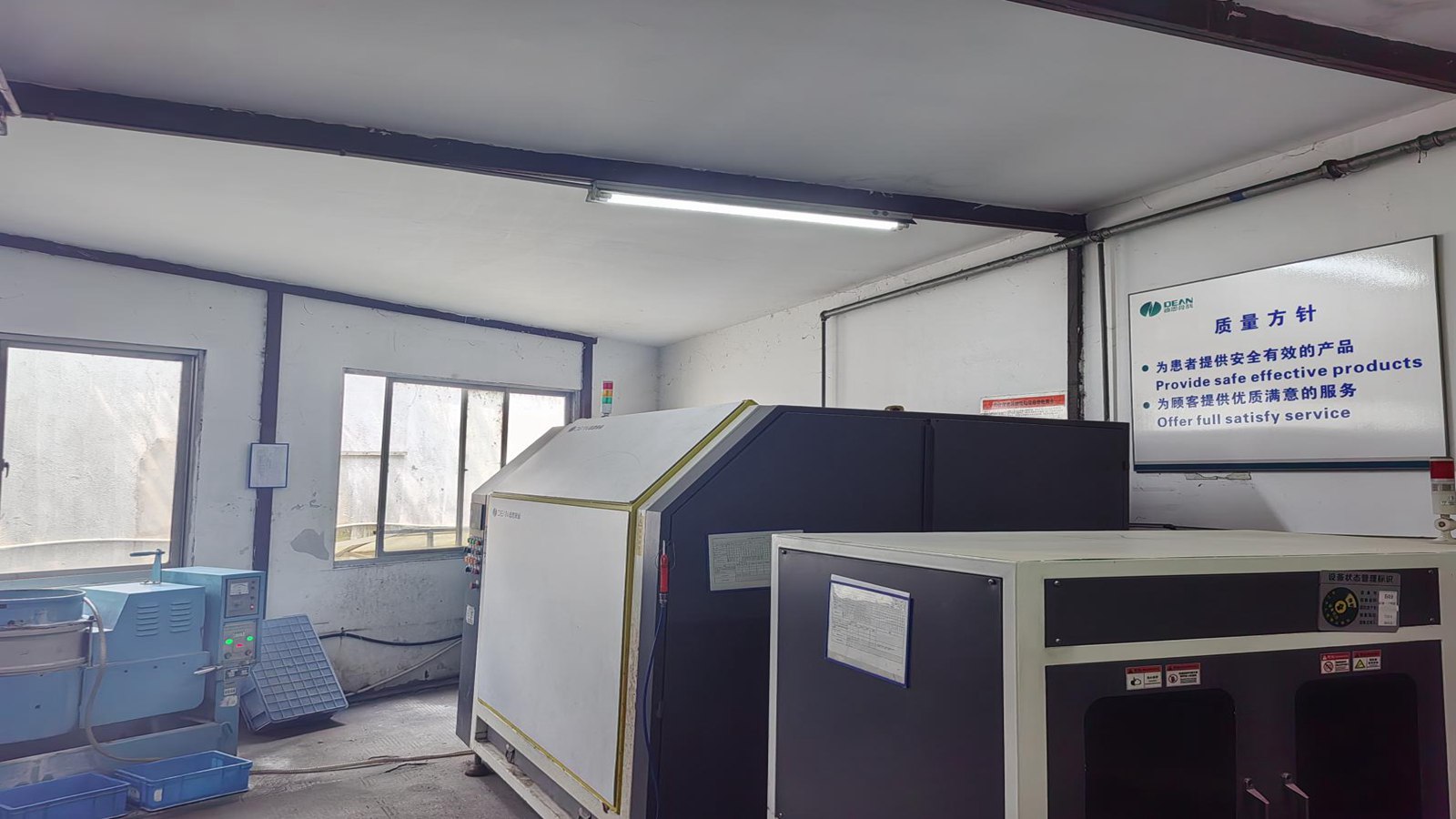
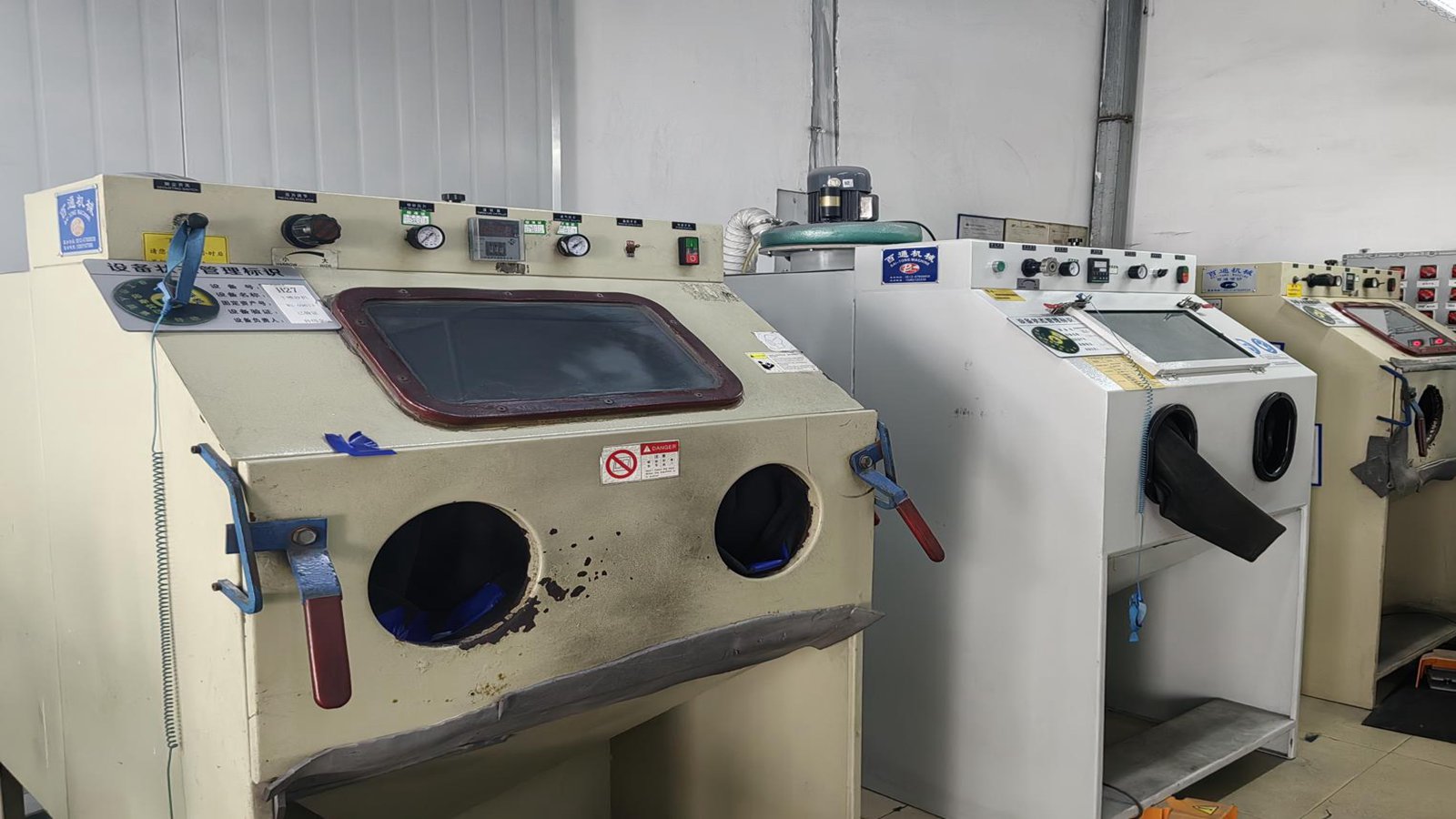
Inside our manufacturing facility: How raw medical materials are transformed into certified spinal implants.
Importing surgical devices into Bahrain requires strict adherence to NHRA guidelines. The regulatory validation process covers:
For hospitals and medical purchasing networks in Bahrain, secure sourcing involves more than just selecting high-performance implants. Fast and reliable transit pathways to Bahrain International Airport, sterile double-barrier packaging, and available OEM surgical instrument options are also essential.
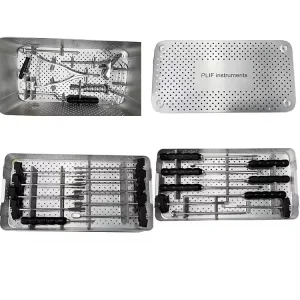
Medispirex provides complete OEM/ODM manufacturing options, allowing healthcare distributors to order custom private-labeled sets. We also offer pre-configured spine instrument sets designed to handle the placement of our entire implant line. This all-in-one supply strategy ensures your surgical teams have everything they need in the operating room.
A comparative overview of mechanical properties and clinical applications for orthopedic buyers.
| Implant Class | Material Composition | Elastic Modulus (GPa) | Primary Surgical Indication | Key Clinical Advantage |
|---|---|---|---|---|
| PEEK Lumbar/Cervical Cages | Polyetheretherketone (PEEK-OPTIMA) | 3.6 GPa | ACDF, PLIF, TLIF Interbody Fusion | Matches cortical bone modulus, avoiding stress shielding. Radiolucent for post-op fusion assessment. |
| Pedicle Screw Systems | Titanium Grade V (Ti-6Al-4V ELI) | 110-114 GPa | Posterior Thoracolumbar Fixation | High yield strength, excellent fatigue resistance, and low magnetic resonance artifact. |
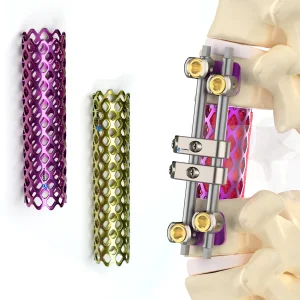
| Titanium Mesh Cages | Titanium Grade IV or V | 105 GPa | Corpectomy, Vertebral Body Replacement | Immediate mechanical load-bearing capacity, large internal volume for bone graft placement. |
| Laminoplasty Fixation | Commercial Pure Titanium (CP Ti) | 105 GPa | Posterior Cervical Canal Expansion | Low profile plate structures that can be bent easily to adapt to varying anatomical contours. |
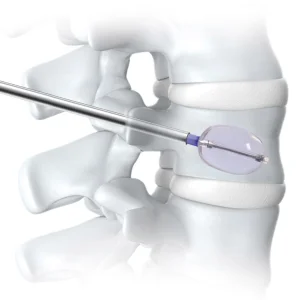
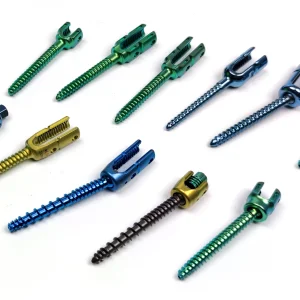
Access the rest of our clinical-grade implants, revision systems, kyphoplasty tools, and spinal screws. All of these products are manufactured to rigorous specifications.
Essential technical and regulatory information for surgical procurement managers and distributors.