Medispirex
Medispirex
Medispirex
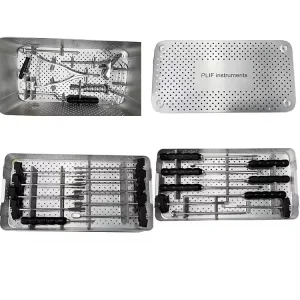
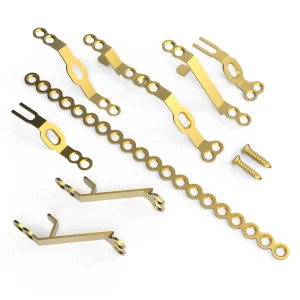
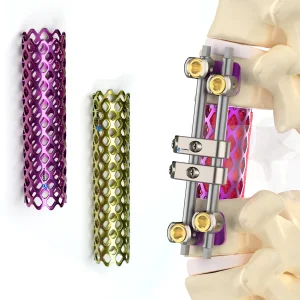
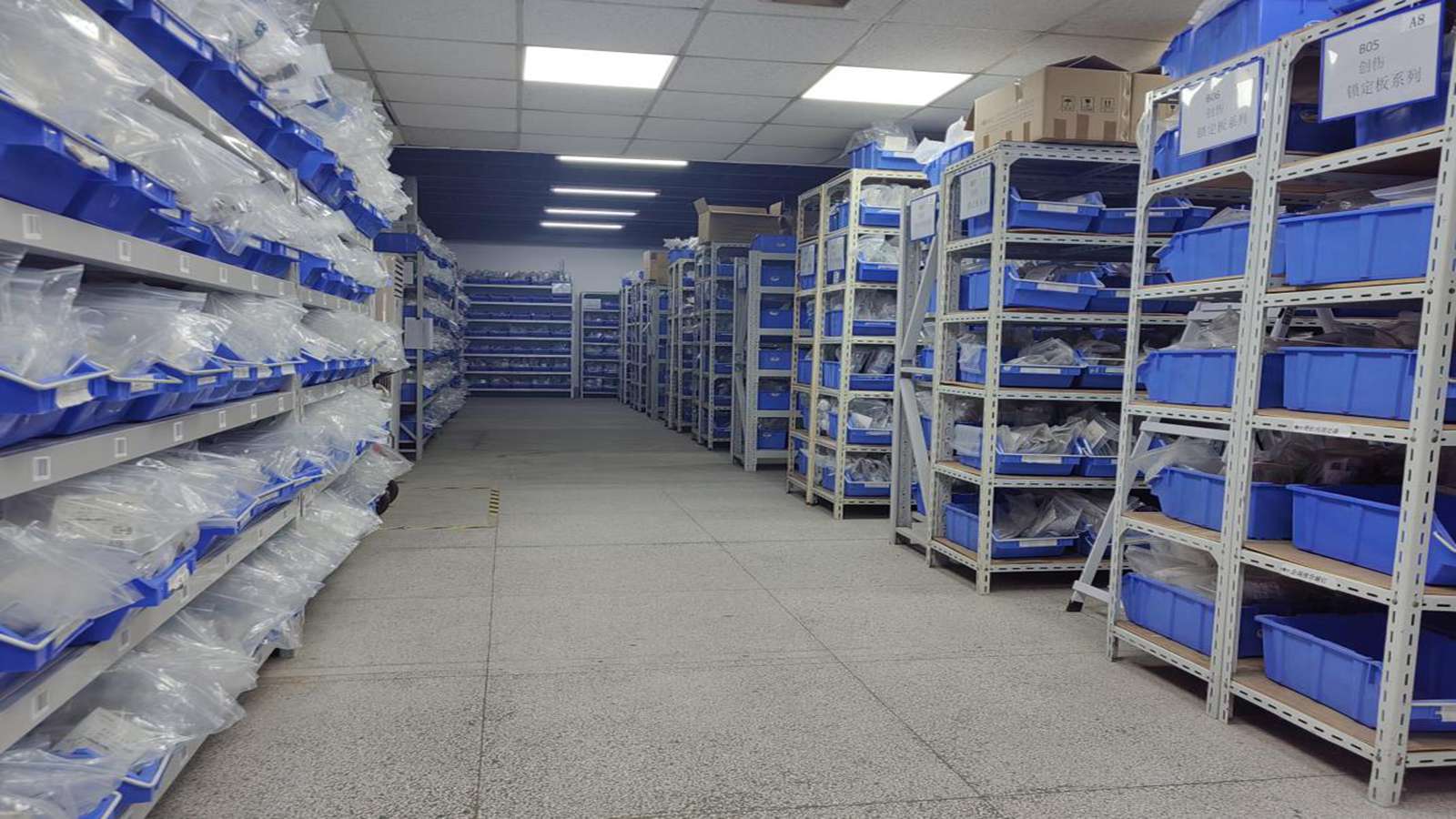
Founded in 2016, Medispirex Orthopedic Technology Co., Ltd. has scaled rapidly to become a leading global developer and manufacturer of advanced spinal implant systems. Operating out of a state-of-the-art 18,600㎡ production complex, we combine state-of-the-art manufacturing methodologies with strict clinical quality assurance to support hospitals, trauma clinics, medical distributors, and OEM/ODM partners in Southeast Asia and across the globe.
Backed by more than 12 years of industry expertise and 7 years of direct export operations, we secure an annual export portfolio exceeding USD 18 million. Our extensive upstream and downstream supply network of 860 partners guarantees supply chain continuity, optimized pricing, and clinical-grade compliance.
The healthcare landscape of the Philippines is experiencing a structural transition. Driven by the full roll-out of the Universal Health Care (UHC) Act (Republic Act No. 11223) and the modernization of public-private hospital infrastructures in major administrative hubs like Metro Manila, Cebu, and Davao, the clinical demand for spinal reconstructive technologies has surged.
Historically, orthopedic surgery in the Philippines faced high direct procurement costs, forcing institutions to rely on costly Western medical giants or lower-grade, non-certified alternatives. Today's procurement departments require high-precision implant technology that meets CE and ISO certifications while matching regional budgetary framework parameters. Demographically, the market is motivated by:
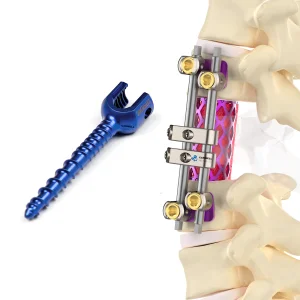
Substantial demand for rigid posterior stabilization, lumbar pedicle screws, and cervical plating systems resulting from motor vehicle accidents and labor-intensive activities.
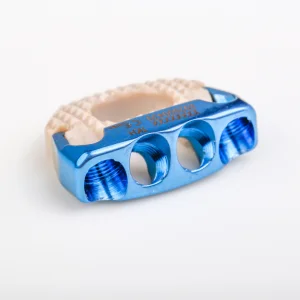
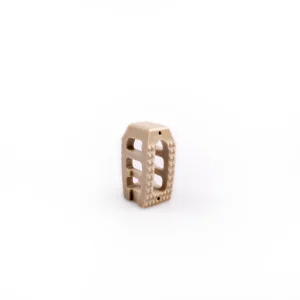
An aging Philippine demographic requires safe interbody fusion cages (PLIF/TLIF/ACDF) utilizing advanced biopolymer PEEK materials to sustain long-term biomechanical stability.
A distinct push for surgical case-rate standardization requires reliable instrumentation sets that lower perioperative costs without reducing clinical outcome safety margins.
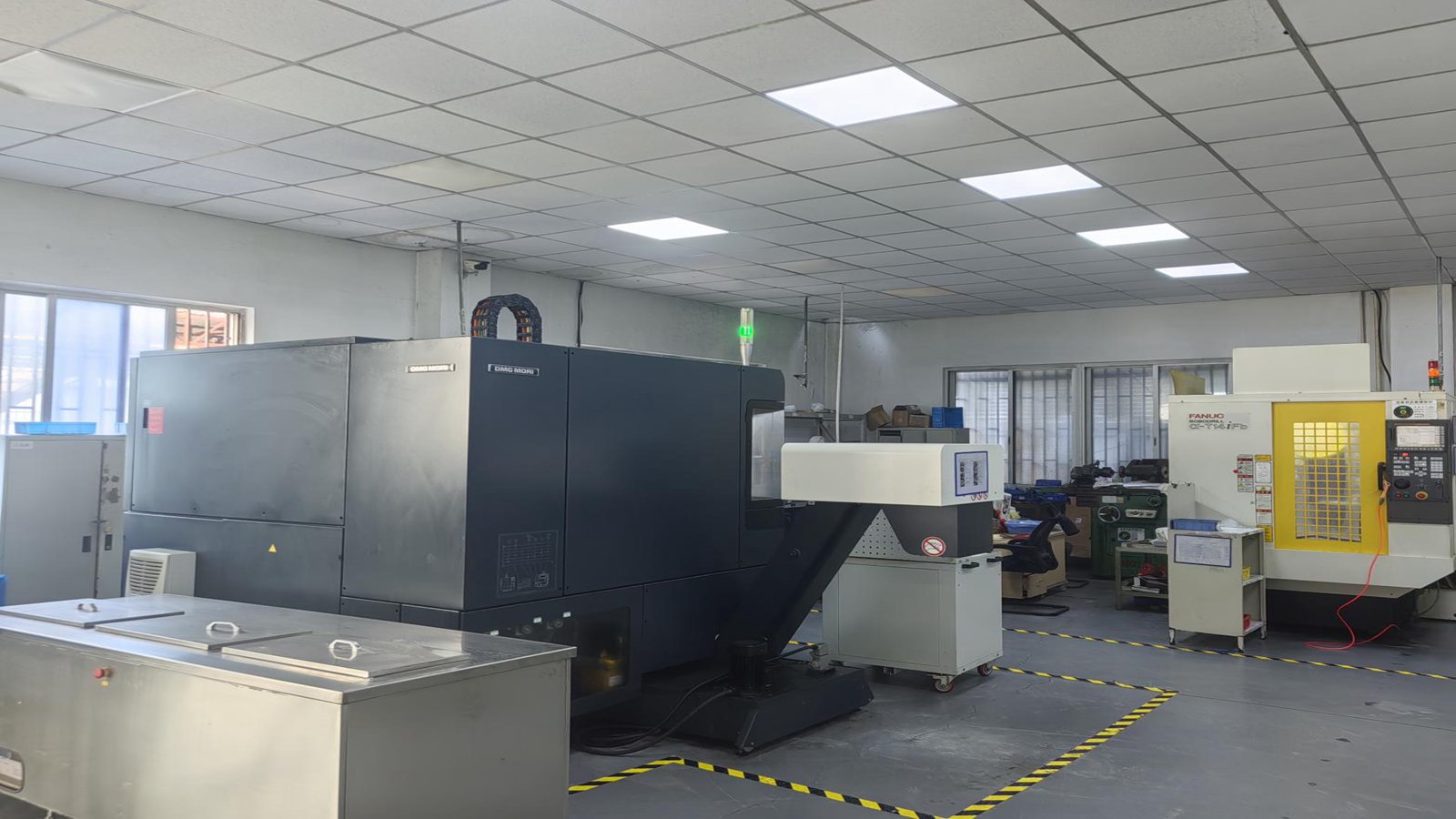
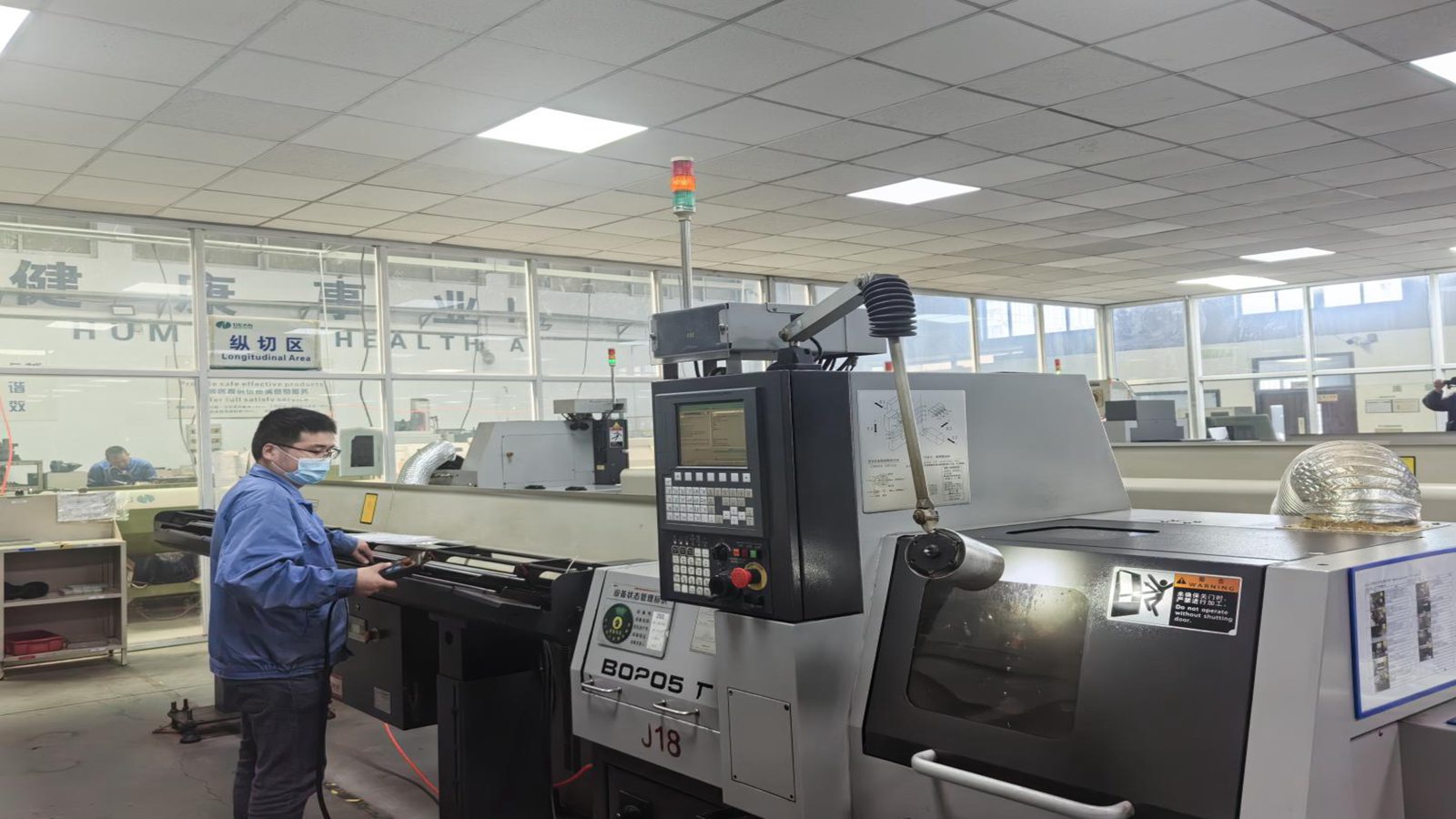
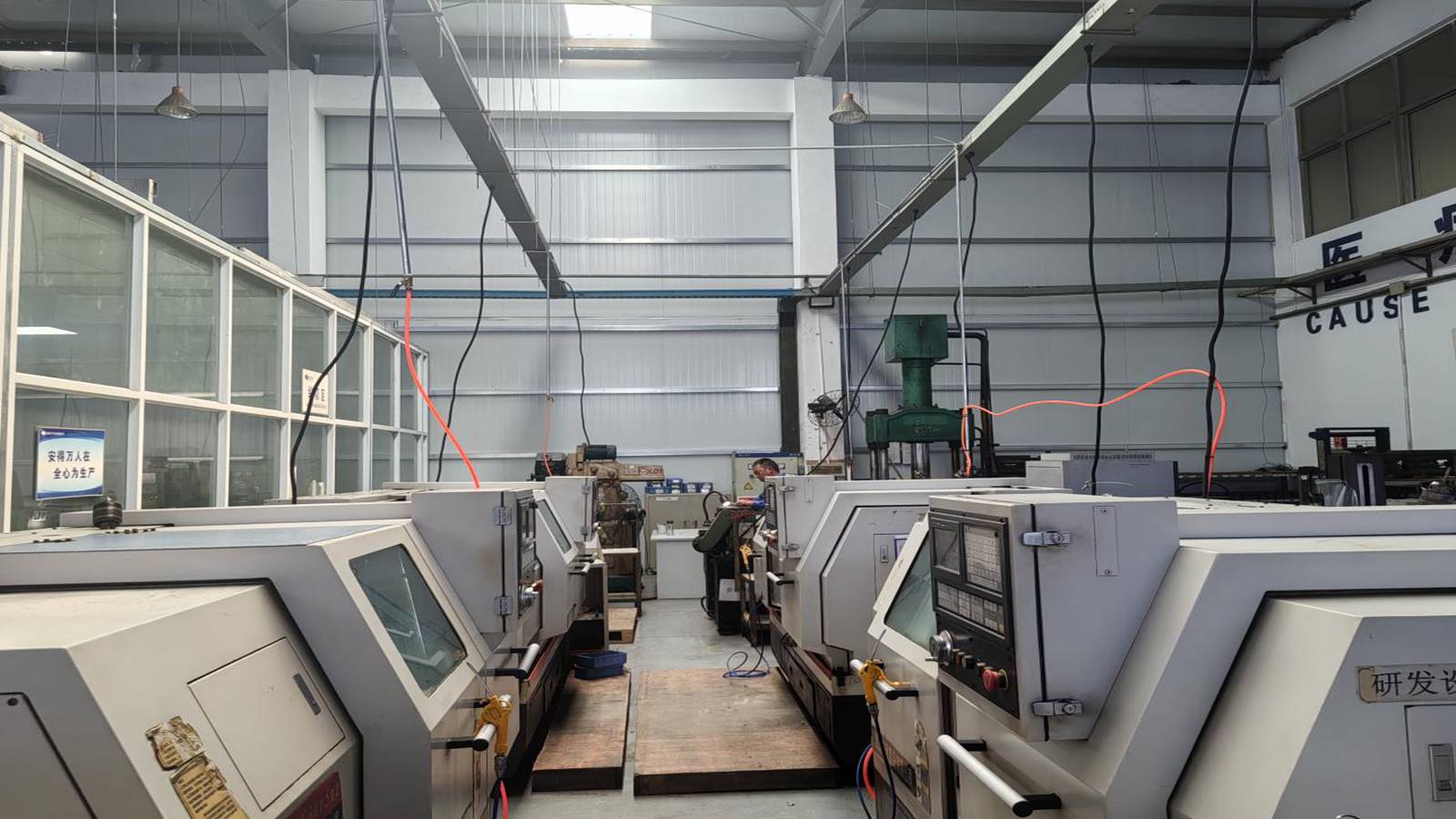
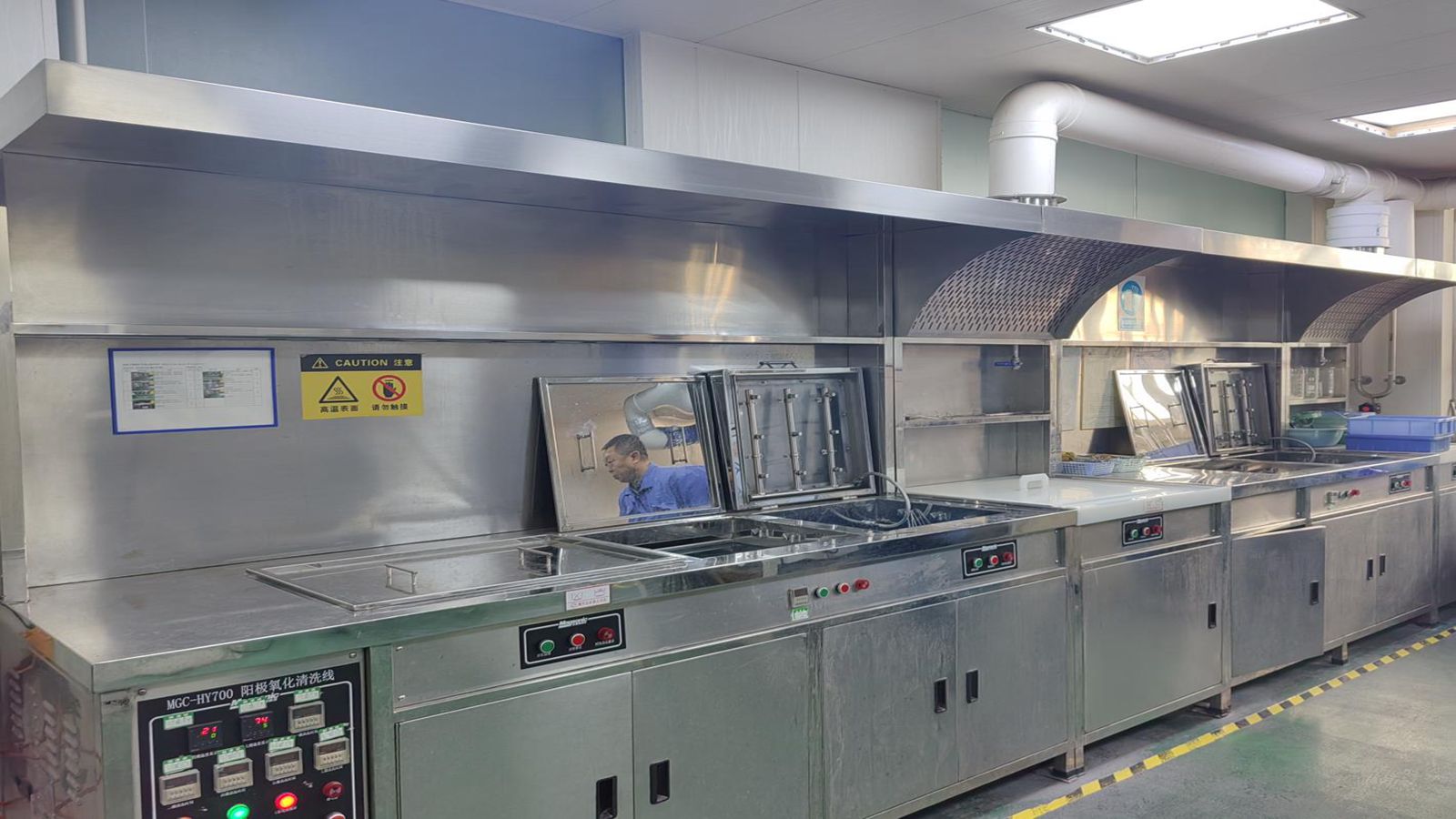
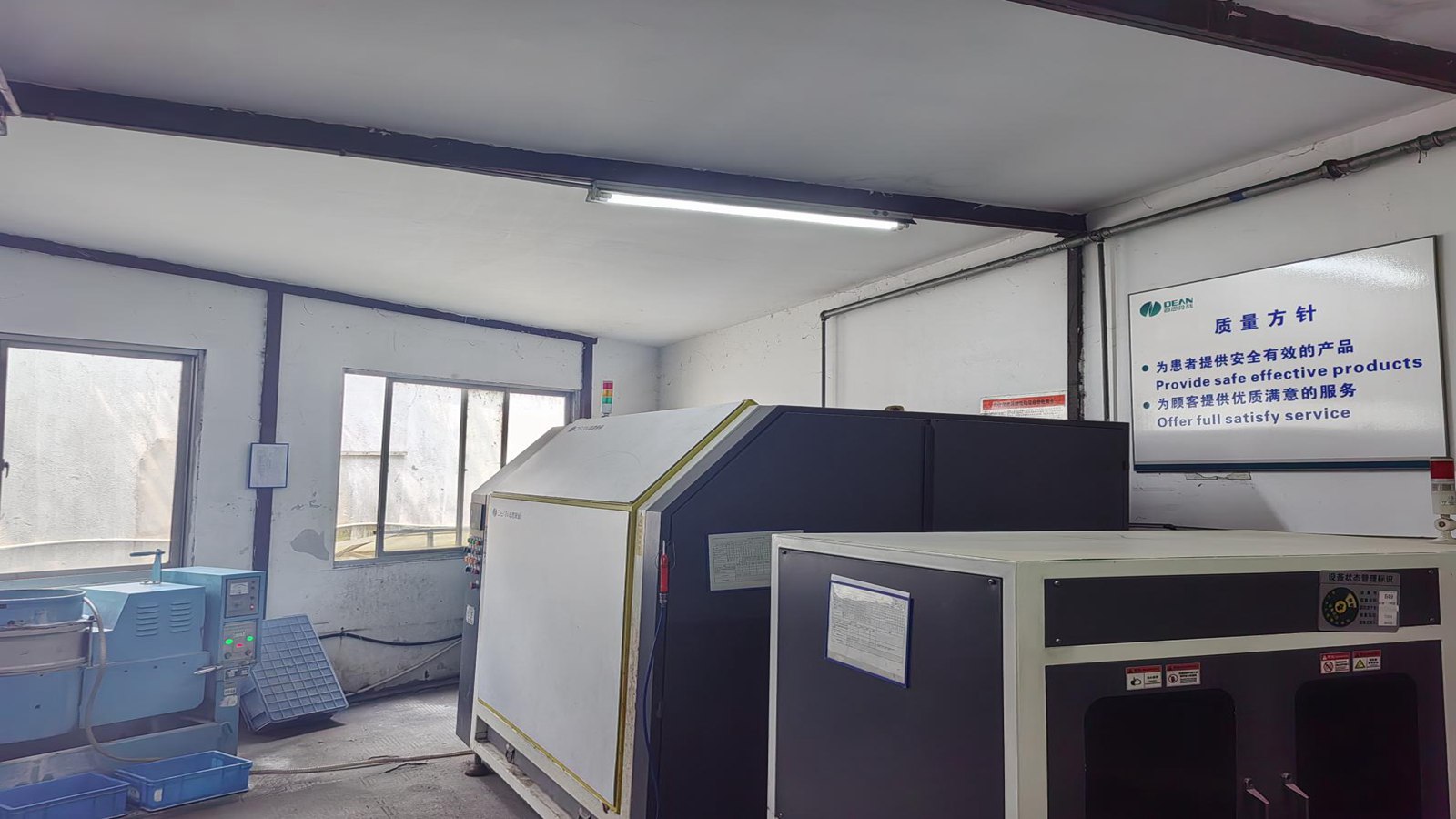
Our 18,600㎡ production environment incorporates CNC multi-axis milling, advanced anodic oxidation systems, and high-precision polishing technology to achieve precise structural tolerance.
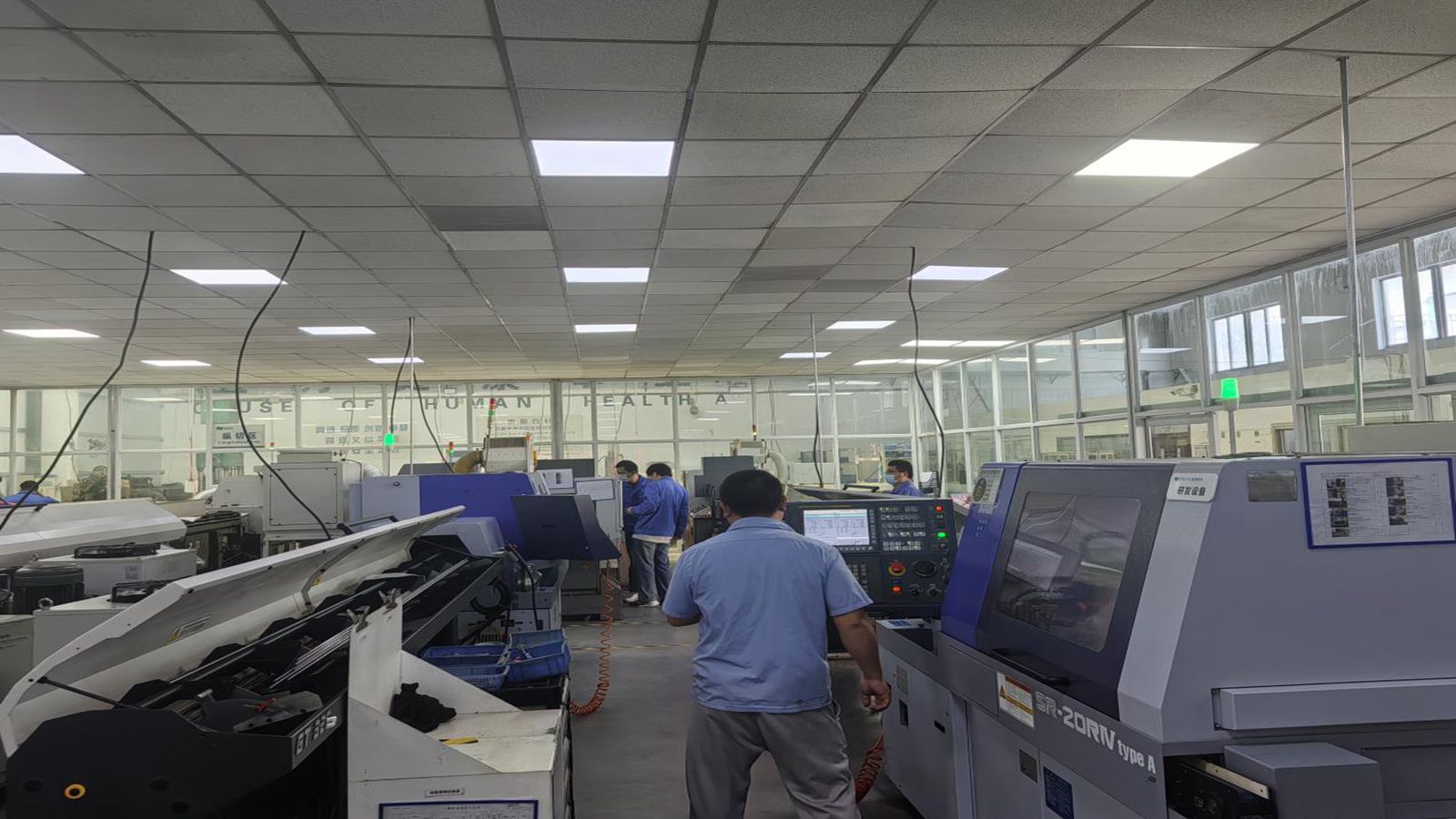
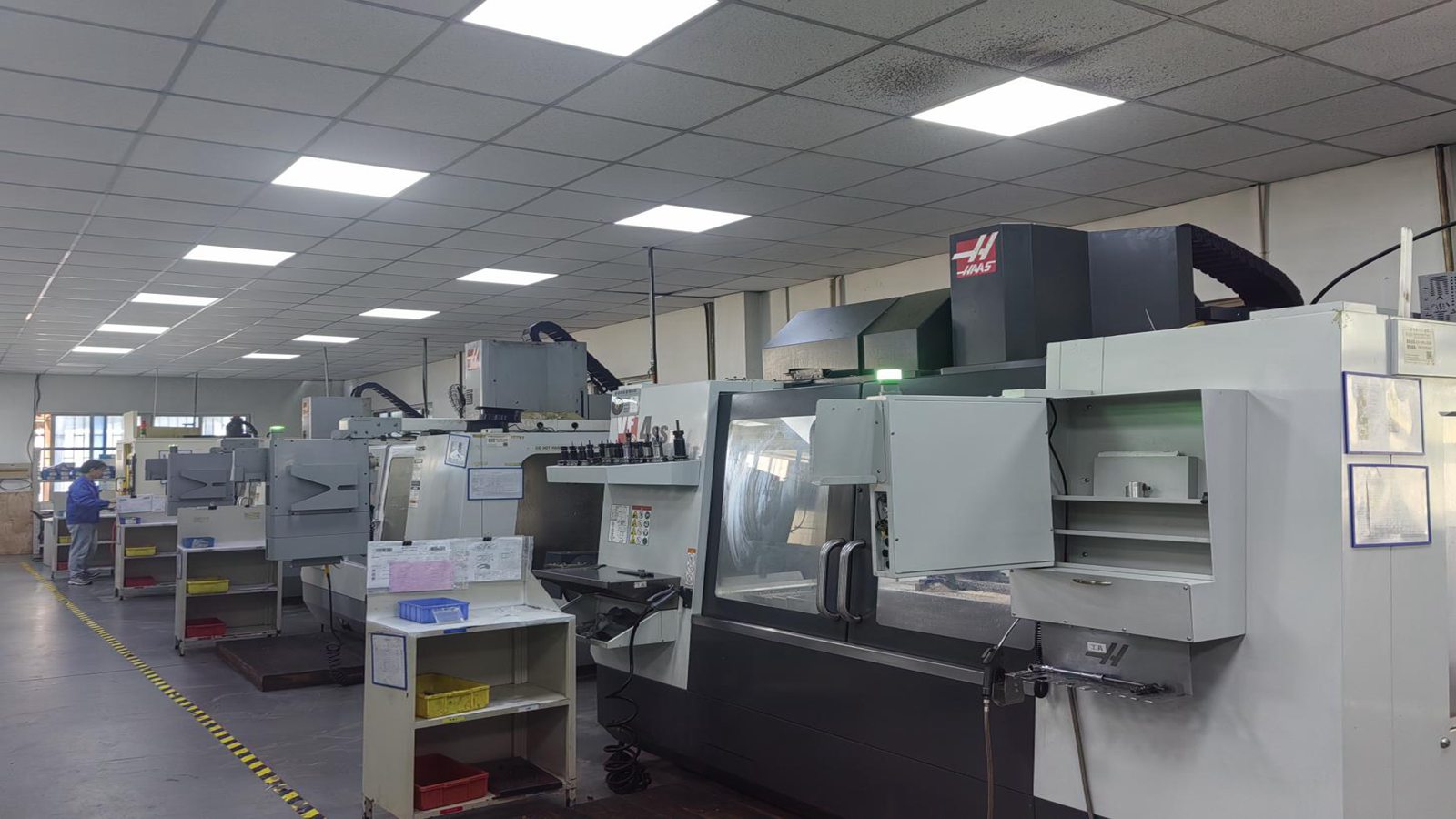
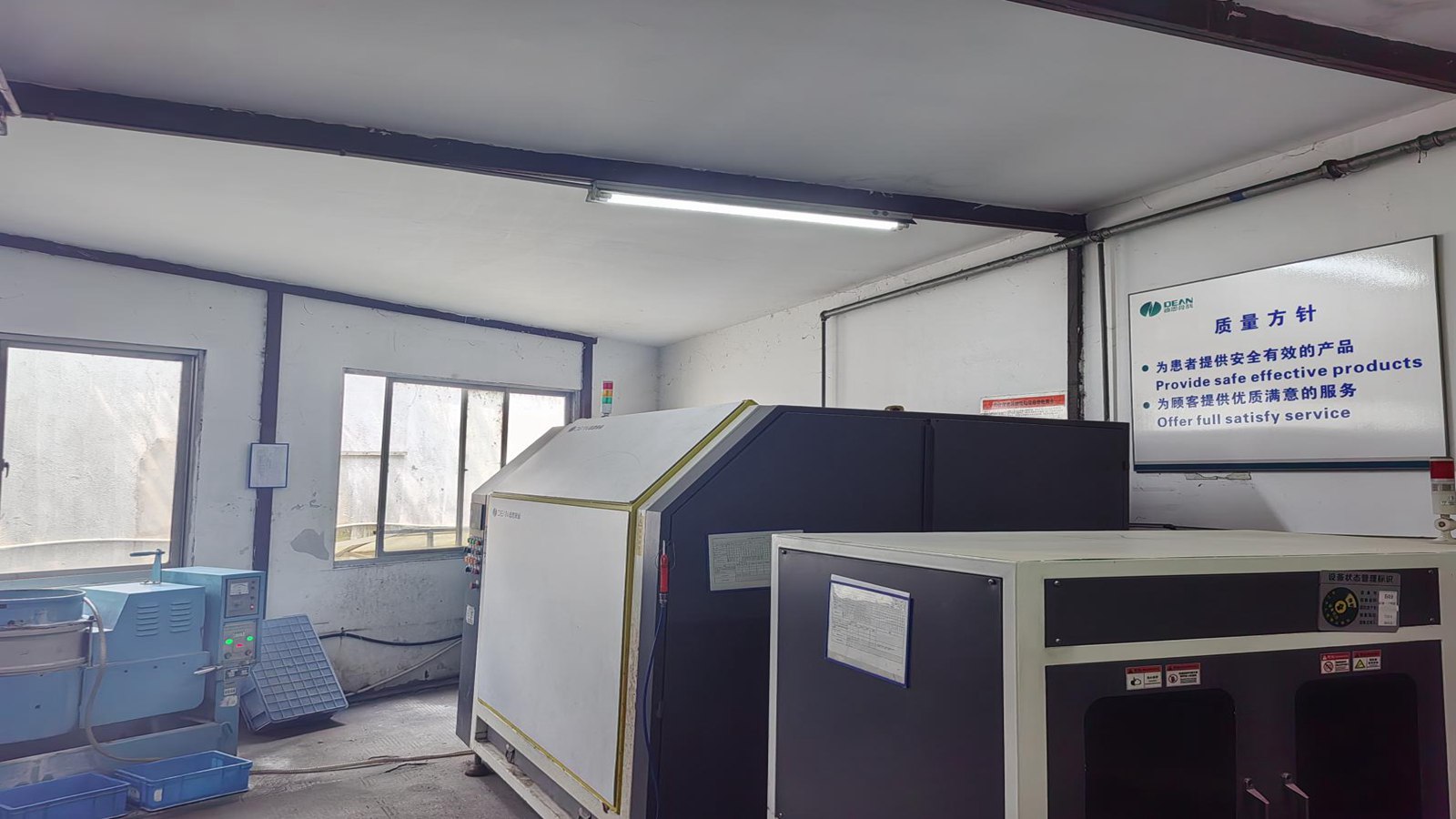
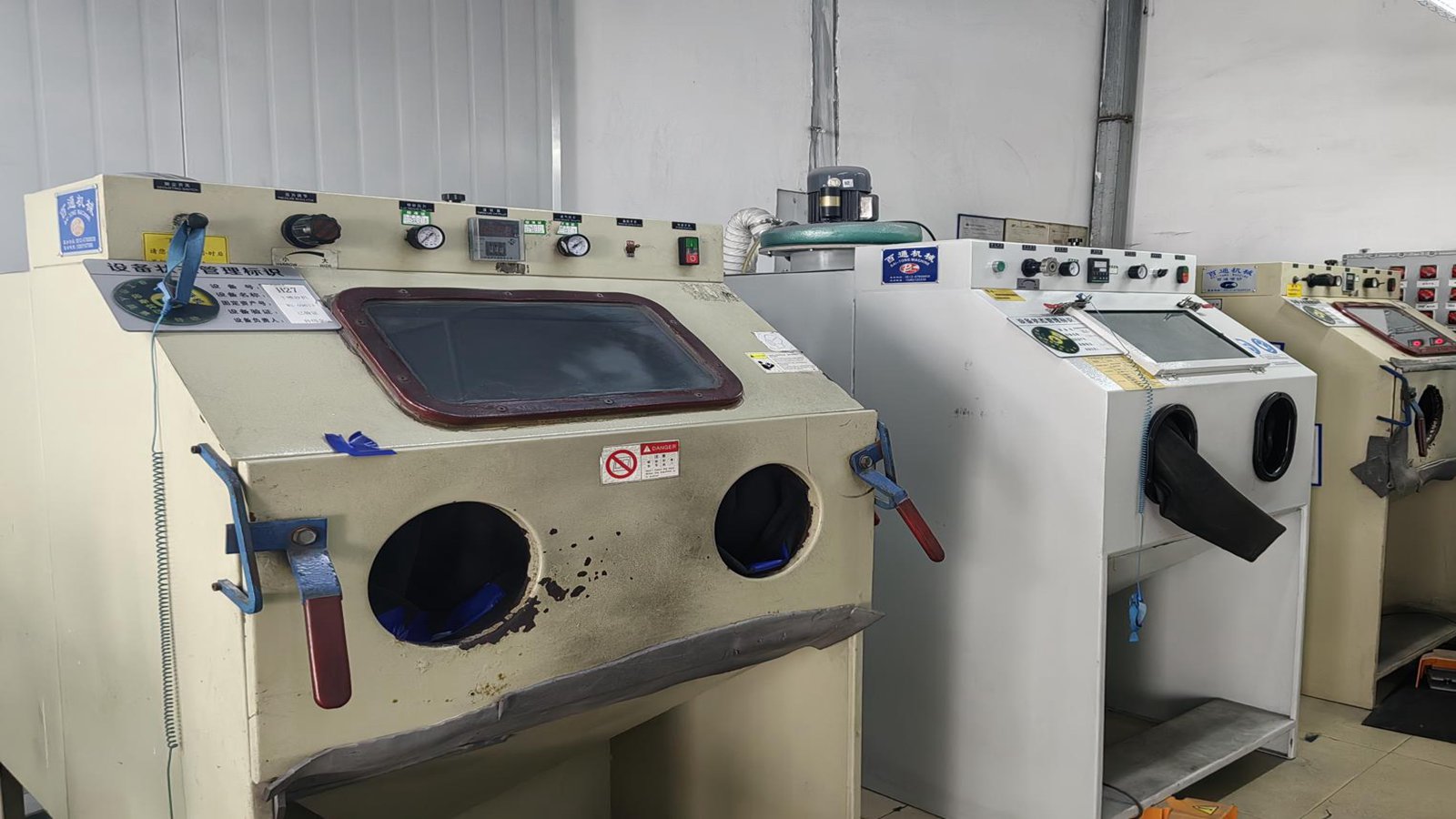
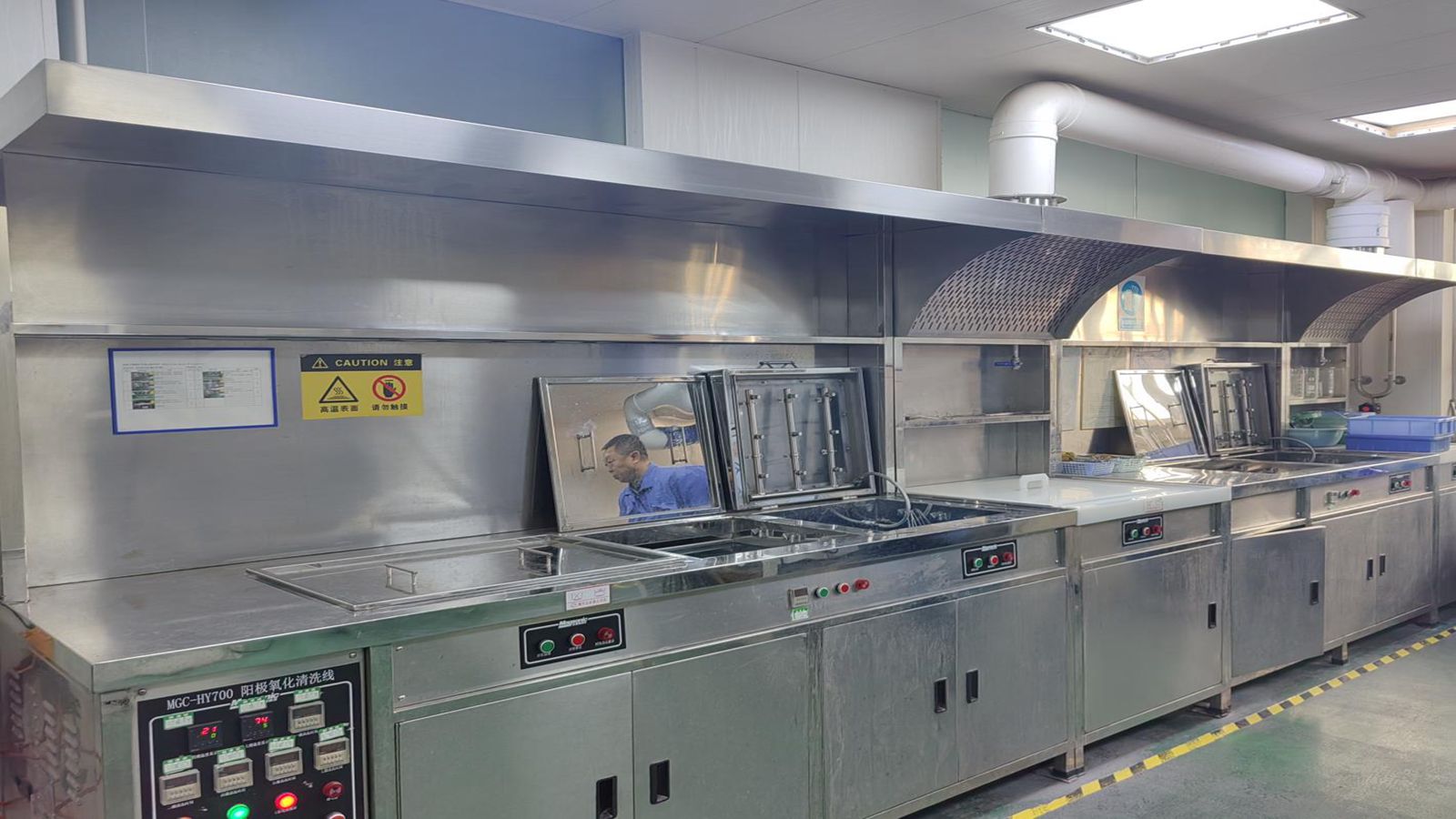
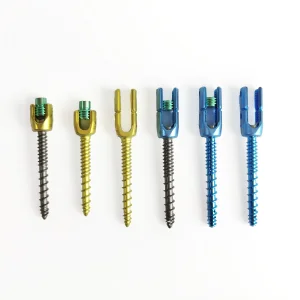
These select orthopedic systems represent our focus on zero-profile integration, biocompatible material engineering, and structural stability.
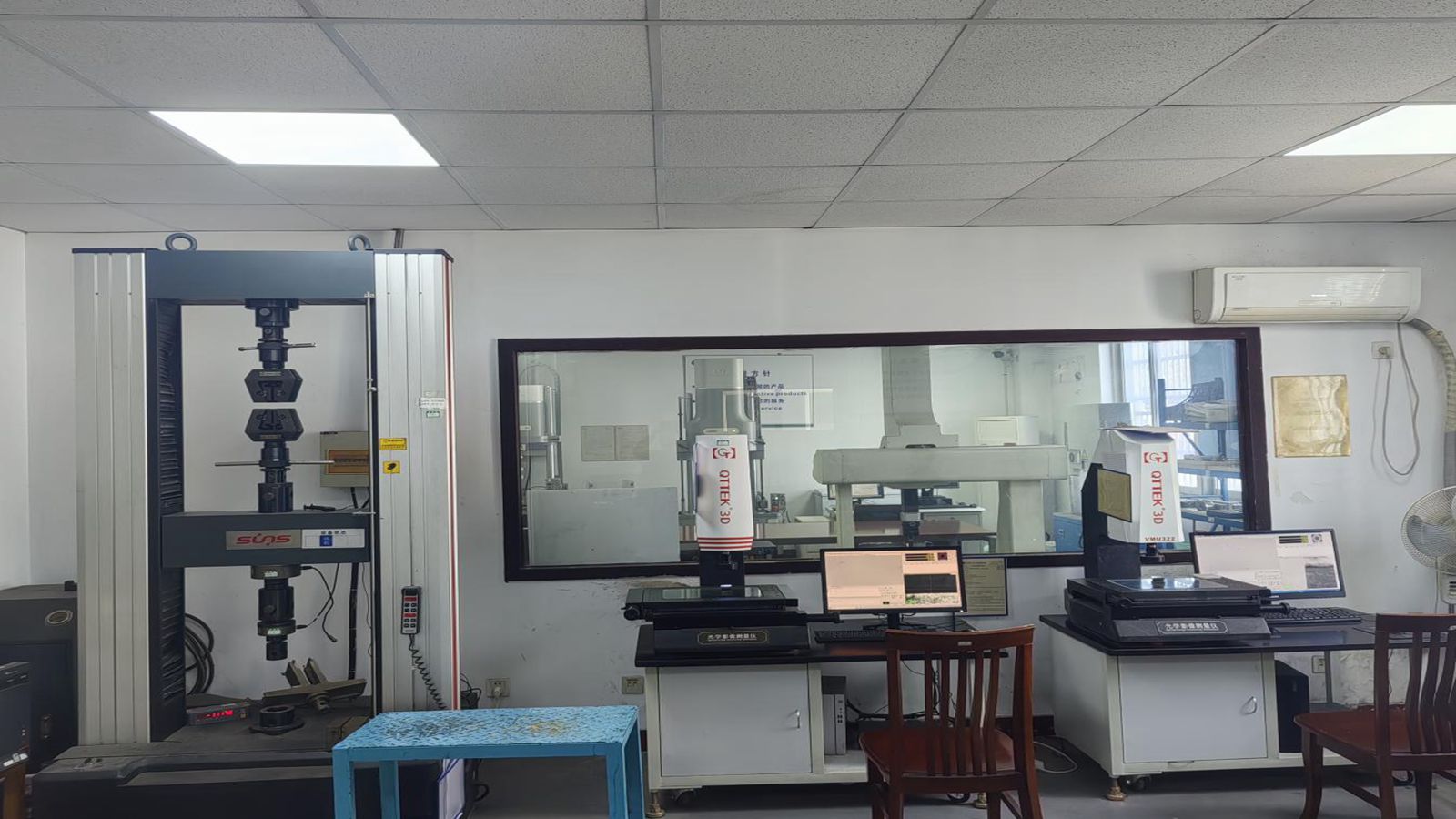
Our 45-member quality assurance team conducts rigorous dimensional verification, mechanical fatigue trials (evaluating shear, axial compression, and torsion under ASTM F1717 guidelines), and ICP material analysis to verify purity.
We support custom private labeling, material adjustments (including Ti6Al4V ELI titanium alloy and implant-grade Polyetheretherketone), and instrument modifications to meet the custom needs of spinal surgeons in the Philippines.
Led by 85 skilled engineers, we released 120 new products last year, updating surgical ergonomics and refining interface tolerances between screws and rods.
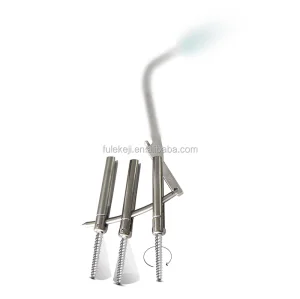
Explore our full line of CE and ISO-certified implant systems, designed for anterior, posterior, and minimally invasive spinal interventions.
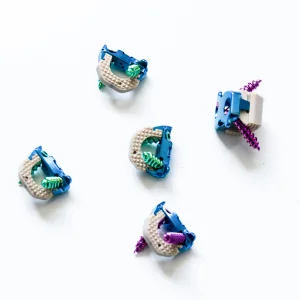
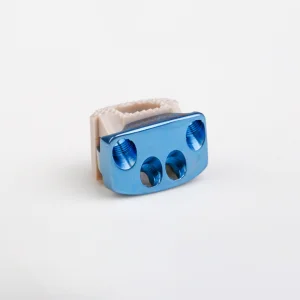
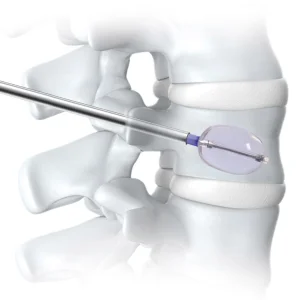
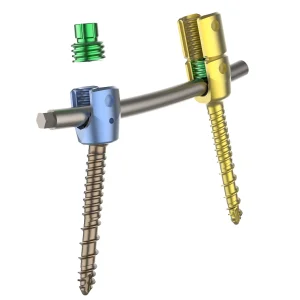
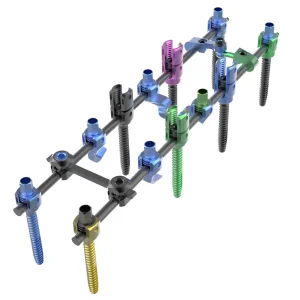
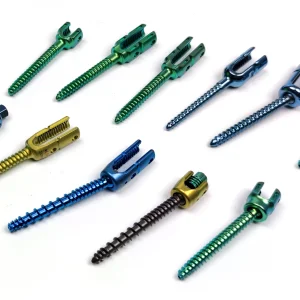
Our technical development team focuses on optimization in bone-implant interfaces. As dynamic loads place physical demands on spinal structures, we select materials that help reduce stress shielding and promote osseointegration.
Our PEEK material closely matches the elastic modulus of human cortical bone, reducing stress concentration. In addition, its radiolucent properties allow clear radiographic evaluation of bone fusion progression.
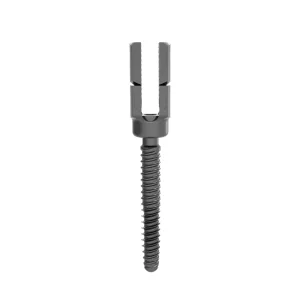
We construct our pedicle screws using Extra Low Interstitial (ELI) Ti-6Al-4V alloy. This provides enhanced fatigue resistance, high tensile strength, and biocompatibility under long-term cyclic loading.
We apply micro-textured surface finishes to our interbody systems to support early osteoblast attachment, helping to secure primary mechanical stability.
Importing medical devices into the Philippines requires navigating specific regulatory and logistics steps. Under the Food and Drug Administration (FDA) of the Philippines guidelines and the Center for Device Regulation, Radiation Health, and Research (CDRRHR) rules, all class B, C, and D orthopedic implants require a Certificate of Medical Device Registration (CMDR) or Certificate of Product Registration (CPR).
We assist our distribution partners in the Philippines by providing comprehensive documentation packages, including ISO 13485 quality credentials, CE declarations, material test data, and sterilizer verification logs.
Our logistics team coordinates with experienced freight forwarders to manage shipping routes to ports in Manila (MICP/South Harbor), Cebu, and Davao, ensuring compliance with local customs requirements.
Optimize your orthopedic supply chain in the Philippines. Contact our technical engineering and procurement teams today for custom quotations, regulatory files, and product specifications.
Inquire Online Now