Medispirex
Medispirex
Medispirex
Engineered to meet the stringent biomechanical standards of Berlin's advanced orthopedic research clusters and major regional clinical centers.
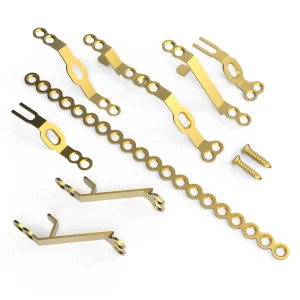
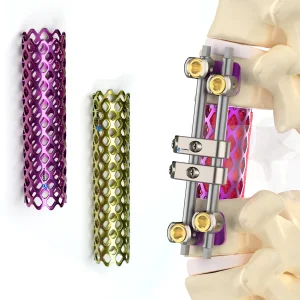
Analyzing the intersection of German academic research, clinical excellence, and global supply chains.
Berlin stands as a premier focal point for biomedical engineering and clinical neurology within Europe. Anchored by world-renowned institutions such as the Charité – Universitätsmedizin Berlin, the city is at the forefront of pioneering spinal fusion methodologies, non-fusion stabilization, and artificial disc replacement research. This clinical concentration creates an exceptionally high demand for biocompatible spinal implants that exhibit perfect fatigue resistance, absolute mechanical stability, and predictable osseointegration properties.
Local orthopedists and purchasing syndicates (GPOs) in Germany demand implants that adhere strictly to European medical device standards. While local German research and development centers focus on patient-specific computational modeling and custom surgical guides, the high-volume precision manufacturing of implantable assemblies increasingly relies on a robust global supply architecture. This structural framework bridges advanced European design templates with efficient, highly certified production hubs abroad.
Direct feed-back loops from Berlin research groups define the biomechanical criteria for next-generation PEEK cages and reduction pedicle screws.
German healthcare procurement mandates conformity with EU MDR 2017/745, highlighting the critical need for absolute batch traceability and validation.
How advanced spine assemblies perform under rigorous intraoperative environments.
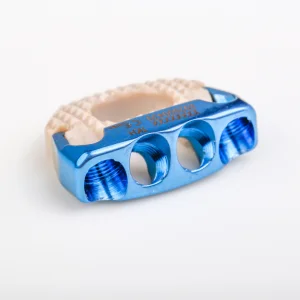
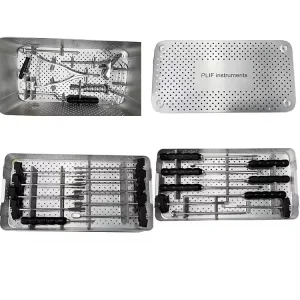
In major municipal hospitals throughout Germany, posterior lumbar interbody fusion (PLIF) is the standard surgical response to advanced segment degeneration. Utilizing PEEK lumbar cages with integrated instrumentation sets provides surgeons with reliable primary mechanical stability and optimal radiolucency for postoperative fusion monitoring.
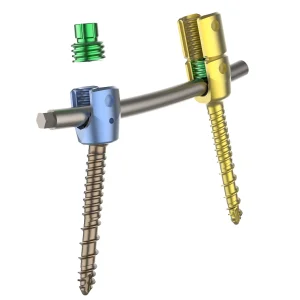
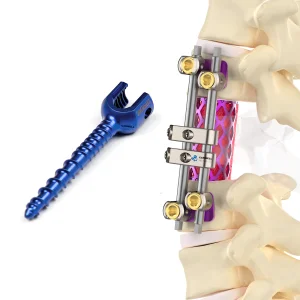
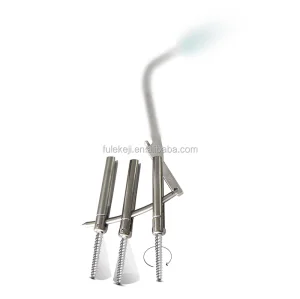
Minimally invasive spine surgery (MIS) reduces hospital stay periods—a key metric for German health insurance systems (DRG-system). Highly precise polyaxial reduction pedicle screws, combined with low-profile titanium spinal mesh cages, permit keyhole interventions, preserving paraspinal muscular structures.
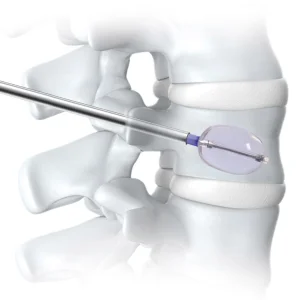
For complex spinal fractures or oncology cases, emergency trauma units demand immediate availability of anterior thoracolumbar systems. Rigorous biomechanical validation ensures that spinal joint bone cement injectors and customized stabilization rods maintain structural integrity under dynamic physiological loads.
Bridging reliable, high-volume capacity with clinical demands in Germany and worldwide.
Medispirex Orthopedic Technology Co., Ltd. is a professional manufacturer specializing in spine and orthopedic implant solutions, established in 2016 with a modern production facility covering approximately 18,600㎡. The company integrates R&D, manufacturing, and global distribution to deliver high-quality medical devices for trauma, spine, and joint reconstruction applications.
With an annual export revenue of approximately USD 18 million, Medispirex has built a stable international presence supported by 7 years of export experience and over 12 years of industry expertise. The company operates under a strict quality management system, ensuring product reliability through incoming material inspection, in-process quality control, final product testing, and batch traceability systems. Product verification methods include dimensional inspection, mechanical fatigue testing, and material composition analysis. The quality assurance team consists of around 45 dedicated QC professionals.
How Medispirex guarantees manufacturing precision and uninterrupted supply lines for global orthopedic partners.
Medispirex maintains a strong trade-oriented manufacturing background, serving key markets including Europe, North America, the Middle East, and Southeast Asia. Its supply chain network includes approximately 860 upstream and downstream partners, enabling stable production capacity and efficient global delivery.
The company primarily serves hospitals, orthopedic surgeons, medical distributors, and OEM/ODM partners, offering flexible customization options such as private label manufacturing, product design adaptation, and surgical system configuration support.
Driven by strong innovation capability, Medispirex has launched approximately 120 new products in the past year, supported by a R&D team of around 85 engineers specializing in biomechanics, materials science, and orthopedic device design. With a commitment to precision engineering and clinical performance, Medispirex continues to develop advanced orthopedic and spinal solutions that meet international standards and evolving surgical needs.
To produce Class III spinal devices, such as PEEK cervical stand-alone spacers and MIS pedicle screws, the factory uses advanced multi-axis CNC machines. By controlling raw material procurement (implant-grade titanium alloys and Solvay PEEK) and performing automated post-processing, Medispirex delivers orthopedic solutions that match German high-tech specifications at competitive prices.
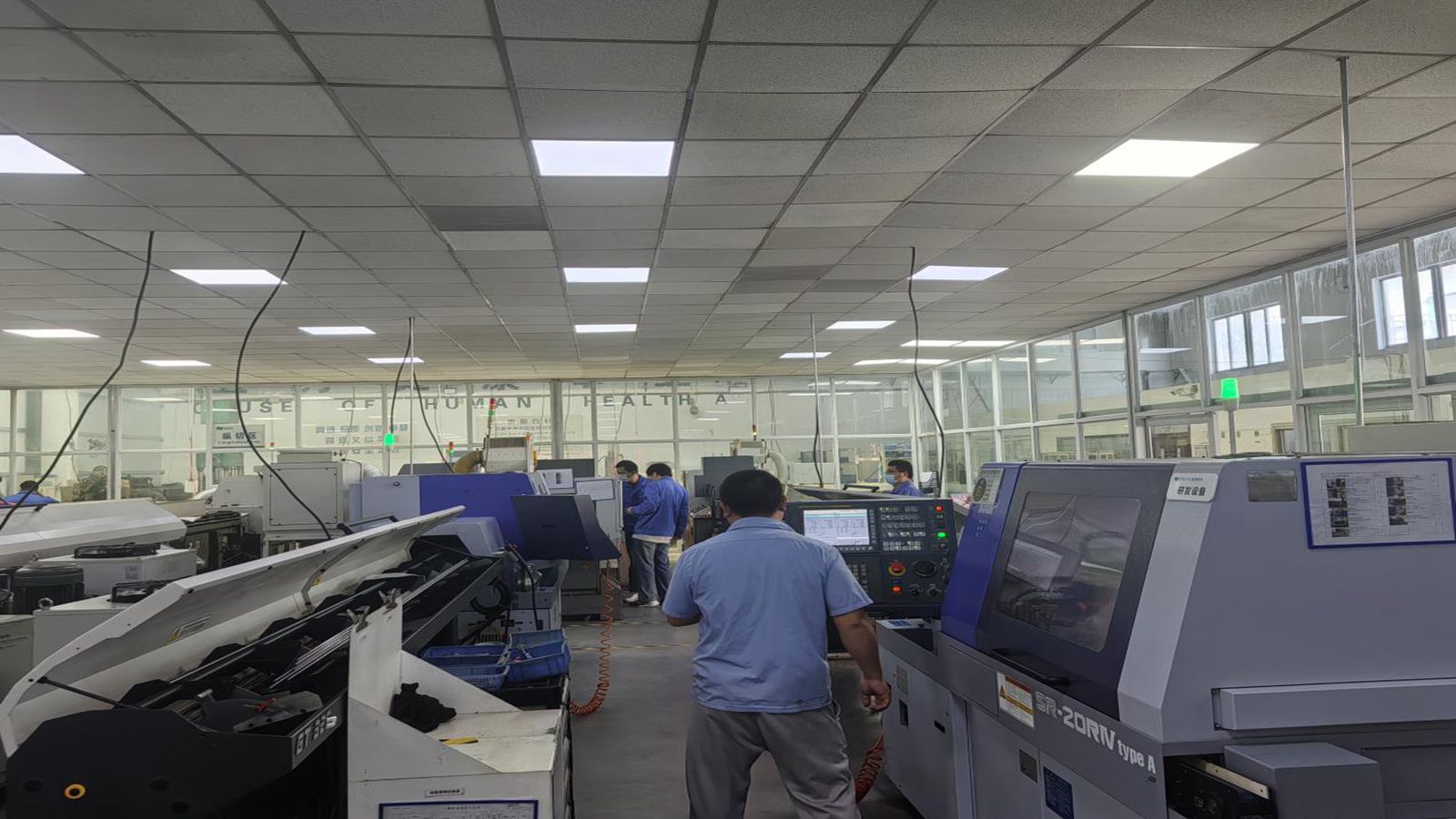
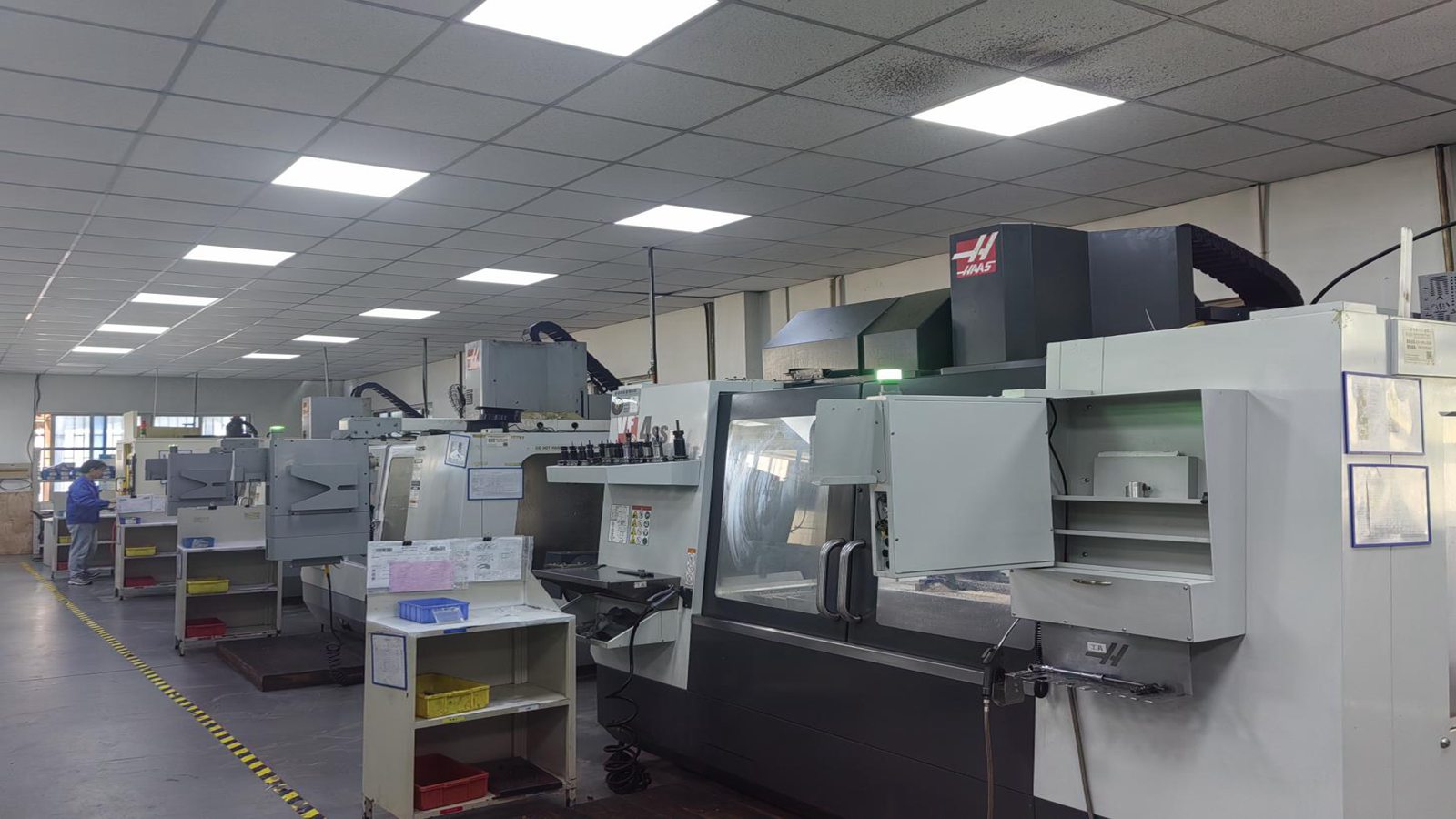
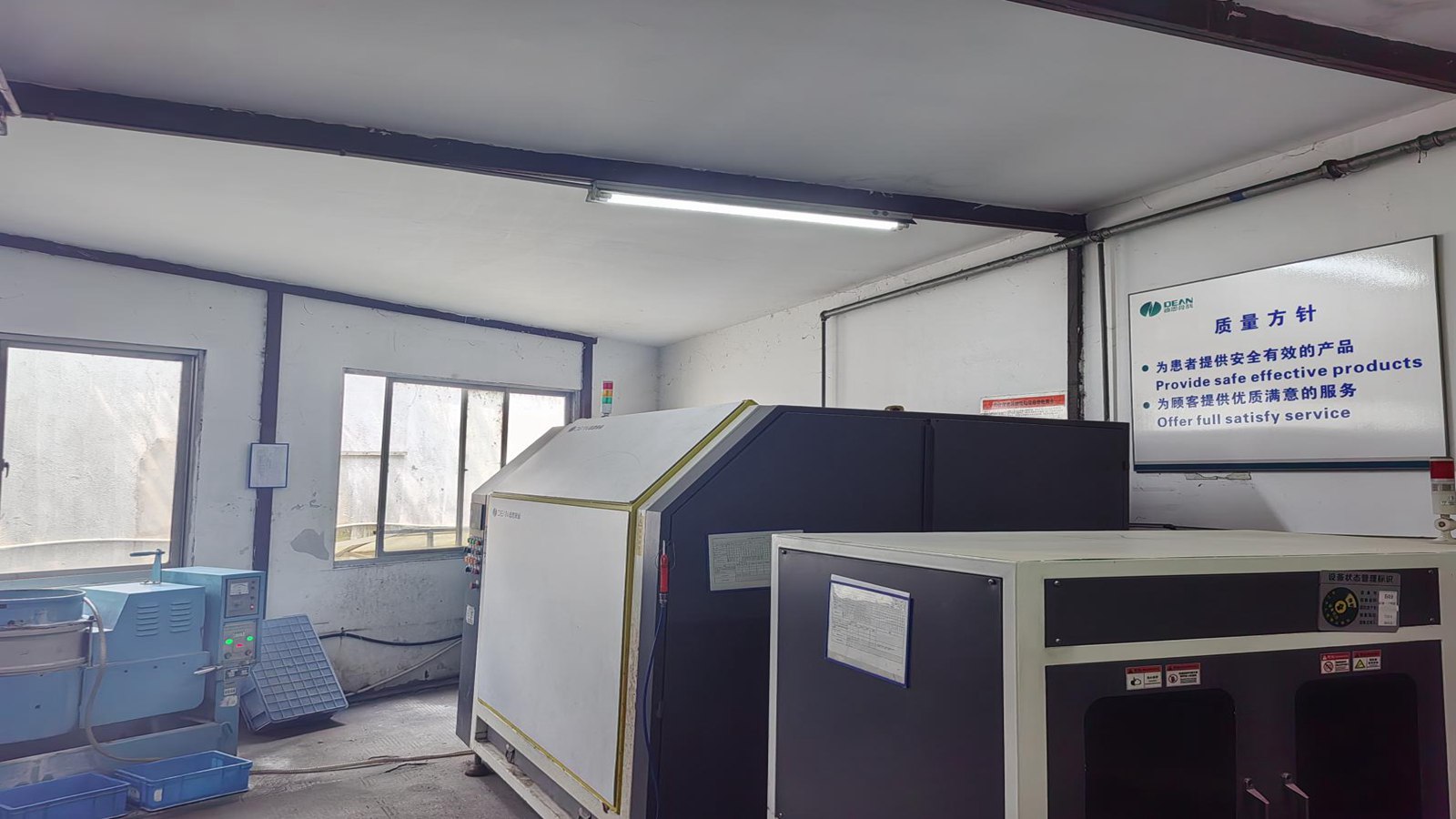
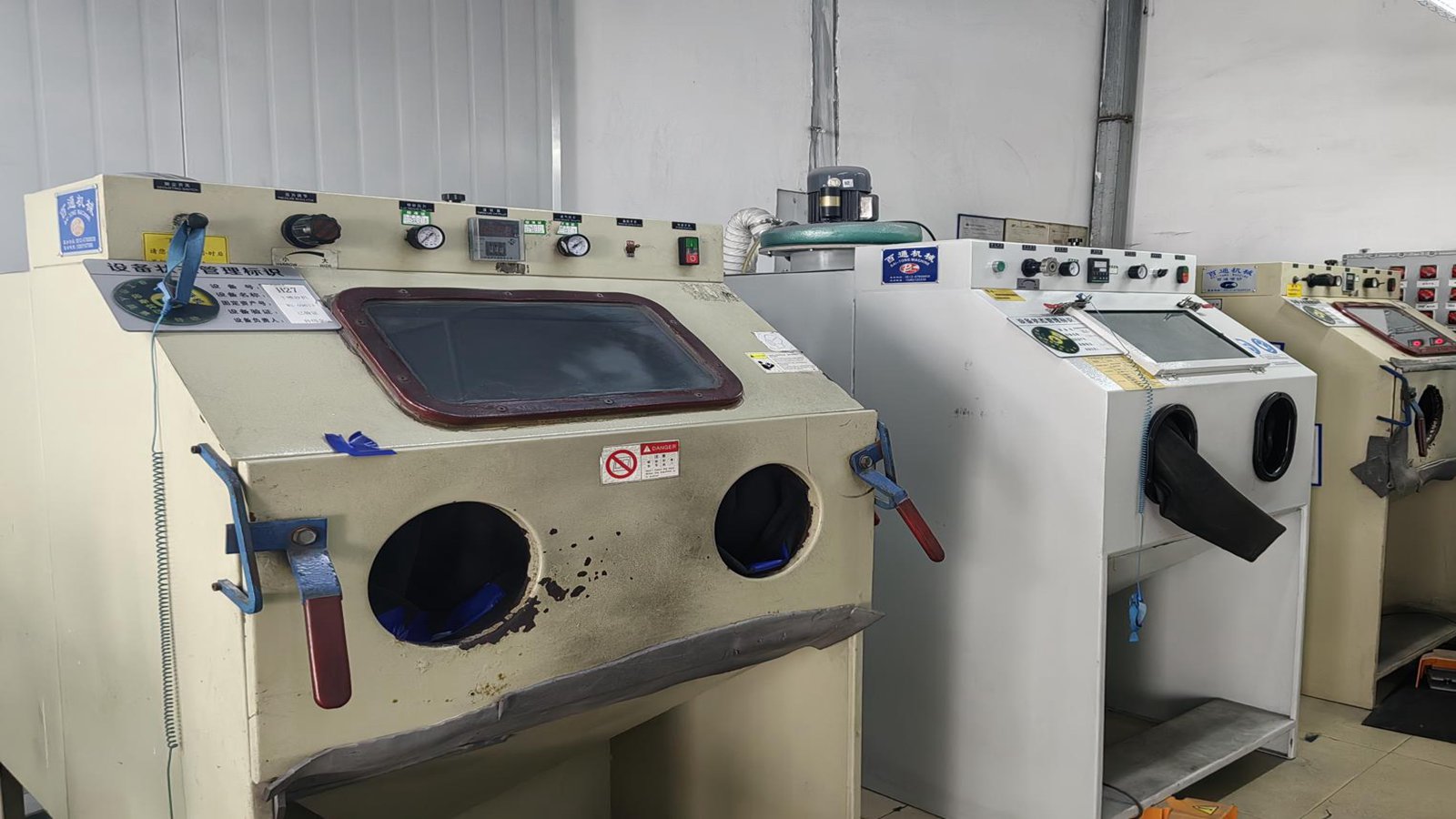
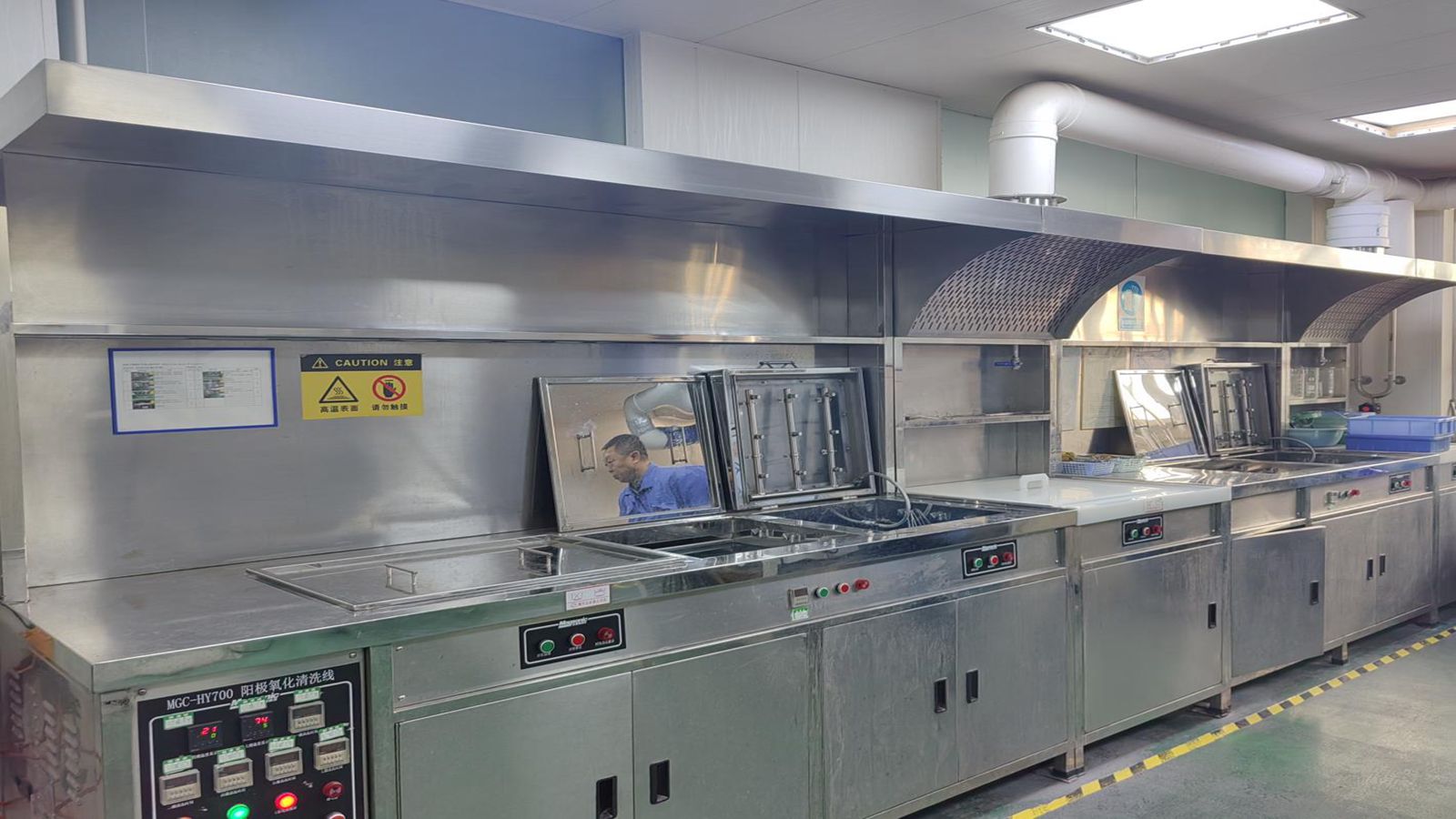
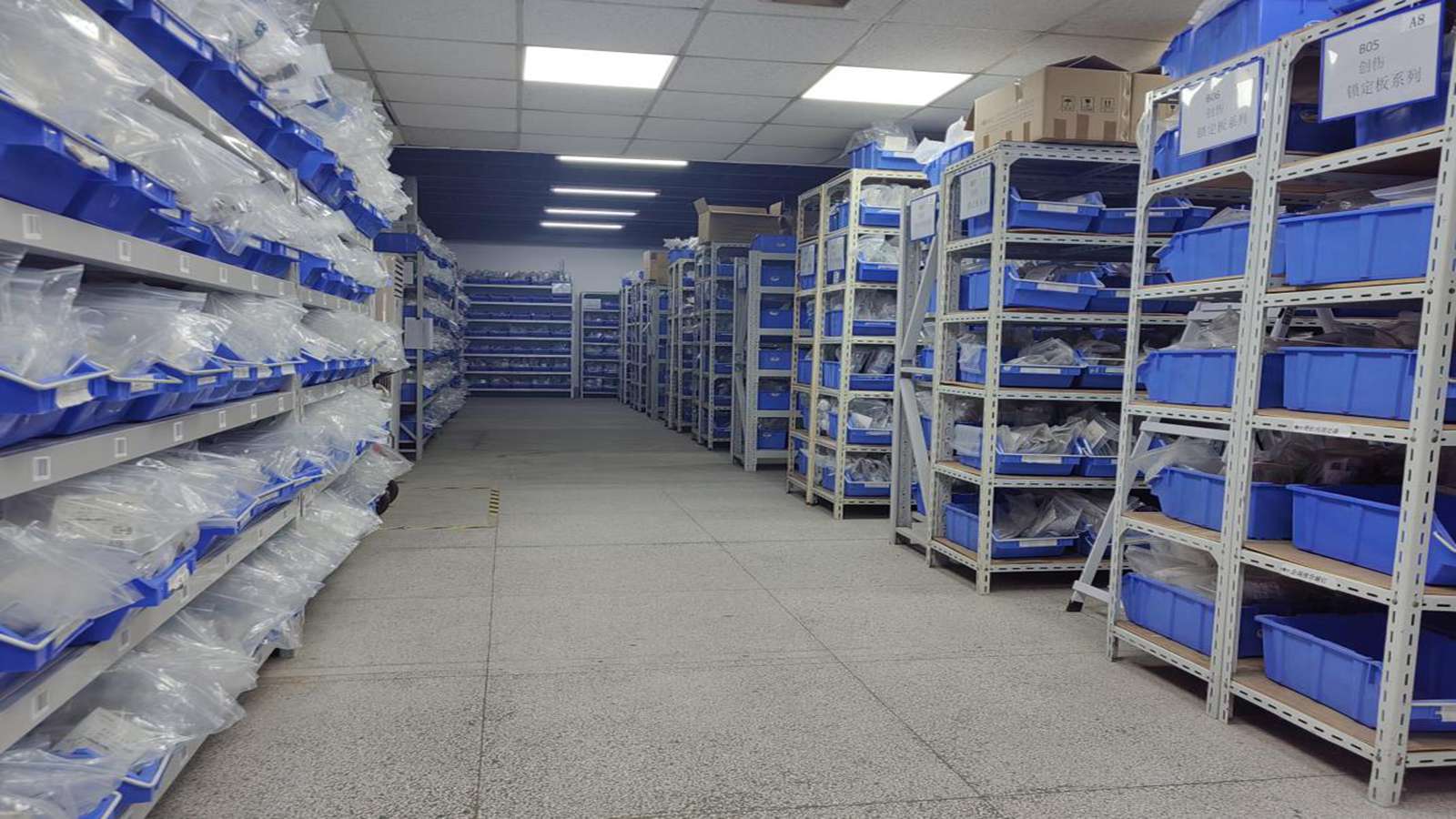
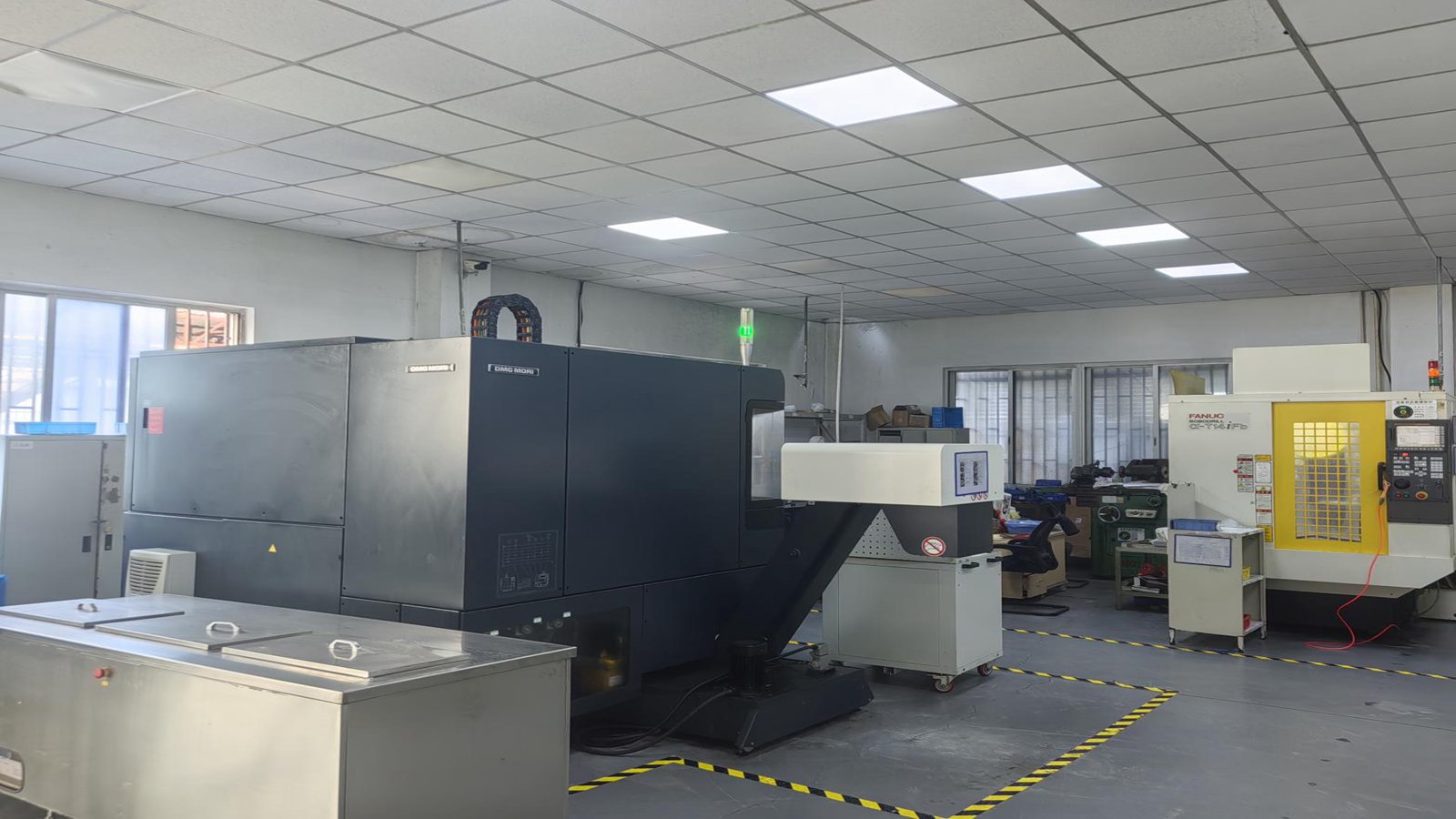
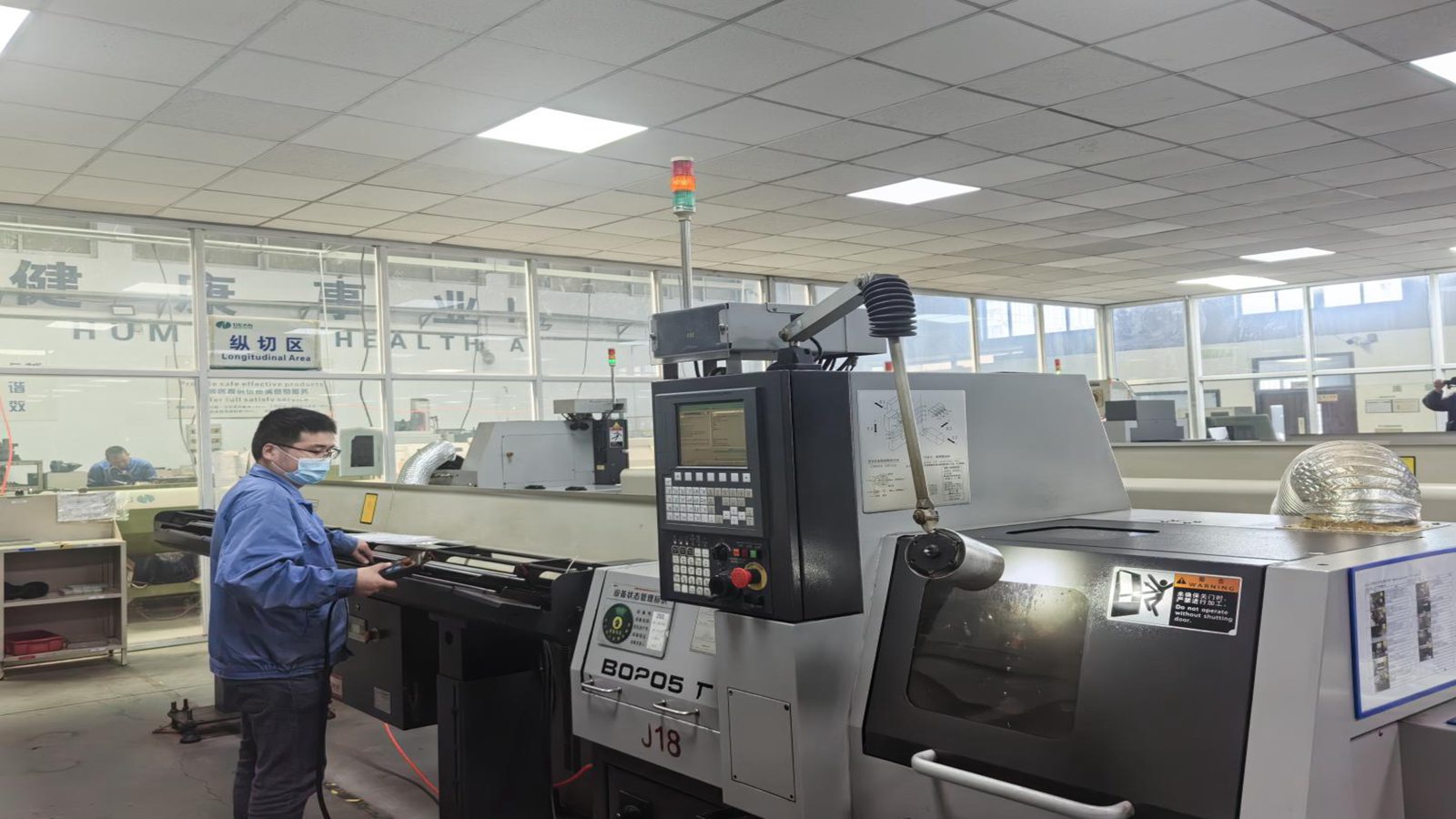
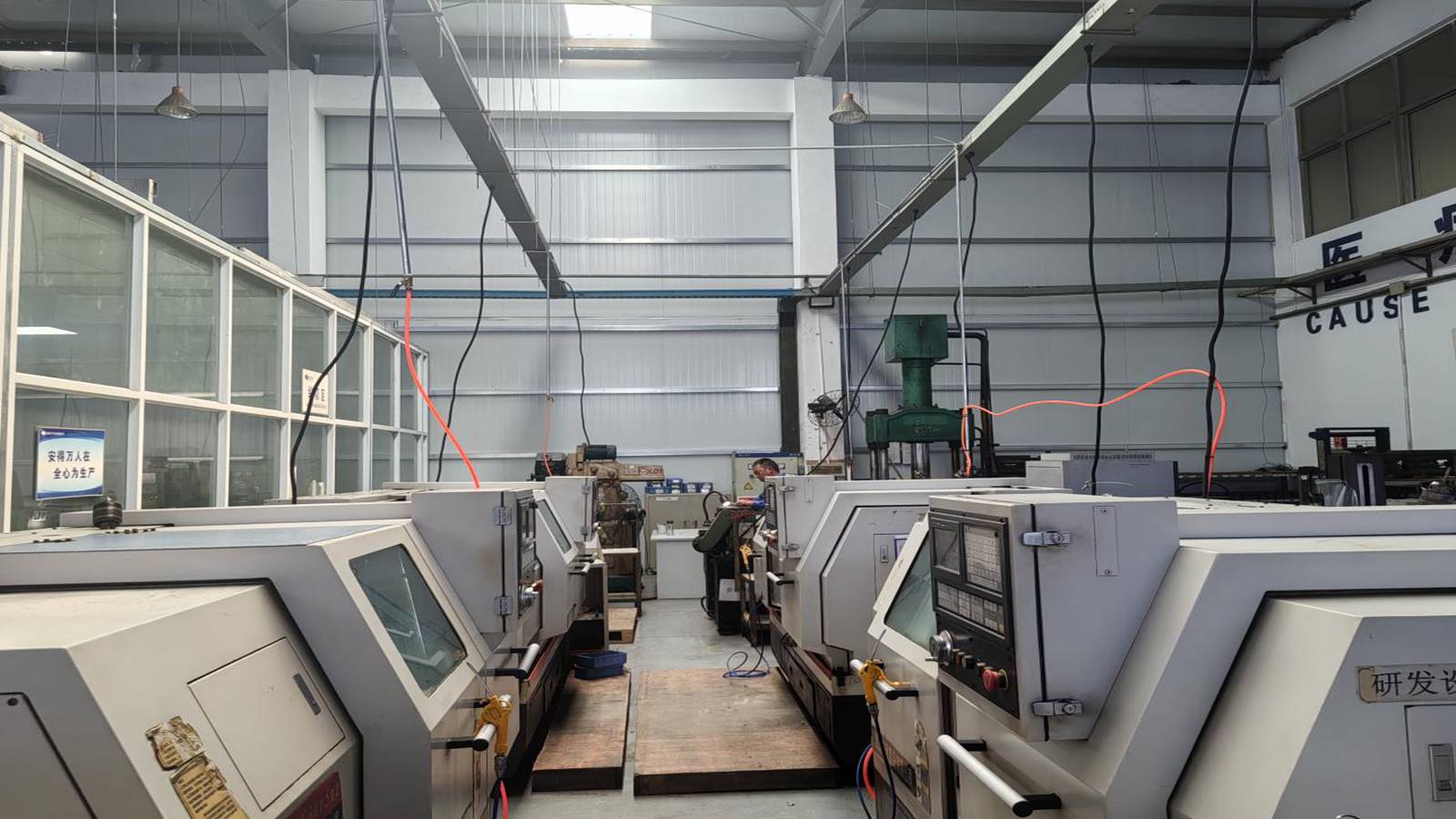
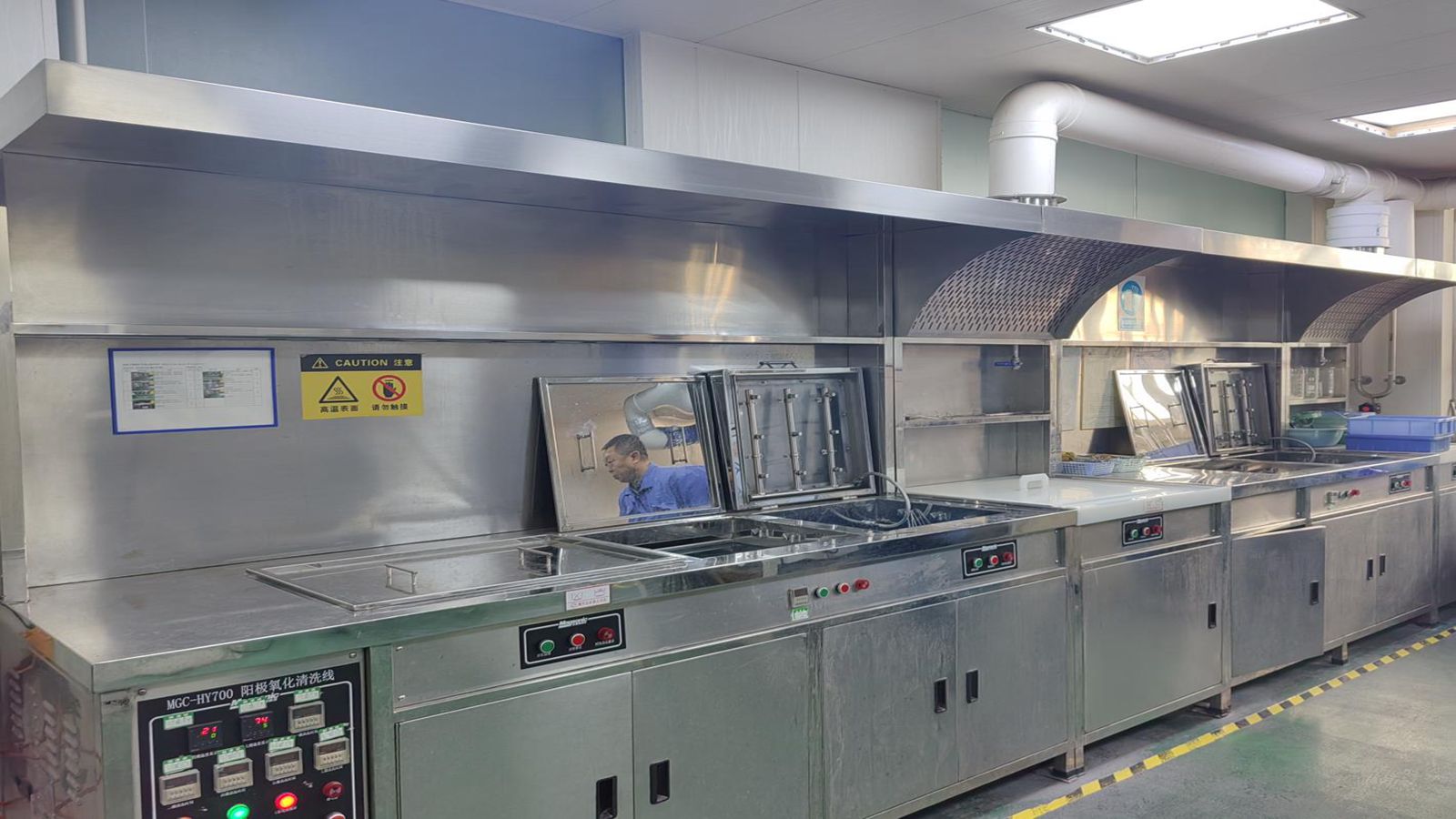
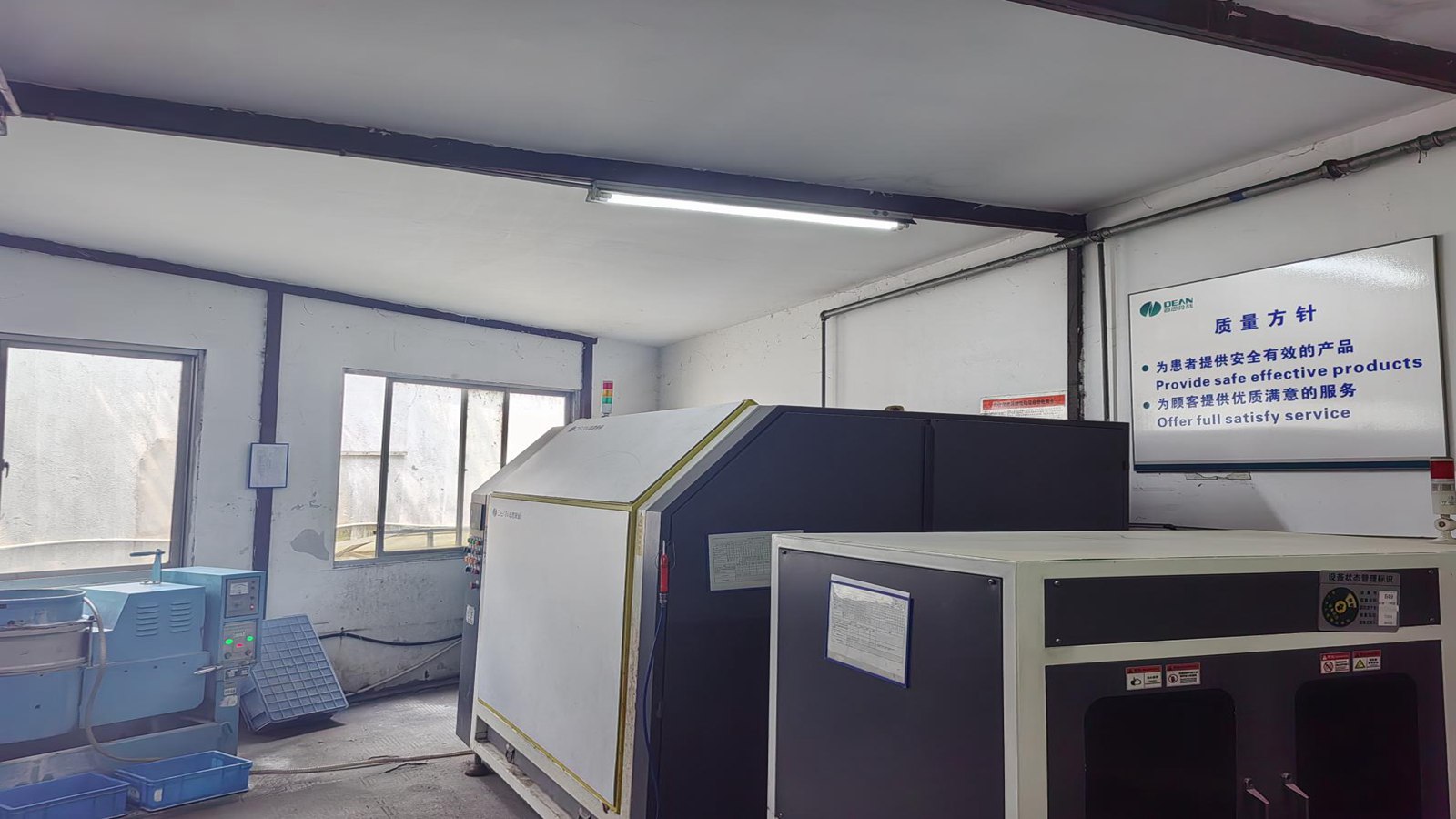
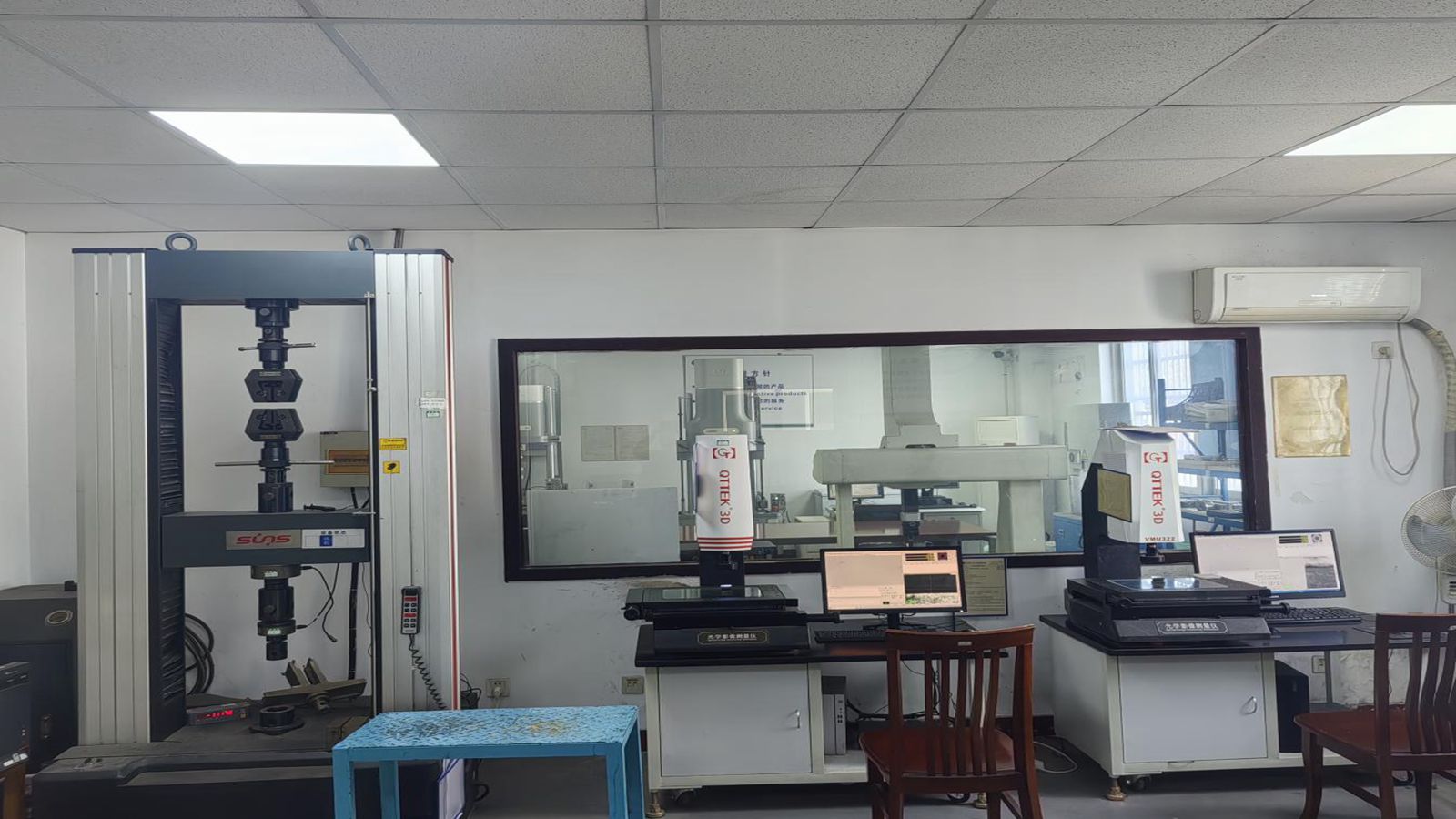
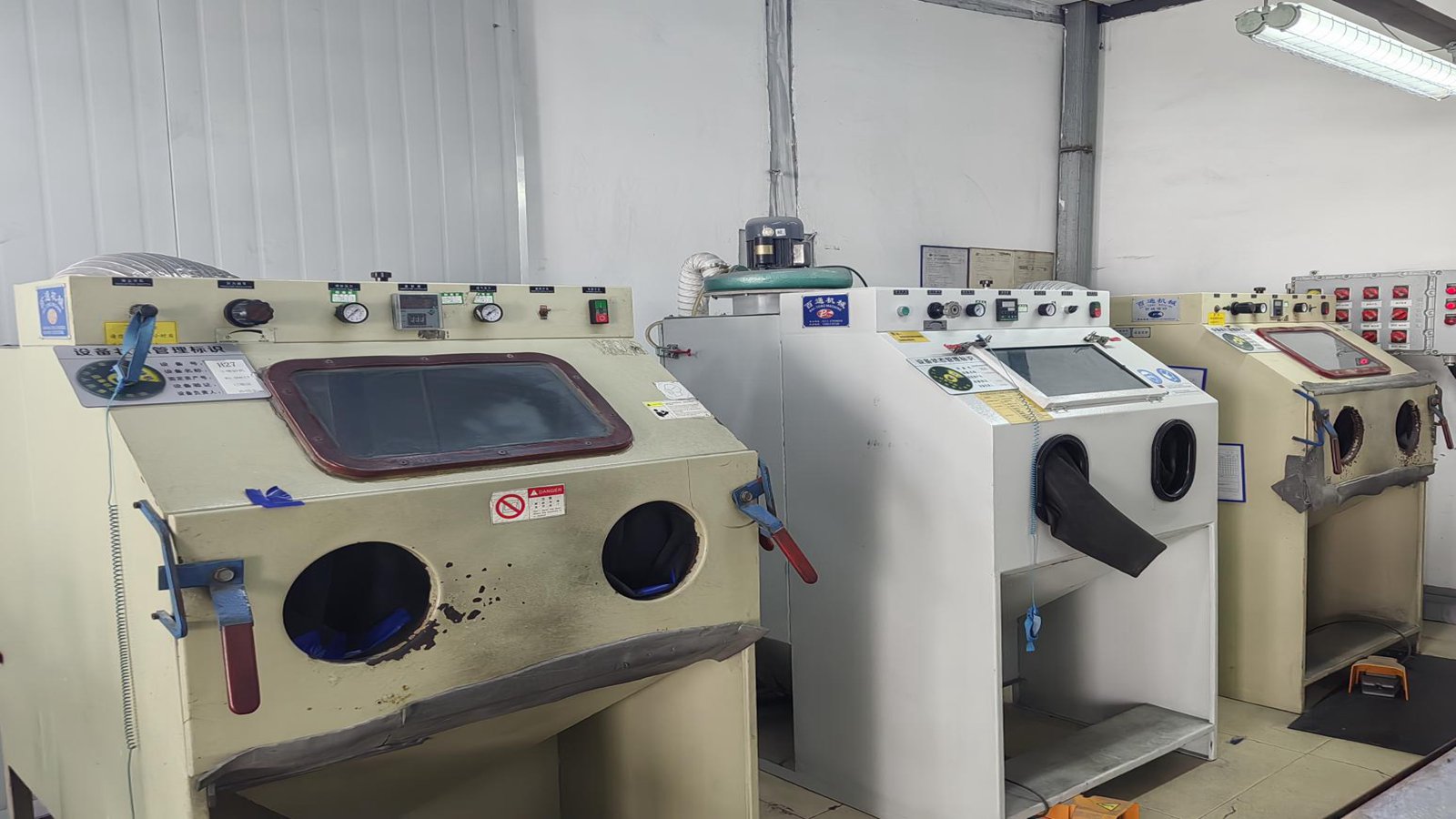
Where products receive final surface refining before ultrasonic cleaning, verification, and packaging.
The transition from inert stabilization matrices to bioactive, intelligent osseointegration systems.
While Polyetheretherketone (PEEK) provides a modulus of elasticity close to human cortical bone, its hydrophobic surface can limit direct osseointegration. Medispirex R&D works to incorporate porous surface designs and titanium plasma spraying (TPS) techniques. These surface modifications encourage faster osteoblast migration, establishing firm anchorage at the implant-bone interface without losing the radiolucency required by clinical protocols in hospitals.
Additive manufacturing using Electron Beam Melting (EBM) and Selective Laser Sintering (SLS) enables the production of complex, interconnected pore structures. Our technology roadmap focuses on developing customizable, porous titanium lattices. These structures match the load-bearing requirements of active patients while reducing the risk of cage subsidence and stress shielding.
Integrating pre-operative CT scans with automated modeling allows the development of patient-matched implants. The future of spinal procedures in metropolitan clinics lies in dynamic, patient-tailored pedicle rod systems and anterior cervical plates, matching individual anatomical variations to improve long-term clinical outcomes.
Over 120 new orthopedic systems launched annually. Active validation programs focusing on sub-micron manufacturing tolerances ensure our titanium and polymer implants meet the precision demands of global clinical applications.
Securing patient safety through strict European Medical Device Regulation (EU MDR) protocols.
Under the EU MDR 2017/745, spinal implants are subject to rigorous regulatory pathways. Our production lines maintain Class III clinical standards, backed by complete technical documentation and post-market clinical follow-ups (PMCF).
Every step of production, from raw titanium alloy inspection to final sterile barrier packaging, is governed by ISO 13485 certified quality management systems.
Navigating the transition from MDD to MDR requires strong engineering records and clean clinical data. Medispirex works closely with European authorized representatives and notified bodies to guarantee that all spinal instrumentation systems, pedicle screws, and cervical cages maintain valid certifications for seamless import and distribution.
For distributors and hospital buyers in Berlin, this provides a reliable supply of clinical-grade implants. It reduces administrative delays and ensures patient access to high-quality treatment options.
Addressing key inquiries regarding regulatory compliance, manufacturing capabilities, and supply chain logistics.
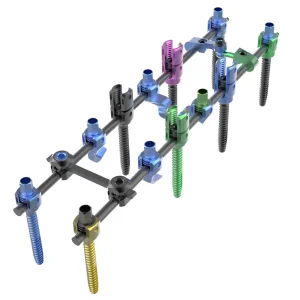
Complete spinal implant systems engineered for stability and predictable clinical performance.
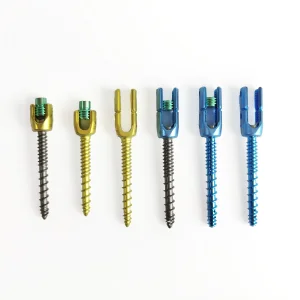
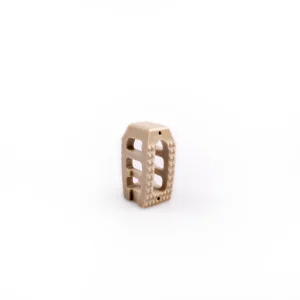
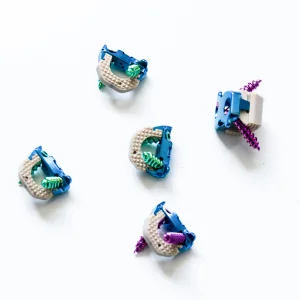
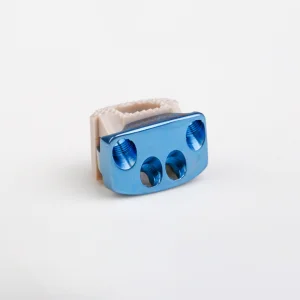
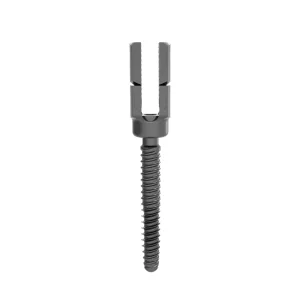
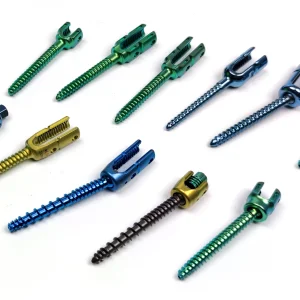
Ensuring complete product options for global surgical demands and regional distributors.