Medispirex
Medispirex
Medispirex
Bridging precision manufacturing with Brazilian clinical needs to optimize surgery outcomes.
Medispirex Orthopedic Technology Co., Ltd. is a professional manufacturer specializing in spine and orthopedic implant solutions, established in 2016 with a modern production facility covering approximately 18,600㎡. The company integrates R&D, manufacturing, and global distribution to deliver high-quality medical devices for trauma, spine, and joint reconstruction applications.
With an annual export revenue of approximately USD 18 million, Medispirex has built a stable international presence supported by 7 years of export experience and over 12 years of industry expertise. The company operates under a strict quality management system, ensuring product reliability through incoming material inspection, in-process quality control, final product testing, and batch traceability systems. Product verification methods include dimensional inspection, mechanical fatigue testing, and material composition analysis. The quality assurance team consists of around 45 dedicated QC professionals.
Medispirex maintains a strong trade-oriented manufacturing background, serving key markets including Europe, North America, the Middle East, and Southeast Asia. Its supply chain network includes approximately 860 upstream and downstream partners, enabling stable production capacity and efficient global delivery. The company primarily serves hospitals, orthopedic surgeons, medical distributors, and OEM/ODM partners, offering flexible customization options such as private label manufacturing, product design adaptation, and surgical system configuration support.
Driven by strong innovation capability, Medispirex has launched approximately 120 new products in the past year, supported by a R&D team of around 85 engineers specializing in biomechanics, materials science, and orthopedic device design. With a commitment to precision engineering and clinical performance, Medispirex continues to develop advanced orthopedic and spinal solutions that meet international standards and evolving surgical needs.
Premium class-III orthopedic systems optimized for ANVISA registration and Brazilian surgical preferences.
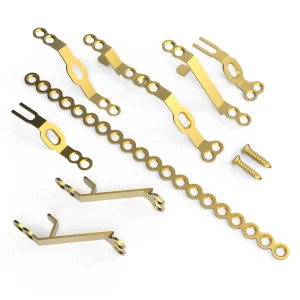
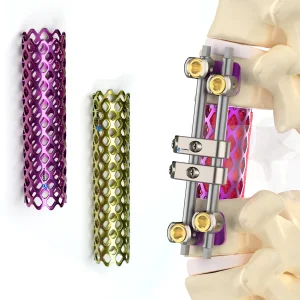
The Brazilian healthcare sector represents the largest medical device market in Latin America. With a population exceeding 215 million and a rapidly aging demographic profile, the clinical demand for spinal reconstructive procedures, degenerative disk therapies, and trauma management solutions has surged dramatically. The market is structured under a dual system: the public healthcare framework, Sistema Único de Saúde (SUS), which serves approximately 75% of the population, and the private healthcare sector (comprising operators like Amil, Unimed, and Bradesco Saúde) which serves the remaining 25% but commands a significant portion of high-value implant consumption.
According to current market intelligence, the incidence of spine surgeries in metropolitan hubs such as São Paulo, Rio de Janeiro, and Belo Horizonte has grown at a CAGR of 6.2% over the past five years. This growth is primarily driven by three factors: the high prevalence of traffic-related trauma requiring spinal stabilization, lumbar stenosis caused by occupational strain, and the expansion of minimally invasive surgeries (MIS). However, the primary entry barrier for international manufacturers remains the stringent regulatory approval process managed by ANVISA (Agência Nacional de Vigilância Sanitária). Implants are categorized under Class III or Class IV medical devices, demanding exhaustive technical dossiers, clinical evidence, and BGMP (Brazilian Good Manufacturing Practices) audits, highlighting the critical role of experienced exporting partners.
Balancing cost-effective solutions for high-volume SUS bidding tenders while providing high-end MIS titanium and PEEK implants to elite private clinics.
Comprehensive regulatory support, providing complete ASTM/ISO biomechanical testing reports, chemical characterization, and quality documentation.
Responsive supply chains supporting immediate dispatch of pediatric and adult posterior pedicle fixation system configurations for trauma units.
The global spinal orthopedics landscape is transitioning from rigid stabilization to dynamic stabilization and biologically active interfaces. In spinal fusion, Polyetheretherketone (PEEK) has long been favored for its radiolucency and modulus of elasticity comparable to cortical bone, preventing stress shielding. However, recent developments highlight the dominance of porous titanium surfaces and composite PEEK materials, which promote direct osteointegration. The integration of 3D-printed trabecular titanium cages has also revolutionized interbody fusion by enabling bone ingrowth throughout the implant structure.
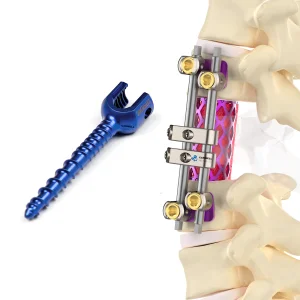
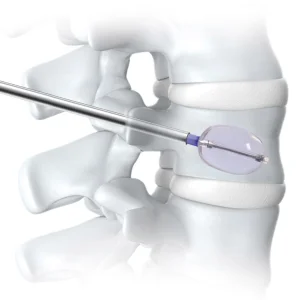
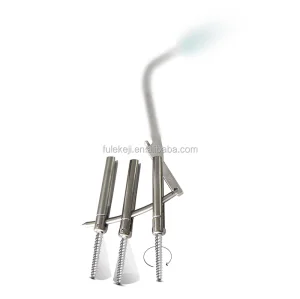
At the same time, posterior fixation systems are utilizing low-profile, double-threaded polyaxial pedicle screws designed to minimize muscle distraction during insertion while maintaining superior pull-out strength in osteoporotic bone. Minimally Invasive Surgery (MIS) platforms, including percutaneous pedicle screw insertion and percutaneous kyphoplasty (PKP), have become standard procedures. These advancements reduce post-operative pain, shorten hospital stays, and mitigate adjacent segment disease. High-performance manufacturing lines must continuously innovate to produce these complex geometries with zero tolerance for mechanical failure.
A glimpse inside our ISO-certified cleanrooms and high-precision CNC centers engineered for orthopedic excellence.
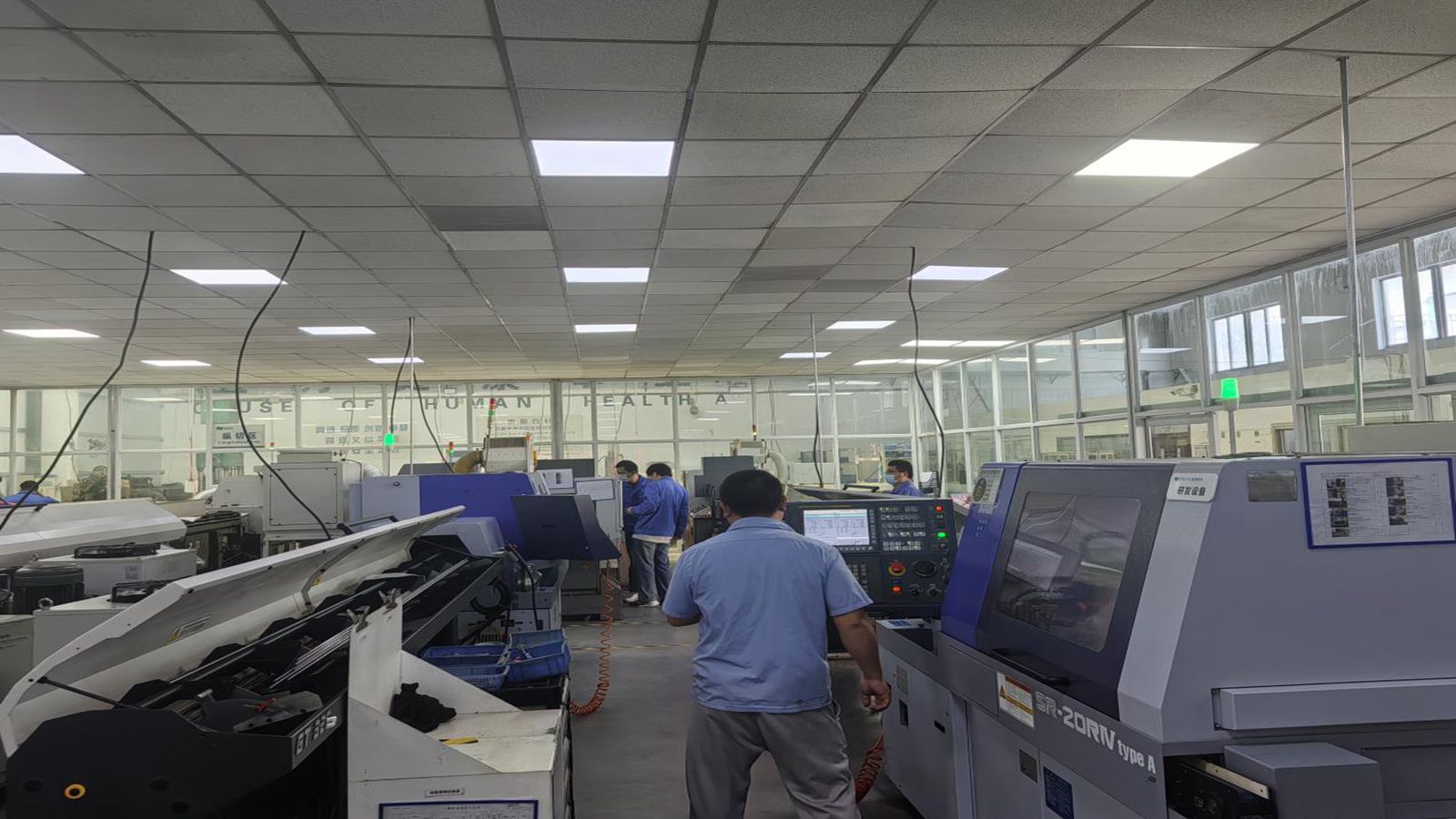
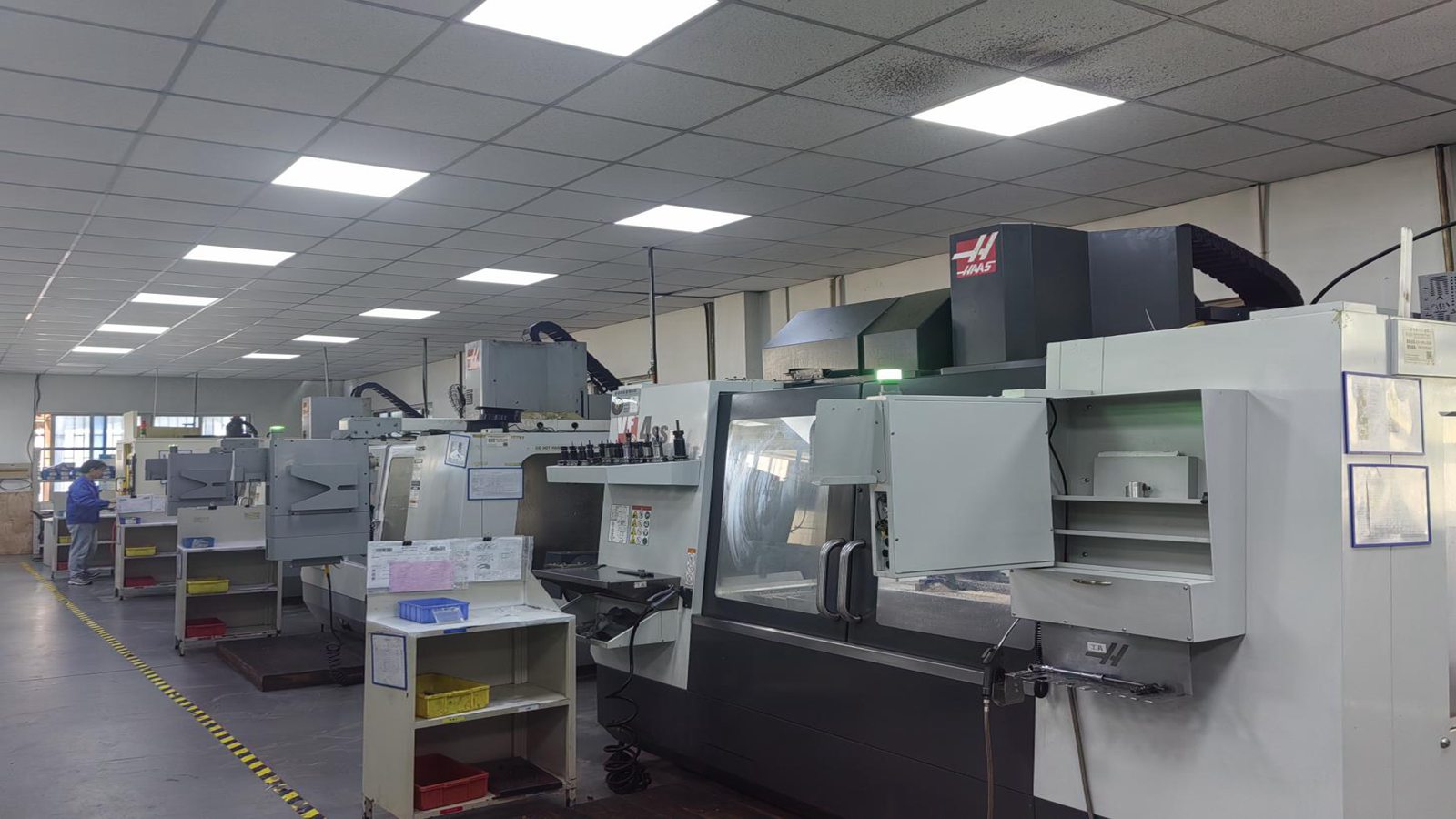
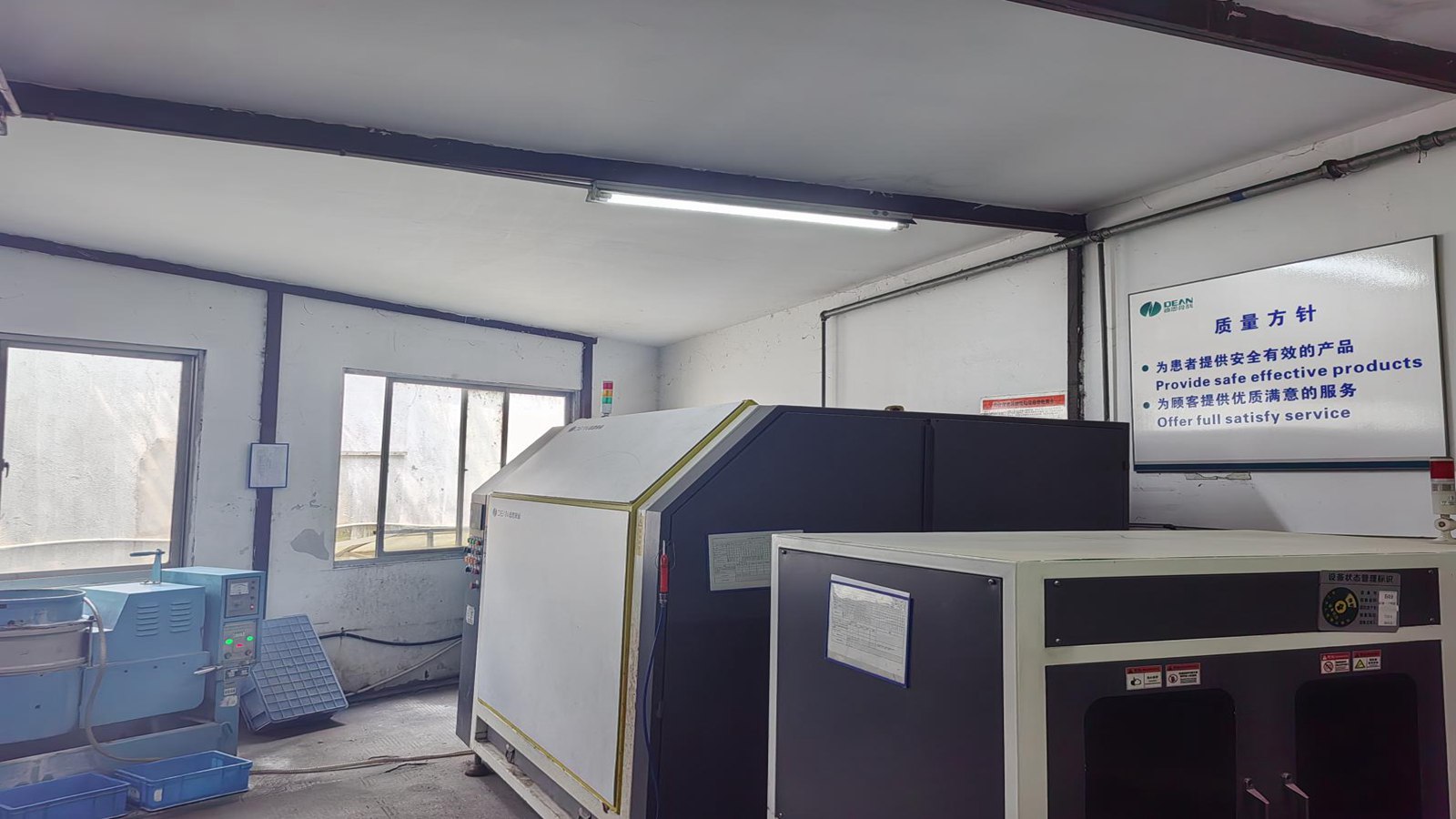
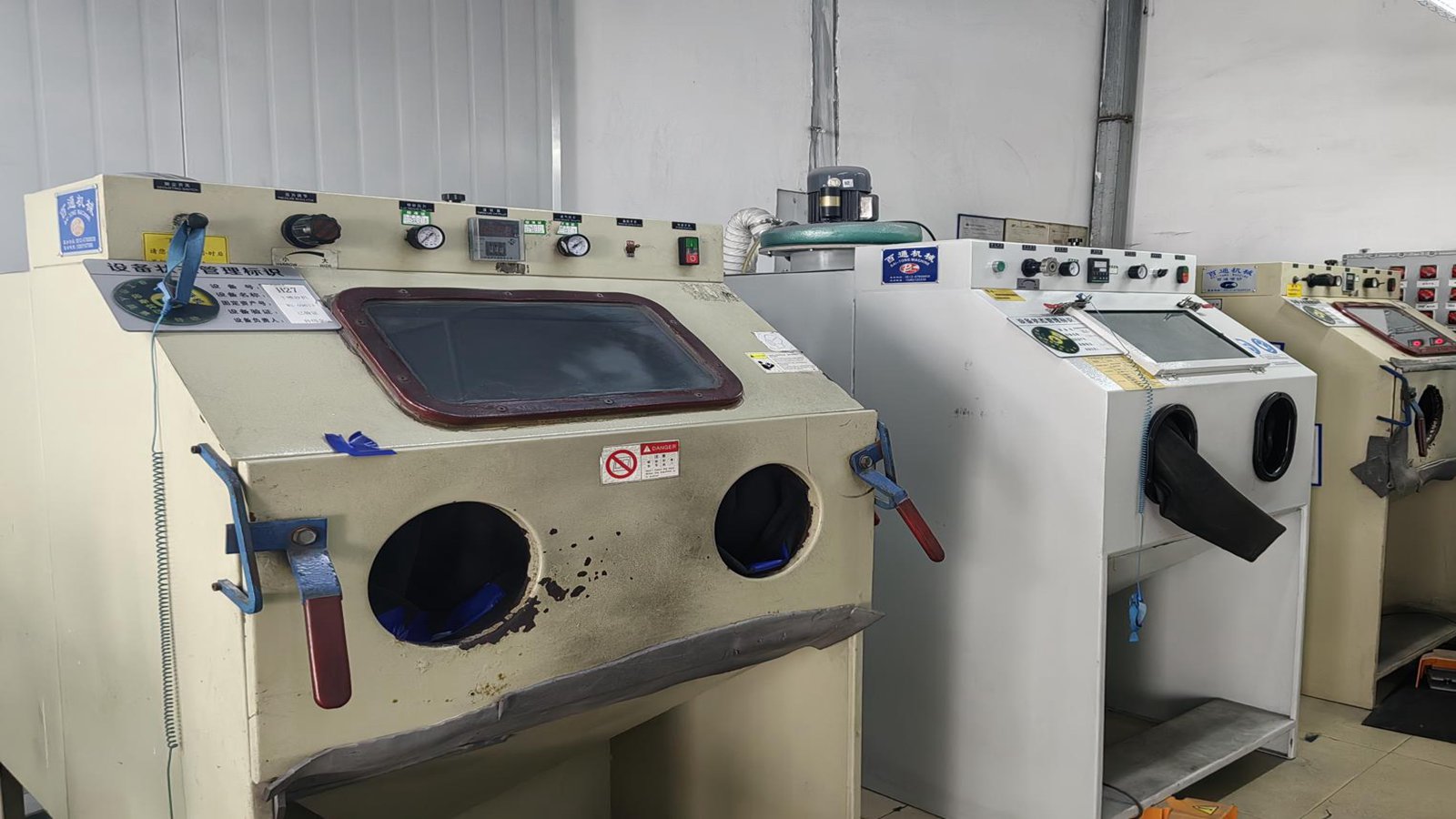
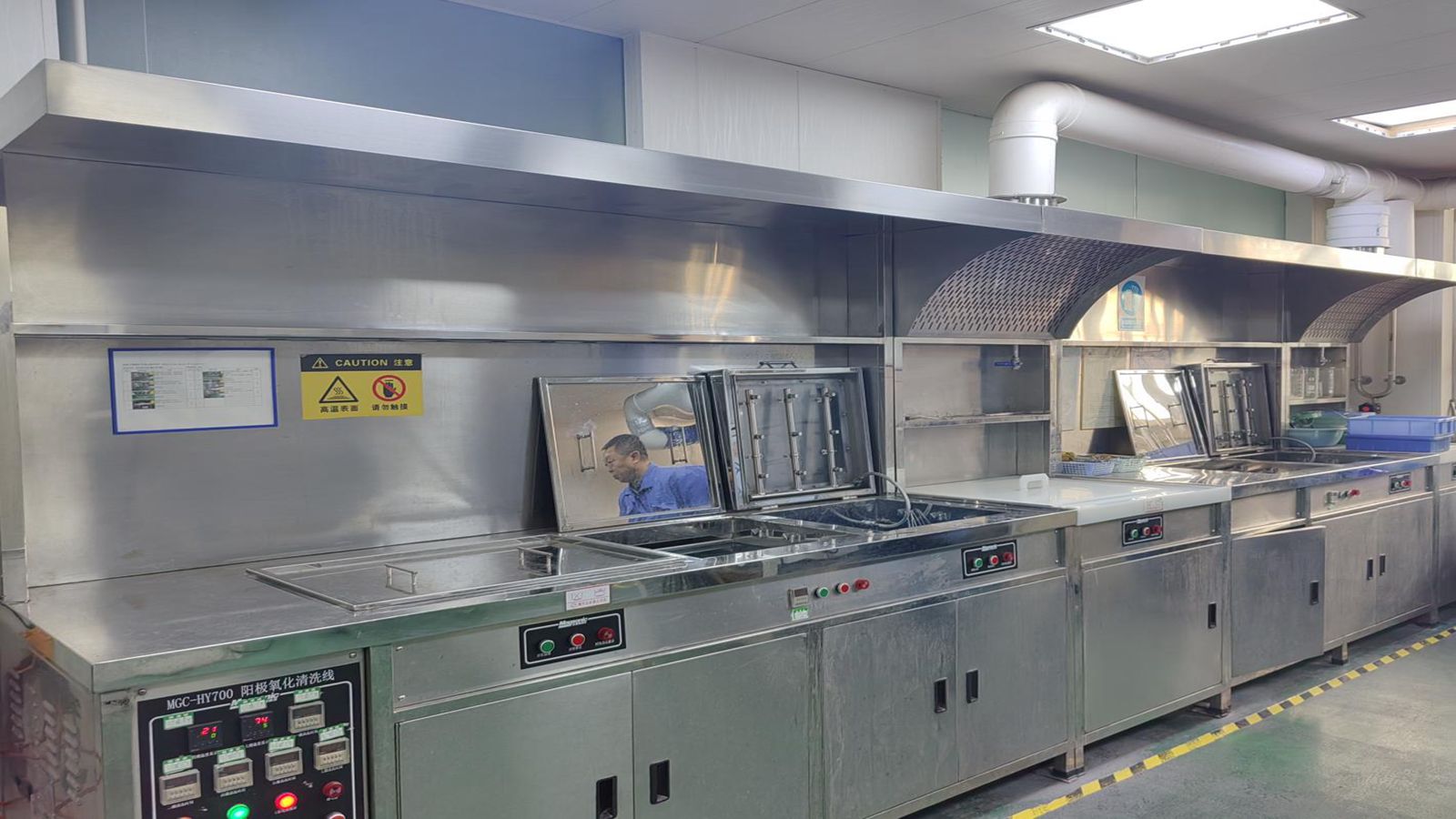
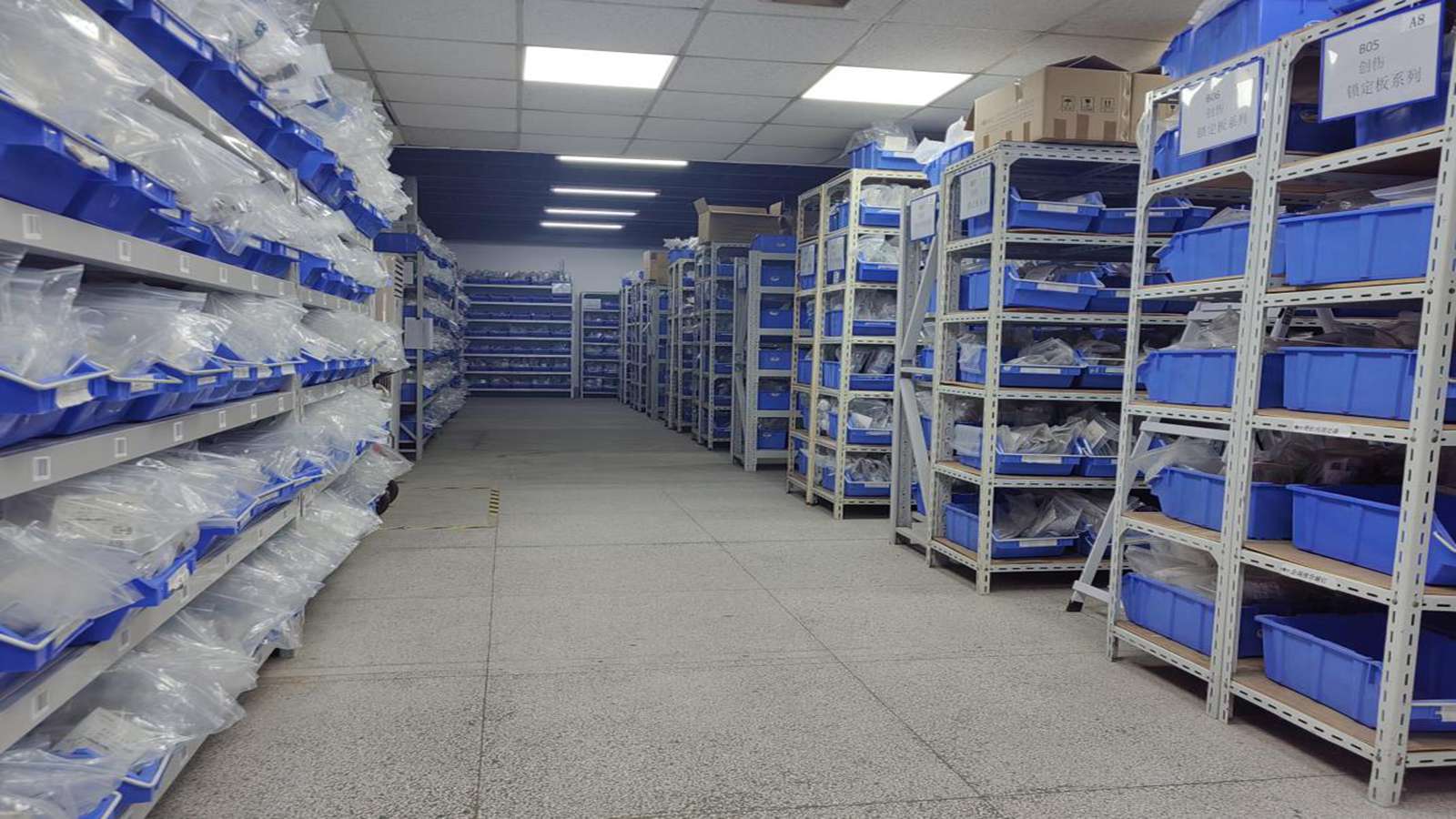
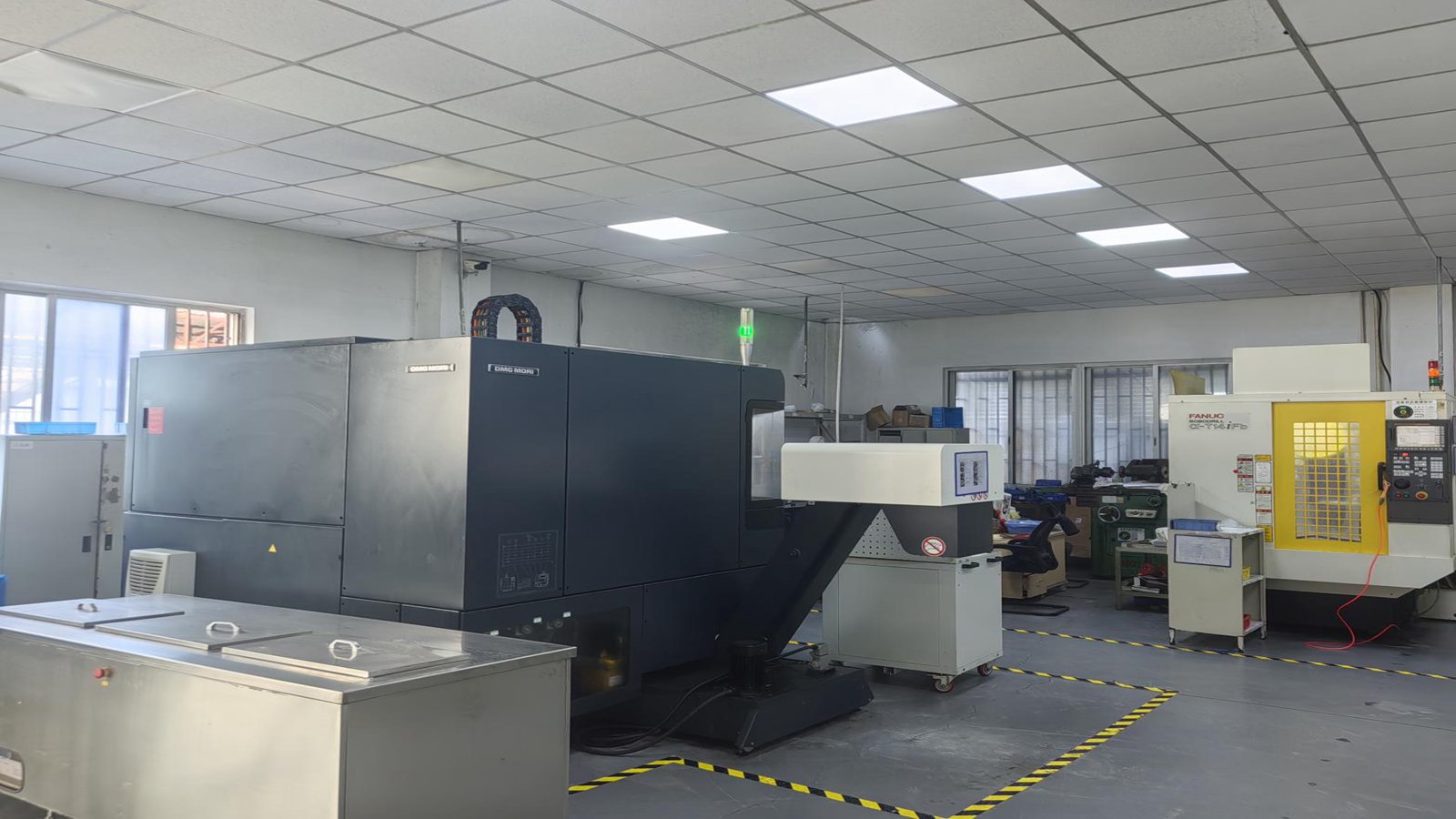
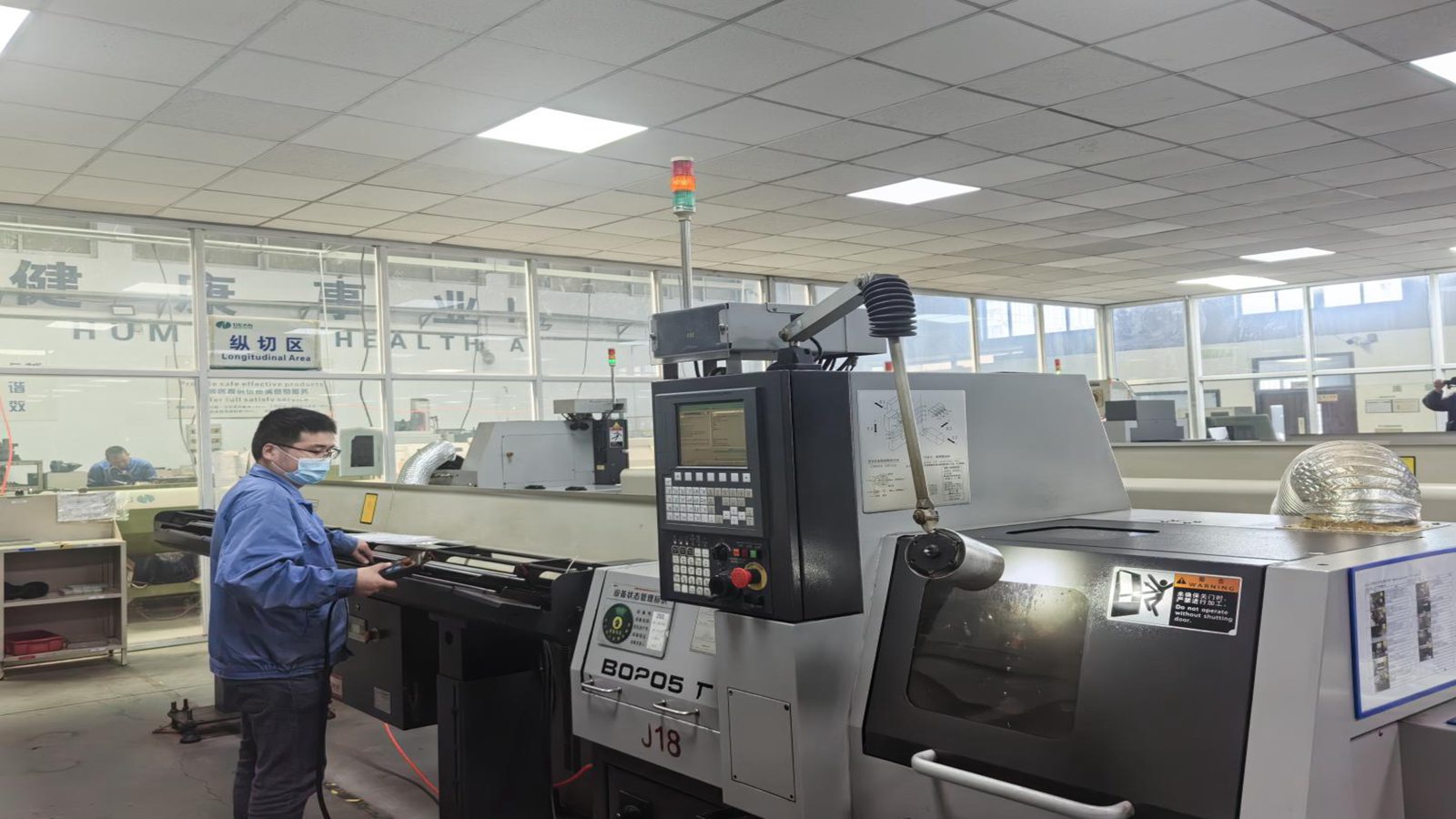
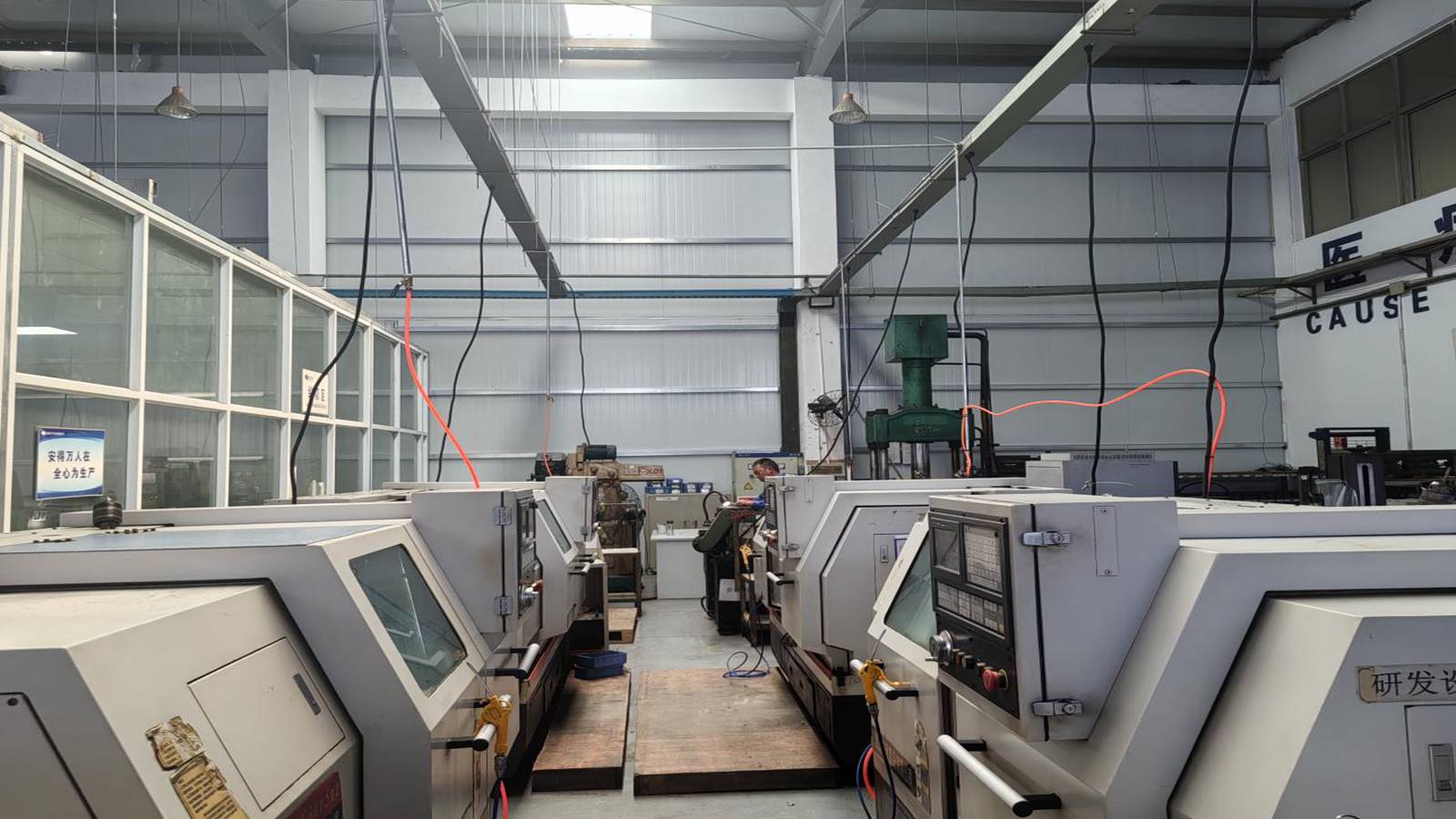
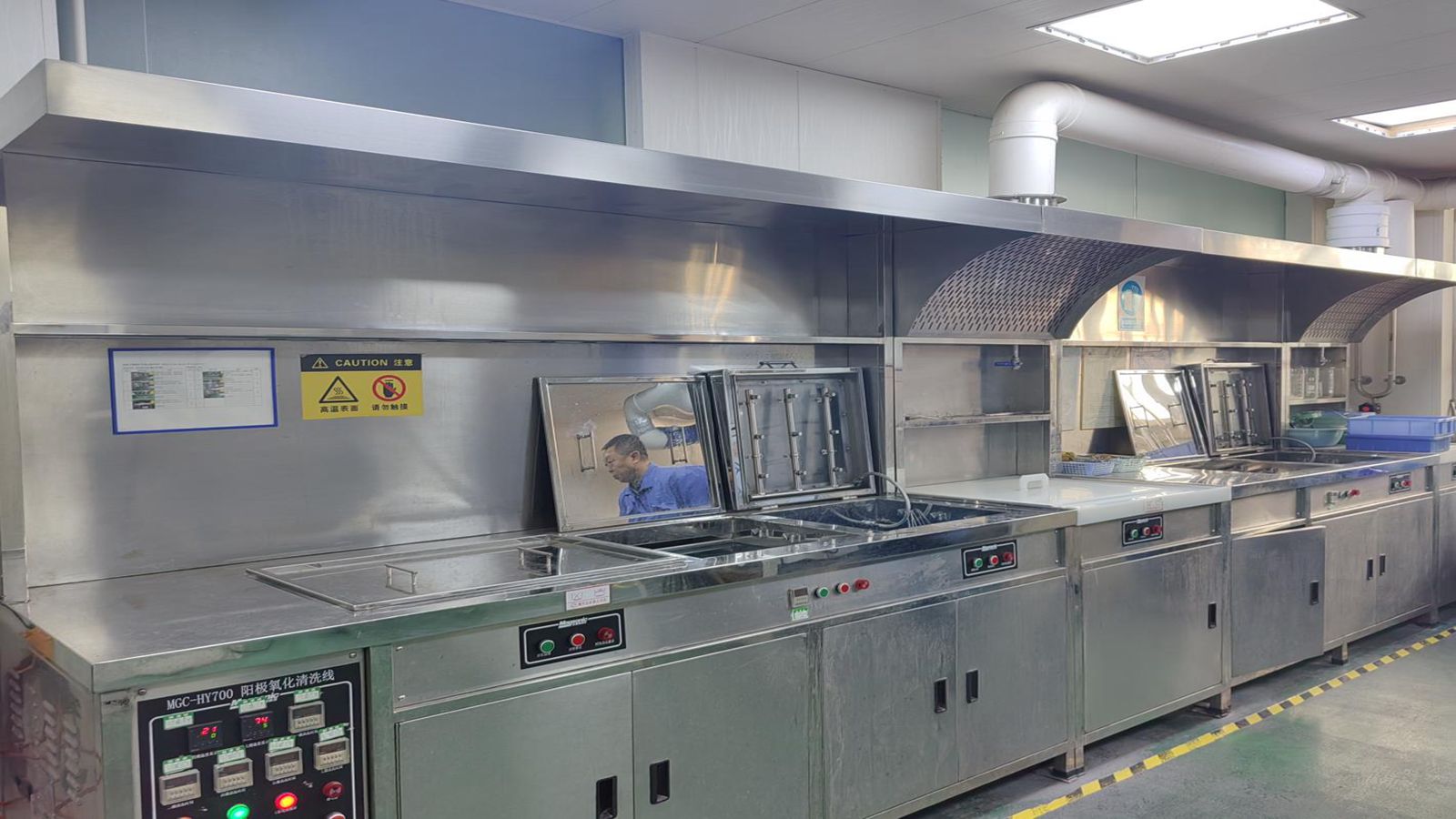
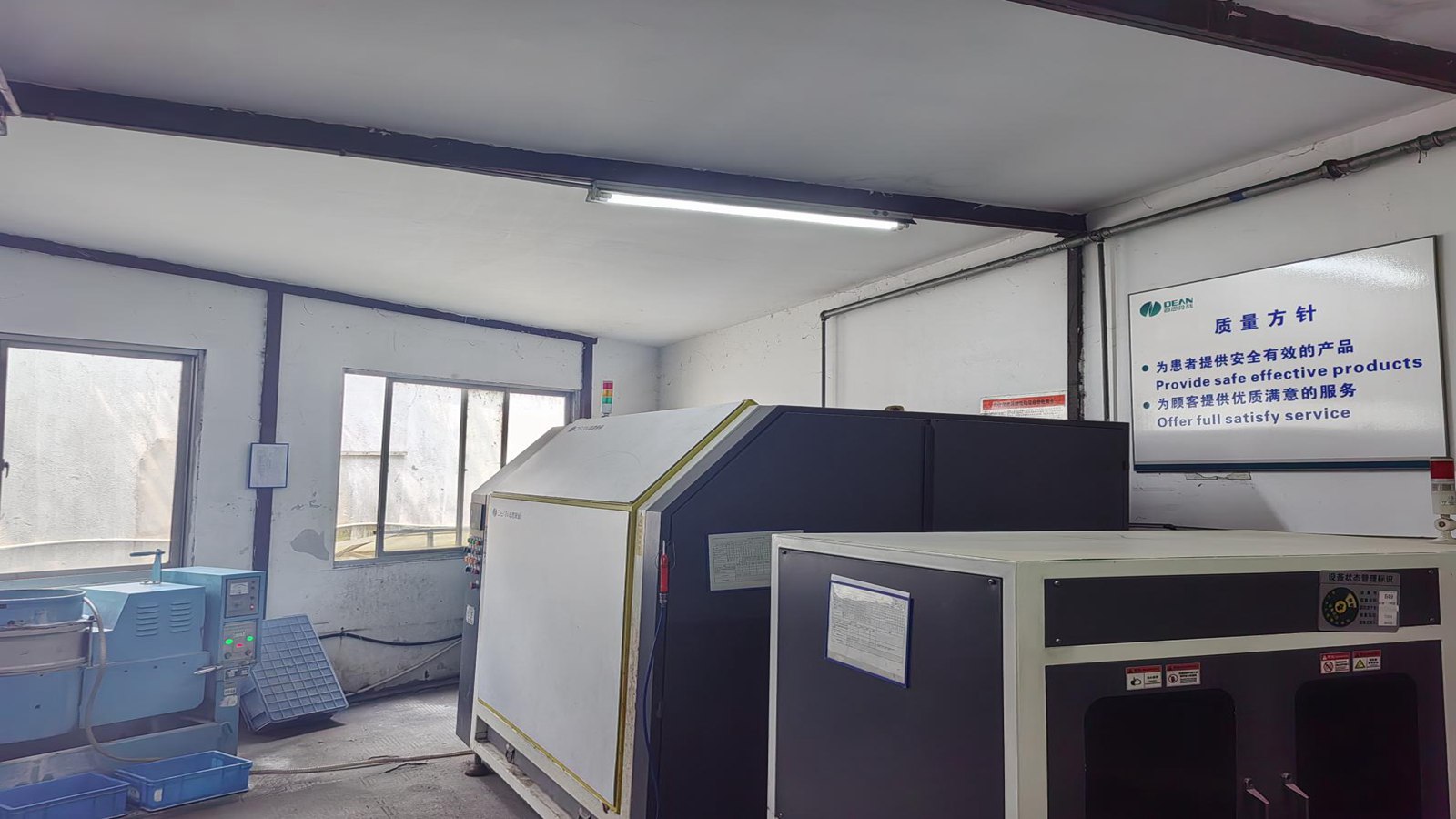
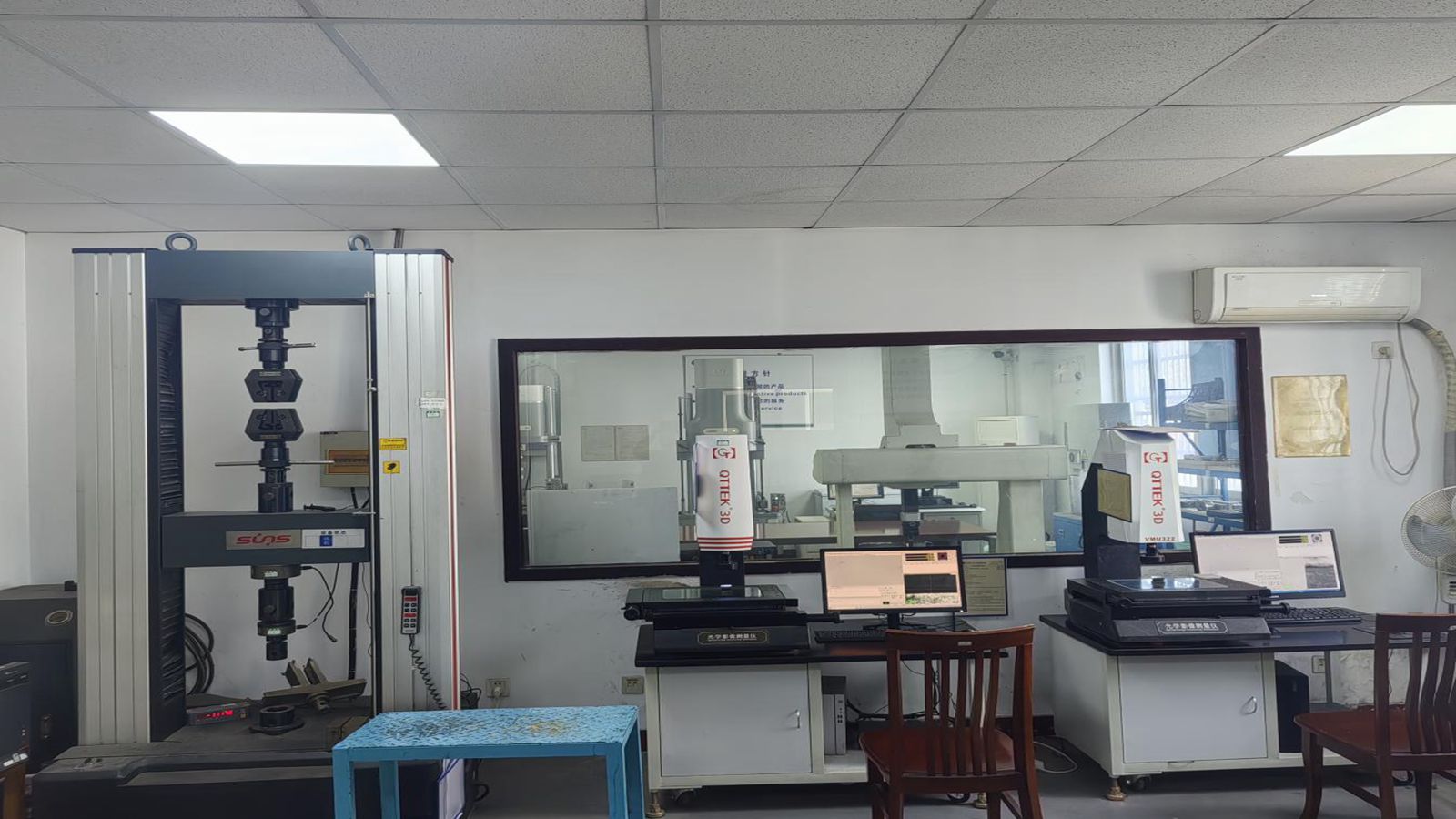
The concentration of precision machinery clusters in China has created a highly integrated production ecosystem. At the Medispirex 18,600㎡ facility, vertical integration enables swift raw material sourcing (utilizing certified medical-grade Ti6Al4V ELI and PEEK-OPTIMA™) and high-speed CNC multi-axis milling. This configuration dramatically shortens manufacturing cycle times compared to European or North American counterparts. Because tool setups, surface finishing, and quality control lines are situated in close physical proximity, turnaround times for customized implants and custom-ordered surgical instrument kits are reduced by up to 40%.
In addition to speed, scalability offers a distinct cost advantage. High-precision manufacturing processes—such as CNC machining, automated passivation, laser etching, and Class-10,000 cleanroom packaging—leverage economies of scale that lower unit costs without compromising on quality. The 45-person Quality Control team at Medispirex executes comprehensive quality assurance protocols, from raw material validation to final fatigue testing (in compliance with ASTM F1717 and ISO 12189 standards). As a result, Brazilian import firms can secure premium CE-certified implants at competitive factory prices, allowing them to participate in municipal SUS bidding procedures with healthy profit margins.
A complete selection of PEEK fusion devices, osteosynthesis instrumentation, and MIS pedicle screw systems.
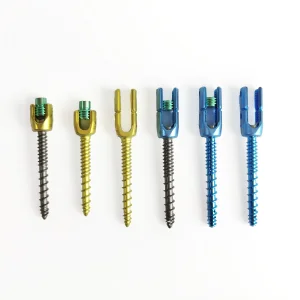
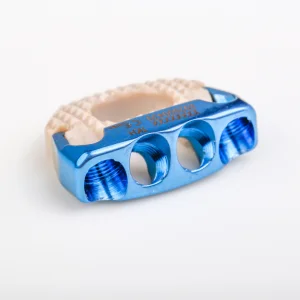
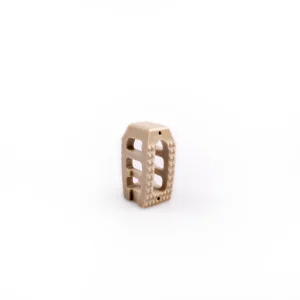

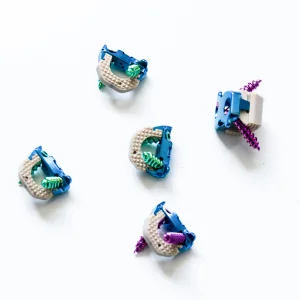
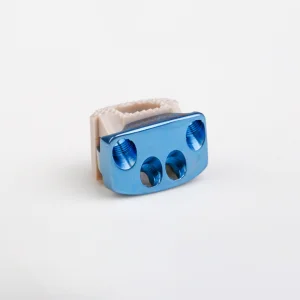
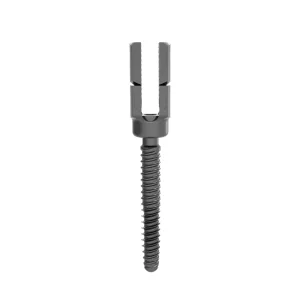
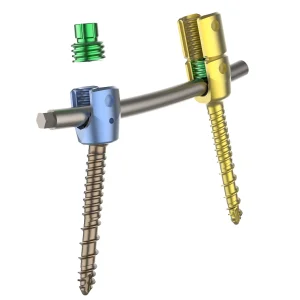
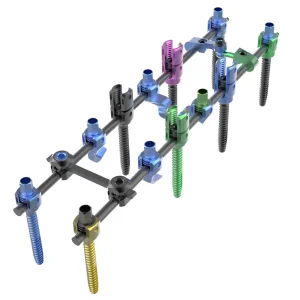
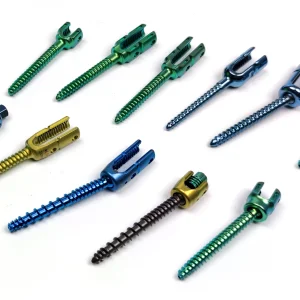
Within Brazilian surgical environments, orthopedic implant configurations are dictated by specific clinical profiles. In the public healthcare network (SUS), cost-effective posterior fixation configurations utilizing monoaxial and polyaxial reduction pedicle screws (such as the CANWELL IVY system) are frequently selected for reconstructive surgeries following spinal trauma or degenerative instabilities. These systems provide high mechanical reliability, stable purchase, and straightforward instrumentation, reducing intraoperative times in high-pressure public trauma units.
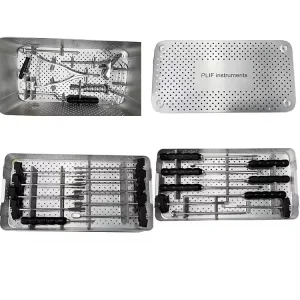
Conversely, in leading private institutions—such as Hospital Israelita Albert Einstein and Hospital Sírio-Libanês—the demand shifts toward premium minimally invasive (MIS) configurations. Here, surgeons utilize zero-profile cervical PEEK cages and stand-alone ACDF spacers with integrated screws. These implants avoid the need for prominent anterior plate systems, reducing post-operative dysphagia and accelerating anatomical fusion. Additionally, spinal joint bone cement injectors and vertebral perforator kits for percutaneous vertebroplasty and kyphoplasty (PKP) are widely used in private orthopedic centers to manage osteoporotic compression fractures in geriatric patients.
For Brazilian distributors, importing medical implants requires an agile OEM/ODM manufacturing partner. Medispirex offers tailored services designed to meet these exact requirements:
By coordinating production schedules with customs and shipping providers, Medispirex ensures reliable deliveries to major Brazilian ports, including Santos and Paranaguá, avoiding logistics bottlenecks and maintaining steady local supply chains.
Essential insights for Brazilian orthopedic distributors, regulatory coordinators, and procurement directors.