 Medispirex
Medispirex
Medispirex
Direct from our state-of-the-art facility, these high-performance implants and devices meet the rigid regulatory guidelines of the European market.
Navigating the complex dynamics of the German medical device sector (MDR 2017/745, G-DRG, and clinical efficacy).
The German market for orthopedic and sports medicine is undergoing a profound transition. An active aging population combined with high engagement in amateur athletics (including football, skiing, and cycling) has accelerated the demand for minimally invasive joint reconstruction. German clinics are seeing record numbers of ACL reconstructions, rotator cuff repairs, and meniscus treatments.
Importantly, the shift toward Ambulantes Operieren (outpatient surgical centers) and private clinical networks requires manufacturers to supply implants that combine impeccable clinical outcomes with economic efficiency. To thrive, procurement managers and distributors must balance clinical reliability with strict cost ceilings dictated by the G-DRG (German Diagnosis-Related Groups) reimbursement framework.
In Germany, patient safety regulations are among the strictest in the world. Compliance with the new European Medical Device Regulation (EU MDR 2017/745) is non-negotiable. This regulation demands exhaustive clinical evaluations, complete technical documentation, and rigorous post-market surveillance (PMS).
As a seasoned manufacturing partner, Medispirex addresses these bottlenecks by supplying raw materials certified under ISO 13485:2016, providing full batch traceability, and ensuring all raw material compositions meet ASTM standards. This relieves the compliance burden on German distributors and OEM partners, shortening the runway to market entry.
A data-driven breakdown of Medispirex’s manufacturing infrastructure and international reach.
Engaging in research and manufacturing validation for the next generation of sports medicine implants.
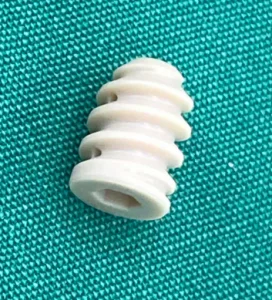
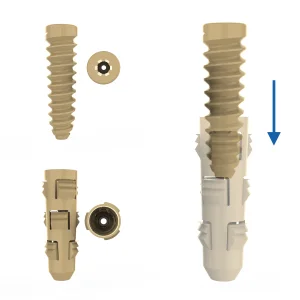
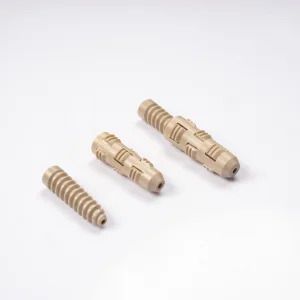
Medispirex utilizes medical-grade PEEK for interference screws and suture anchors, delivering a modulus of elasticity close to human cortical bone. This helps avoid the stress-shielding effects commonly associated with metallic implants. Key features include:
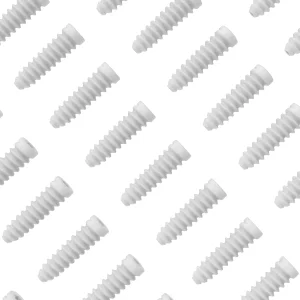
Our bioabsorbable interference screws are engineered from PLGA (Poly-lactic-co-glycolic acid). They provide solid initial fixation, followed by a controlled degradation pathway that transfers stress to the healing tissue, eventually replacing the implant site with natural bone. This eliminates the need for secondary implant removal procedures.
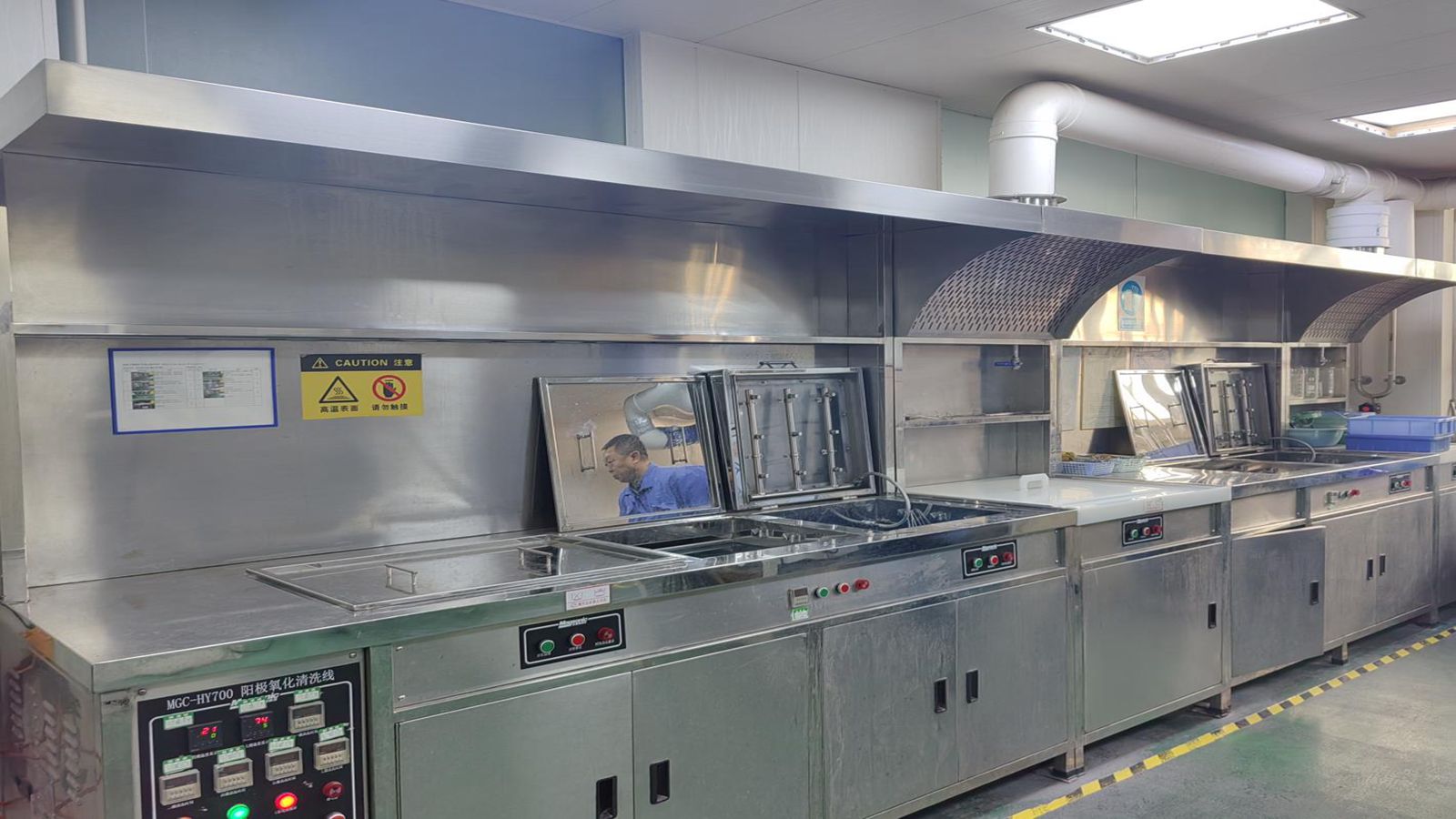
State-of-the-art chemical passivization lines create protective, highly uniform oxide layers on titanium implants, ensuring superior bio-compatibility and fatigue protection.
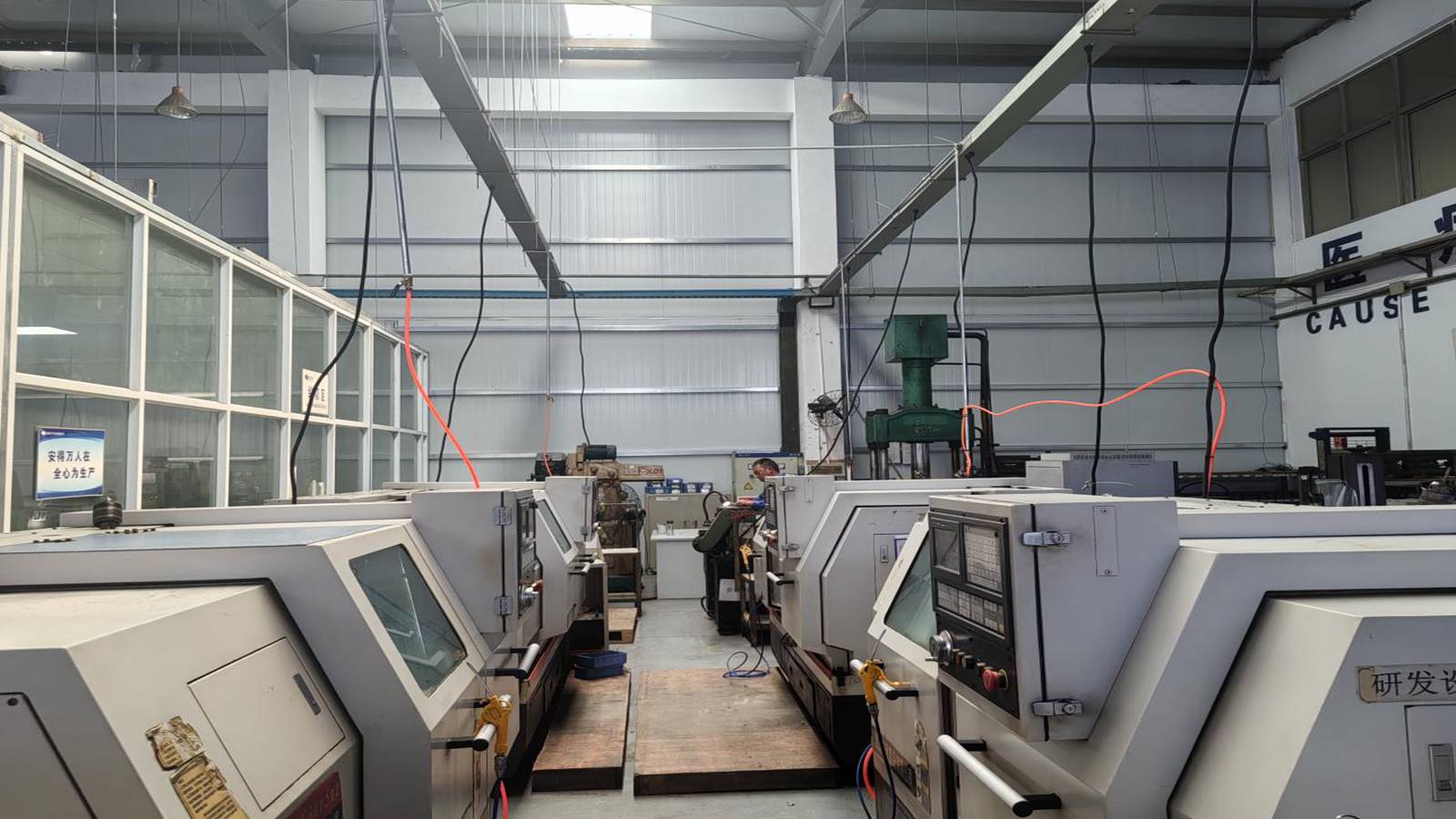
Automated high-precision lathe machinery produces complex micro-grooves and thread patterns on titanium anchors, facilitating optimal primary stability.
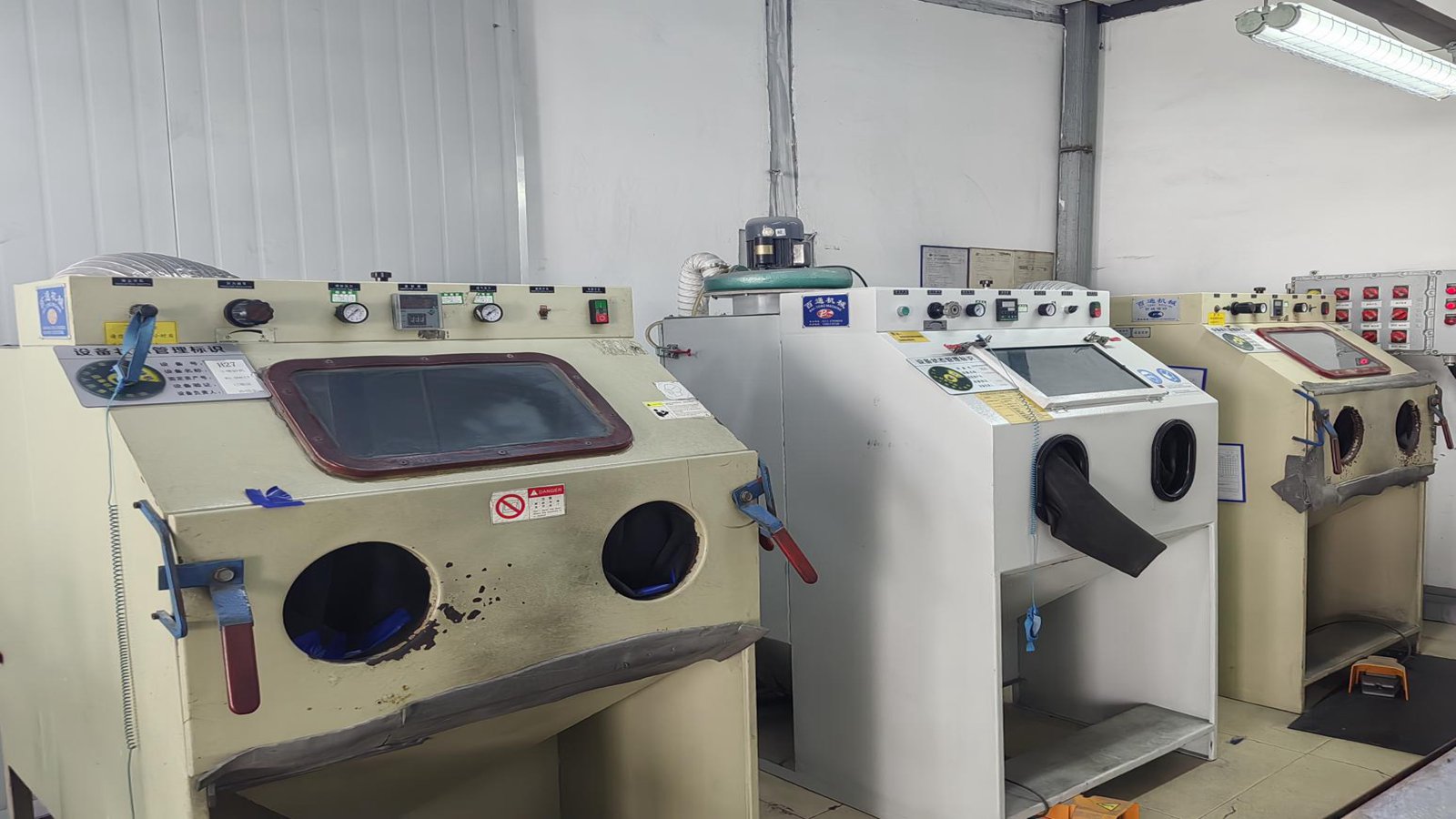
Carefully validated blasting agents roughen key areas of the implants, promoting faster osseointegration and soft tissue attachment.
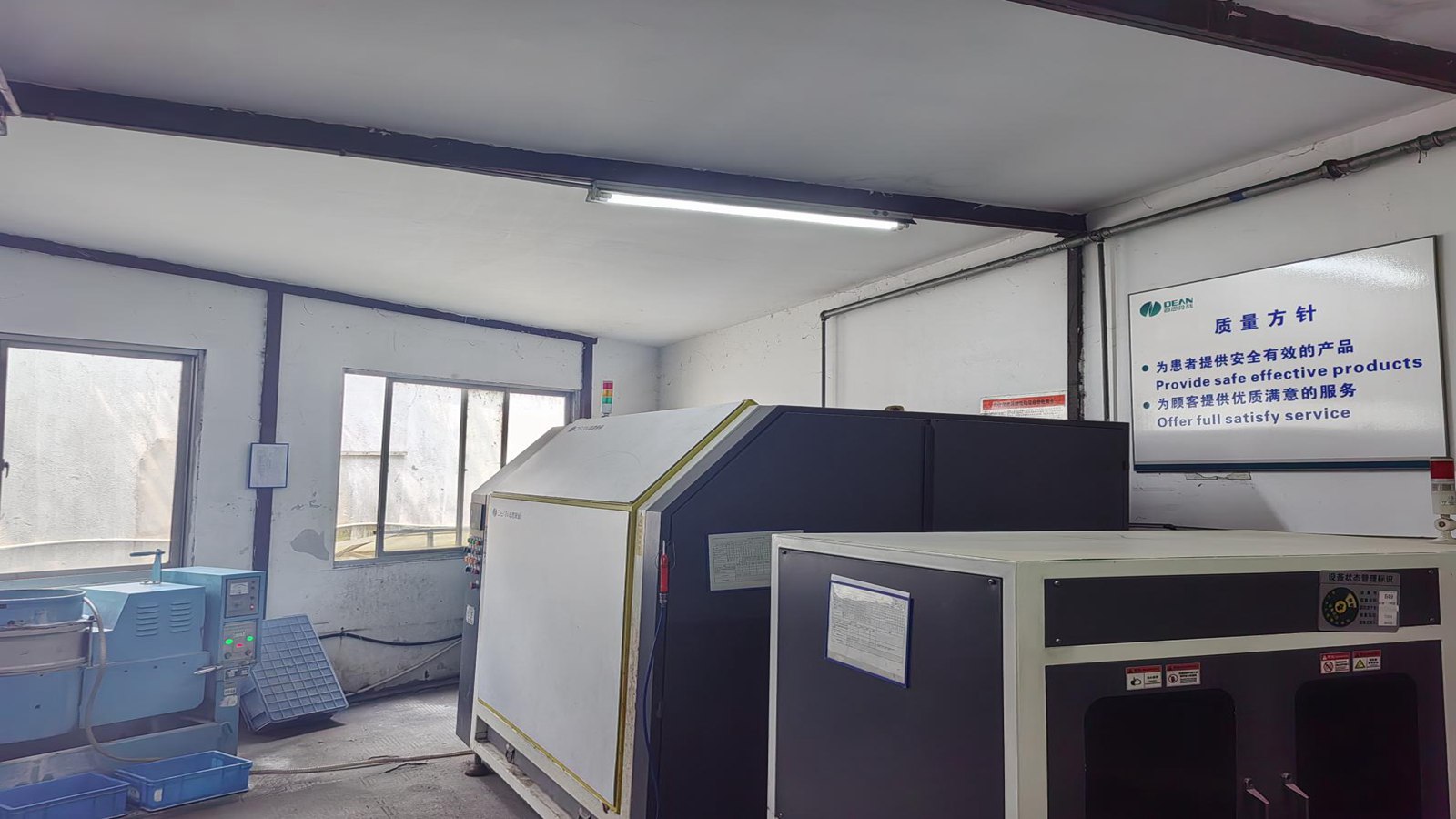
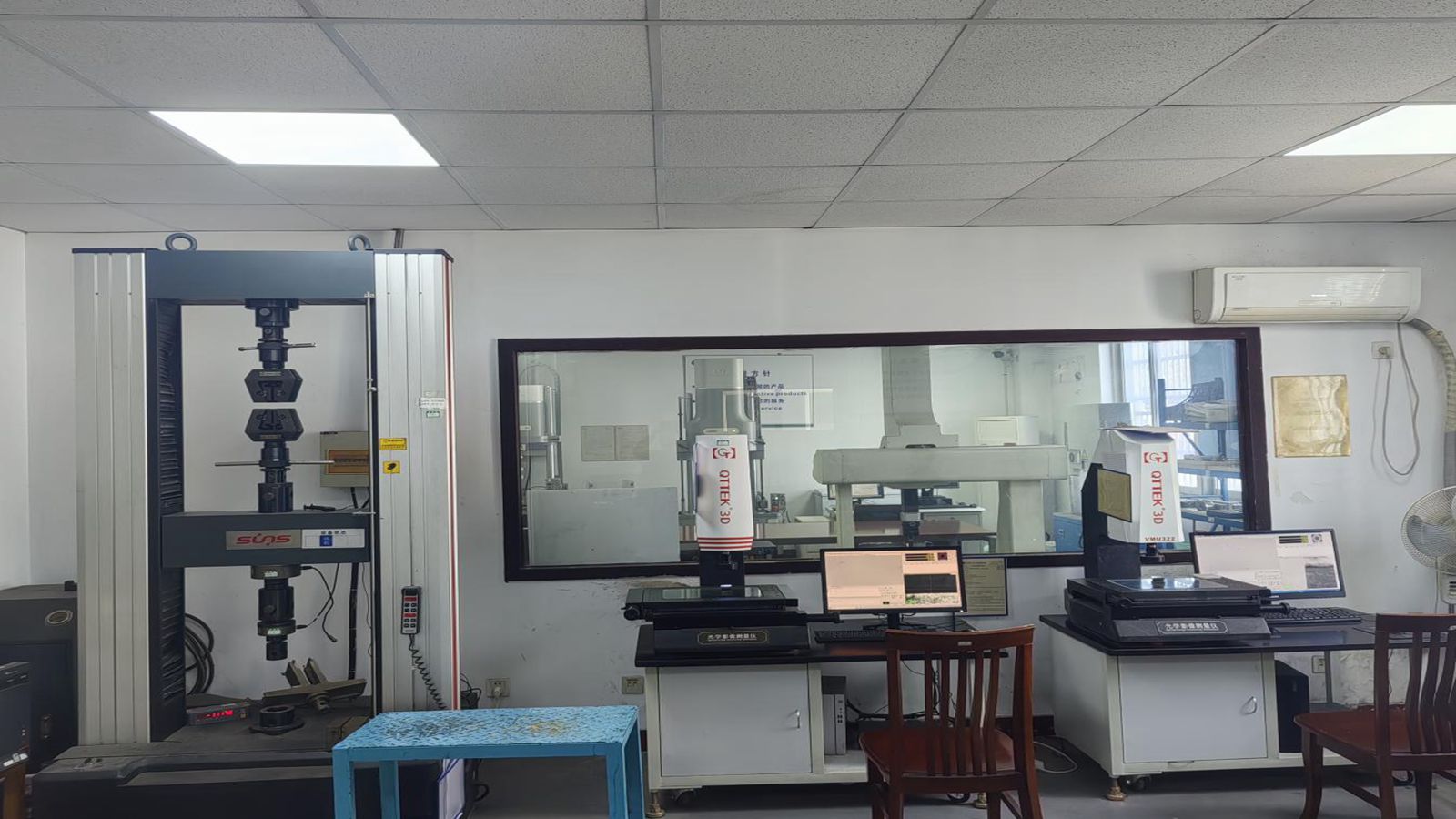
An inside look at our 18,600㎡ manufacturing environment, illustrating our strict adherence to international orthopedic standards.
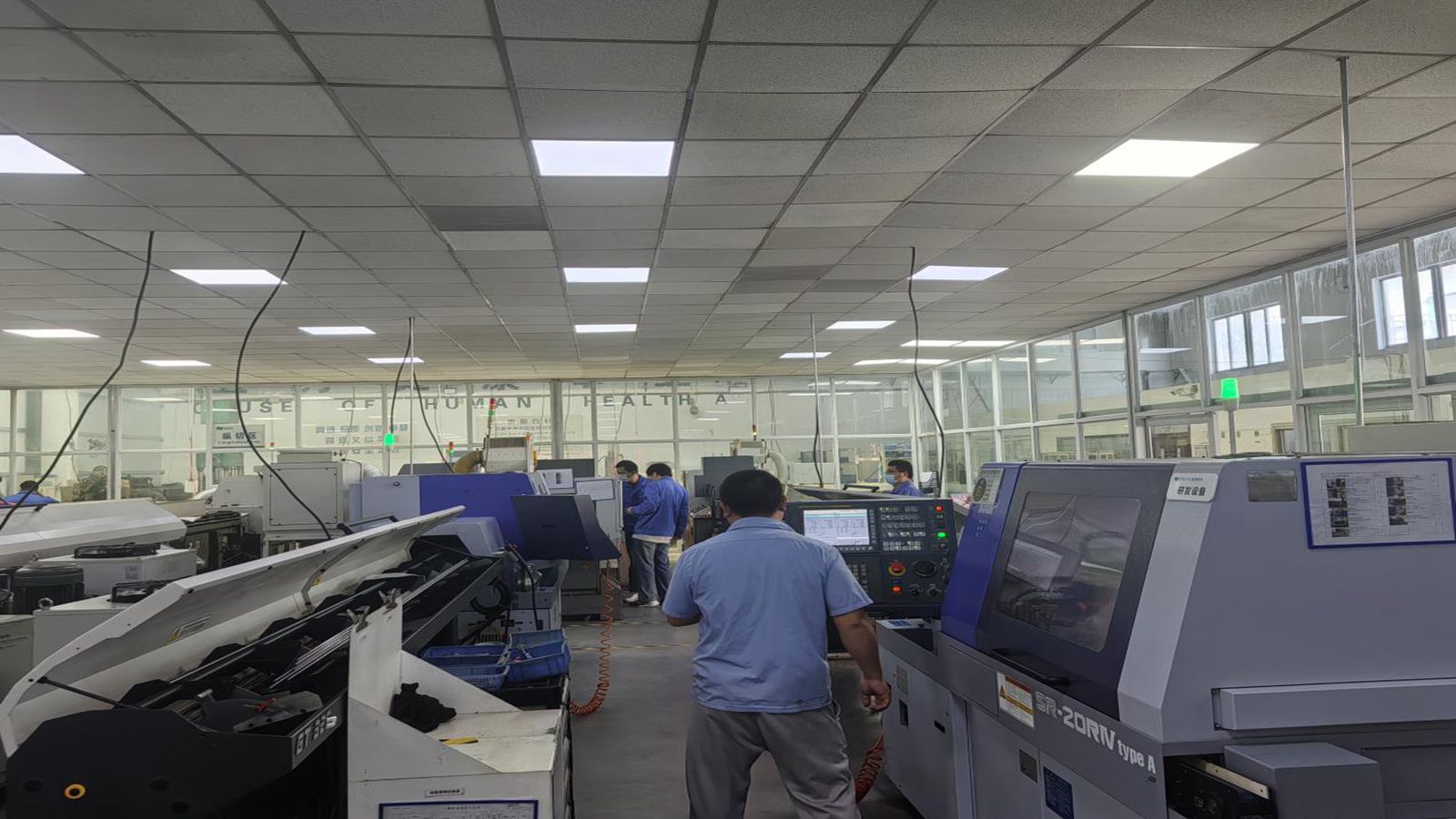
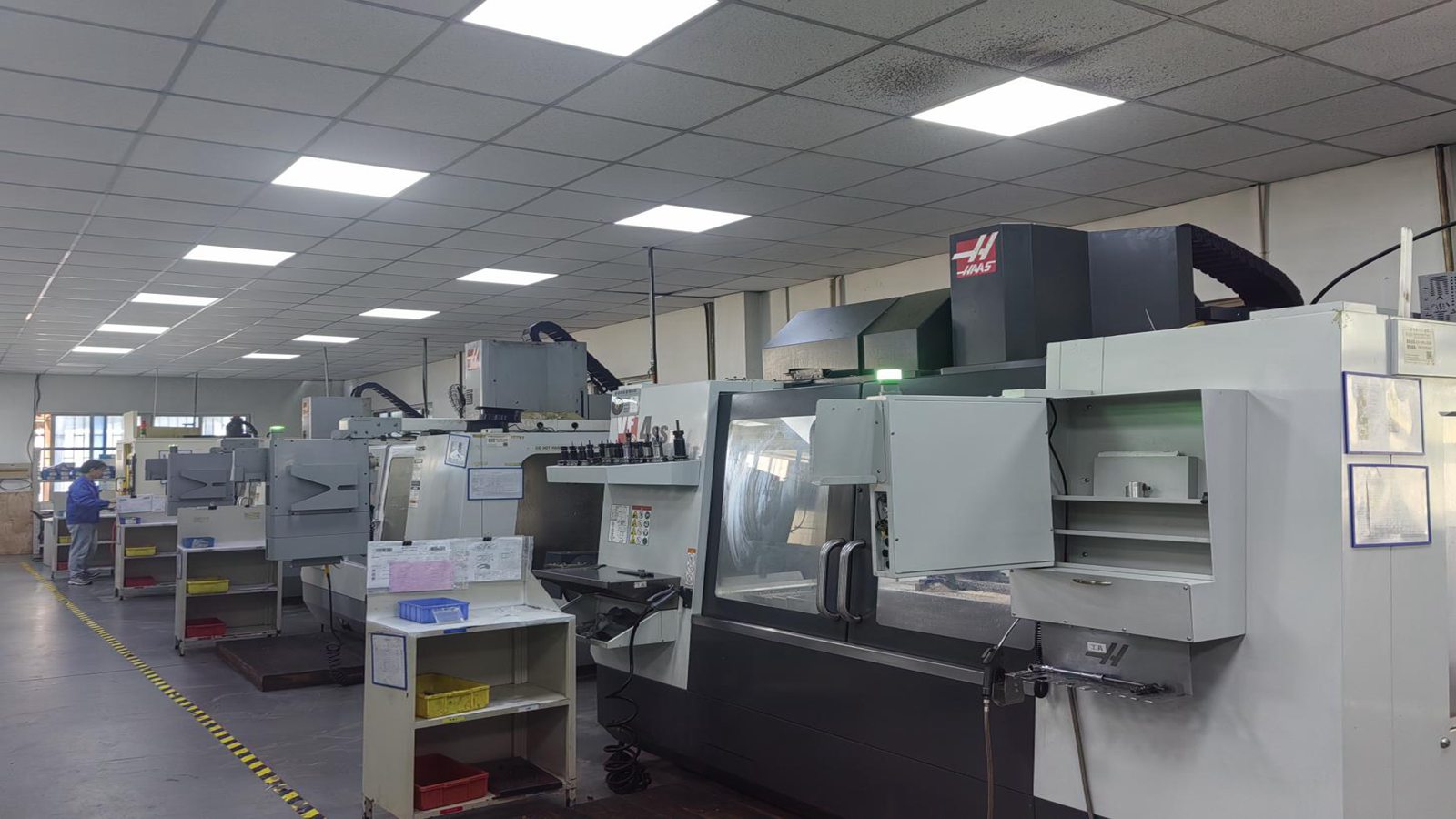
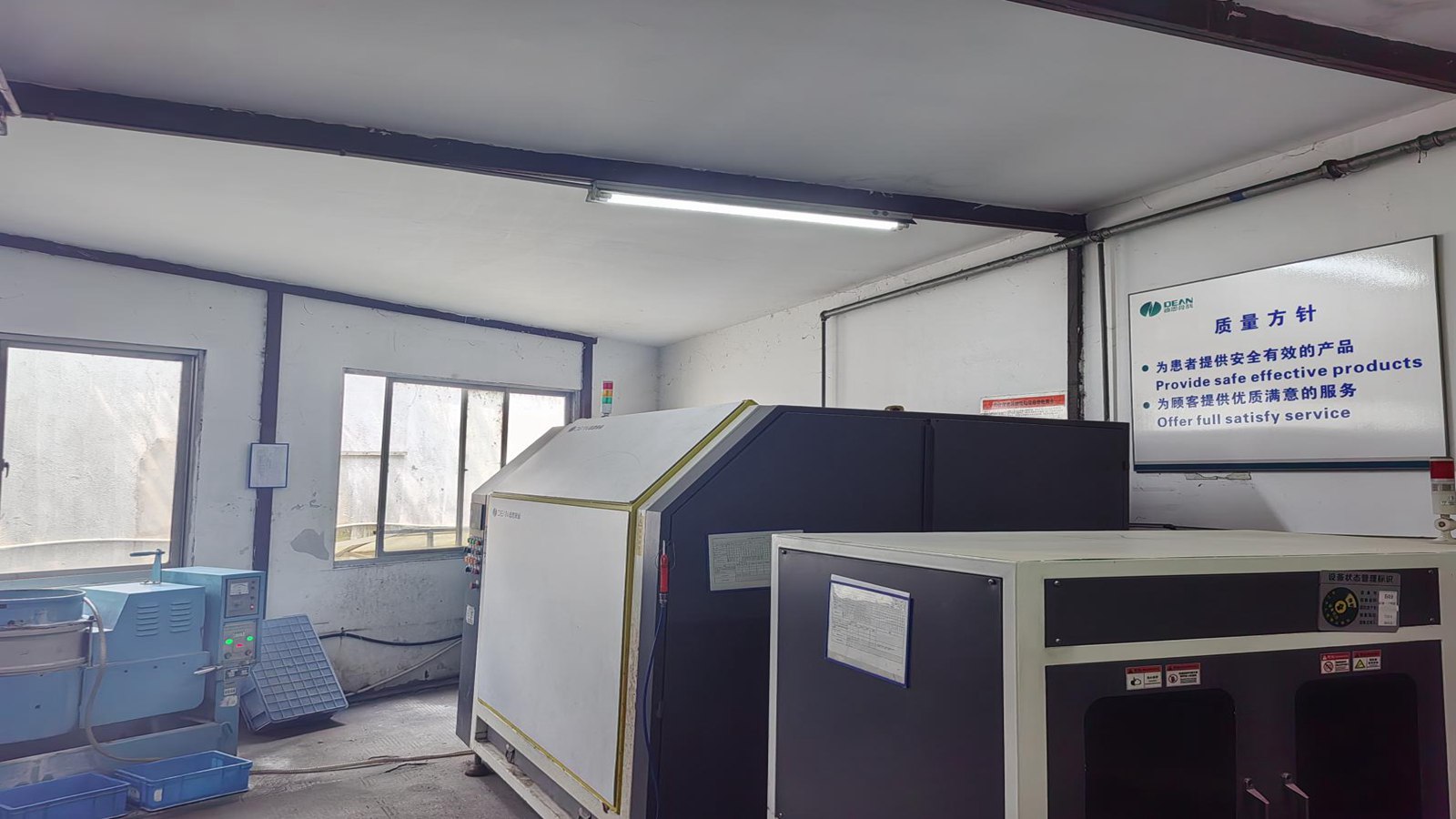
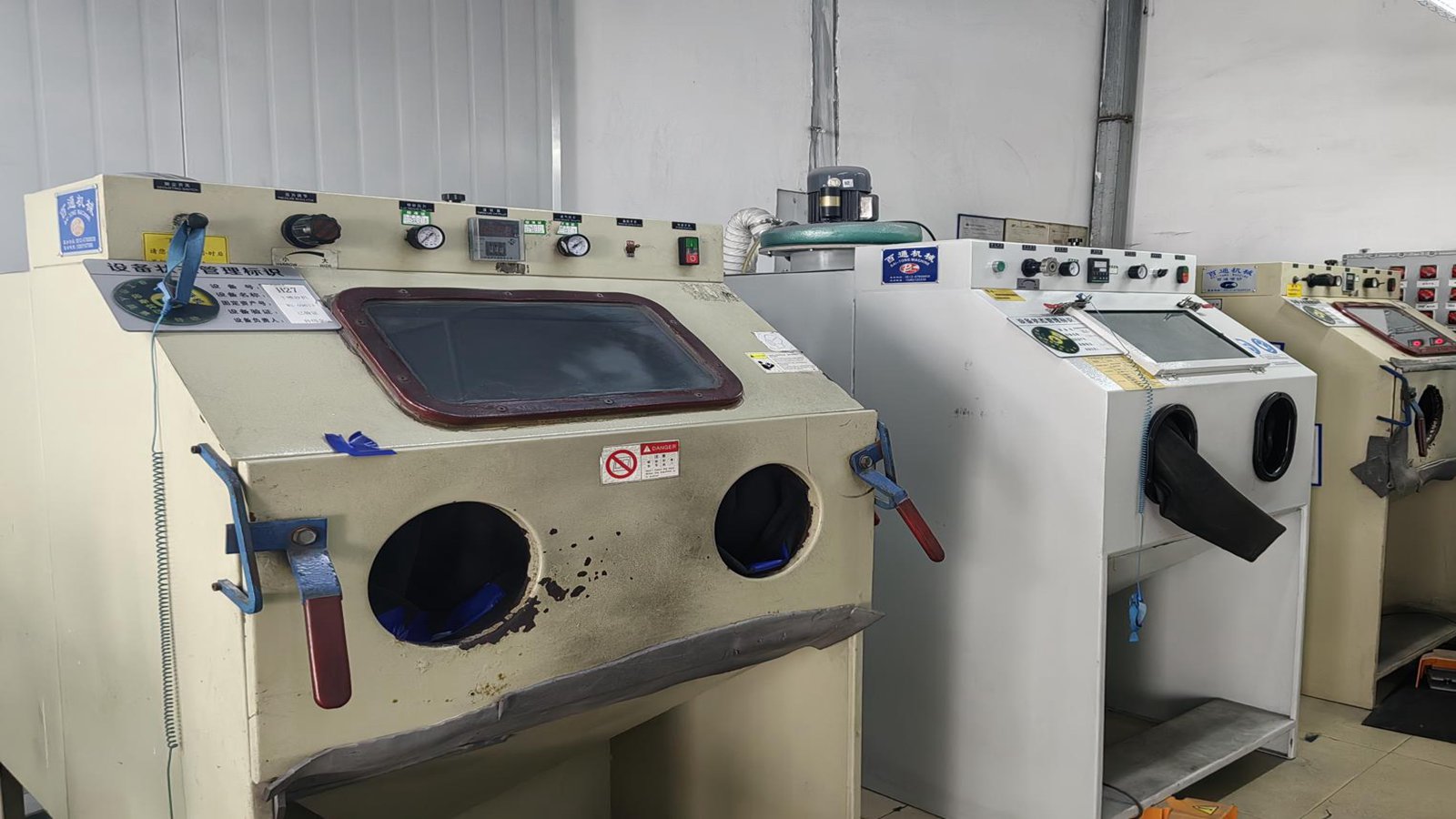
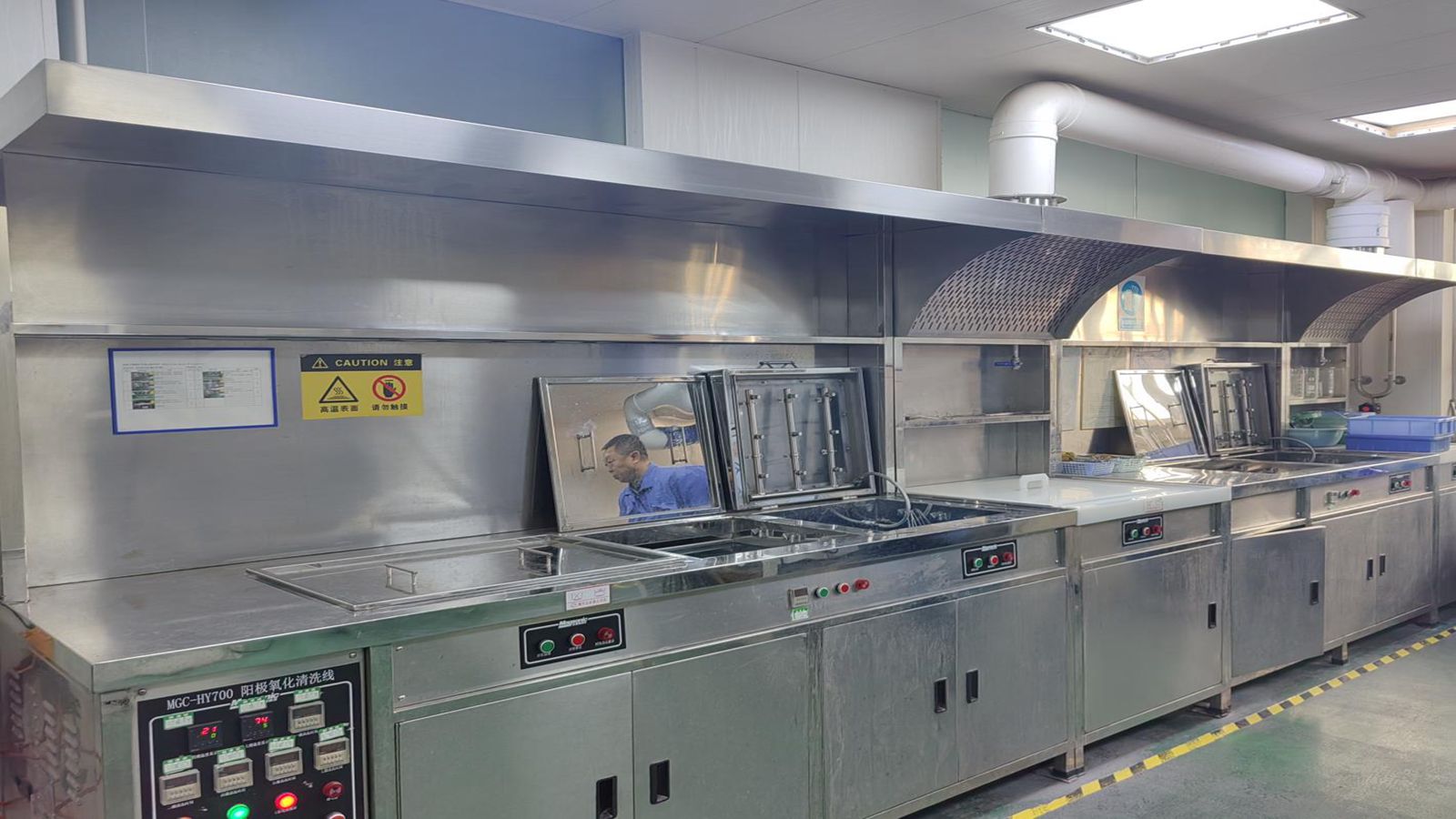
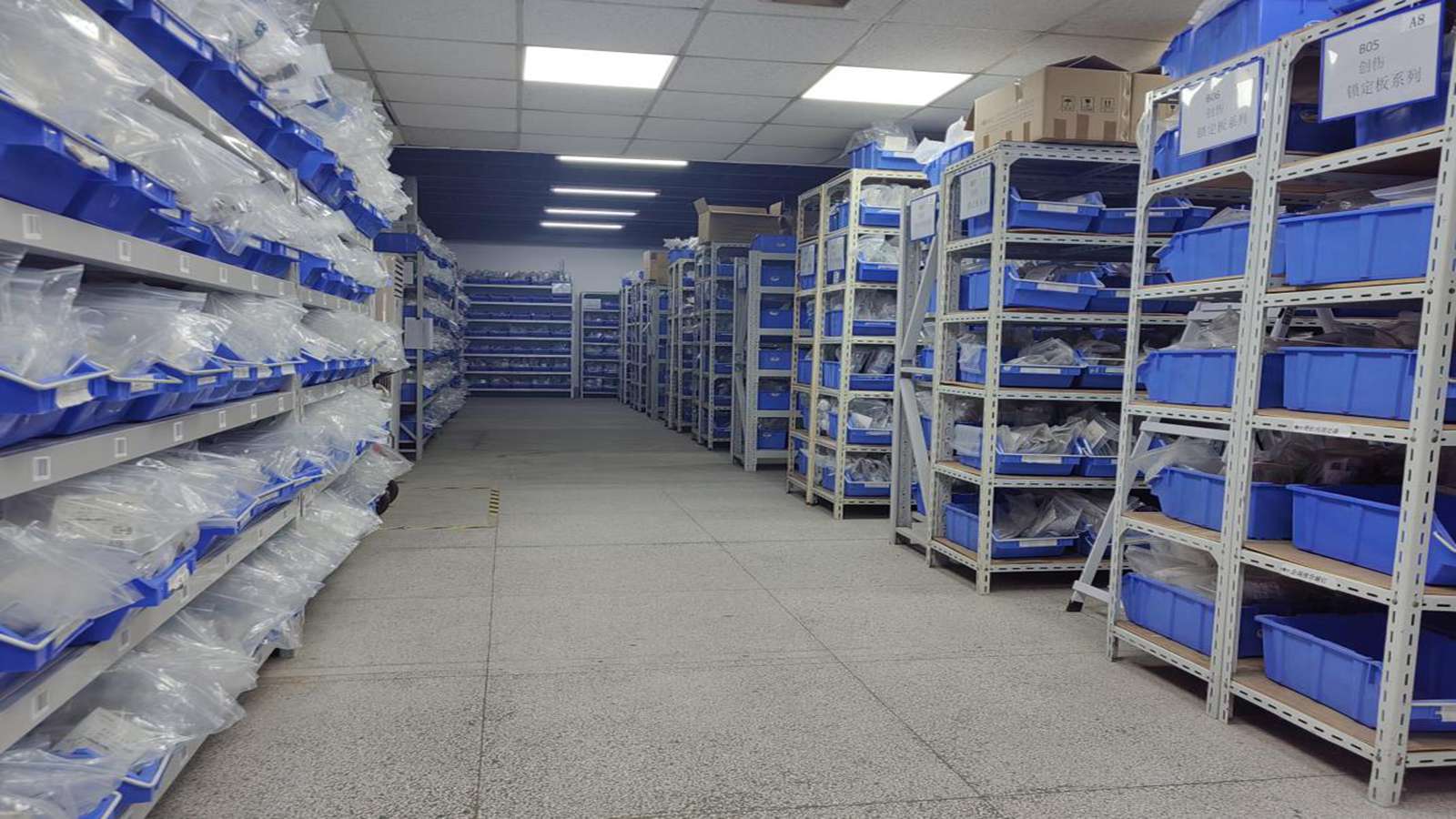
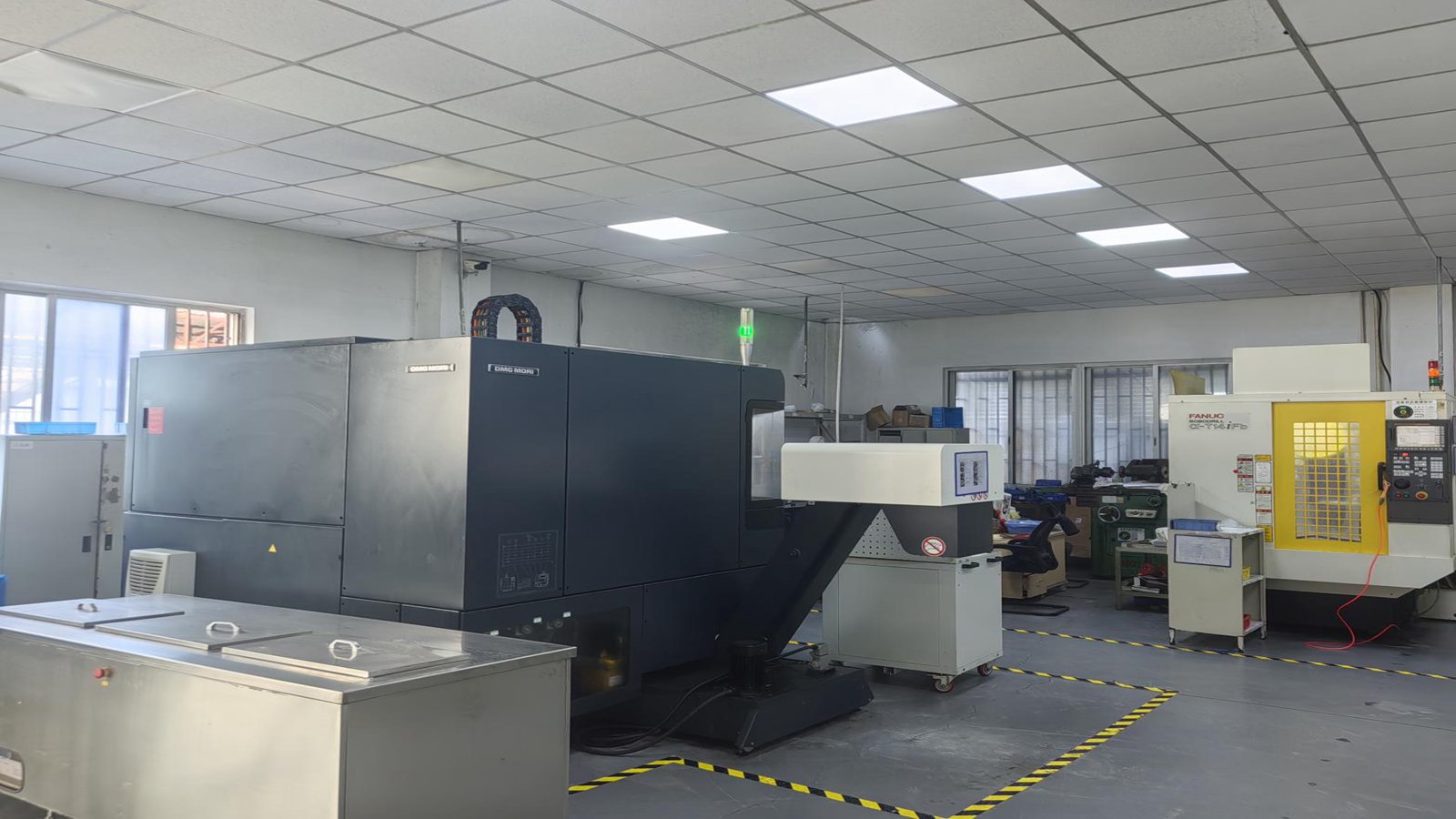
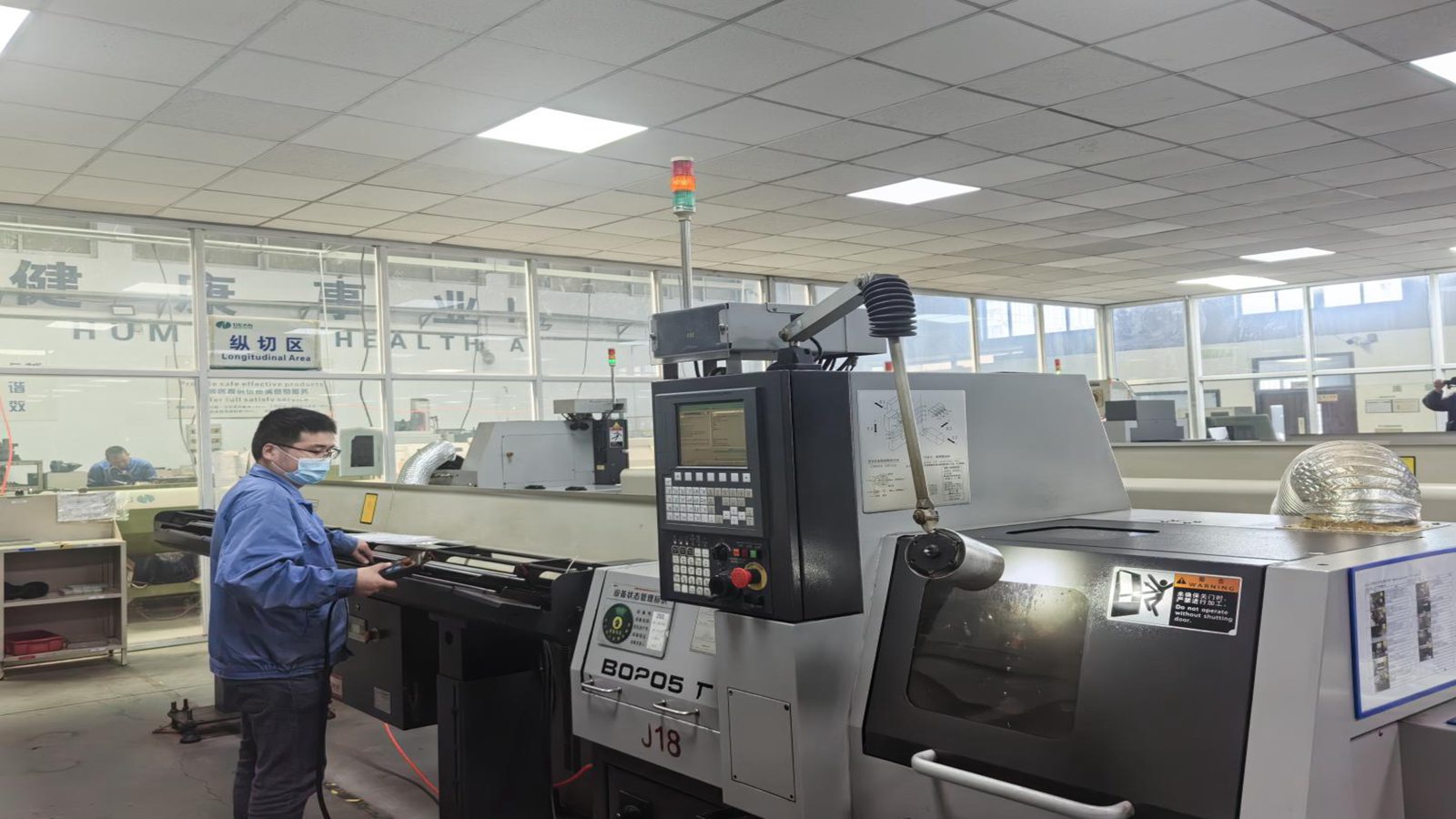
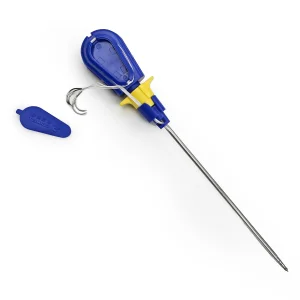
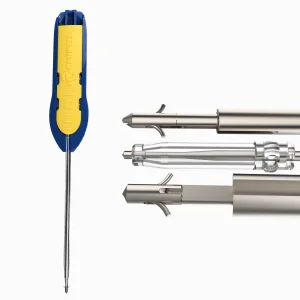
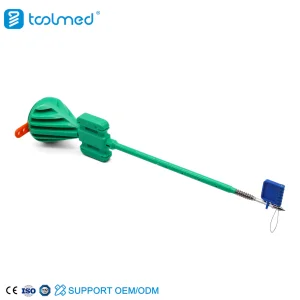
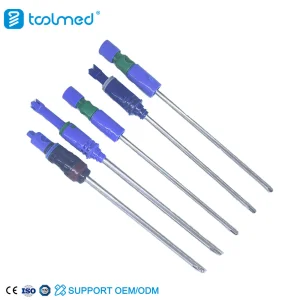
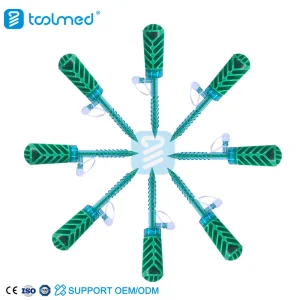
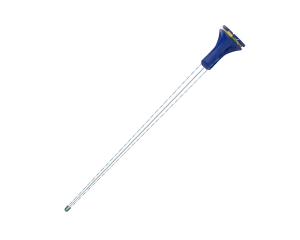
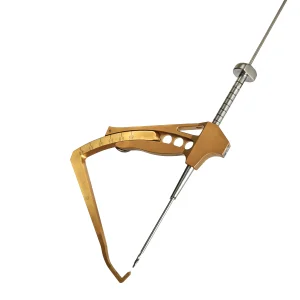
Precision manual instruments and specialized suture anchor options designed to streamline surgical workflows.
Combining precise manufacturing with optimized logisitical systems for European medical distributors.
Medispirex maintains an uncompromising system for quality assurance. Our dedicated quality control team consists of 45 professionals who conduct detailed audits across the entire manufacturing pipeline:
By leveraging an expansive logistics framework and a network of roughly 860 partners, Medispirex guarantees reliable delivery timelines to major European logistical centers, including Frankfurt, Hamburg, and Munich.
Whether you require bulk OEM shipments, sterilized customized packages ready for surgical setups, or private-label clinical configurations, our manufacturing team delivers steady lead times that safeguard your supply chain against regional shortages.
These implants and tools are manufactured in our high-tech facility to support knee, shoulder, and extremities reconstructions.
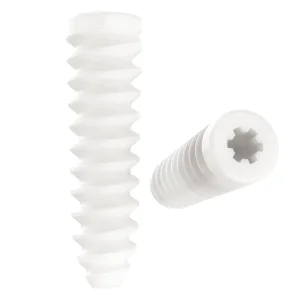
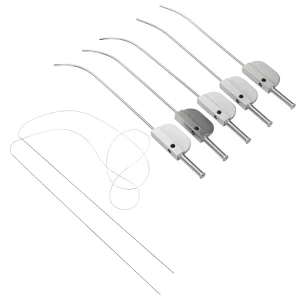
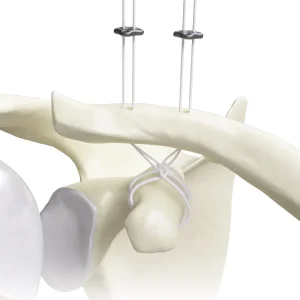
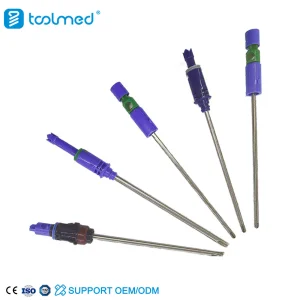
Overcoming EU MDR hurdles through comprehensive regulatory and operational support.
We supply comprehensive tech documentation (Technische Dokumentation) detailing manufacturing validations, material biocompatibility, and sterilization certifications (ethylene oxide/gamma radiation cycles).
All sports medicine implants undergo exhaustive testing according to ISO 10993 requirements, assessing cytotoxicity, systemic toxicity, and genotoxicity profiles.
We provide customizable sterile packaging models that comply with ISO 11607 standards. These solutions are suitable for distribution across hospital networks and outpatient ambulatory centers.
Addressing the technical, regulatory, and commercial inquiries common among German purchasing departments.
Contact our regulatory and technical engineering teams to request physical product samples, compliance documentation, or detailed price lists for the German market.
Send Inquiry Now