 Medispirex
Medispirex
Medispirex
Highly calibrated medical orthopedic saws and drills designed for South Africa's diverse human and veterinary trauma settings.
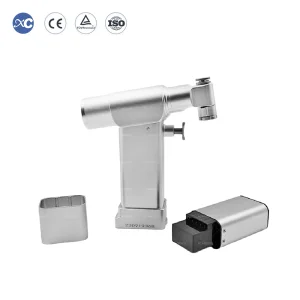
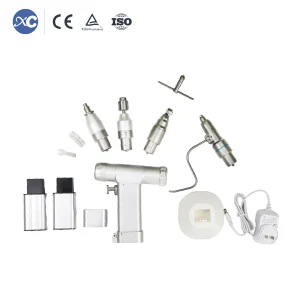
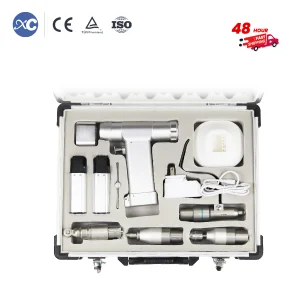
An analytical breakdown of the supply chains, regulatory structures, and clinical challenges in South African trauma and orthopedic centers.
The South African medical technology landscape represents a unique configuration of public and private healthcare models. In major municipal hubs such as Johannesburg, Pretoria, Cape Town, and Durban, state-of-the-art private hospital networks (including Mediclinic, Netcare, and Life Healthcare) run alongside public tertiary academic complexes like Chris Hani Baragwanath and Groote Schuur. Both domains require constant access to high-precision surgical tooling. Because South Africa depends heavily on imports for complex surgical devices, local distribution networks seek reliable manufacturing partners that can bridge the gap between global standards and local budget realities.
Procuring surgical power engines in South Africa requires strict adherence to the South African Health Products Regulatory Authority (SAHPRA). Under the Medicines and Related Substances Act (Act 101 of 1965), surgical handpieces—whether cannulated drills, cranial perforators, or high-speed reciprocating saws—are classified as regulated medical devices. This requires certified manufacturing origins, ISO 13485 quality systems, and complete documentation of biocompatibility. Procurement directors look beyond purchase prices to evaluate lifetime sterilization cycles, battery lifespan under unstable power grid conditions, and prompt spare part support.
South African orthopedic departments encounter high volumes of trauma cases resulting from motor vehicle accidents and violent crimes. This load requires robust handpieces that can withstand back-to-back surgeries and rapid autoclave cycles. At the same time, the veterinary sector—ranging from companion animal practices in Gauteng to specialized equine and wildlife rehabilitation centers in the Limpopo and Mpumalanga provinces—demands lightweight, multi-functional bone drill systems. These devices must adapt to varying bone densities, from domestic pets to large exotic species.
Bridging engineering excellence and clinical demands through global distribution networks and technological scale.
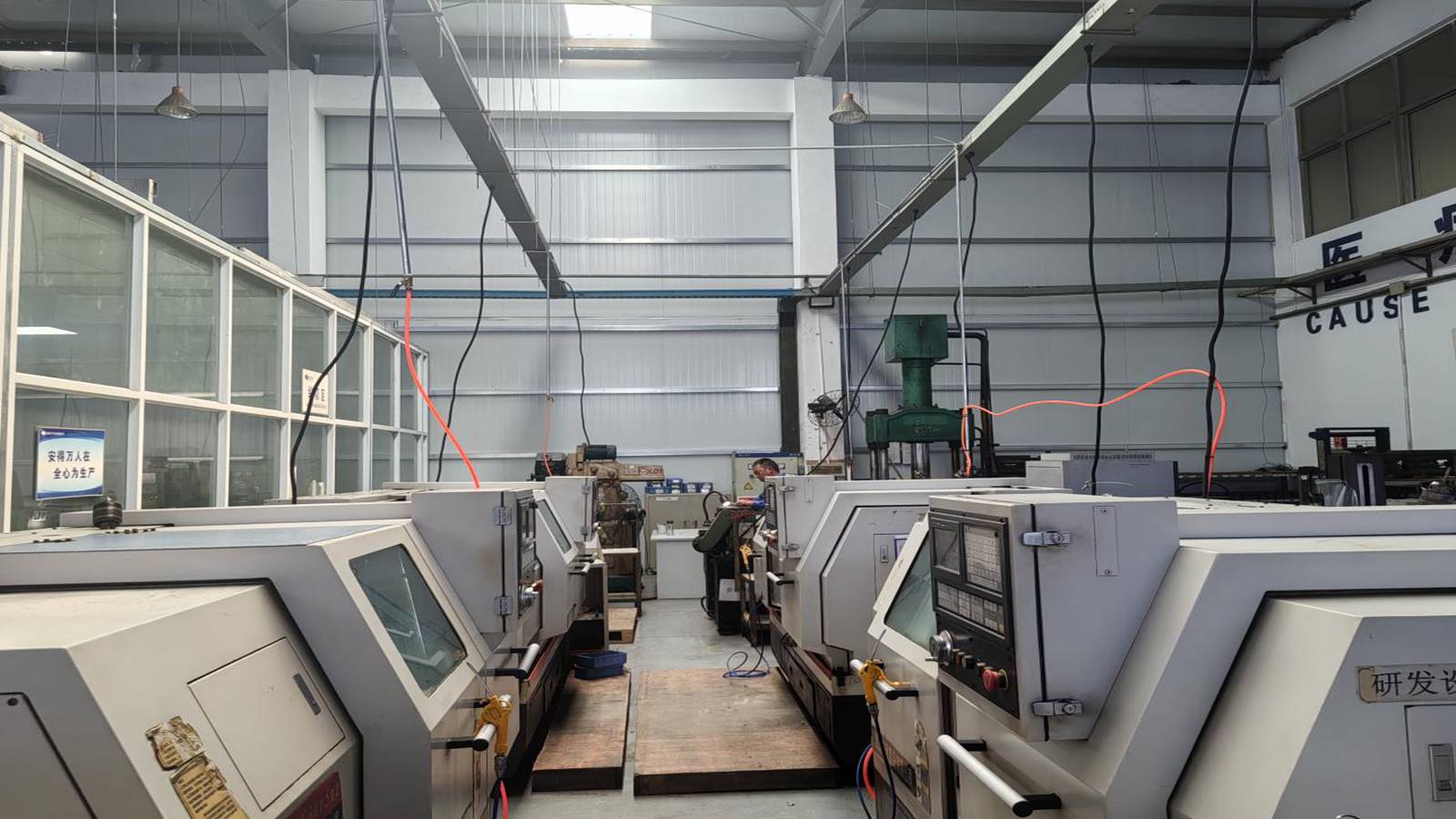
Established in 2016, Medispirex Orthopedic Technology Co., Ltd. has developed into a leading manufacturer of spine, trauma, and orthopedic power instrument systems. With an engineering team of 85 specialists in biomechanics and materials science, Medispirex design cycles align with the performance profiles of premium Western tier-1 brands while maintaining competitive production costs.
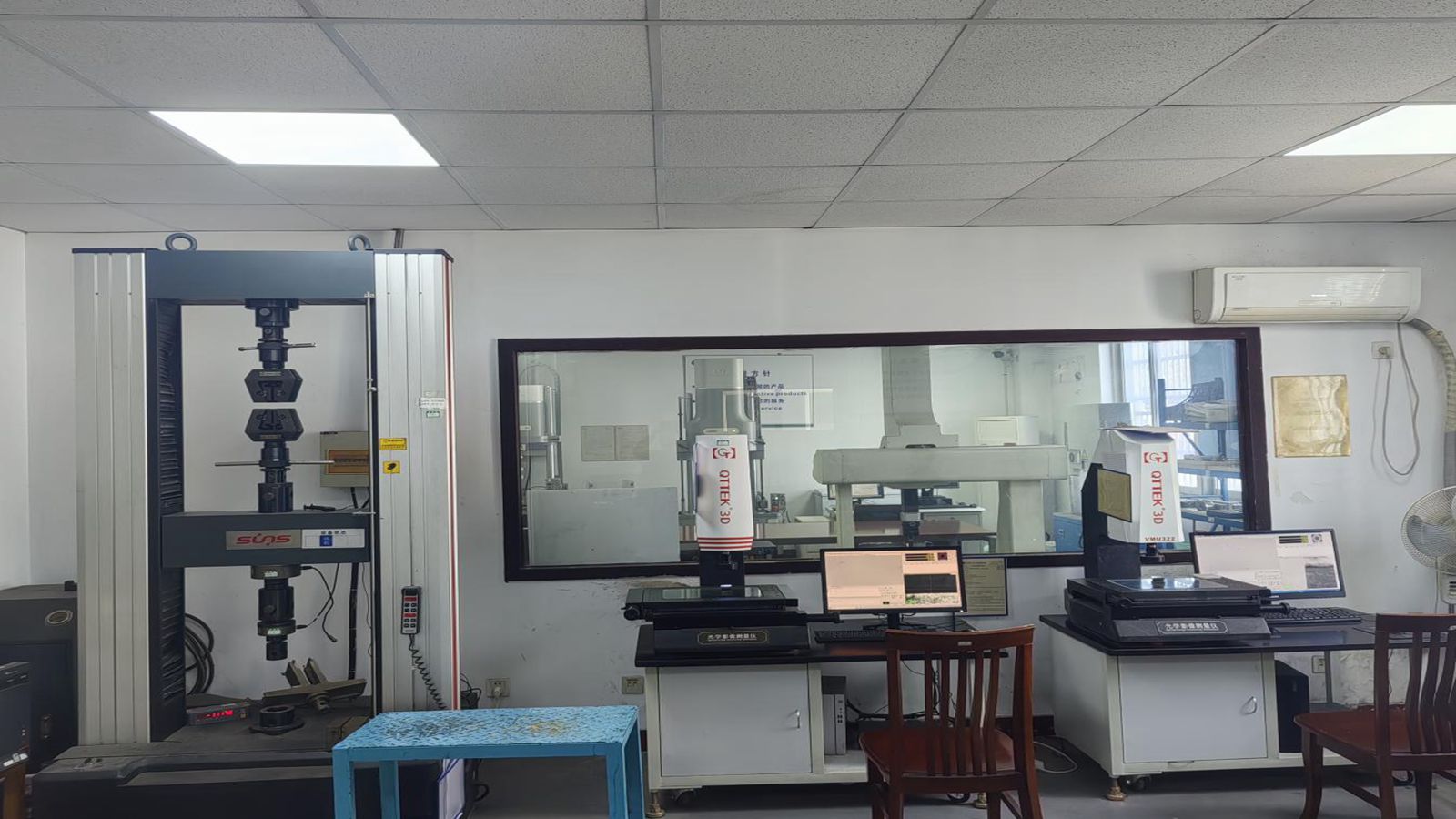
Our quality assurance program is managed by 45 dedicated QC professionals. The production lifecycle undergoes verification testing at four distinct stages: raw material analysis, in-process dimension controls, final instrument assembly audits, and batch-level traceability tracking. Our on-site testing facilities feature mechanical fatigue units, optical coordinate measurement systems, and salt spray exposure chambers to verify durability in warm, humid coastal regions like KwaZulu-Natal.
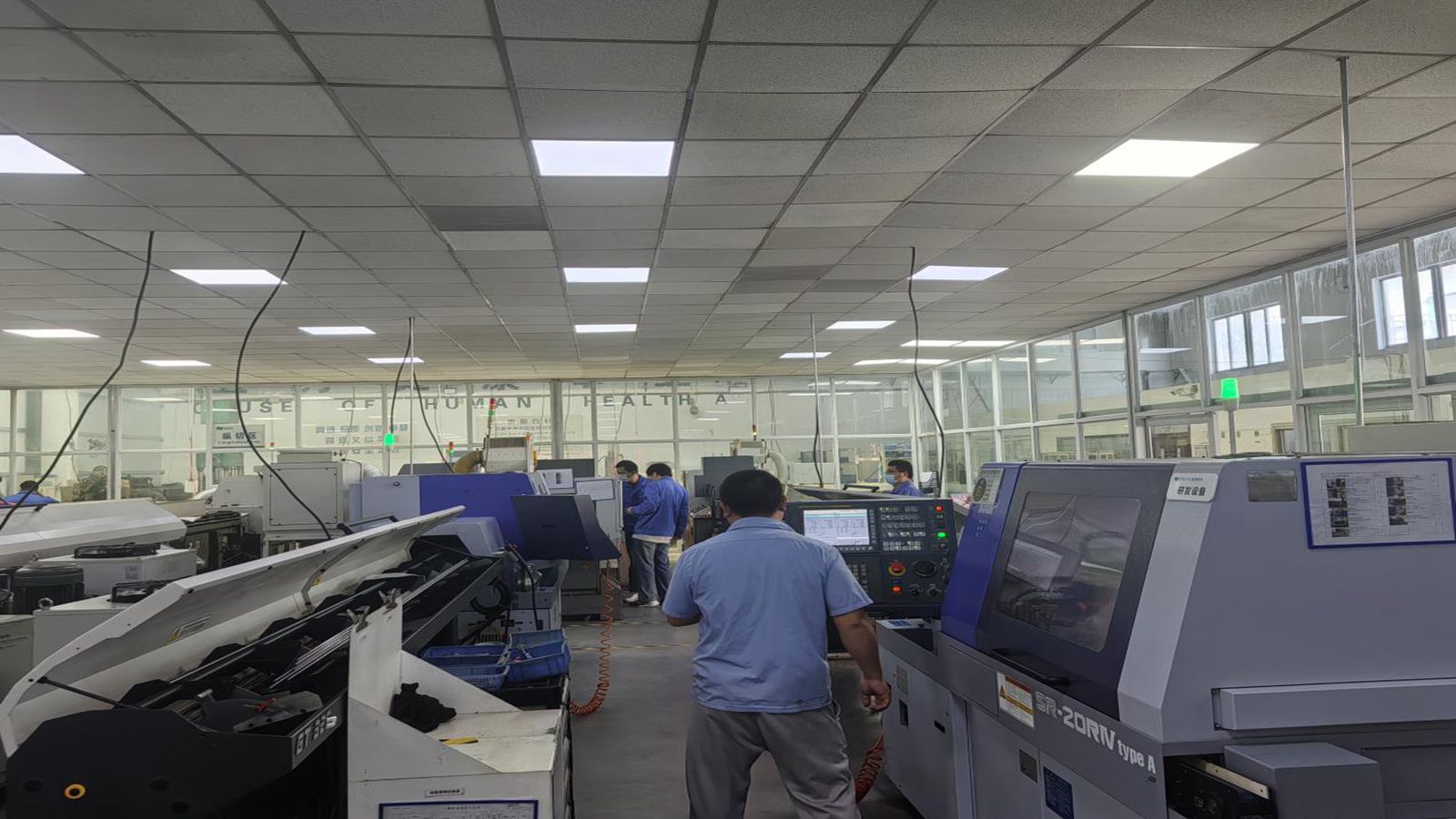
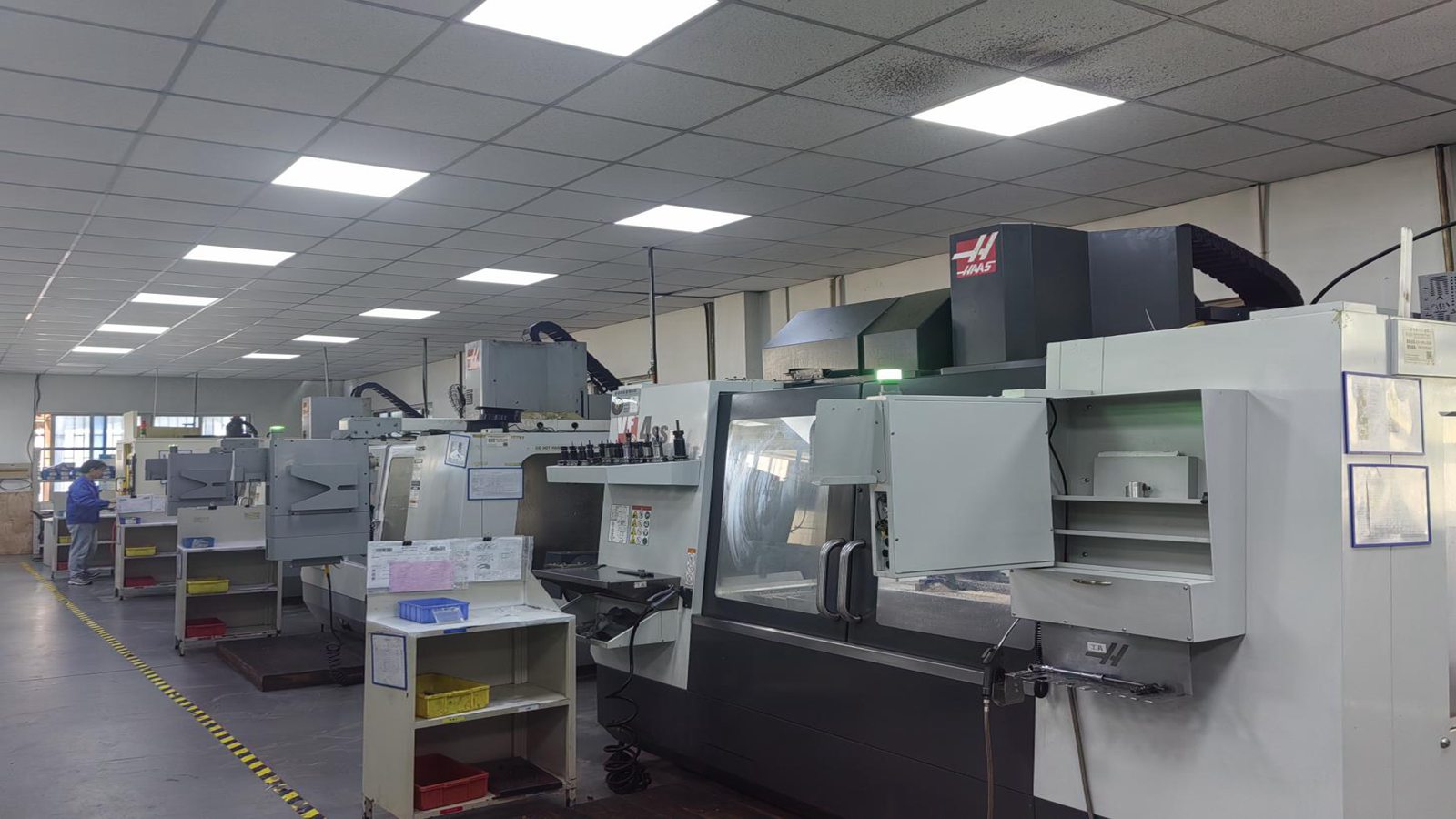
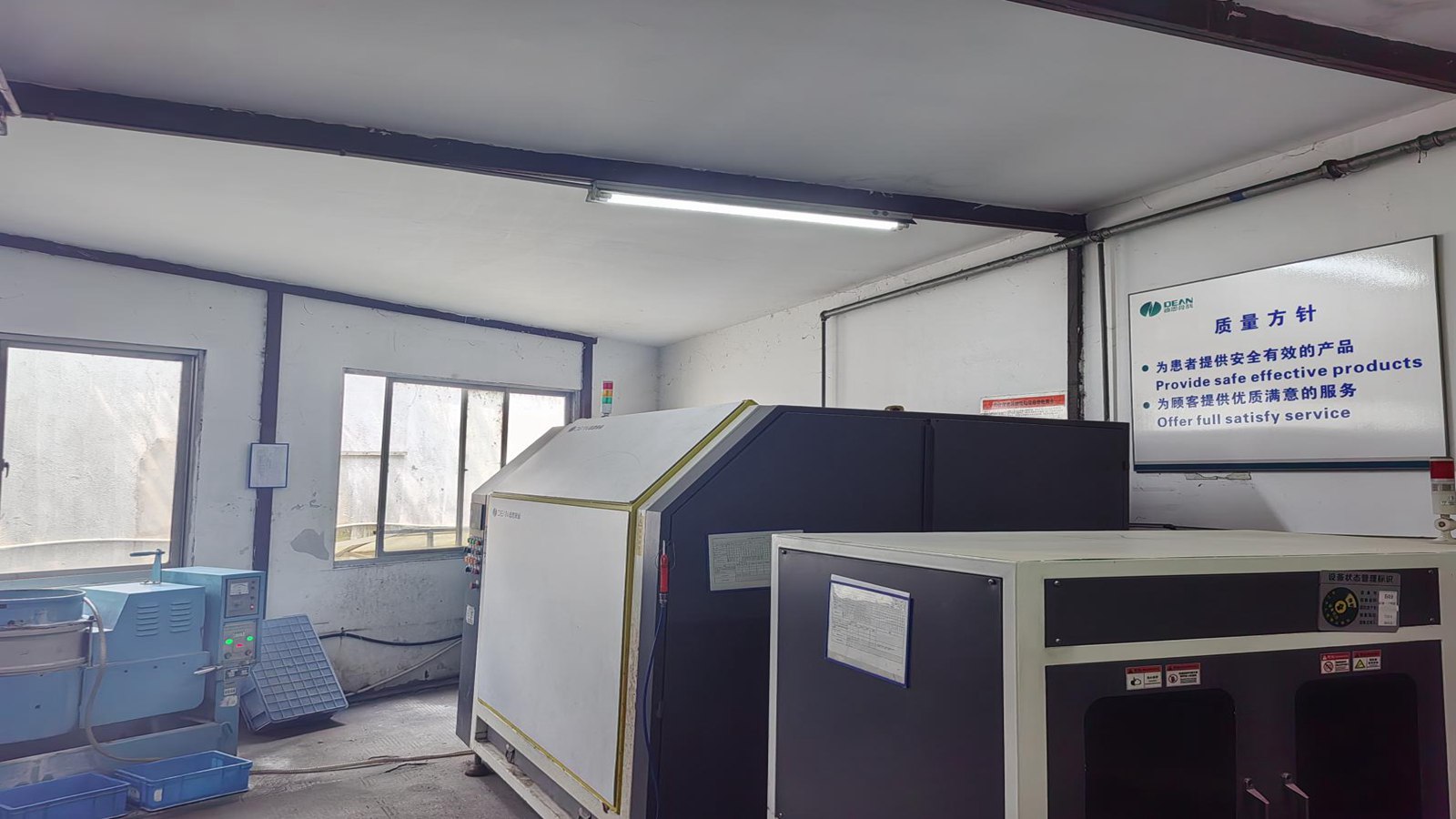
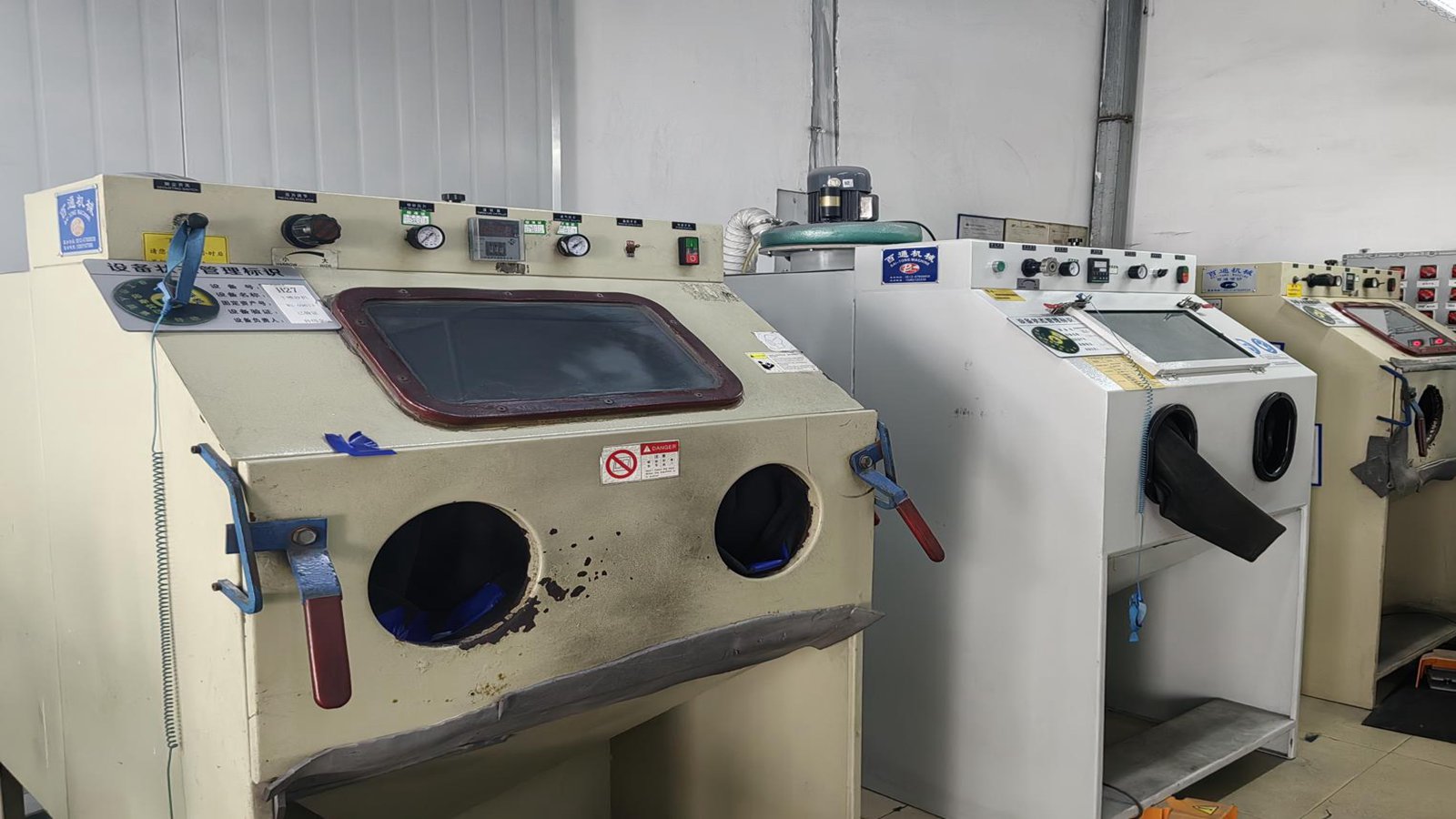
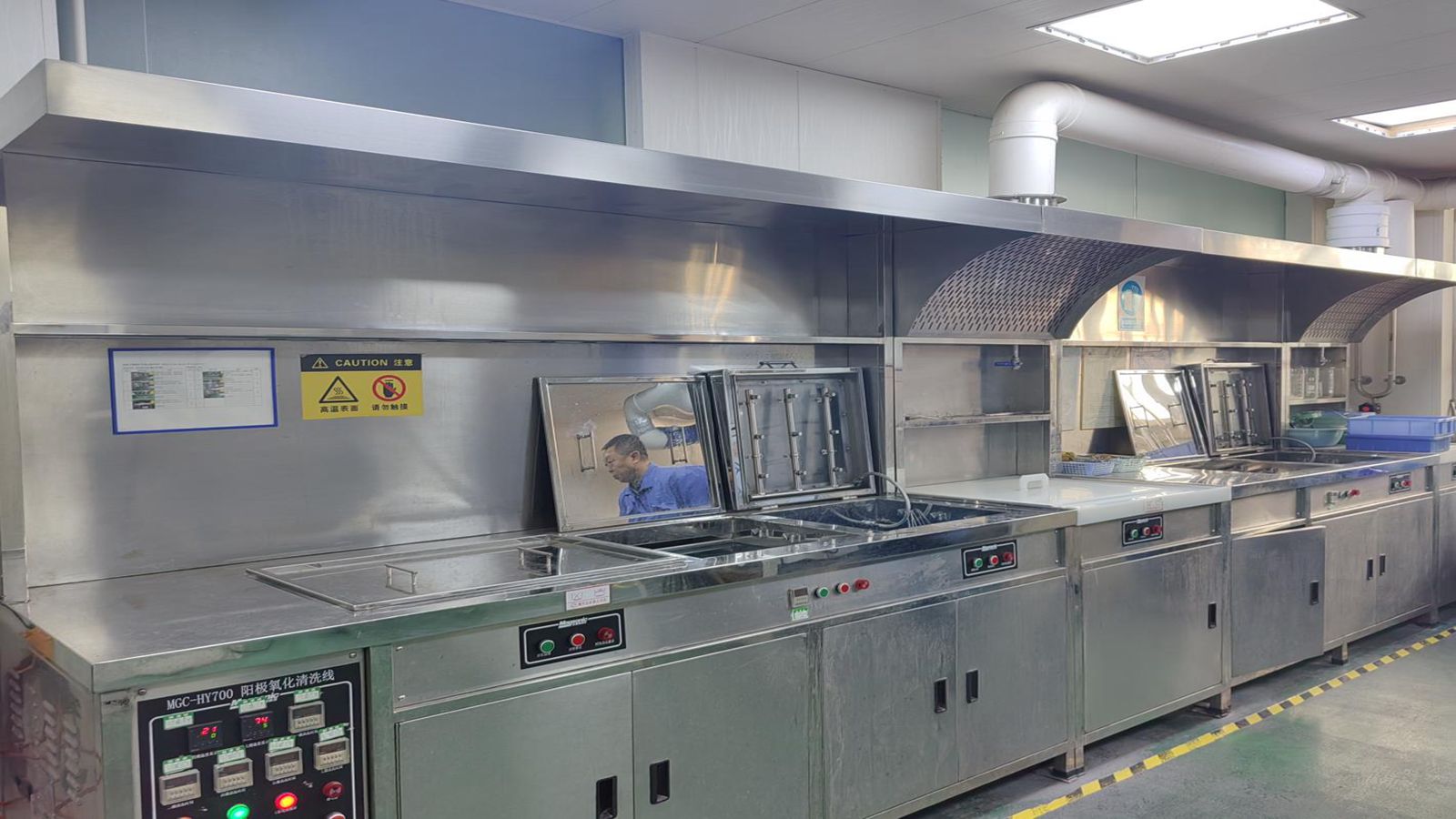
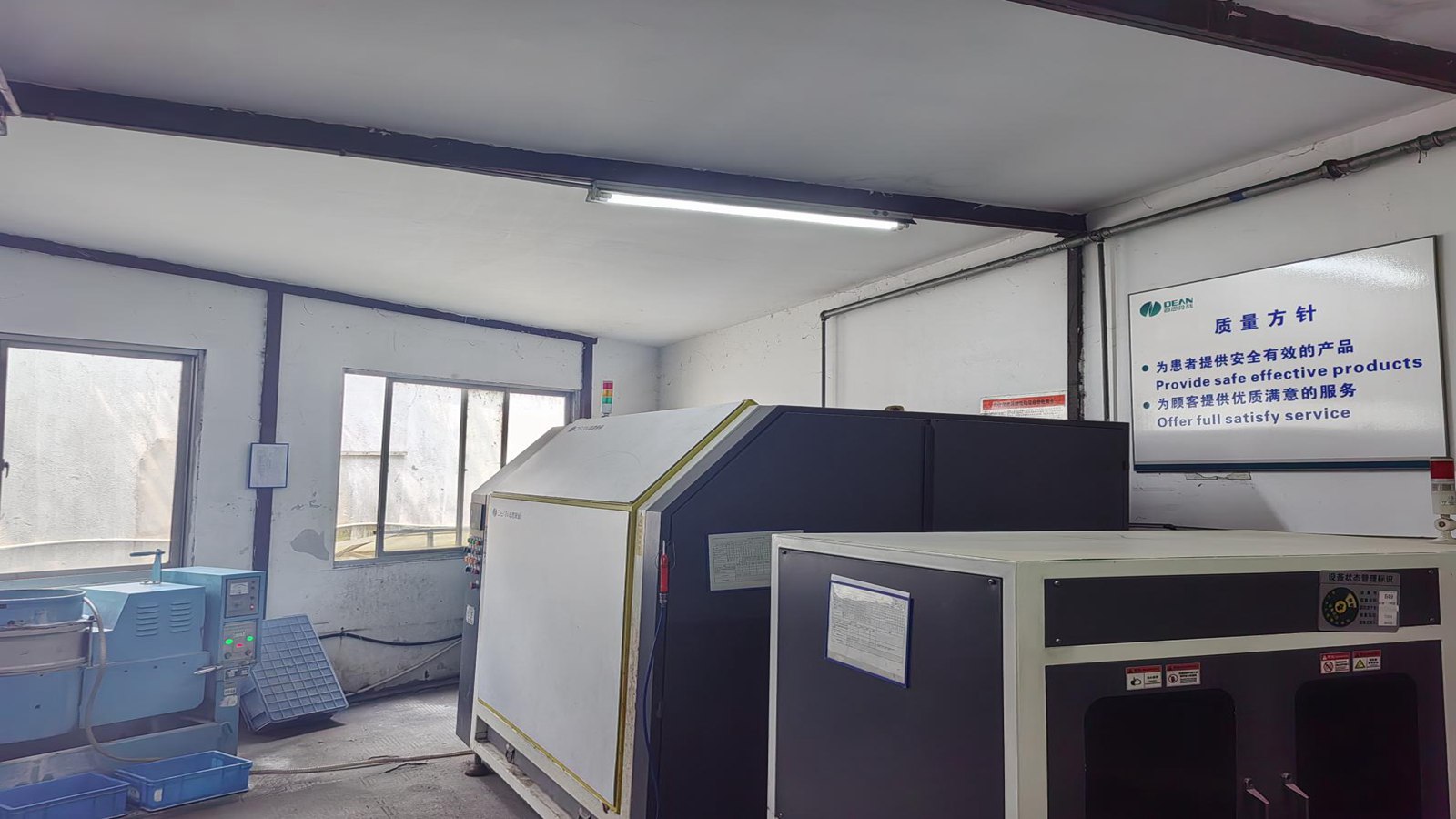
An inside look at our 18,600㎡ ISO-certified facility and high-precision machining centers.
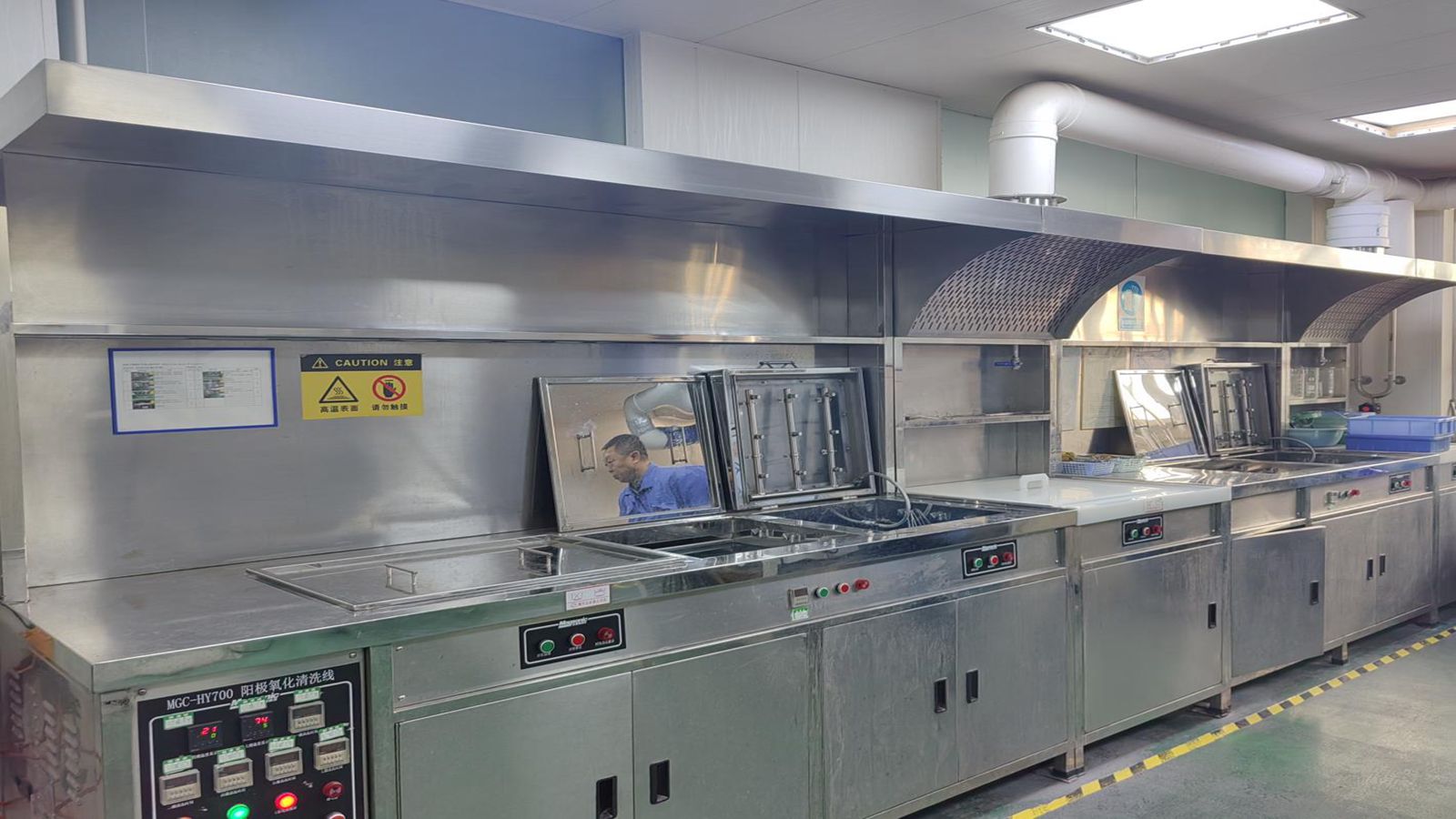
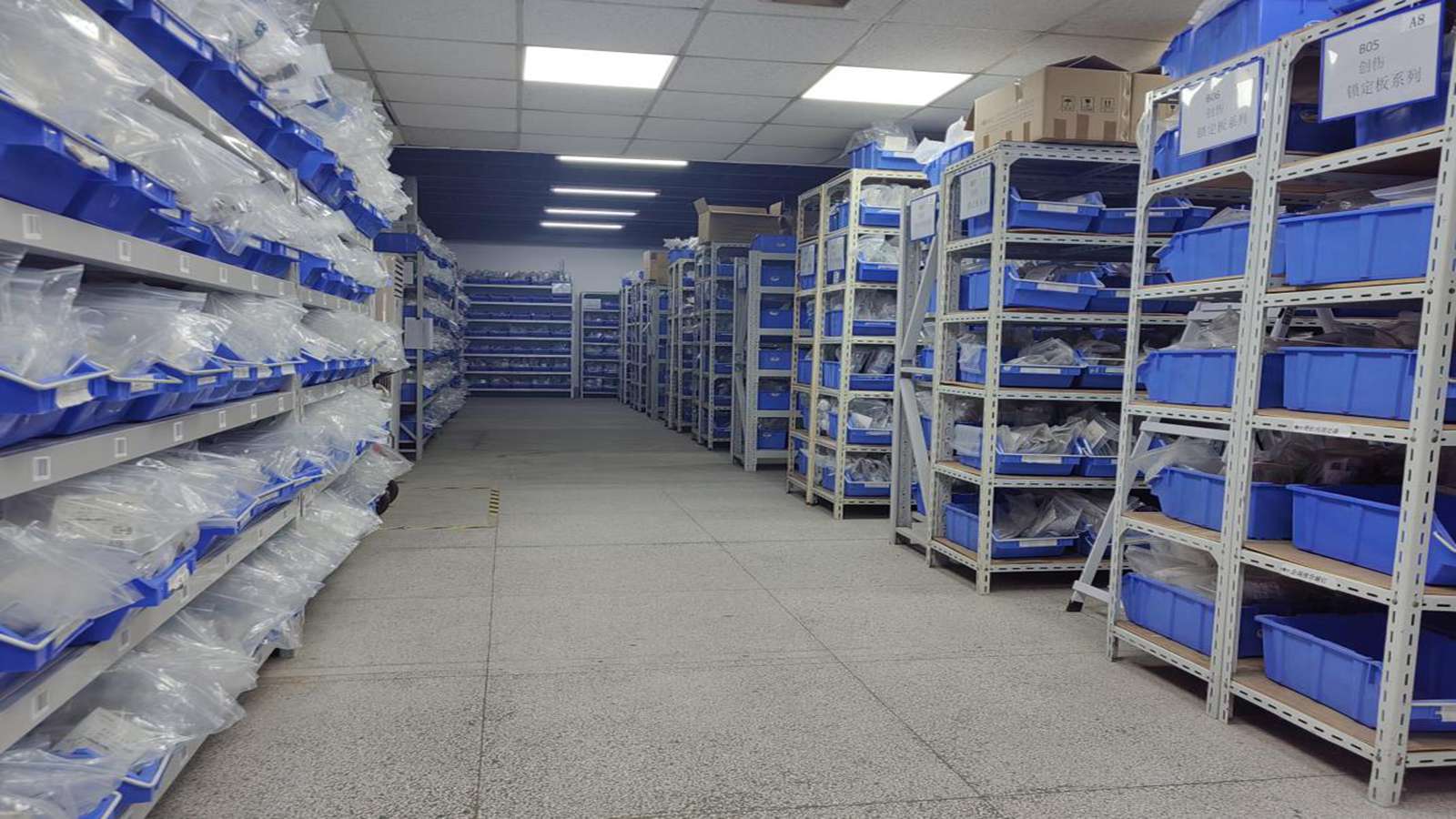
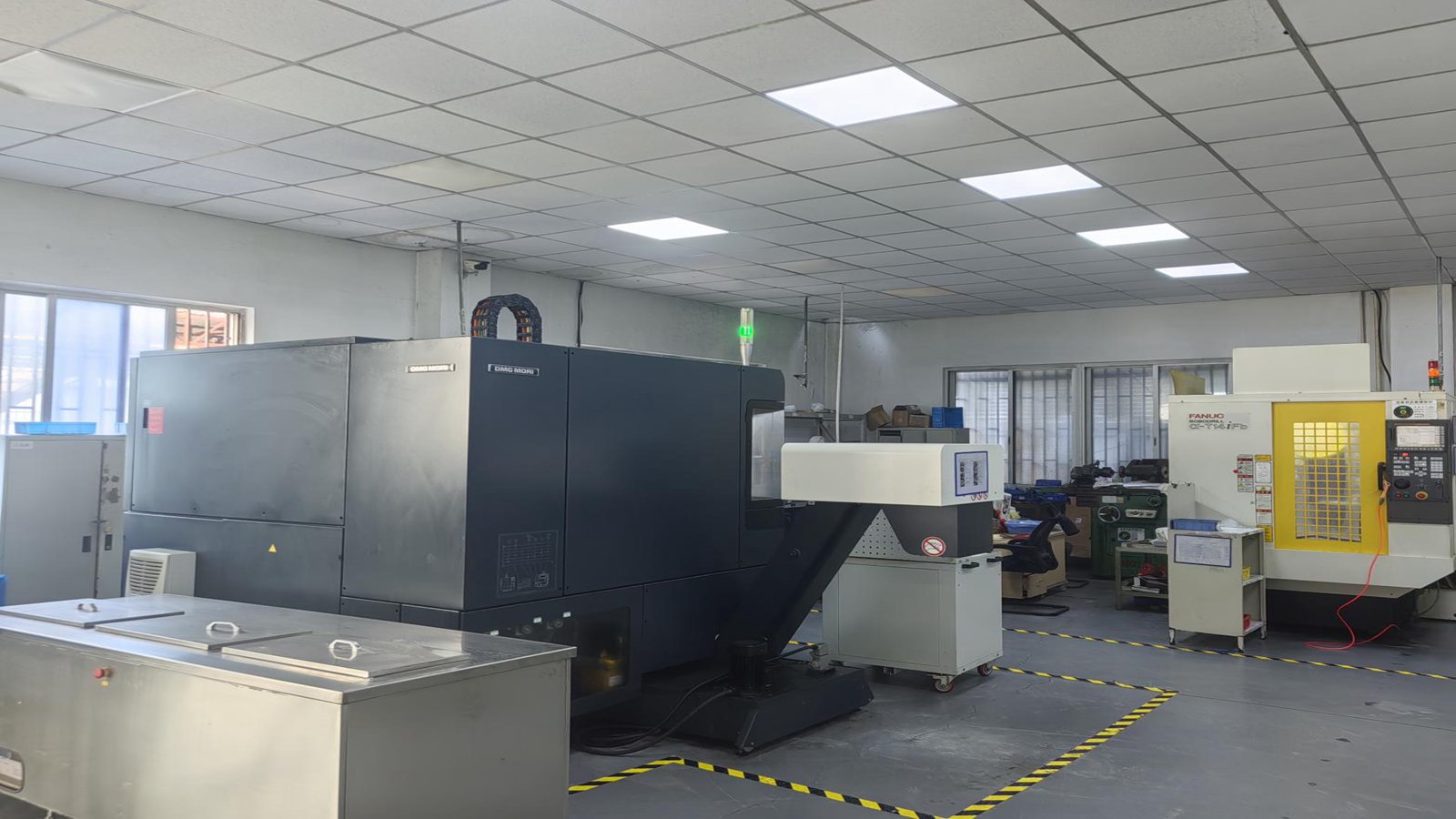
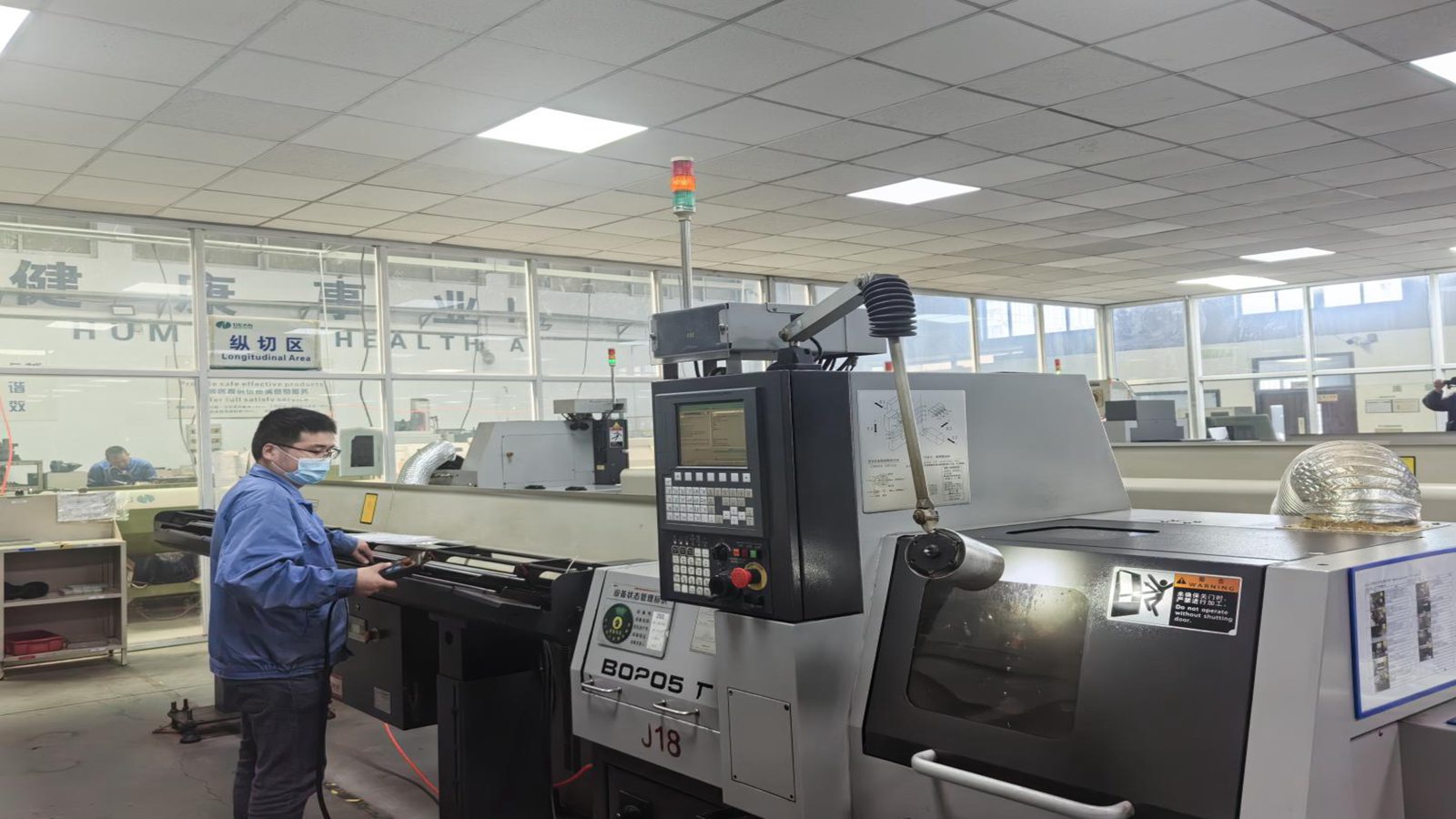
How new engineering approaches are improving clinical outcomes, sterilization cycles, and battery performance.
Modern bone surgery requires variable speed control and high torque efficiency. Traditional brushed motors generate carbon dust and run hot, limit speed adjustments, and require frequent maintenance. Brushless DC (BLDC) motors offer more precise control, lower thermal output, and longer runtimes per charge. This design maintains high torque even at low speeds, preventing bone necrosis during drilling.
Autoclaving at high temperatures and pressures (typically 134°C at 2.1 bar) can damage internal sensors and motor windings. Medispirex address this by sealing internal components in laser-welded titanium and PEEK housings. Our instruments are designed to withstand hundreds of sterilization cycles without losing hermetic sealing, helping reduce the total cost of ownership for busy hospital departments.
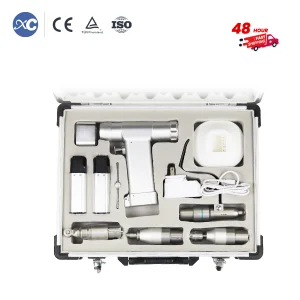
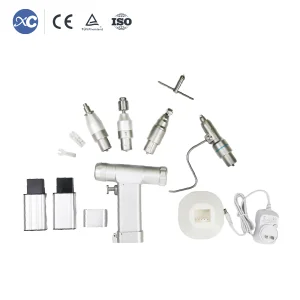
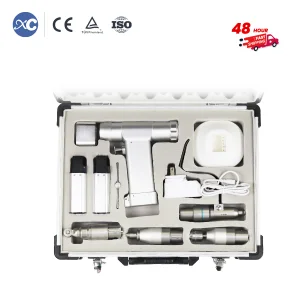
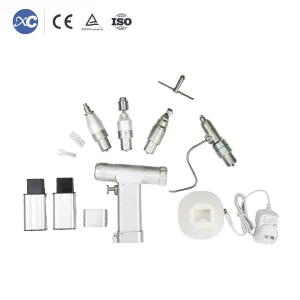
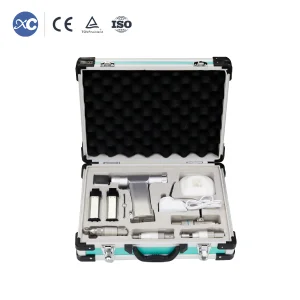
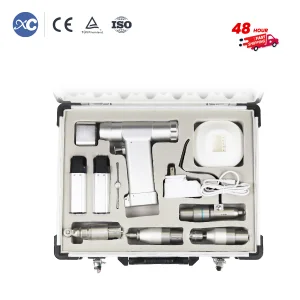
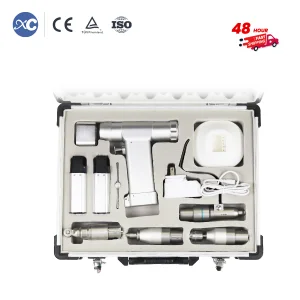
In trauma care, surgeons must switch quickly between drilling, reaming, sawing, and driving K-wires. Quick-coupling handpieces allow fast modular changes on a single motor unit. This flexibility reduces the number of specialized instruments a hospital needs to buy, simplifying the sterilization assembly process and saving space in sterile storage.
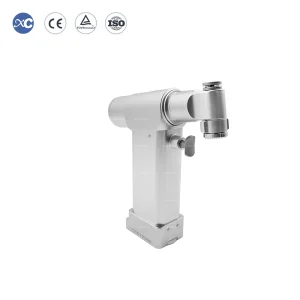
High-performance surgical saws, drills, and modular kits built for veterinary, trauma, and orthopedic applications.
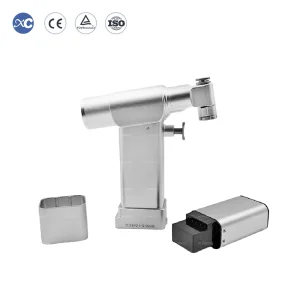
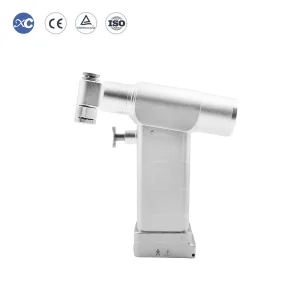
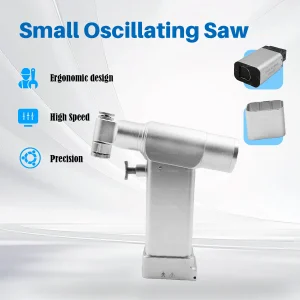
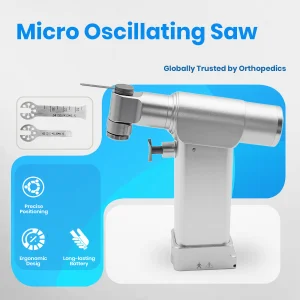
Key technical evaluations for hospital purchasing managers, medical tender coordinators, and regional agents.
When selecting a manufacturing partner for surgical engines, procurement directors must evaluate technical capability, regulatory alignment, and supply chain reliability. A low initial price can lead to high operating costs if handpieces fail frequently or need parts that are difficult to source. The following criteria help ensure reliable performance in clinical environments:
High-speed burs and drills must maintain constant speed under load to cut cleanly and prevent bone thermal damage. During surgical procedures, changes in bone density require the motor control electronics to adjust power instantly, keeping the speed stable. Instruments should provide high torque at low speeds (such as in reaming applications) and stable high speeds (up to 120,000 RPM in neurosurgical cranial procedures).
In regions facing power fluctuations or load shedding, reliable battery performance is essential. Medical batteries must use high-grade cell configurations that withstand repeated sterilization cycles without losing capacity. Medispirex designs battery packs with built-in thermal and overcharge protection, ensuring safe, consistent performance even during long surgical procedures.
Because healthcare needs vary, standard products do not fit every clinical scenario. Medispirex provides flexible OEM/ODM options, allowing distributors to customize attachments, choose custom packaging, or configure specialized tools for local surgical preferences. This collaborative approach helps partners meet specific regional requirements and tenders.
Technical answers regarding importing, regulatory compliance, and operating parameters of Medispirex orthopedic systems.