Medispirex
Medispirex
Medispirex
Clinically validated locking systems engineered for superior biological fixation, matching the rigorous standards of Seattle's leading healthcare institutions.
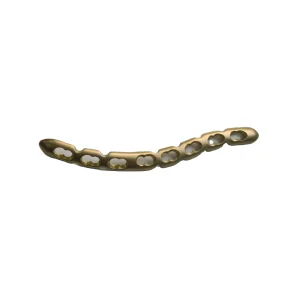
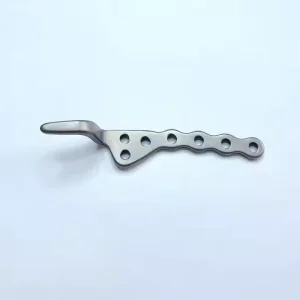
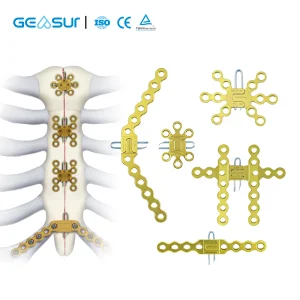
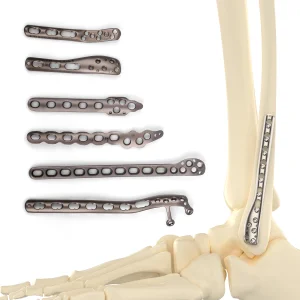
Seattle stands as a premier medical and technological hub in the Pacific Northwest, anchored by world-renowned research centers and Level 1 trauma institutions like Harborview Medical Center and UW Medicine. The region's dense medical network demands orthopedic implants of the highest clinical fidelity, engineered to withstand extreme biomechanical stresses while facilitating rapid osseointegration.
Hospitals and surgery centers across the Puget Sound corridor require swift supply chain turnarounds, absolute batch-to-batch consistency, and rigorous mechanical fatigue verification that complies with ASTM F136 titanium standards.
As a premier orthopedic manufacturer, Medispirex supplies high-performance implant solutions designed to meet the strict regulatory and operational workflows of North American orthopedic trauma teams. Our products feature low-profile designs to minimize soft-tissue irritation, anatomical pre-contouring for optimal alignment, and state-of-the-art variable angle locking capabilities to address complex fracture patterns.
Delivering high-reliability osteosynthesis systems under stringent QA protocols to major medical distributors and OEM partners worldwide.
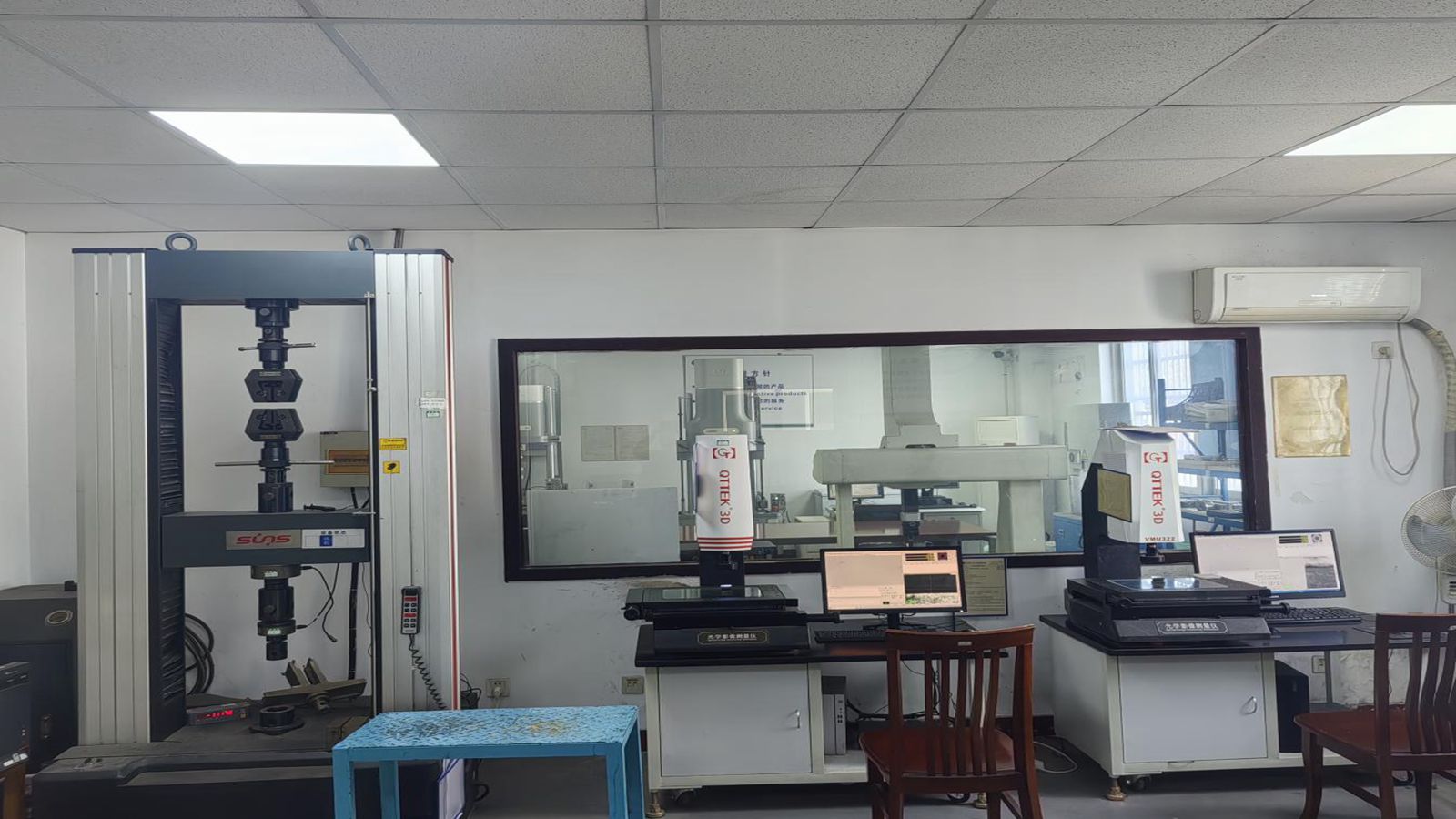
Operates under strict multi-tiered inspections including incoming material composition verification, real-time in-process dimension controls, dynamic fatigue testing, and complete batch traceability systems to ensure absolute zero-defect margins.
With an annual export value of USD 18 million and over 12 years of core industry expertise, we seamlessly navigate complex logistics corridors, serving clients throughout Europe, North America, the Middle East, and Southeast Asia.
We provide deep customization solutions including private label manufacturing, specialized instrument kit development, and structural implant design adaptations utilizing advanced biomechanical modeling.
Take a virtual tour inside our 18,600㎡ state-of-the-art facility featuring ultra-precision multi-axis CNC machines and automated cleanrooms.
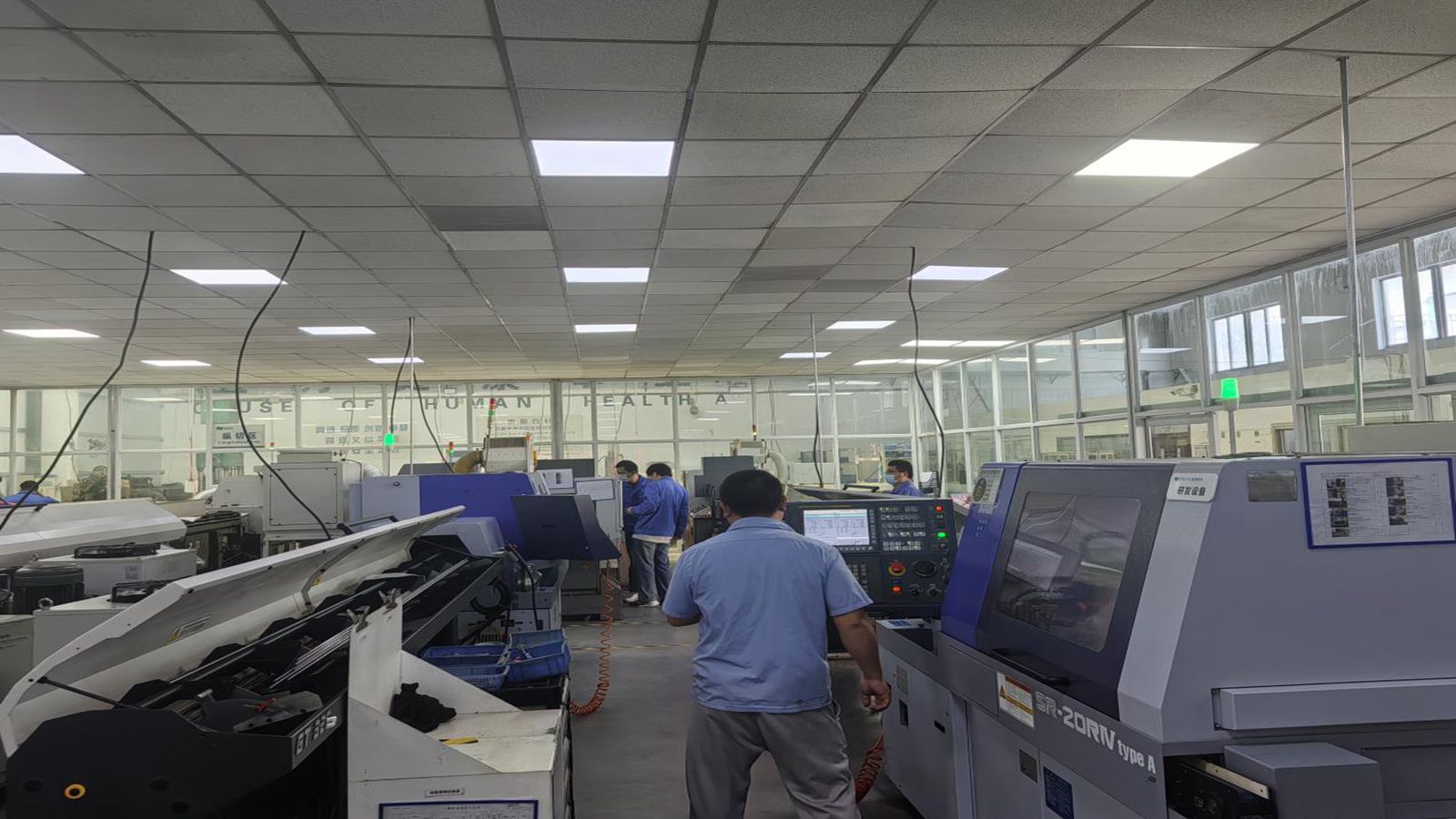
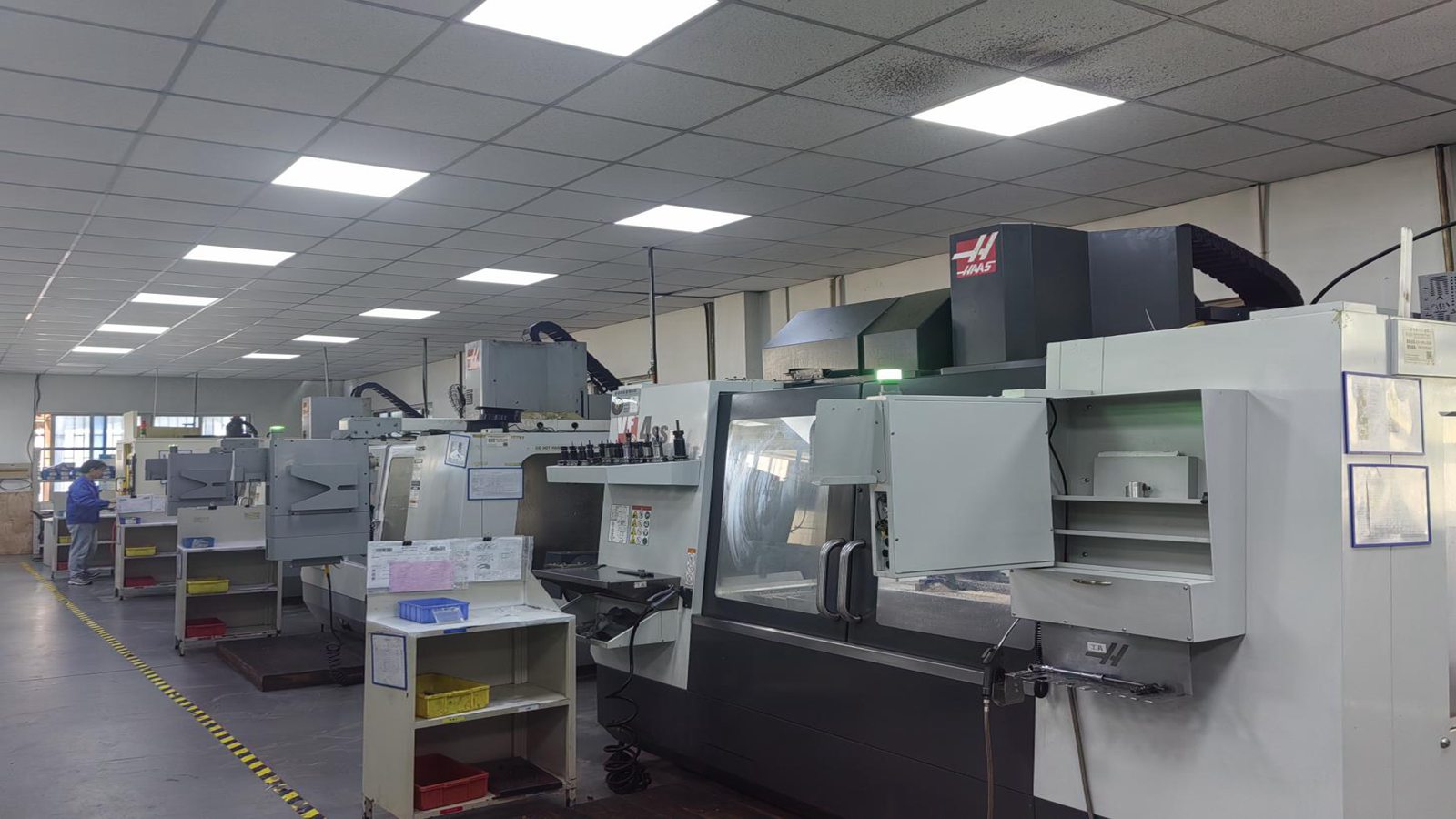
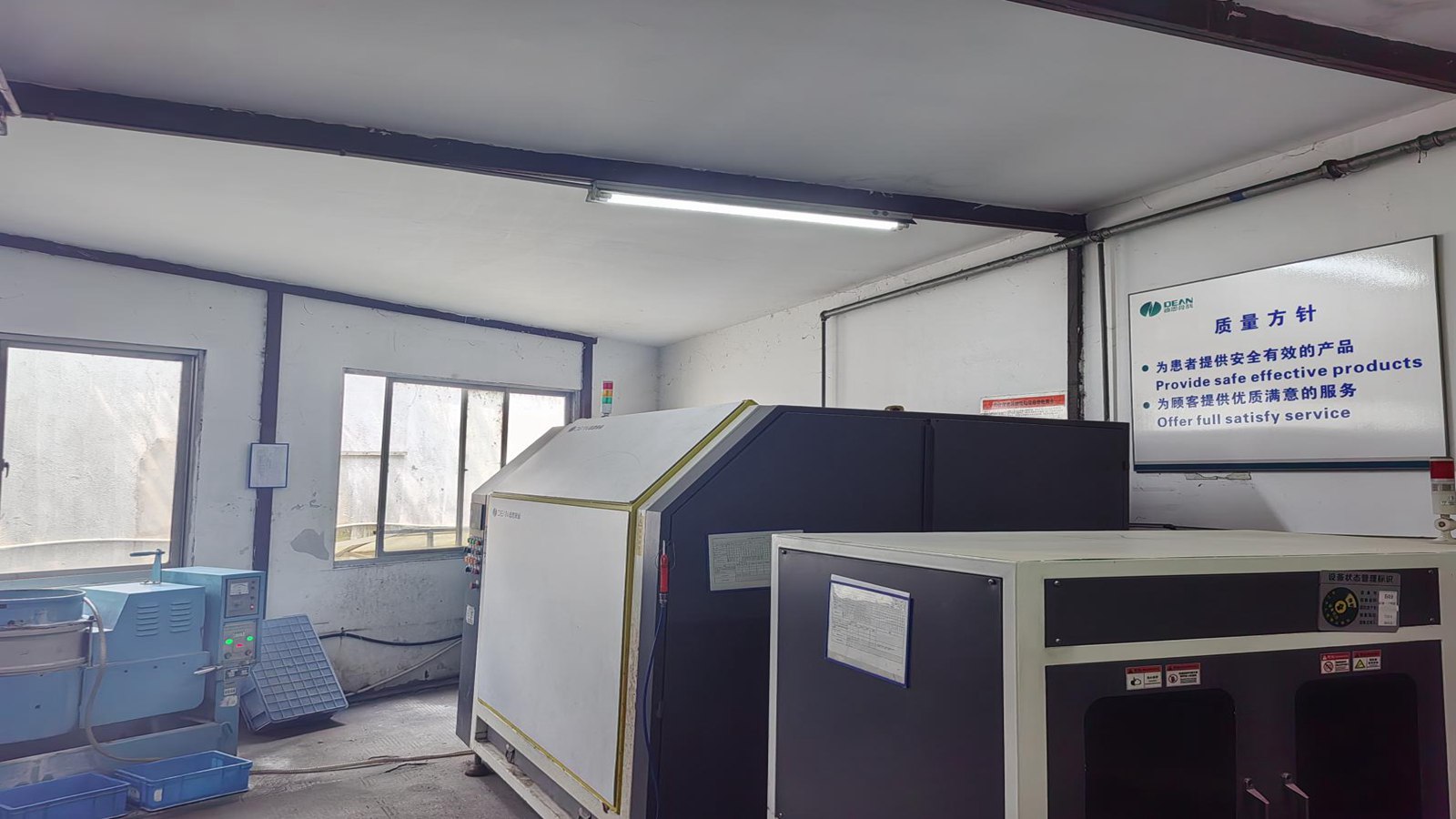
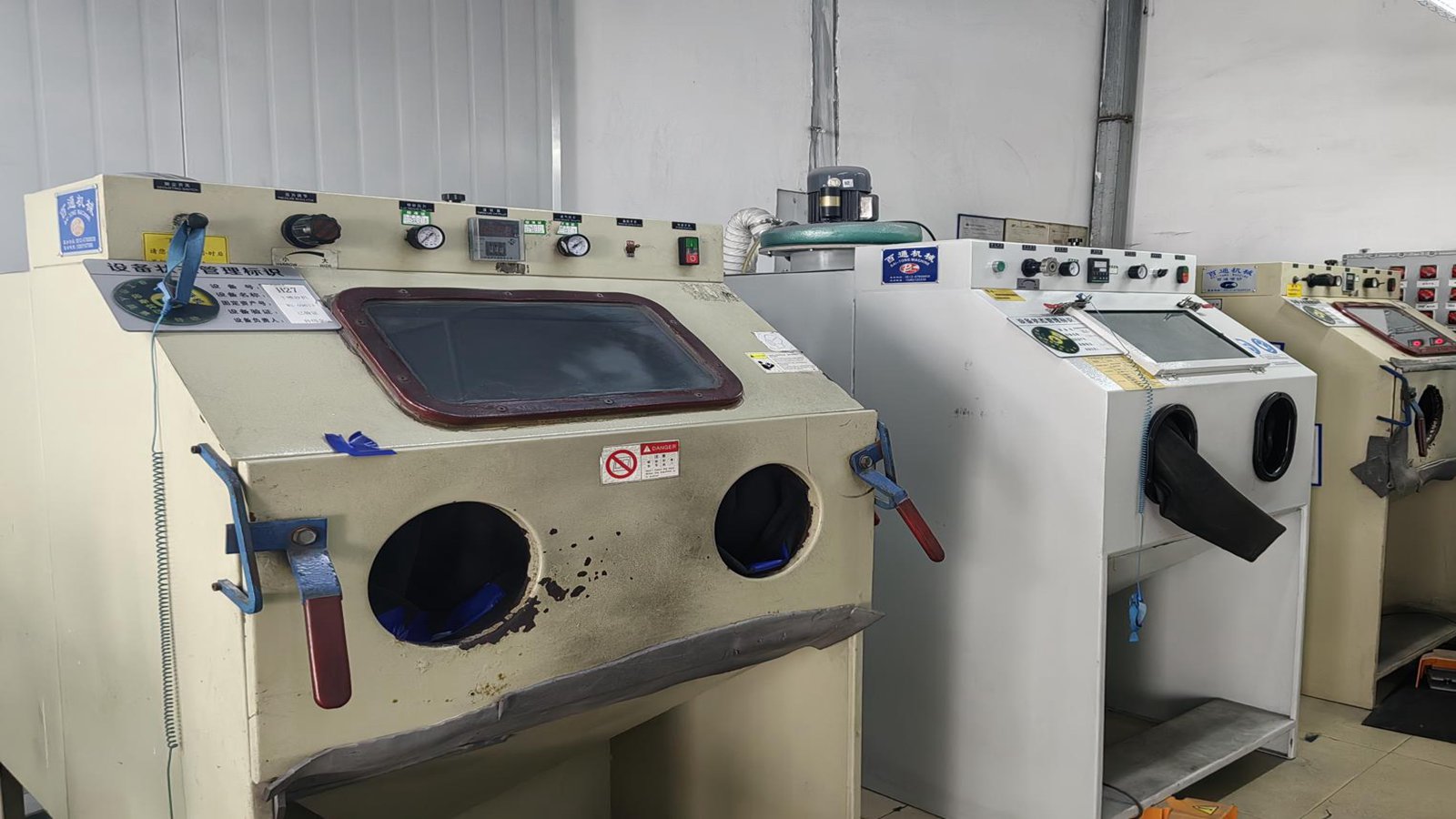
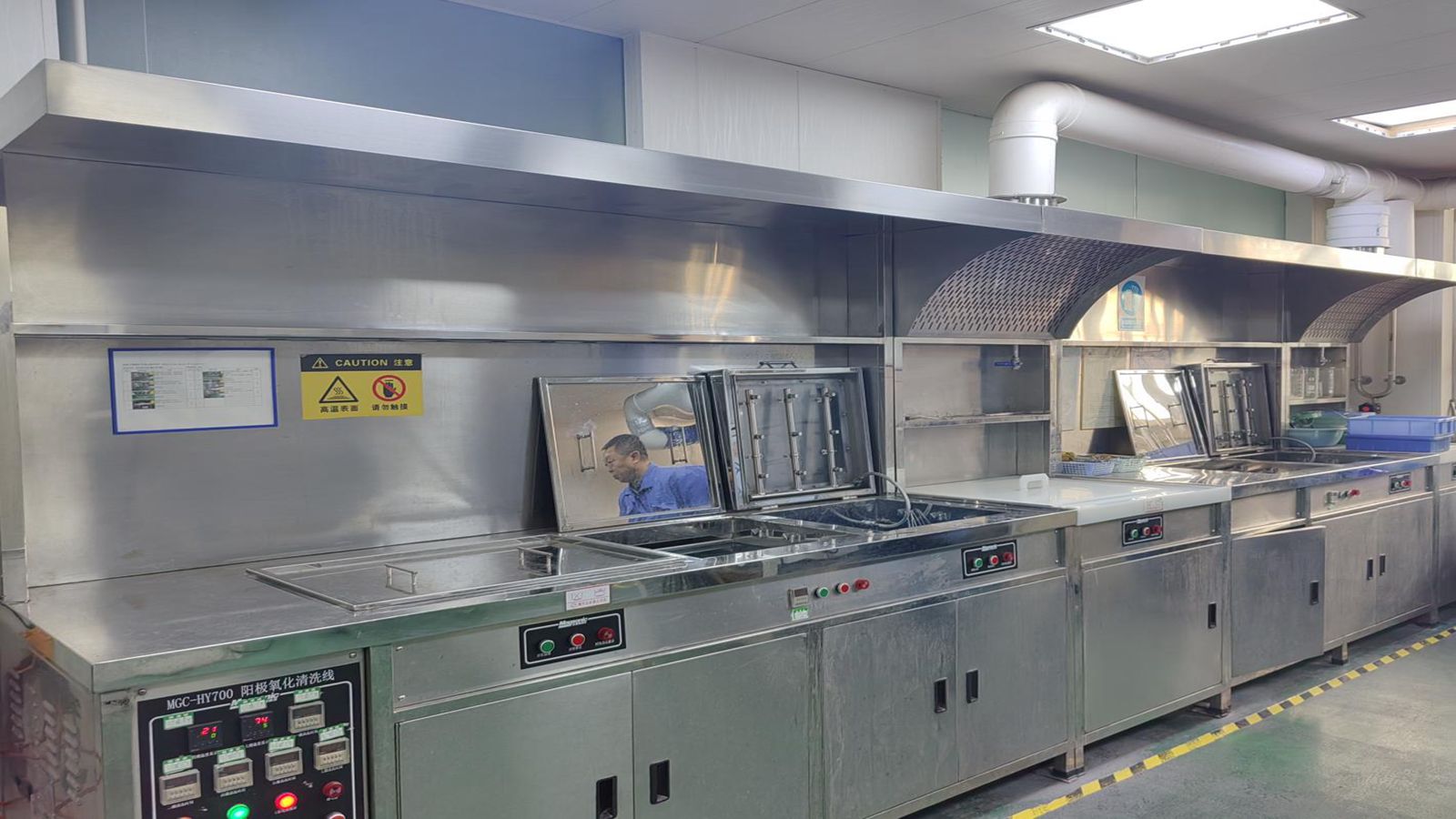
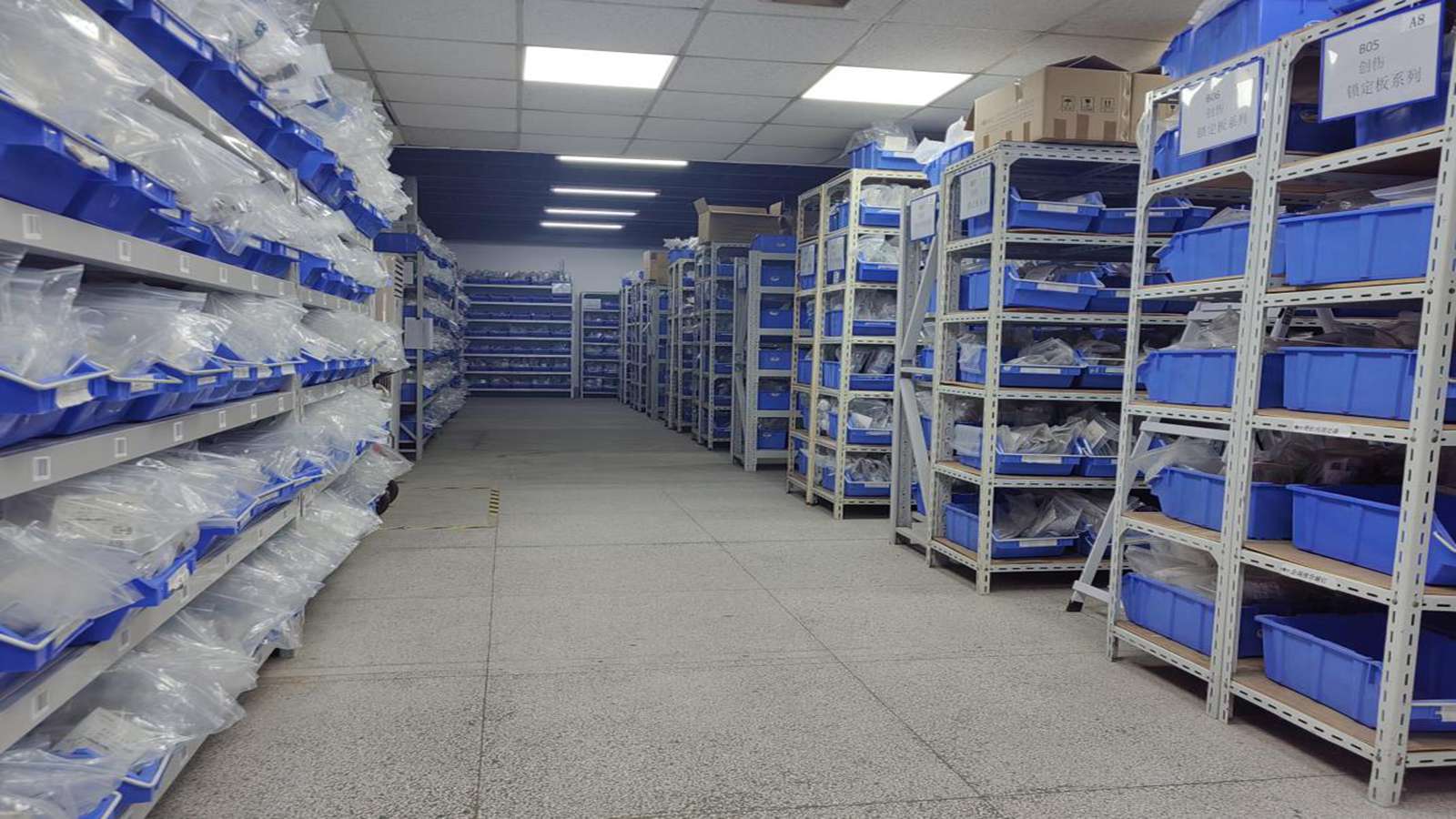
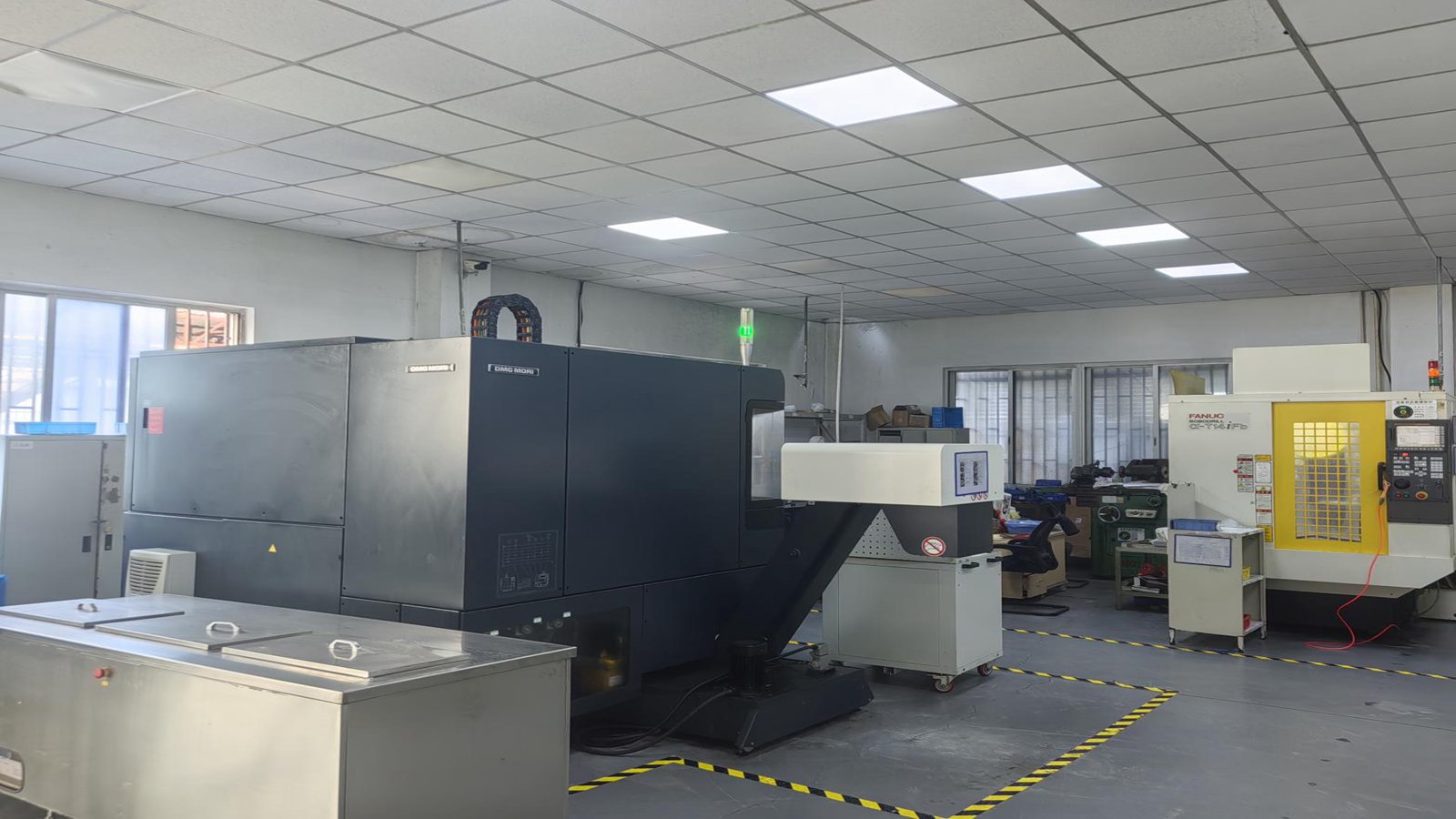
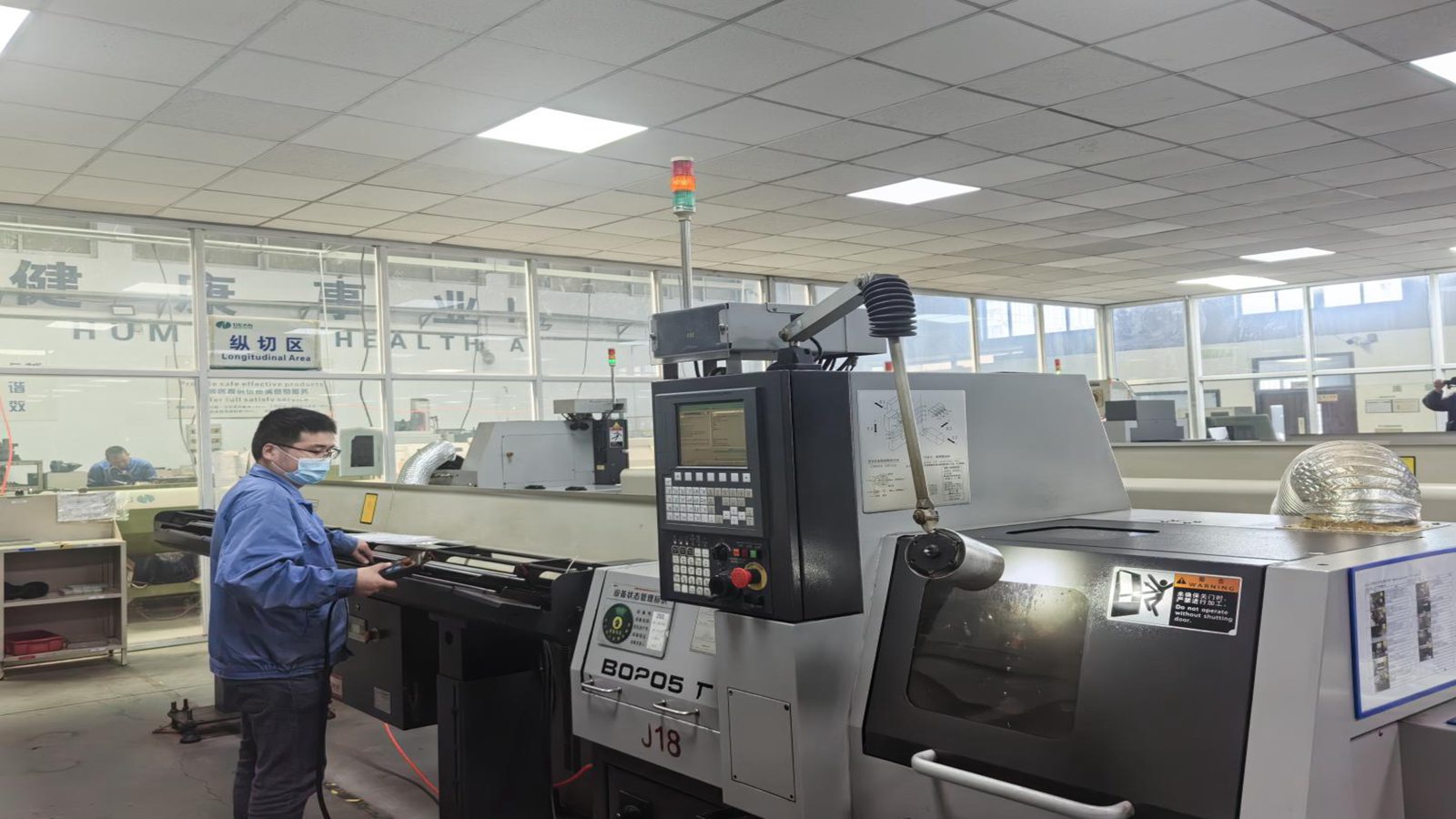
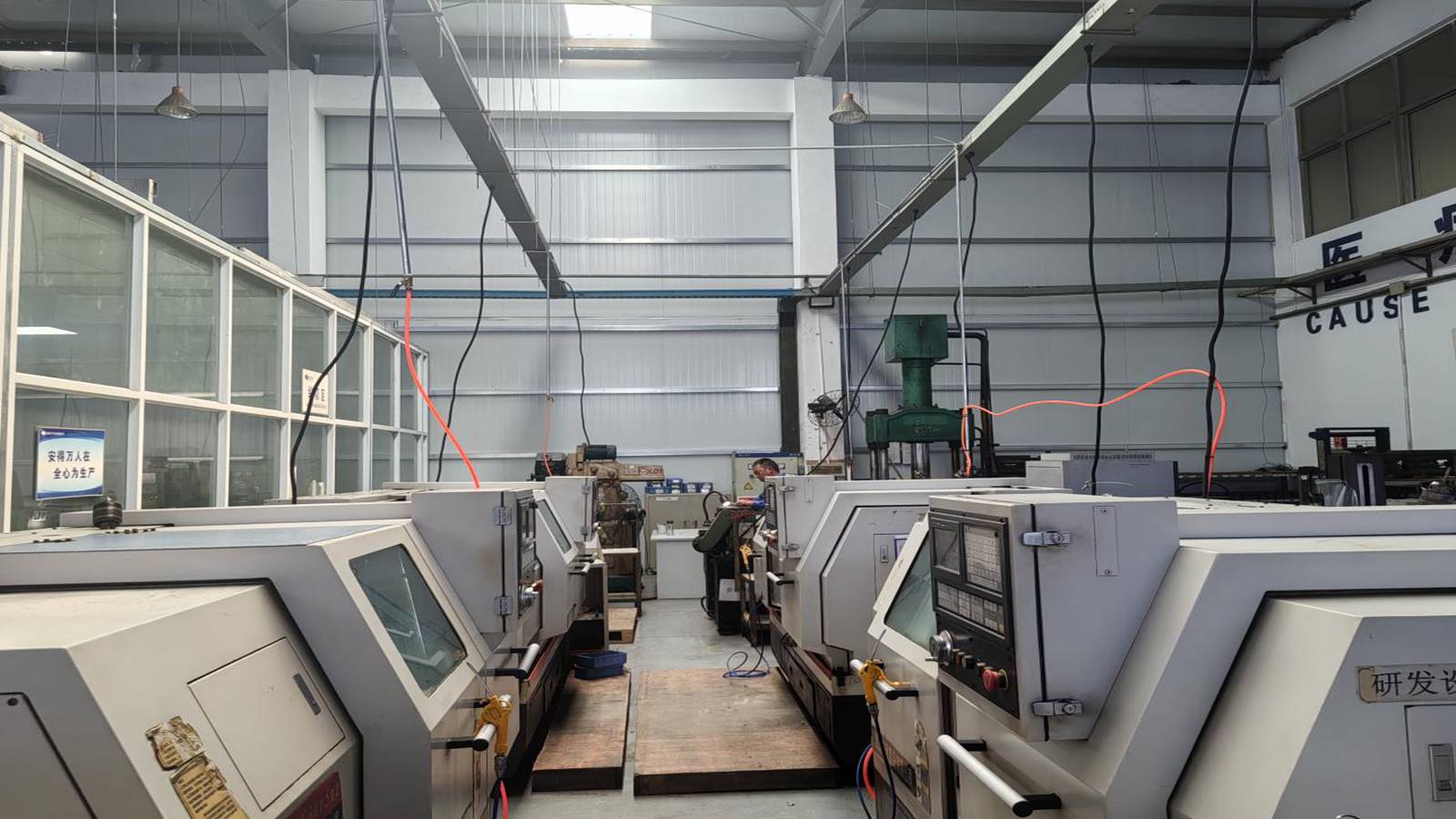
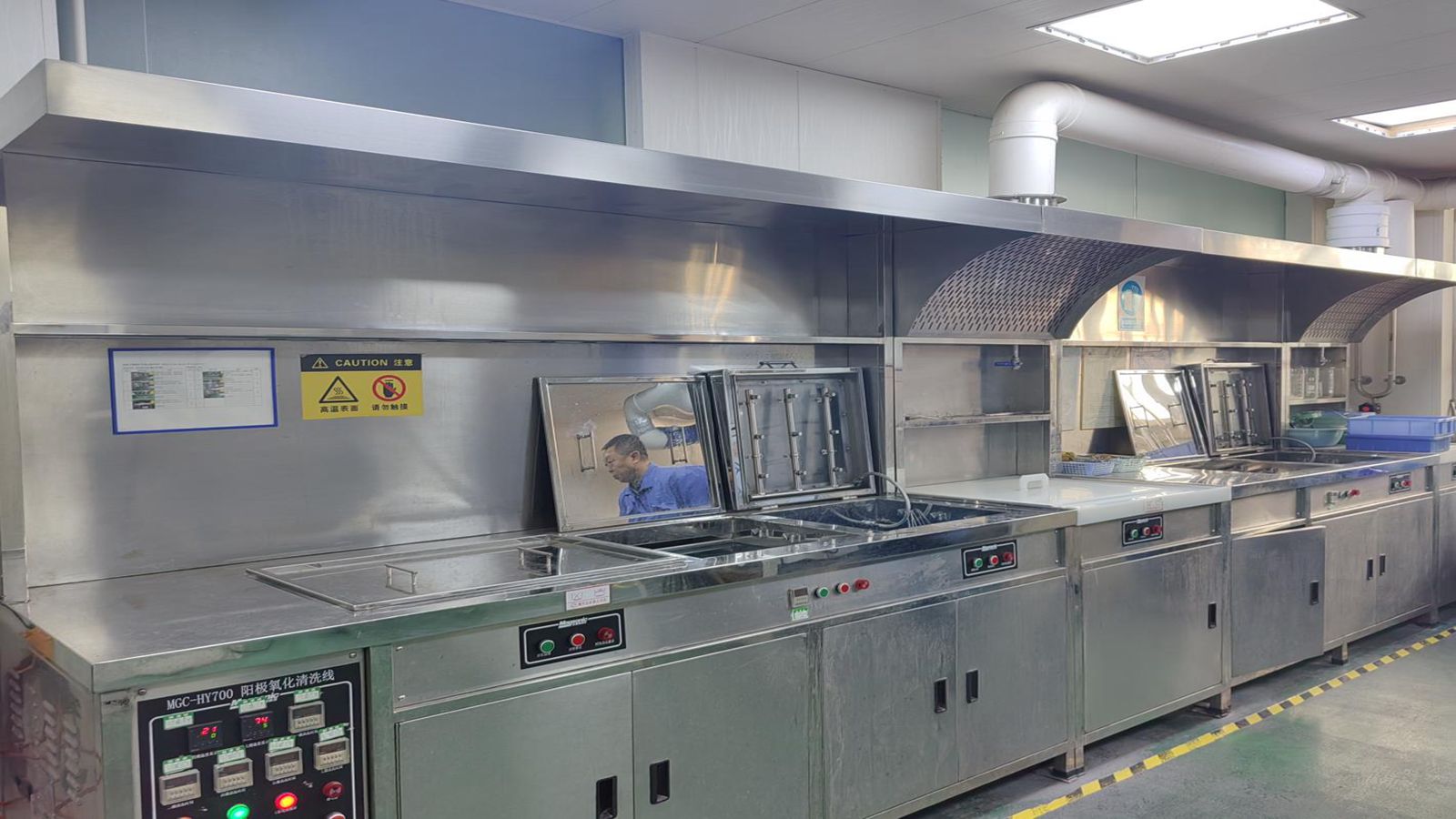
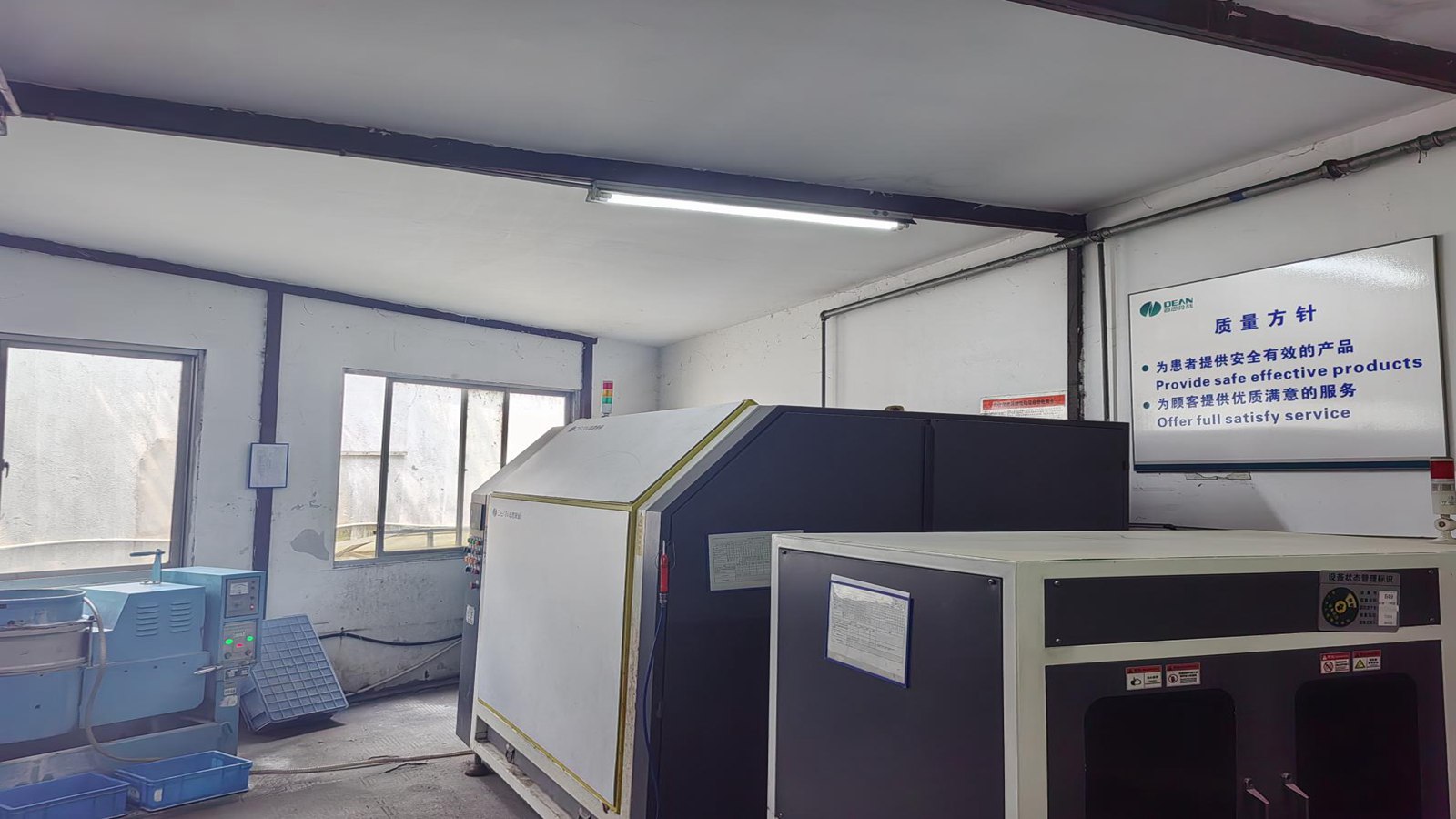
Engineered to comply with local healthcare parameters. Click on any solution below to explore technical dimensions, materials specs, and surgical instrumentation options.
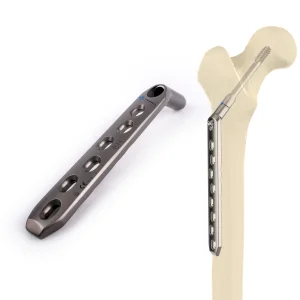
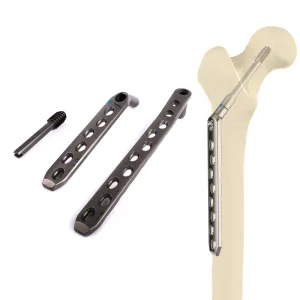
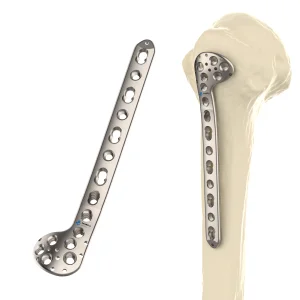
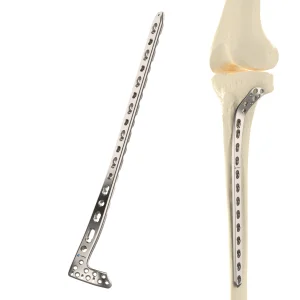
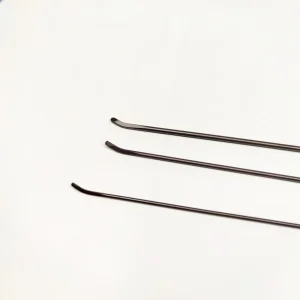
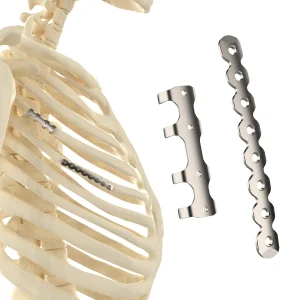
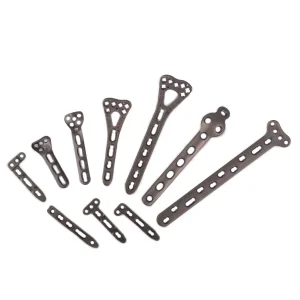
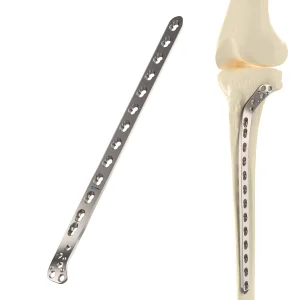
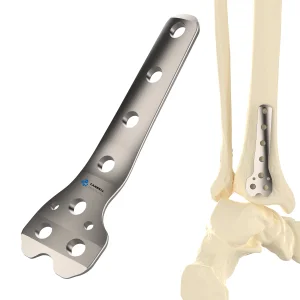
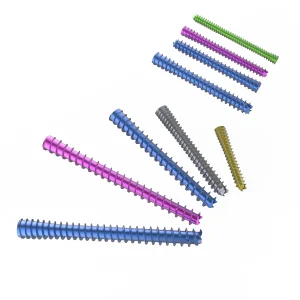
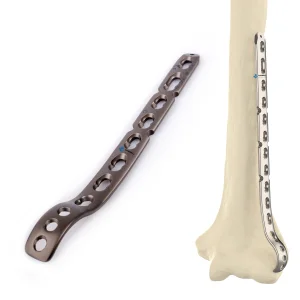
Bridging basic biomechanics and clinical optimization through material sciences and surface engineering methodologies.
We utilize ASTM F136 ELI (Extra Low Interstitial) Titanium Alloy as our primary material matrix. This delivers a high strength-to-weight ratio, excellent fatigue resistance, and superior biocompatibility compared to traditional stainless steel options, reducing post-operative complications.
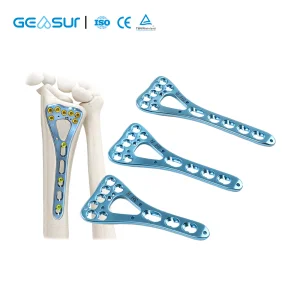
Our advanced Type II Anodic Oxidation processes create a dense, controlled titanium oxide surface layer, significantly increasing wear resistance and eliminating metal ion leaching risks. The process also allows for clear, color-coded components to streamline surgical tray setups.
Enabling up to 15 degrees of screw angulation deviations from the central axis. This allows surgeons to direct screws away from joint surfaces, avoid existing implants, and precisely target specific bone fragments in highly comminuted fractures.
How Medispirex resolves procurement pain points for hospital groups and distributors in Washington State.
In orthopedic trauma, access to specialized implants cannot wait. Our robust network of 860 upstream and downstream supply partners guarantees stable production throughput. We maintain stock reserves of core trauma sizes to ensure rapid transit times to major logistics hubs in Seattle and the broader Pacific Northwest.
Medispirex mitigates regulatory risks through strict adherence to ISO 13485 quality management guidelines and international CE certification standards. Every batch is systematically documented, undergoing rigorous three-dimensional dimensional verifications and mechanical fatigue testing under dynamic load scenarios prior to release.
Many standard surgical trays contain excessive, redundant instruments. We offer custom instrument configurations, refining kit layouts to match the exact preferences of surgical groups. This reduces sterilization costs and streamlines setup workflows in local operating rooms.
Detailed technical and operational insights regarding our orthopedic trauma implants and logistics capabilities.