Medispirex Medispirex

Orthopedic Trauma Implant Factories & Suppliers in Kazakhstan

Premium Clinical Osteosynthesis Systems and Strategic Localization Solutions for Central Asian Traumatology & Orthopedics

Industry Whitepaper

The Kazakhstan Orthopedic Trauma Market: Regulatory, Economic, and Clinical Realities

Kazakhstan's healthcare system is transitioning through a critical modernization phase. Driven by the state-backed National Health Development Plan and the integration of medical device regulations within the Eurasian Economic Union (EAEU) framework, local health authorities and hospital procurement directors are shifting their focus from basic cost-centric purchasing to value-based, high-performance orthopedic systems.

1. Trauma Infrastructure & Local Clinical Challenges in Kazakhstan

Due to the country's vast geography, rapid urbanization in major metropolises (Almaty, Astana, Shymkent), and intensive heavy industry operations in the Karaganda and East Kazakhstan regions, the incidence rate of orthopedic trauma remains high. High-impact road traffic accidents (RTAs) and industrial injuries account for a substantial percentage of emergency admissions.

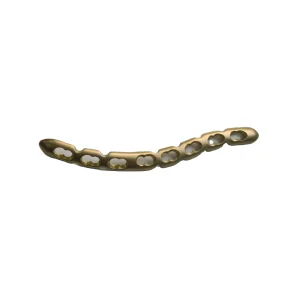
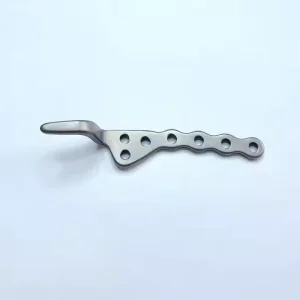
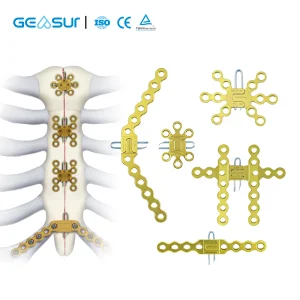
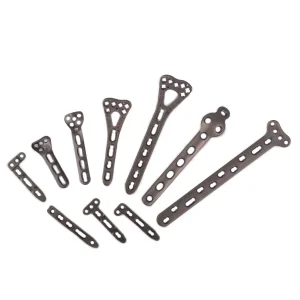
Historically, Kazakhstan has relied heavily on imported orthopedic trauma implants from Western Europe and the United States. However, the associated high costs and volatile supply chain conditions have created structural gaps in regional hospitals. The demand for medically equivalent, cost-optimized, and CE-certified titanium locking plate systems has grown exponentially. Suppliers who can offer comprehensive surgical instrument sets, localized technical training, and reliable shipping terms are gaining major market share.

2. Regulatory Conformity: Entering the Kazakhstani Medical Registry

Procurement of medical hardware in Kazakhstan is strictly monitored by the National Center for Expertise of Medicines and Medical Devices (NDDA) under the Ministry of Healthcare of the Republic of Kazakhstan. Manufacturers must undergo a comprehensive registration process, requiring raw material analysis certificates (typically medical-grade Titanium Alloy Ti-6Al-4V ELI conforming to ASTM F136), mechanical fatigue testing data, and ISO 13485 quality system conformity certifications.

Our compliance team ensures that all trauma implants and accompanying surgical tools conform fully to these documentation thresholds. By integrating ISO-standard chemical validation and biomechanical durability data directly into our export document packages, we streamline the import customs clearance and hospital registration processes for our Kazakhstani distribution partners.

ProTip for Kazakhstani Distributors:

Ensure that all imported orthopedic implants carry visible laser-etched batch codes and material certification stamps. The NDDA requires complete trace-to-source documentation from the raw titanium ingot down to the final sterile or non-sterile clinical package.

3. Global Tech Trends: The Evolution of Traumatology Implants

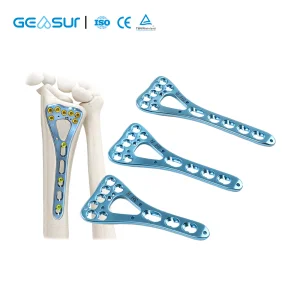
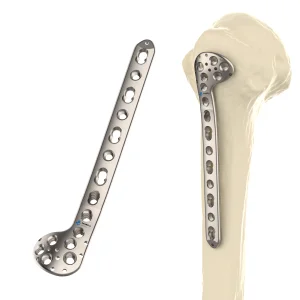
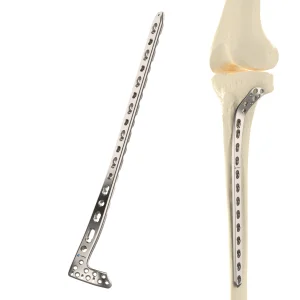
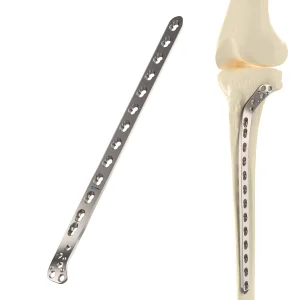
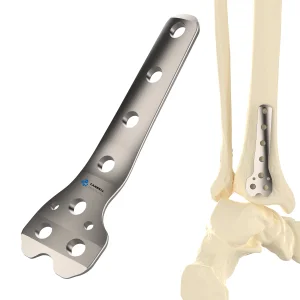
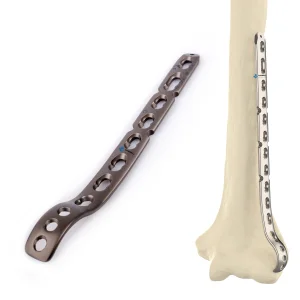
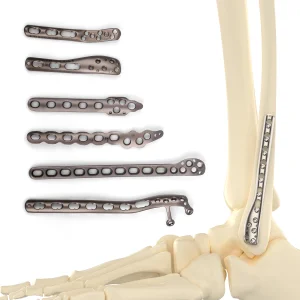
Modern traumatology is moving rapidly toward anatomical pre-contouring and biological fixation (minimally invasive plate osteosynthesis - MIPO). Rather than manually bending bone plates intraoperatively—which can weaken the metal structure and increase surgical time—surgeons favor anatomy-specific plates.

Additionally, the incorporation of Variable-Angle (VA) locking technology has revolutionized the treatment of periarticular and osteoporotic fractures. By allowing screws to be locked at up to 15 degrees of deviation from the nominal axis, surgeons can target specific bone fragments and avoid existing hardware or articular surfaces, optimizing patient rehabilitation speed.
Medispirex at a Glance
18,600 m²
Modern Production Facility
$18 Million
Annual Export Revenue
12+ Years
Deep Orthopedic Industry Expertise
85 Engineers
Dedicated R&D Innovators
45 Pros
Quality Control Specialists
Manufacturing Intelligence

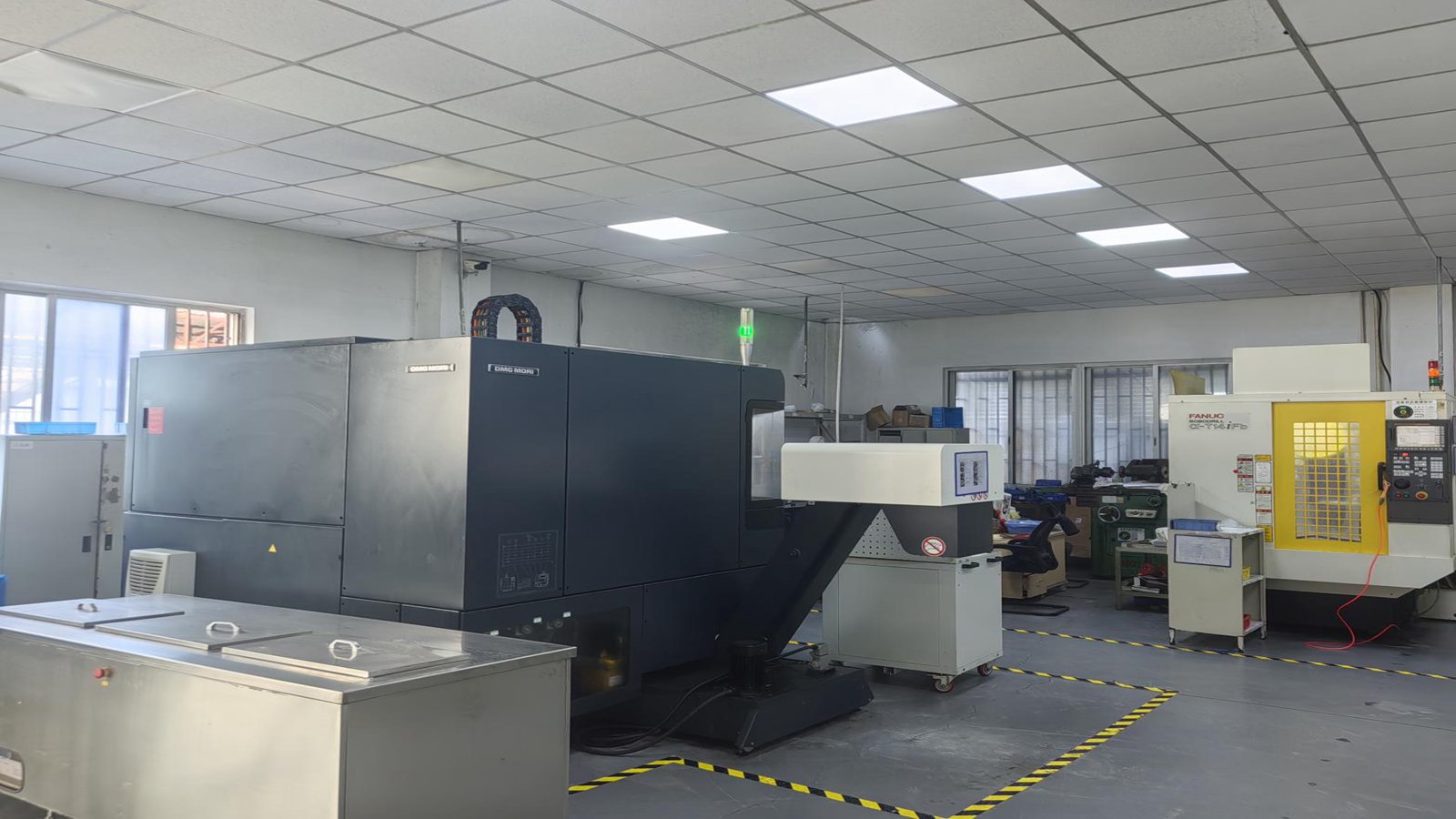
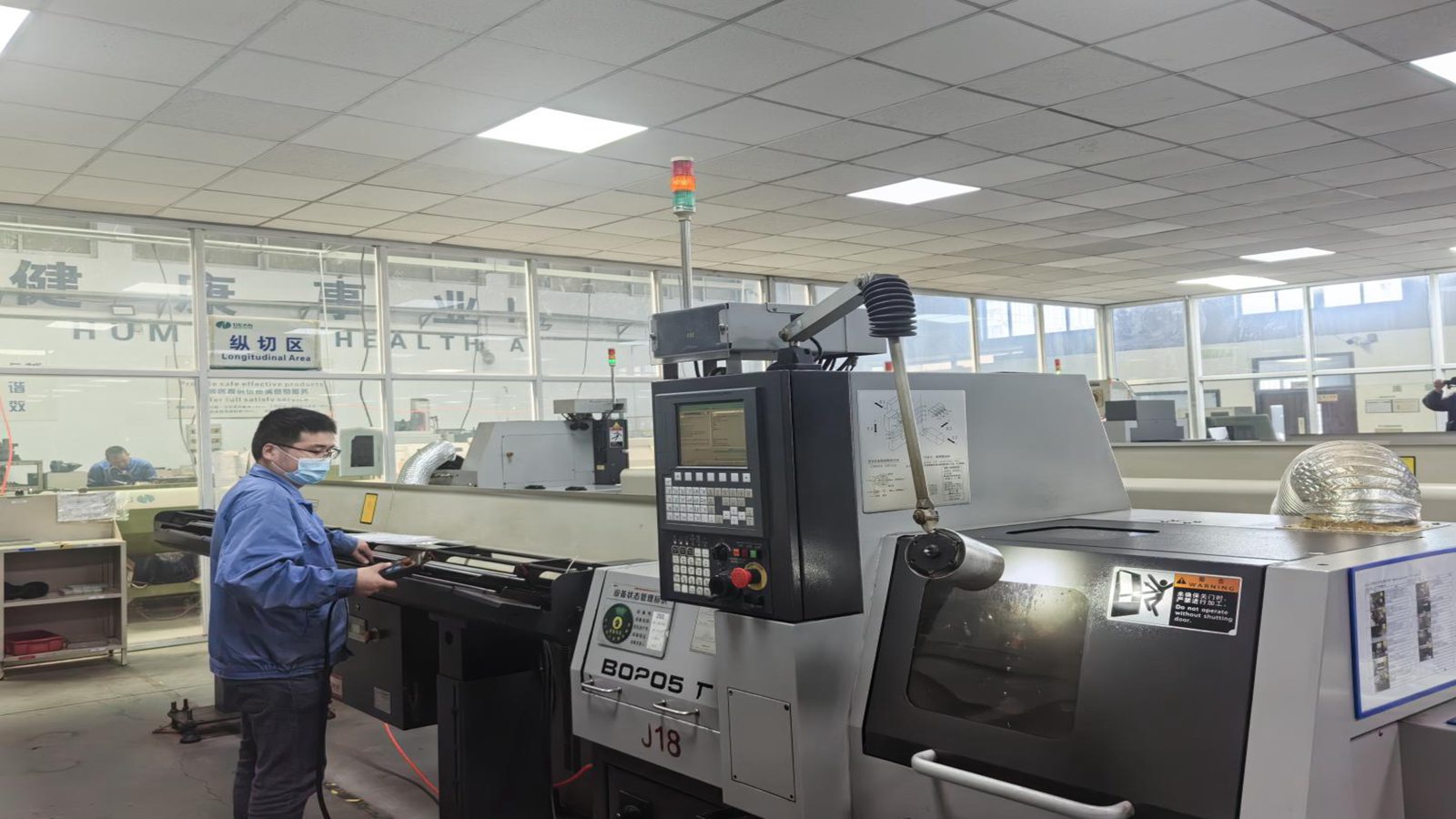
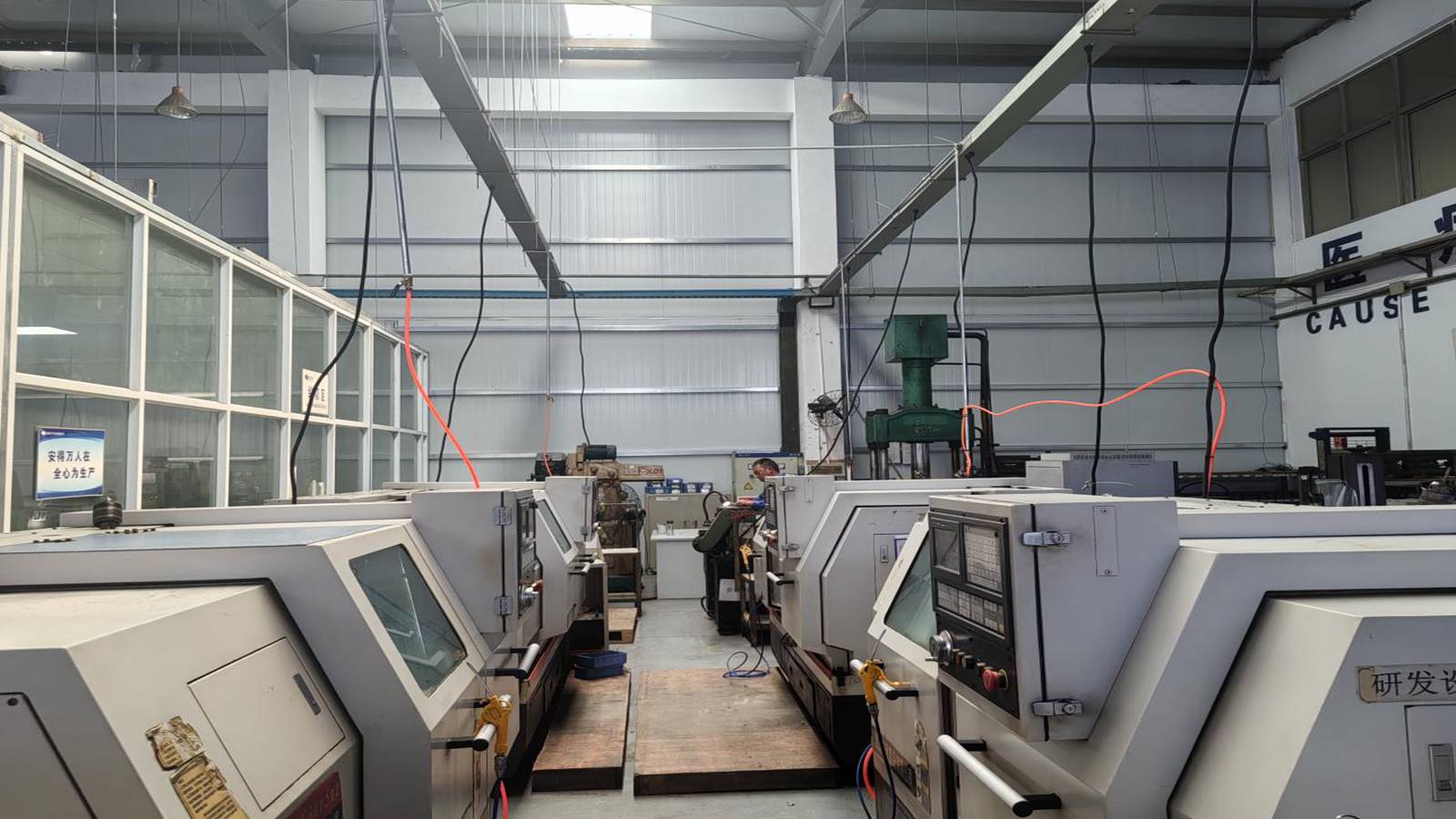
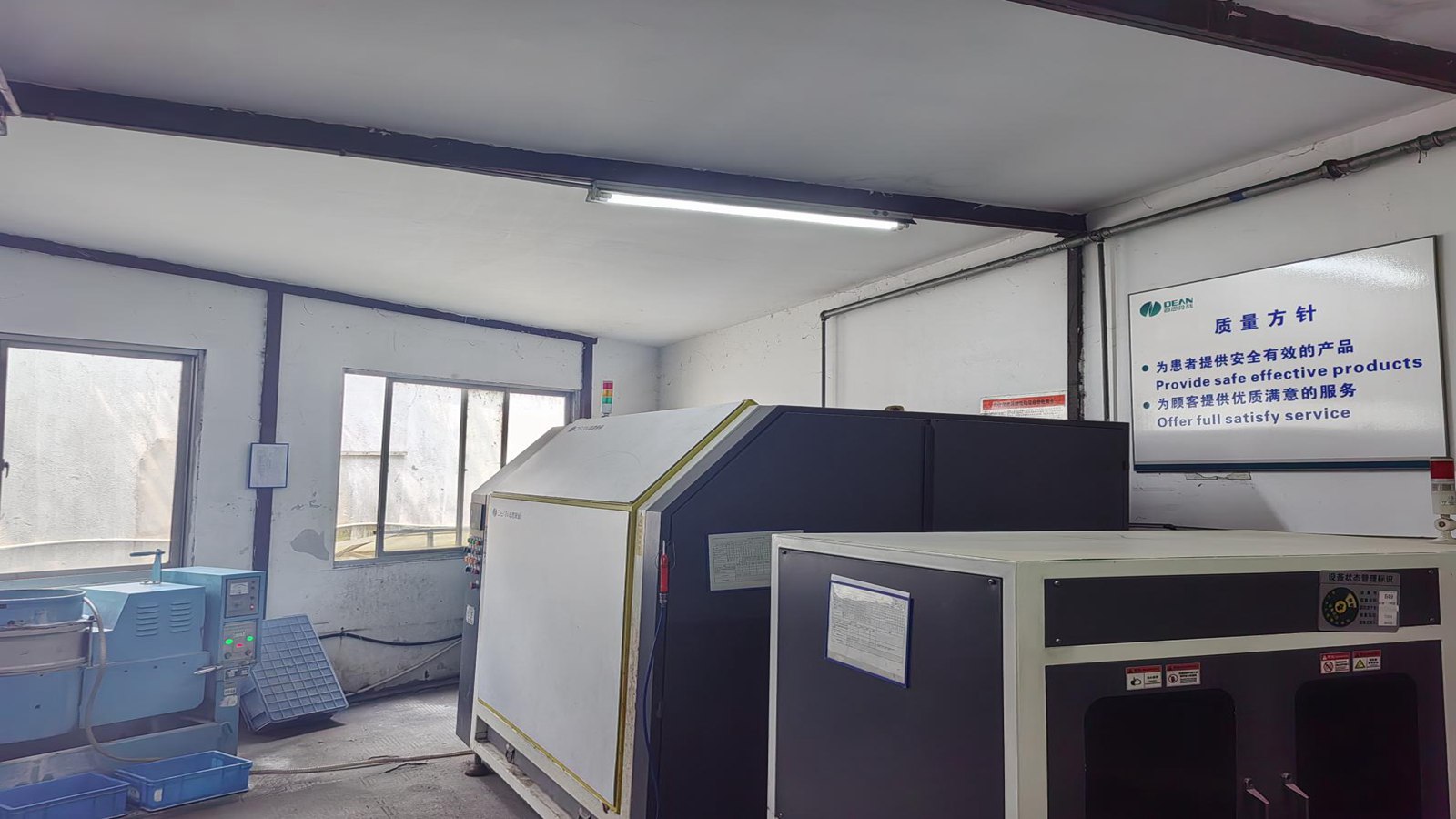
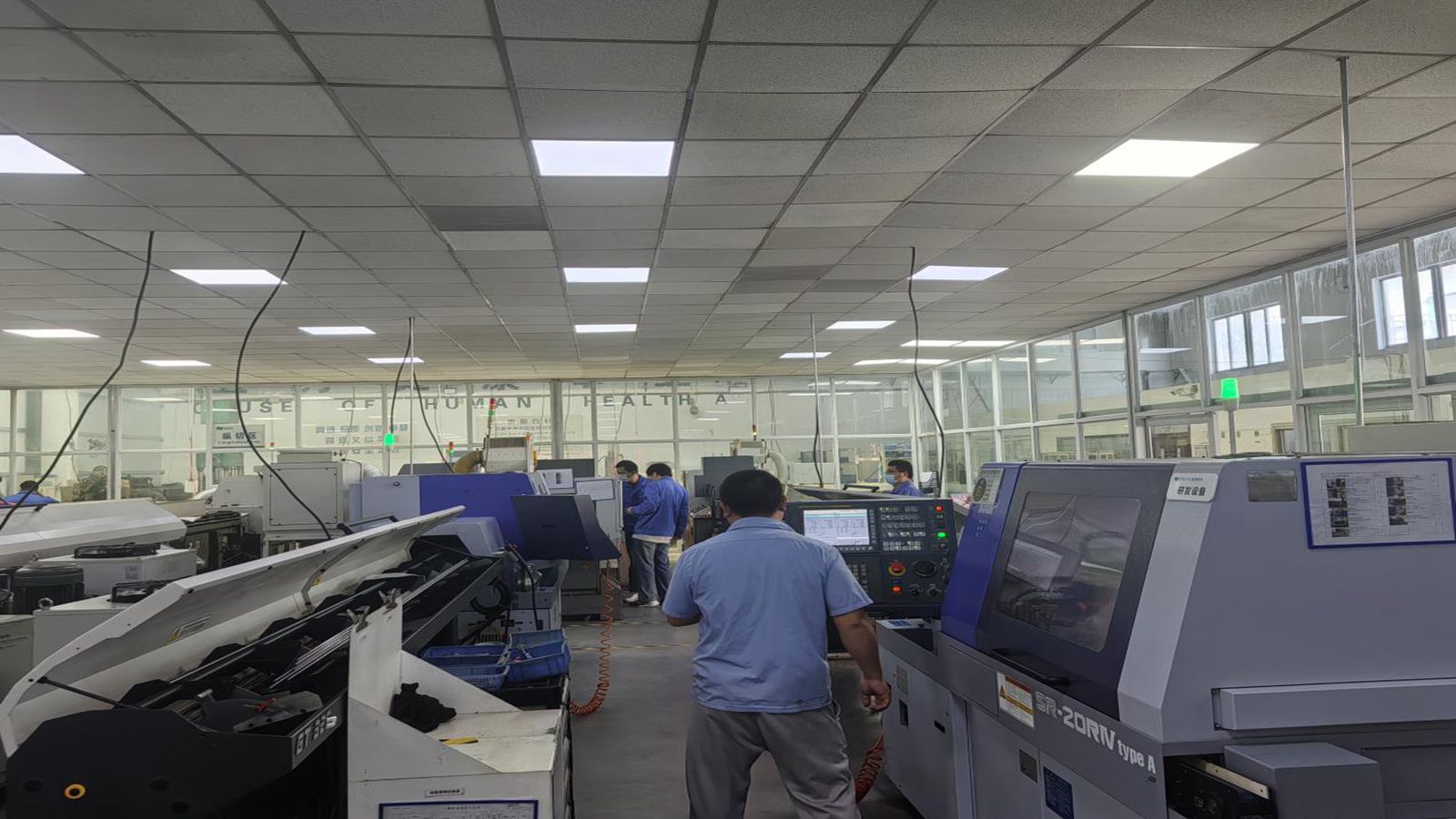
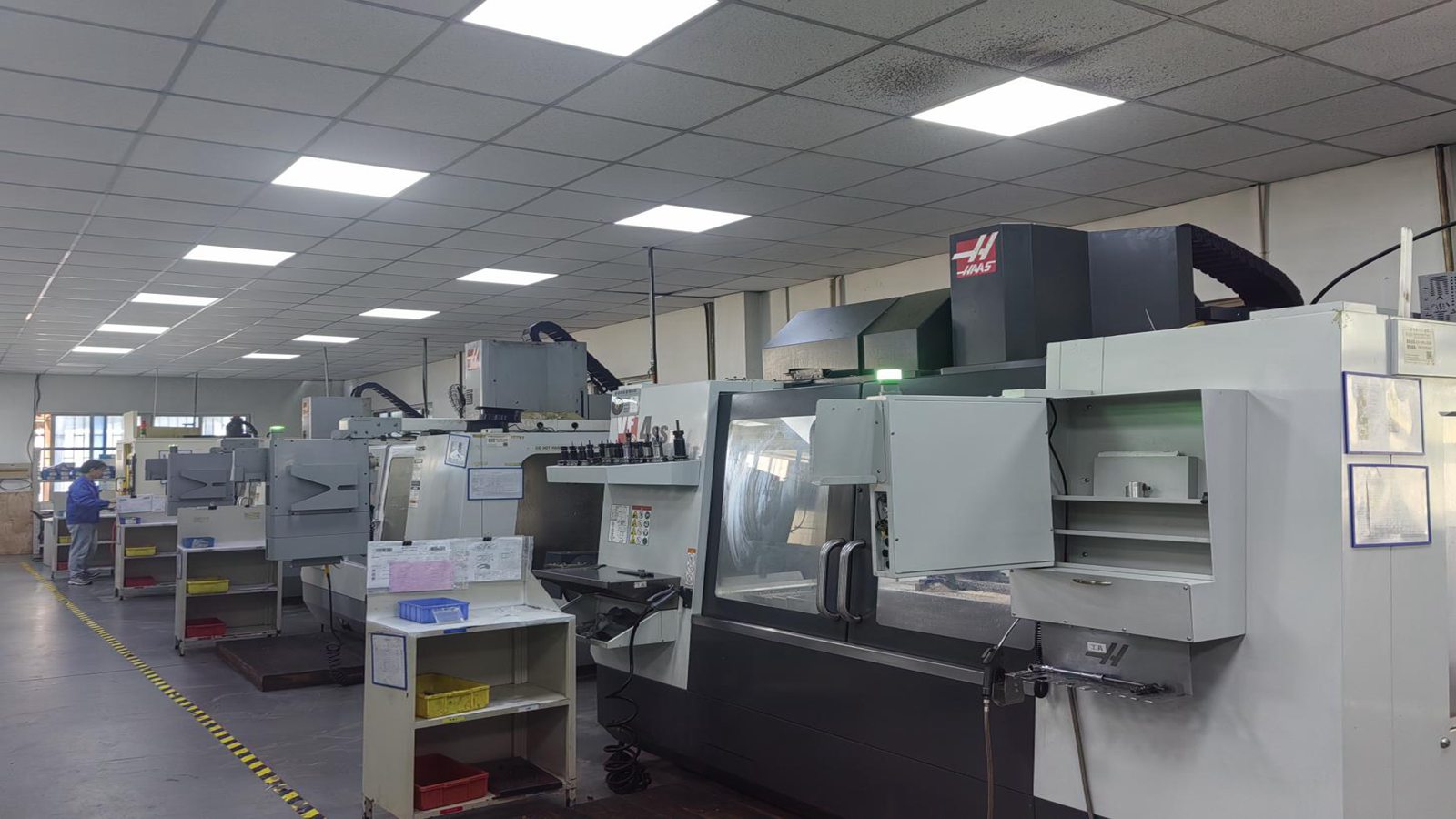
Medispirex Production Infrastructure & Quality Control

Established in 2016, Medispirex Orthopedic Technology Co., Ltd. integrates R&D, advanced manufacturing, and global distribution.

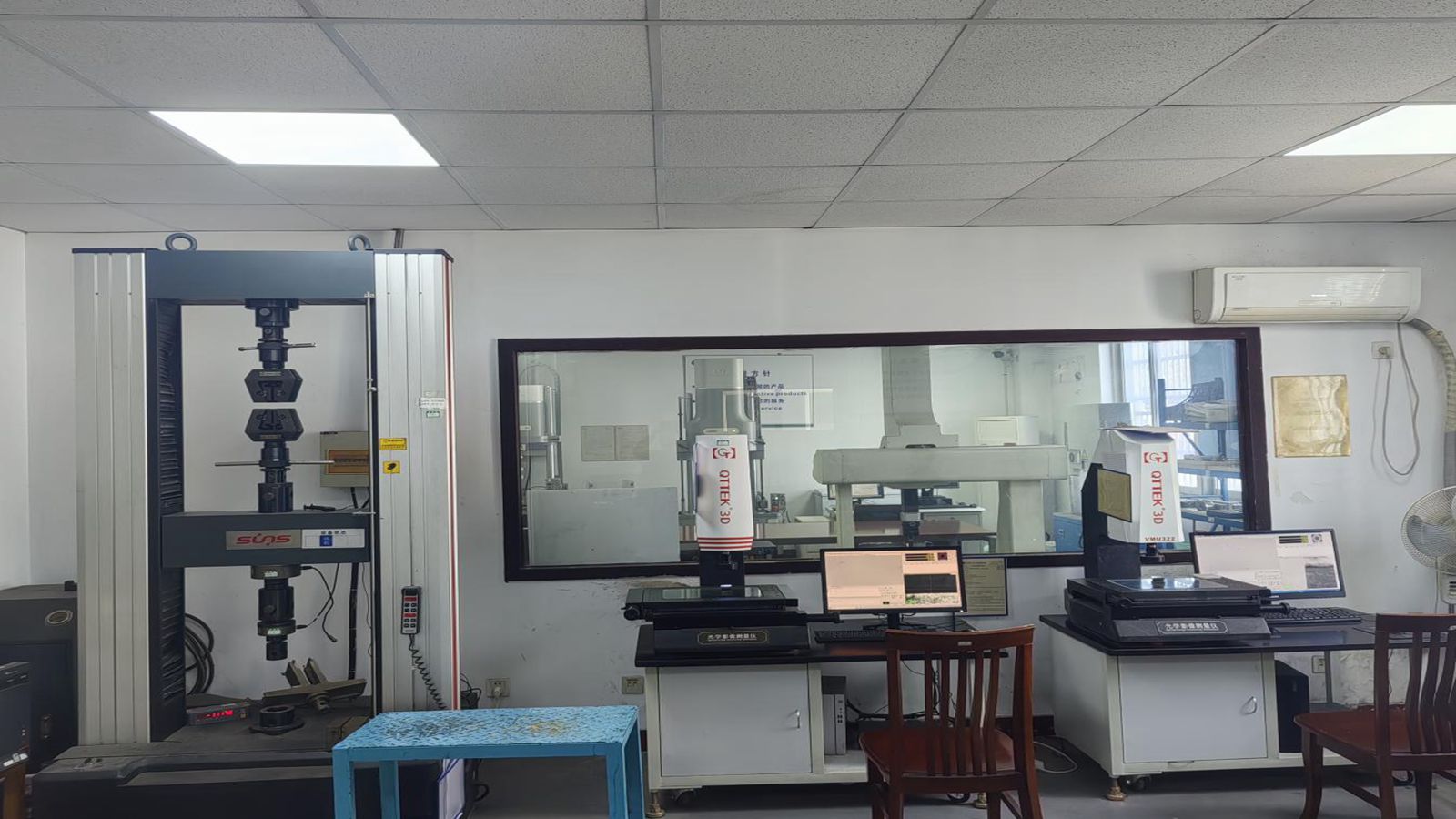
With an annual export revenue of approximately USD 18 million, Medispirex has built a stable international presence supported by 7 years of export experience and over 12 years of industry expertise. The company operates under a strict quality management system, ensuring product reliability through incoming material inspection, in-process quality control, final product testing, and batch traceability systems. Product verification methods include dimensional inspection, mechanical fatigue testing, and material composition analysis. The quality assurance team consists of around 45 dedicated QC professionals.

Medispirex maintains a strong trade-oriented manufacturing background, serving key markets including Europe, North America, the Middle East, and Southeast Asia. Its supply chain network includes approximately 860 upstream and downstream partners, enabling stable production capacity and efficient global delivery. We primarily serve hospitals, orthopedic surgeons, medical distributors, and OEM/ODM partners, offering flexible customization options such as private label manufacturing, product design adaptation, and surgical system configuration support. Driven by strong innovation capability, Medispirex has launched approximately 120 new products in the past year, supported by an R&D team of around 85 engineers specializing in biomechanics, materials science, and orthopedic device design.

CNC Cutting
CNC Cutting
CNC Machining
CNC Machining
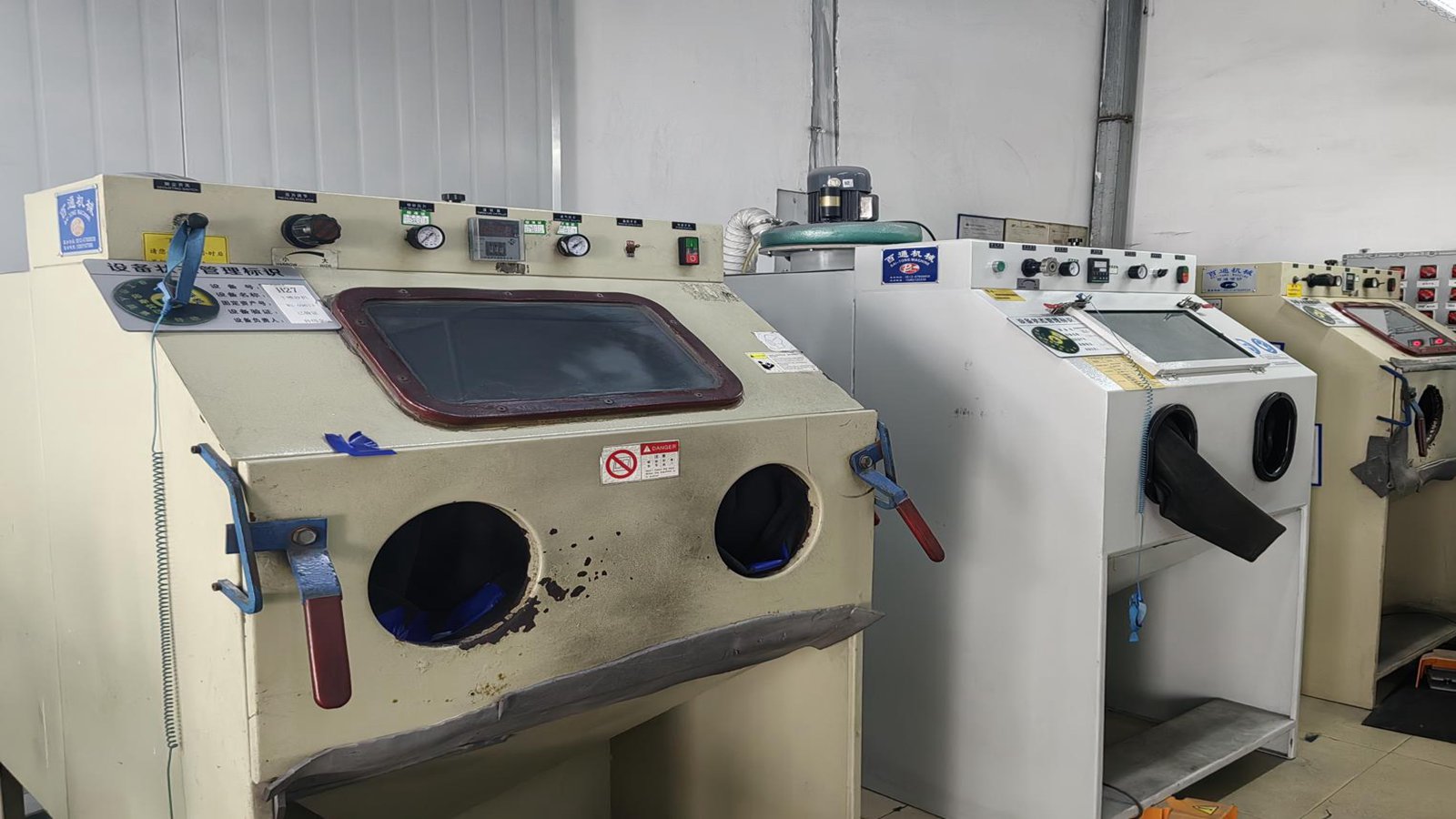
Sand Blasting and Grinding
Polishing
Polishing
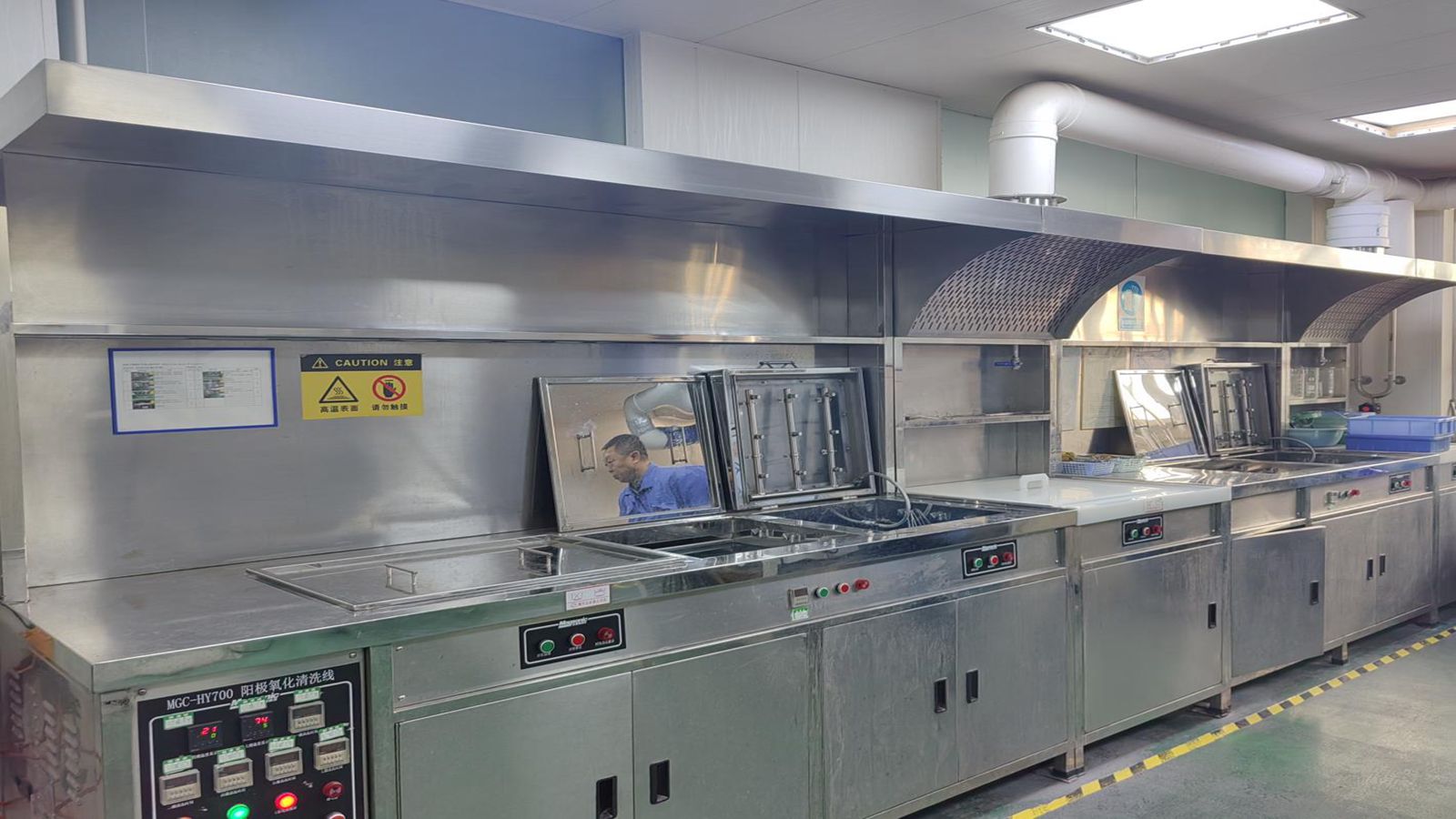
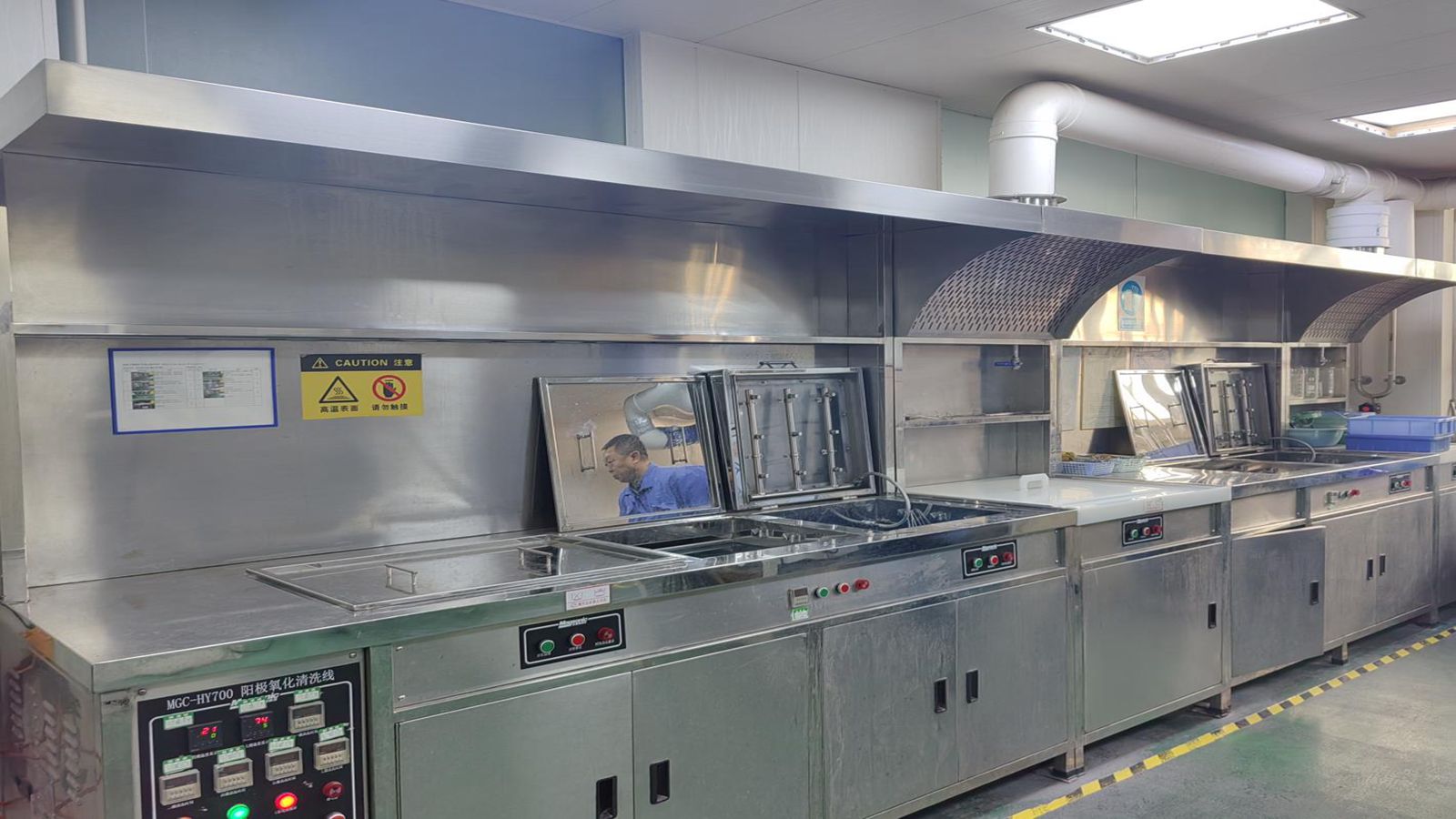
Anode Oxidation Cleaning
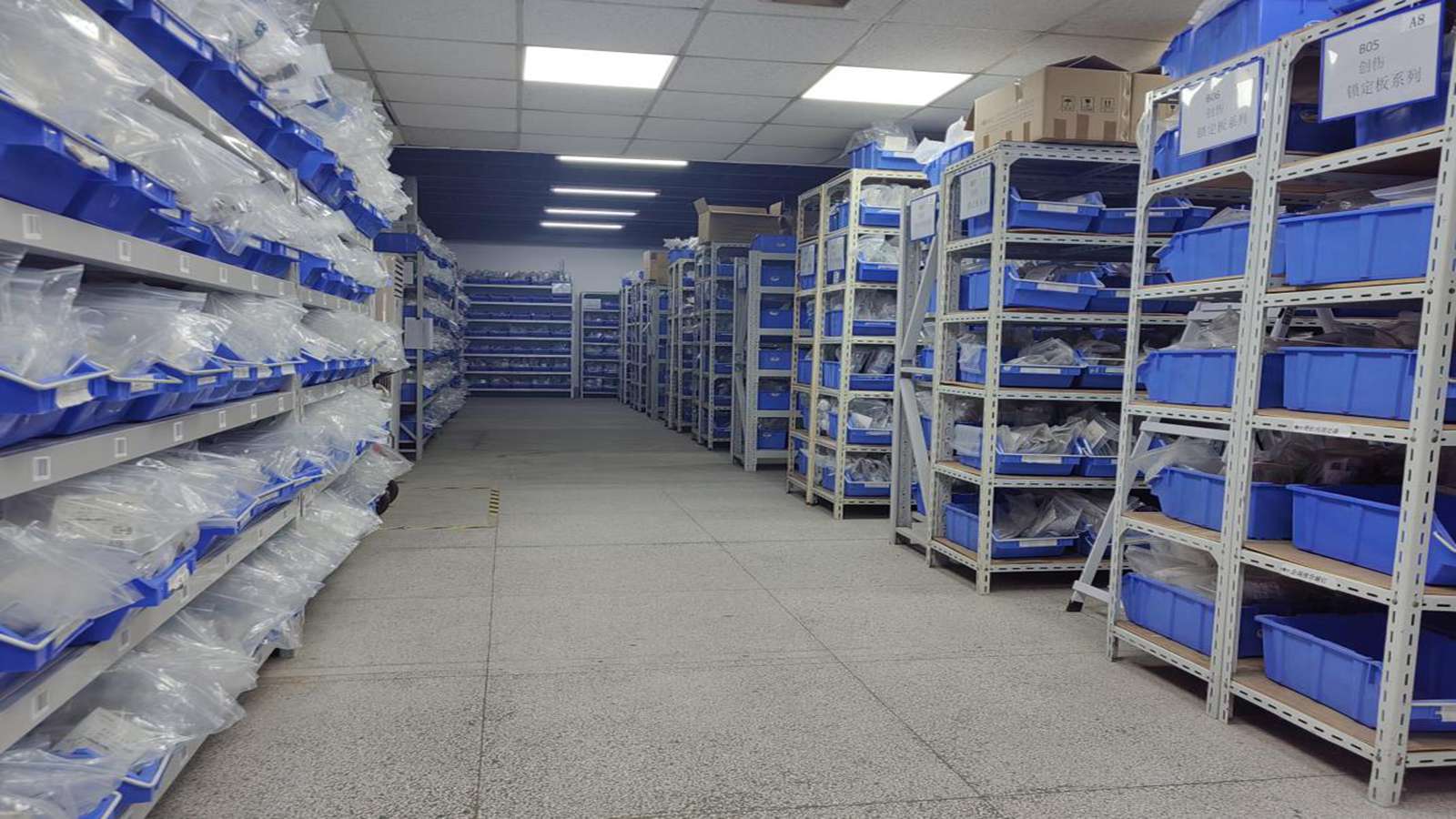
Warehouse
Warehouse
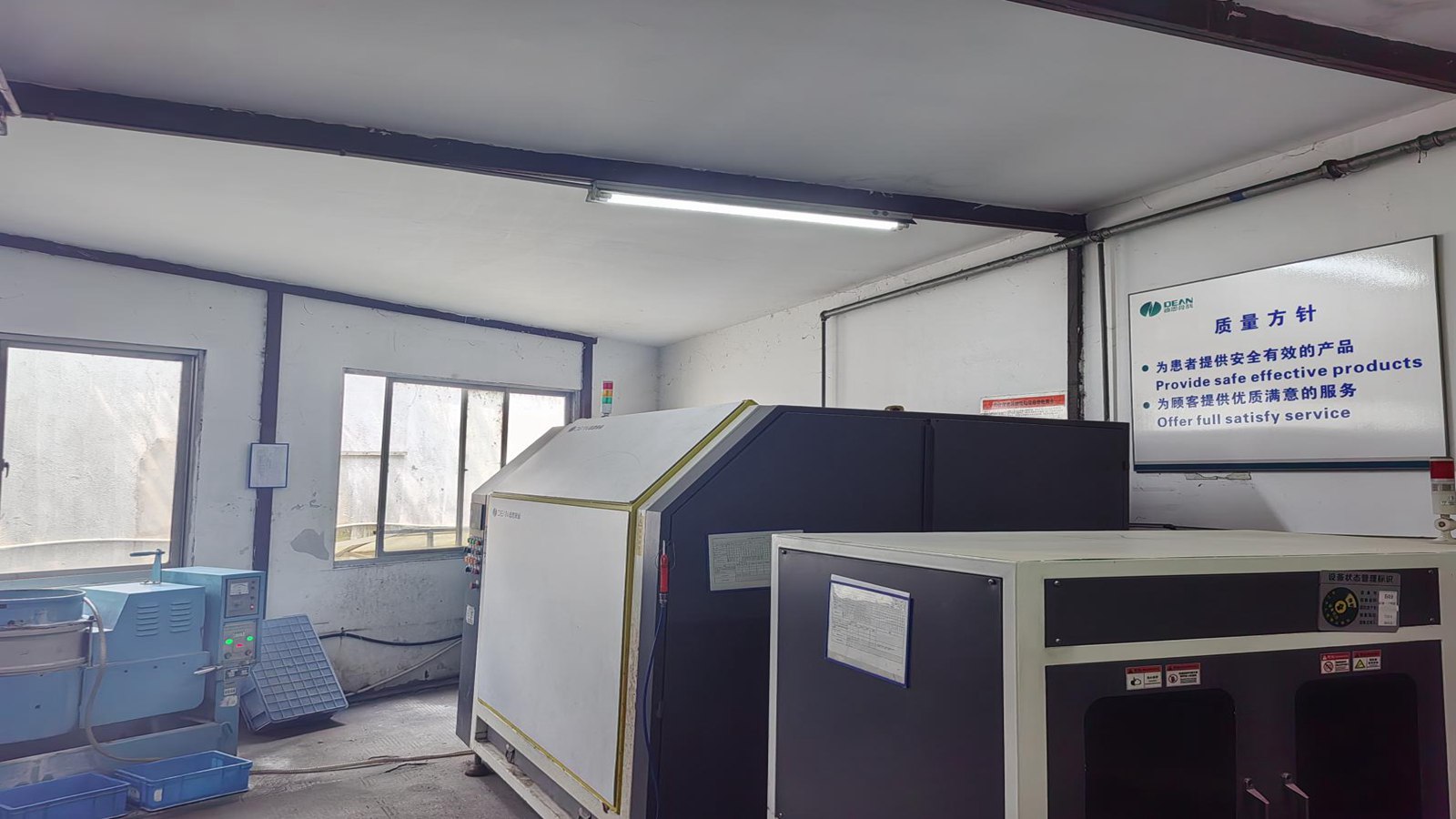
CNC Machining Center
CNC Cutting Machine
CNC Cutting Machine
CNC Lathe
CNC Lathe
Anode Oxidation Cleaning Line
Sand Blasting and Grinding Room
Sand Blasting & Grinding Room
Laboratory
R&D Laboratory & Testing
Future Horizons

Orthopedic Trauma Implant Technical Roadmap

Driving the boundaries of implant materials, surface coatings, and mechanical performance.

Advanced Surface Engineering

Transitioning from standard smooth titanium to micro-rough surfaces through advanced acid-etching and type II/III anodic oxidation. This process minimizes bacterial adhesion, promotes faster osseointegration, and provides distinct color-coding for surgical identification.

Biomechanical Compliance

Optimizing plate designs to reduce the "stress shielding" effect. By mimicking the elastic modulus of natural human cortical bone, our latest titanium plates limit bone resorption around screw holes, decreasing the rate of refracture after implant retrieval.

Smart Surgical Ergonomics

Redesigning instrumentation kits to optimize operative flow. Developing self-retaining screwdrivers, torque-limiting couplers, and multi-functional drill guides that help reduce operative duration in trauma centers across Kazakhstan.

Clinical Reference Library

Comprehensive Trauma Osteosynthesis Catalog

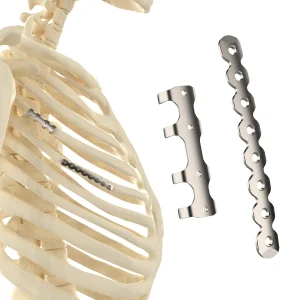
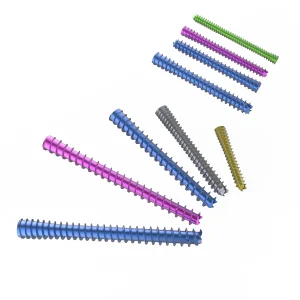
CE and ISO certified anatomical plates, intramedullary nails, and cannulated compression screws.

Information Center

Frequently Asked Questions

Critical insights regarding regulatory compliance, logistics, and localized customization for Kazakhstan.

How does Medispirex support EAEU registration for orthopedic implants in Kazakhstan?
We provide a complete documentation dossier required by the National Center for Expertise of Medicines and Medical Devices (NDDA). This includes ISO 13485 quality certificates, biocompatibility reports, structural mechanical testing datasets, and material trace reports confirming medical-grade titanium alloy formulation.
What raw materials are utilized in Medispirex trauma implants?
We manufacture our orthopedic trauma plates and locking screws using high-grade titanium alloys (primarily Ti-6Al-4V ELI) conforming to international ASTM F136 standards. This ensures high biocompatibility, corrosion resistance, and structural longevity inside the human body.
Can you provide customized OEM/ODM services for local brands in Kazakhstan?
Yes, our R&D facility, supported by 85 engineers, allows for complete OEM/ODM flexibility. We offer custom laser marking, private label packaging, and modifications to surgical kit configurations to align with the specific procedural preferences of Kazakhstani traumatologists.
What is the standard shipping lead time to Kazakhstan (Almaty/Astana)?
For standard orthopedic configurations, order fulfillment is typically completed within 15–30 days. Delivery to Kazakhstan is organized via road transport corridors or air freight (to Almaty or Astana international airports), ensuring consistent delivery and preservation of sterile medical barriers.

Accelerate Your Orthopedic Supply Chain

Partner with an established manufacturer to secure high-performance, cost-effective trauma solutions tailored for the Kazakhstan healthcare sector.

Send Inquiry Now