 Medispirex
Medispirex
Medispirex
Featured orthopedic solutions engineered for acute trauma and structural spinal procedures in major clinical networks throughout Barcelona.
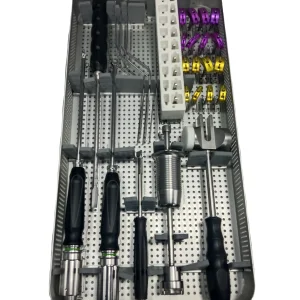
Custom spine reconstruction kits customized for Catalan neurological centers.
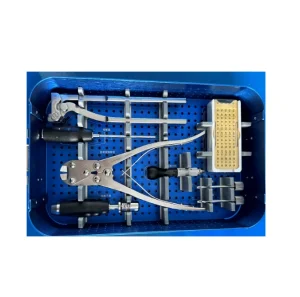
Thoracic stabilization plates designed for high-impact thoracic trauma units.
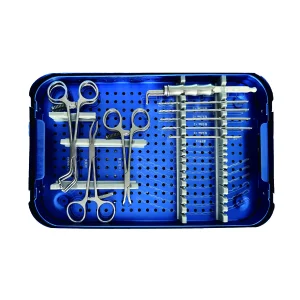
Clinical-grade instruments enabling rapid fixation during osteosynthetic surgery.
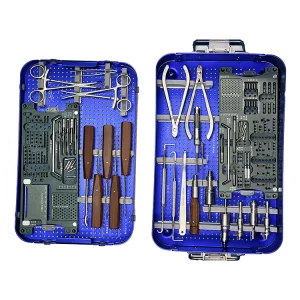
Miniature plating kits ideal for delicate hand, wrist, and craniofacial fixation.
Barcelona serves as a key biomedical node in Southern Europe. Prominent medical centers, such as Hospital Clínic de Barcelona, Hospital de la Santa Creu i Sant Pau, and specialized private facilities like Quirónsalud and Dexeus, require reliable instrument supply chains. The demand for trauma fixations, spinal implants, and reconstructive tools in Catalonia continues to grow due to demographic aging and a high volume of sports medicine surgeries.
Medispirex bridges the gap between cost-efficiency and performance, offering surgical tools that meet Catalan clinical requirements. By combining Grade 5 Titanium Alloy (Ti-6Al-4V ELI) with precise machining, we ensure our systems perform reliably in demanding operating rooms.
Founded in 2016, Medispirex Technology Co., Ltd. operates a modern 18,600㎡ production facility. We integrate R&D, manufacturing, and global distribution to provide high-quality medical devices for trauma, spine, and joint reconstruction.
With 7 years of export history and over 12 years of industry experience, we maintain a stable international presence supported by an annual export revenue of USD 18 million.
We operate under a strict quality management system, ensuring reliability through incoming material inspection, in-process quality control, final product testing, and batch traceability systems.
A look at the mechanical configurations, surface treatments, and engineering choices behind our orthopedic implants.
We use implant-grade Titanium Alloy (Ti-6Al-4V ELI) and biocompatible PEEK polymer. These materials provide high tensile strength and fatigue resistance while maintaining an elastic modulus close to natural human cortical bone, reducing stress shielding.
Our surface finishing uses Type II anodization to build a stable, biocompatible oxide layer. This increases corrosion resistance, reduces coefficient of friction, and color-codes instrument setups to improve surgeon efficiency in the OR.
Implant configurations undergo cyclic fatigue testing (ASTM F1717 / ASTM F543) up to 5 million cycles to simulate physiological loading, helping verify long-term structural integrity before clinical release.
| Material Class | Common Standard | Tensile Strength (MPa) | Biocompatibility Focus | Primary Clinical Application |
|---|---|---|---|---|
| Titanium Gr. 5 ELI | ASTM F136 / ISO 5832-3 | ≥ 860 | Excellent osseointegration, high mechanical limits | Trauma Plates, Locking Screws, Spinal Pedicle Screws |
| PEEK Optima | ASTM F2026 | 90 - 100 | Radiolucent, matches bone elasticity profiles | Spinal Interbody Fusion Cages (TLIF, PLIF, Cervical) |
| Stainless Steel | ASTM F138 / ISO 5832-1 | ≥ 490 (Annealed) | High wear resistance, cost-efficient trauma setups | Intramedullary Nails, Bone Drills, Surgical K-Wires |
Inside our integrated production facility, where raw material sourcing, CNC precision machining, and cleanroom packaging work together under one roof.
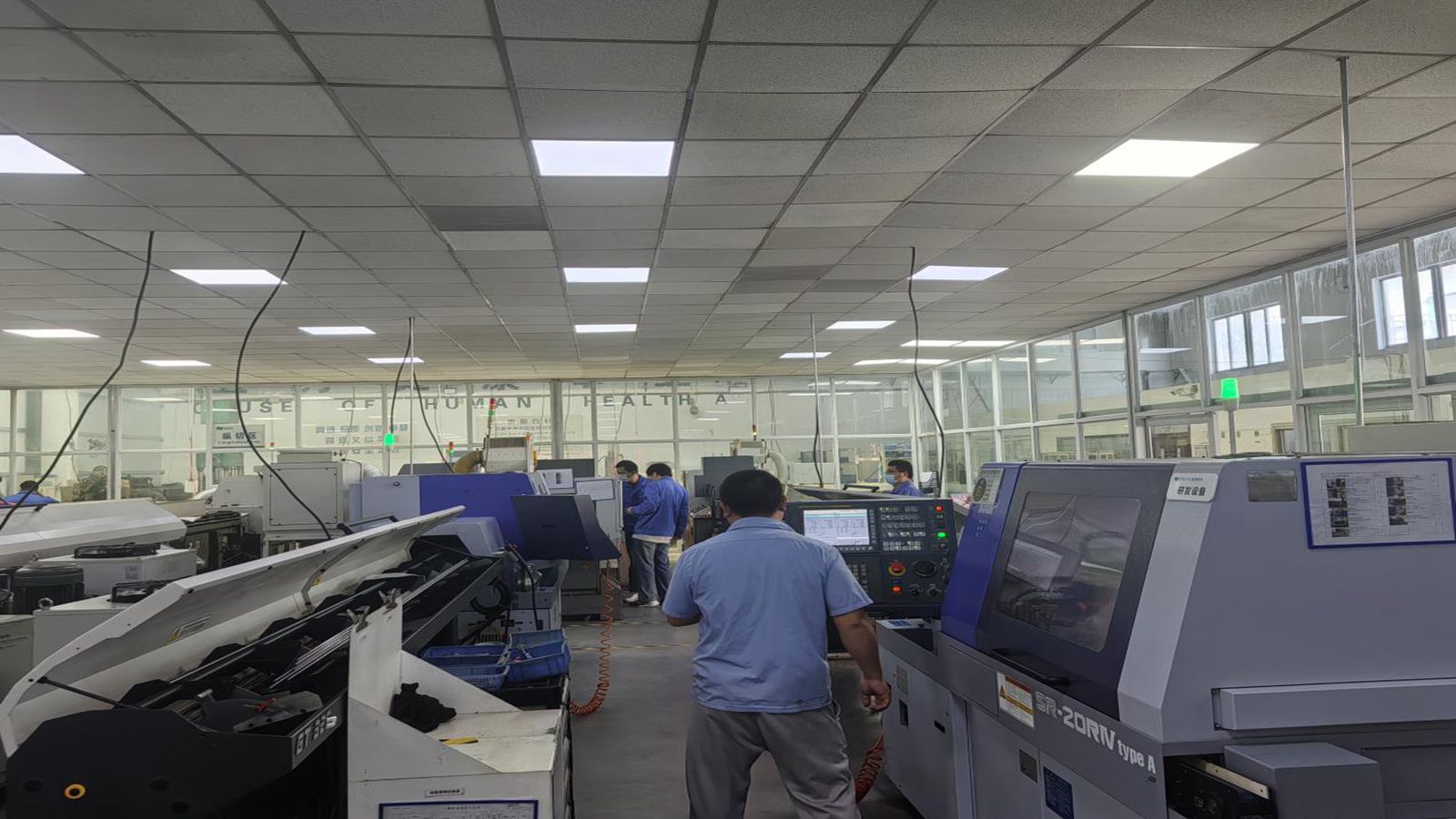
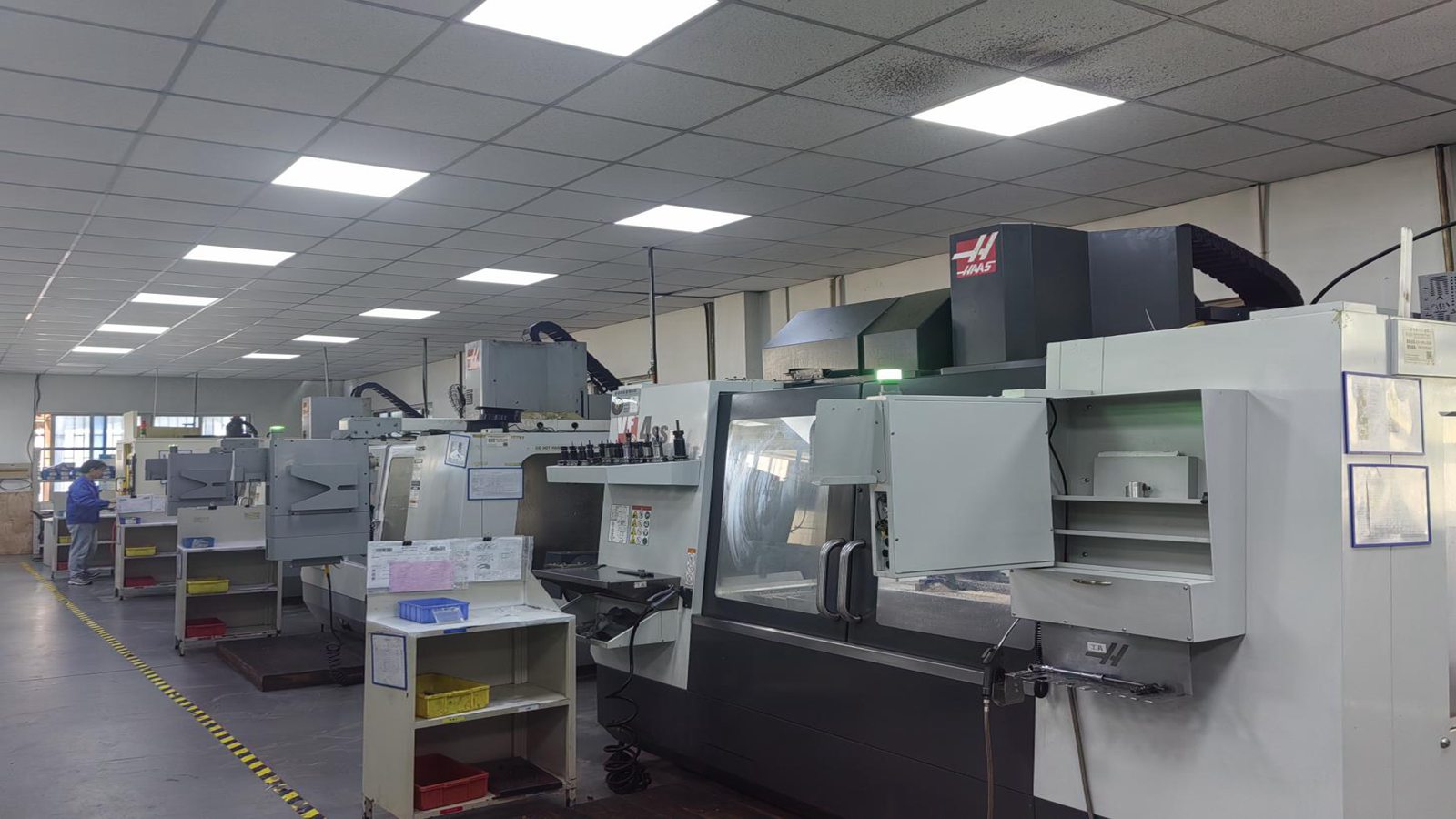
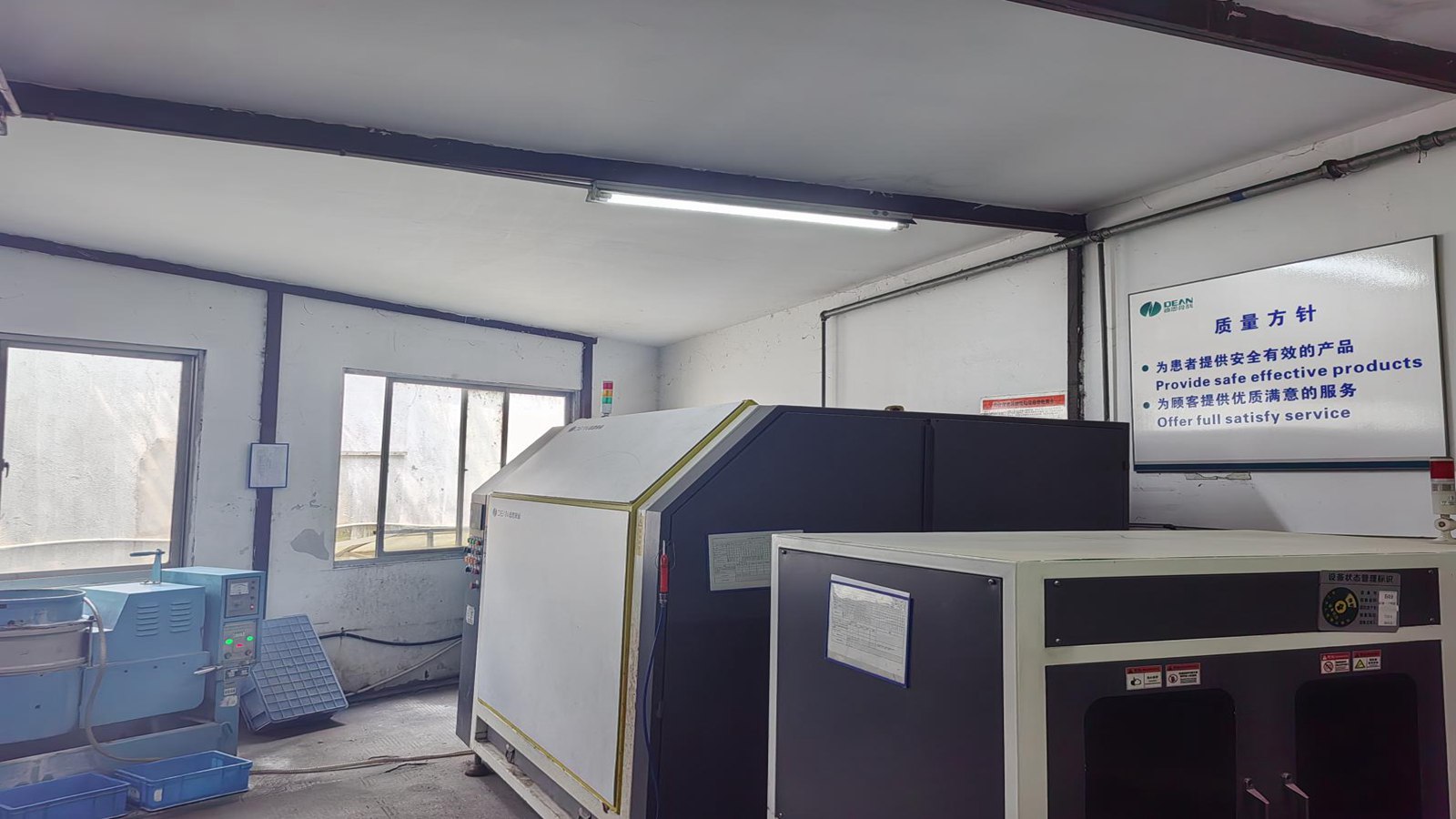
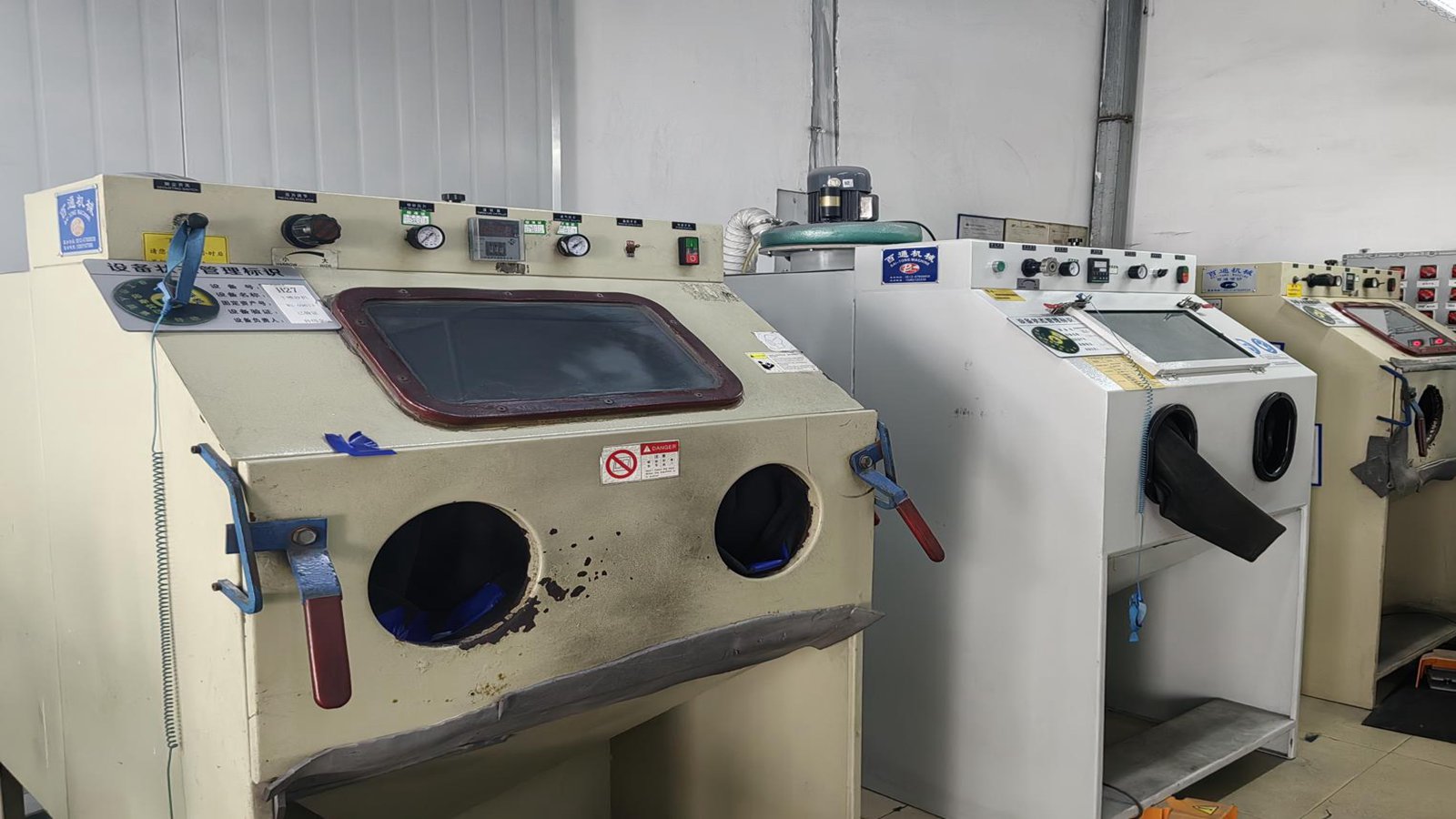
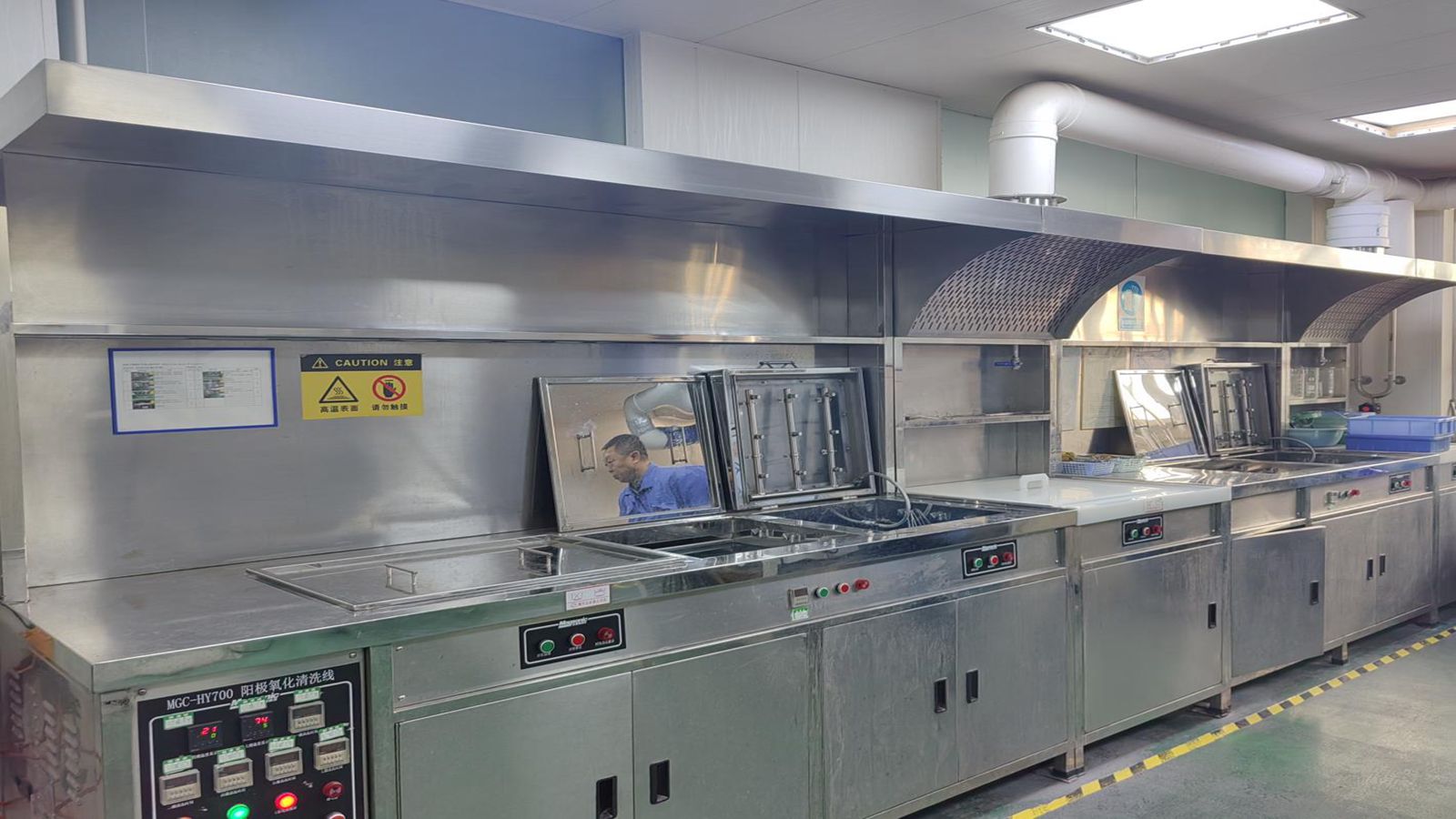
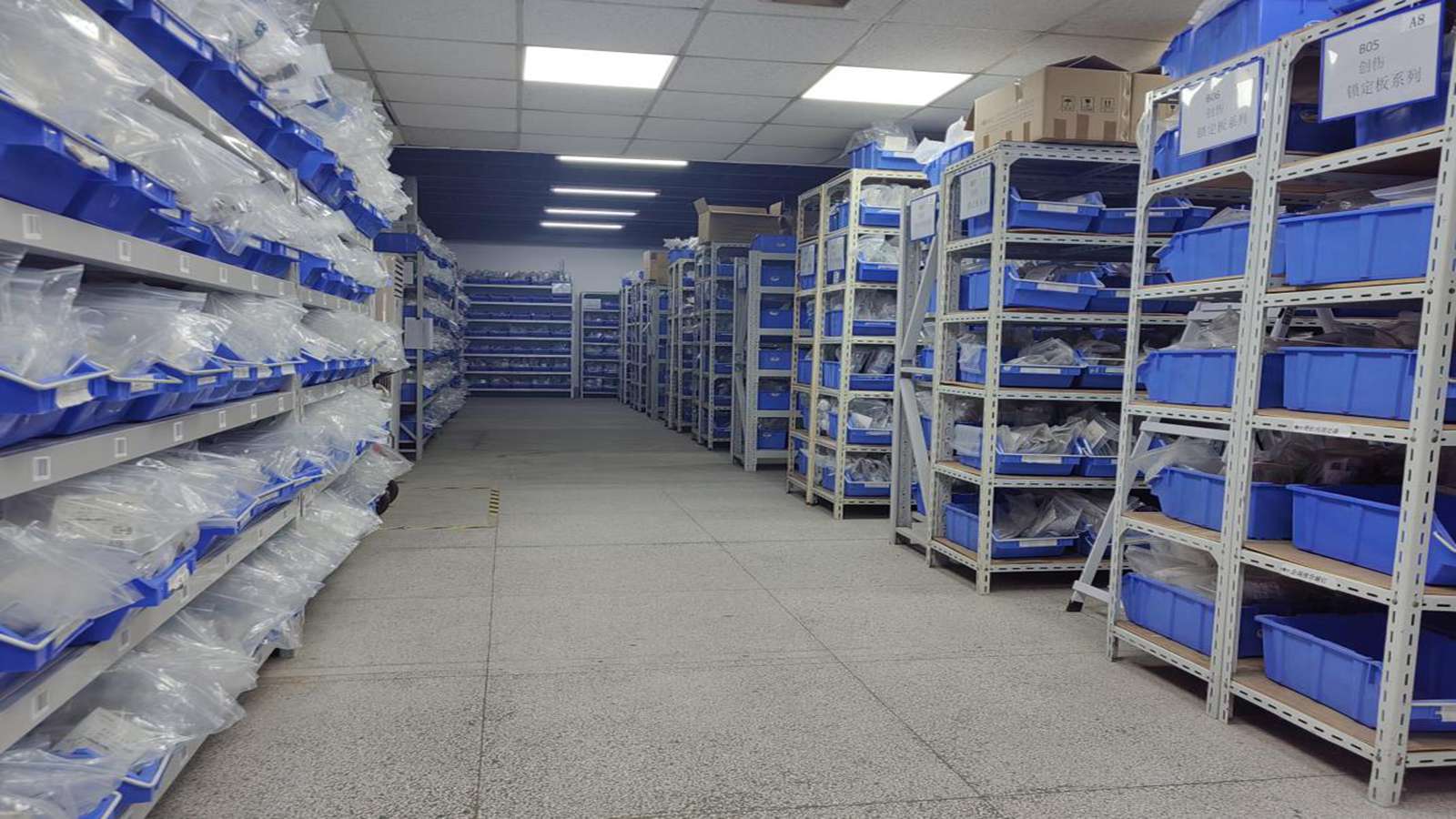
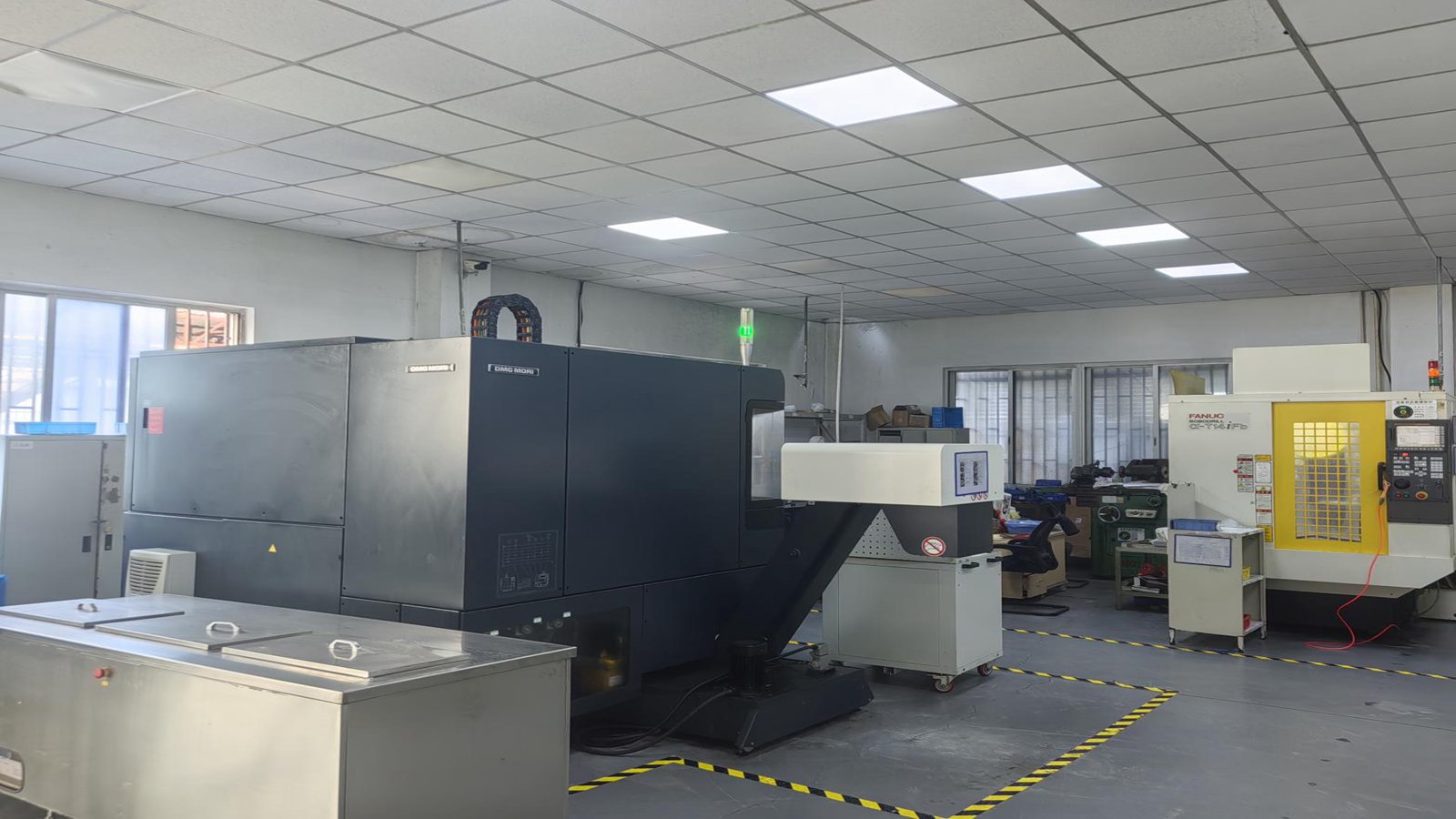
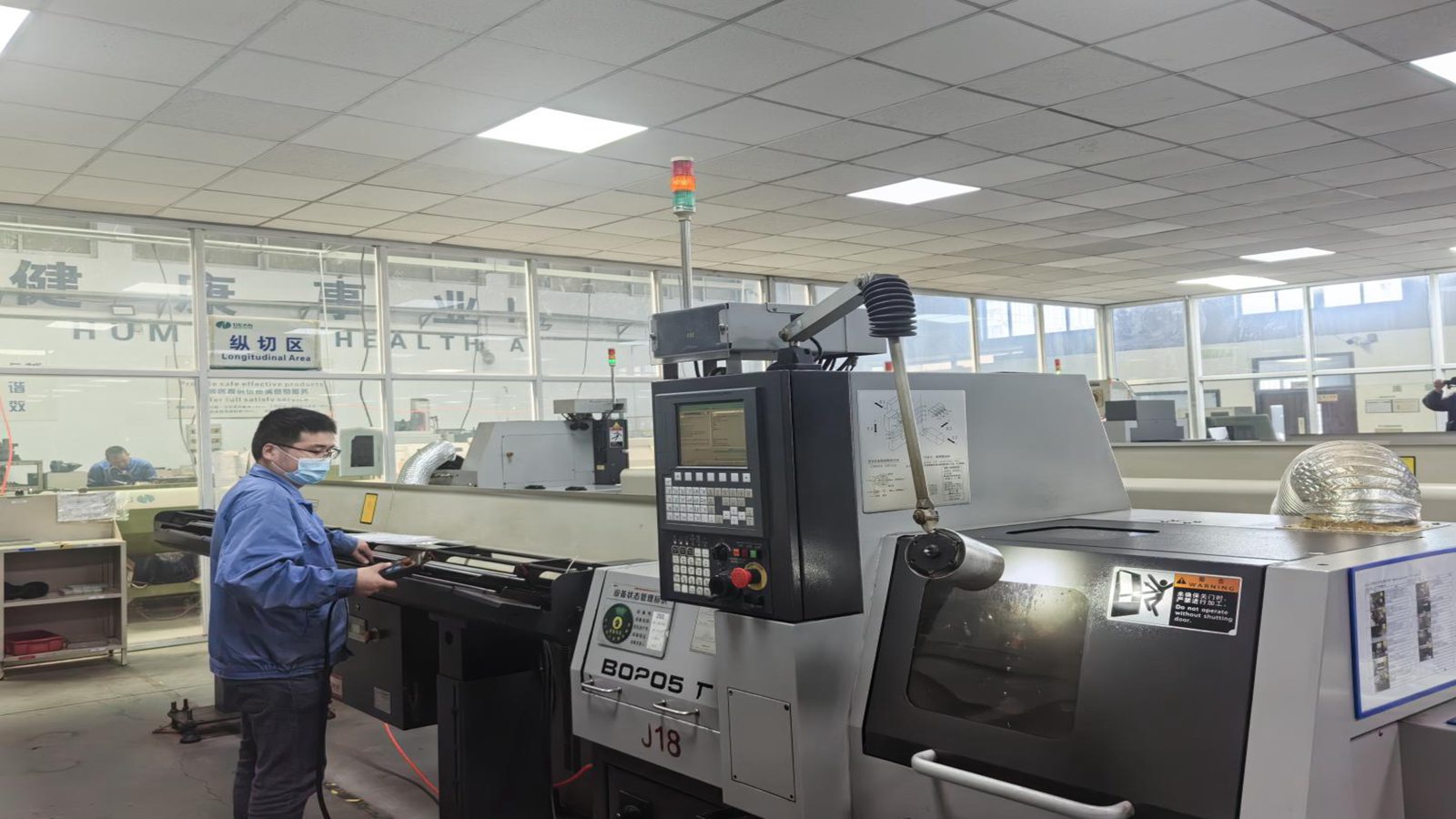
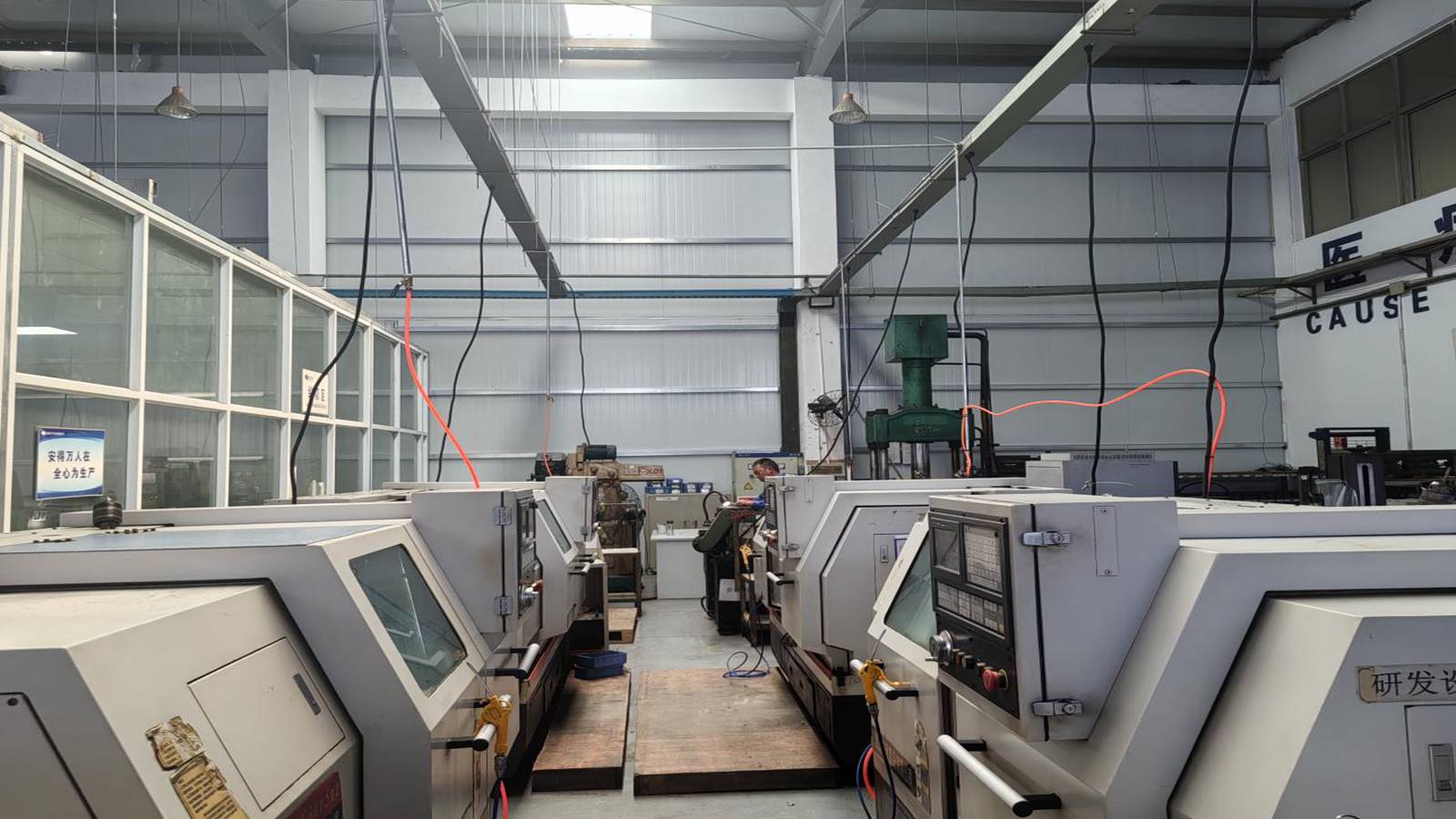
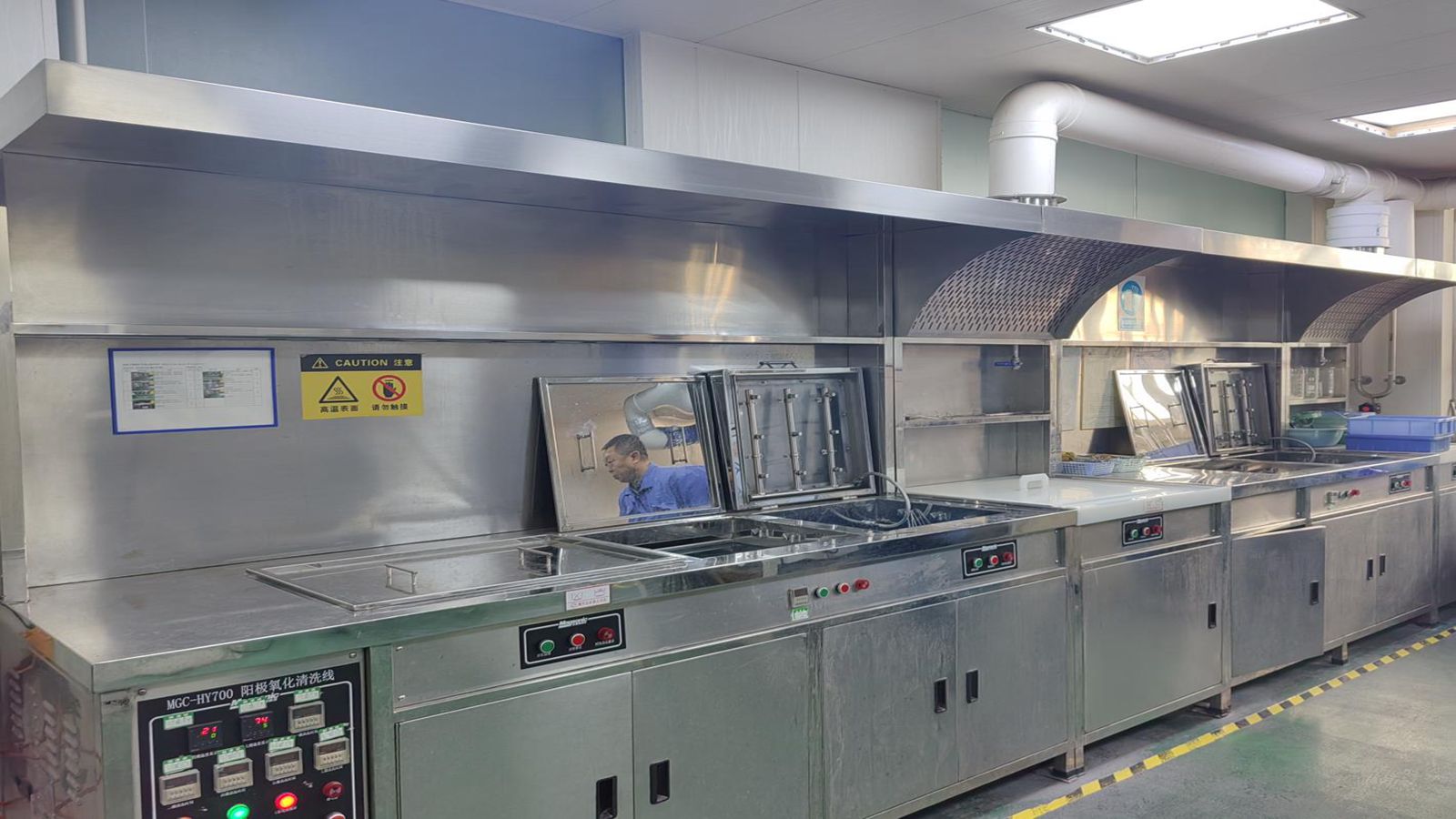
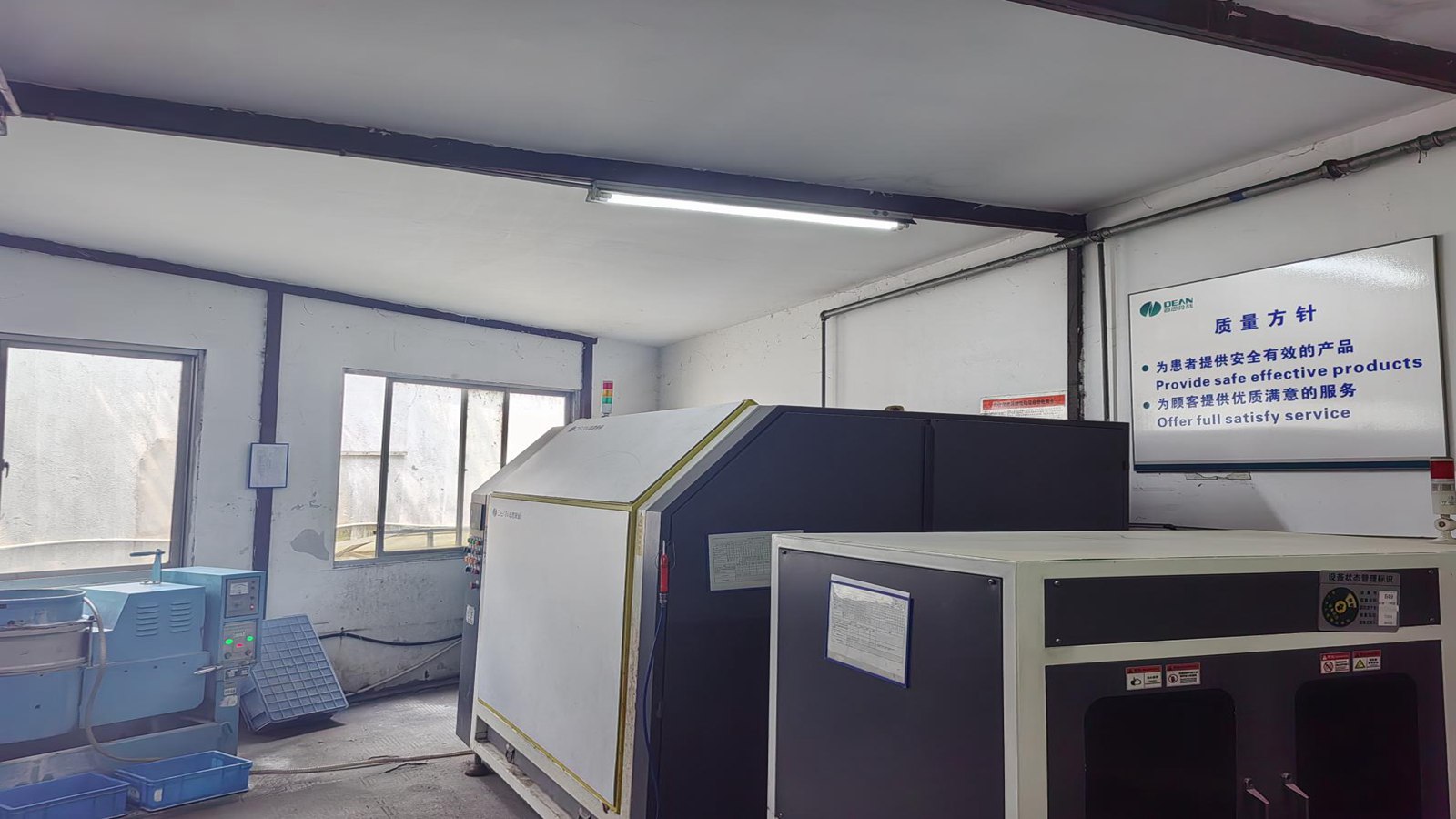
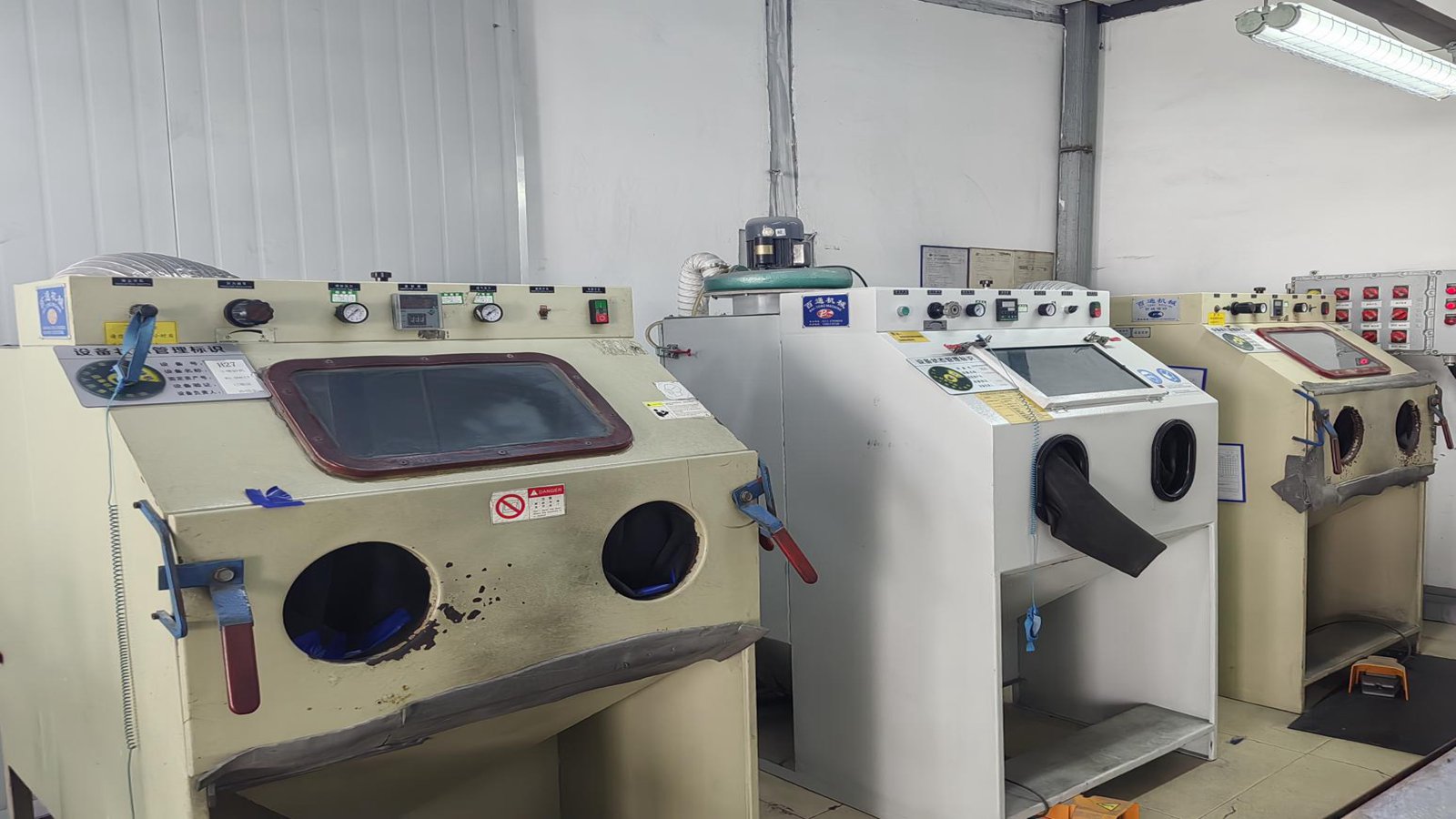
By managing critical processes internally—including multi-axis CNC milling, Swiss-type lathe machining, ultrasonic cleaning, and Class 100,000 cleanroom packaging—we maintain control over dimensional tolerances and mechanical performance. This centralization helps protect our supply chain from raw material fluctuations and reduces lead times for international orders.
Our facility maintains strict traceability protocols. Each implant is laser-marked with a unique UDI (Unique Device Identification) code linked to its raw material heat batch, CNC runtime file, and QC inspection record. Our 45 dedicated QC professionals verify dimensional compliance using coordinate measuring machines (CMM) and optical projectors.
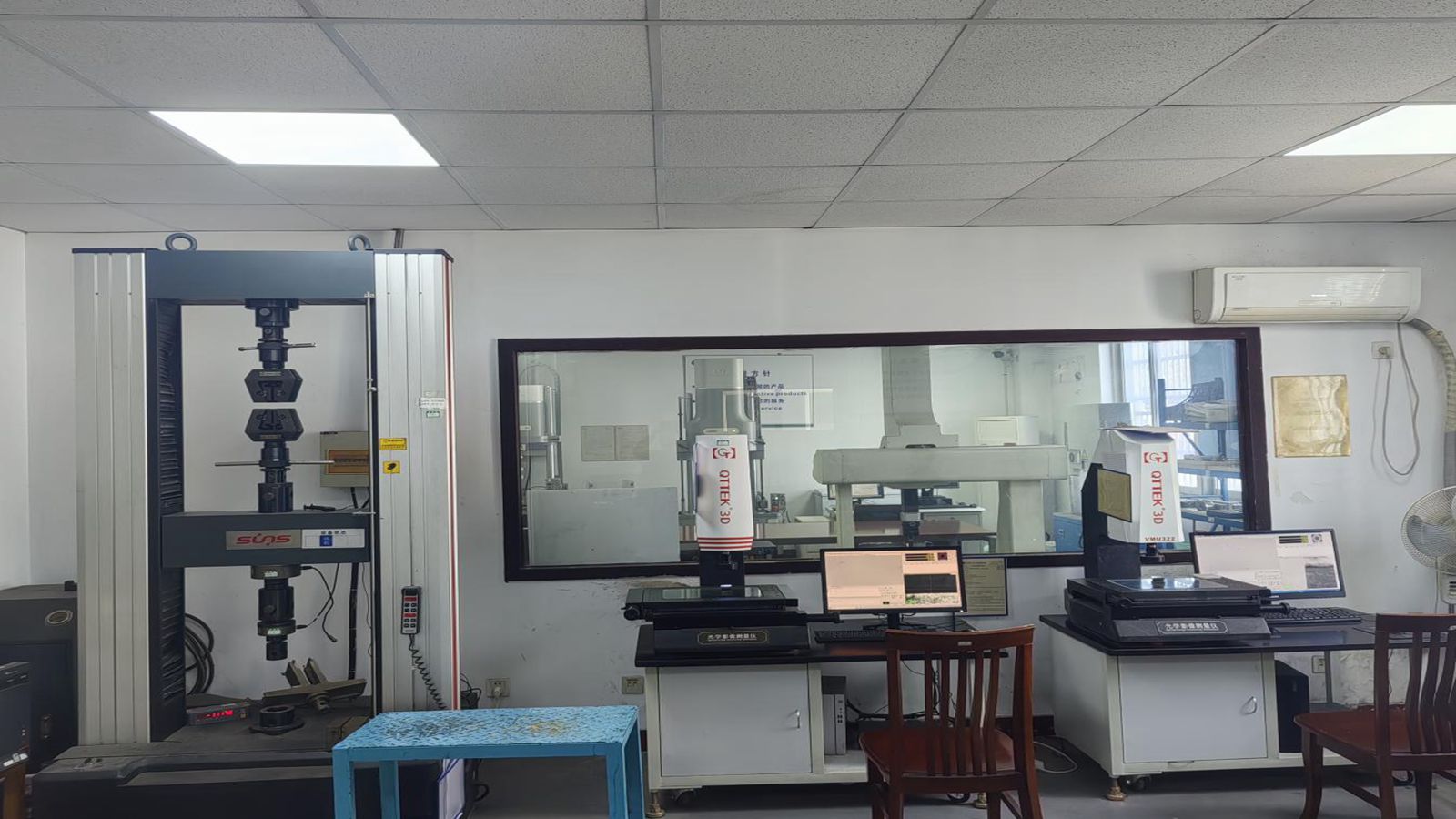
Medispirex QA Biomechanical Verification Laboratory
Medispirex provides technical documentation to support registration and compliance in Spain. We align our quality management with EN ISO 13485:2016 and prepare our technical files to assist with CE certification under MDR (EU) 2017/745, facilitating import procedures into Barcelona and wider Spain.
A step-by-step framework to establish custom instrument manufacturing, brand localization, or volume supply contracts.
Review and discuss specifications, tolerances, and design requirements with our R&D team using 3D CAD files.
We produce prototype batches to verify design tolerances, surface finish quality, and fit-up before full manufacturing runs.
Run CNC machining batches with continuous monitoring, material testing, and documentation tracking throughout the run.
Pack products in sterile-ready configurations, compile batch release certificates, and ship to your warehouse in Spain.
Frequently asked questions regarding material options, supply capacities, and regulatory integration for Barcelona hospital suppliers.
Every raw material batch we purchase is accompanied by original steel mill test certificates. We also perform independent, third-party material verification, including spectral composition analysis and tensile stress tests, to ensure the raw materials meet ASTM F136 or ISO 5832-3 standards prior to production.
Standard inventory orders ship within 14–21 business days. For custom OEM designs or complex titanium plate systems, lead times typically range from 45 to 60 days, which includes prototype approval, CNC scheduling, surface finishing, and quality control. Air cargo shipping to Barcelona-El Prat takes approximately 5–7 working days.
Yes. Our R&D team works directly from surgeon-approved CAD models or CT scan digital meshes to design, prototype, and manufacture custom locking plates, osteotomy cutting guides, and patient-specific implant fixtures tailored to complex clinical cases.
Yes, all of our surgical instruments and implants are made from materials like Grade 5 Titanium and PEEK, designed to withstand standard steam autoclave sterilization protocols (such as 134°C for 18 minutes) used in hospital central sterile services departments (CSSD).
A broader range of micro and macro plating systems, specialized instrument sets, and anatomical implants available for distribution in Spain.
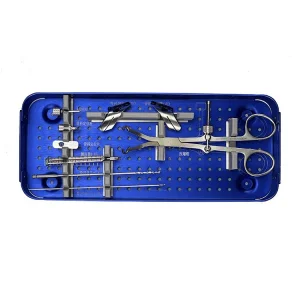
Anatomical plates for corrective forearm osteotomy, optimized for screw insertion angles.
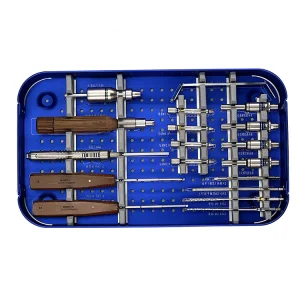
Intended for small-bone fracture fixation, providing stable angular locking.
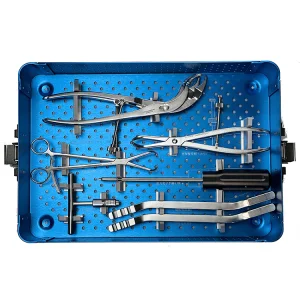
High-strength plates designed for tibia and femur fractures, supporting early weight-bearing.
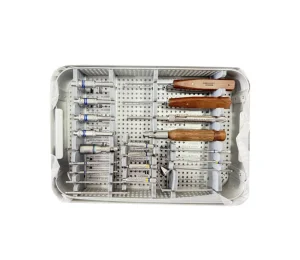
Distal radius plates and instrumentation designed to anatomically fit volar wrist anatomy.
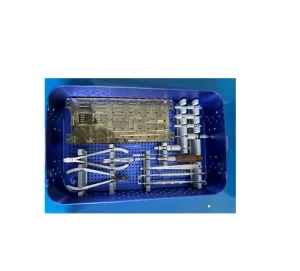
For micro-trauma cases, offering precise fixation in narrow bone fields.
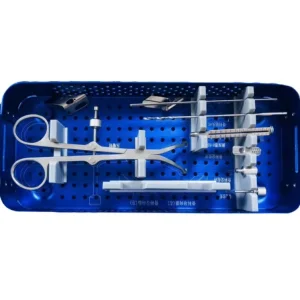
Instruments and plates to help manage skeletal alignment and rotation angles.
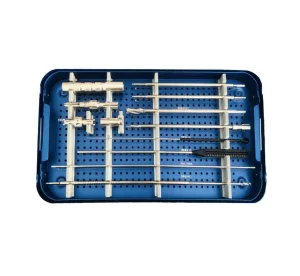
Hip trauma fixators designed for load transmission and rotational stability.
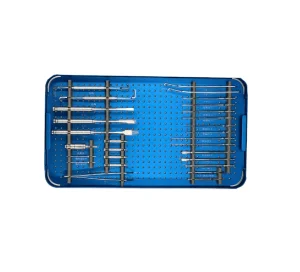
Foot and ankle reconstructive plate systems for arthrodesis and fracture repair.