 Medispirex
Medispirex
Medispirex
Engineered for absolute mechanical stability and tissue preservation under the most rigorous clinical protocols.
Understanding the macro-economic and clinical needs driving the purchase of premium medical hardware in South America.
Uruguay maintains one of the most advanced healthcare systems in Latin America, structured through the Administración de los Servicios de Salud del Estado (ASSE) alongside high-performing private Mutualistas. Traumatology departments in cities like Montevideo, Salto, and Paysandú require rapid access to modular external fixation equipment. Due to a rising rate of high-energy road traffic accidents and agricultural machinery trauma in outer departments, surgeons demand mechanical systems that provide temporary stabilization (Damage Control Orthopedics) or definitive stabilization with minimal bone blood-supply disturbance.
The import and distribution of implantable medical devices in Uruguay are tightly governed by the Ministerio de Salud Pública (MSP). Uruguay’s medical providers look for manufacturing partners that conform to rigorous international standards such as CE certification, ISO 13485, and FDA regulations. Because the local industrial framework is highly service-oriented rather than production-based for complex titanium medical implants, the country relies on robust global supply lines to provide cost-effective yet structurally reliable trauma solutions.
In addition to standard unilateral external fixators for long bone fractures, there is a growing demand in Uruguayan specialized pediatric and reconstructive clinics (such as the Centro Hospitalario Pereira Rossell) for multi-axis limb lengthening systems and wrist/hand micro-fixators. Medispirex fills this market gap by manufacturing medical-grade titanium and stainless steel systems that conform directly to local hospital bid specifications.
Excellence in spine and orthopedic implant manufacturing based on certified quality management systems.
Established in 2016, Medispirex Orthopedic Technology Co., Ltd. is a premium developer of spine and orthopedic implant systems. With 12 years of industry expertise and 7 years of direct international export experience, Medispirex is optimized to serve complex logistics channels in Latin America, including direct shipping and clearance support to the Port of Montevideo.
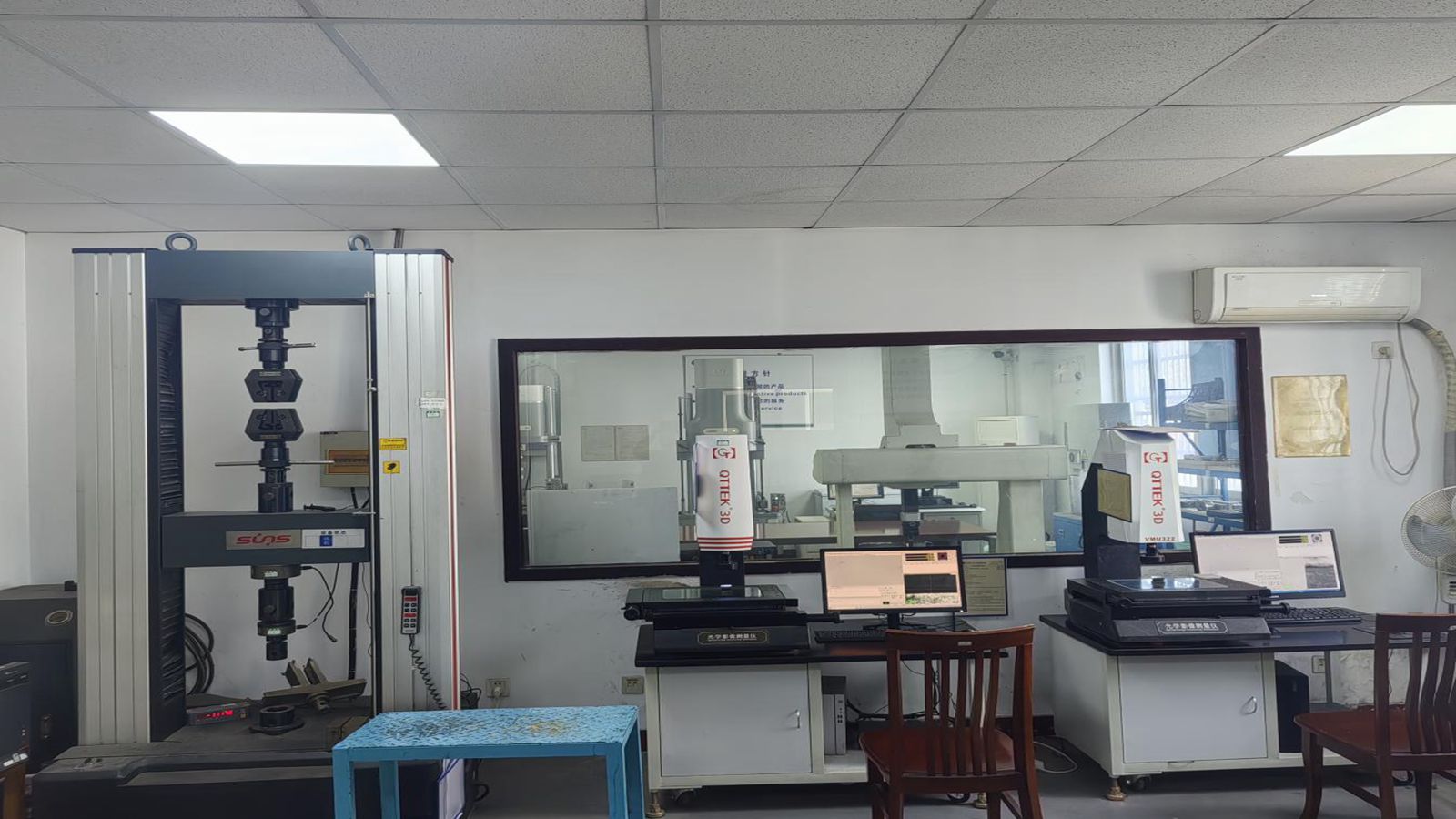
Our quality assurance program guarantees product reliability through a continuous verification pipeline. This includes incoming material inspection (spectrographic verification of titanium grade), in-process quality control (IPQC) using high-accuracy optical measurement, final finished product testing, and batch-by-batch traceability. Our physical and biomechanical laboratory conducts regular mechanical fatigue testing and dimensional analysis, keeping failure rates near zero.
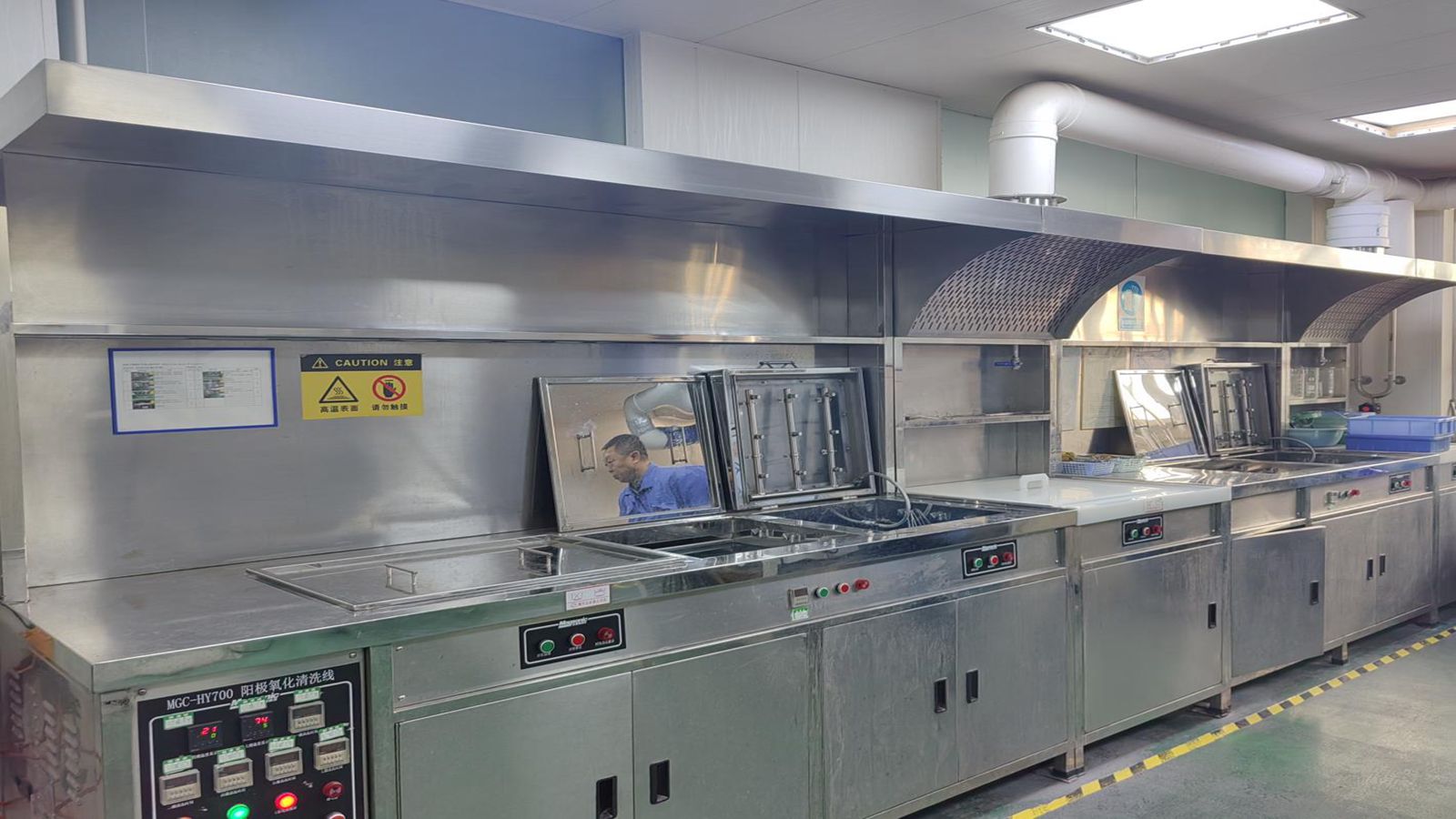
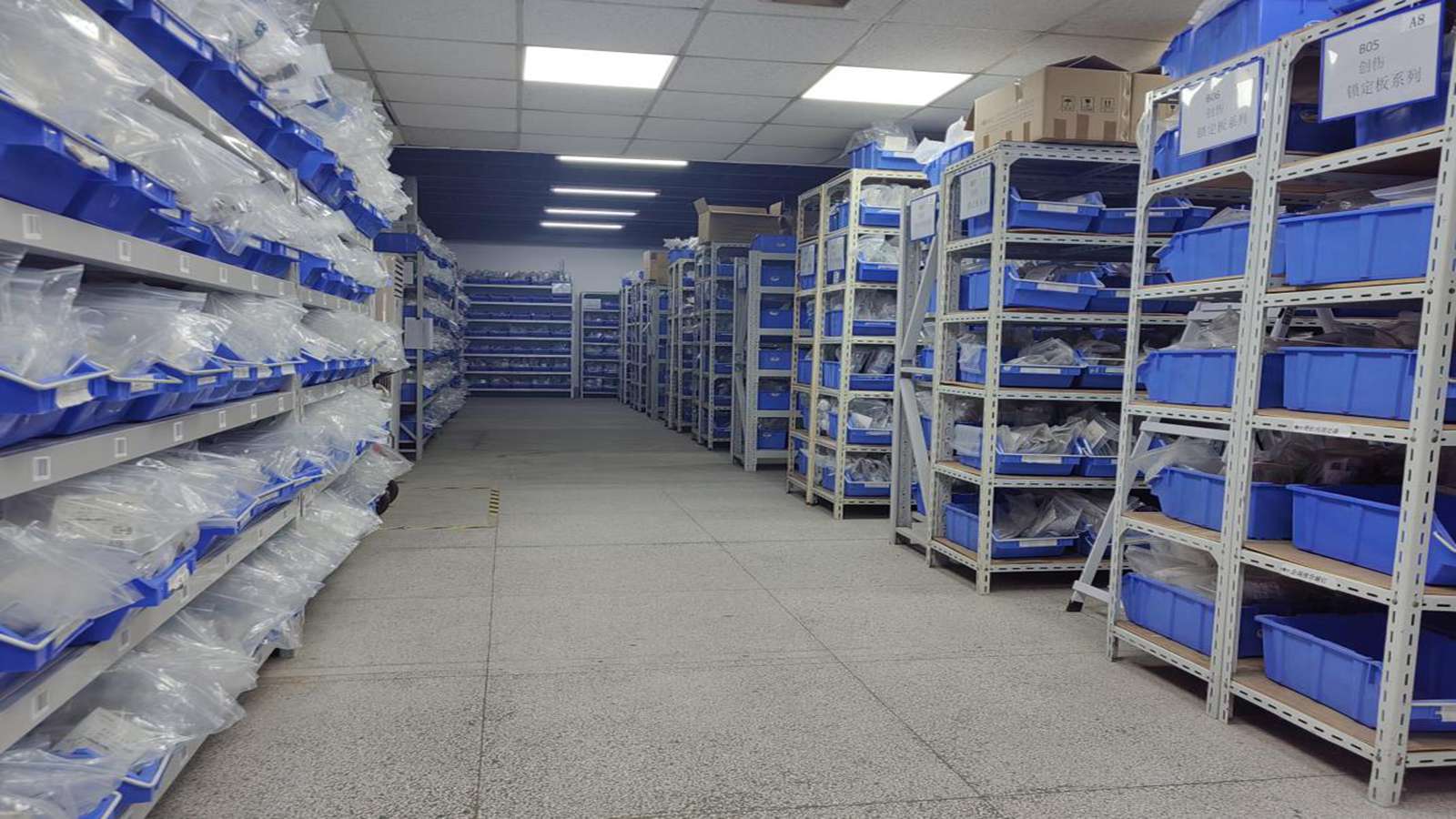
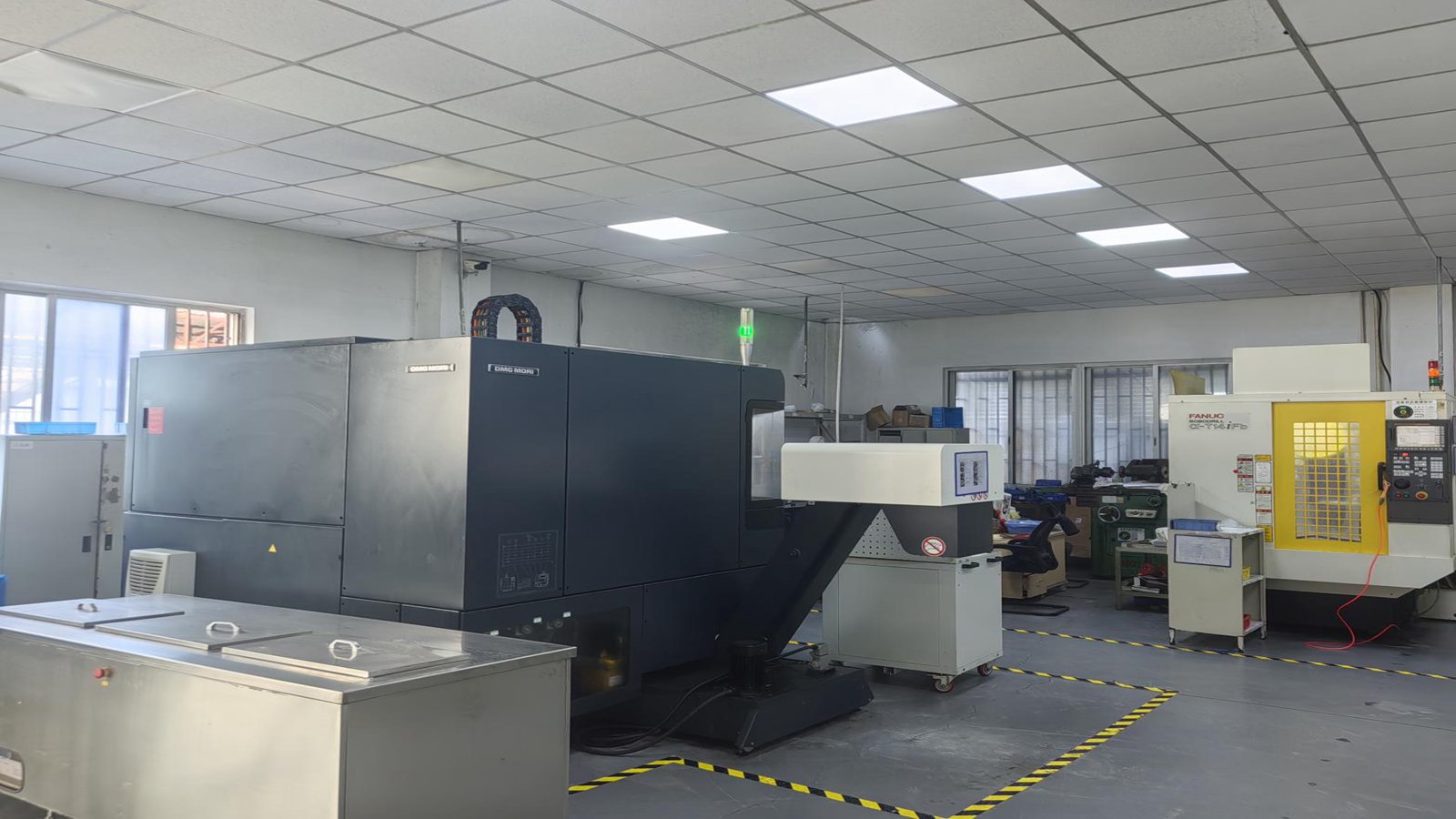
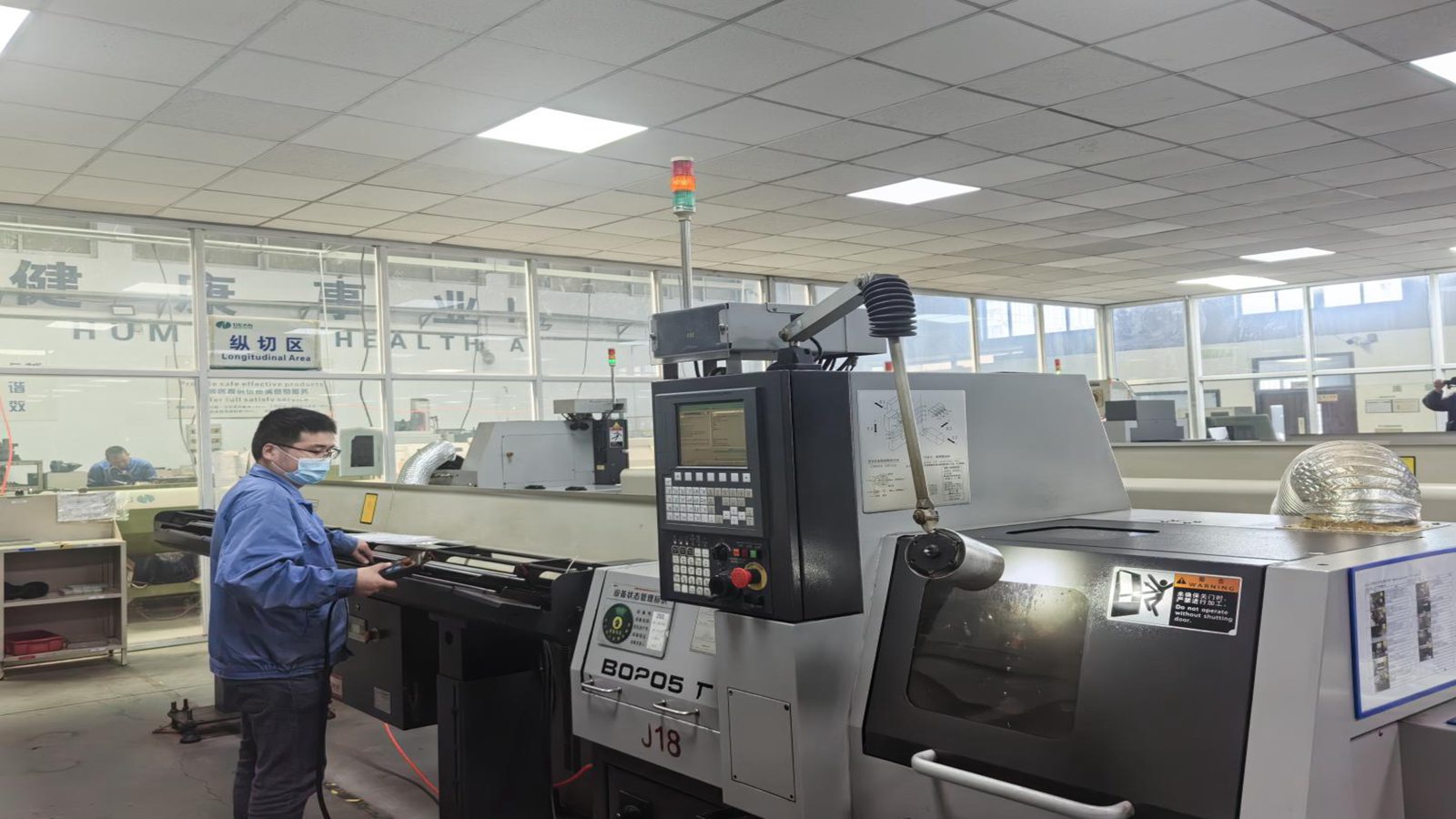
Inside our 18,600㎡ modern facility, where precision engineering meets clinical excellence.
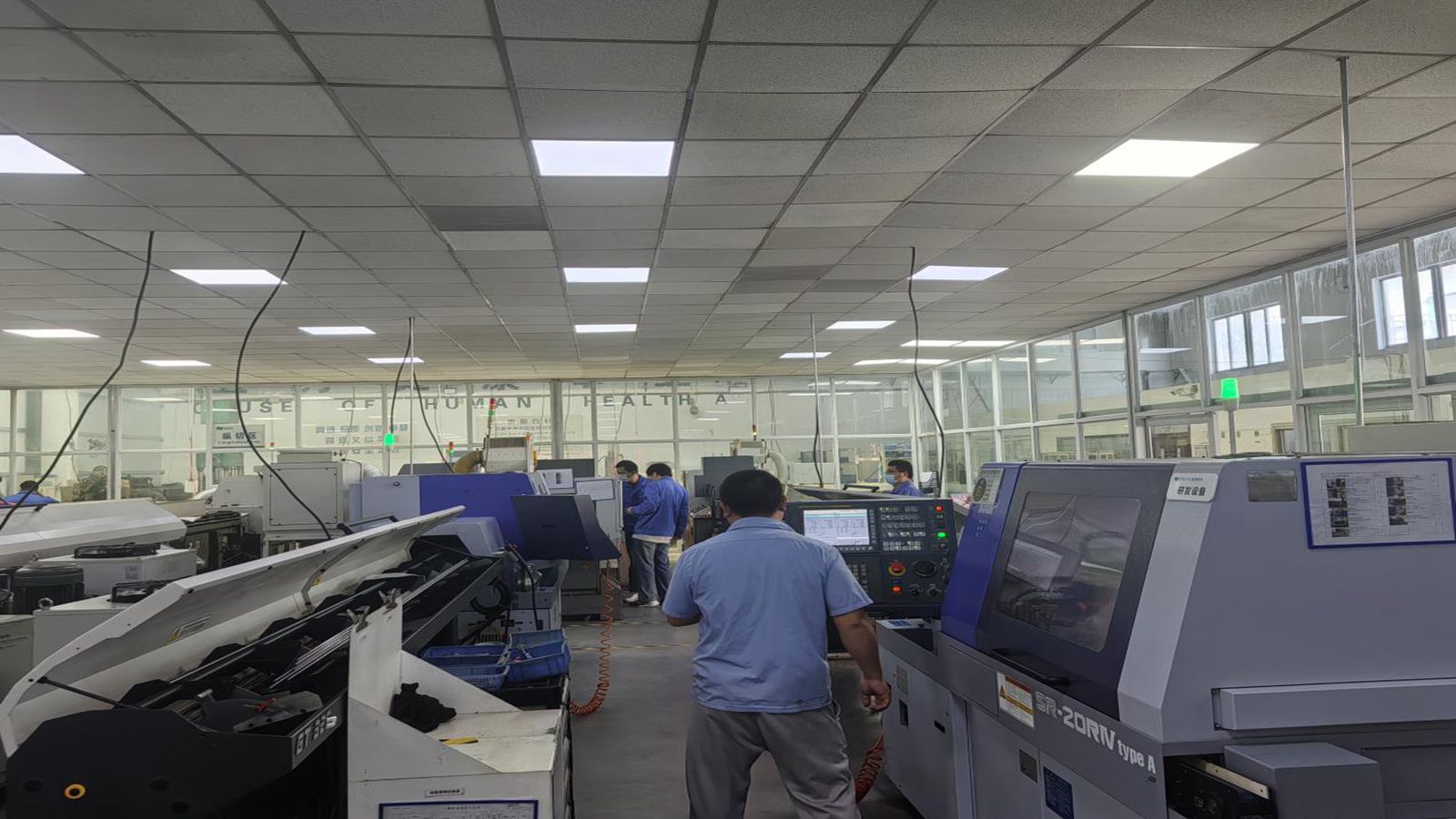
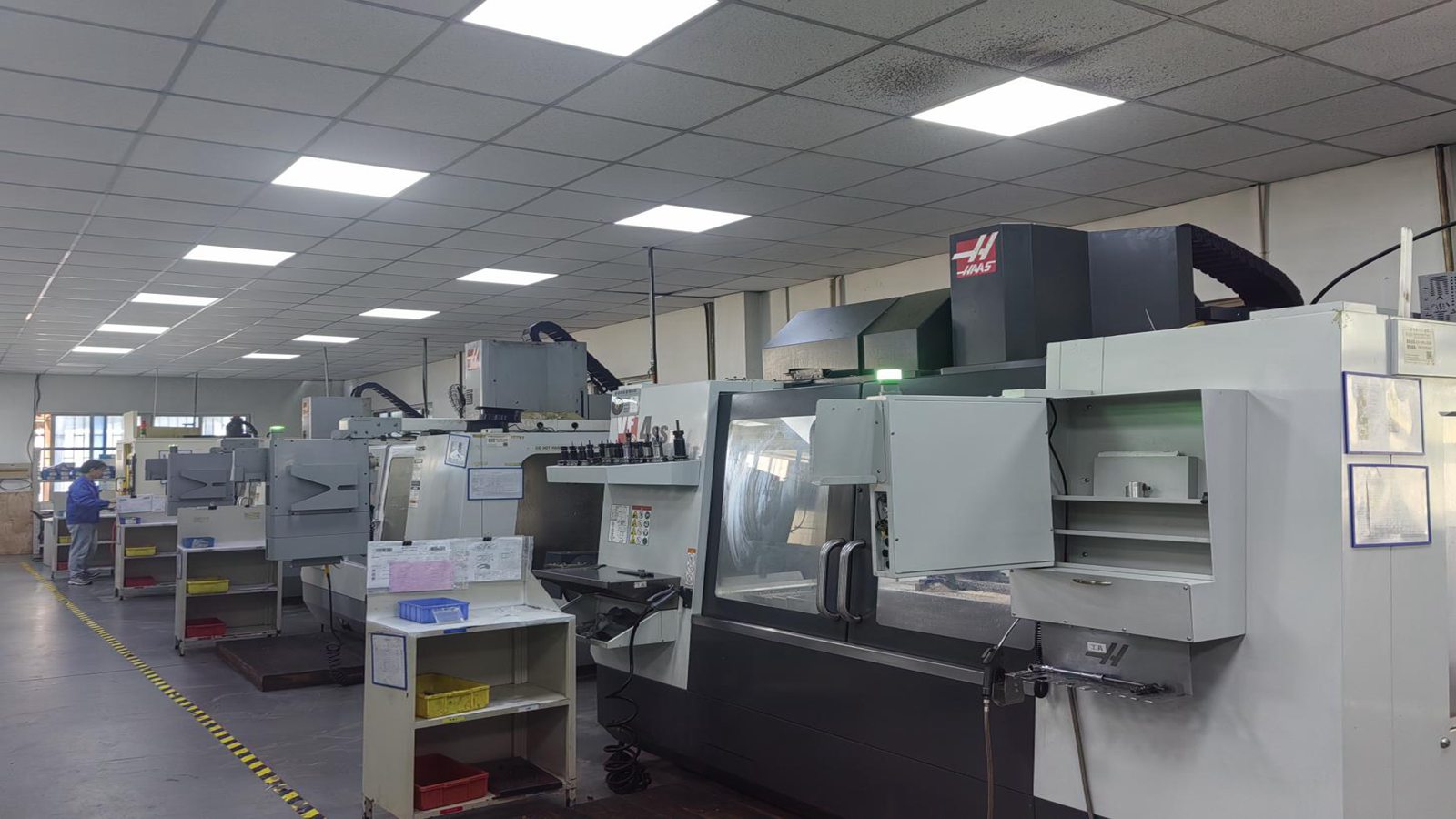
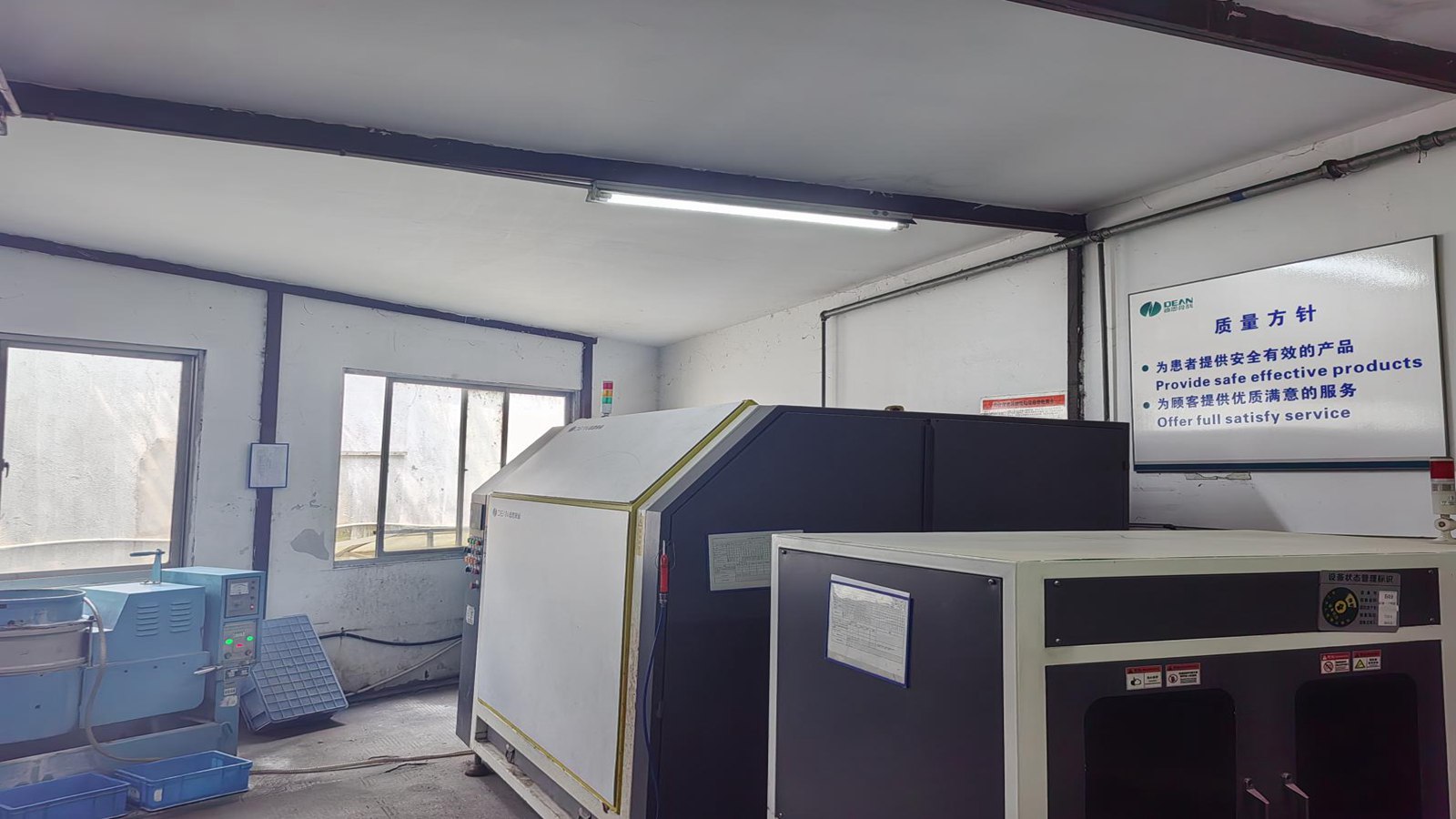
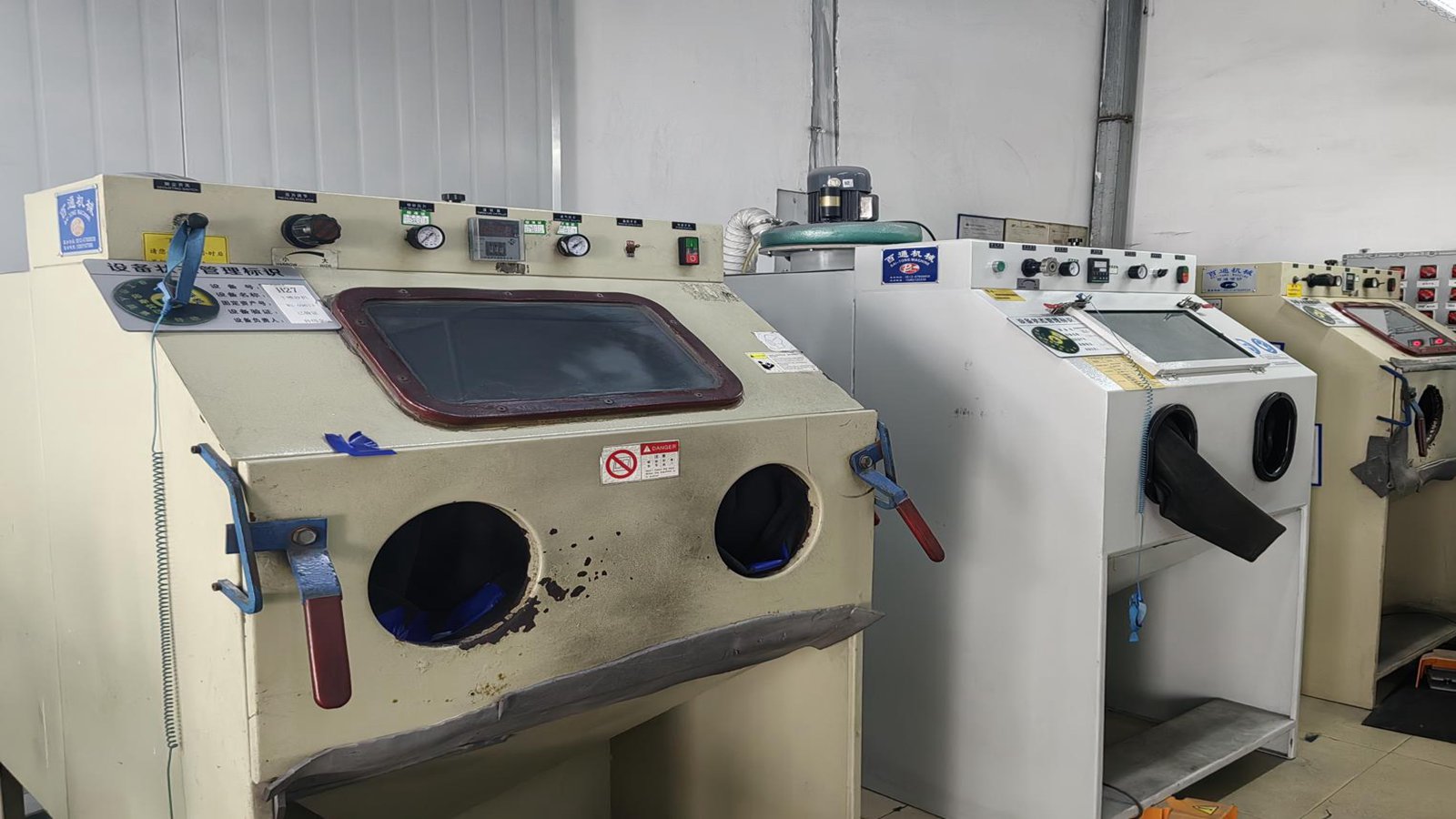
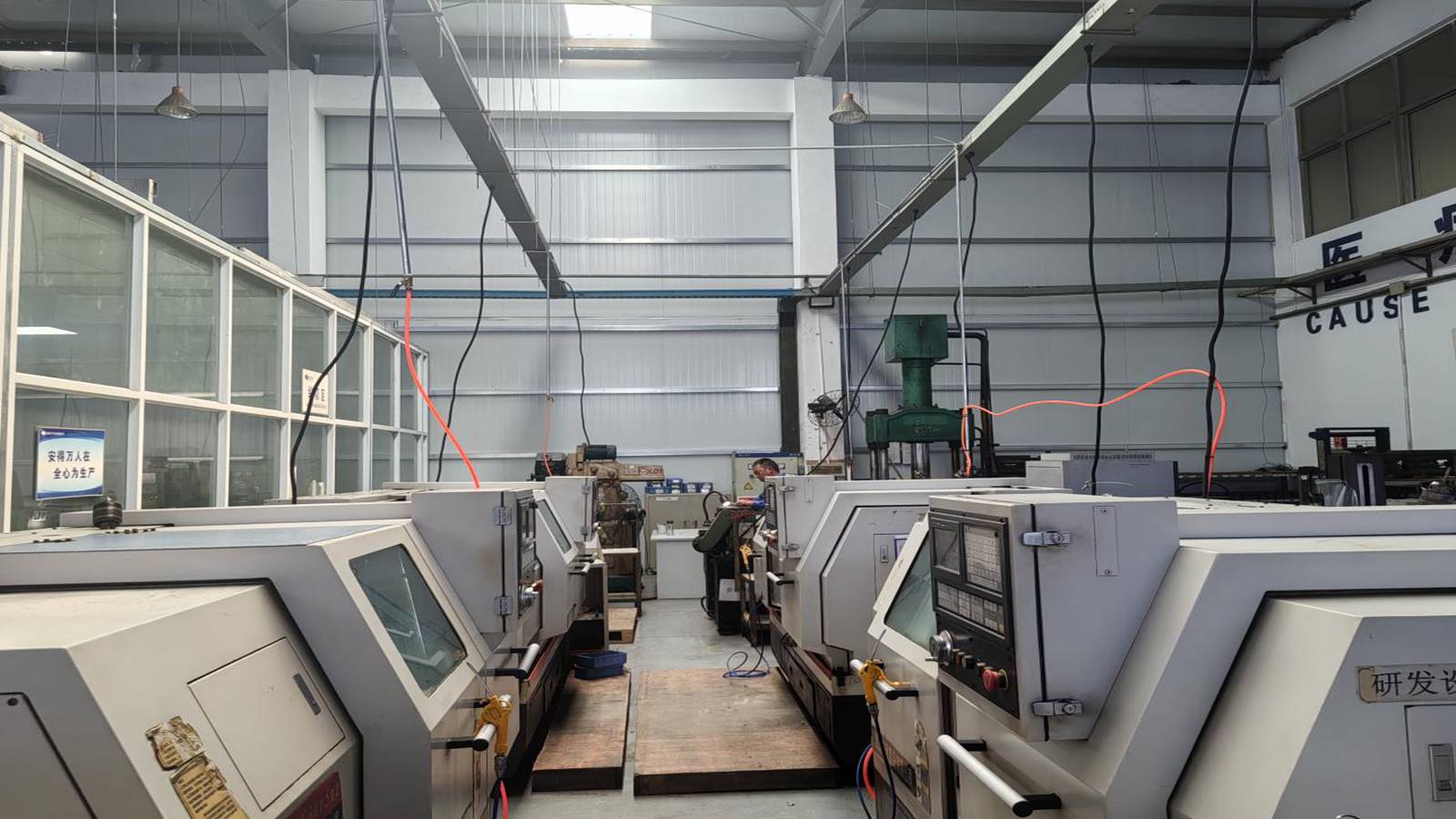
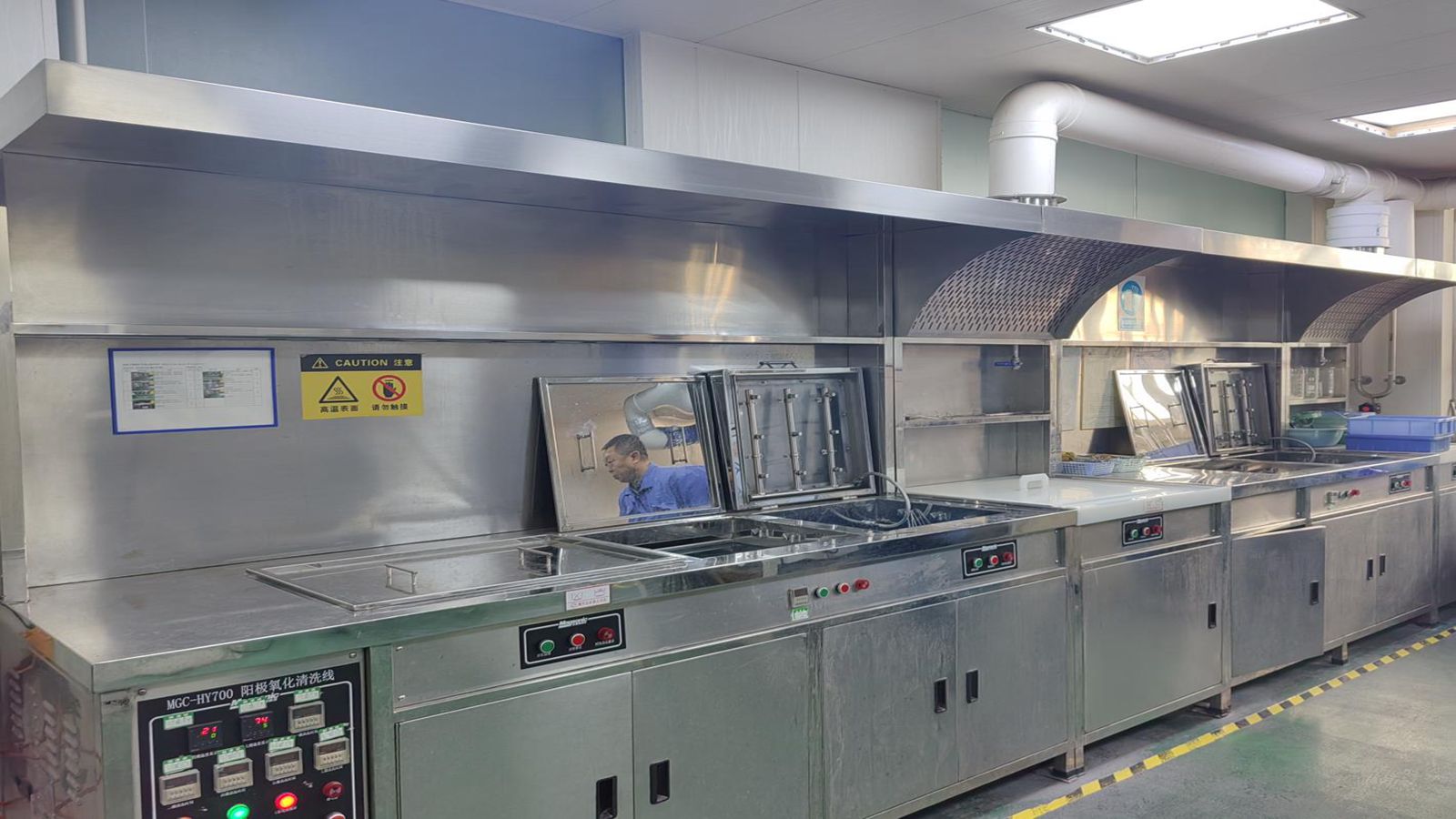
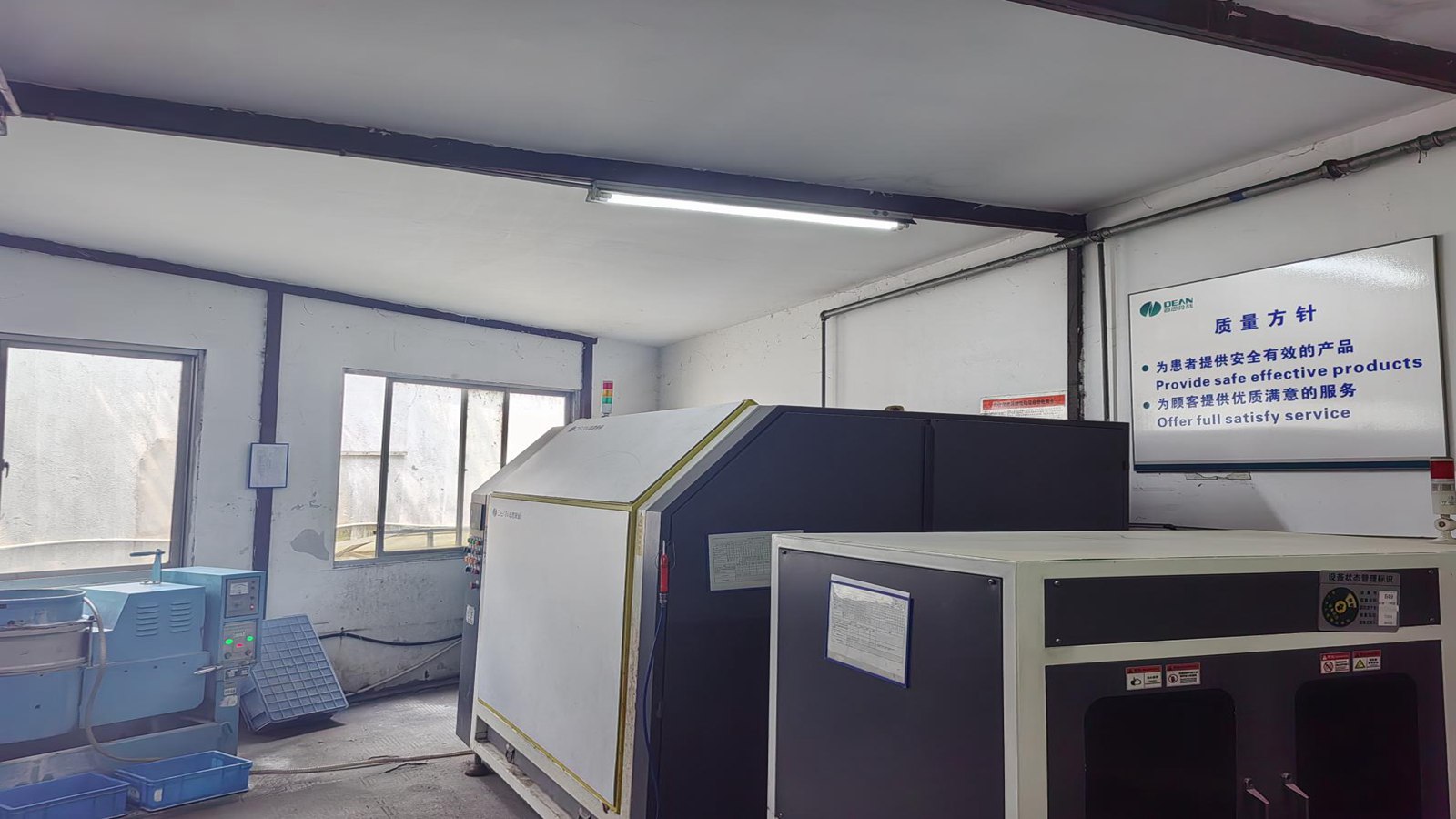
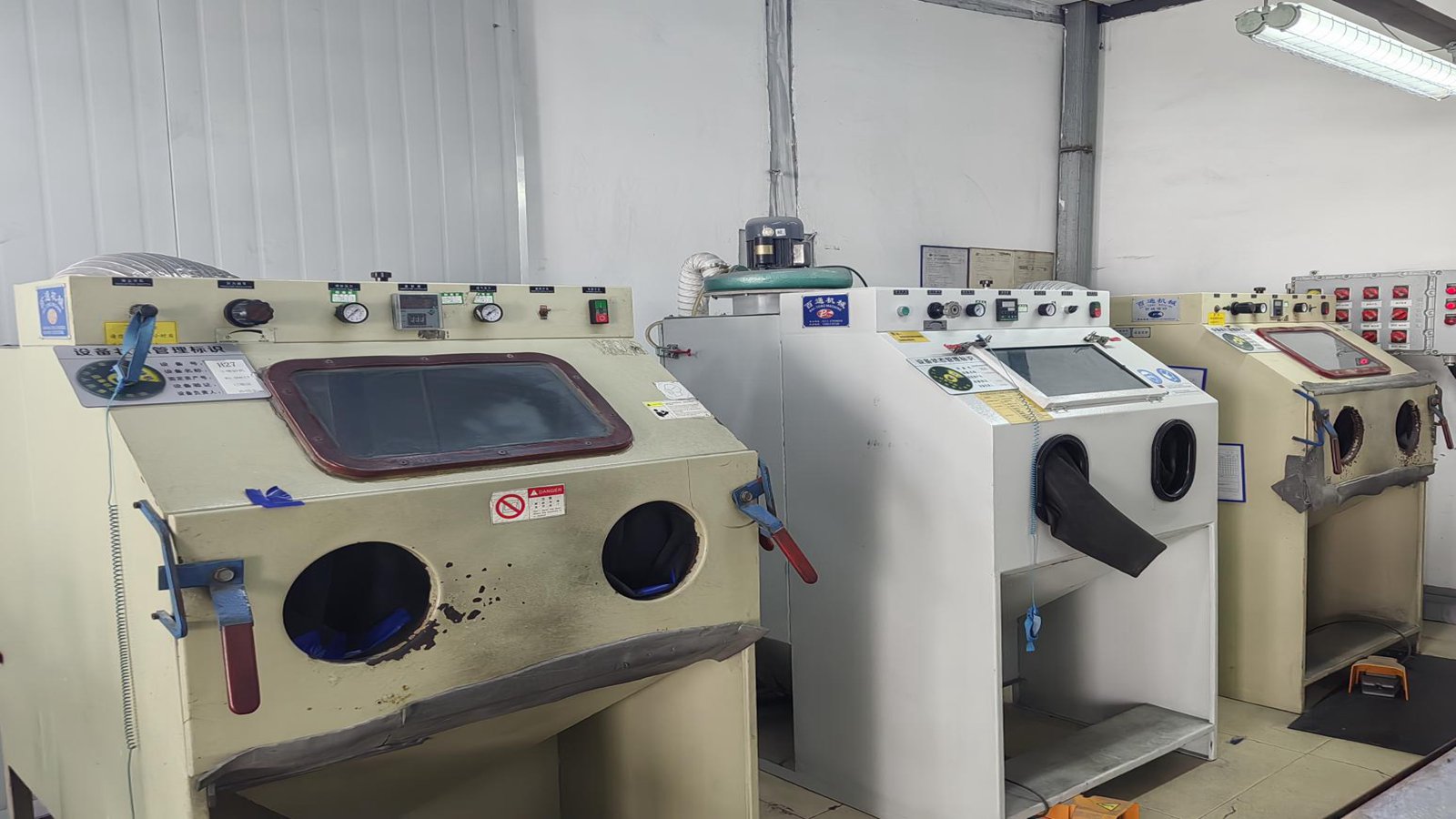
Engineered for biomechanical rigidity and minimal infection rates under the most challenging clinical situations.
Fabricated from premium Titanium Alloy (Ti-6Al-4V ELI) and implant-grade 316LVM Stainless Steel. Prevents local tissue reactions and promotes osseointegration.
Self-tapping and self-drilling bone pins are configured with precise thread pitches to limit thermal damage during insertion and maximize pull-out resistance.
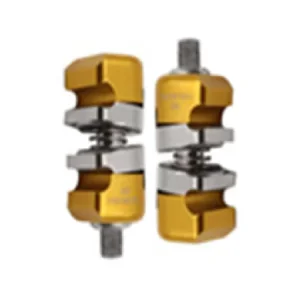
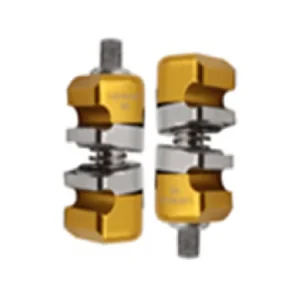
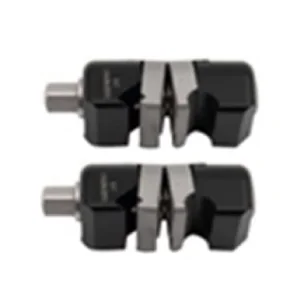
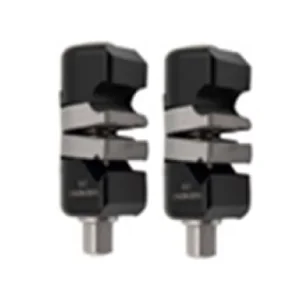
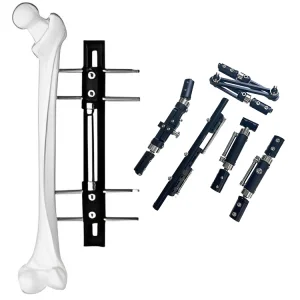
Rigid snap-on rod-to-rod and pin-to-rod clamps allow multi-planar frame adjustments, providing mechanical stability while supporting early weight-bearing protocols.
How Medispirex secures orthopedic distribution channels from manufacturing to Uruguayan surgical theaters.
Medical procurement teams in Uruguay face major regulatory and shipping hurdles. Medispirex solves these challenges through customized OEM/ODM partnerships and clear export paperwork. We provide MSP-compliant documentation, material analysis sheets, and ISO conformity certificates for every batch shipped to Uruguay. This ensures fast clearance through customs at the Port of Montevideo or Carrasco International Airport.
Our external fixator systems are packaged in modular sterile-ready cases. This simplifies sterilization prep (steam autoclaving) within Uruguayan central sterile services departments (RUMED/CSSD). We supply surgical instrumentation sets with clear color coding for various pin sizes, making operation preparation easier and faster in trauma rooms.
Whether configuring unilateral systems for high-energy tibial shaft fractures or ring fixators for complex bone transport, our 85 engineers can customize frame components to meet the requirements of specific Uruguayan clinical tenders.
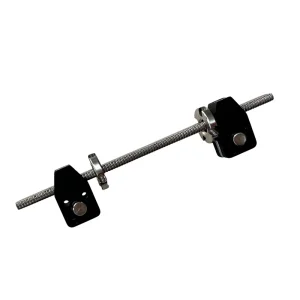
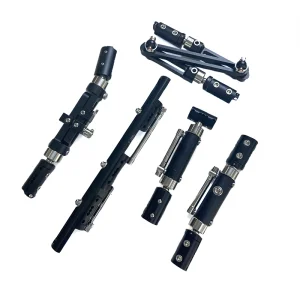
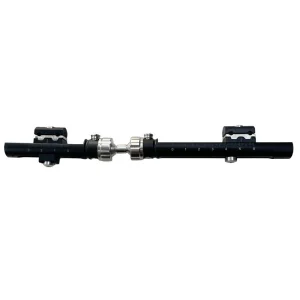
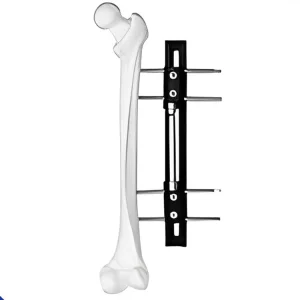
Explore our complete range of high-strength external fixation systems for lower and upper limb reconstruction.
Get answers to the most common questions regarding regulatory compliance, lead times, materials, and configurations.
We provide a complete registration dossier including Certificates of Free Sale (CFS), ISO 13485 manufacturing certificates, material grade mill test certificates, and biocompatibility test reports. These documents simplify product registration with the Uruguayan Ministerio de Salud Pública (MSP).
Our fixator rods and connecting clamps are manufactured using medical-grade Titanium Alloy (Ti-6Al-4V ELI) for lightweight, high-rigidity applications, or surgical 316LVM Stainless Steel. Our carbon fiber rods also offer radiolucency for clear intraoperative fluoroscopy.
For standard stock items, order preparation takes 7 to 15 days. Shipping to the Port of Montevideo via ocean freight takes about 35 to 45 days. For urgent trauma hospital tenders, we offer air freight through Carrasco Airport with a delivery window of 5 to 10 working days.
Yes, our R&D team of 85 engineers provides complete OEM/ODM and private-label manufacturing services. We can customize pin diameters, clamp configurations, and build customized instrument trays with your logo for local distribution in Uruguay.
Our quality control lab subjects clamps to cyclic load-to-failure testing. This evaluates slipping resistance on rods under high torque loads. These tests match ASTM standards for external skeletal fixation devices, ensuring they remain secure under patient weight.