Medispirex
Medispirex
Medispirex
Explore our premium clinical selection of orthopedic implants and specialized surgical instruments.
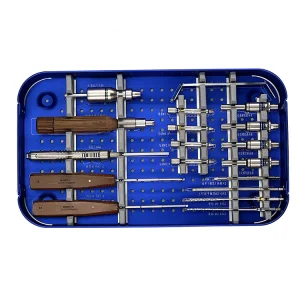
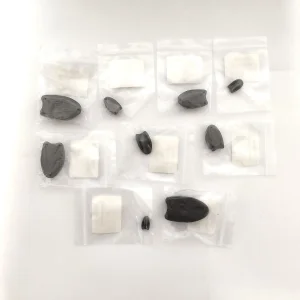
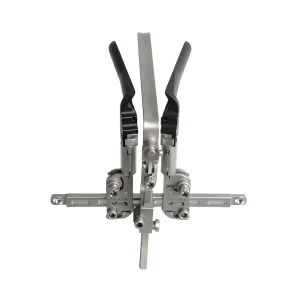
Analyzing key structural shifts in orthopedic reconstructive surgery markets worldwide.
Total Hip Arthroplasty (THA) remains one of the most successful surgical innovations of the 21st century. As populations age and the active life expectancy of patients extends, the demand for primary and revision total hip implants is experiencing unprecedented global growth. The market has evolved beyond simple anatomical replacement; contemporary clinical standards mandate immediate post-operative stability, long-term osseointegration, and ultra-low wear rates to extend implant survivorship past 25 years.
Historically dominated by traditional Western conglomerates, the orthopedics manufacturing sector is undergoing a geopolitical structural transition. Advanced manufacturing hubs in Asia—spearheaded by state-of-the-art Chinese medical-grade facilities—are utilizing precision engineering technology to bridge the historical gap between premium quality and economic efficiency. For hospital networks, large distributors, and brand OEMs, sourcing reliable partners requires evaluating material science capabilities, quality management system compliance (such as FDA, CE, ISO 13485), and research-driven innovation.
Transitioning to advanced biomaterials including highly cross-linked polyethylene (HXLPE) infused with Vitamin E, biolox-grade delta ceramics, and porous titanium trabecular surfaces for exceptional osseointegration.
Primary indications for total hip implants encompass severe osteoarthritis, rheumatoid arthritis, avascular necrosis, and femoral neck fractures, each requiring customized mechanical tolerances and stem geometry.
With younger patient cohorts undergoing THA, implants must now withstand high mechanical loads over millions of gait cycles, demanding rigorous simulated fatigue and wear-testing protocols.
A global breakdown of the leading companies pioneering orthopedic joint replacement devices.
Zimmer Biomet stands at the forefront of joint reconstruction, renowned for its proprietary Trabecular Metal technology. Their porous biomaterial mimics the structural and mechanical properties of cancellous bone, facilitating rapid osseointegration. Their clinically proven Echo Bi-Metric and Taperloc stems represent standard-setting benchmarks in orthopedic care.
Stryker is pioneer in combining additive manufacturing with robotic-assisted surgery. Utilizing proprietary 3D-printed Tritanium technology, Stryker produces implants with highly porous biological surfaces. Integrated with their Mako SmartRobotics system, Stryker's implants ensure optimal component placement and excellent survivorship.
As a subsidiary of Johnson & Johnson, DePuy Synthes offers a comprehensive portfolio including the legendary Pinnacle Acetabular Cup System and Corail Stems. Possessing decades of clinical tracking data, DePuy specializes in surgical versatility and biomechanical restoration for primary and revision THA.
Smith & Nephew’s signature innovation is OXINIUM—an oxidized zirconium alloy that transitions metal surfaces into ceramic. This technology offers the durability of metal with the scratch resistance of ceramic, dramatically reducing wear rates when paired with XLPE bearing liners.
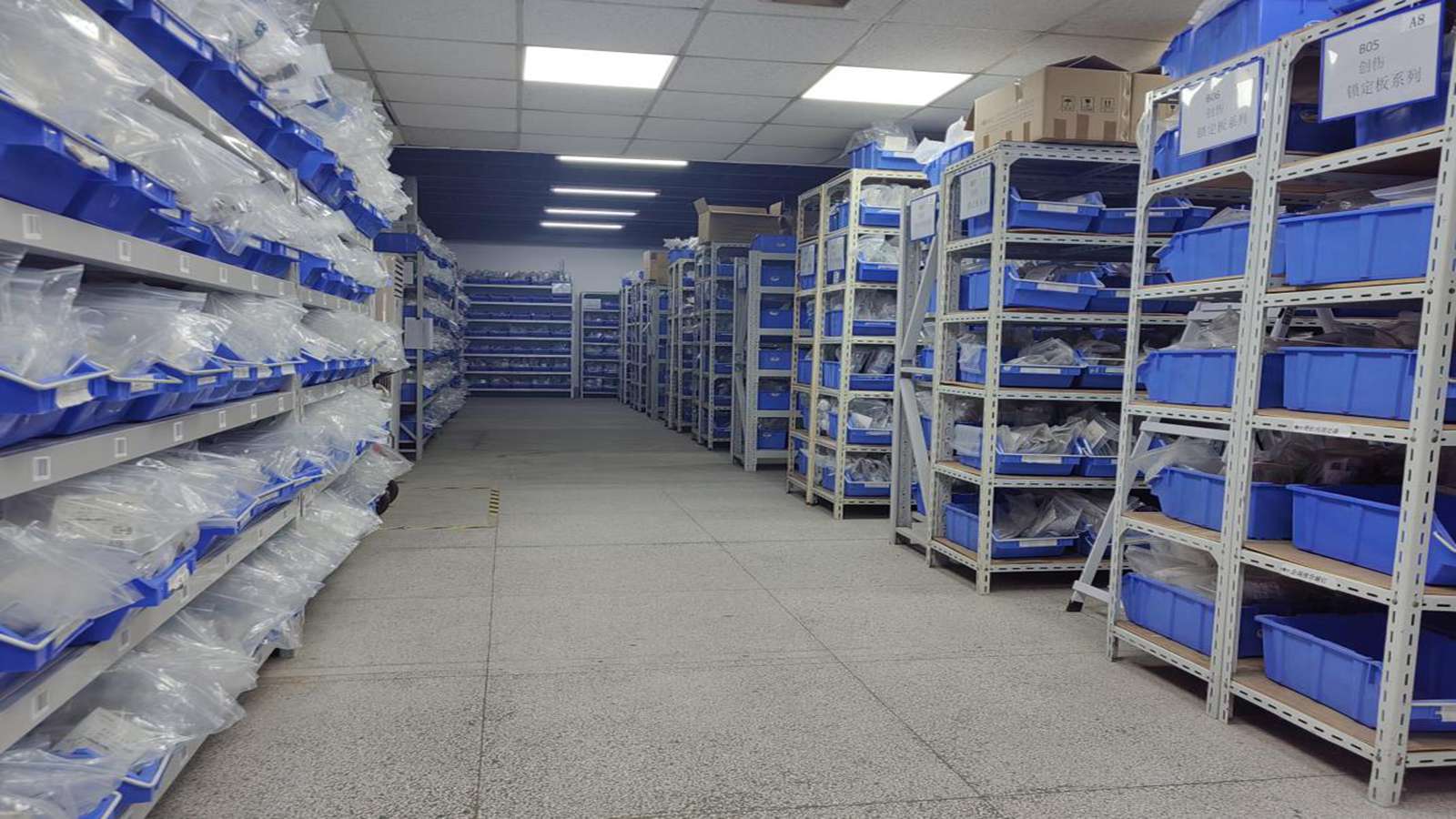
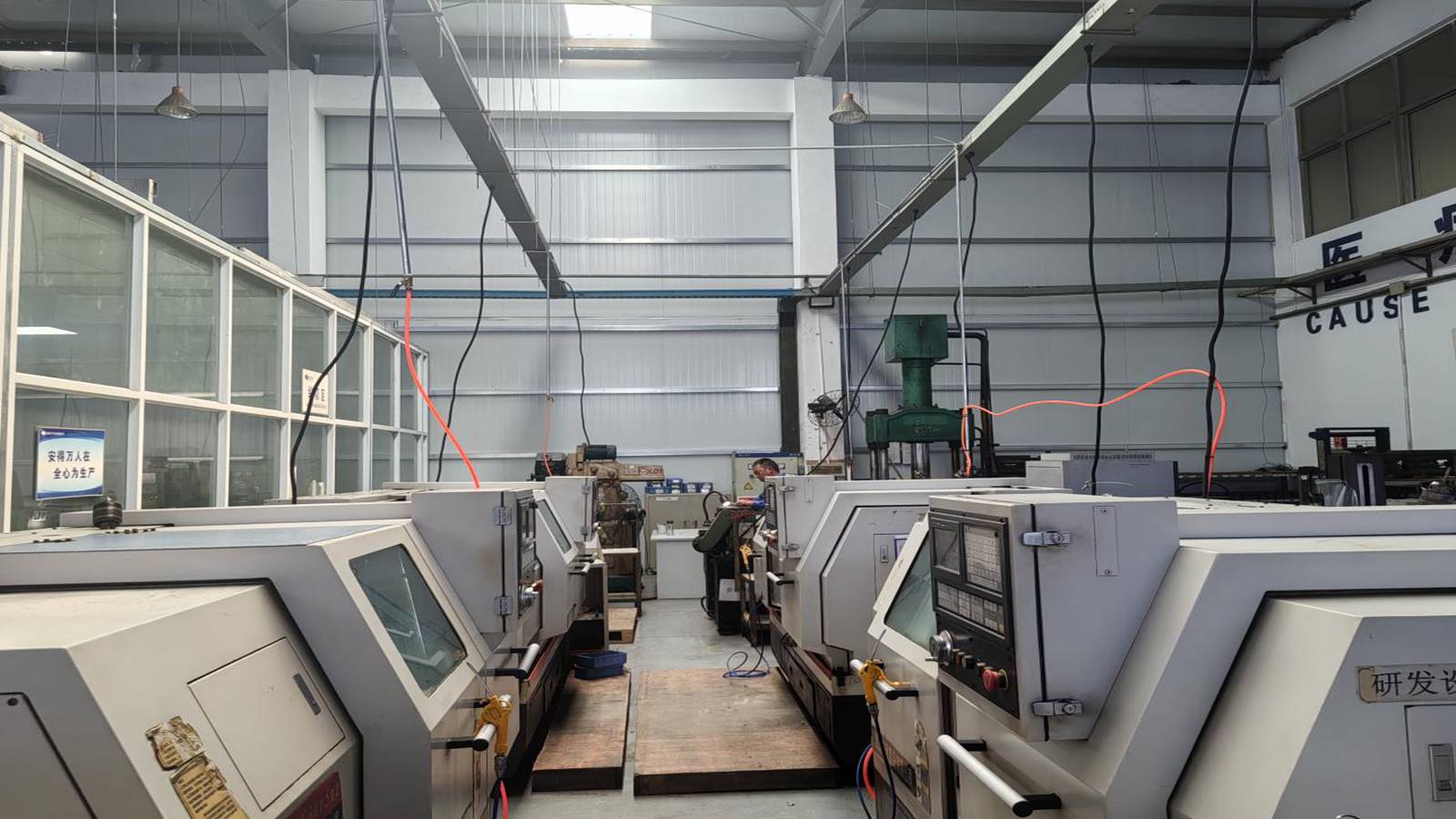
Medispirex Orthopedic Technology Co., Ltd. (Est. 2016) operates a cutting-edge 18,600㎡ production facility specializing in advanced trauma, spinal, and joint reconstruction systems. Integrating R&D, advanced CNC machining, and global logistics, Medispirex boasts a strong R&D division of 85 engineers and a dedicated 45 QC team, maintaining a distribution and supply footprint across Europe, North America, the Middle East, and Southeast Asia. Partnering with over 860 upstream and downstream suppliers, they provide high-performance solutions with significant efficiency advantages.
B. Braun's Aesculap division is globally recognized for high-precision instrumentation and German engineering standards. Their joint reconstruction implants utilize innovative surface coatings, such as Plasmapore (microporous titanium coating), which dramatically speeds biological fixation and guarantees long-term implant stabilization.
Medacta is a leader in developing minimally invasive surgical techniques, notably the Anterior Minimally Invasive Surgery (AMIS) system. Their patient-matched implant technologies and customized planning tools minimize tissue disruption, decrease rehabilitation times, and maximize joint alignment accuracy.
Waldemar Link specializes in solving the most challenging revision procedures. Their modular tumor and revision systems, alongside premium anatomic stems, are engineered to deal with major bone loss, providing customizable reconstructions that return complex pathology patients to active mobility.
Following their acquisition of Wright Medical’s ortho division, MicroPort has emerged as a major player in joint reconstruction. Combining competitive production costs in China with established clinical technologies, they serve global healthcare networks with high-quality primary and revision implants.
Corin incorporates digital technology into physical implants. Their Optimized Positioning System (OPS) calculates how a patient's pelvis moves dynamically during daily activities, enabling surgeons to customize implant positioning for optimized biomechanical performance and minimized wear.
Analyzing how Medispirex delivers top-tier clinical quality while optimizing procurement costs.
In the global orthopedics supply chain, the demand for cost efficiency without sacrificing mechanical reliability has led to the centralization of manufacturing hubs in advanced high-tech zones in China. Facilities like Medispirex Orthopedic Technology Co., Ltd. represent the pinnacle of this industrial evolution.
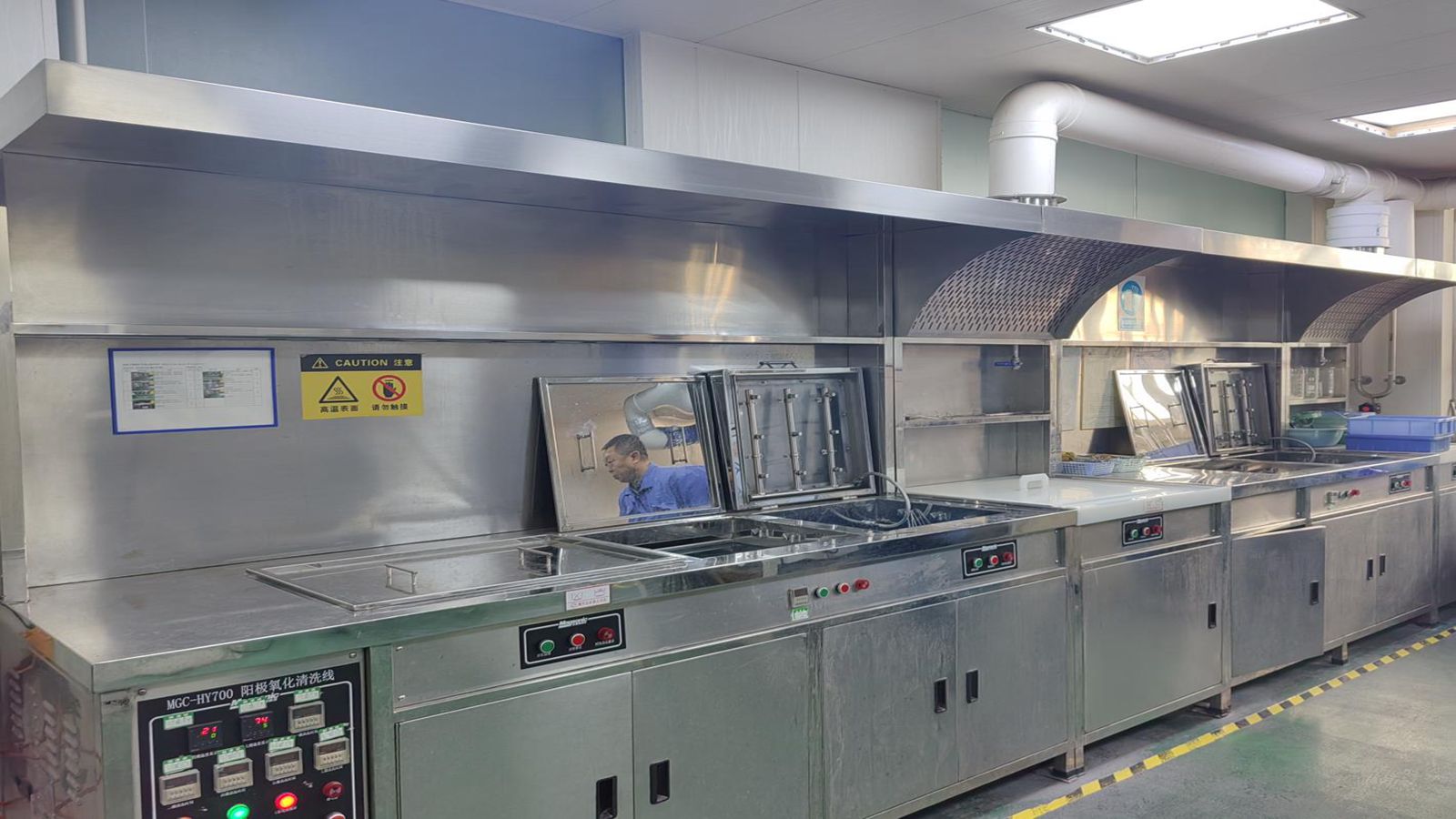
Leveraging 12 years of industry experience and 7 years of direct export operations, Medispirex has structured its 18,600㎡ facility to optimize the entire lifecycle of implant production. This allows international buyers to circumvent traditional supply chain bottlenecks and receive highly specialized medical components under strict timelines.
Direct supply partnerships with global raw material giants allow Medispirex to source high-grade medical Titanium Alloys (Ti-6Al-4V ELI) and Cobalt-Chromium-Molybdenum (CoCrMo) conforming to ASTM and ISO standards, ensuring maximum biocompatibility and fatigue strength.
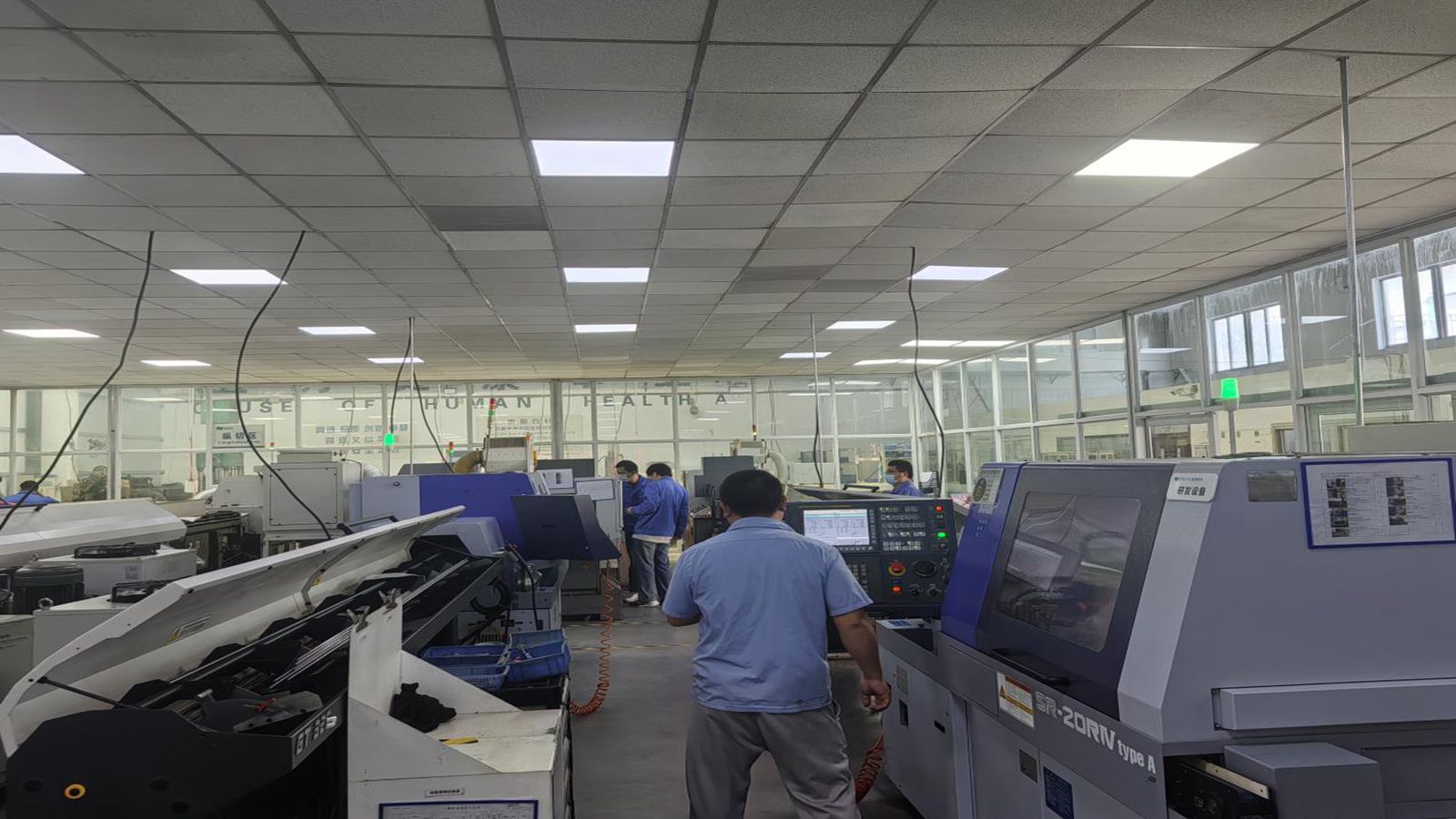
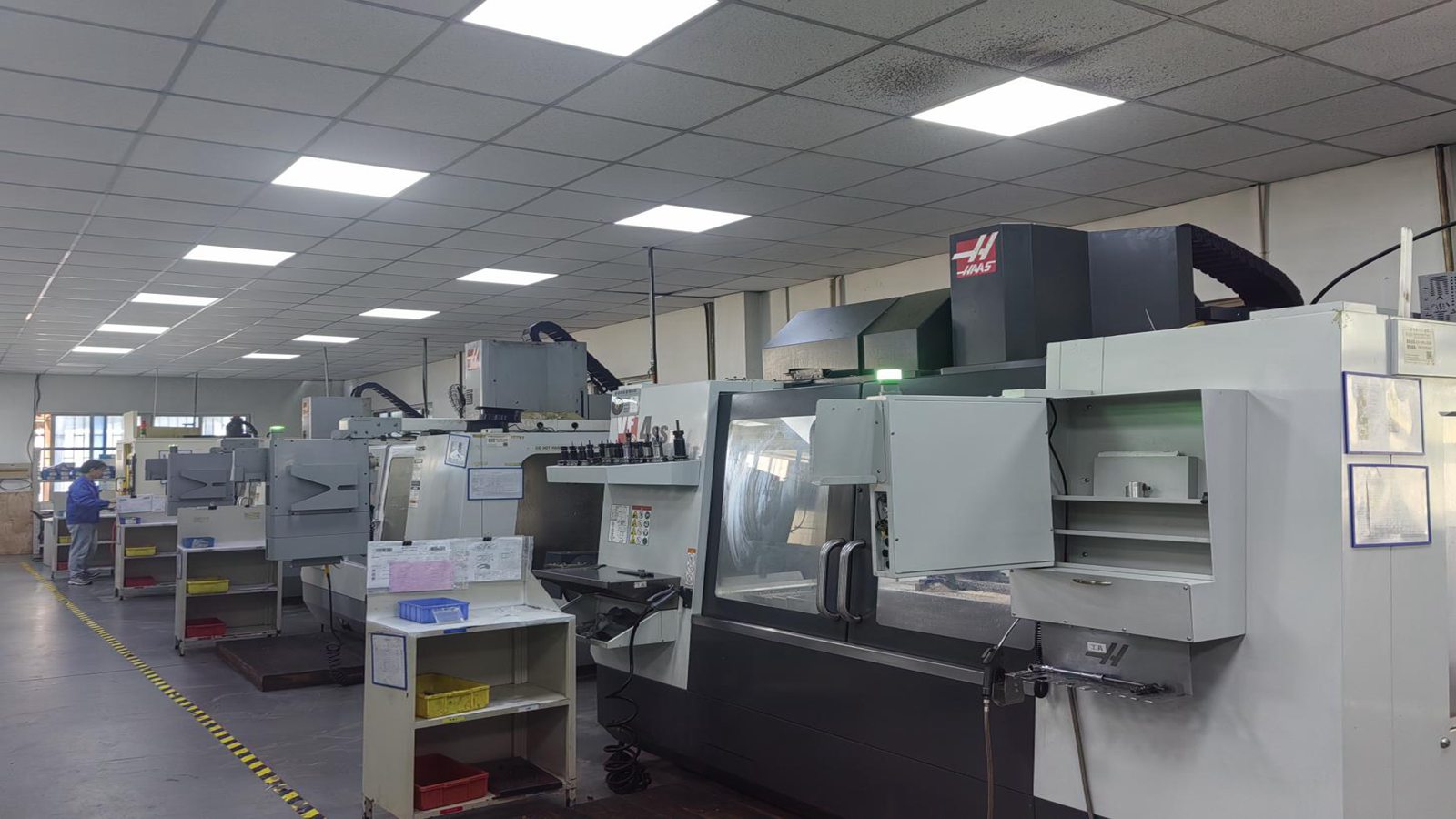
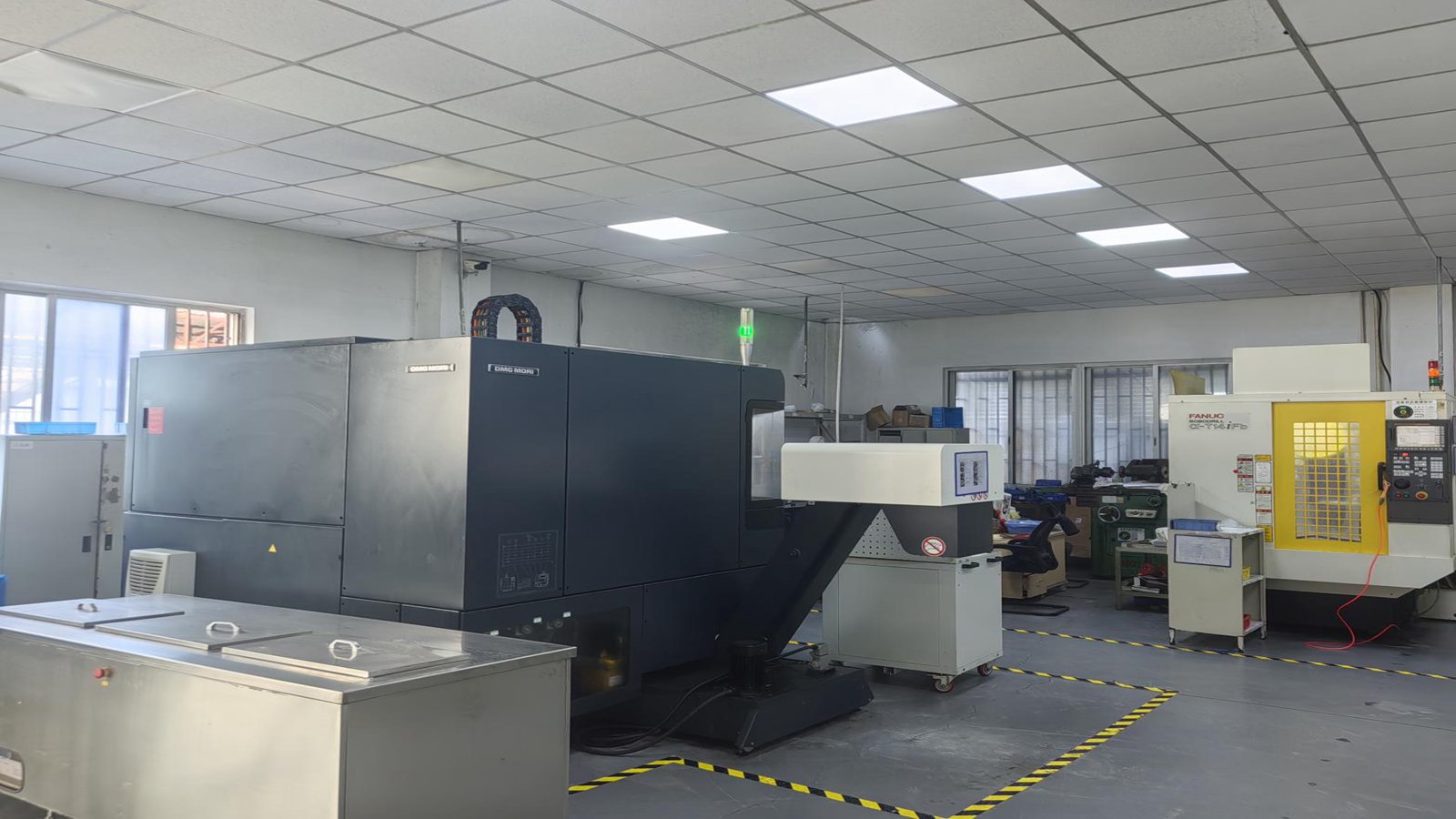
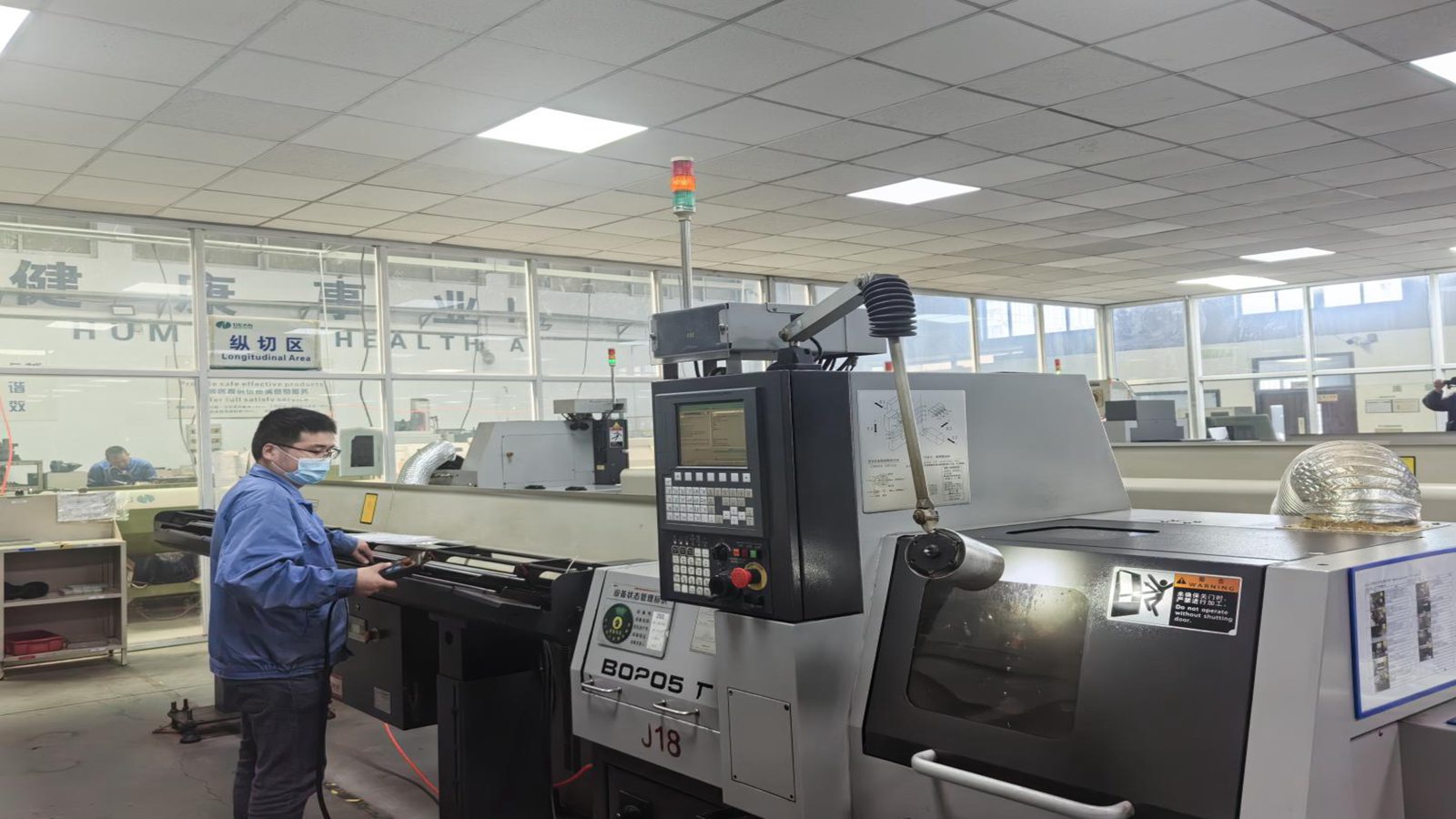
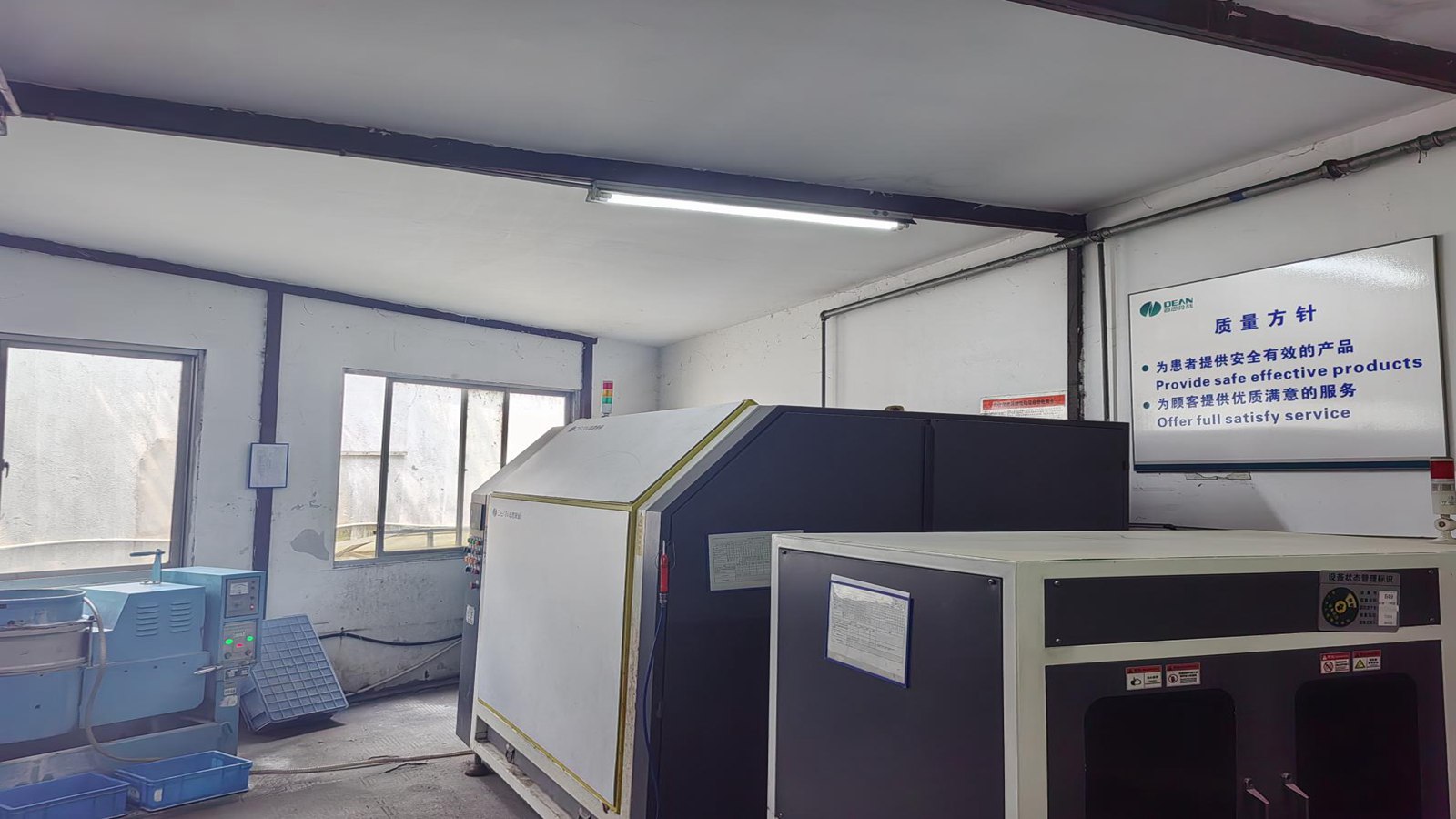
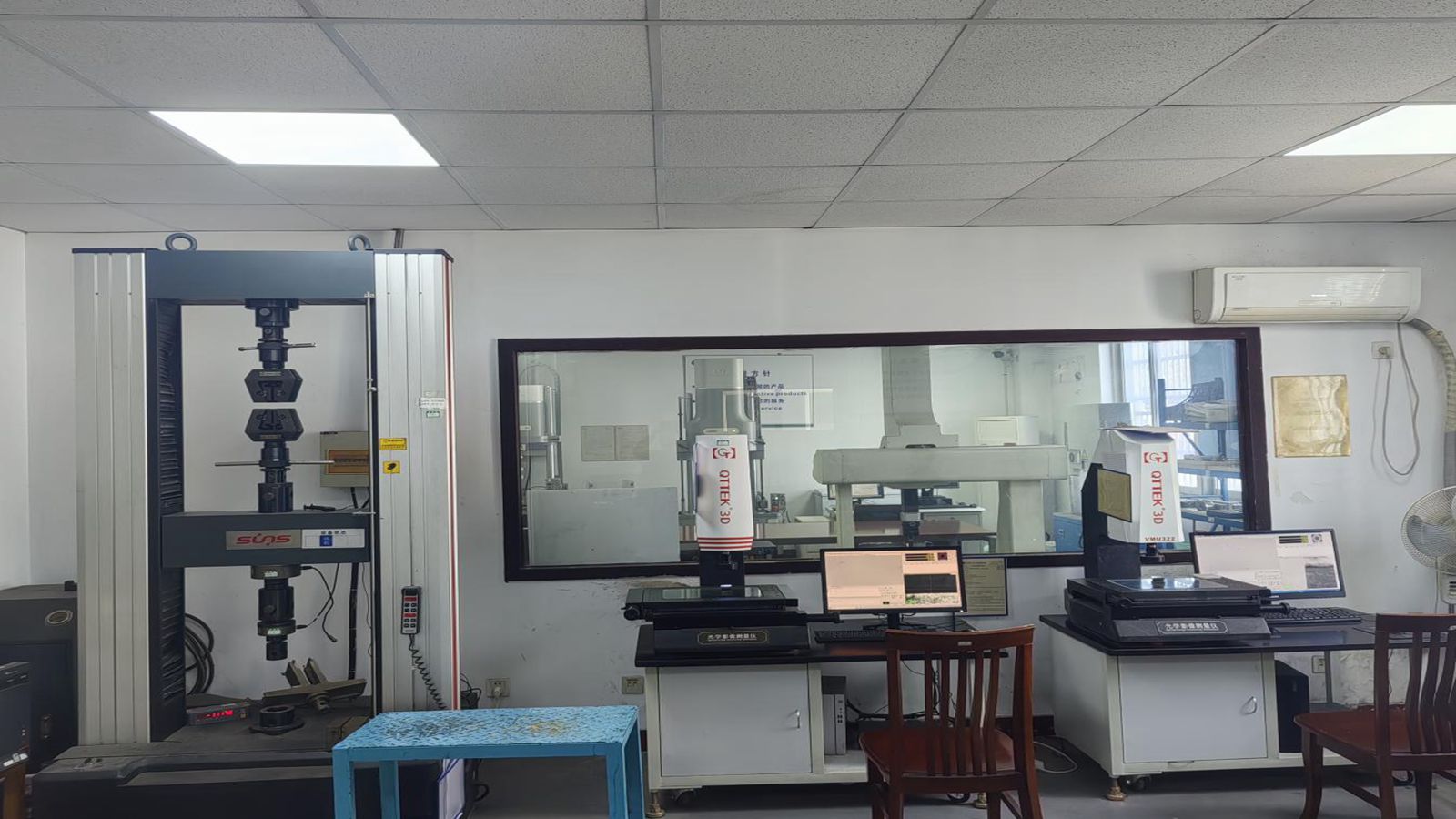
A 45-person Quality Control team manages four layers of verification: incoming material chemistry testing, in-process dimensional tolerance controls on Swiss CNC machinery, mechanical fatigue testing, and full batch traceability via laser-marked serialization.
With 85 biomechanical and materials engineers, Medispirex released approximately 120 new products last year, maintaining alignment with modern clinical surgical trends, including minimally invasive instrumentation and custom lock configurations.
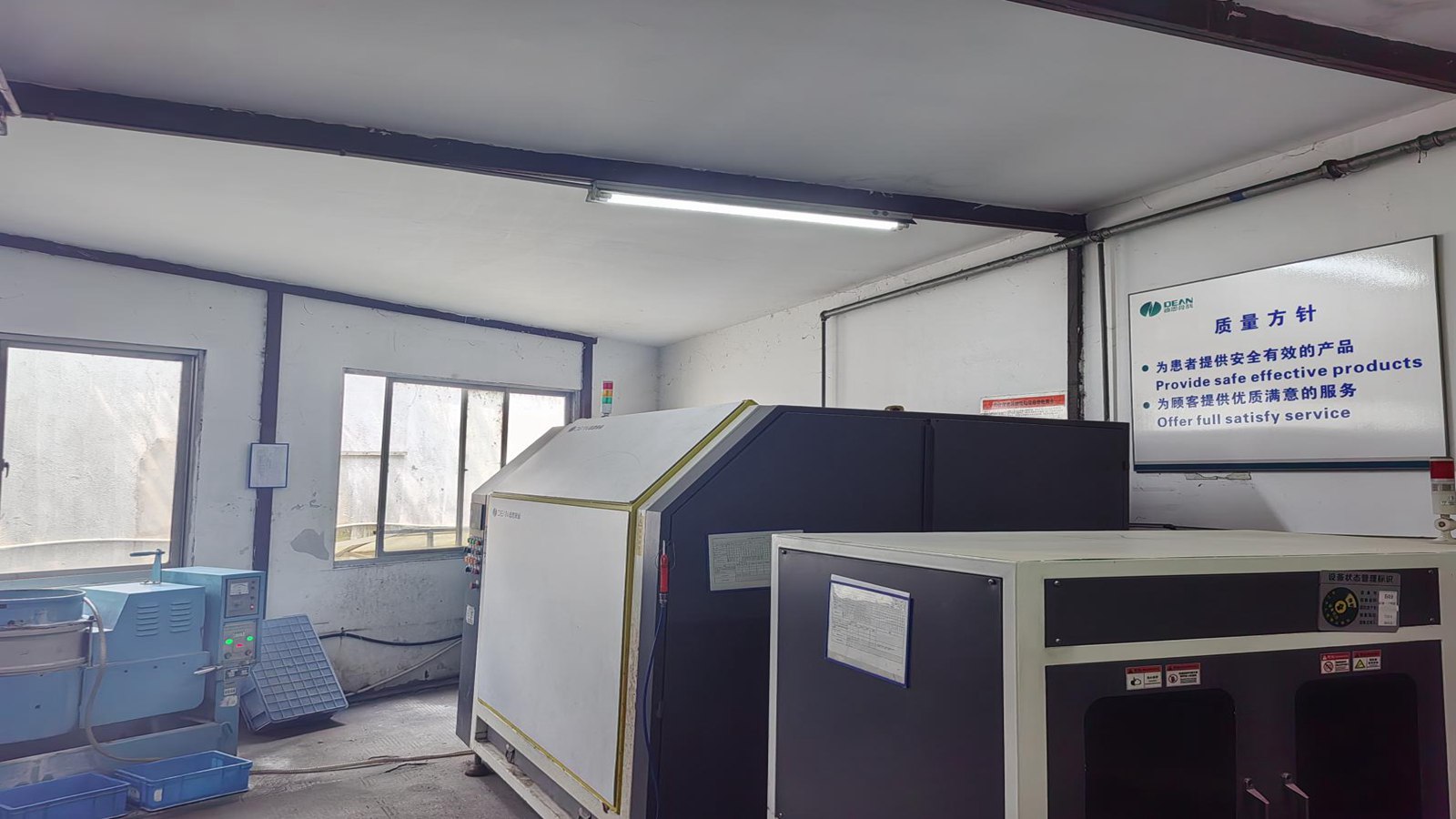
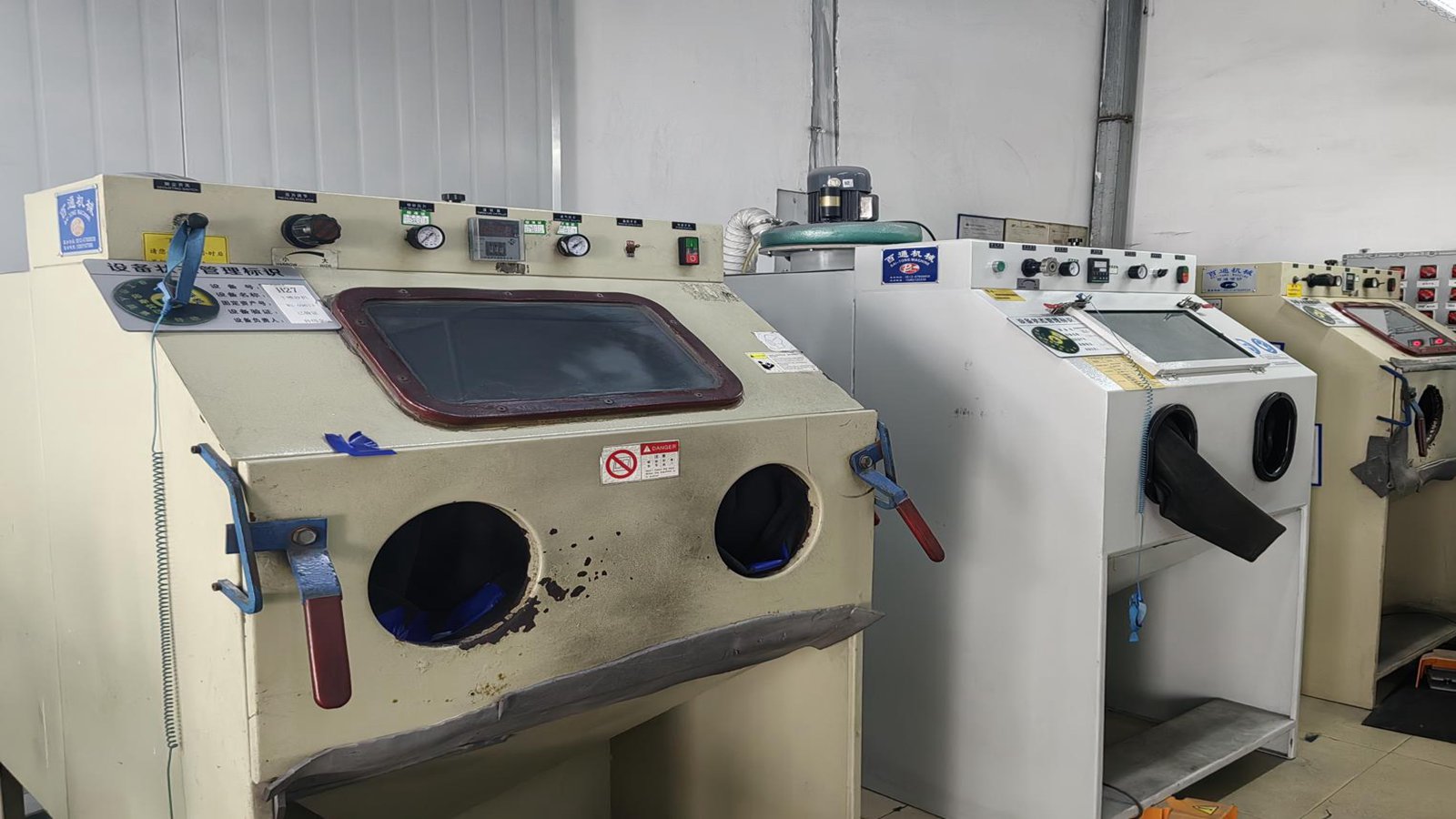
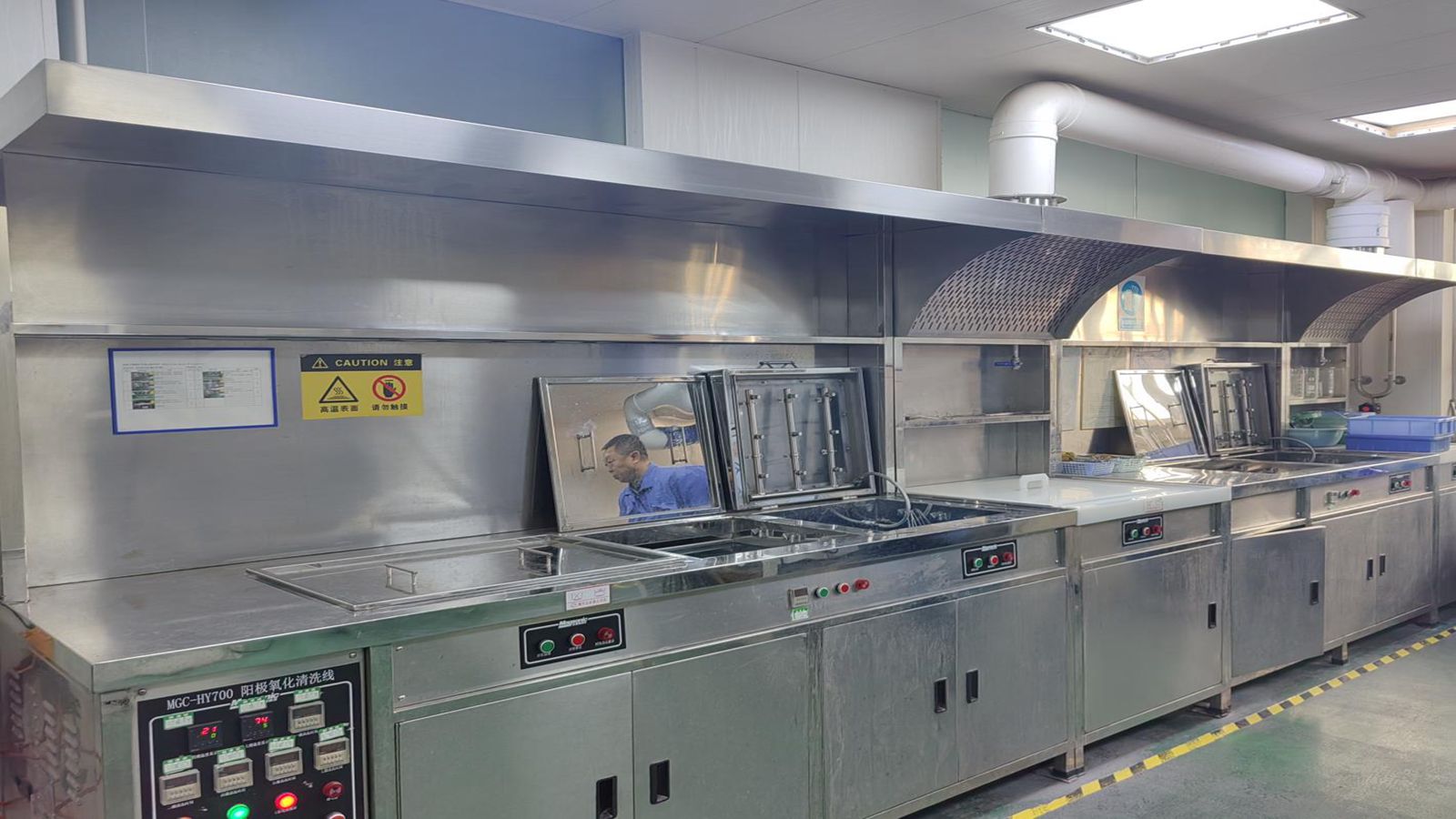
Inside the Medispirex production lines, where medical grade titanium and cobalt chrome are processed.
Key risk-mitigation vectors when purchasing bulk joint implants and trauma systems.
Before entering long-term supply agreements, confirm the factory's regulatory alignment. Total Hip Joint components are Class III medical devices. Ensure your supplier holds ISO 13485 certification, FDA 510(k) clearances, and EU MDR CE markings. Ask for structural test reports detailing ISO 7206 fatigue-test protocols for femoral stems.
A high-tier manufacturer must offer flexible design modifications. Whether adapting anatomical angles, configuring specialized porous surface textures (such as plasma spray or HA coating), or developing proprietary instrument packages, look for teams with robust R&D groups (such as Medispirex's 85 engineers) that handle CAD modeling and finite element analysis (FEA).
Evaluate the supplier's partner network. Medispirex's network of over 860 partners ensures that raw titanium alloy shortages or manufacturing backlogs are avoided. Stable supply chains translate to predictable, short lead times, allowing distributors to maintain lean inventory profiles.
Emerging advancements transforming joint reconstruction efficiency and clinical outcomes.
Additive manufacturing allows factories to print complex, interconnected pore structures directly onto the acetabular cup. These porous zones mimic trabecular bone, encouraging rapid bone ingrowth and lowering the incidence of aseptic loosening.
Particularly beneficial for elderly patients and revision surgeries, dual mobility cups feature a double-articulating joint system that increases the range of motion before impingement, virtually eliminating postoperative hip dislocation risks.
The combination of ultra-pure alumina-matrix ceramic heads on highly cross-linked polyethylene liners (CoP) represents the gold standard in bearing couples, providing a reliable compromise between impact strength and low friction wear.
Expert clarifications on technical parameters, safety tests, and procurement logistics.
Explore our premium clinical selection of orthopedic implants and specialized surgical instruments.