Medispirex
Medispirex
Medispirex
Explore our high-precision medical instruments engineered for modern sports medicine, orthopedics, and trauma reconstruction.
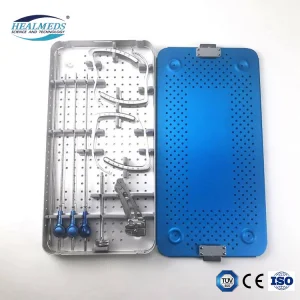
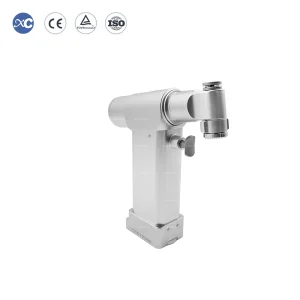
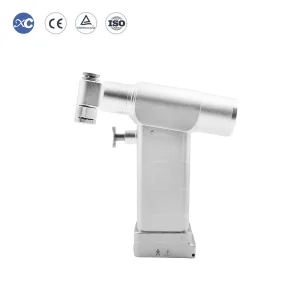
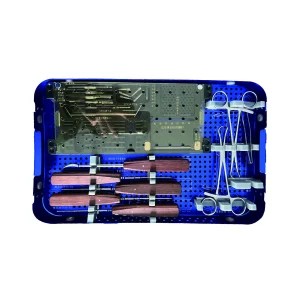
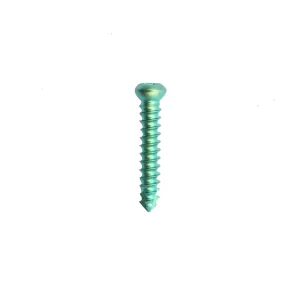
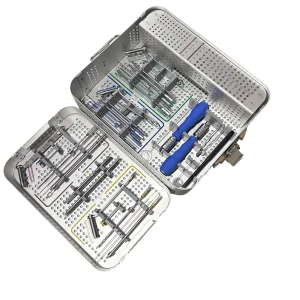
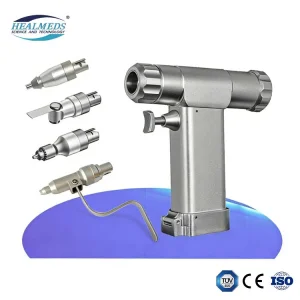
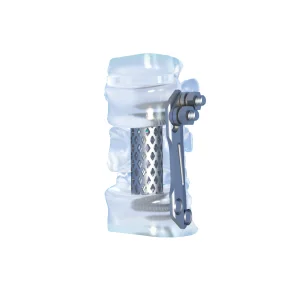
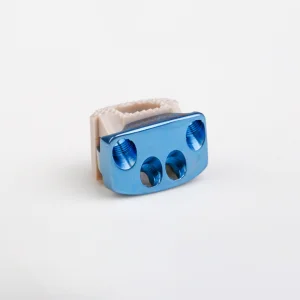
Spinal interbody fusion is a well-established surgical standard for managing degenerative disc disease, spinal instability, and spondylolisthesis. Central to the success of this clinical procedure is the choice of interbody fusion cages. Over the last two decades, the global orthopedic market has experienced a significant paradigm shift in materials engineering, moving from autologous bone grafts to synthetic polymers like PEEK (Polyetheretherketone), and rapidly returning toward advanced Titanium Alloys (principally Ti-6Al-4V ELI) and additive-manufactured (3D printed) porous titanium structures.
Historically, PEEK dominated the market because of its radiolucency and elastic modulus similar to human cortical bone. However, PEEK lacks the bioactive properties required for direct osseointegration, often resulting in a fibrous tissue encapsulation that can impair construct stability. Titanium, by contrast, is highly biocompatible and exhibits exceptional mechanical strength. Recent manufacturing innovations, particularly metal 3D printing (Direct Metal Laser Sintering or DMLS), allow developers to design porous titanium cages that mimic the trabecular architecture of cancellous bone. This not only matching the lower elastic modulus of bone (thus reducing the risk of subsidence) but also facilitates rapid osteoblast attachment and vascular infiltration.
Globally, the demand for titanium interbody fusion devices is rising. Key drivers include a rapidly aging global population, the expansion of minimally invasive spinal surgeries (MISS), and a clinical consensus highlighting the superior long-term fusion outcomes of porous structures. As a result, Tier-1 medical institutions and multi-national medical device distributors are increasingly prioritizing titanium options in their orthopedics procurement pipelines.
Titanium alloys form a stable, protective oxide layer that promotes direct bone apposition, optimizing the primary biological anchor post-surgery.
By engineering trabecular configurations, porous titanium achieves a mechanical modulus similar to cancellous bone, minimizing stress shielding.
Resists compressive and shear forces within the demanding spinal column environment, preventing cage migration and fracture.
Procuring surgical implants is vastly different from selecting standard commercial components. Hospital supply chain directors, GPOs (Group Purchasing Organizations), and OEM partners operate under strict regulatory and clinical metrics. The key considerations for global procurement include:
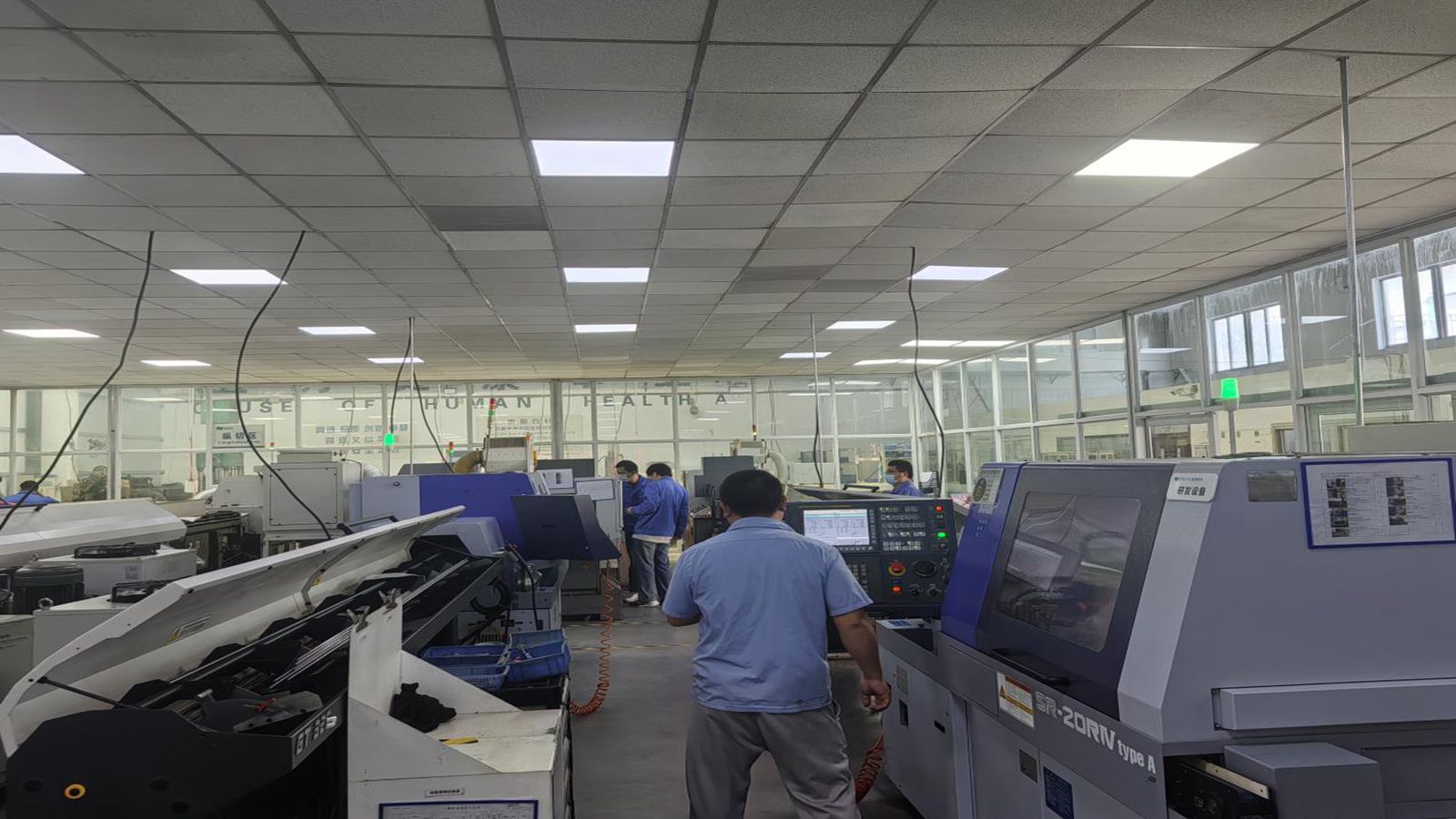
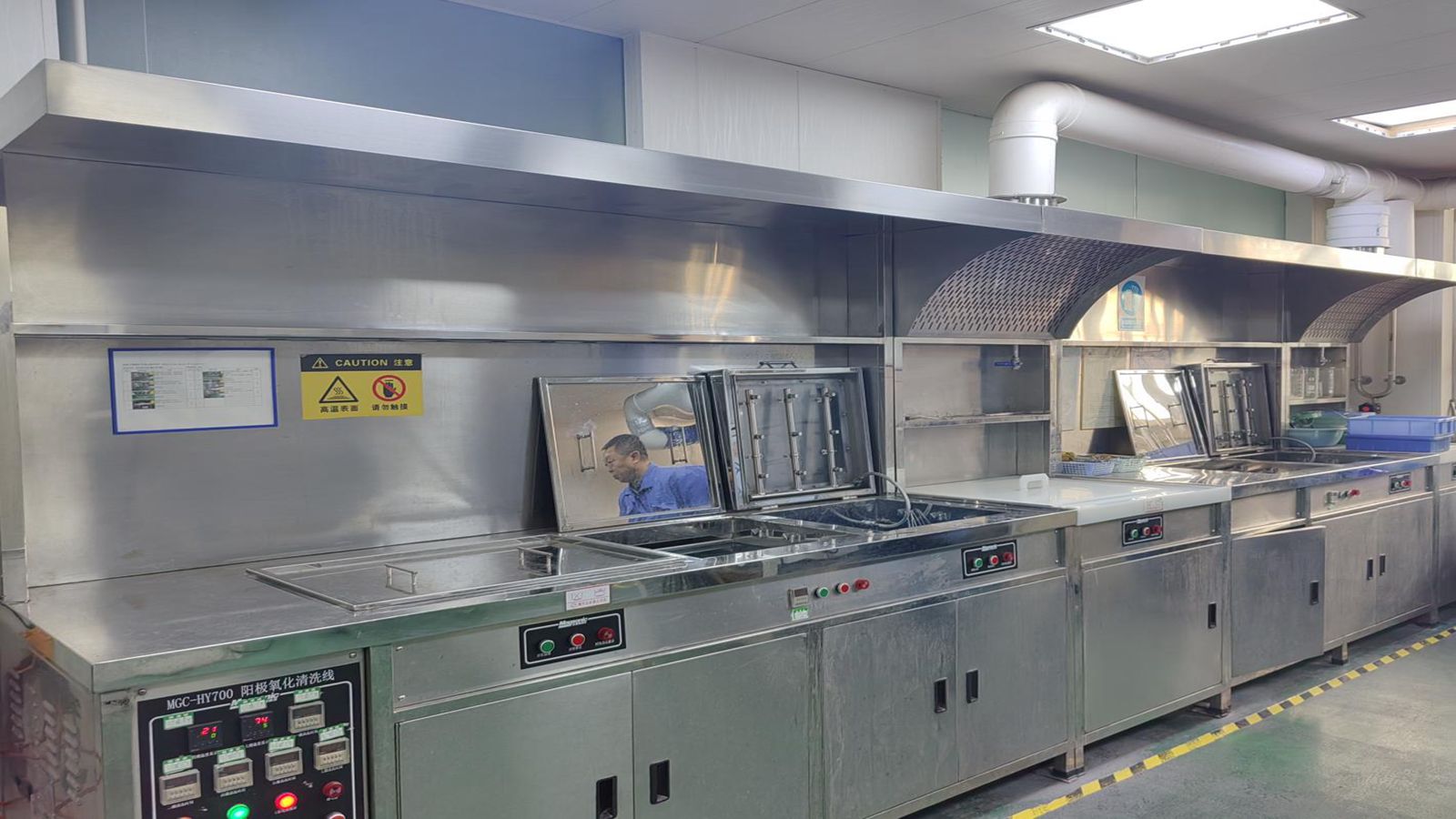
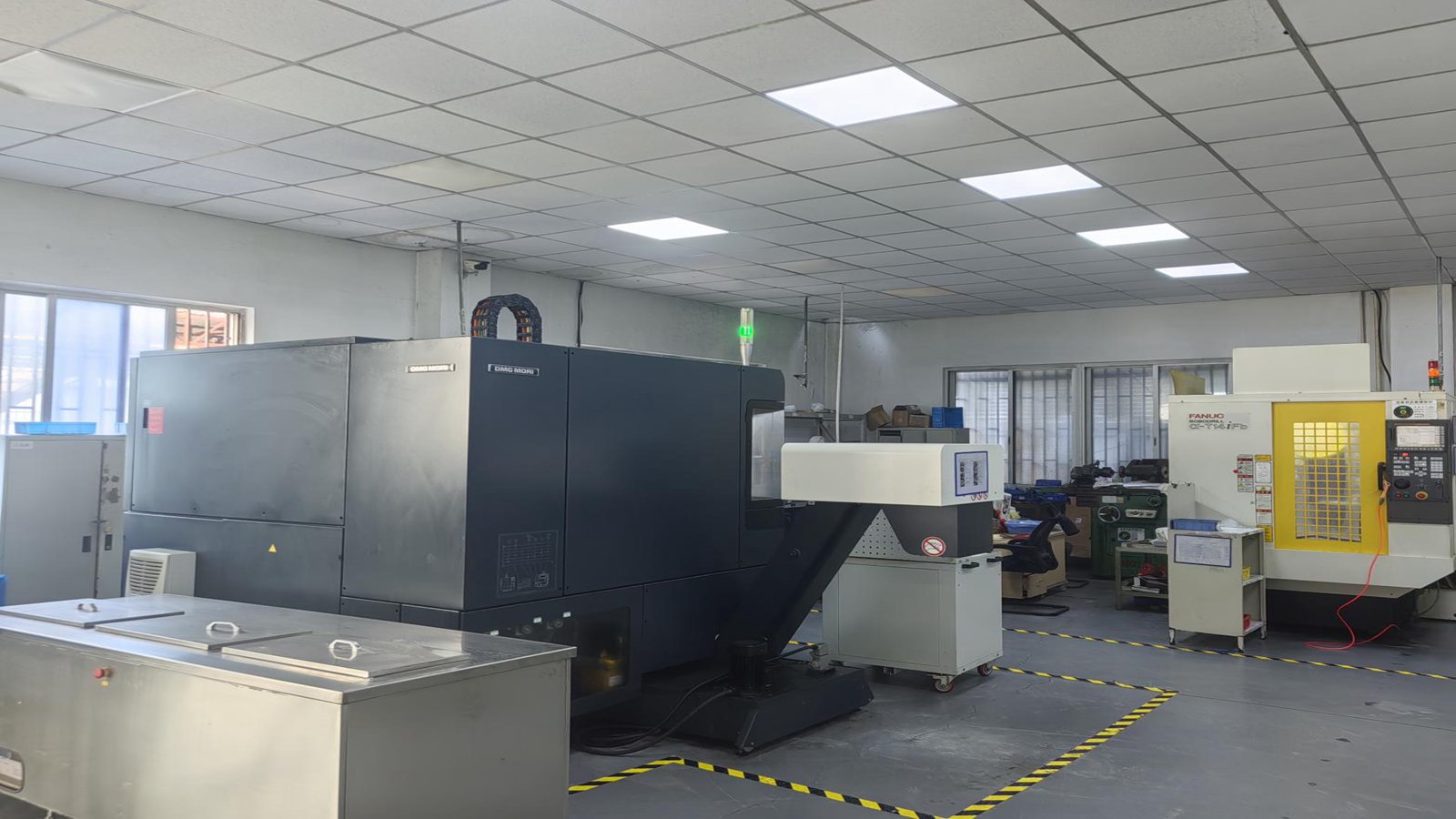
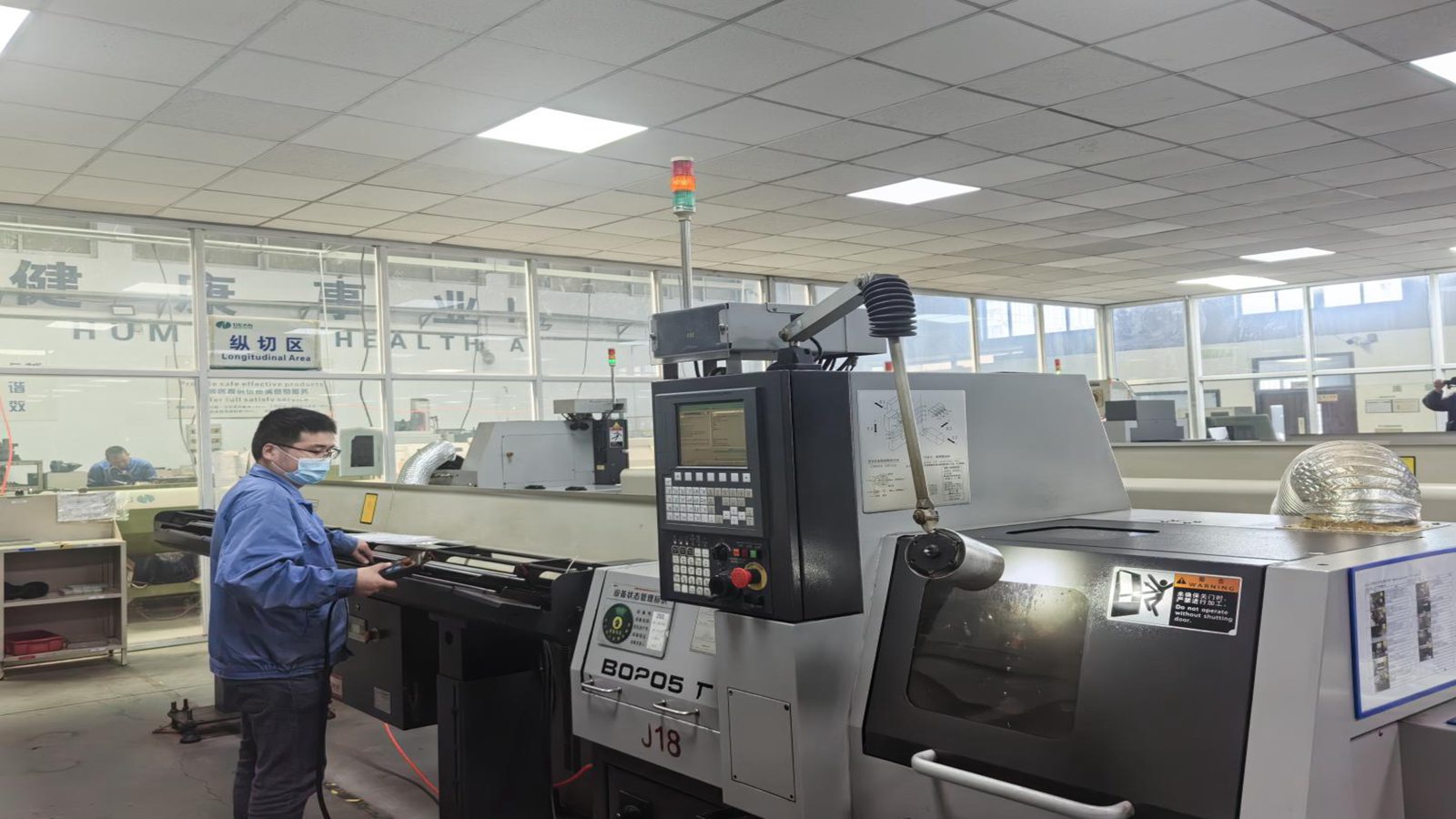
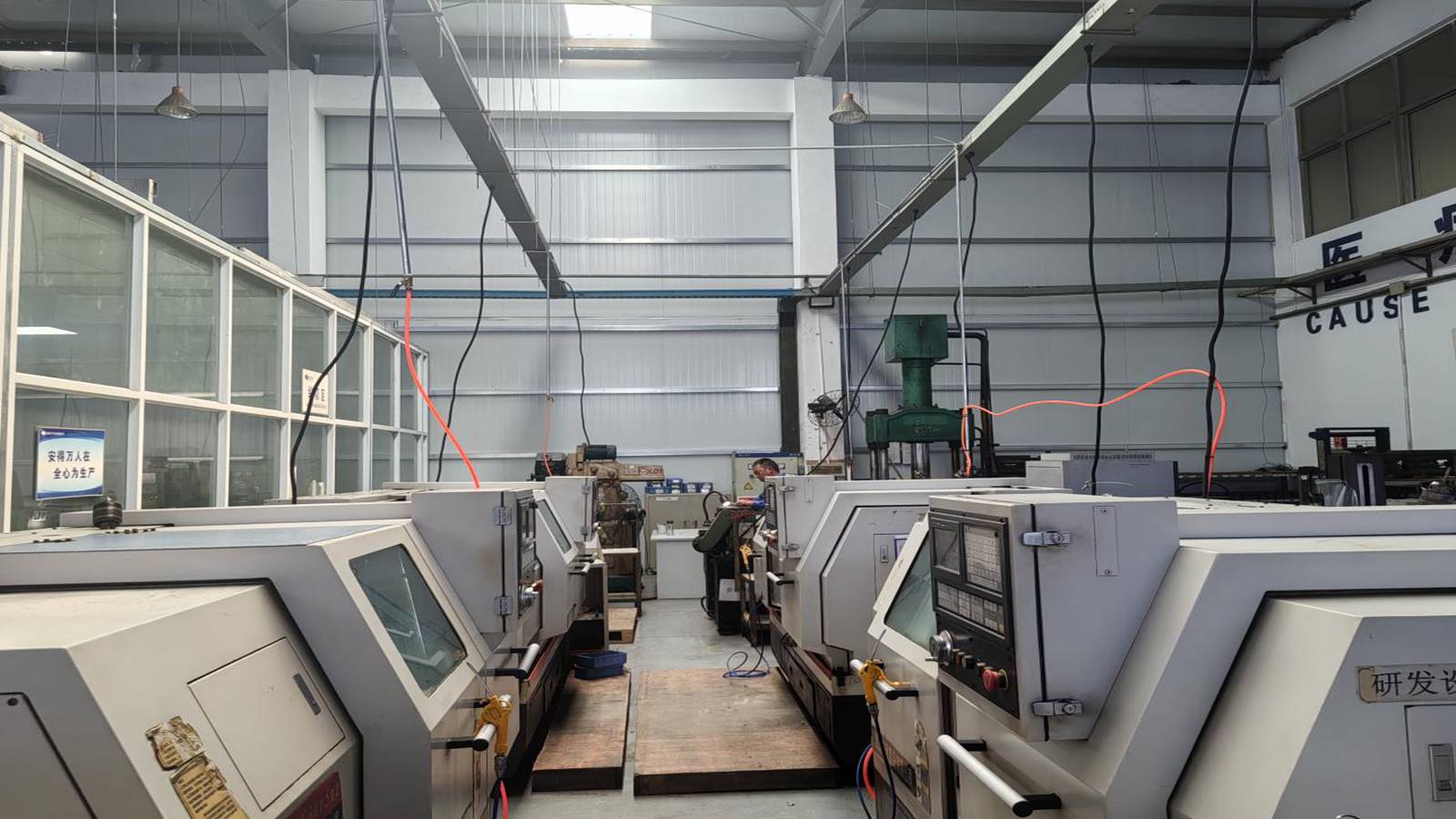
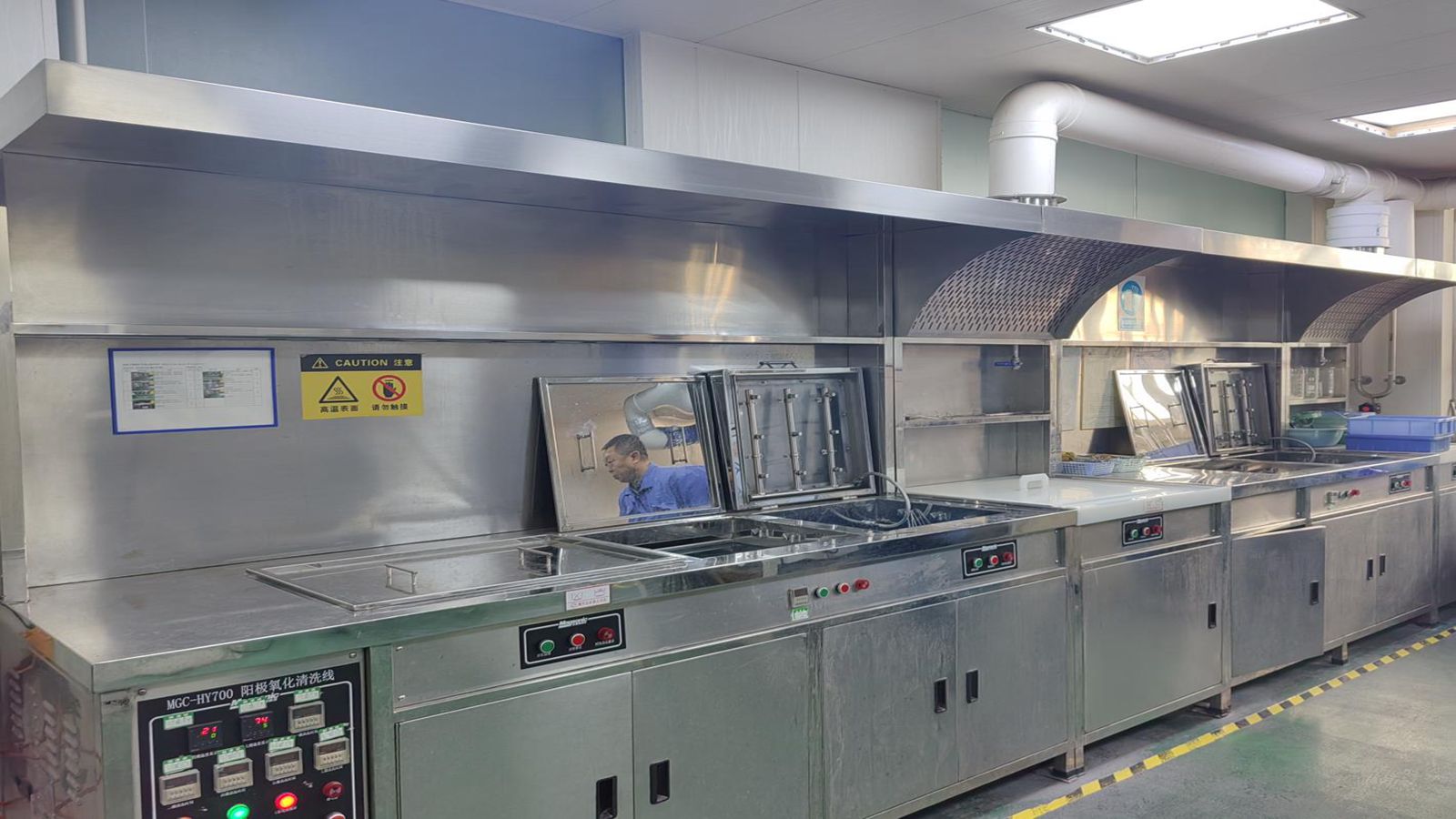
China has evolved from a primary component manufacturer into a hub of high-end medical device engineering. Driven by "Industry 4.0" automation, Chinese orthopedic manufacturing facilities utilize multi-axis CNC Swiss-type lathes, automated cleanroom lines, and advanced electrochemical surface treating setups. This technological foundation offers double advantages: uncompromised dimensional precision and significant economy of scale.
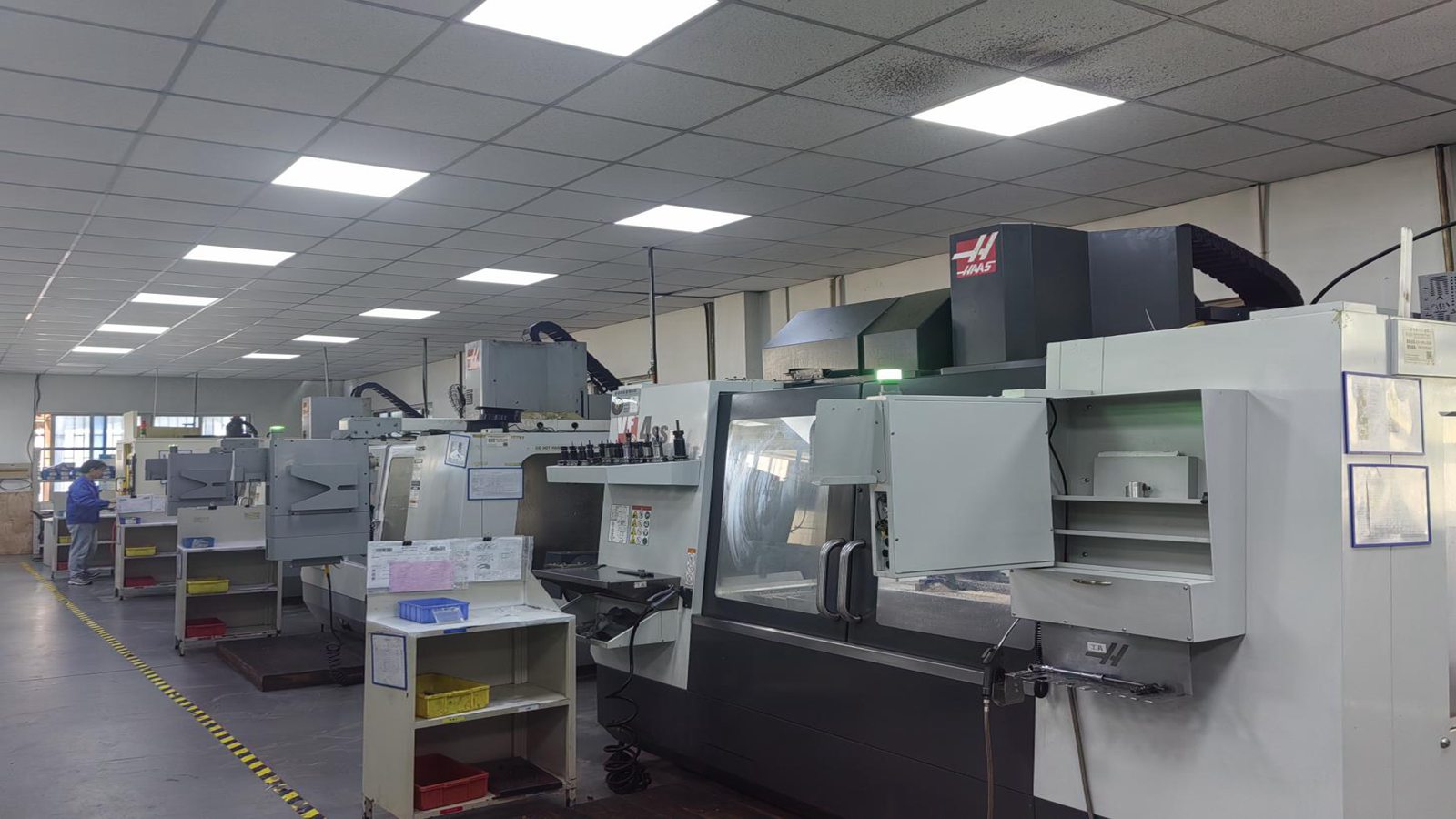
A prime example of this industrial advancement is Medispirex Orthopedic Technology Co., Ltd.. Established in 2016, Medispirex has structured its development around high-precision clinical engineering. The company maintains an expansive, modern production facility spanning approximately 18,600㎡. This infrastructure integrates advanced tooling, chemical processing, and validation facilities under one roof, establishing full quality control over the manufacturing lifecycle.
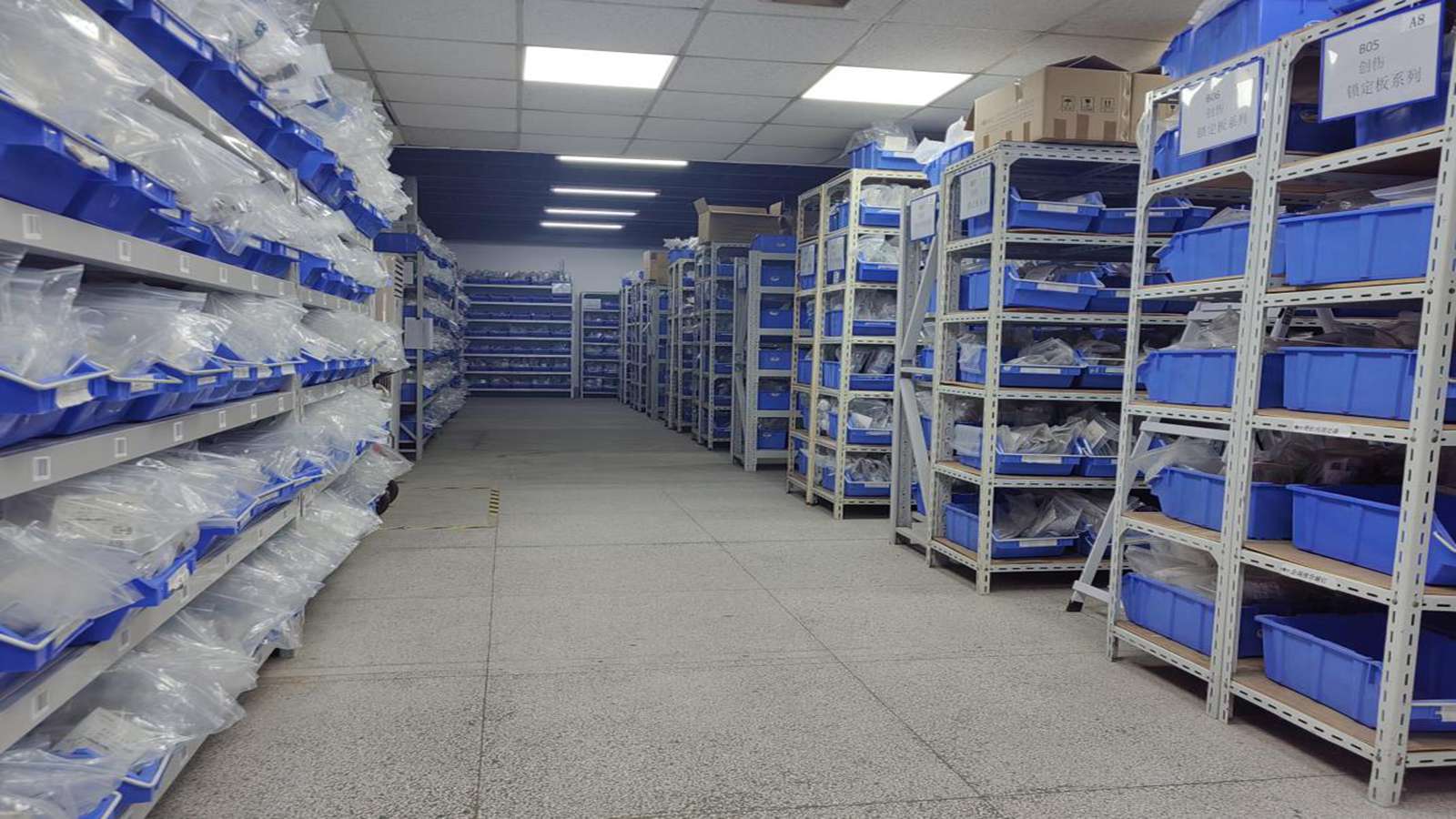
With 12 years of industry expertise and 7 years of direct export experience, Medispirex understands the needs of international markets. The company's supply chain network encompasses roughly 860 upstream and downstream partners. This strong ecosystem ensures a steady supply of high-grade raw materials and specialized post-processing services, protecting clients from raw material fluctuations and long lead times.
Innovation is key to the company's growth. Backed by a dedicated R&D team of approximately 85 engineers specializing in biomechanics, material science, and orthopedic device design, Medispirex launched approximately 120 new products over the past year. This agile product development cycle allows global distributors to quickly respond to shifting clinical trends and surgical preferences.
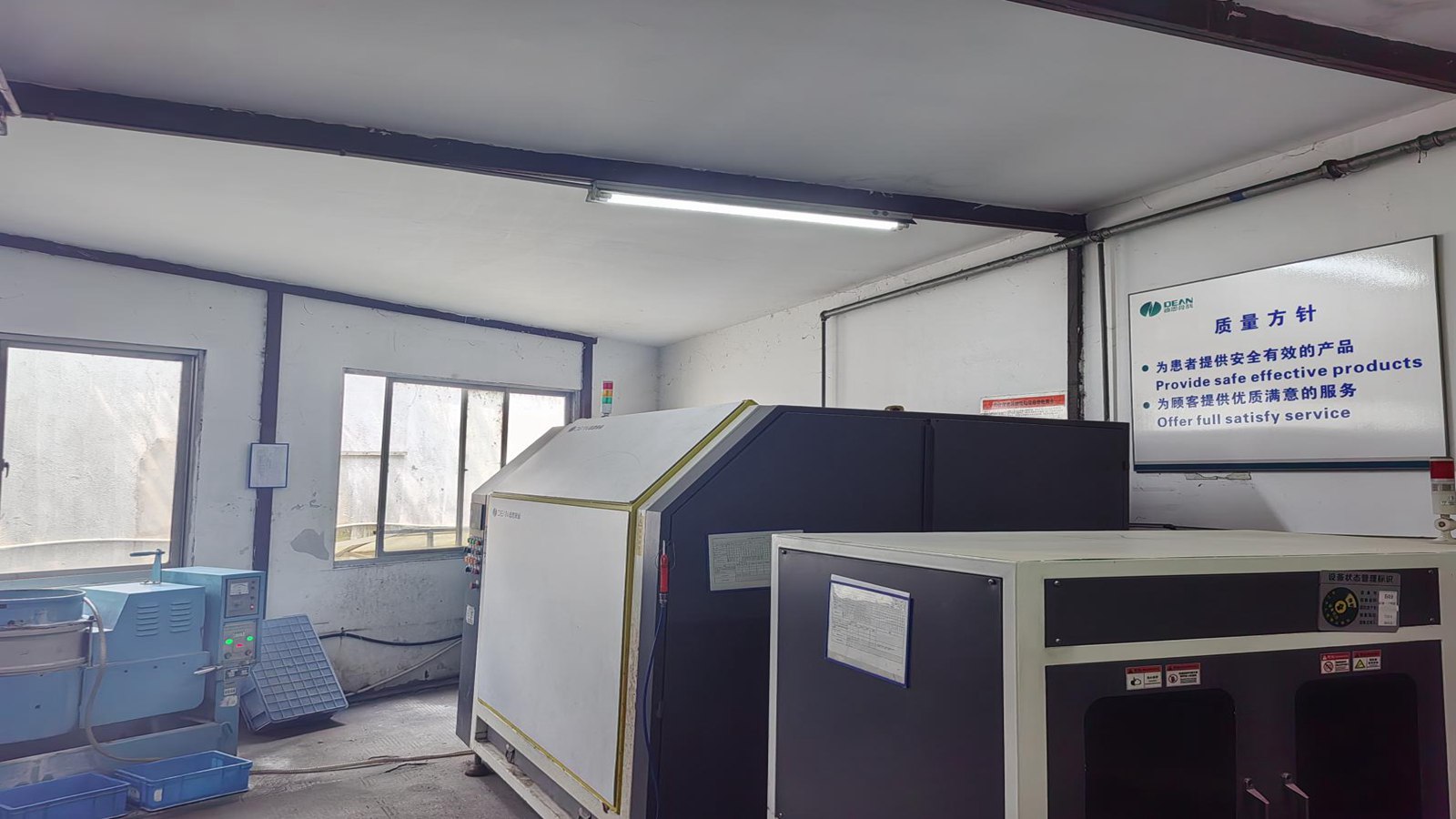
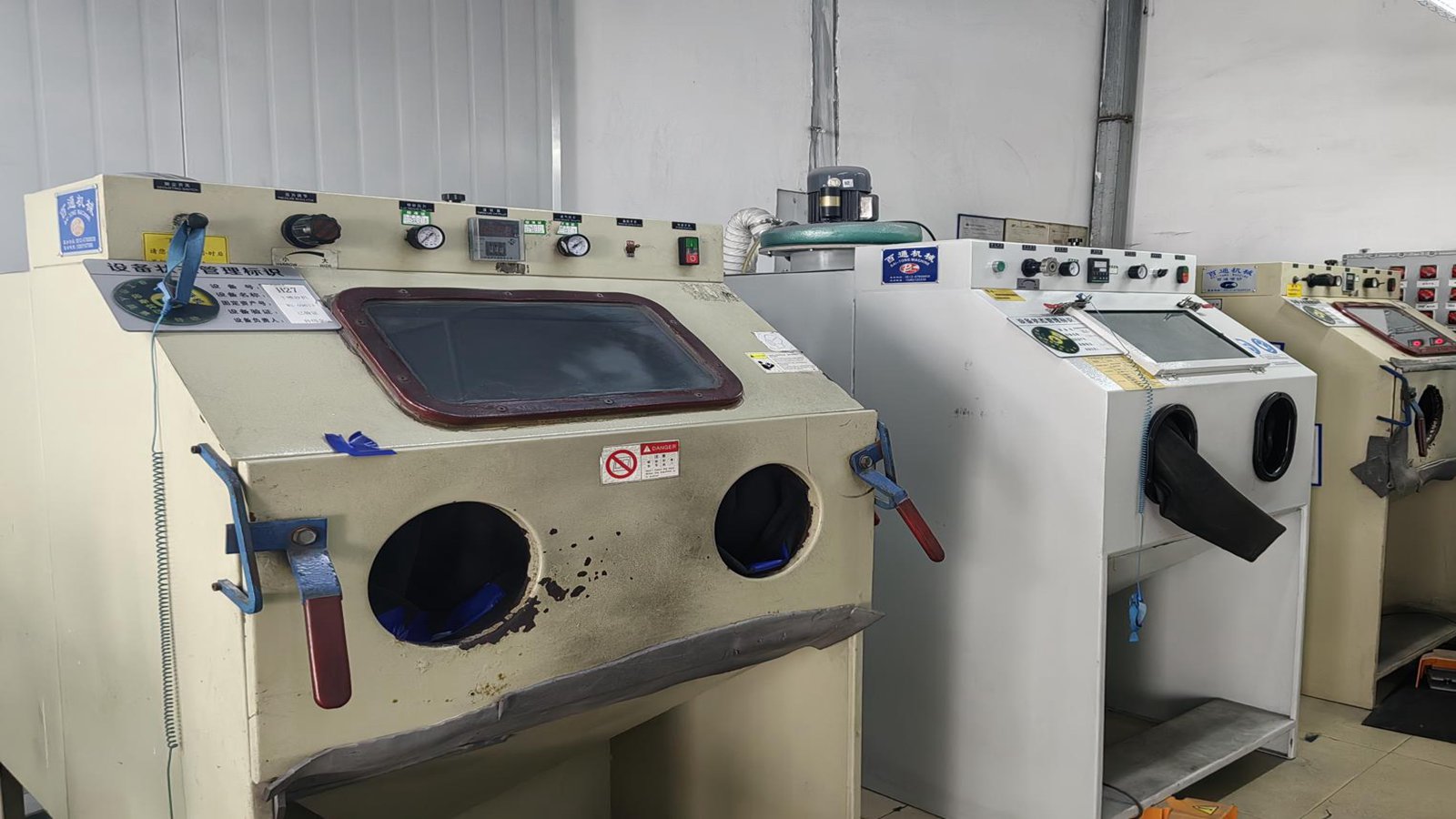
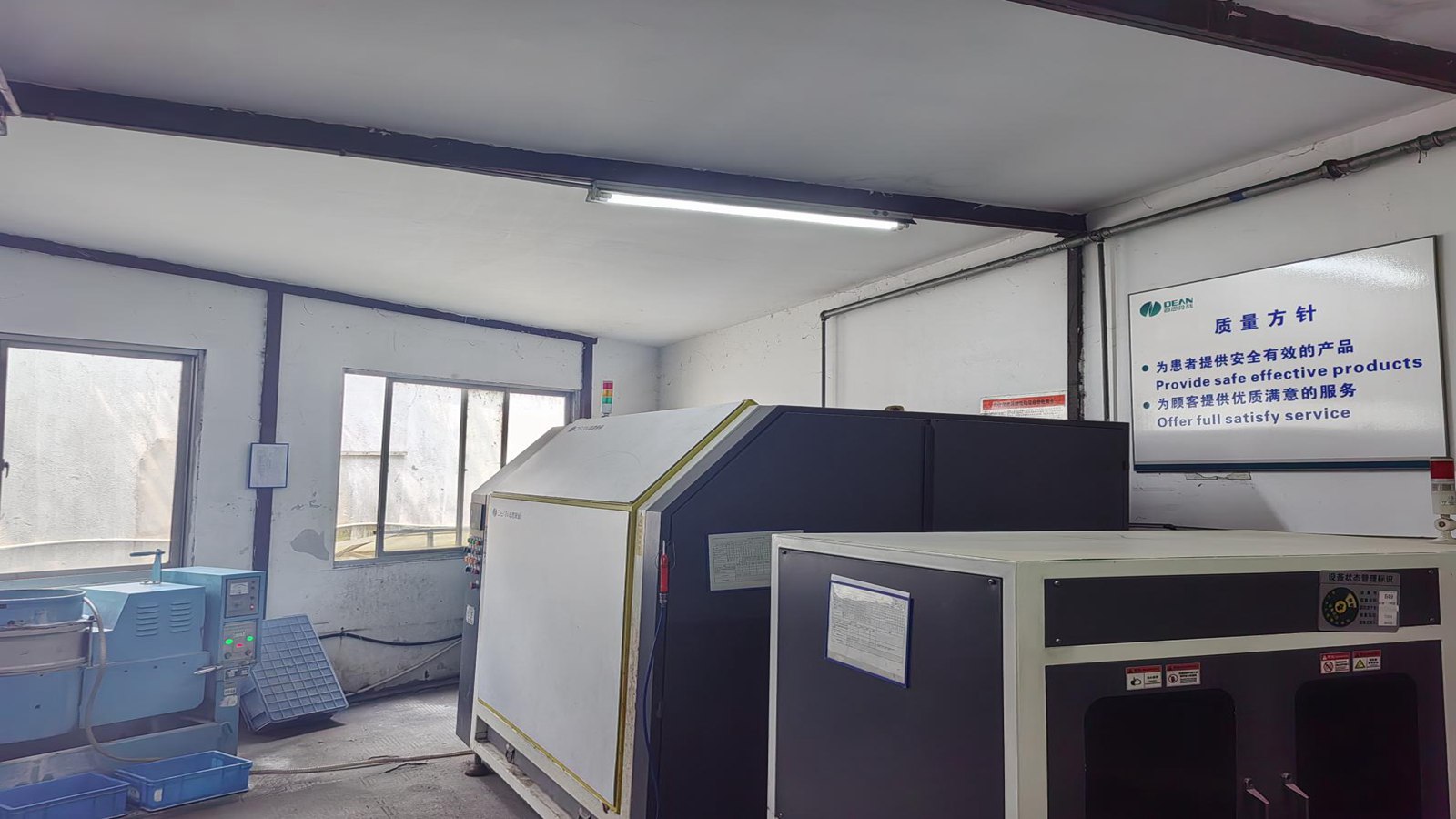
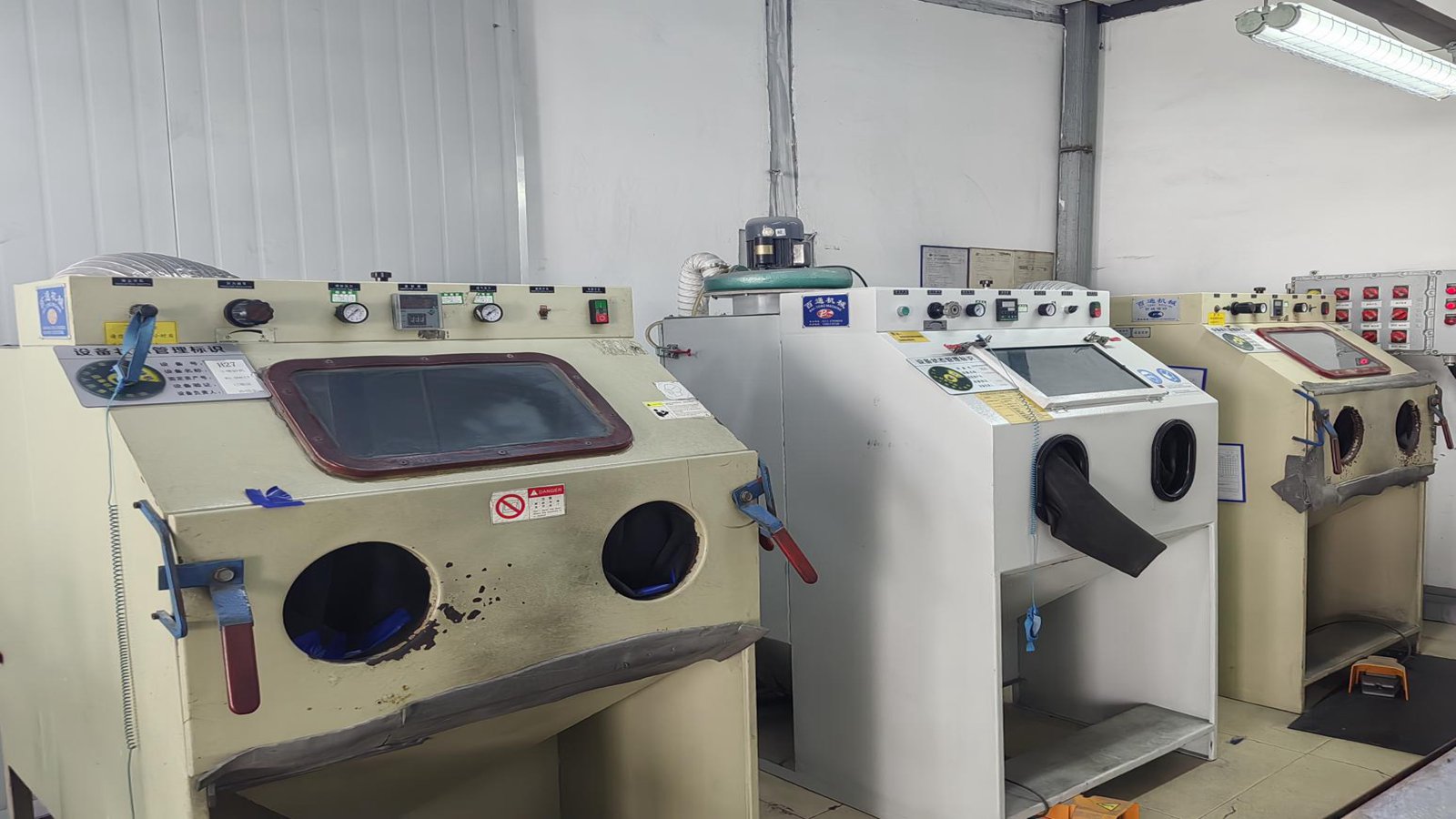
A closer look at how Medispirex manages every stage of medical device manufacturing, from raw material slicing to sterile-ready packaging.
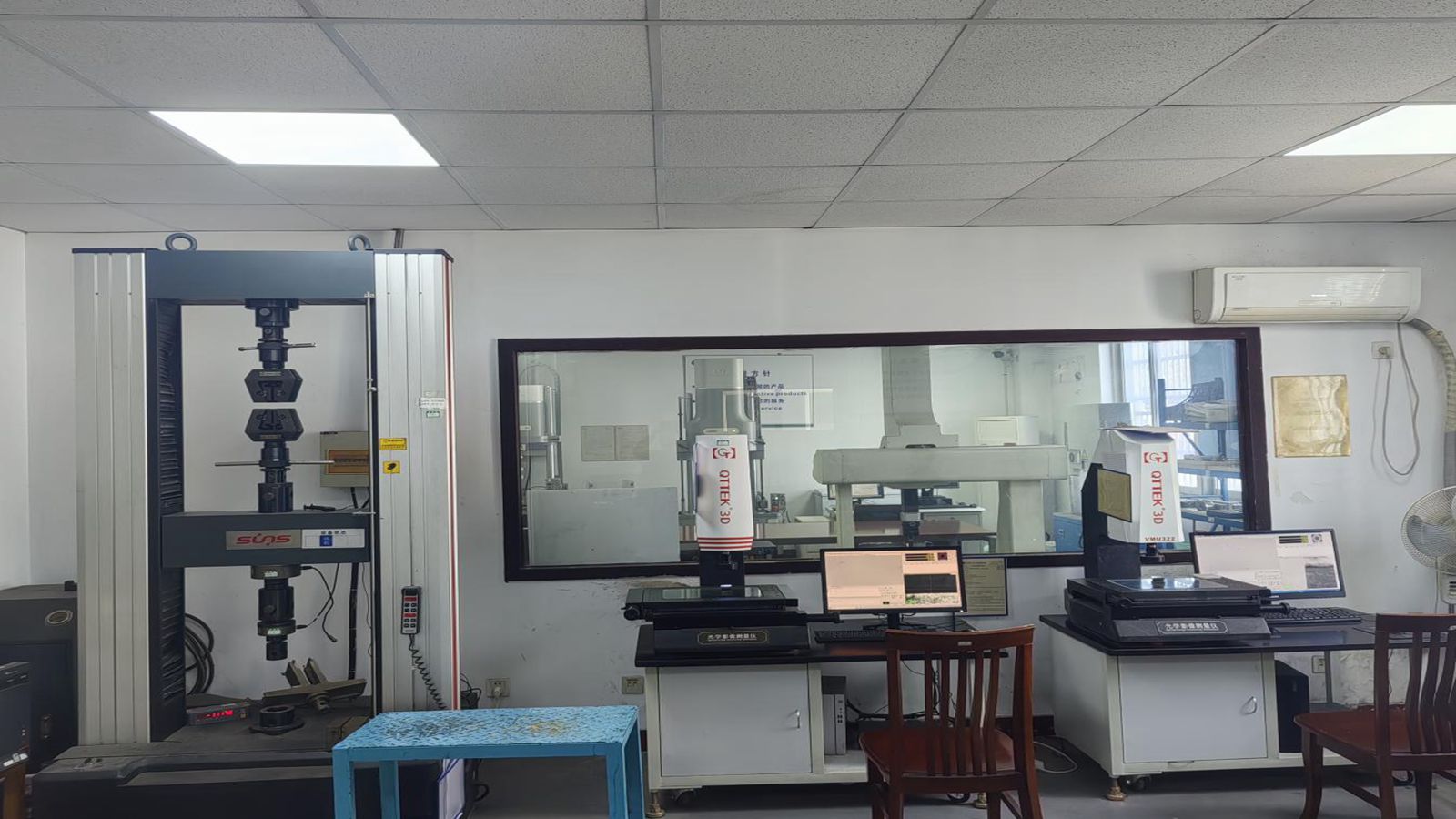
To ensure high quality, Medispirex operates under a strict multi-tier quality management system. This process involves four stages of testing: incoming material inspection, in-process quality control, final product testing, and batch traceability systems. The quality assurance team consists of 45 QC professionals who verify that every implant conforms to structural design files. The verification methods include high-resolution dimensional inspection, simulated mechanical fatigue testing, and material composition analysis using spectrometry.
Depending on clinical needs, spinal surgery requires specialized approaches. Interbody cages must match these surgical access paths to ensure stability and proper alignment. Below are the primary clinical applications:
Get professional answers to common technical, manufacturing, and procurement questions regarding Titanium Interbody Cages.
Premium trauma nail systems, micro fixation implants, and certified spine surgery tools.