Medispirex
Medispirex
Medispirex
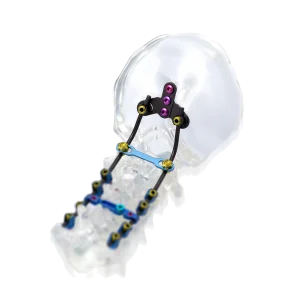
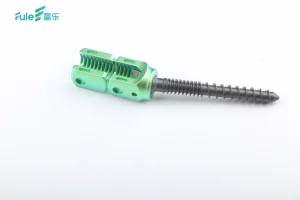
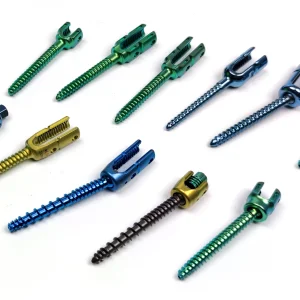
In modern spinal reconstructive surgery, rigid fixation remains the cornerstone of successful arthrodesis. While polyaxial and sagittal-bending pedicle screws offer unmatched intraoperative flexibility, the classic monoaxial pedicle screw maintains a critical, irreplaceable role in complex spinal deformity correction. Unlike polyaxial variants where the screw head can pivot relative to the shaft, a monoaxial screw features a rigid, single-body construction where the head and shaft are forged as one continuous element.
This mechanical rigidity is clinically indispensable for applying powerful, direct rotational and translational forces to the vertebral column. During maneuvers such as direct vertebral rotation (DVR) in adolescent idiopathic scoliosis (AIS) or when correcting high-grade spondylolisthesis, the mechanical leverage of a monoaxial screw ensures that the corrective force applied to the rod translates directly to the bony anatomy. Biomechanical studies indicate that monoaxial configurations transfer significantly higher torsional and bending moments compared to polyaxial screws without risk of head-to-shaft slip, ensuring superior sagittal and coronal realignment.
However, the biomechanical advantage of rigidity demands absolute precision in screw insertion. Any misalignment in the entry point or trajectory of a monoaxial screw can make rod approximation challenging, leading to excessive stress at the bone-screw interface. Consequently, surgeons must weigh the trade-offs: the superior corrective capacity of a monoaxial design versus the ease of assembly offered by multi-axial solutions. In many high-load spinal reconstructive constructs, a hybrid strategy utilizing monoaxial screws at the apex of the deformity and polyaxial screws at the construct boundaries represents the clinical gold standard.
"The mechanical integrity of monoaxial fixation guarantees zero dissipation of corrective forces during aggressive vertebral rotation. For pediatric scoliosis and severe trauma stabilization, it remains the ultimate mechanical anchor."
The manufacturing of pedicle screws has transitioned from standard machining to advanced biomechanical engineering. Today's top manufacturers, including specialized entities like Medispirex Orthopedic Technology Co., Ltd., employ cutting-edge materials and surface modifications to enhance osseointegration and reduce long-term mechanical failure.
Historically, surgical-grade stainless steel (316L) was widely used. However, its high elastic modulus compared to human bone resulted in significant stress shielding. The industry has decisively transitioned to Titanium Alloys (specifically Ti-6Al-4V ELI / Grade 23) and Cobalt-Chromium (Co-Cr) alloys. Titanium alloys offer exceptional biocompatibility, superior fatigue limits, and a lower modulus of elasticity, which promotes physiological load transfer.
Sandblasted and acid-etched (SLA) surfaces create micro and nano-roughness, dramatically accelerating osteoblast attachment and increasing pull-out strength in osteopenic patients.
Plasma-sprayed Hydroxyapatite (HA) coatings mimic natural bone mineral chemistry, achieving direct chemical bonding between the titanium screw and the surrounding trabecular bone.
Innovations in thread profiles, such as dual-lead and variable pitch configurations, double the insertion speed while minimizing structural bone damage during implantation.
Looking to the future, the technical roadmap of monoaxial pedicle screws is intersecting with 3D-printed porous implants and smart telemetry. Additive manufacturing (Electron Beam Melting or Selective Laser Sintering) allows for the production of screws with integrated porous lattices that mimic the structure of trabecular bone, enabling bone ingrowth through the core of the screw itself. Concurrently, R&D departments are investigating the integration of micro-sensors within the hollow core of cannulated screws to measure real-time strain and detect early spinal fusion failure or infection-induced loosening.
When global medical device distributors, hospital purchasing organizations, and orthopedic OEM partners source monoaxial pedicle screws, they evaluate strict criteria: regulatory approvals (FDA, CE, MDR), material grade consistency, production scalability, and biomechanical compliance. The following section outlines the key parameters that define the industry’s leading manufacturing landscape, spotlighting the capabilities of major producers.
A premier exemplar in this space is Medispirex Orthopedic Technology Co., Ltd.. Established in 2016 with a facility spanning approximately 18,600㎡, Medispirex operates at the intersection of high-precision engineering and clinical clinical utility. With over 12 years of industry experience and 7 years of dedicated export experience, the company has established itself as an essential manufacturing partner, distributing high-grade orthopedic implants and surgical instrument sets to key global markets including Europe, North America, the Middle East, and Southeast Asia.
The global top-tier manufacturer landscape is characterized by standard-setting brands (such as Medtronic, DePuy Synthes, Stryker, and Zimmer Biomet) alongside advanced, agile manufacturers like Medispirex, Beijing Fule, and Canwell. These agile players offer high-efficiency production, deep OEM/ODM customization, and robust, cost-effective alternatives that comply with the exact regulatory demands of modern healthcare networks.
Medispirex operates an advanced, automated manufacturing matrix designed to support stable global deliveries. By integrating vertical production flows, automated CNC clusters, and standardized chemical treatments, Medispirex mitigates supply chain risks for medical distributors worldwide.
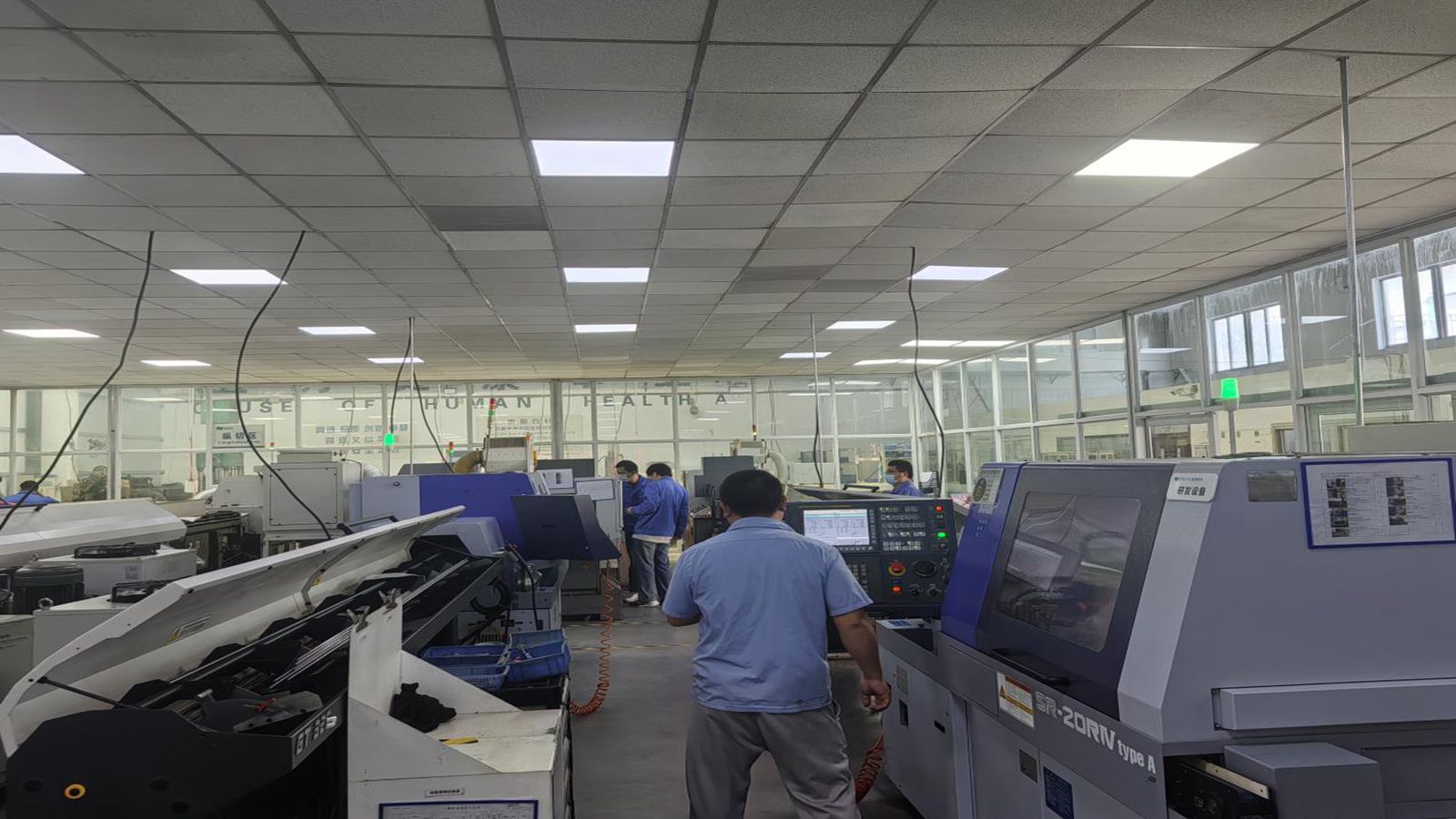
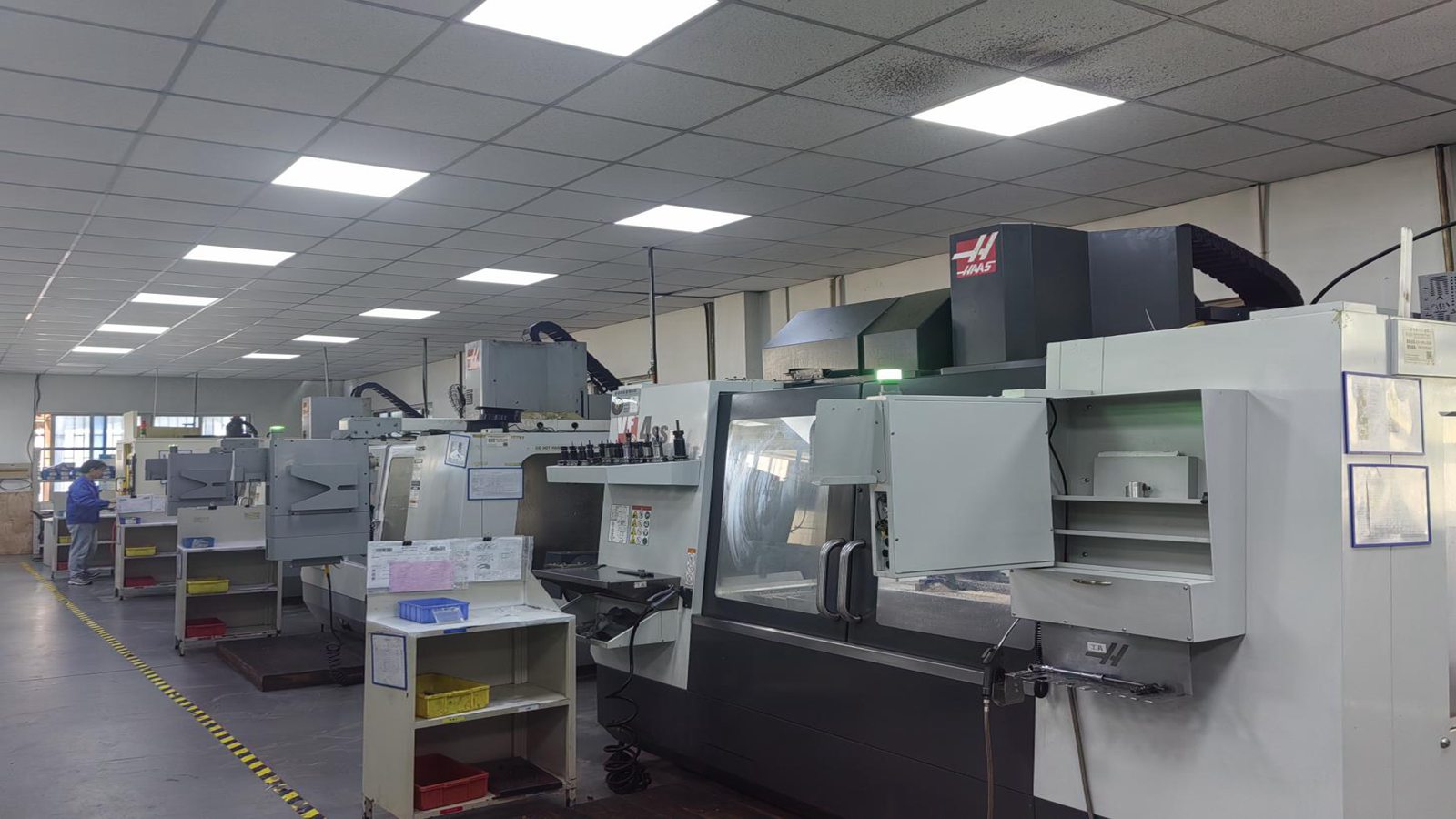
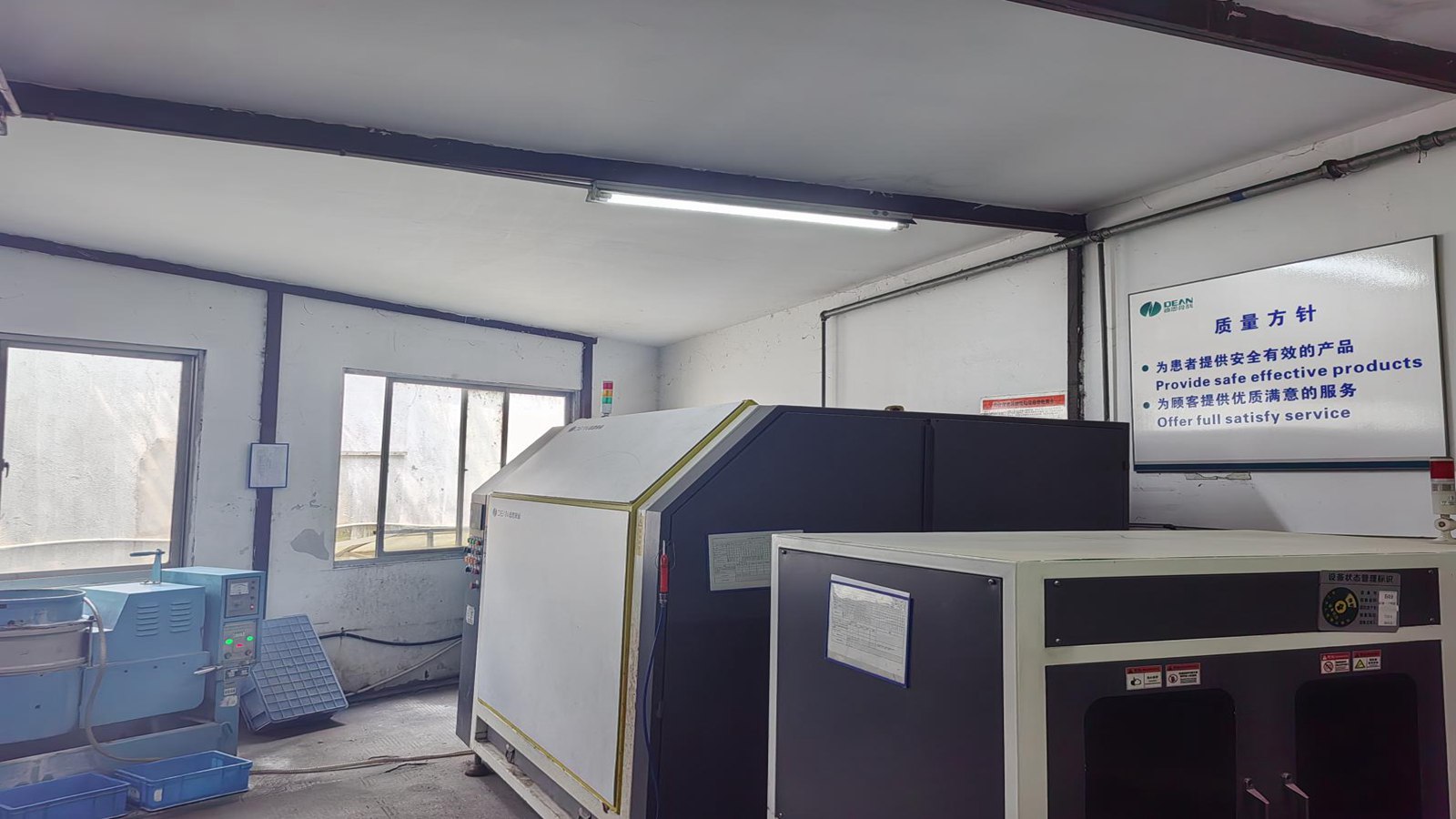
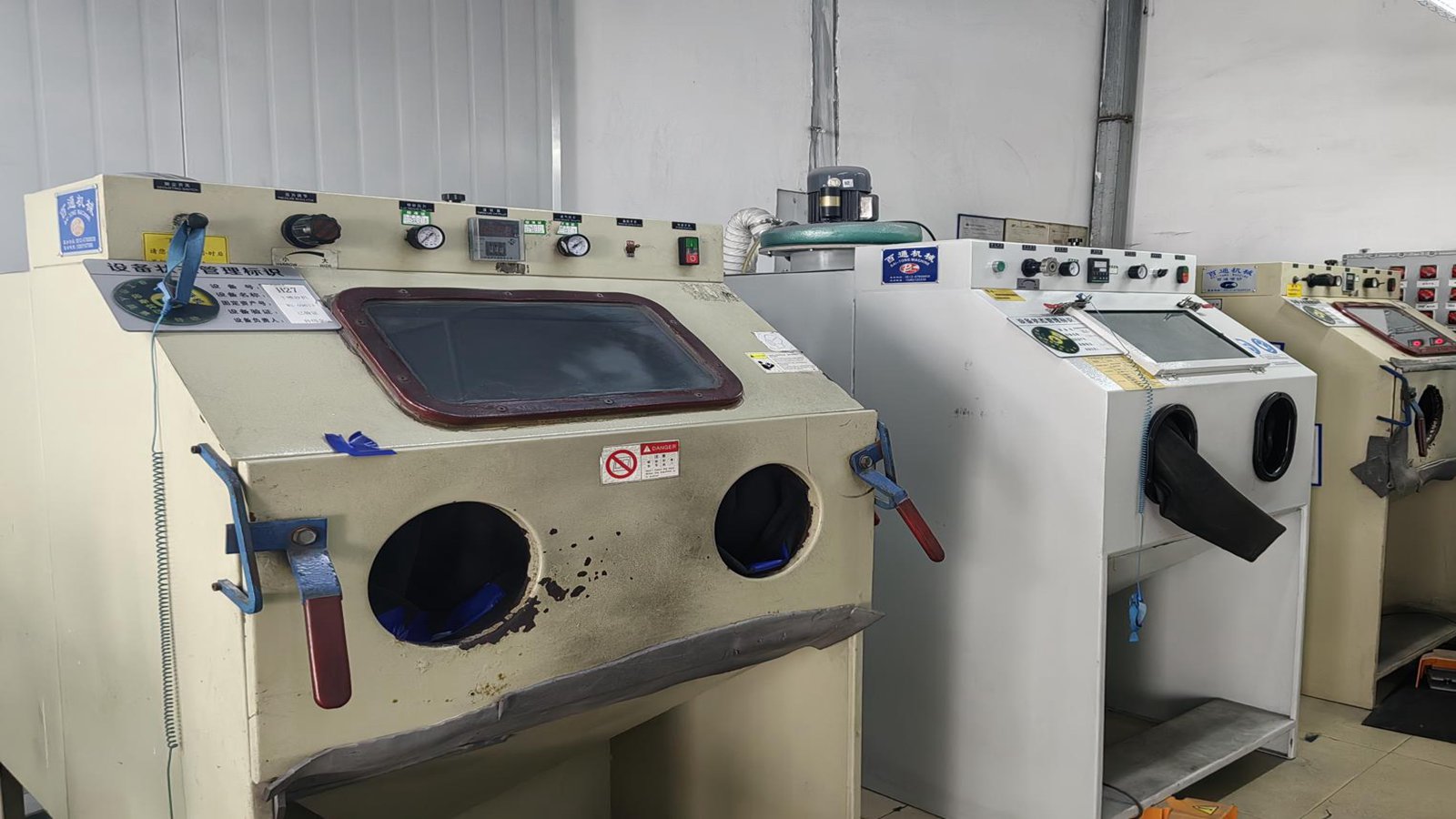
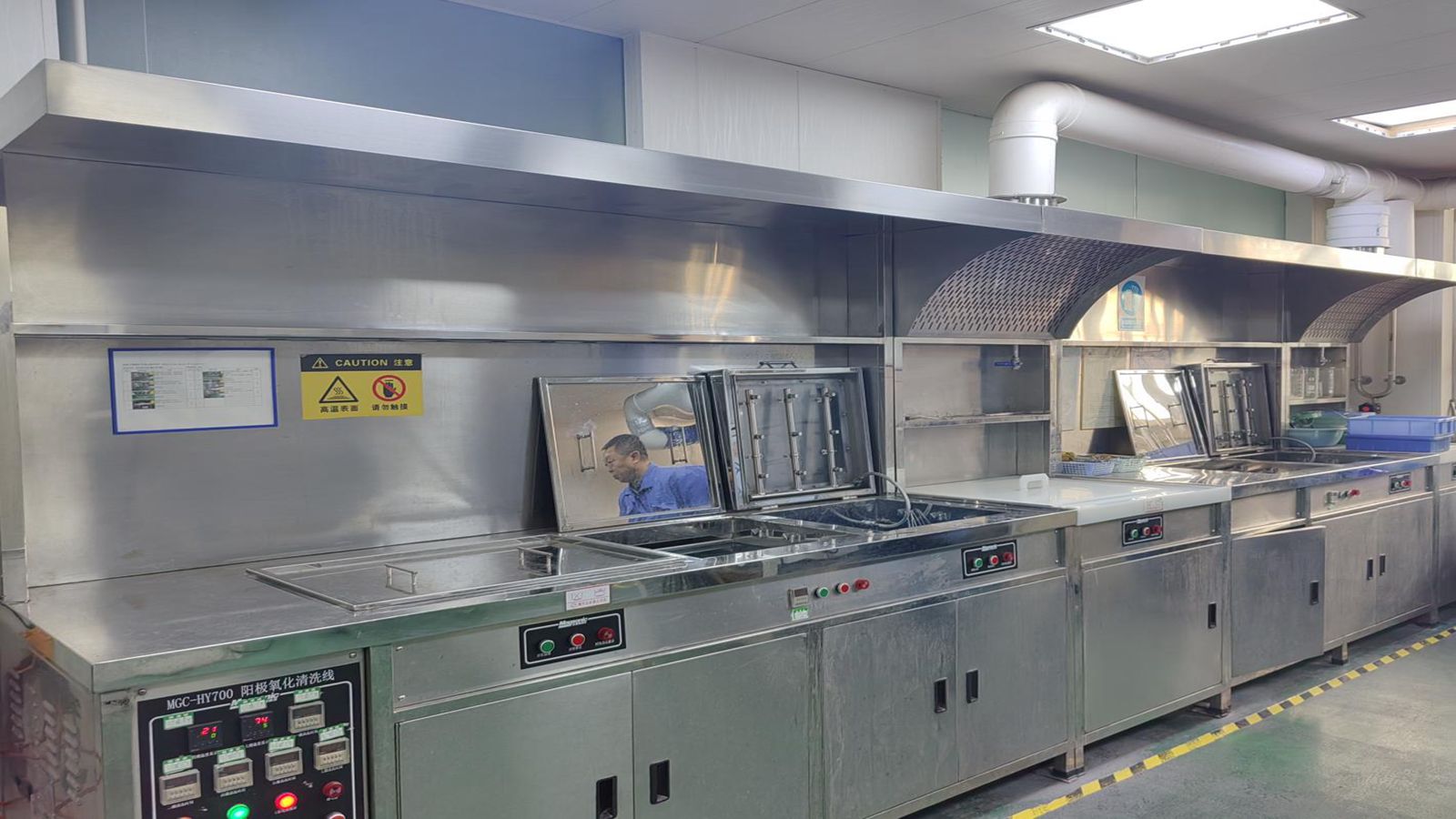
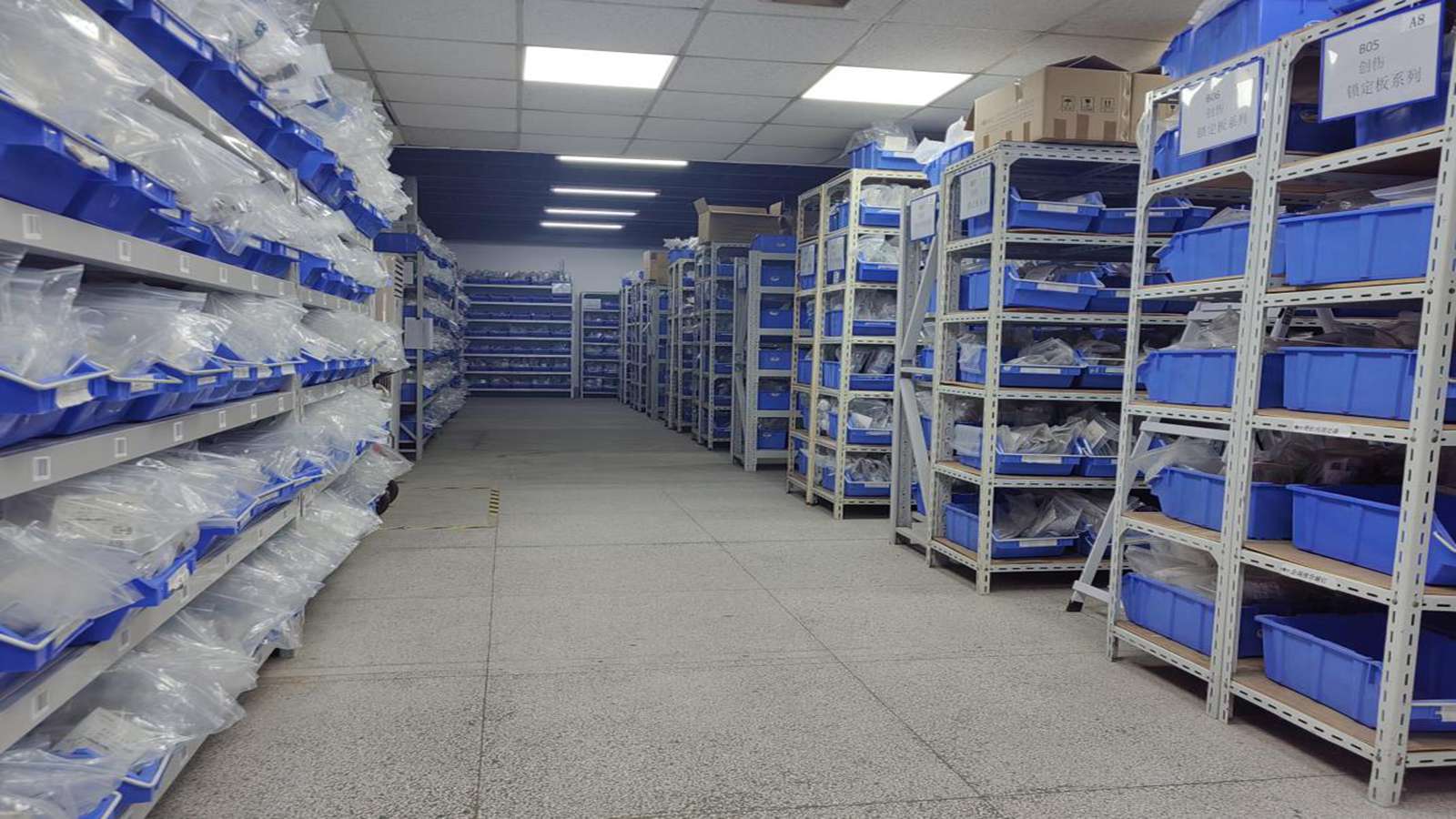
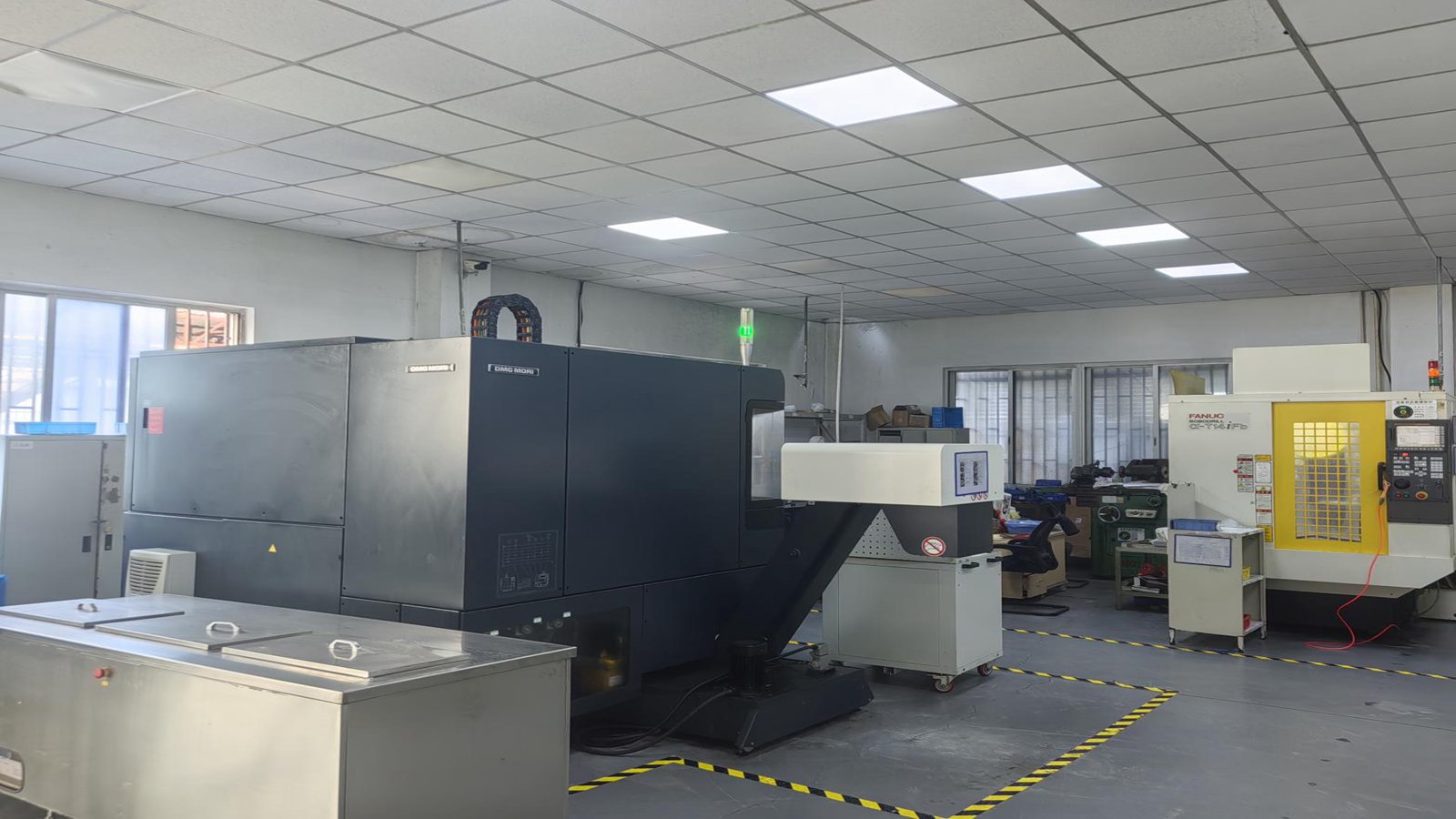
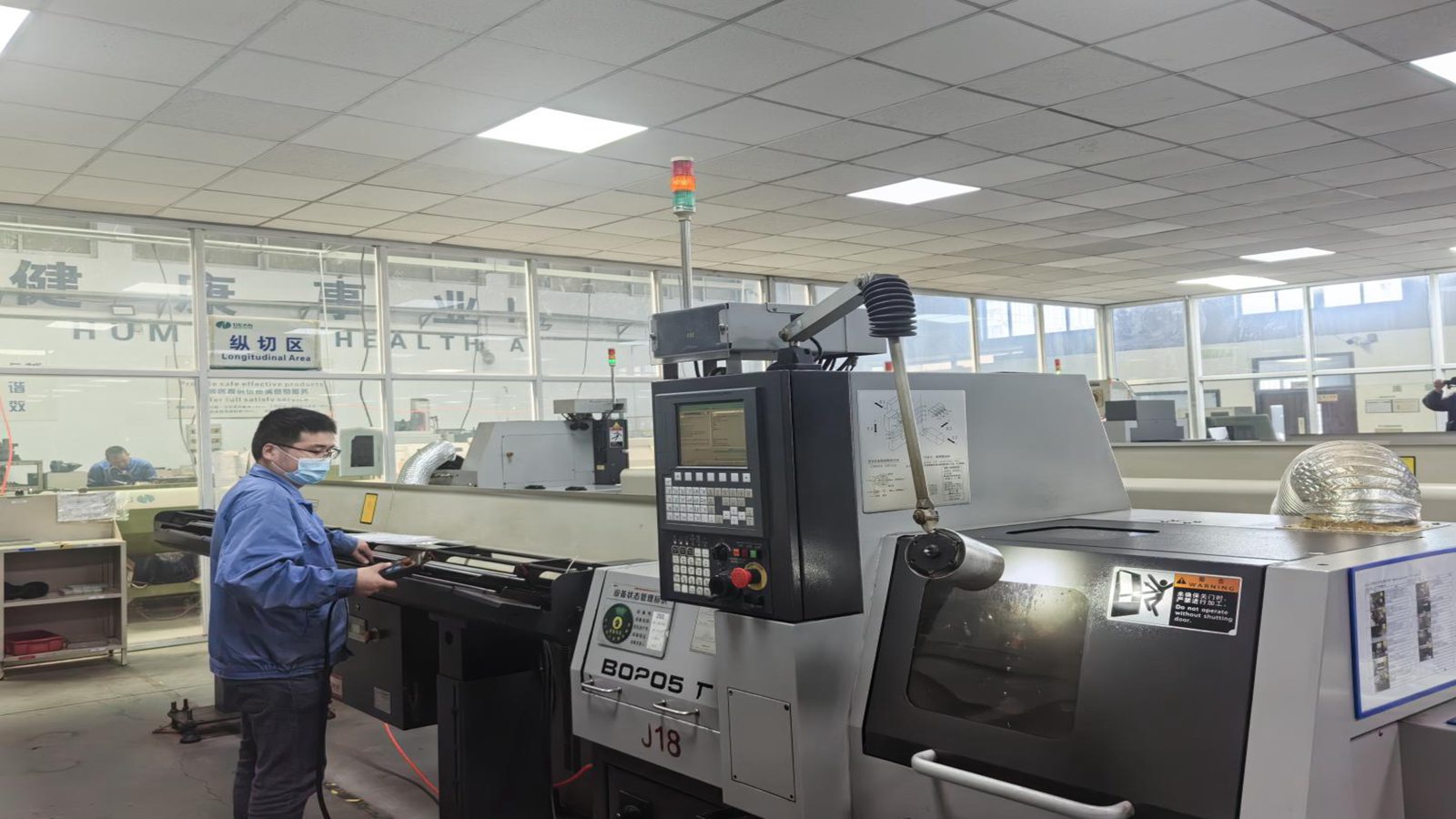
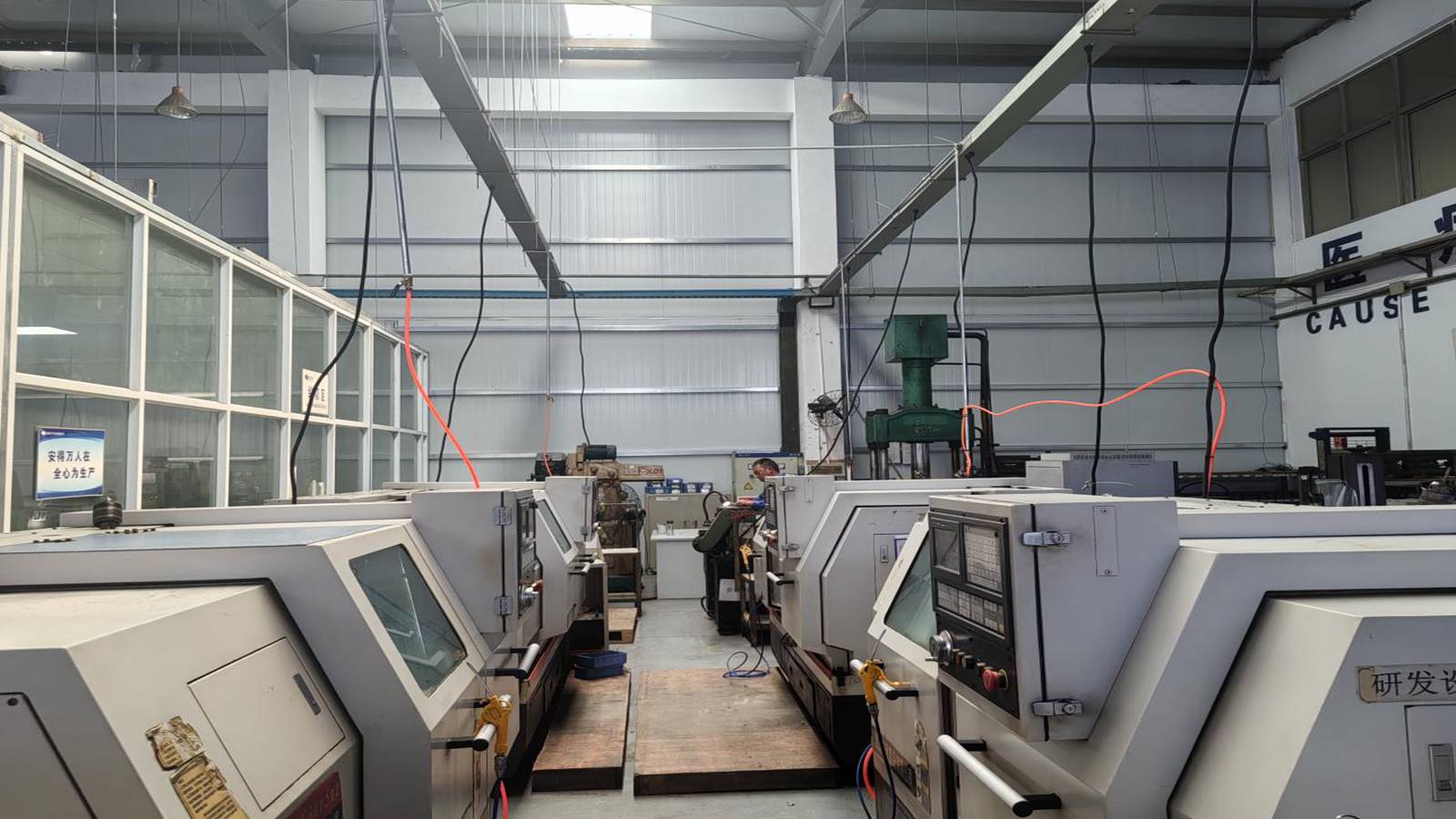
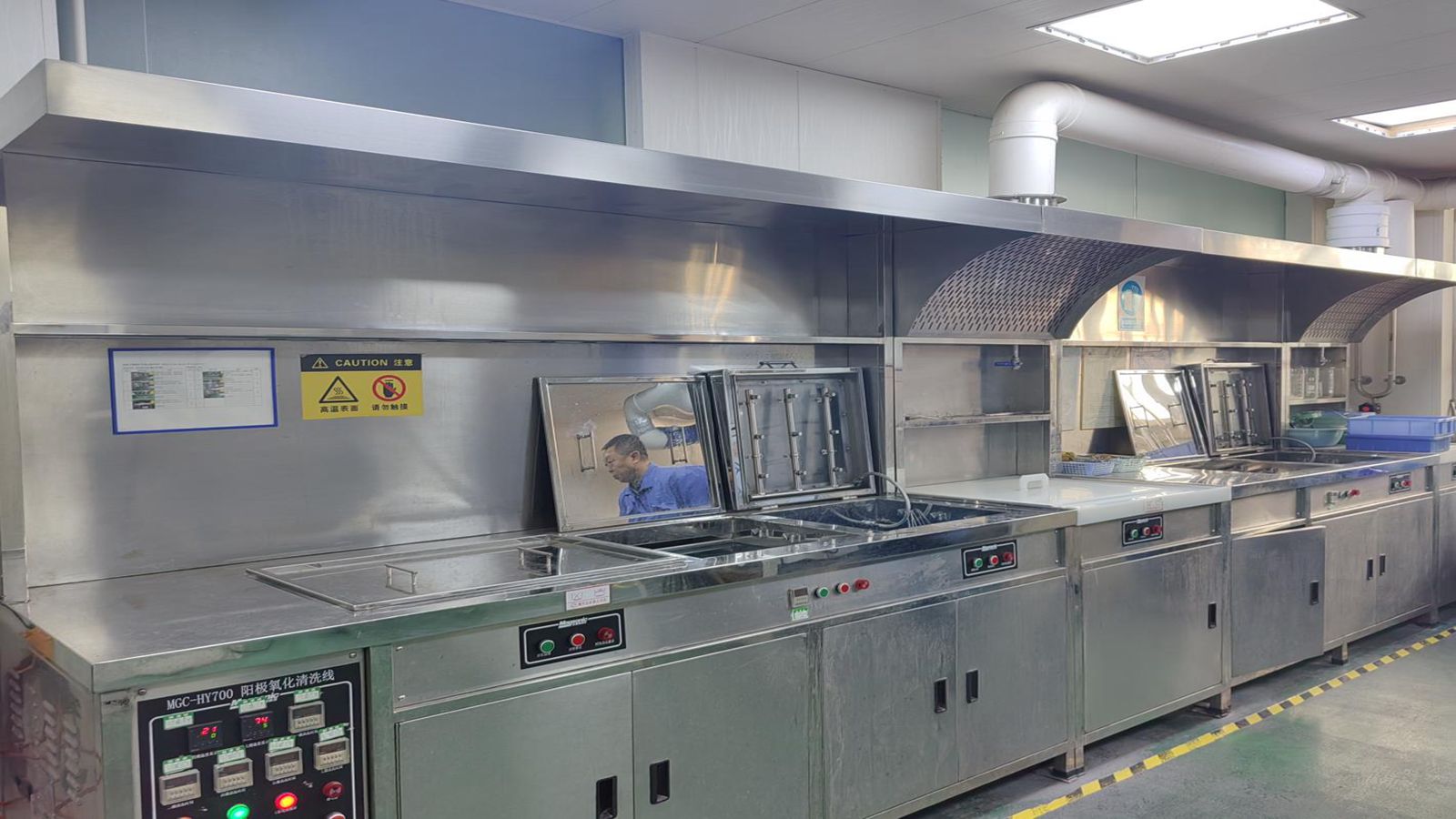
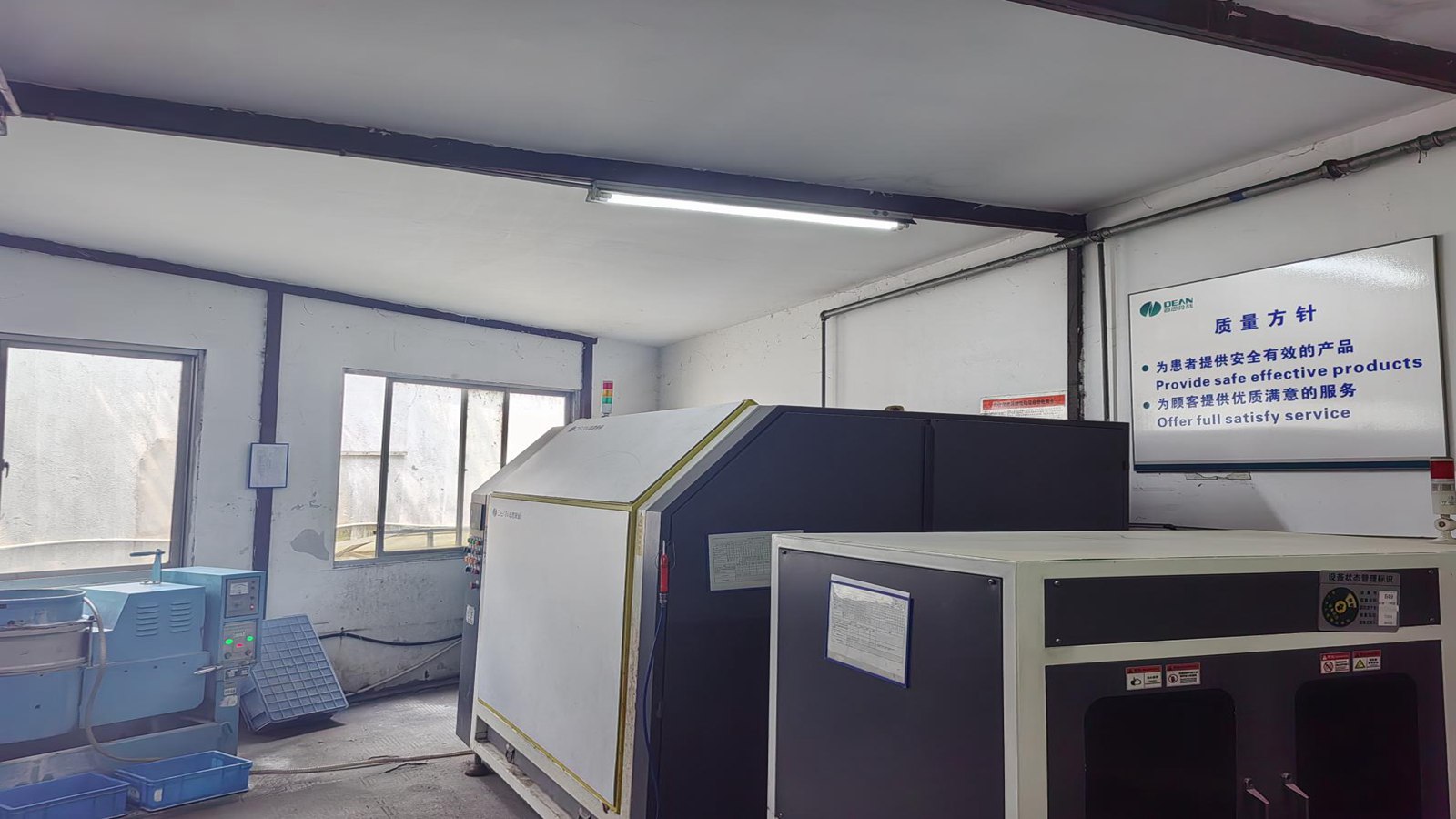
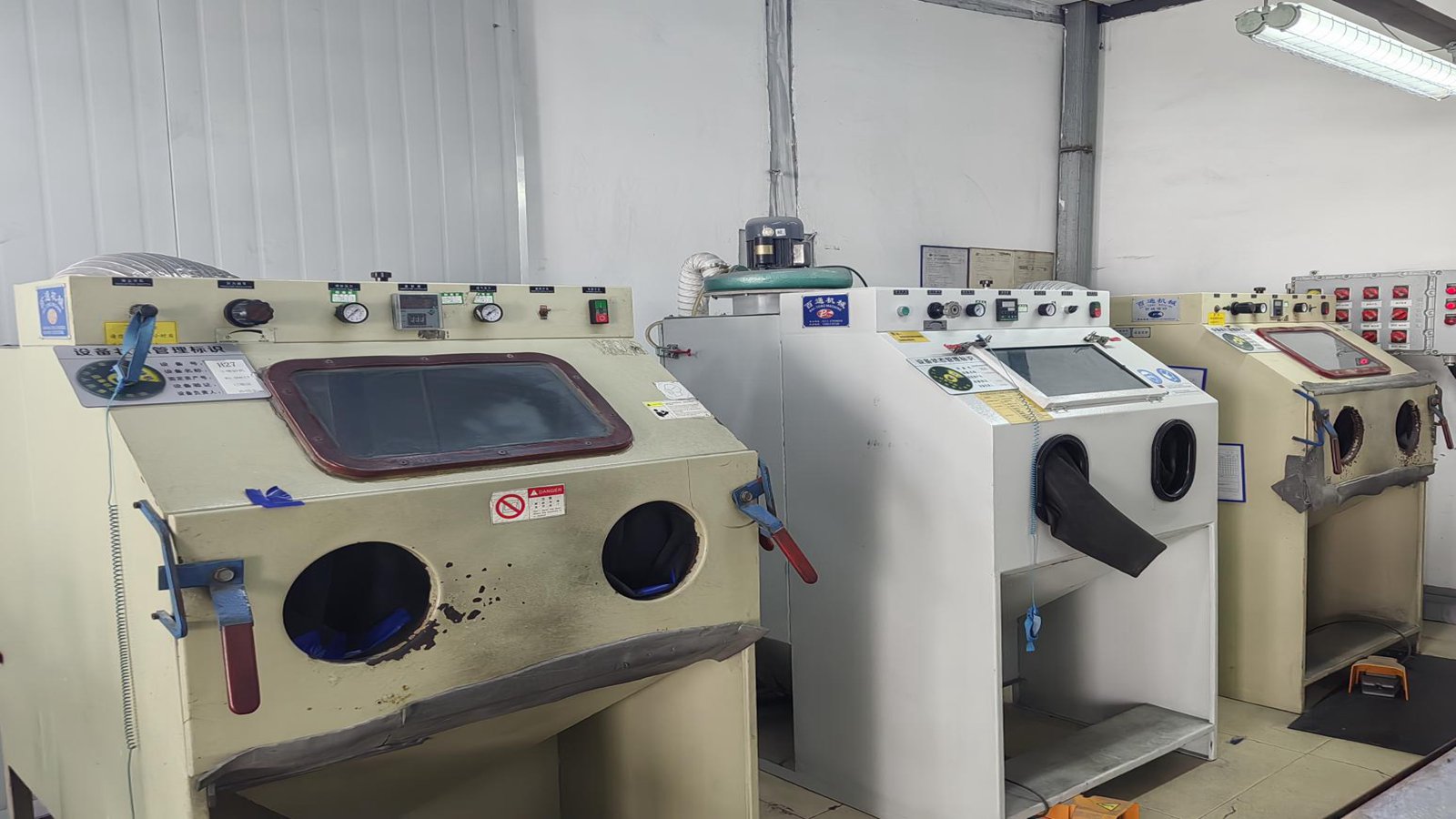
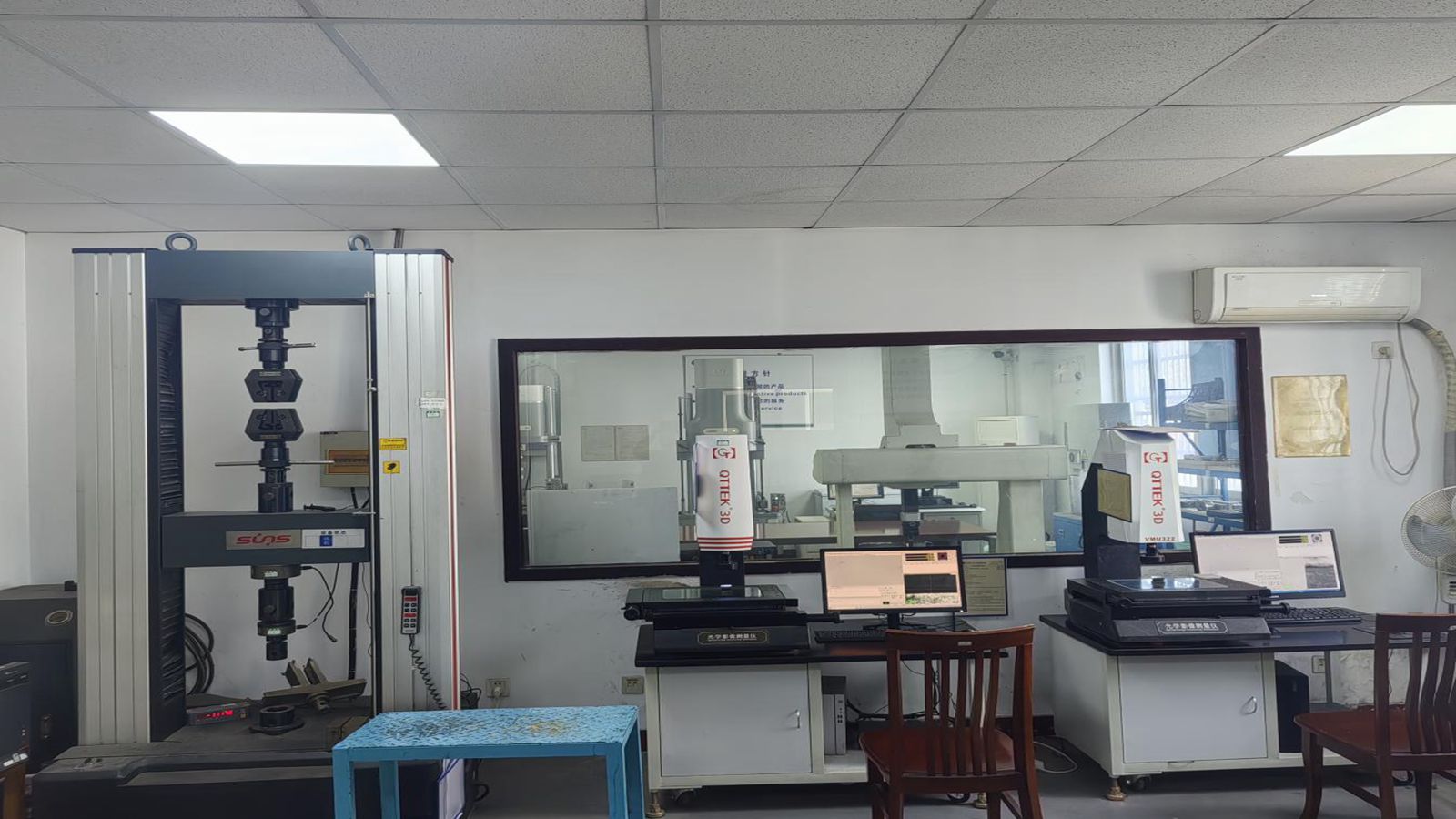
The manufacturing of spinal implants demands an uncompromising attitude toward quality control. A single structural defect or chemical impurity in a pedicle screw can result in revision surgery or patient morbidity. Medispirex relies on a comprehensive, multi-tiered quality management system, operated by a dedicated team of 45 QC professionals.
This quality framework monitors four critical control points to ensure absolute batch consistency:
To facilitate frictionless global distribution, Medispirex maintains alignment with major international regulatory frameworks. Operating in accordance with ISO 13485, the company’s products hold certifications that support registration and customs clearance in competitive markets. By verifying mechanical tolerances, surface finish consistency, and bio-burden safety limits, Medispirex ensures that international medical device brands receive compliant implants that reduce liability and elevate surgical outcomes.
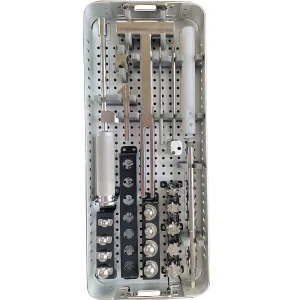
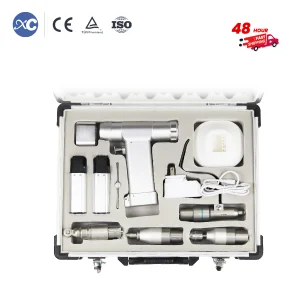
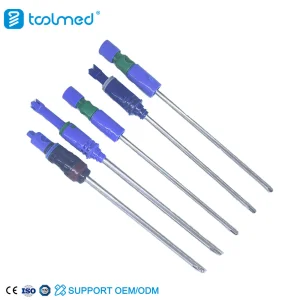
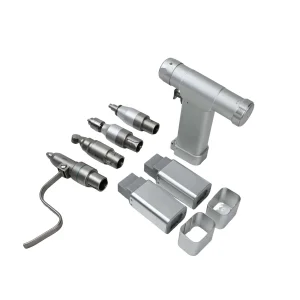
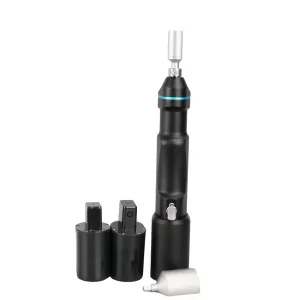
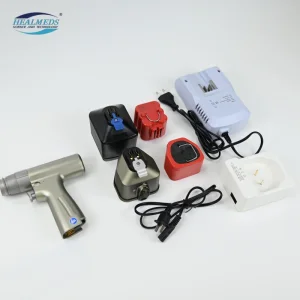
The modern hospital procurement team rarely purchases implants in isolation. The logistical complexity of spinal surgery demands integrated macro-industry solutions that group high-performance pedicle screws with customized surgical instrument sets. Standardizing these instruments ensures that surgeons have the exact tools required for decortication, pedicle preparation, tapping, screw insertion, and final rod locking.
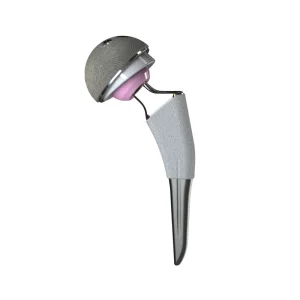
Recognizing this clinical reality, top-tier manufacturers like Medispirex configure flexible OEM/ODM solutions that provide both implants and custom instrument sets (such as veterinary hip systems, micro-trauma locking plates, and posterior spinal screw-rod kits). By acting as a single-source manufacturer, Medispirex helps healthcare organizations minimize clinical friction, guarantee instrument compatibility, and optimize the total cost of ownership (TCO) across complex orthopedic reconstructive programs.