Medispirex
Medispirex
Medispirex
Premium surgical instrumentation kits, intramedullary stabilization platforms, and high-precision spine locking assemblies.
Decoding the shift toward minimally invasive spinal stabilization and cement-augmented osteoporotic fixation.
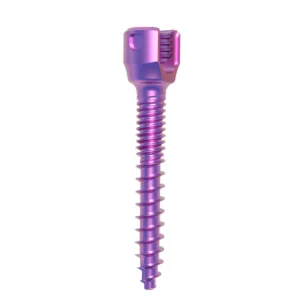
The global spinal implant market has experienced a profound shift over the past decade, driven by the emergence of Minimally Invasive Spine Surgery (MISS). At the center of this revolution is the cannulated pedicle screw. Unlike traditional solid core screws, the hollow-core cannulated architecture allows surgeons to pass the implant over a guide wire (K-wire), ensuring sub-millimeter precision in anatomical placement. This micro-engineered geometry decreases soft tissue disruption, shortens recovery profiles, and mitigates intraoperative complications.
Modern cannulated pedicle screws are engineered to resolve a classic mechanical paradox: how to hollow out the inner core of a titanium screw without compromising its torsional or fatigue strength. Industry leaders optimize the core ratio—balancing the outer diameter (OD), inner canal diameter, and pitch thread profile. By implementing ultra-high-grade Grade 5 Titanium (Ti-6Al-4V ELI), manufacturers achieve excellent biocompatibility paired with a modulus of elasticity that minimizes stress shielding at the bone-screw interface.
Furthermore, the incorporation of lateral fenestrations within the screw body enables the injection of polymethylmethacrylate (PMMA) bone cement directly through the internal cannula. This process of cement augmentation dramatically increases pull-out strength in osteoporotic patients, presenting a vital macro solution for aging global demographics.
Strategic guidelines for healthcare systems, OEM partners, and distributors evaluating spinal implants.
Procuring surgical-grade implants requires strict compliance with international regulatory frameworks. High-performing suppliers must satisfy rigorous quality criteria, ensuring traceability and consistency across production lots.
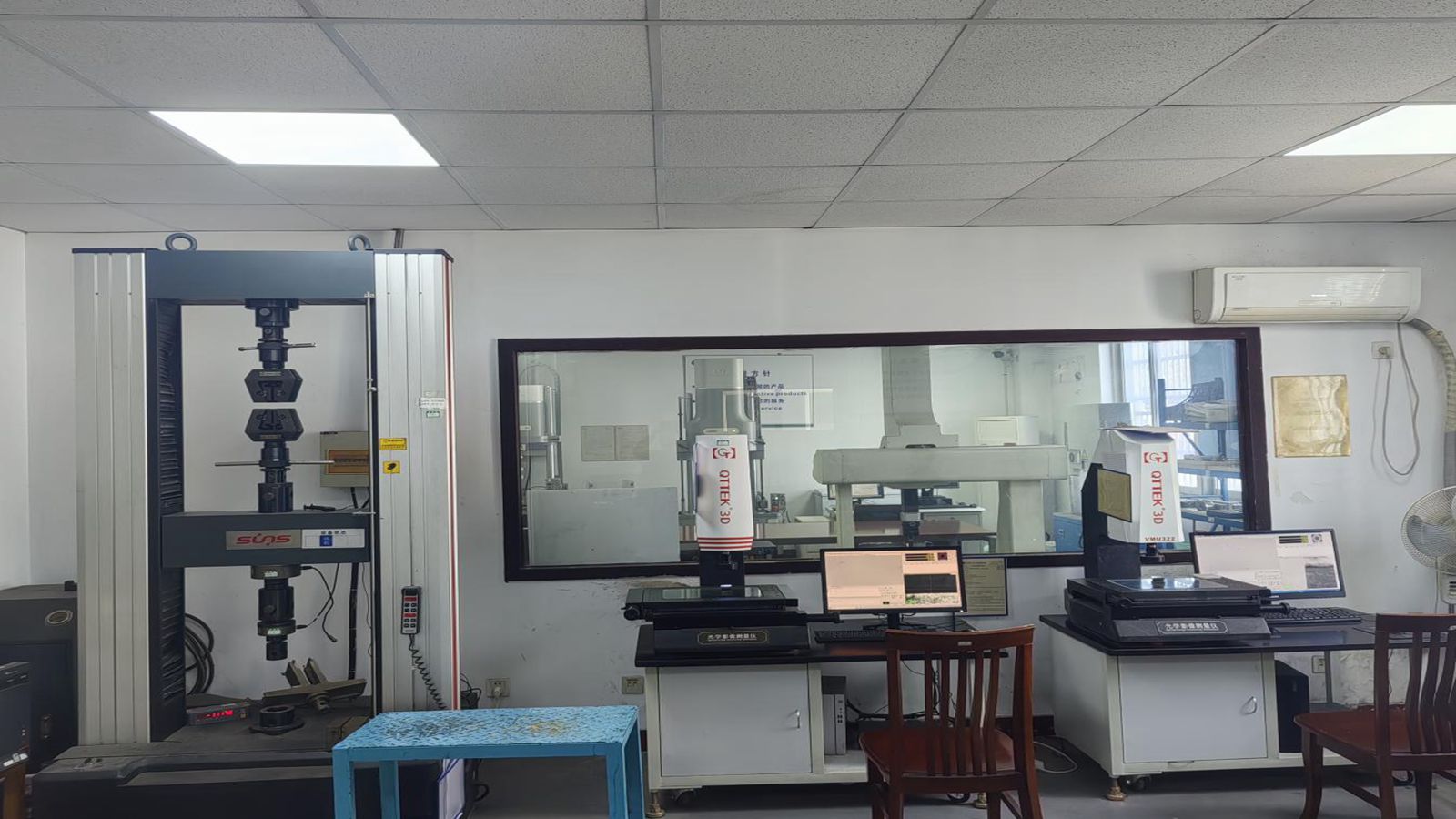
Global procurement metrics suggest that raw material purity is paramount. Top-tier manufacturers employ optical emission spectrometers and mechanical testing rigs to audit every batch of incoming medical-grade titanium rods. From a logistical standpoint, supply chain diversification and localized regulatory support (such as US FDA 510(k) clearances and EU MDR certifications) are major differentiators for top global spinal implant brands.
Industrial footprint, manufacturing capacity, and global export infrastructure of a leading orthopedic producer.
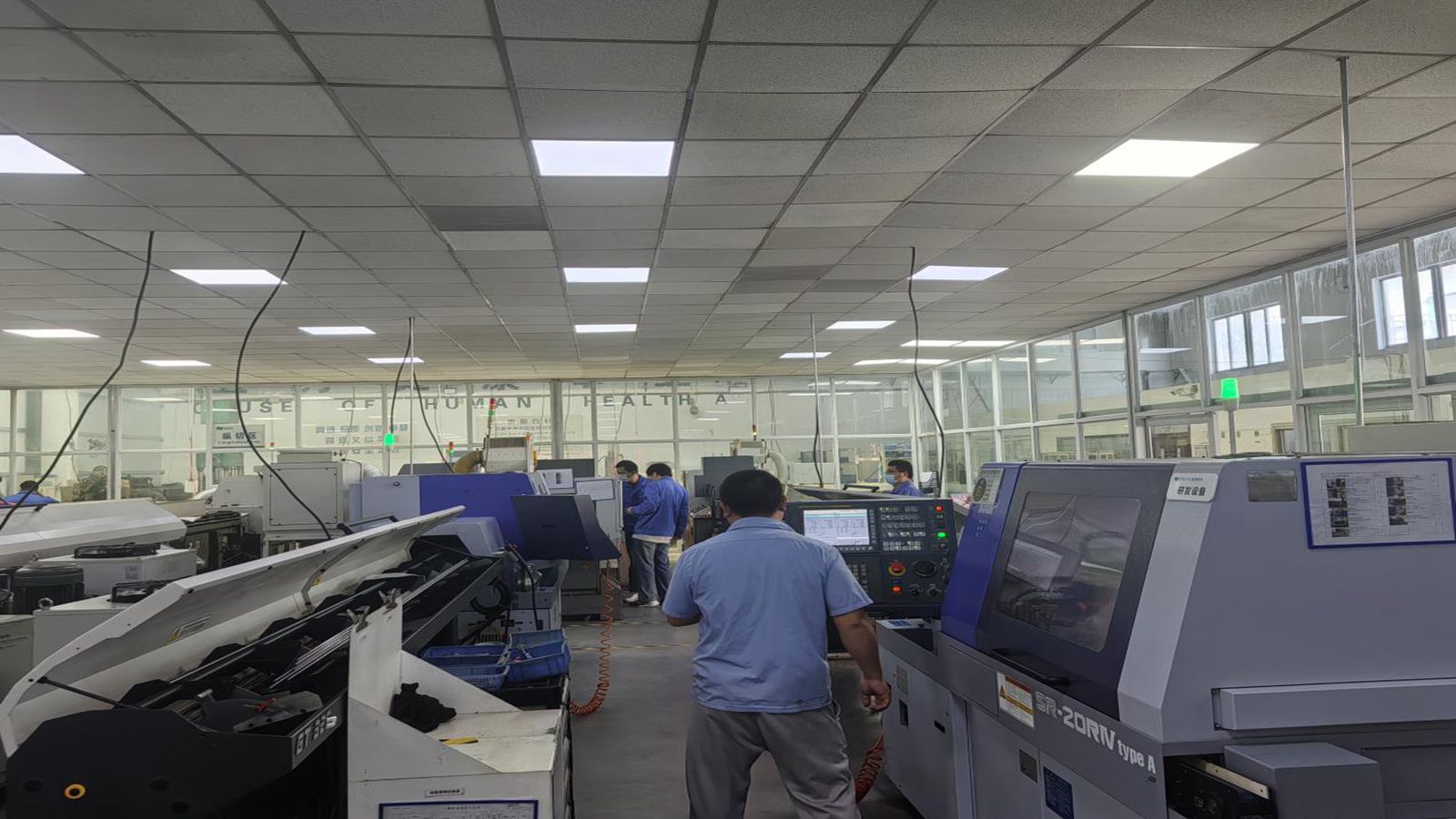
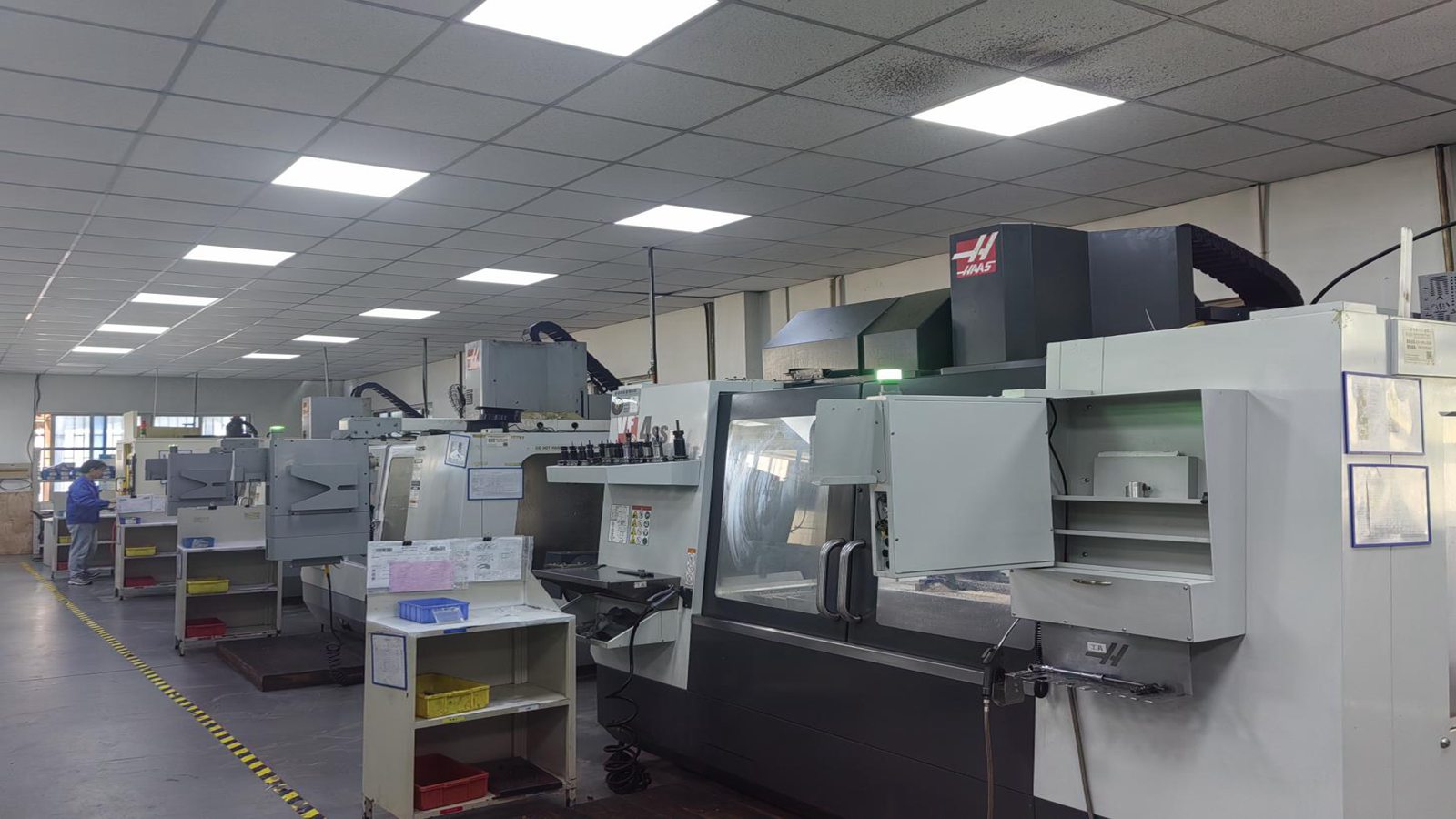
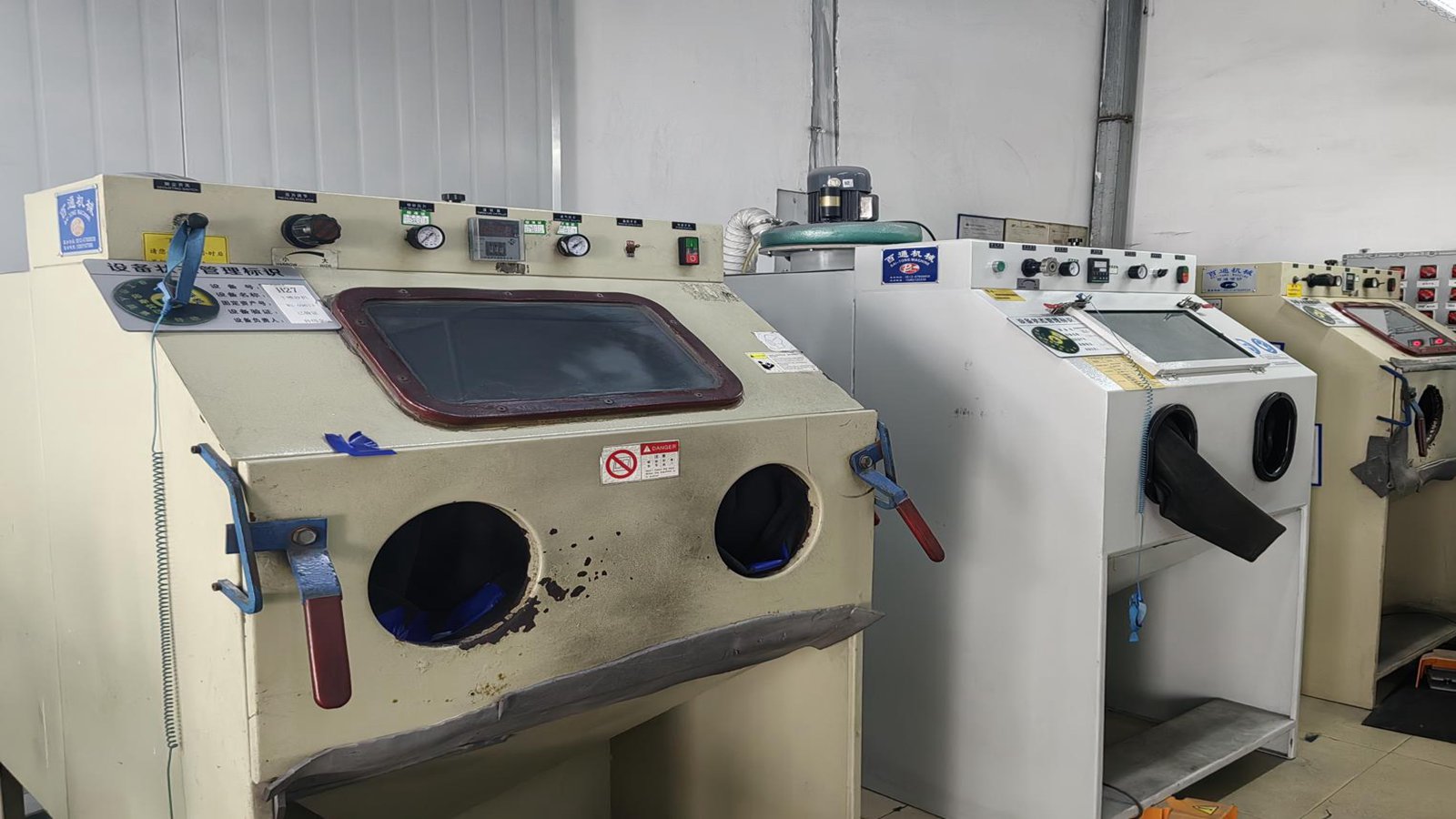
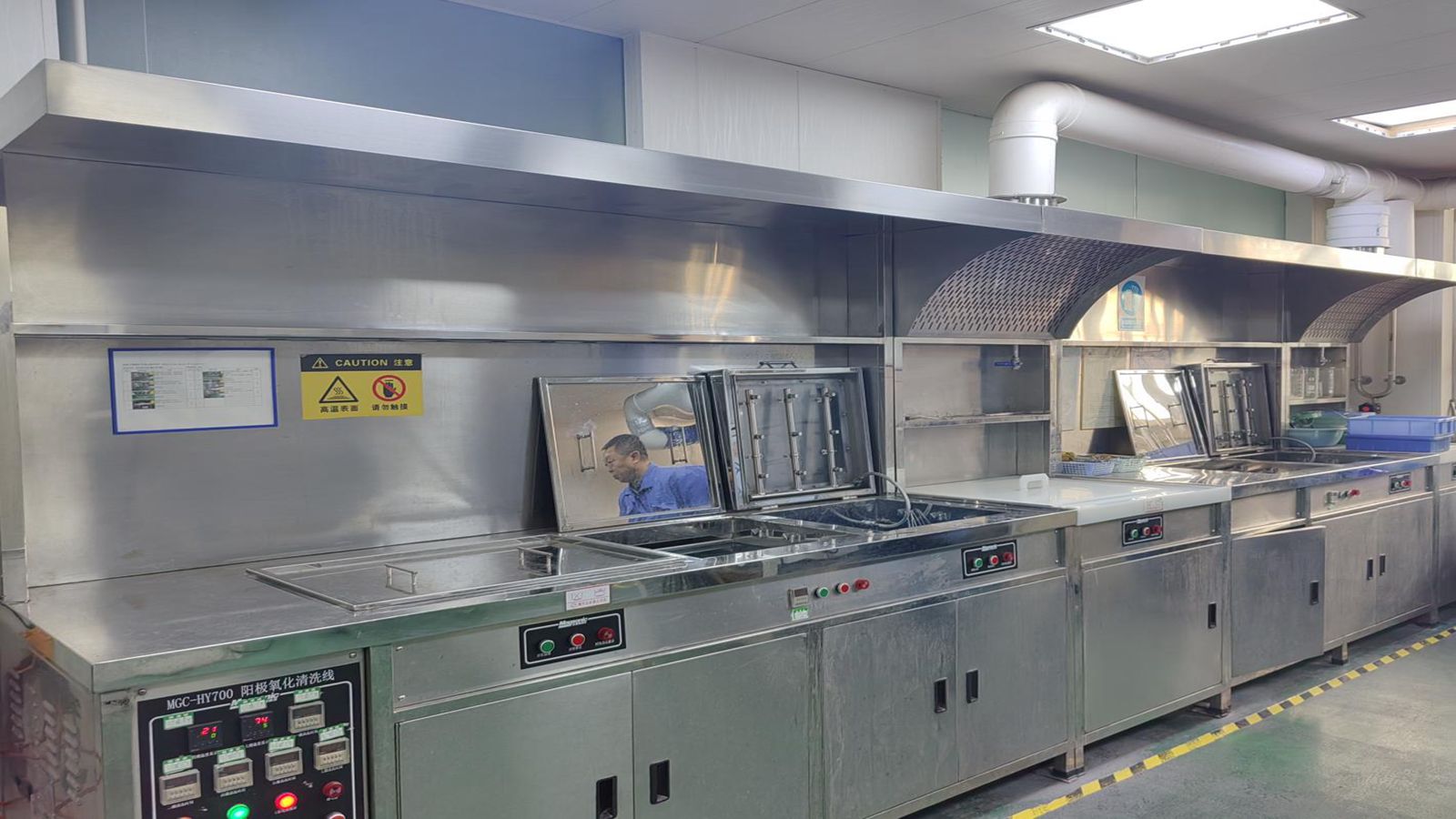
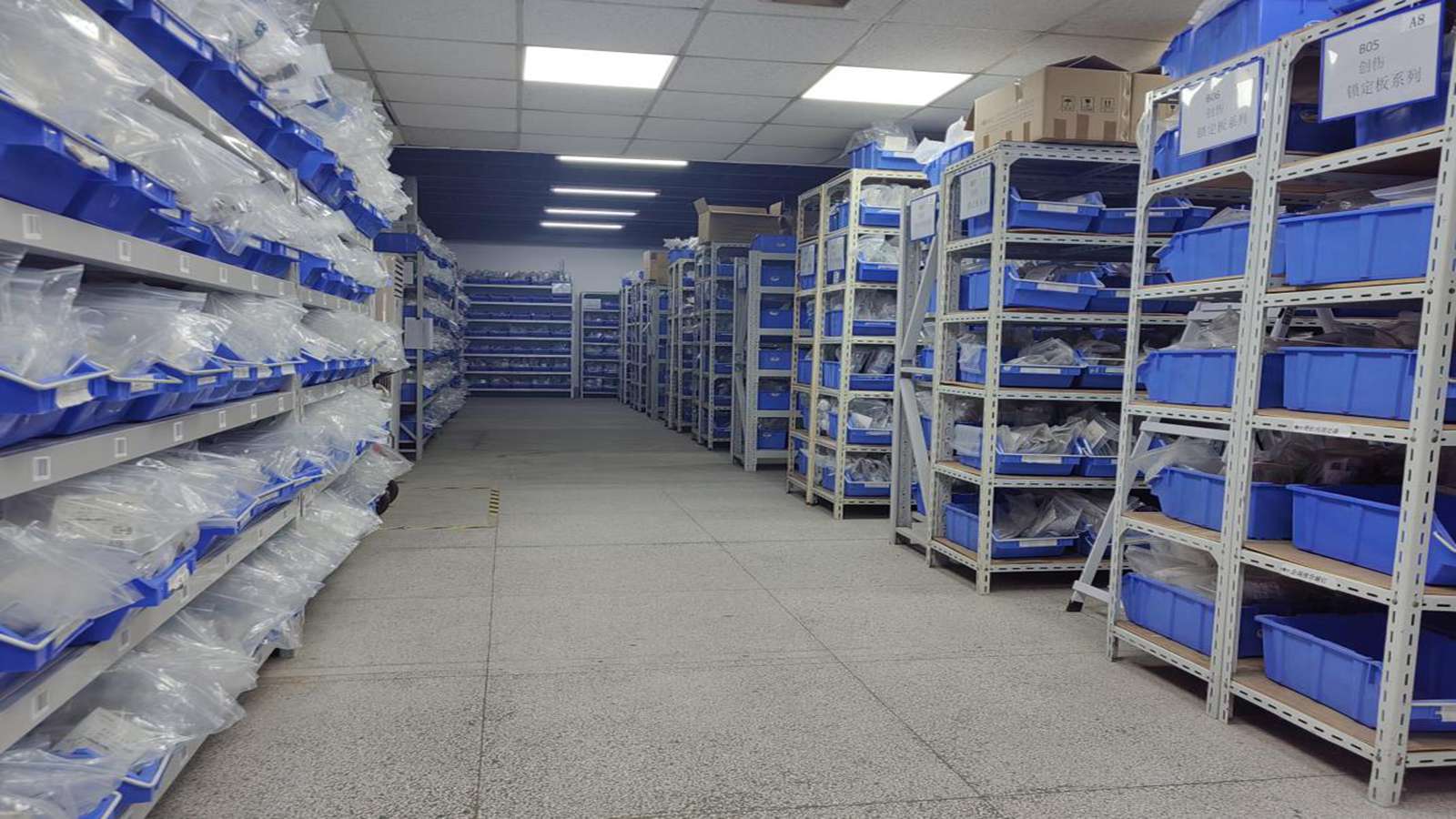
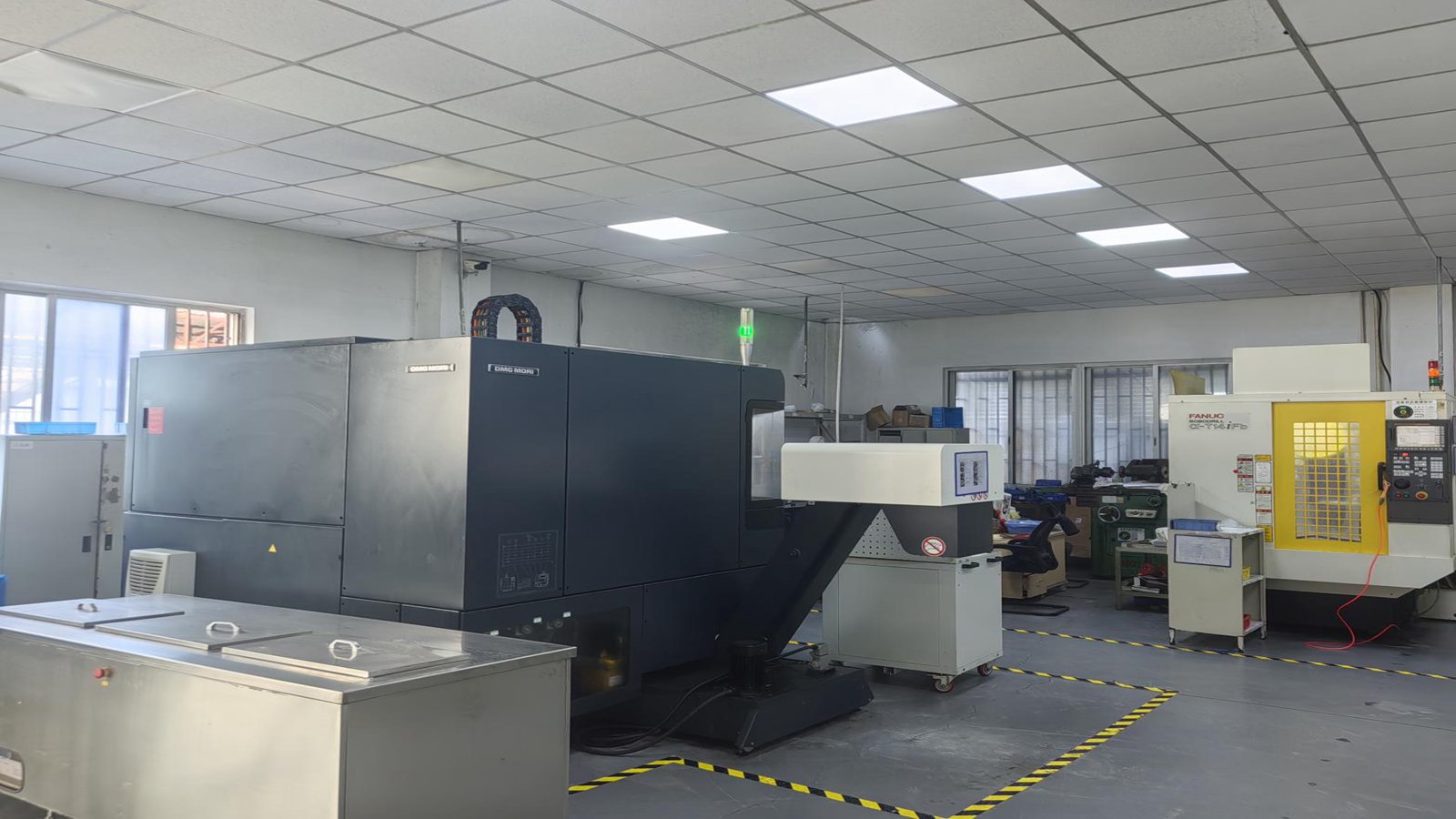
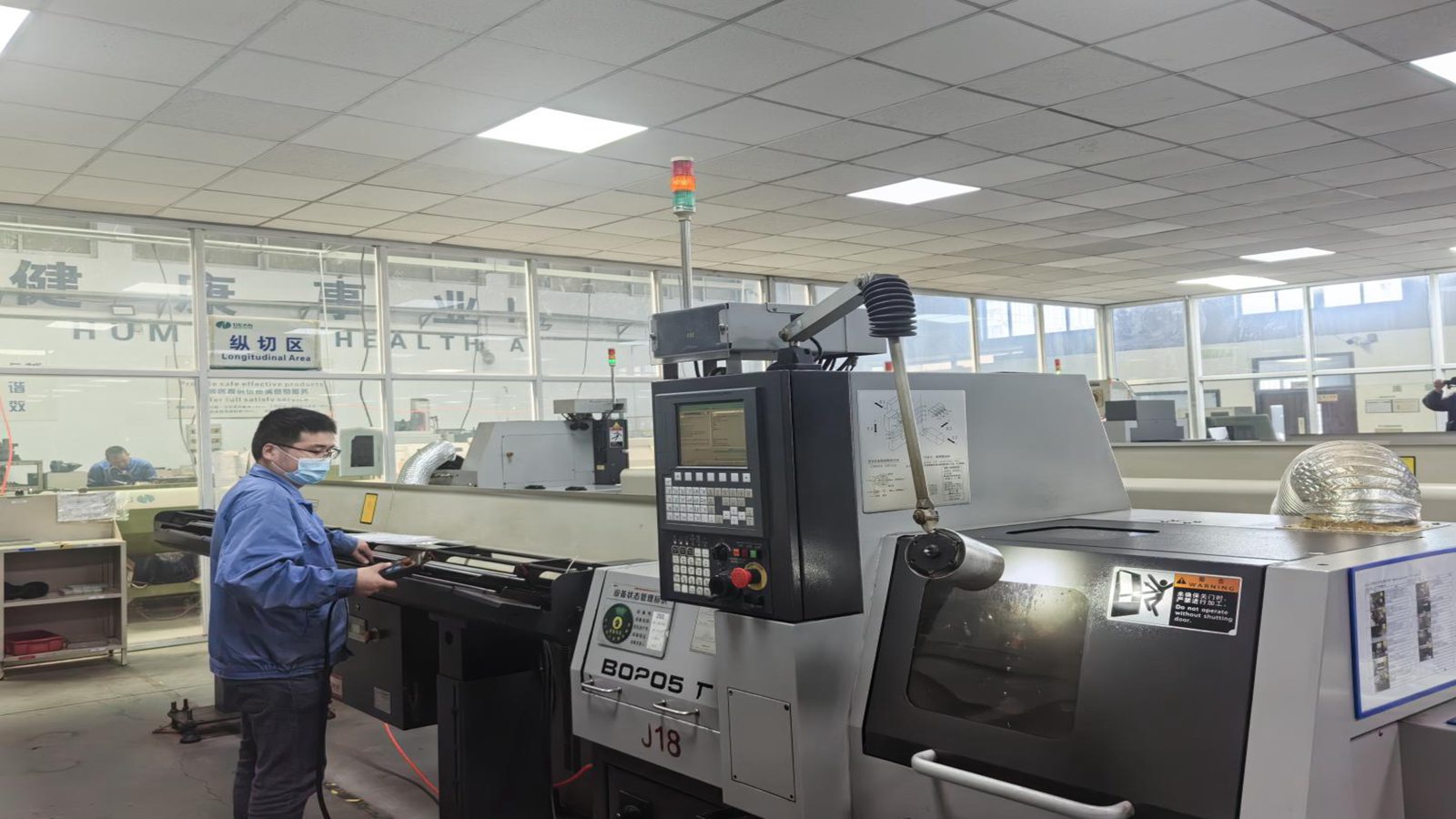
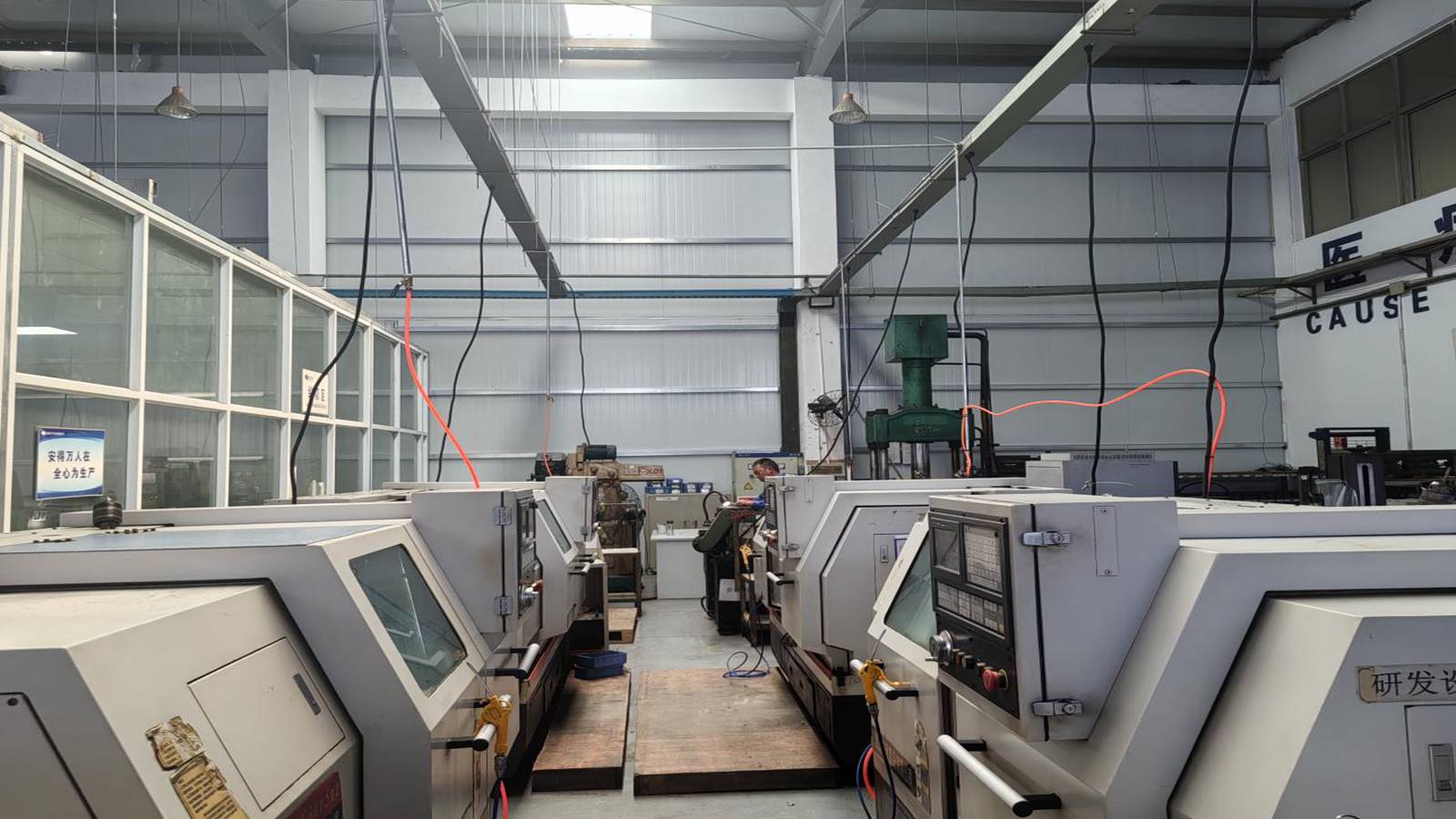
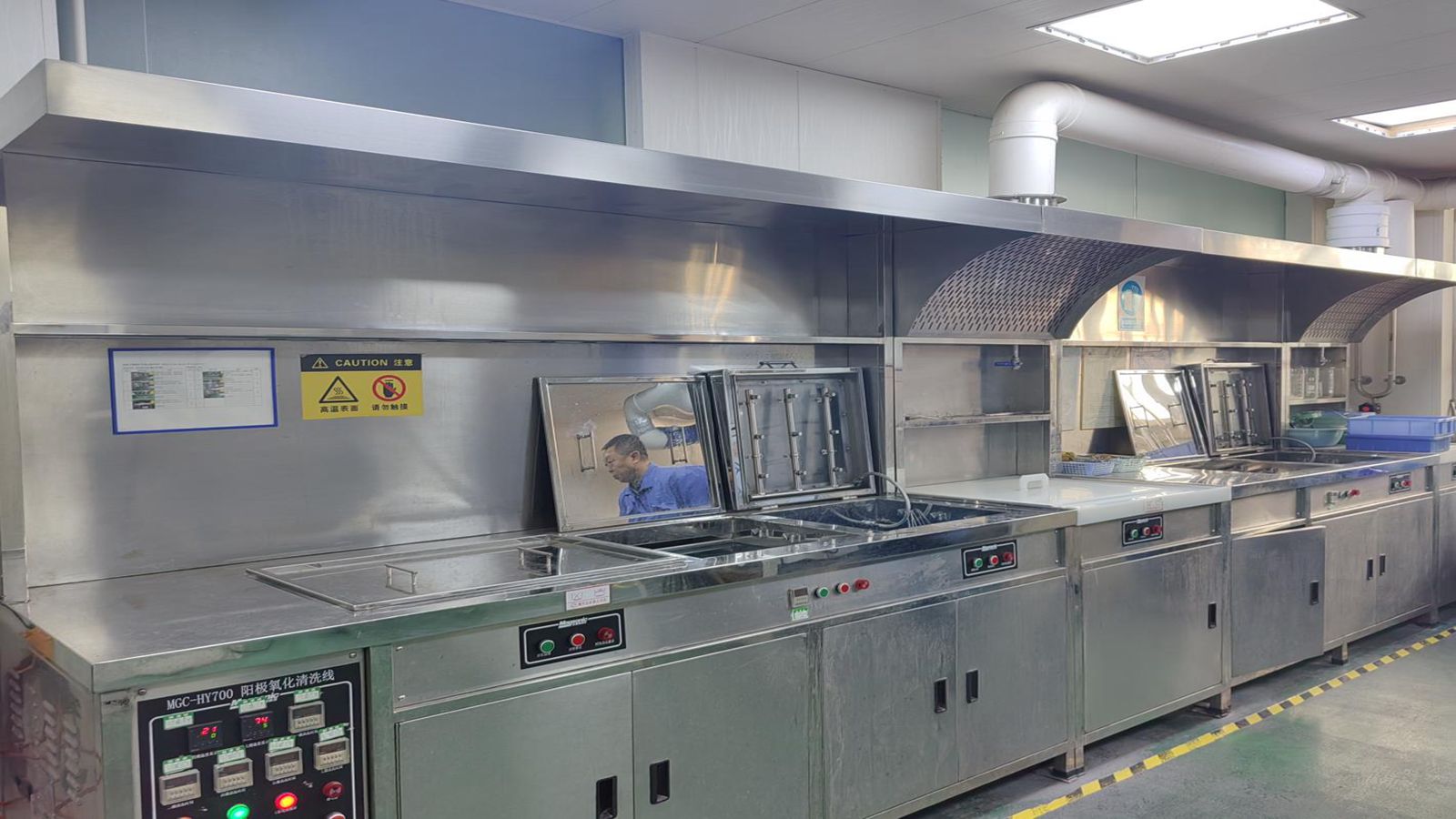
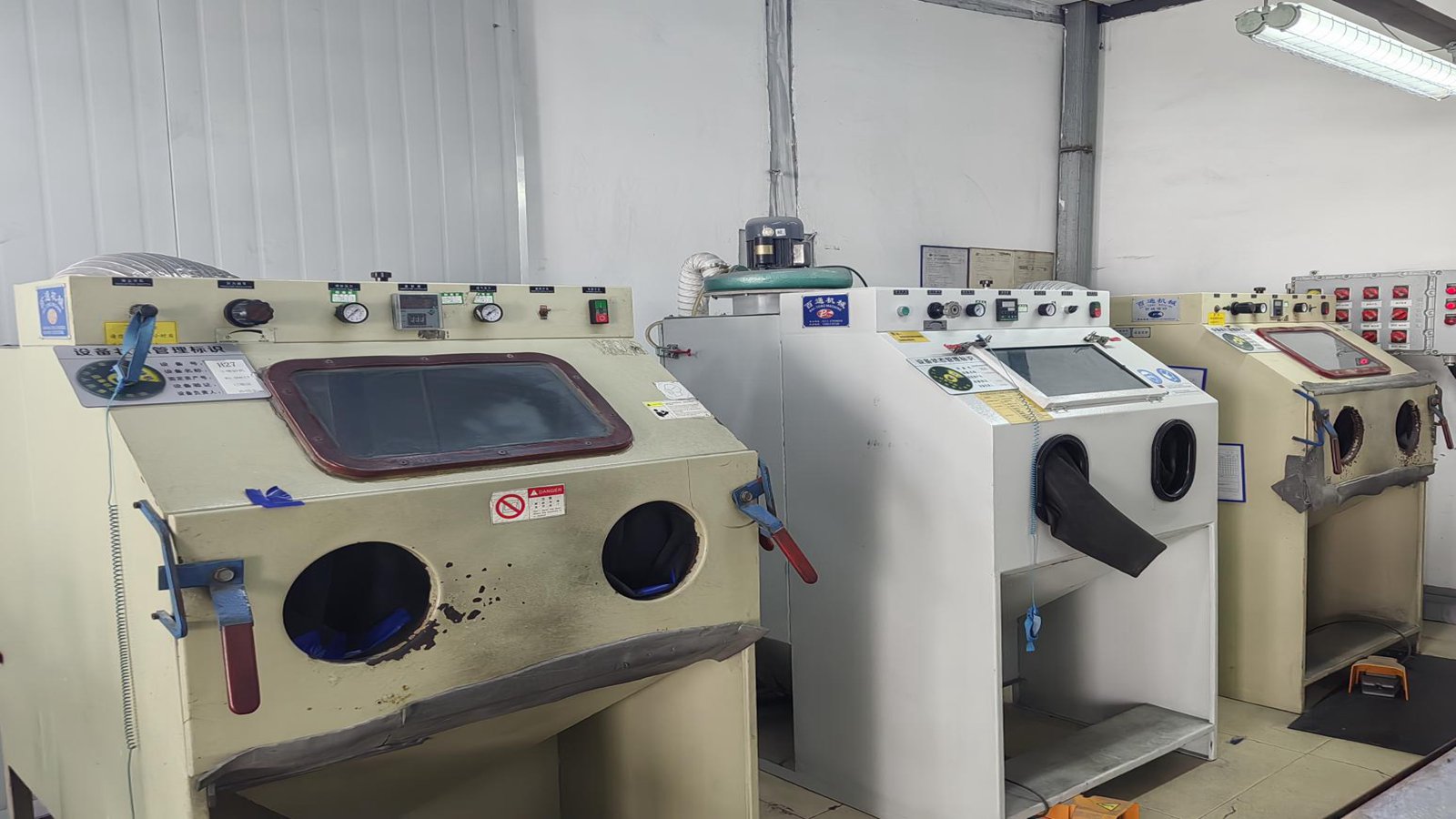
Medispirex Orthopedic Technology Co., Ltd. is a professional manufacturer specializing in spine and orthopedic implant solutions, established in 2016 with a modern production facility covering approximately 18,600㎡. The company integrates R&D, manufacturing, and global distribution to deliver high-quality medical devices for trauma, spine, and joint reconstruction applications.
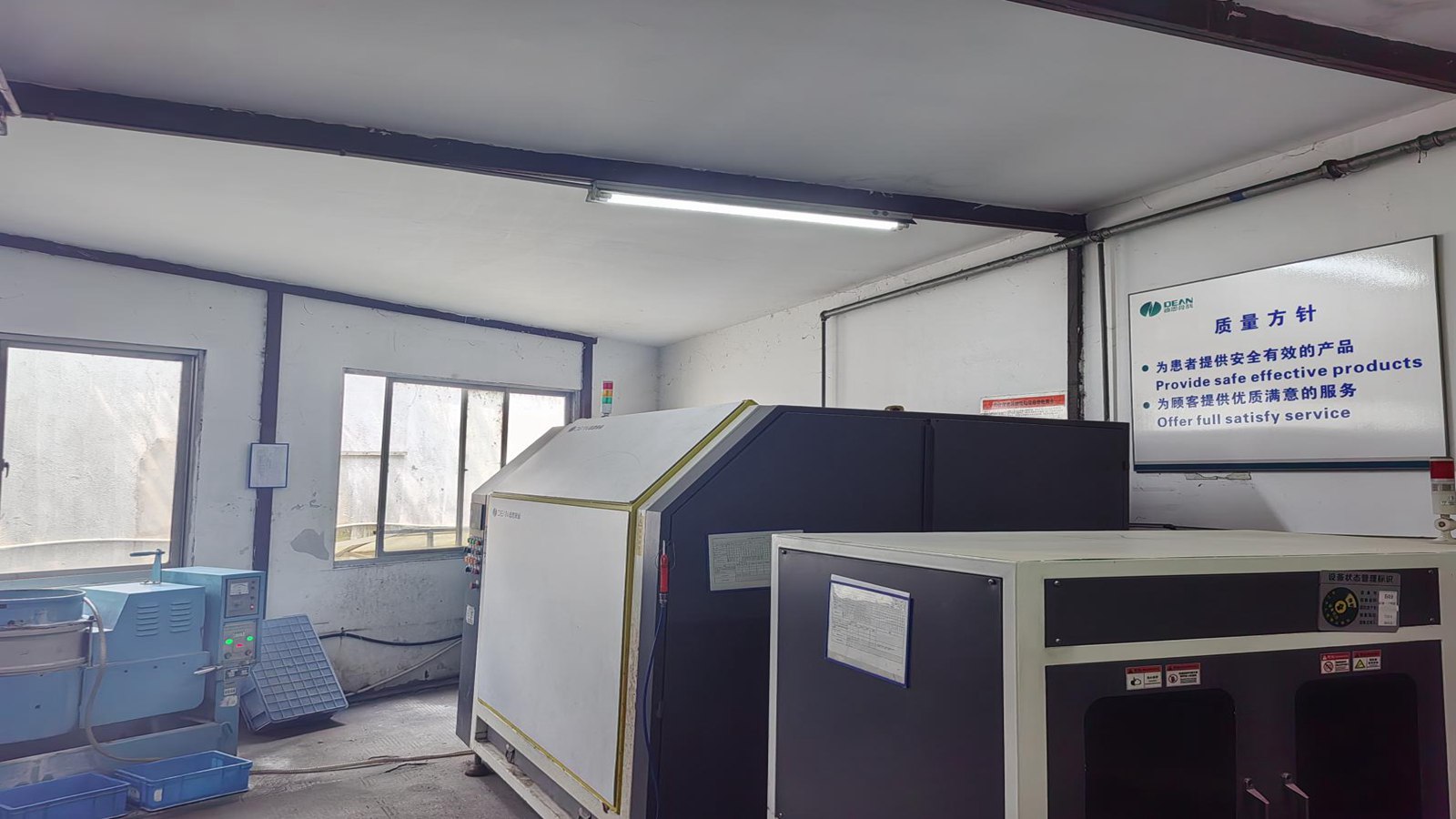
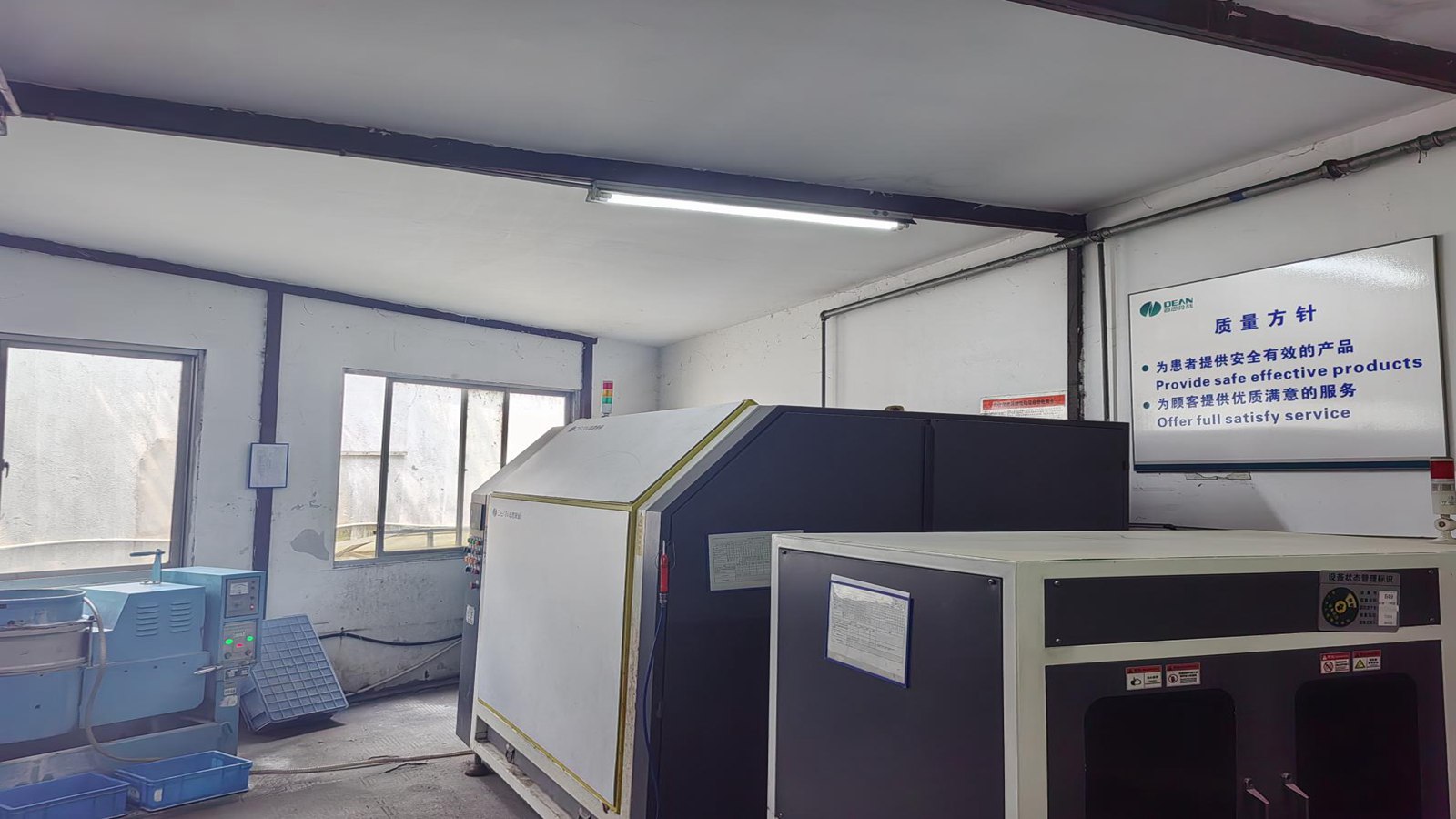
With an annual export revenue of approximately USD 18 million, Medispirex has built a stable international presence supported by 7 years of export experience and over 12 years of industry expertise. The company operates under a strict quality management system, ensuring product reliability through incoming material inspection, in-process quality control, final product testing, and batch traceability systems. Product verification methods include dimensional inspection, mechanical fatigue testing, and material composition analysis. The quality assurance team consists of around 45 dedicated QC professionals.
Medispirex maintains a strong trade-oriented manufacturing background, serving key markets including Europe, North America, the Middle East, and Southeast Asia. Its supply chain network includes approximately 860 upstream and downstream partners, enabling stable production capacity and efficient global delivery.
The company primarily serves hospitals, orthopedic surgeons, medical distributors, and OEM/ODM partners, offering flexible customization options such as private label manufacturing, product design adaptation, and surgical system configuration support. Driven by strong innovation capability, Medispirex has launched approximately 120 new products in the past year, supported by an R&D team of around 85 engineers specializing in biomechanics, materials science, and orthopedic device design.
Critical engineering and processing specifications that differentiate global market leaders.
| Assessment Vector | Standard Requirement | Elite Tier Competencies | Clinical Safety Impact |
|---|---|---|---|
| Tolerance Control | ± 0.05 mm (ISO Standard) | ± 0.005 mm (Ultra-precise Swiss CNC machining) | Reduces structural wobble between screw, plug, and insertion rod. |
| Torsional Strength | Meets standard ISO 5835 values | >120% of standard ISO value limits | Eliminates risk of screw head shearing during high-torque bone insertion. |
| Surface Modification | Standard anodized surfaces | SLA / Acid etching / Porous titanium coatings | Accelerates bone integration and decreases micro-movement. |
| Fenestration Layout | 2-hole standard output channels | Multi-directional variable-flow micro-pores | Provides even distribution of bone cement in osteoporotic procedures. |
The future of spinal reconstruction: robotic surgery integration and smart sensors.
As hospitals transition toward smart operating suites, cannulated pedicle screws are undergoing adjustments to match robotic end-effectors. Systems like Mazor X or Globus ExcelsiusGPS require implants to maintain high spatial calibration accuracy. Elite manufacturers are integrating optical target markers and electromagnetic sensors into their delivery platforms, giving surgeons real-time tracking feedback.
While Titanium remains the standard material choice, the future roadmap includes composite structures. Carbon-Fiber reinforced PEEK (CF-PEEK) offers radiolucency, allowing doctors to inspect bone fusion on post-operative X-rays without titanium-induced scattering. Concurrently, biodegradable magnesium alloy guide structures are being evaluated to help naturally facilitate biological bone growth within the hollow cannulated channels.
Key answers to queries from orthopedic surgeons, procurement professionals, and medical device distributors.
Advanced soft-tissue instrumentation, high-durability surgical saws, and next-generation joint reconstruction tools.