Medispirex
Medispirex
Medispirex
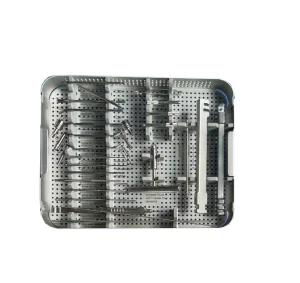
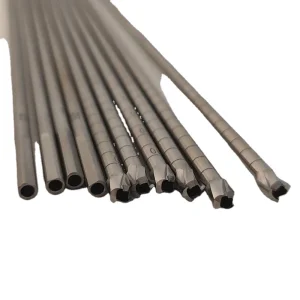
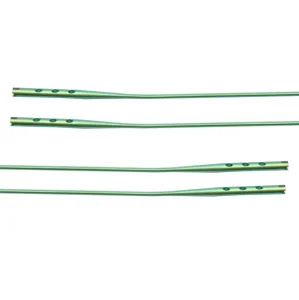
Explore our selected engineering innovations, ranging from advanced modular instrument platforms to specialized canine hip reconstruction implants and locking stabilization plates.
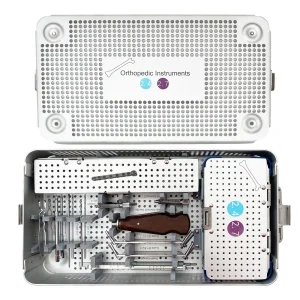
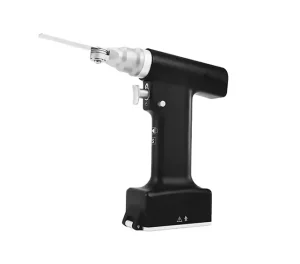
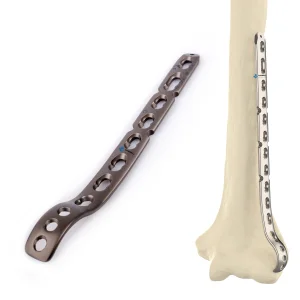
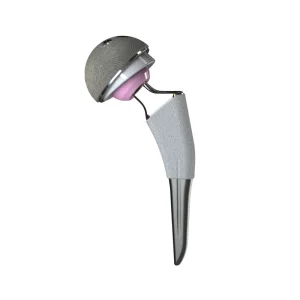
Established in 2016, Medispirex Orthopedic Technology Co., Ltd. is a clinical-grade medical manufacturer specializing in high-performance spinal implants and orthopedic solutions. Over our modern facility spanning approximately 18,600㎡, we combine advanced biomechanical research with precision tooling to engineer implants for complex spinal reconstructions, acute trauma, and joint systems.
Medispirex is fueled by over 12 years of industry experience and 7 years of direct export proficiency, achieving an annual export revenue of approximately USD 18 million. Our international footprint spans key regions including Europe, North America, the Middle East, and Southeast Asia. We are a trusted partner to over 860 upstream and downstream collaborators, providing agile, reliable medical device options that adapt to local regulatory and surgical workflows.
Through robust integration of raw materials sourcing, customized CAD/CAM engineering, and comprehensive clinical validation, we deliver advanced surgical devices that strictly satisfy international regulatory expectations.
"We serve key global sectors including hospitals, academic research clinical centers, national orthopedic distributors, and global OEM/ODM device brands seeking high-capacity production support."
Vertebral Body Replacement (VBR) devices represent a highly critical sector of reconstructive spinal surgery. Used primarily in corpectomy procedures, VBR implants replace collapsed, damaged, or unstable vertebral bodies caused by neoplastic diseases, high-energy trauma, osteomyelitis, or severe degenerative disorders. As global demographics shift toward an older population, the prevalence of metastatic spinal tumors and osteoporotic burst fractures has accelerated the demand for high-strength, biocompatible, and stable spinal reconstruction systems.
The industry has transitioned from rigid mesh cylinders to modular expandable systems. Advanced implants leverage biocompatible PEEK (polyetheretherketone) and Titanium Alloys (Ti-6Al-4V ELI) with porous topologies that closely mirror human trabecular bone architecture to enhance osseointegration.
With the implementation of EU MDR and strict FDA validation paths, quality assurance is crucial. VBR manufacturers must validate biomechanical resistance under dynamic compression, torsion, and shear, ensuring long-term structural viability and minimum subsidence risk.
European markets demand low-profile, hybrid configurations optimized for minimally invasive approaches. North American systems prioritize integrated fixation (screws/plates), while emerging APAC territories require scalable, modular platforms with cost-effective instrumentation.
How Medispirex is aligning with next-generation biomechanical designs, additive manufacturing, and surface engineering to elevate clinical outcomes.
Enhancing osseointegration via micro-rough titanium plasmas, acid-etching, and anodization. These physical alterations improve primary stability, promote cell adhesion, and limit bacterial colonization, reducing the incidence of post-operative aseptic loosening.
Transitioning to direct electron beam melting (EBM) and selective laser melting (SLM) for PEEK and Titanium. 3D-printed porous lattices allow customizable modulus matching, lessening the stress-shielding effect and maintaining native bone density.
Integrating telemetric micro-sensors to track real-time local load dynamics and structural settlement. Incorporating osteoinductive coatings (BMPs, hydroxyapatite) and target drug-eluting reservoirs to suppress tumor recurrence or combat local infections.
Our manufacturing workflow is certified under strict ISO standards, supported by 45 QA professionals and 85 R&D engineers who verify that every design meets surgical safety protocols.
Using multi-axis Swiss CNC turning and cutting systems to process medical grade titanium (ASTM F136) and implant-grade PEEK. Tight tolerances of up to ±5 microns are maintained to ensure stable assembly and mechanical mating.
Fatigue, static compression, and torsion testing are executed according to ASTM F1717 and ASTM F2077 specifications. This confirms long-term biomechanical endurance under continuous physiological loading profiles.
Every raw material batch undergoes spectral analysis and ultrasonic cleaning. We operate a complete batch-traceability database that monitors components from raw titanium bars through to surface anodization, cleaning, and final packing.
Inside our production facilities, specialized workshops ensure execution across every stage of processing, finishing, and control.
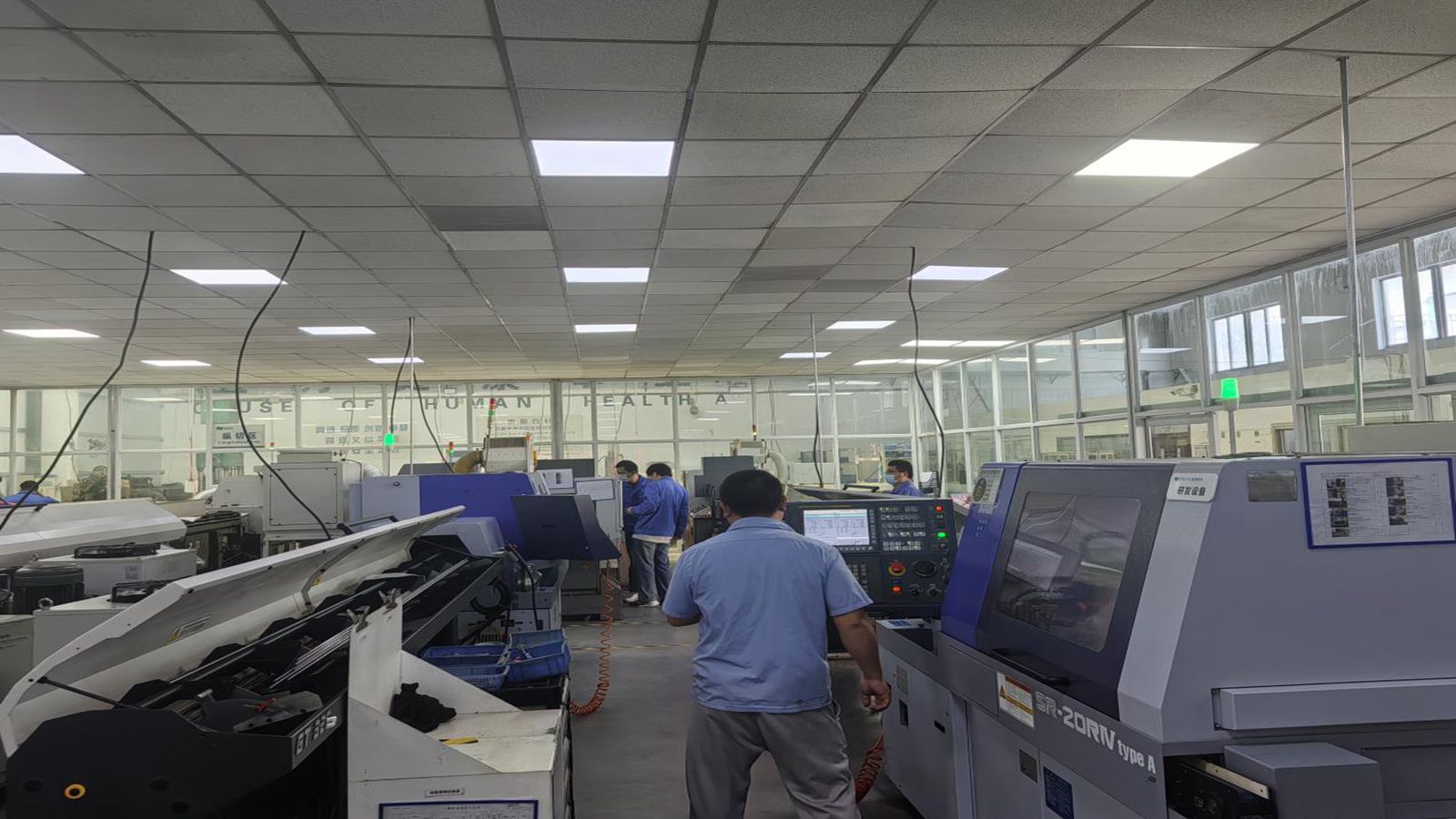
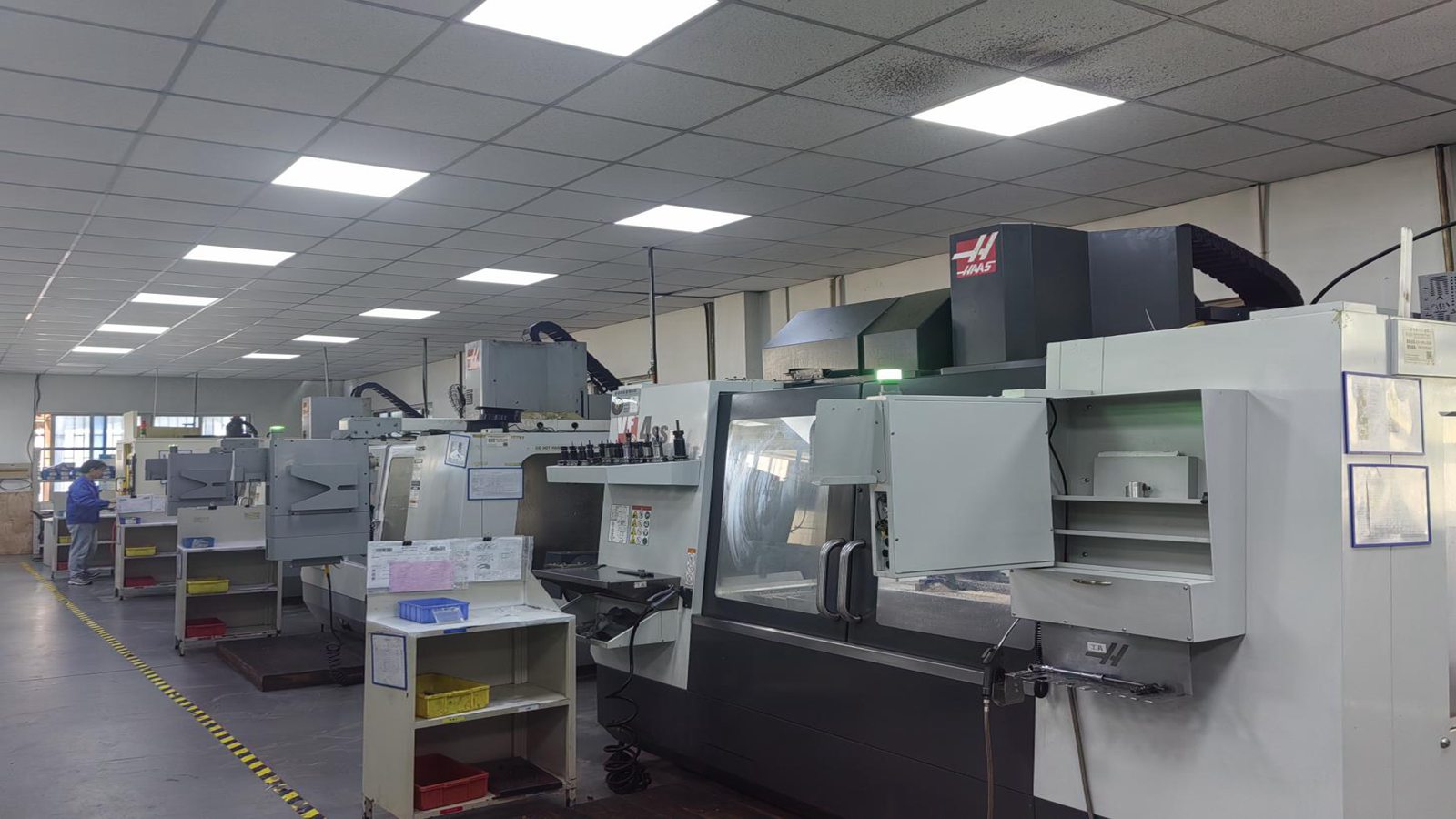
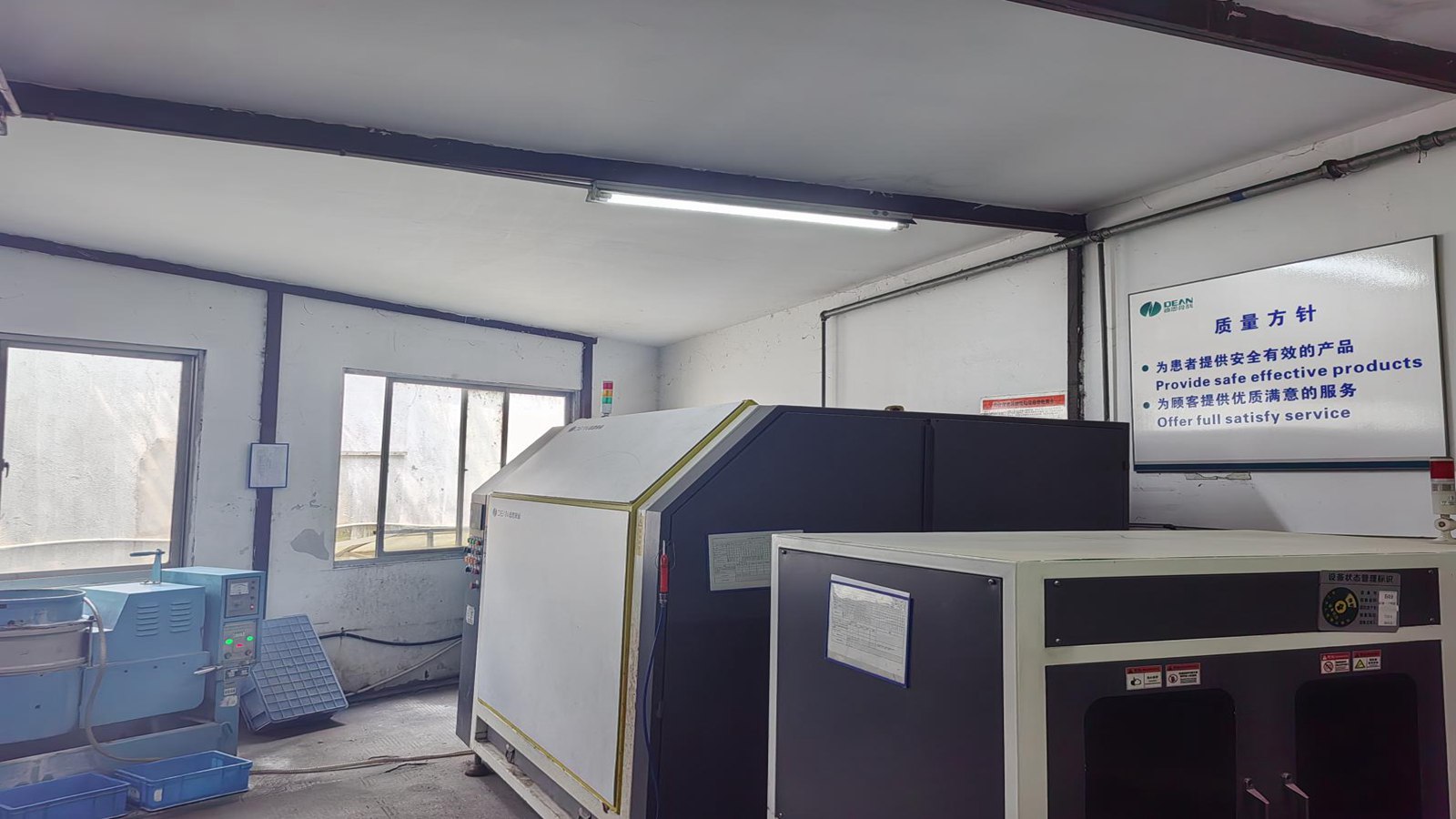
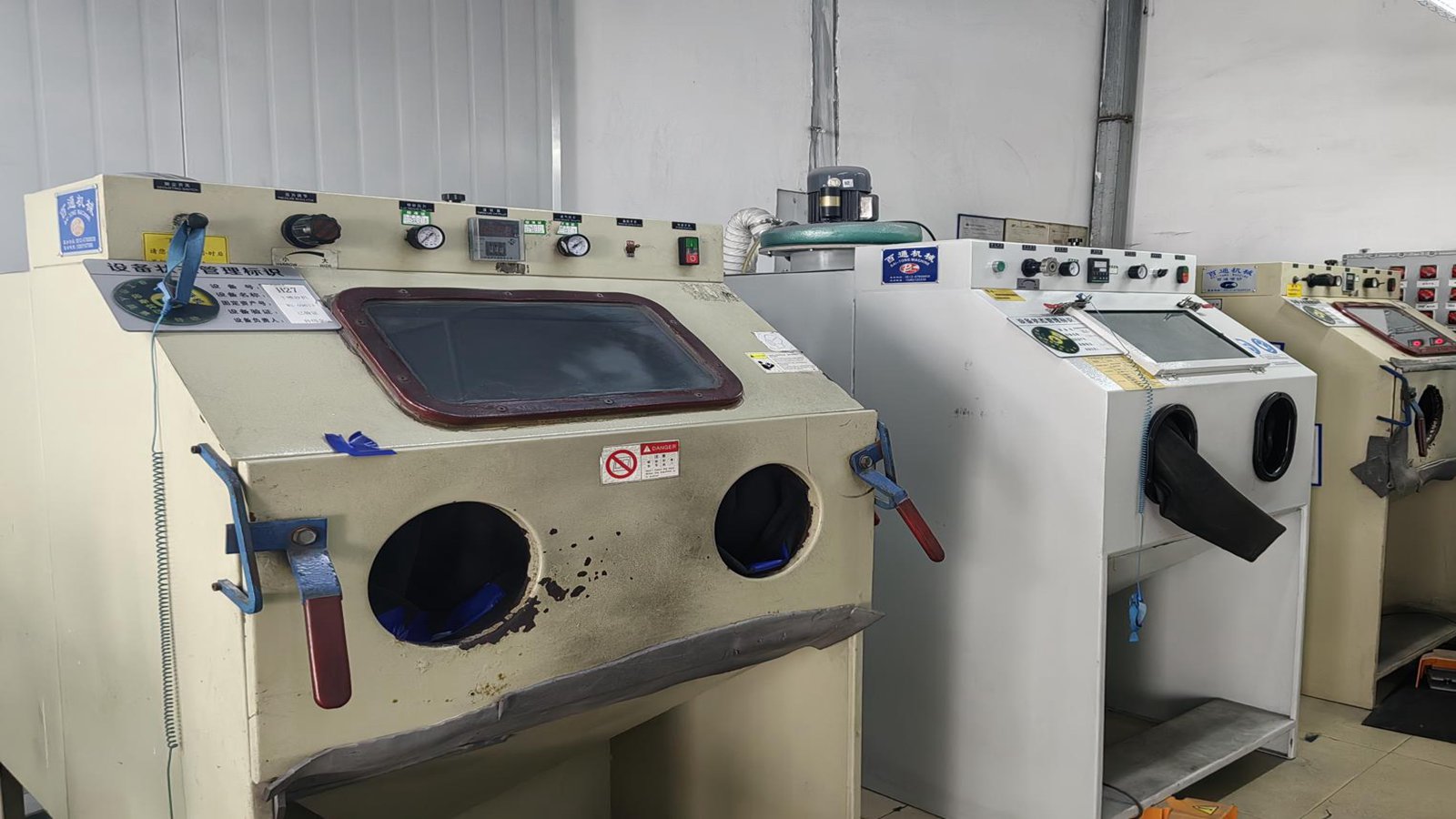
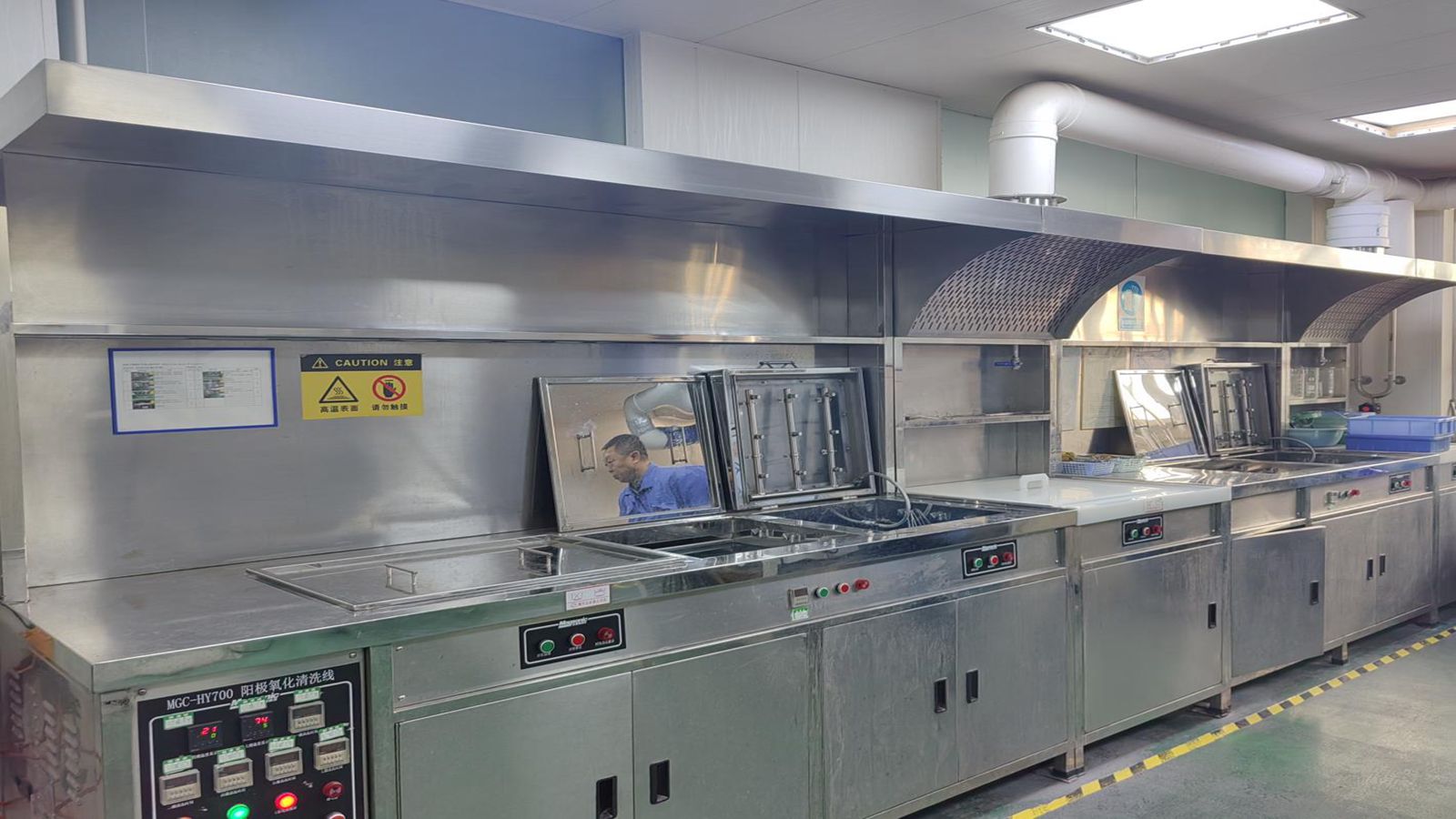
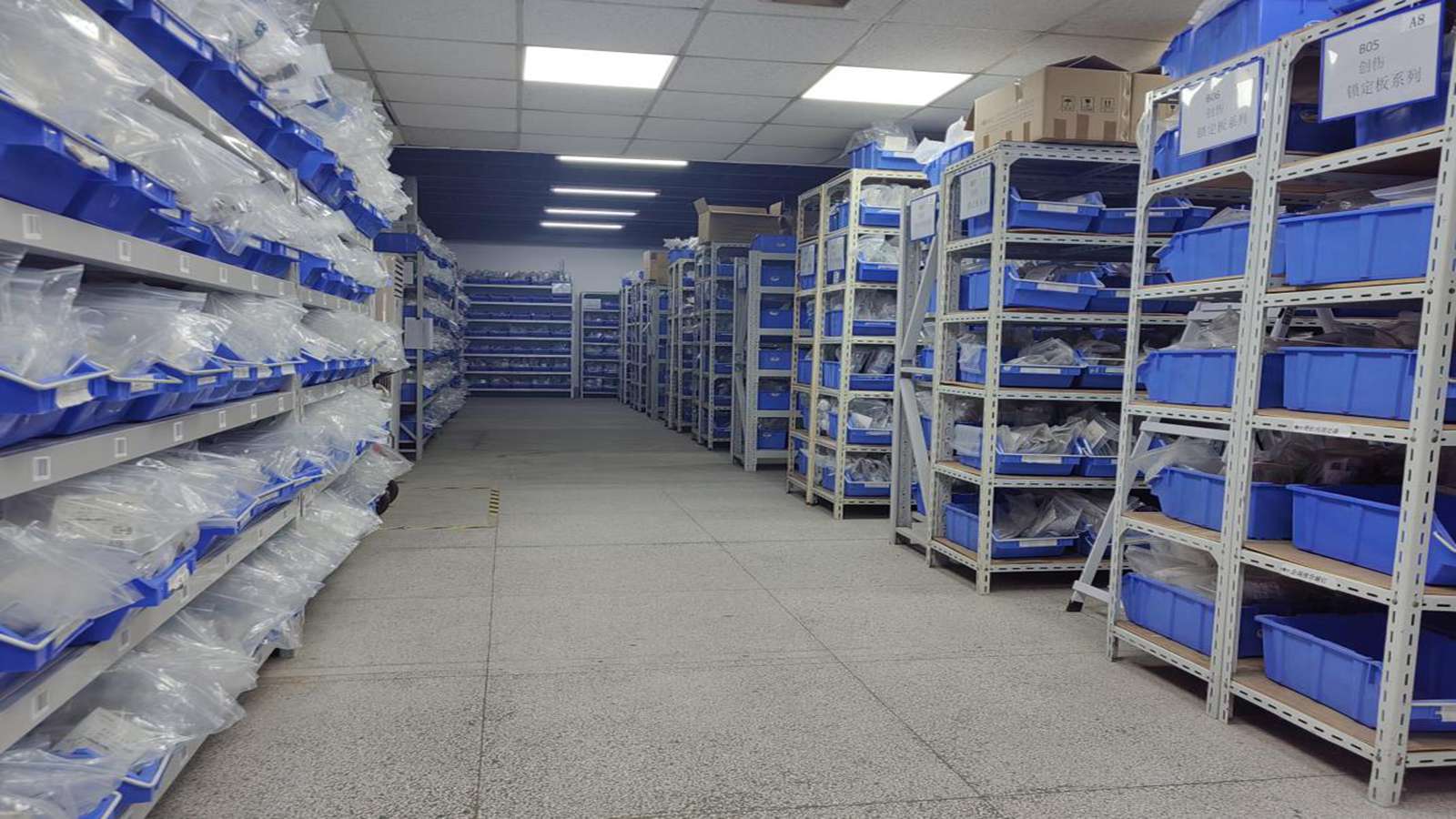
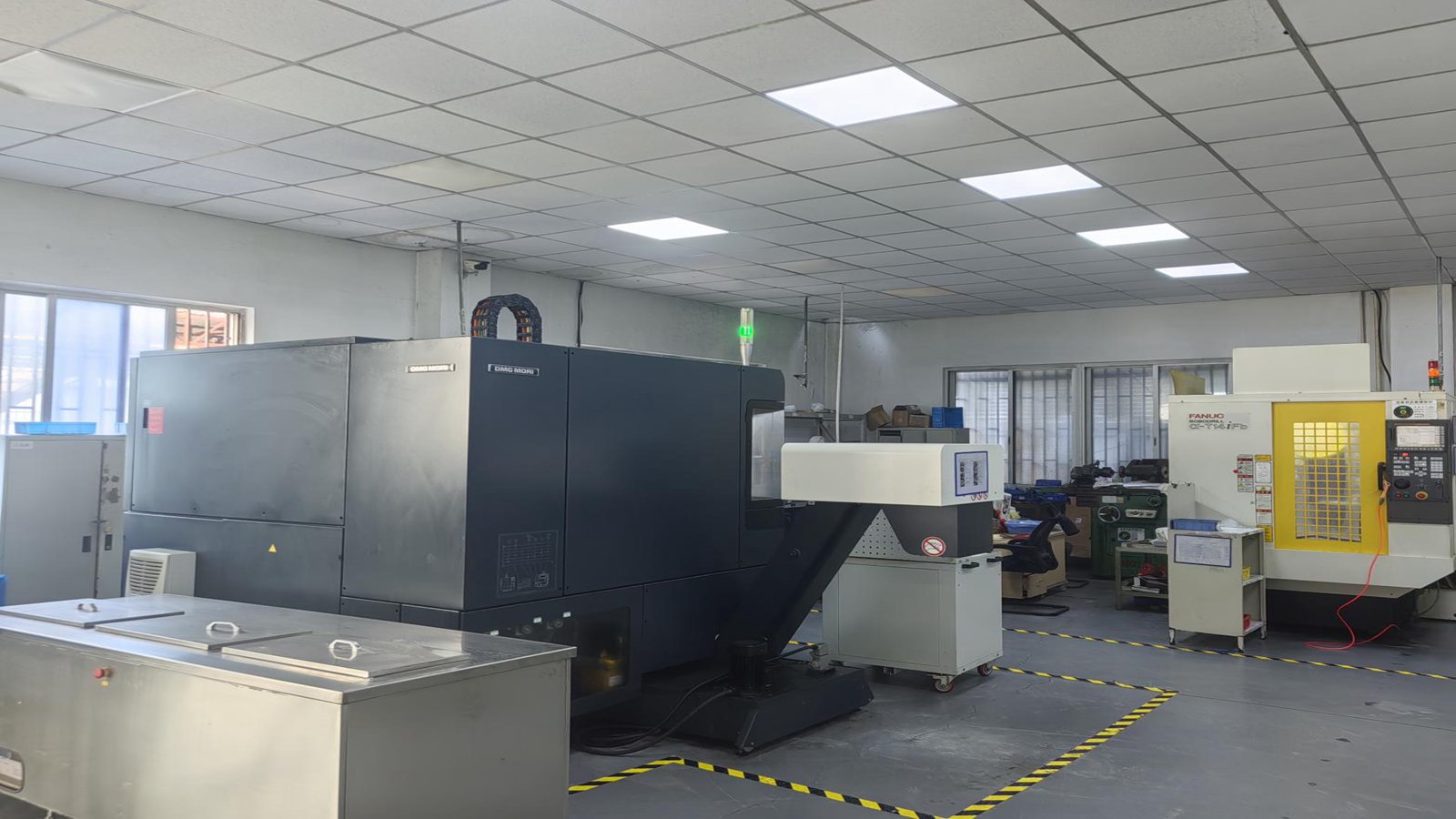
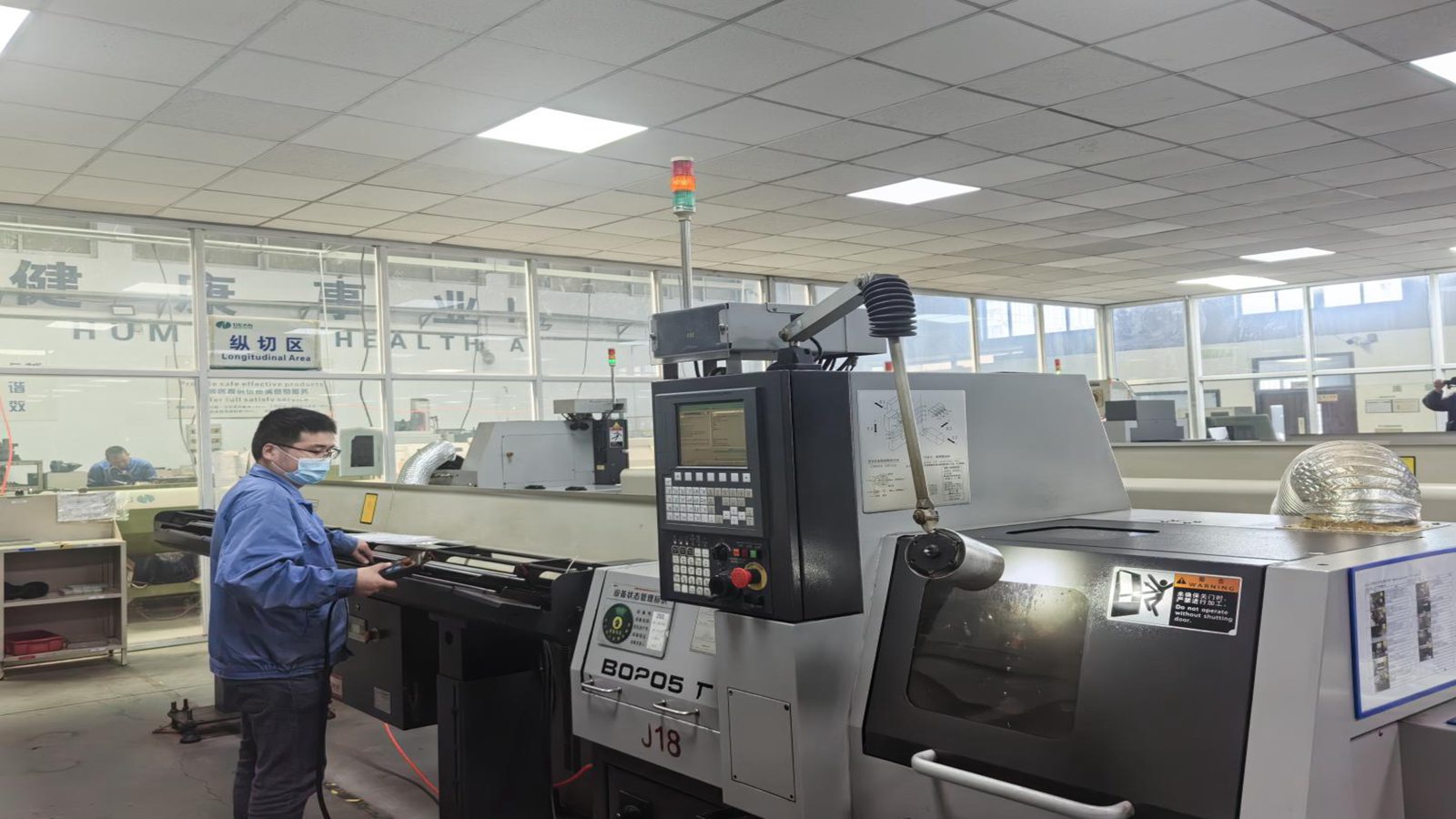
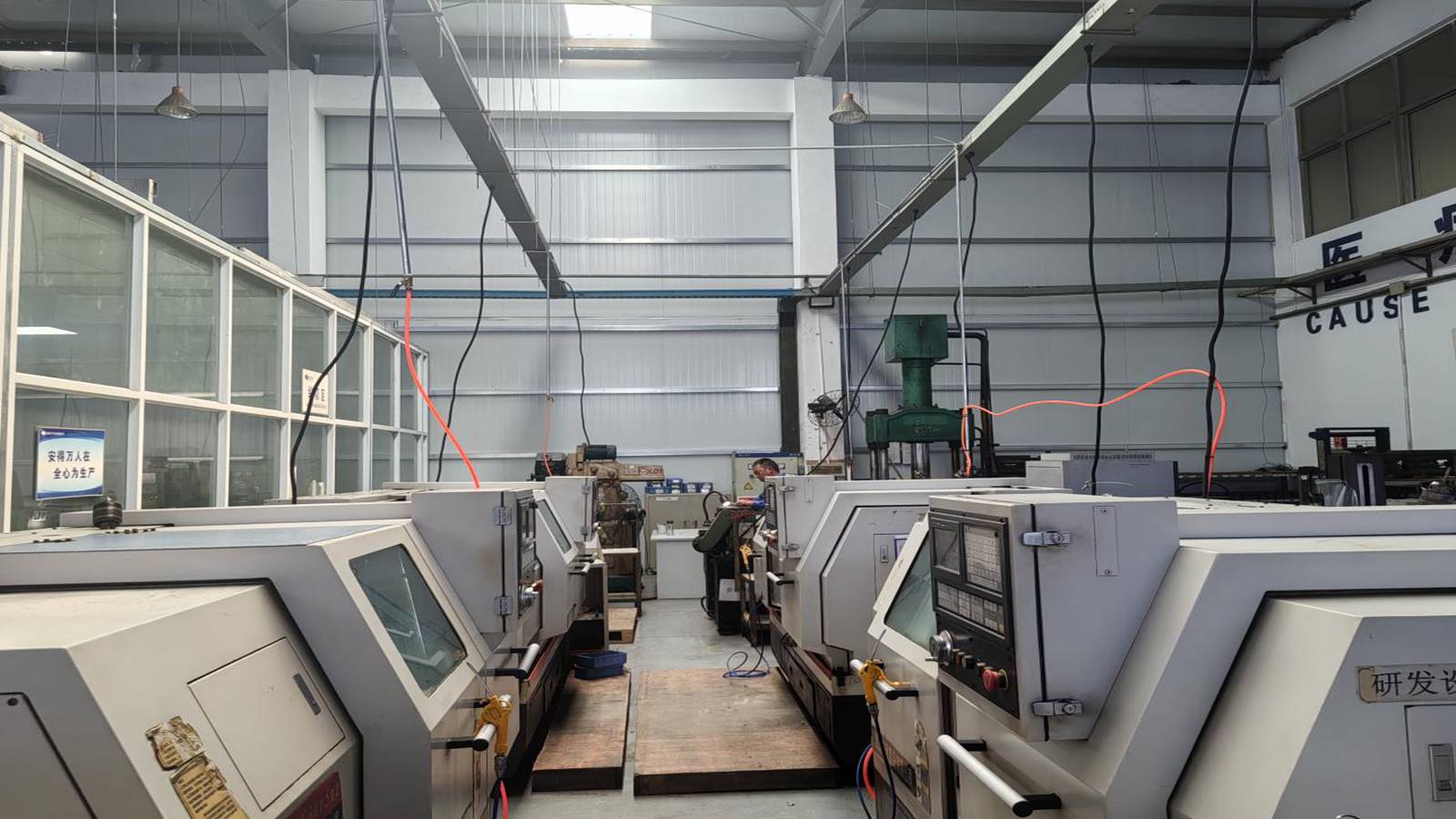
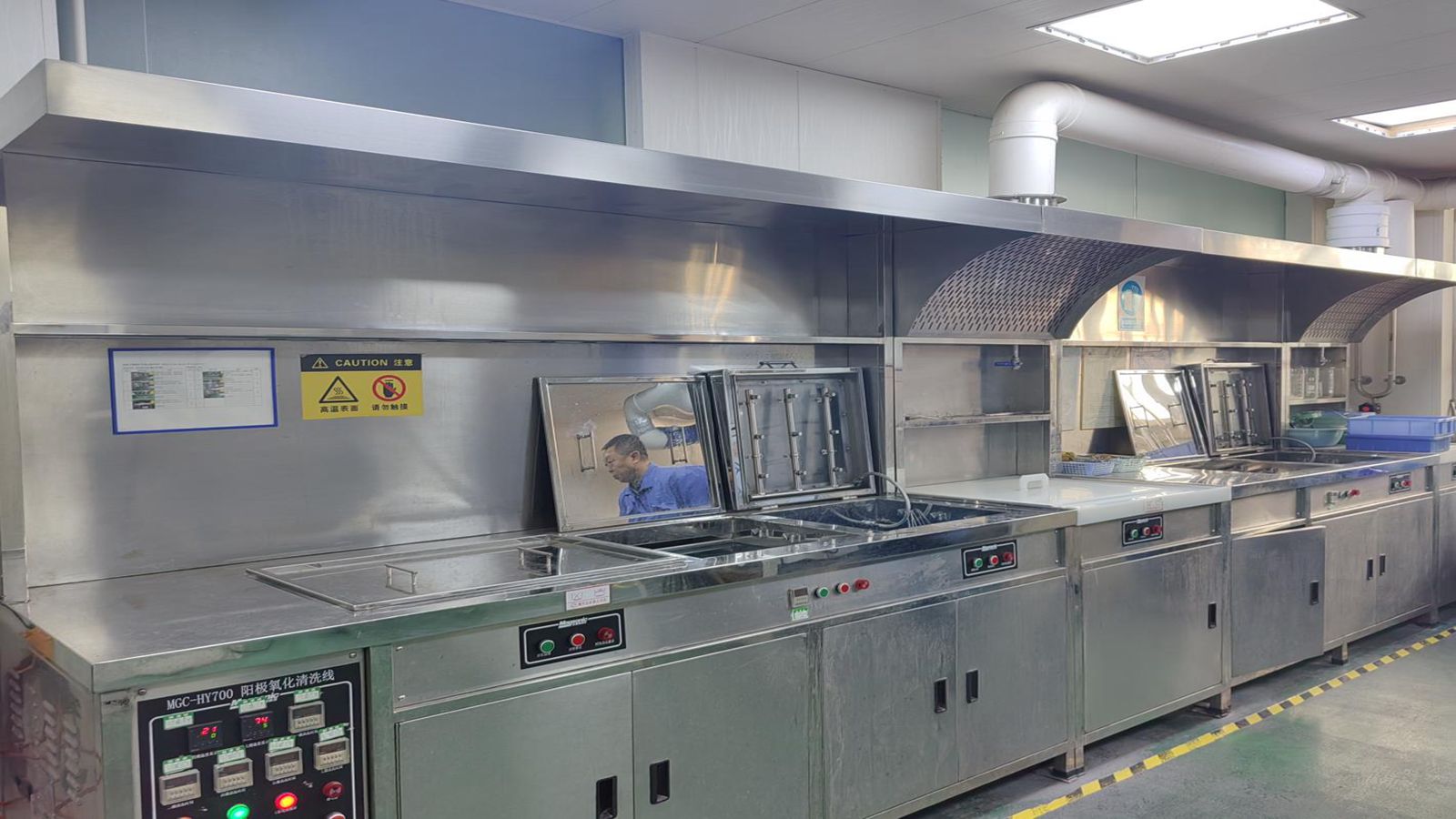
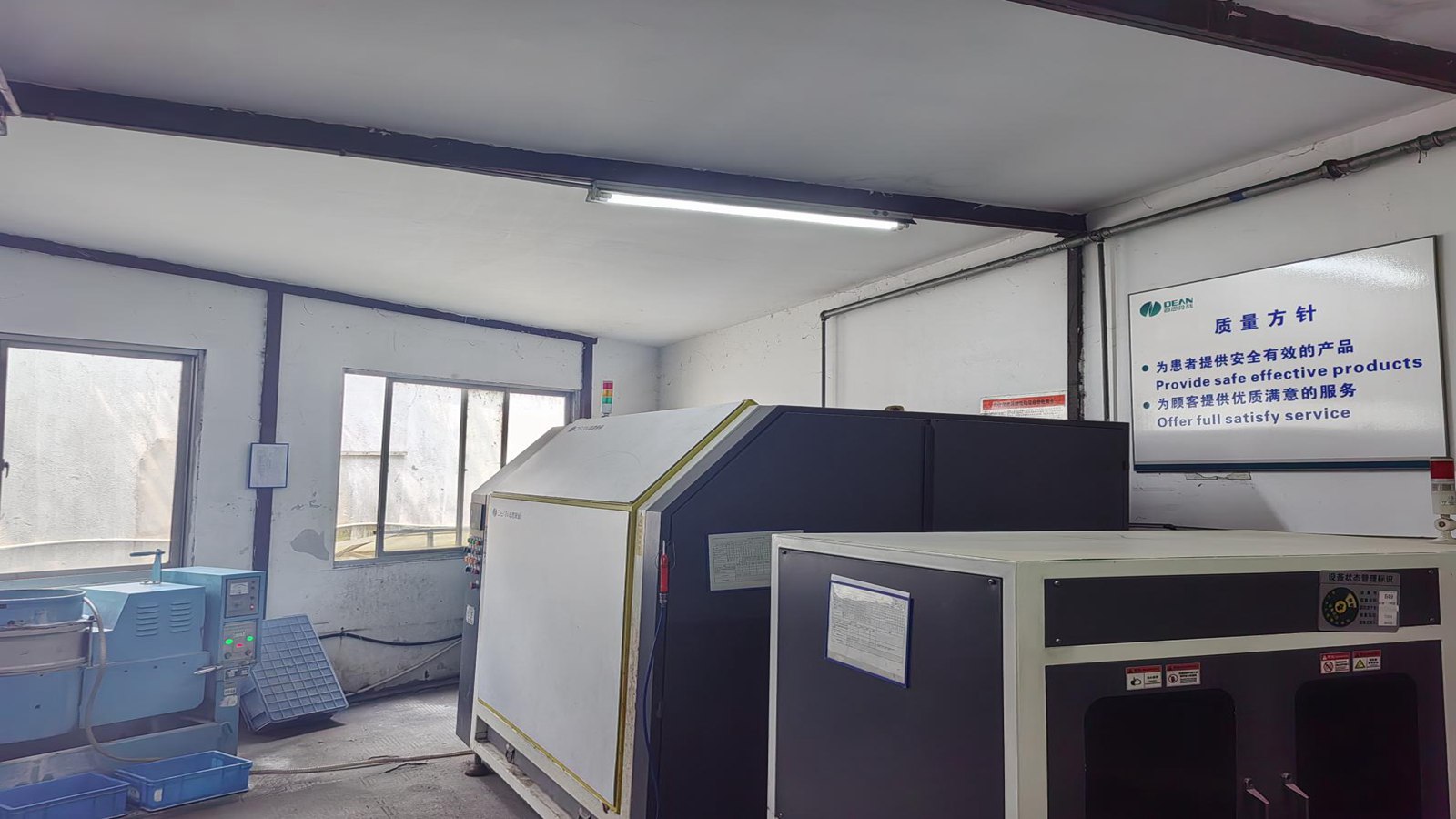
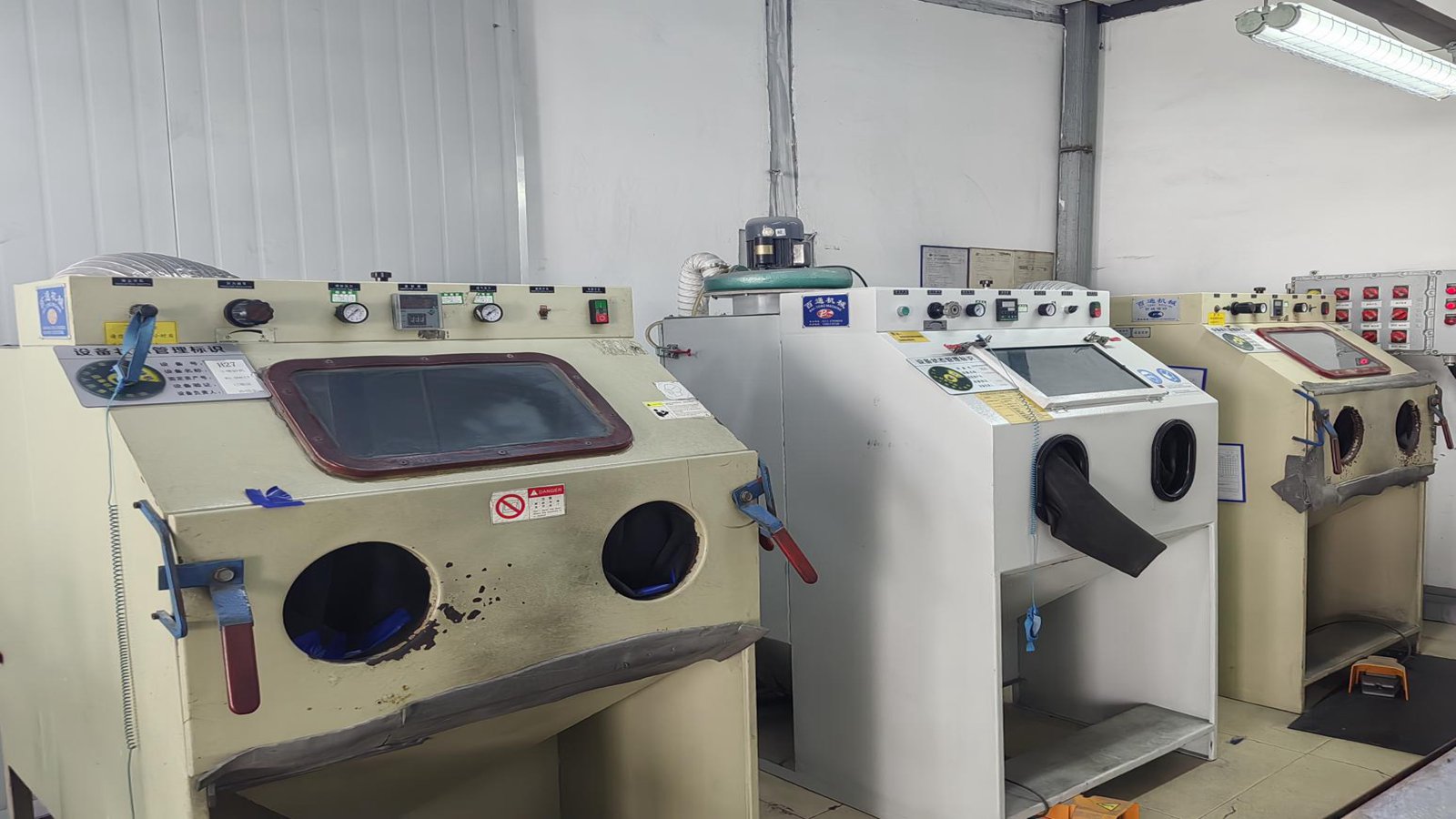
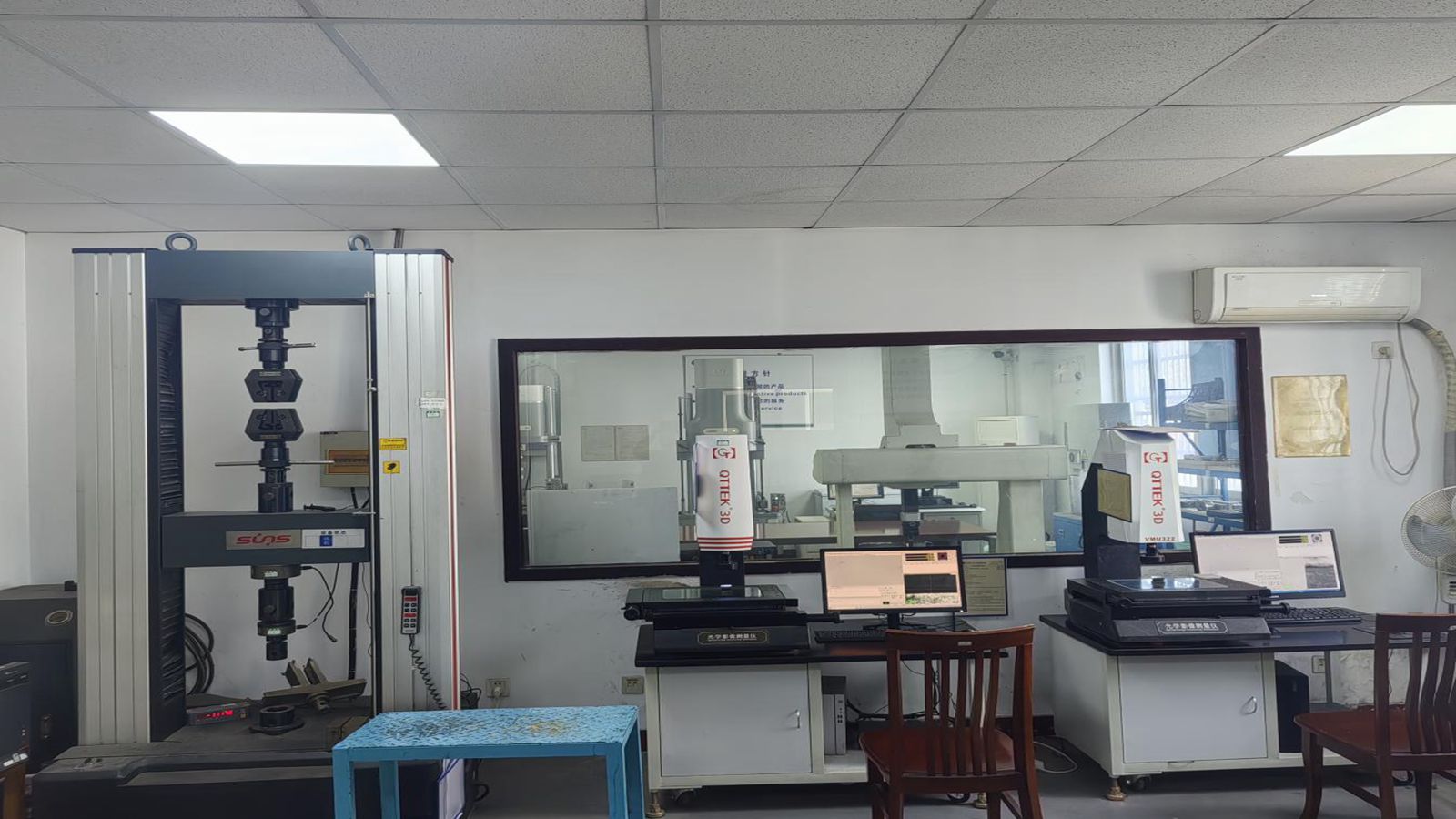
From prototype engineering to regulatory support, we coordinate cleanroom processes, mechanical stress tests, and clinical packaging configurations to accelerate your time-to-market.
Collaborate with our 85 R&D specialists to refine internal core mechanisms and cage footprints. We translate your medical parameters into high-precision designs using structural simulations and FEA (Finite Element Analysis).
We offer sterile and non-sterile packaging options that feature dynamic barcodes, lot labeling, and direct-to-hospital logistics formats. Our processes conform fully to UDI (Unique Device Identification) global guidelines.
To aid your regulatory filings, we supply complete CE and ISO 13485 technical files, material certs, biocompatibility assessments, and dynamic compression results (ASTM F1717 / F2077).
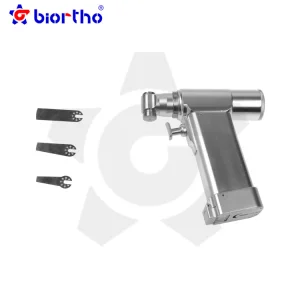
Discover our second selection of technical systems, including intramedullary nails, arthroscopic instruments, surgical power saws, and zero-profile interbody fusion devices.