Medispirex
Medispirex
Medispirex
As a specialized division of Medispirex Orthopedic Technology Co., Ltd., we are an established manufacturer specializing in advanced spine, trauma, and sports medicine implant solutions. Founded in 2016, our operations combine cutting-edge biomechanics with state-of-the-art materials science to manufacture high-performing, clinically verified suture anchors for rotator cuff repairs. We serve world-class medical distributors, orthopedic surgeons, and OEM/ODM private label brands who demand absolute mechanical reliability and strict regulatory compliance.
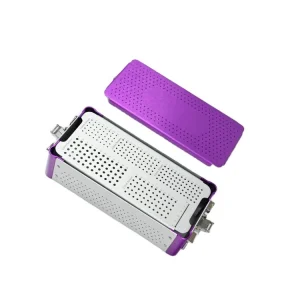
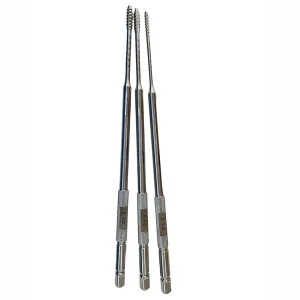
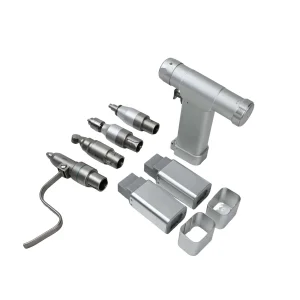
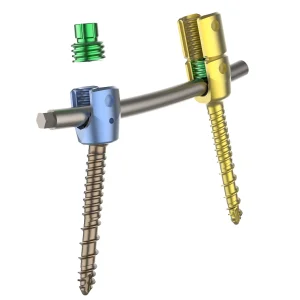
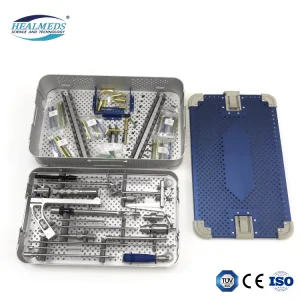
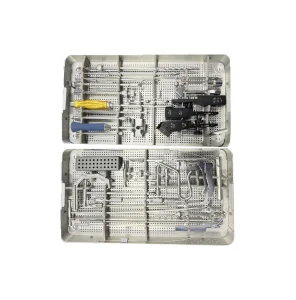
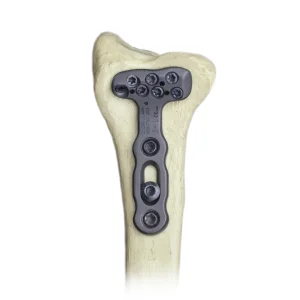
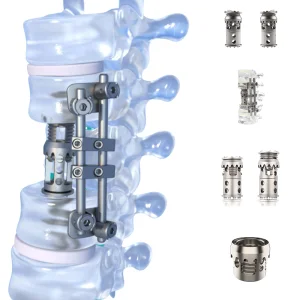
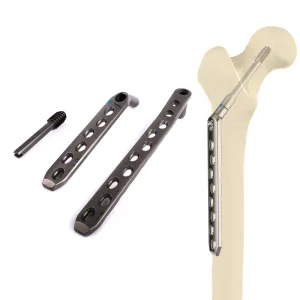
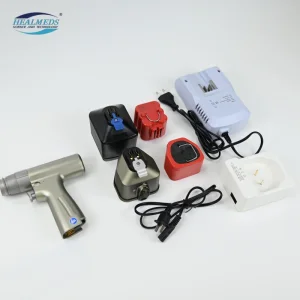
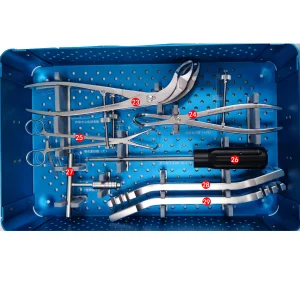
Explore our primary implant systems and high-precision instrument configurations engineered for global distribution.
The sports medicine sector is undergoing a significant transformation. Suture anchors, once simple mechanical pegs used in soft tissue-to-bone fixation, have evolved into highly complex systems capable of dynamic load sharing, osteoconductive growth facilitation, and rapid healing integration.
Globally, the demand for rotator cuff repairs is driven by two parallel trends: an aging, active population seeking to maintain physical mobility, and a rise in sports-related shoulder injuries among younger demographics. Standard repair protocols now prioritize arthroscopic procedures over open surgeries to minimize patient trauma, shorten recovery times, and optimize clinical outcomes. Consequently, orthopedic device companies need stable manufacturing partners capable of delivering massive volume while satisfying strict international quality standards such as ISO 13485, CE certification, and FDA clearances.
Rotator cuff tear patterns vary dramatically depending on patient age, bone mineral density, and activity levels. Suture anchors must secure tendon tissue to the humerus bone foot-print under repetitive biomechanical loading. Medispirex understands that there is no "one-size-fits-all" anchor design.
For instance, in osteopenic patients, conventional screw-style suture anchors run the risk of pullout or bone fragmentation. In contrast, younger athletes require maximum fatigue resistance to withstand active rehabilitation loads. Our OEM/ODM capabilities encompass the design, prototyping, and validation of diverse anchor geometries:
Design Scenario 1: Knotless Fixation Systems
Knotless anchors simplify arthroscopic management, eliminating the variable factor of surgical knot tying. Our design utilizes a secure internal locking sleeve to clamp high-strength sutures directly inside the anchor body.
Design Scenario 2: High-Strength Fiber Sutures (UHMWPE)
Sutures must be strong enough to resist elongation under stress. We configure all anchor assemblies with medical-grade Ultra-High-Molecular-Weight Polyethylene (UHMWPE) braided sutures, offering superior tensile strength and knot security.
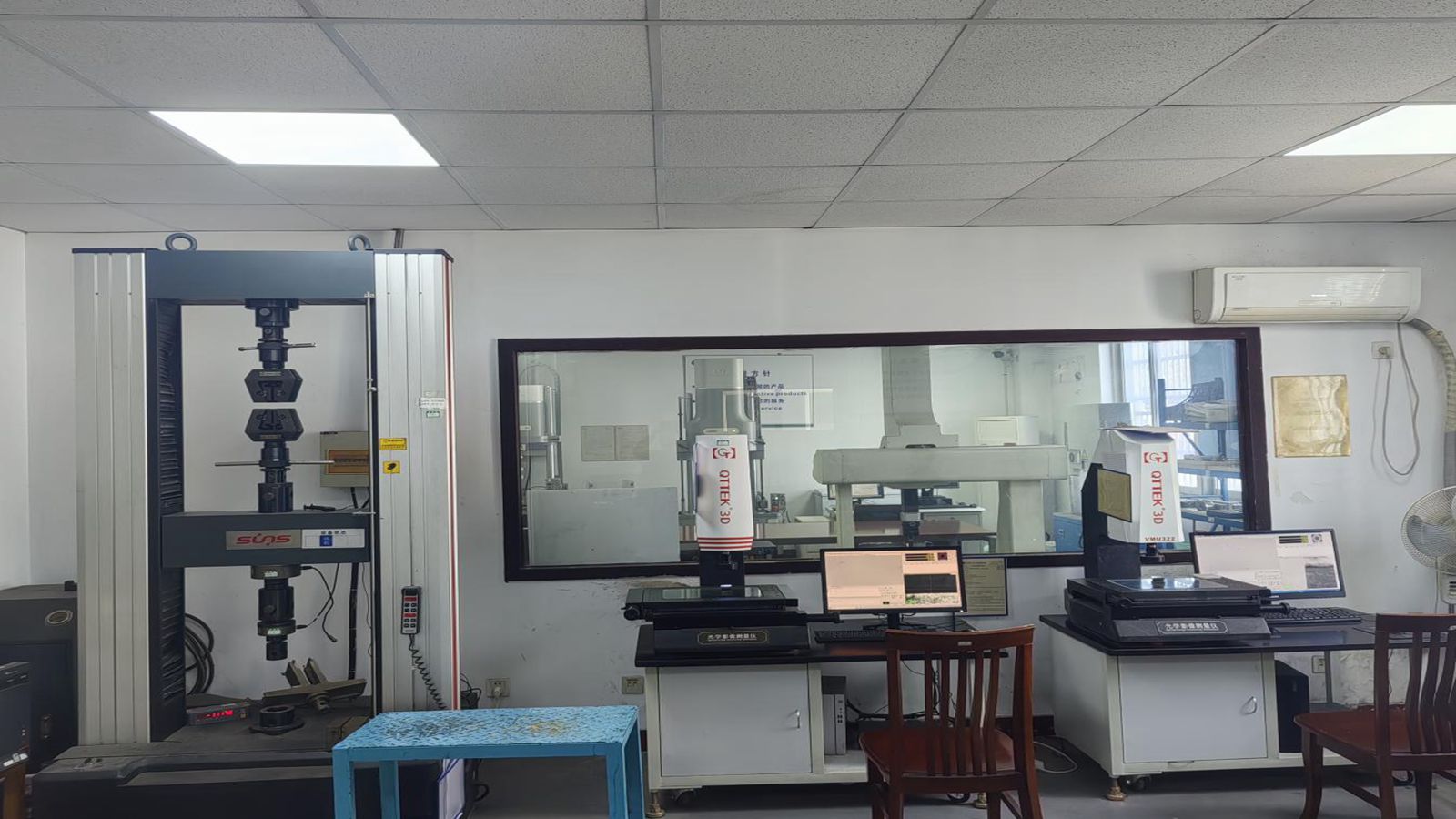
Precision orthopedics demands absolute reproducibility. Here is an overview of our state-of-the-art production rooms and testing laboratories.
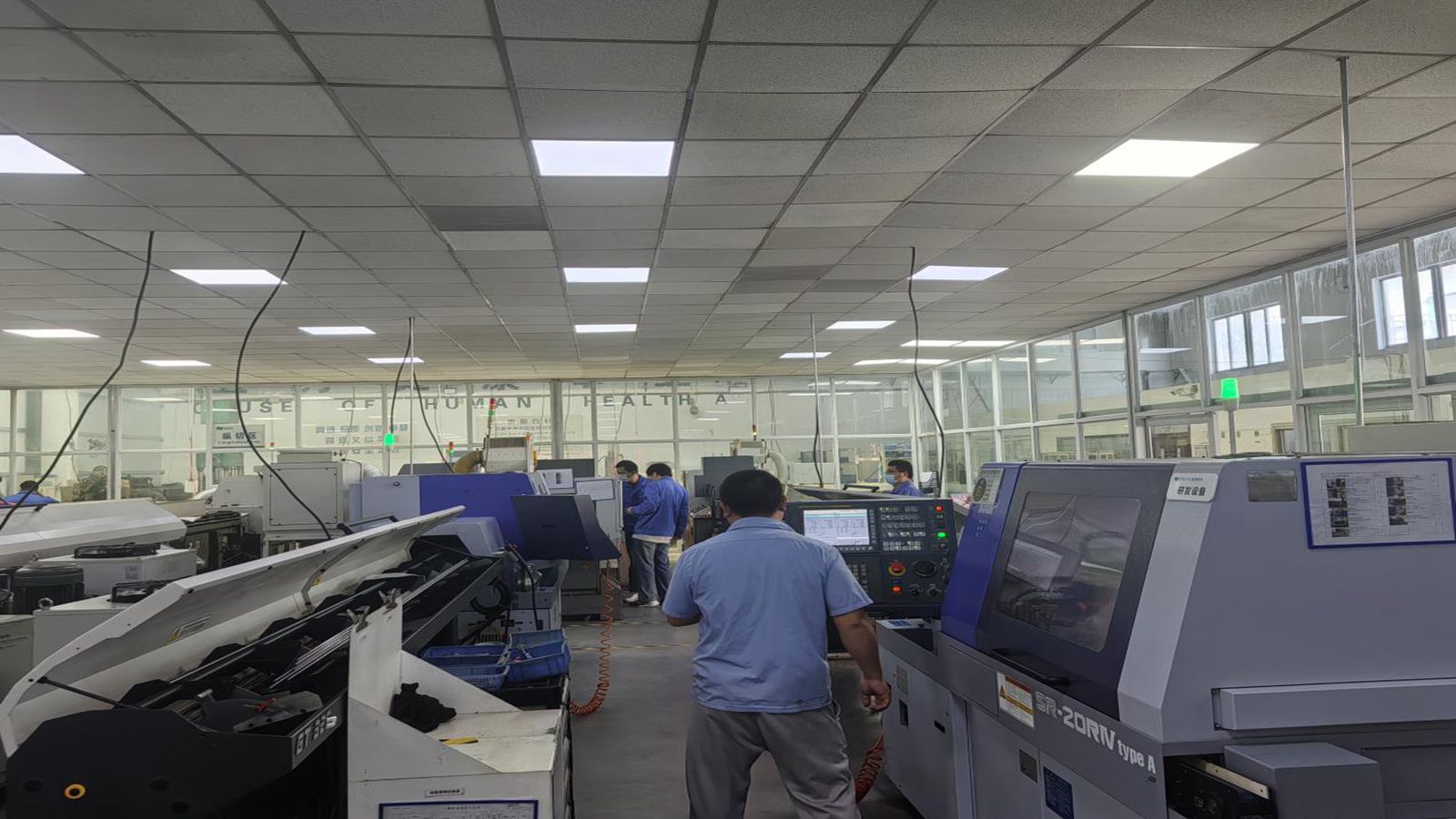
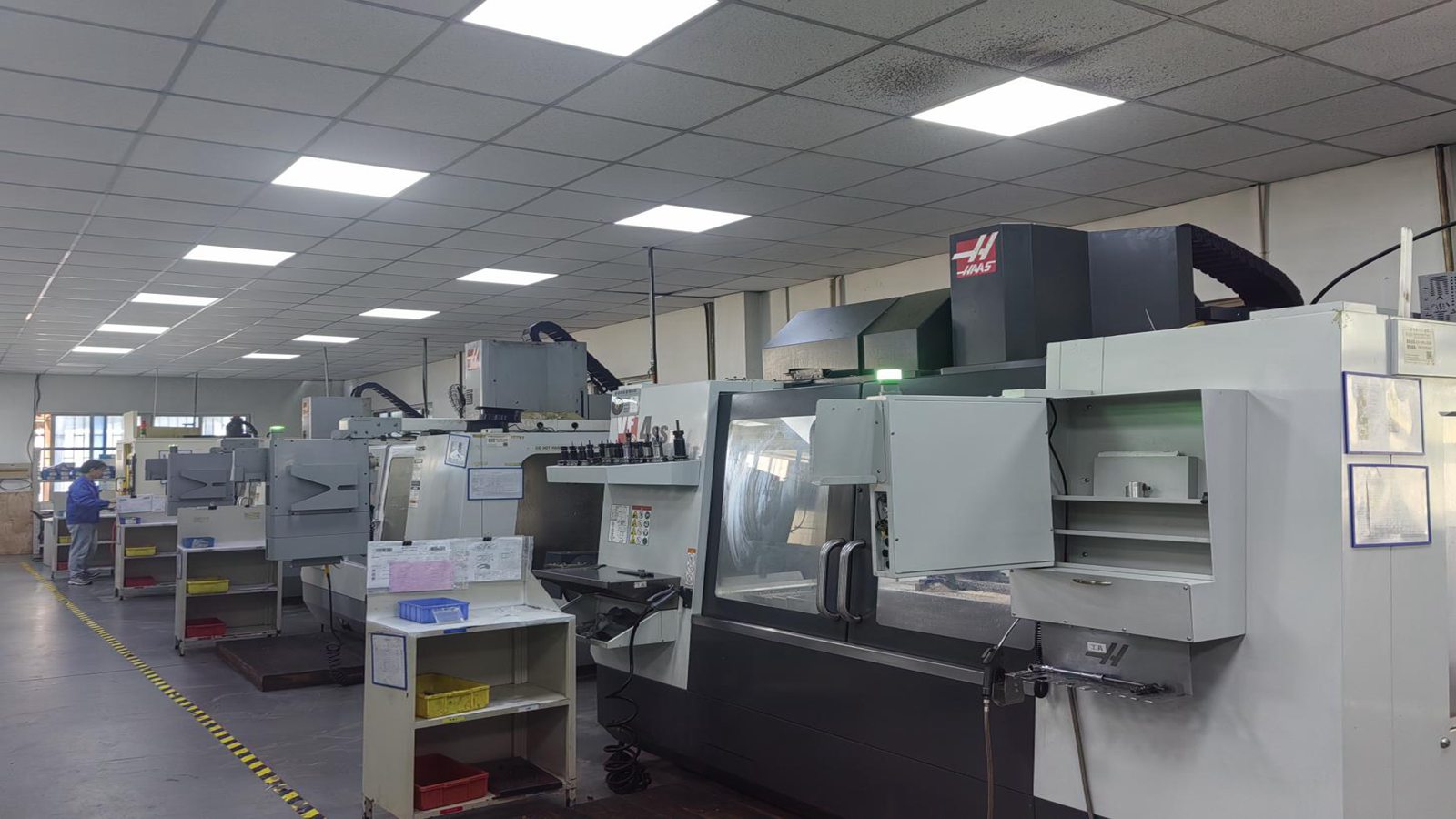
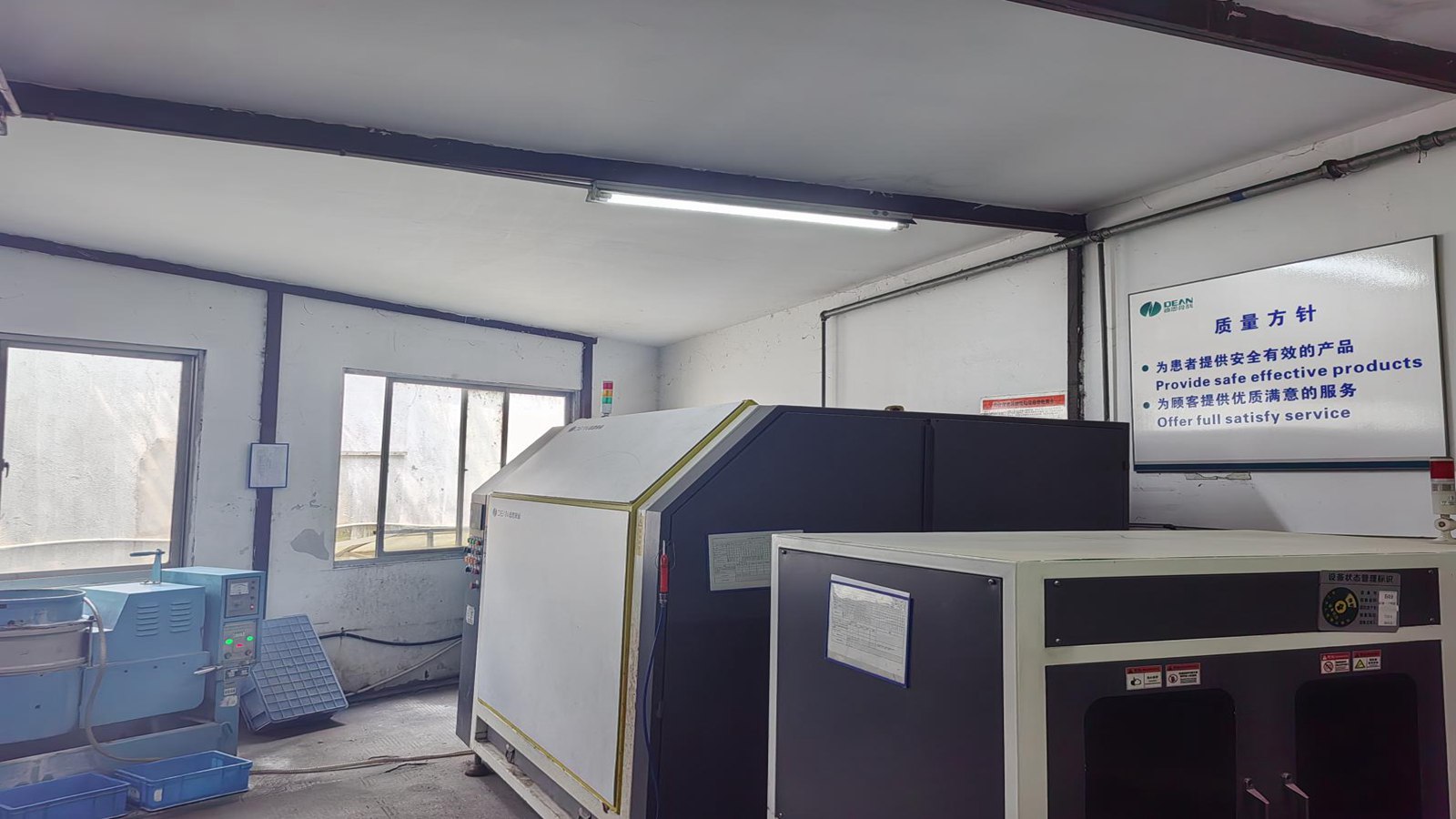
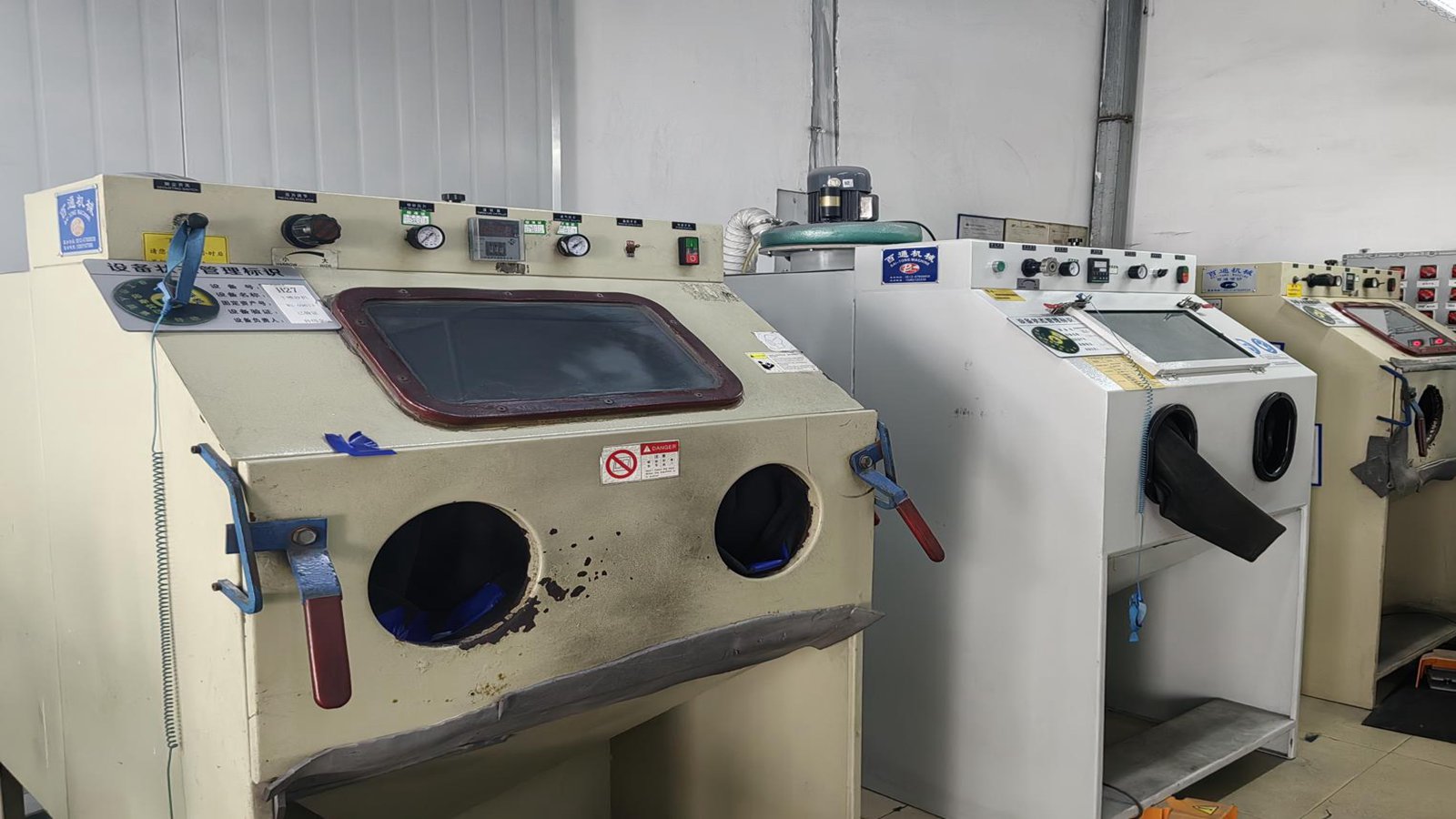
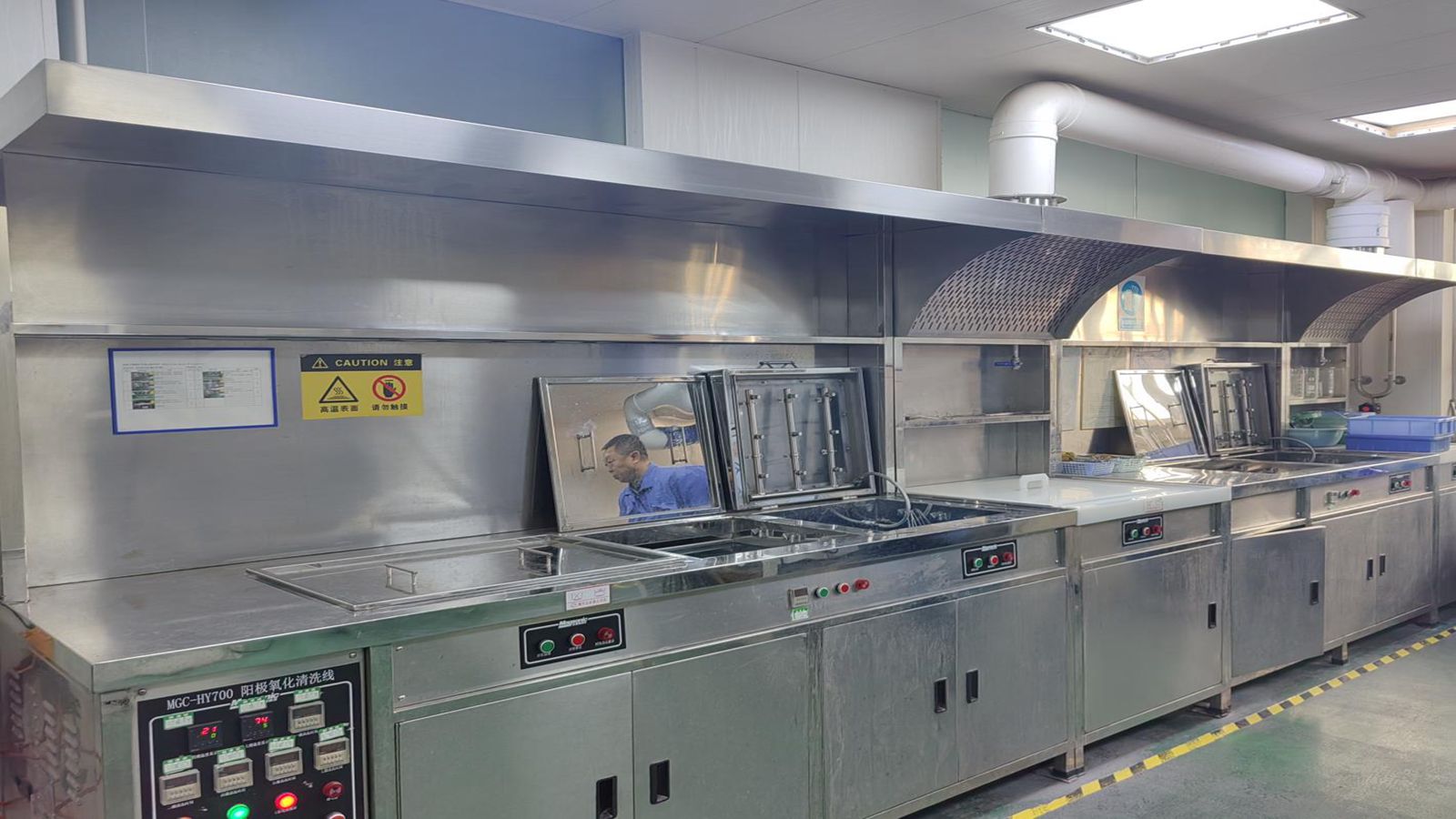
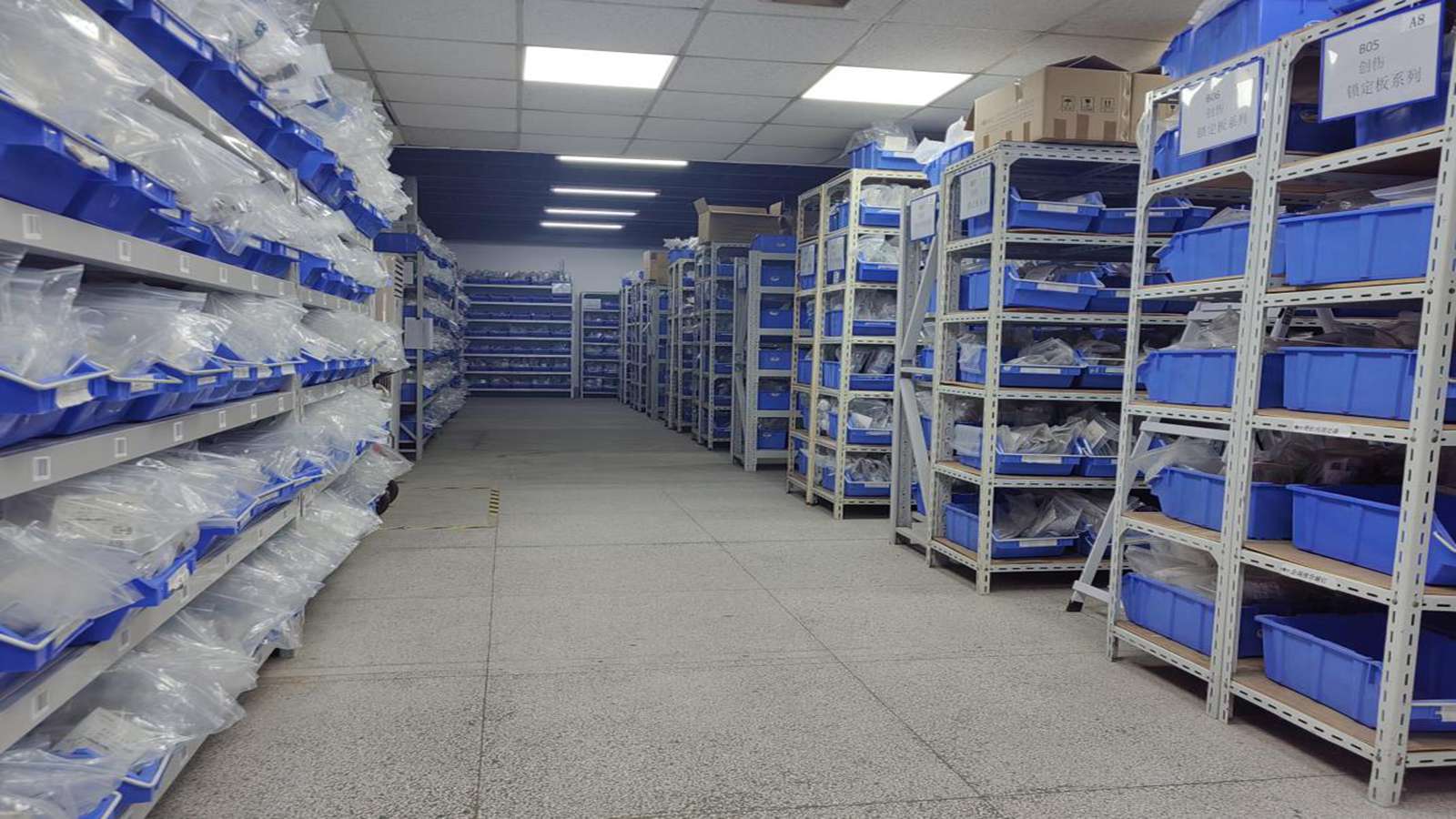
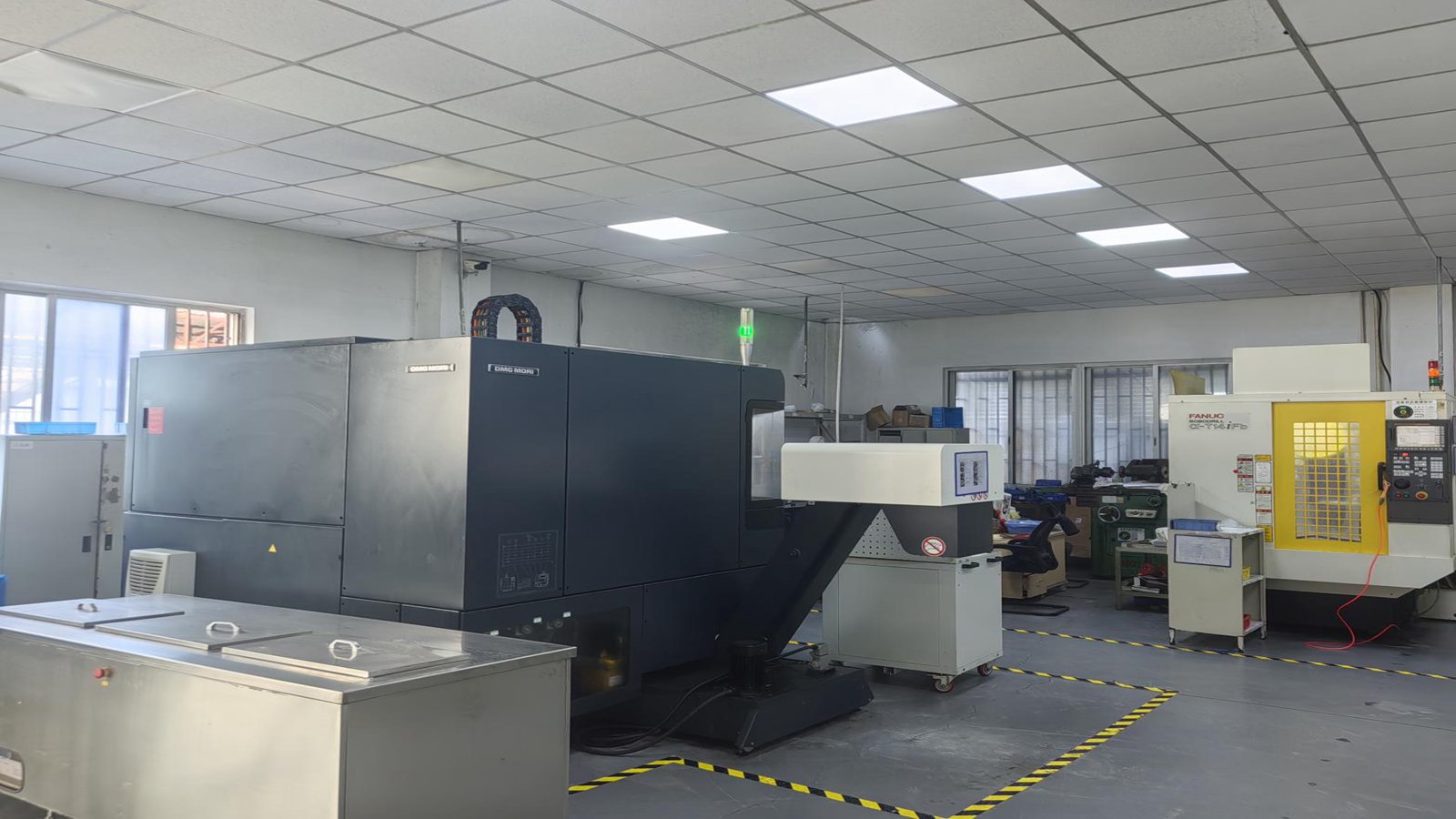
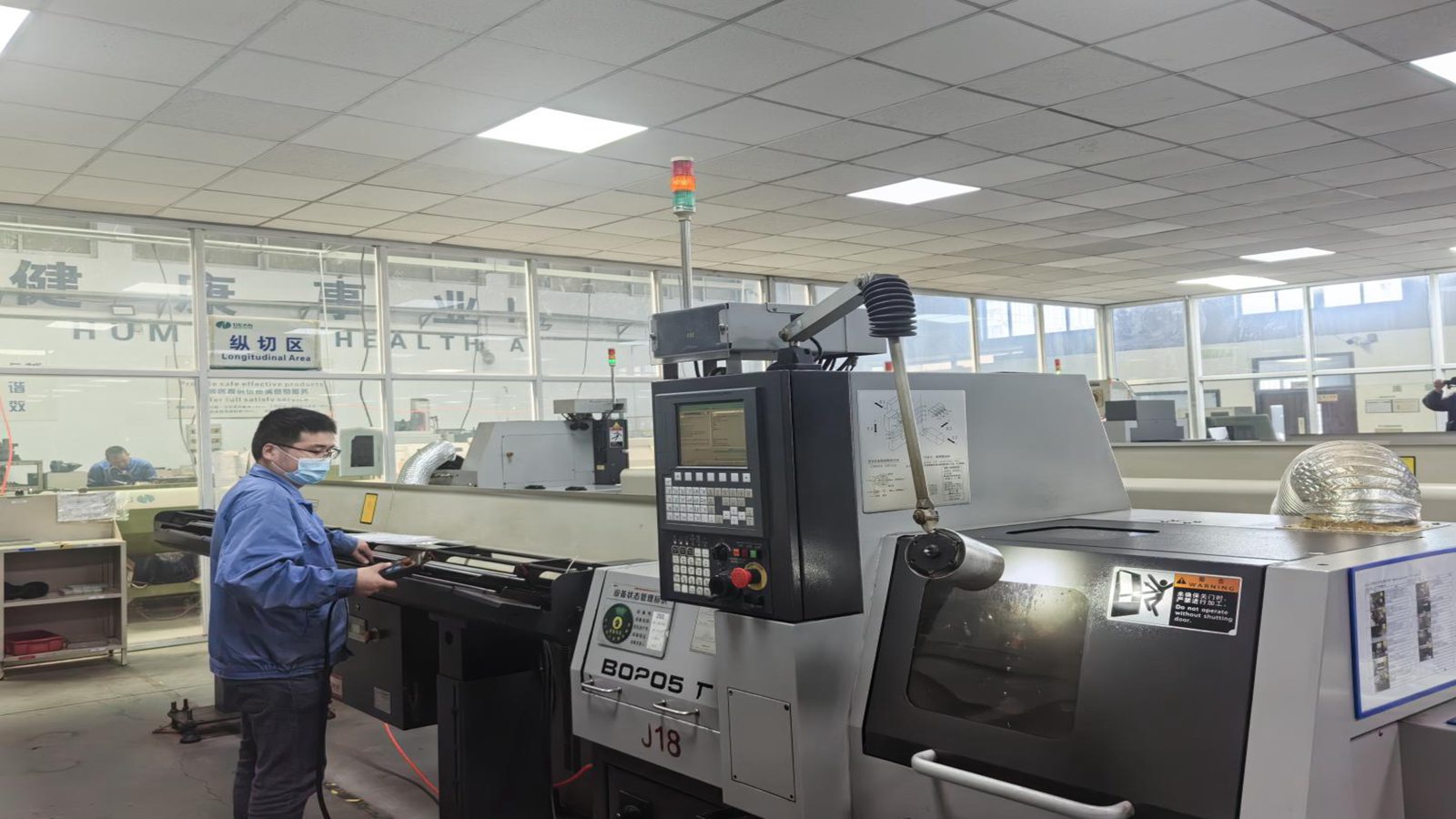
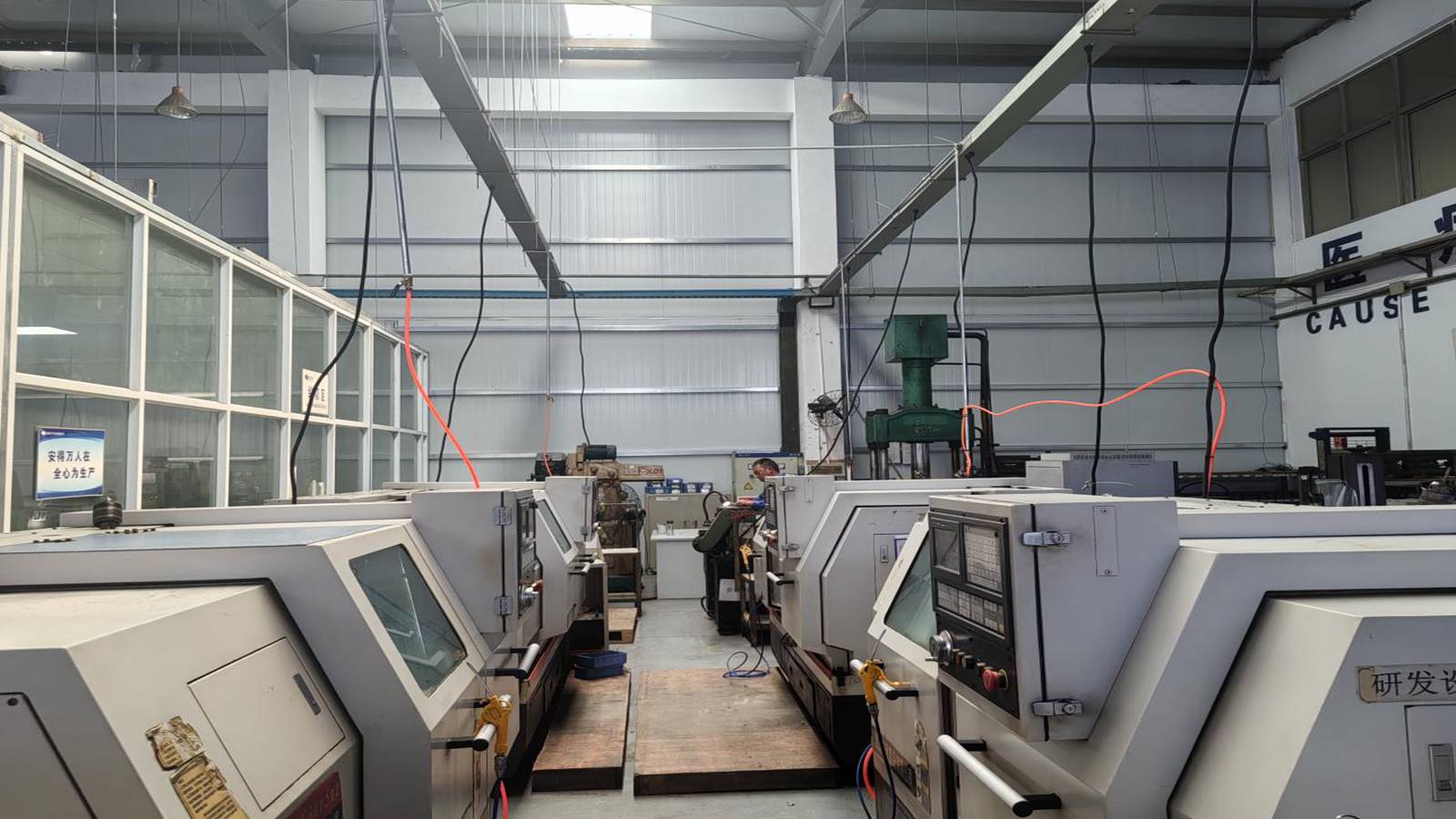
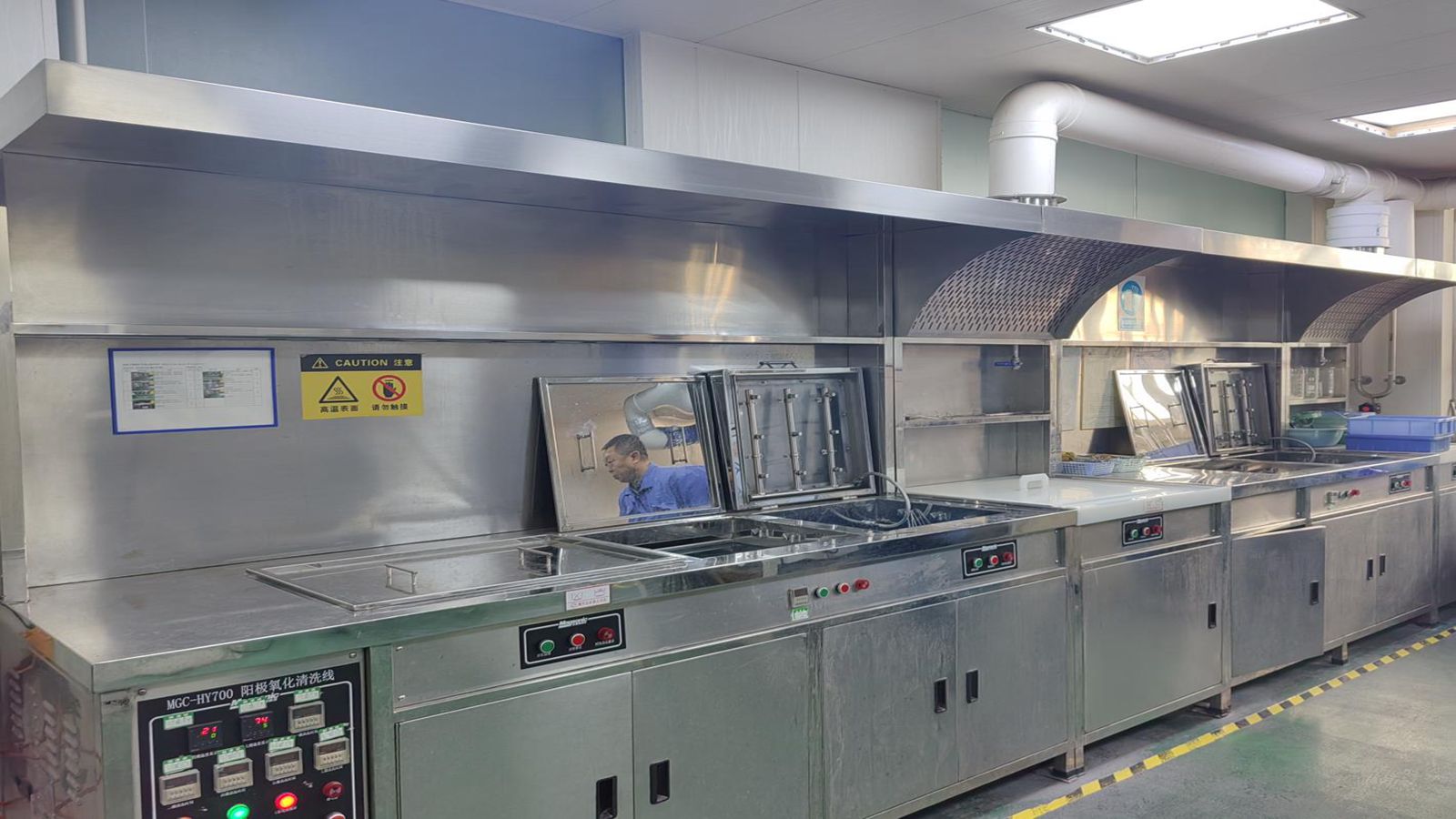
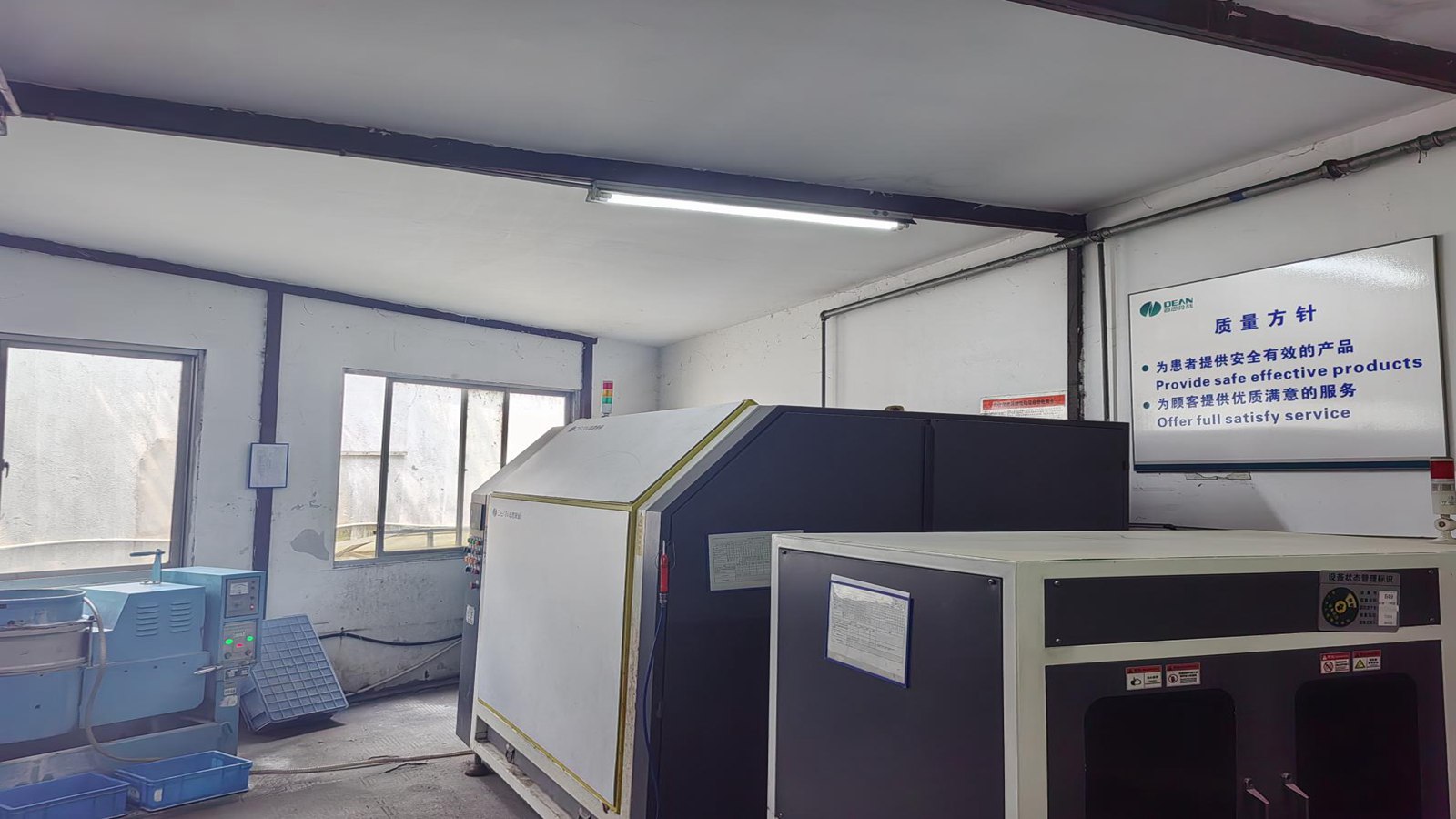
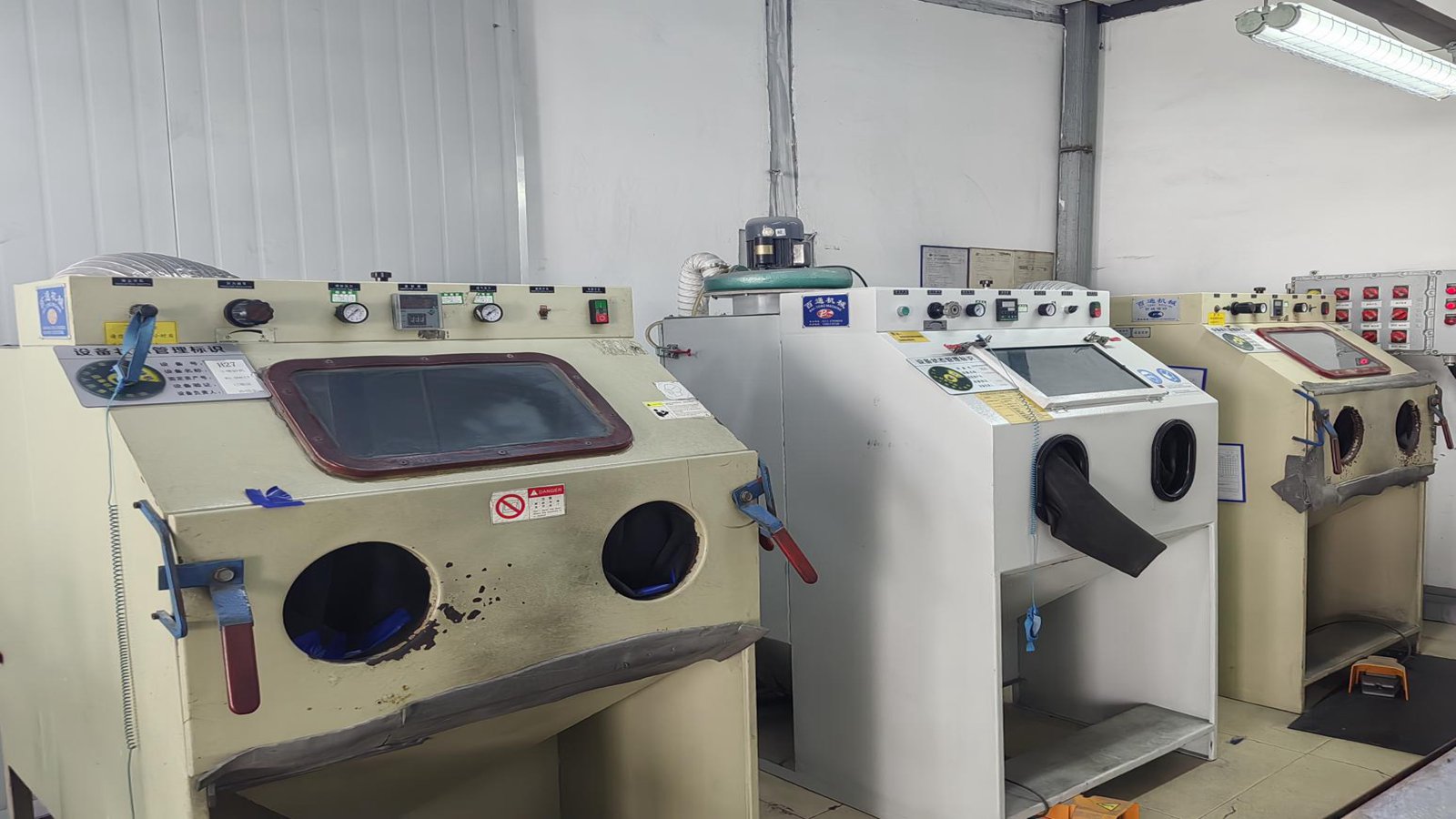
As medical technology changes, suture anchor developers are steering toward materials that reduce local inflammation, encourage bony ingrowth, and provide predictable degradation curves. Medispirex has mapped out a technical roadmap designed to keep OEM/ODM partners at the forefront of the orthopedic sector:
Improving existing metallic implants through advanced anodic oxidation and sandblasting. For PEEK implants, developing acid-etched microroughness profiles to foster early cellular attachment and osseointegration.
Adjusting the formulation of Osteoconductive Biocomposites. Incorporating Calcium Phosphate (CaP) or B-Tricalcium Phosphate (B-TCP) within the polymer chain to optimize mechanical stability during the critical first 12 weeks of recovery before biological resorption begins.
Refining deployment systems for ultra-compact fiber anchors. Minimizing the initial drill diameter to 1.4mm–1.8mm while maintaining pullout forces higher than 300 Newtons, preventing anchor migration under cyclic stress.
Developing high-class orthopedic implants requires a robust global supply chain, absolute quality control, and scalable logistics. Medispirex is positioned to fulfill all these requirements, bringing a strong trade-oriented background and a trusted network of 860 partners.
We supply custom laser marking, personalized sterilization packaging configurations, and customized instruction manuals matching your brand identity and regulatory filings.
Every design batch undergoes rigorous biomechanical validation. We execute static pullout tests and dynamic cycle tests inside our testing laboratory to guarantee high performance.
Operating under rigorous SOPs, our 45 dedicated QC professionals control manufacturing via three checkpoints: incoming material check, in-process checking, and final testing.
Find analytical answers regarding design details, material properties, and manufacturing options.
High-quality instrumentation kits and structural implants engineered to support complex surgeries.