Medispirex
Medispirex
Medispirex
Explore our top-tier manufacturing lines featuring CE/ISO certified orthopedic implants and advanced surgical power tools designed for clinical precision.
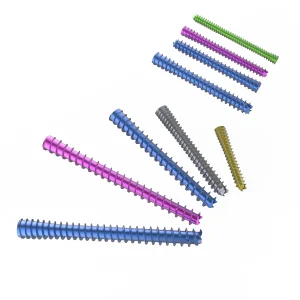
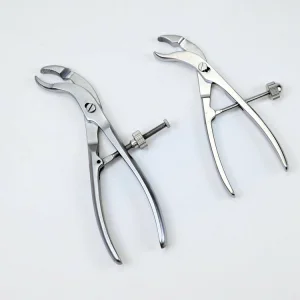
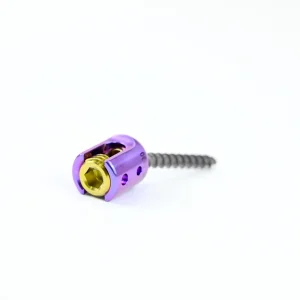
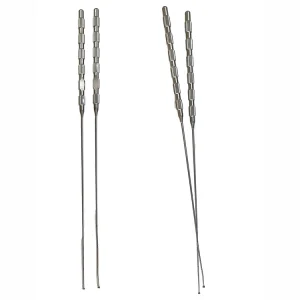
Established in 2016, Medispirex Orthopedic Technology Co., Ltd. has established itself as an industry-leading manufacturer specializing in orthopedic implants and spinal solutions. With a modern, state-of-the-art facility covering approximately 18,600㎡, we specialize in the Research and Development (R&D), advanced fabrication, and global commercialization of trauma, spine, joint reconstruction, and surgical instrumentation systems.
Our operation model is engineered around providing robust OEM/ODM production configurations. We serve a vast distribution demographic—including global medical brands, major trauma centers, and healthcare networks—by leveraging a network of approximately 860 upstream and downstream partners to sustain supply integrity and seamless deployment dynamics.
Compared to traditional lag screws, the helical blade design features compaction of bone tissue during insertion, substantially increasing resistance to cut-out and rotational displacement. Ideal for geriatric osteoporotic bones.
PFNA nail profiles minimize stress shielding through optimized load distribution between the implant and femoral cortex, enabling faster postoperative mobility and load-bearing capacity for patients.
Our OEM PFNA configurations include static and dynamic locking apertures at the distal end, allowing surgeons to customize fixations based on individual bone union progression and fracture types.
The management of trochanteric and subtrochanteric fractures, particularly in aging demographics, requires intramedullary implants that counter dynamic mechanical stressors. Proximal Femoral Nail Antirotation (PFNA) systems represent the peak of this biomechanical design paradigm. By integrating a single helical blade that compacts the cancellous bone structure rather than removing it, PFNA systems dramatically decrease the risk of implant failure and cut-out.
In modern biomechanics, the lateral surface of the proximal nail is designed with a flat shape to match the anatomical structure of the femur, reducing lateral tension during insertion. Modern global designs focus on lowering the profile of the nail tip and tapering the distal end to distribute stress evenly, preventing periprosthetic fractures.
For procurement officers and distributor networks, selecting a reliable contract manufacturer involves critical checks on regulatory compliance and material origins.
Global medical supply chains demand strict regulatory oversight. When sourcing PFNA implants, compliance with ISO 13485, CE MDR, and FDA guidelines is mandatory. Sourcing channels must vet the manufacturer's laboratory capabilities and mechanical testing records. Our internal testing procedures utilize fatigue test setups conforming to ASTM standards, checking bending, torsion, and cyclic load failure modes to guarantee long-term patient safety.
Implants must utilize medical-grade titanium alloys, typically Ti-6Al-4V ELI (Extra Low Interstitial) matching ASTM F136 standards. The material must undergo anodization processes (Type II or Type III anodization) to generate a protective oxide barrier. Sourcing agents should inspect chemical composition analysis sheets for each raw material batch to confirm biocompatibility and prevent adverse tissue responses post-surgery.
In the medical device industry, delivery delays compromise surgical schedules and hospital relations. Medispirex operates with 7 years of direct export experience and a network of 860 upstream and downstream partners. This ensures continuous raw material sourcing even during global market shifts. Additionally, having a team of 45 dedicated QC professionals prevents bottlenecks by performing pre-shipment inspections and streamlining international logistics compliance.
With an annual export of approximately USD 18 million, our factory utilizes automated machinery and strict quality control measures to maintain dimensional consistency.
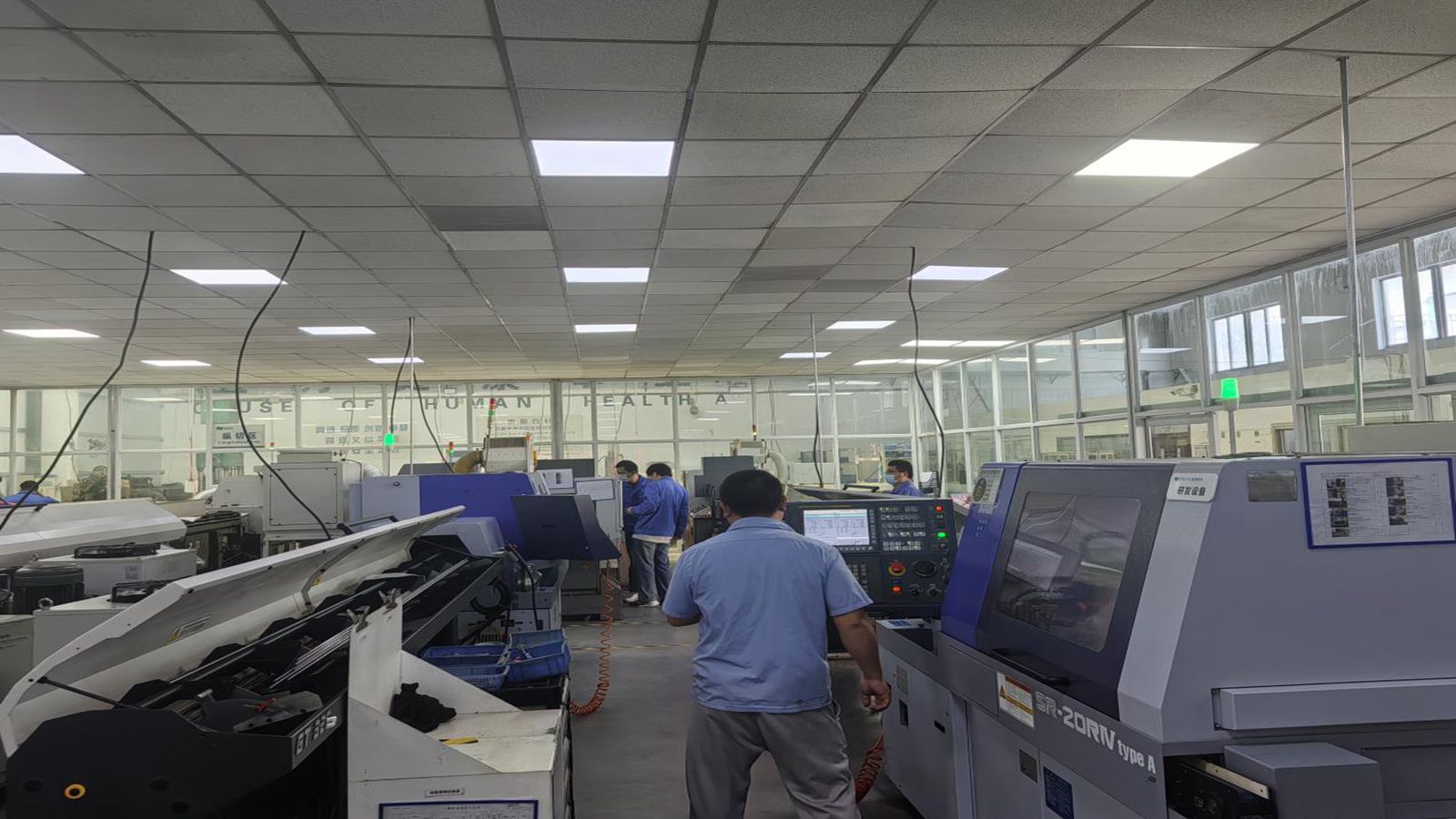
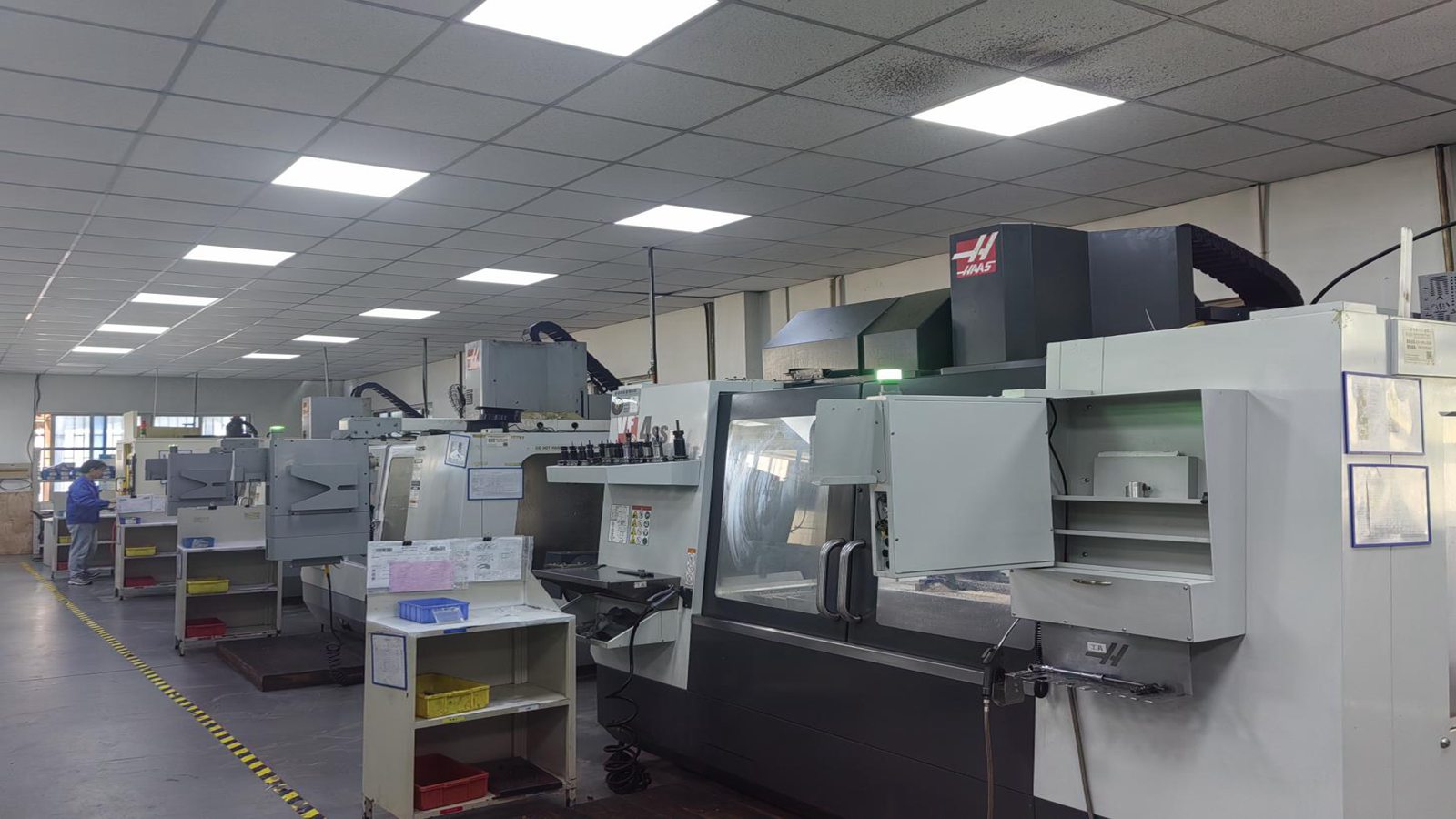
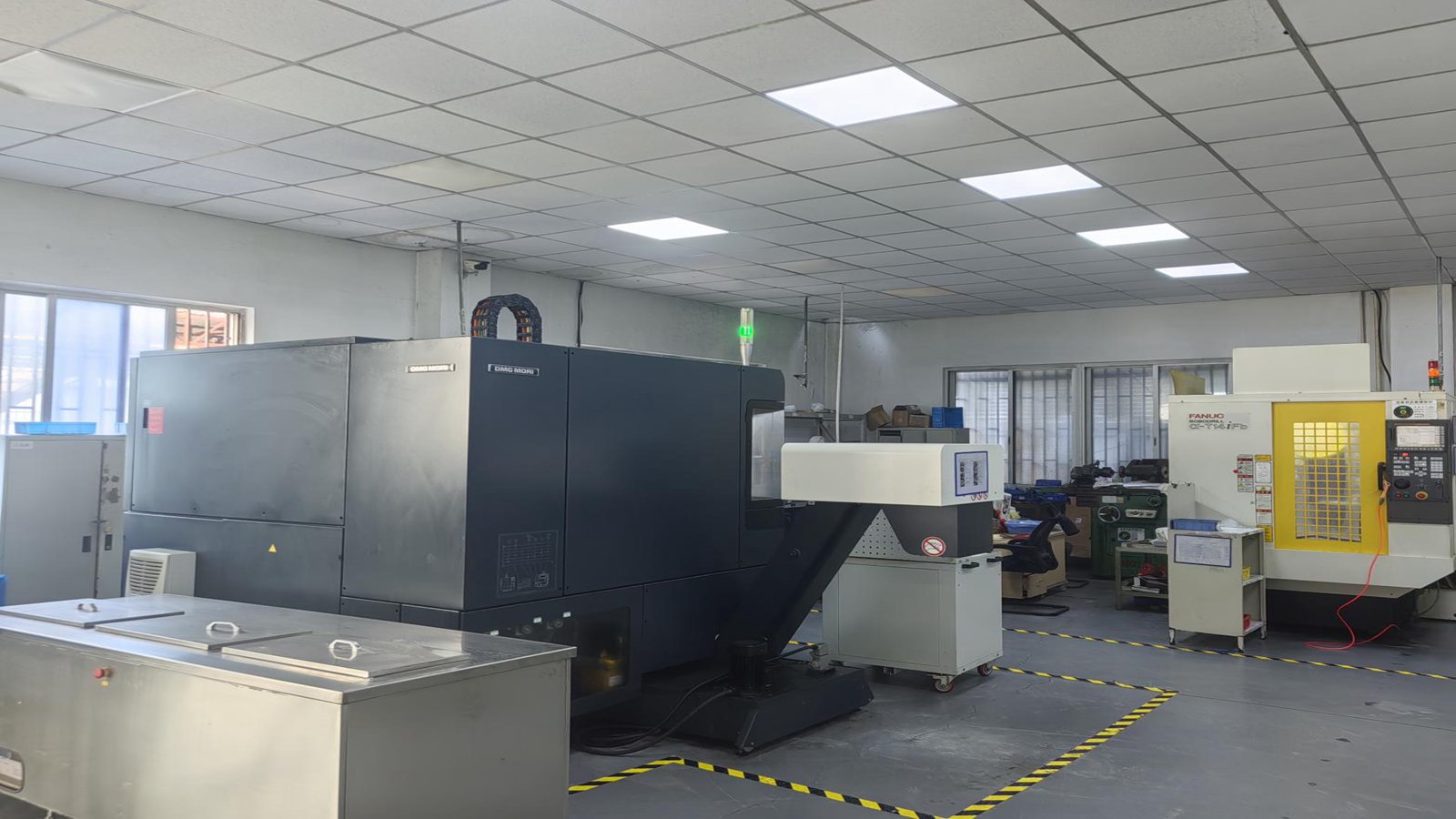
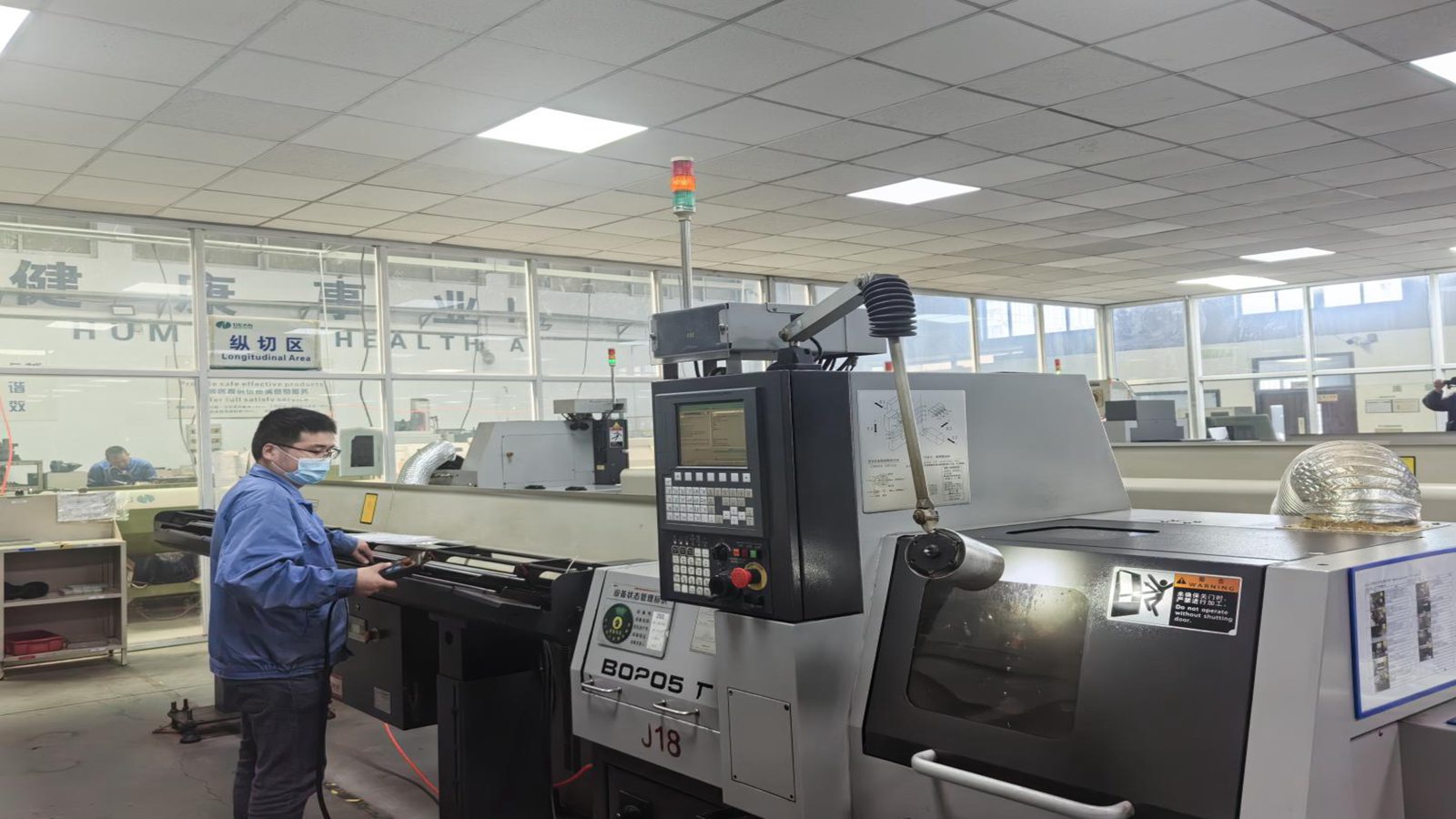
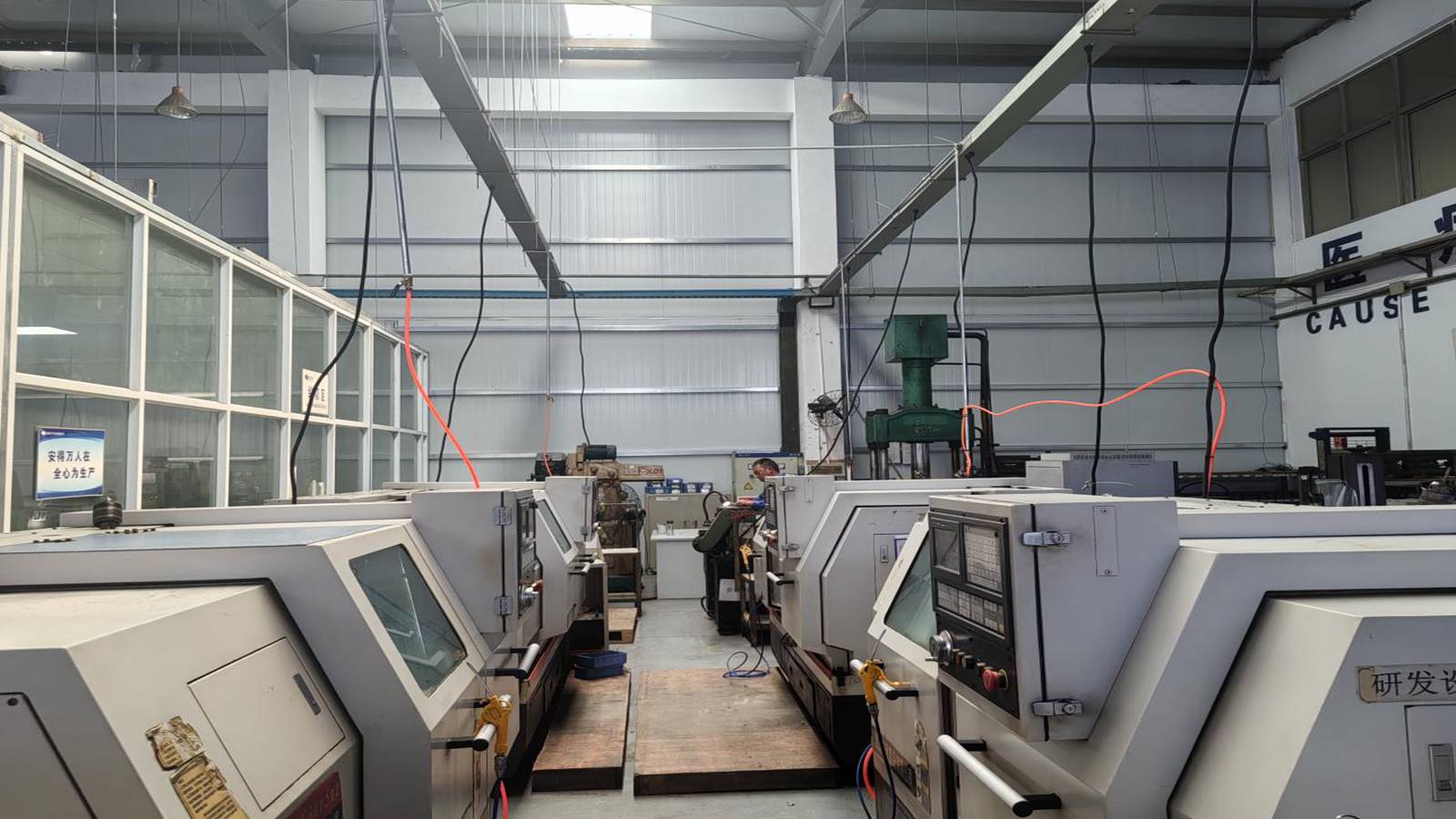
High-precision multi-axis CNC lathe machining guarantees tight tolerances down to the micrometer level.
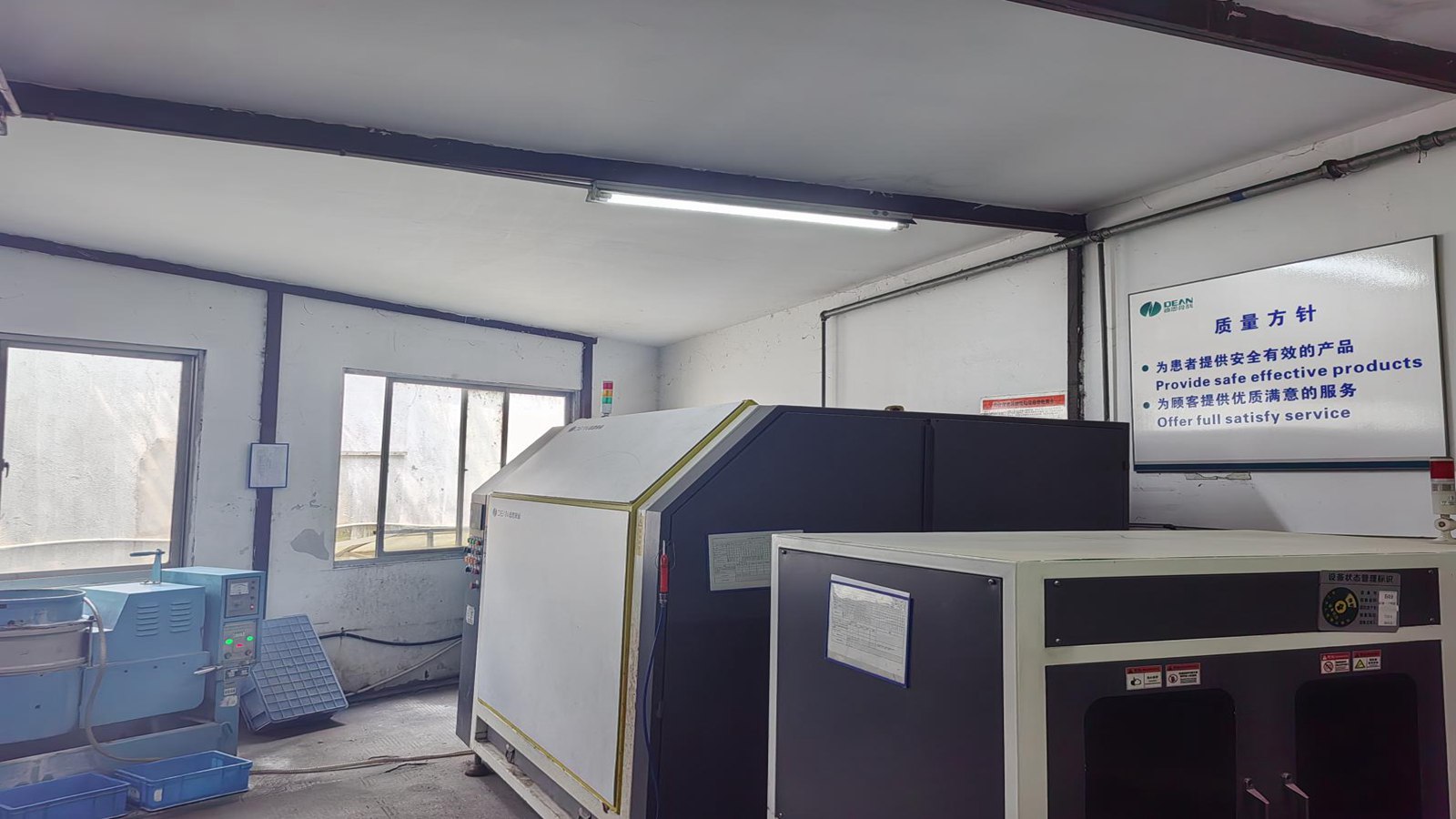
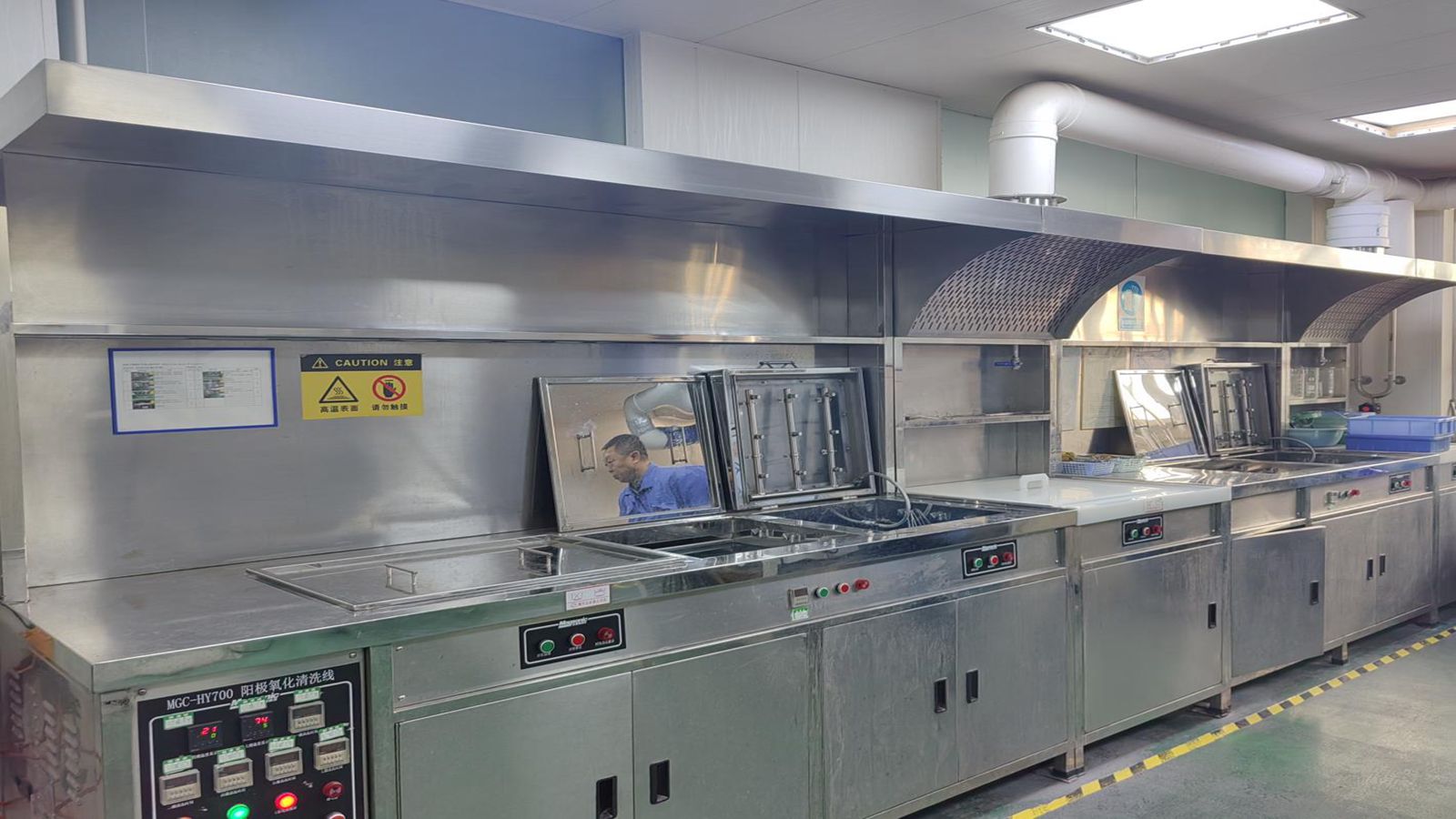
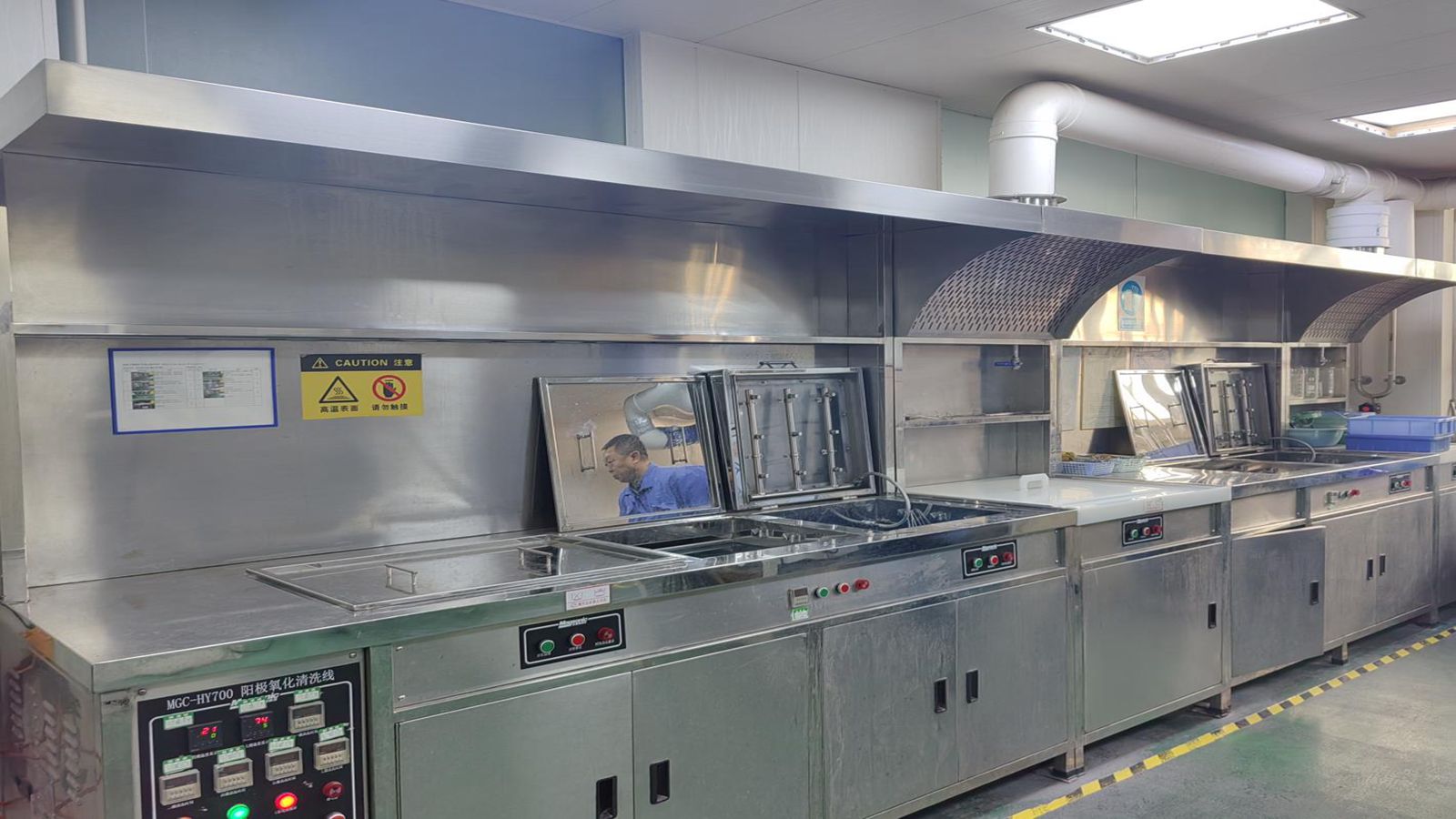
In-house chemical cleaning and anodization create consistent passivation layers for biocompatibility.
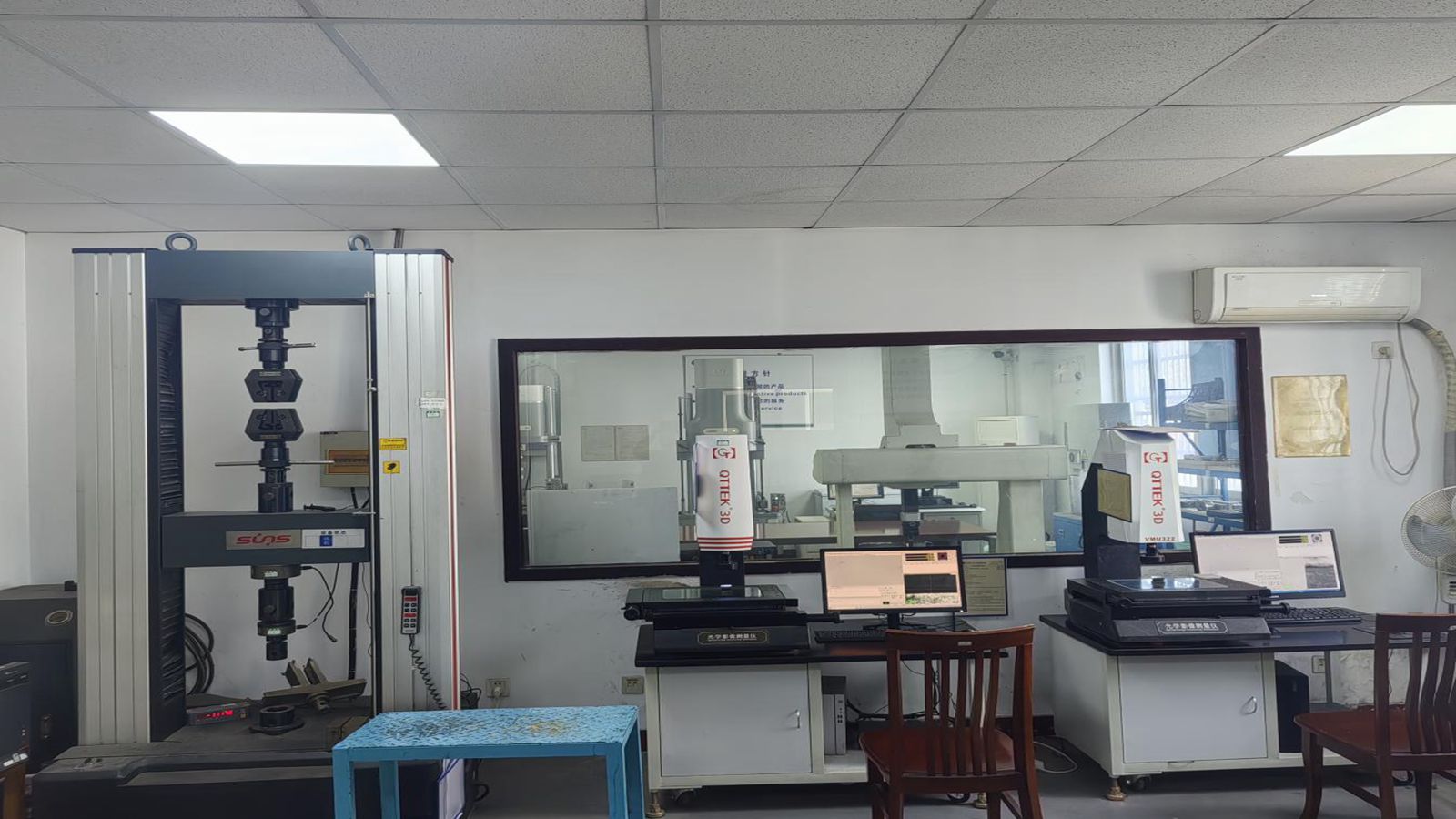
Specialized laboratory setups evaluate the fatigue limits of dynamic locking nails and locking bolts.
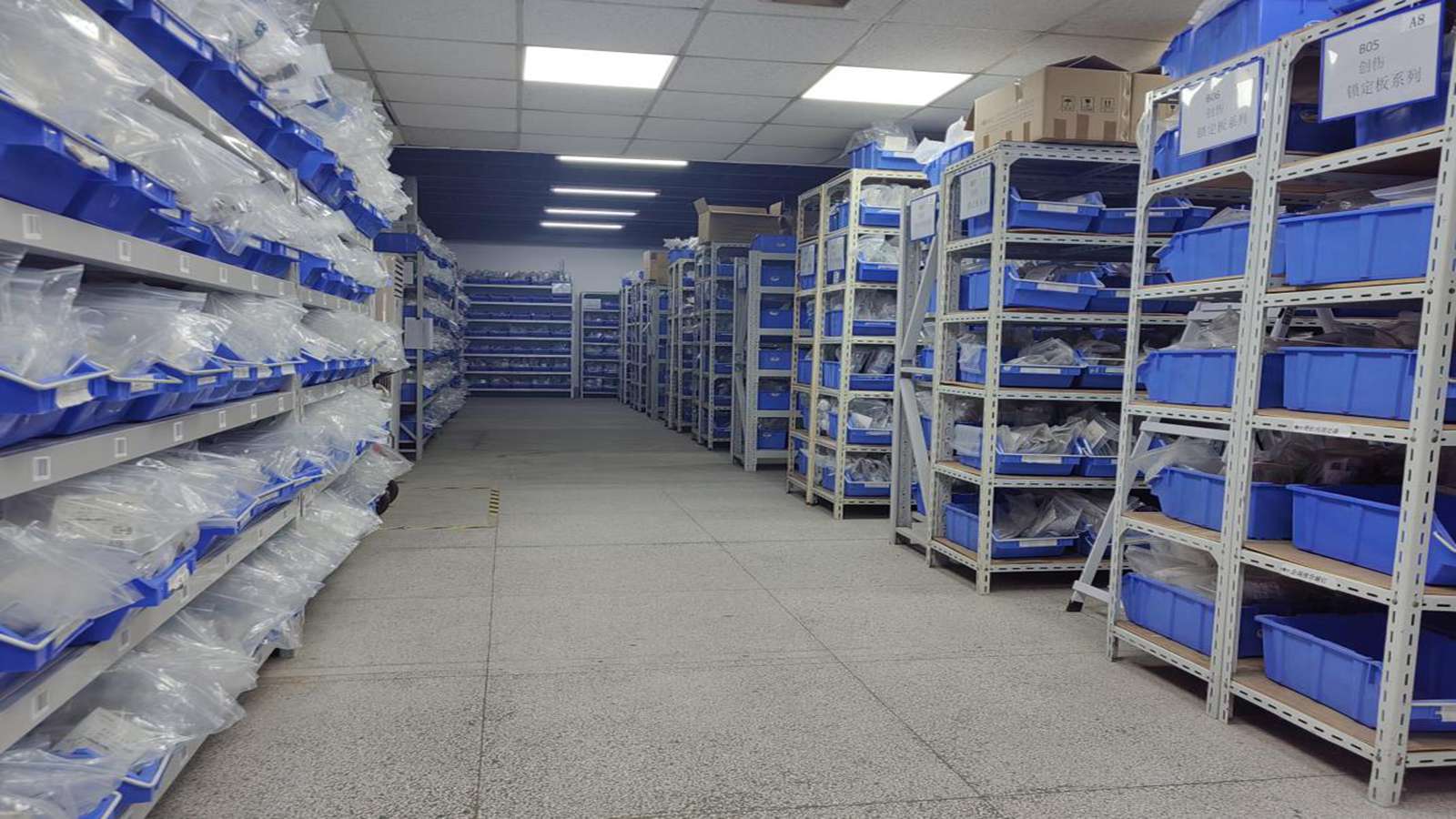
Laser engraving and digital tracking ensure every component can be traced back to its raw material melt.
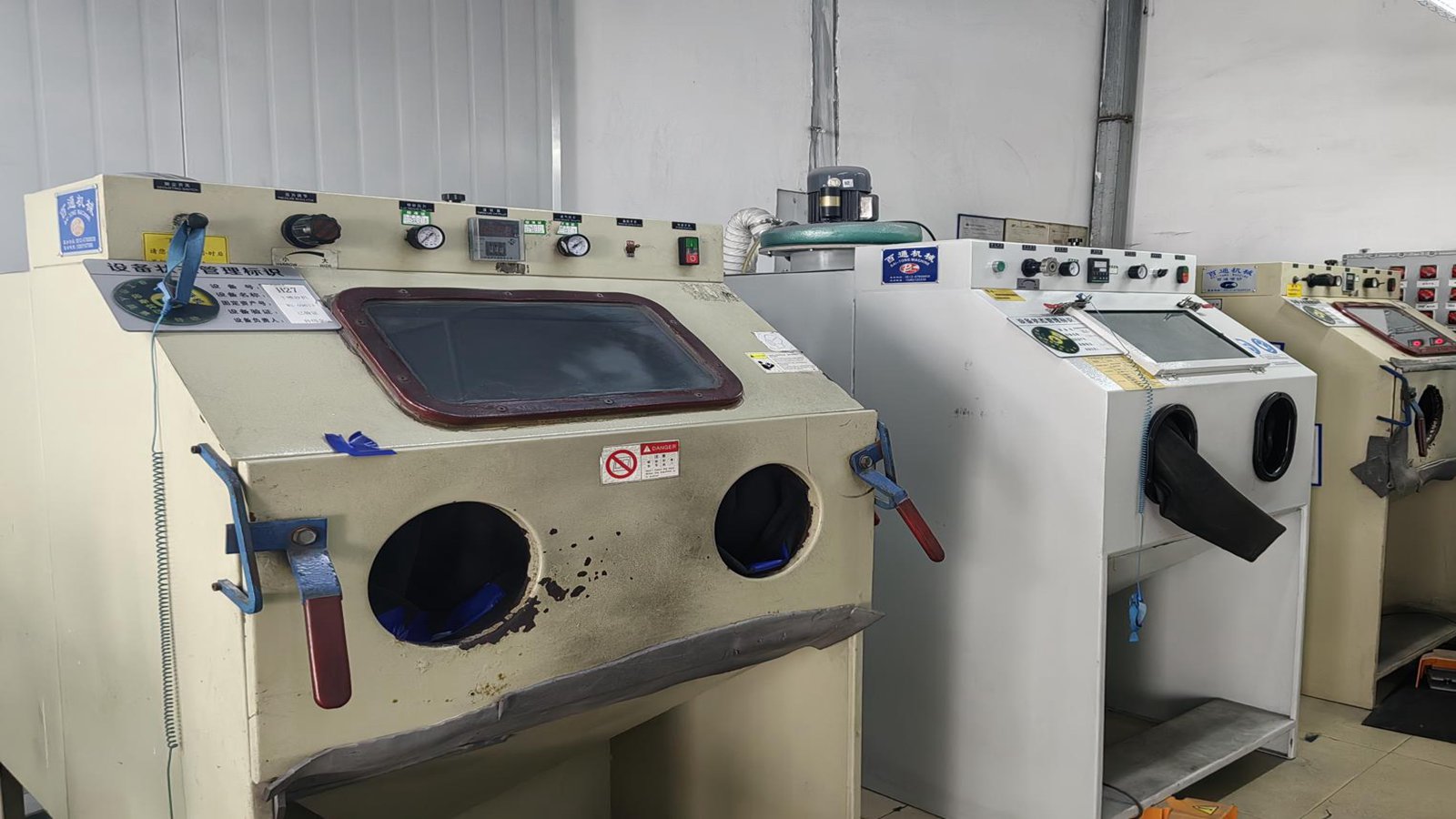
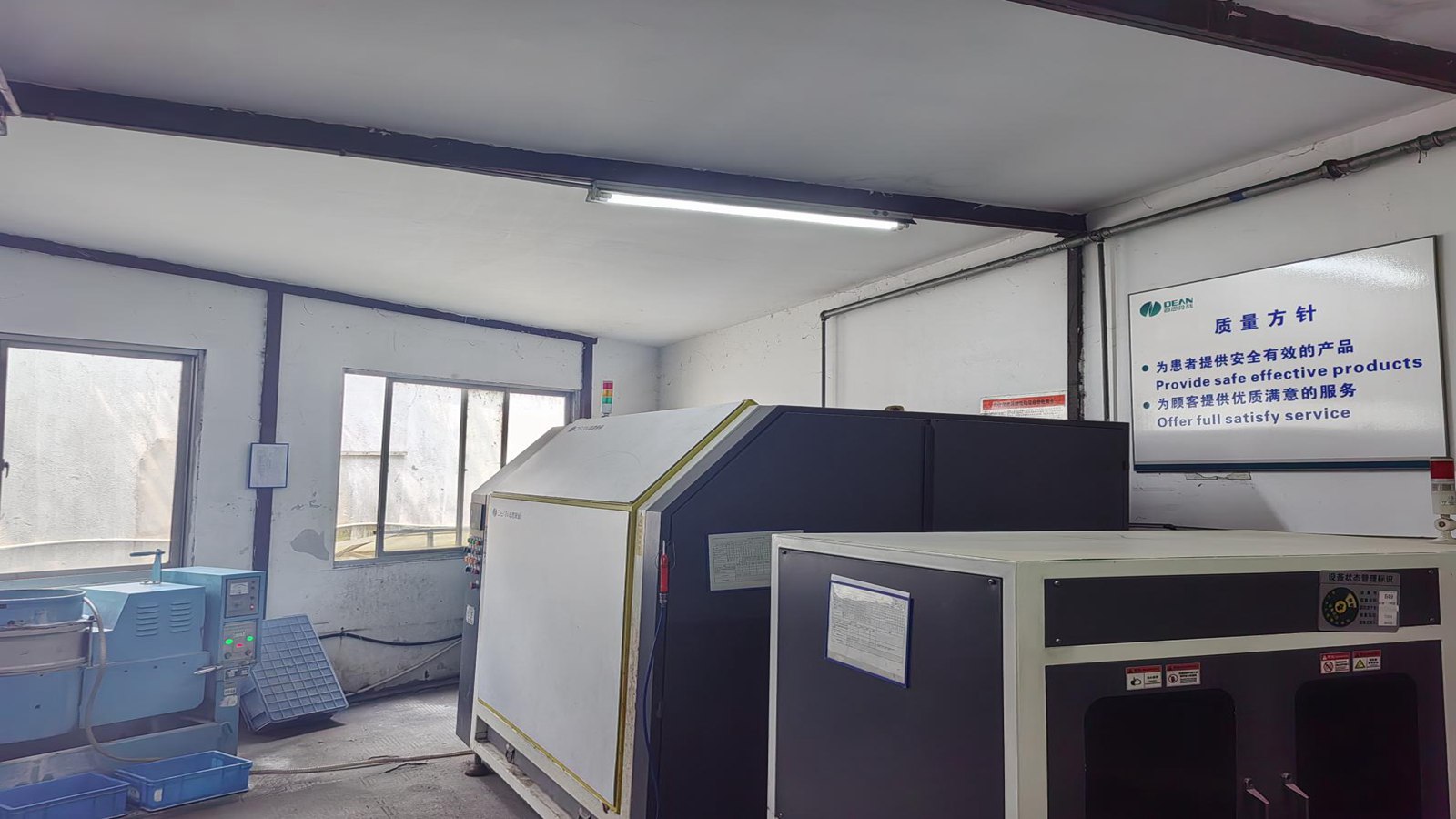
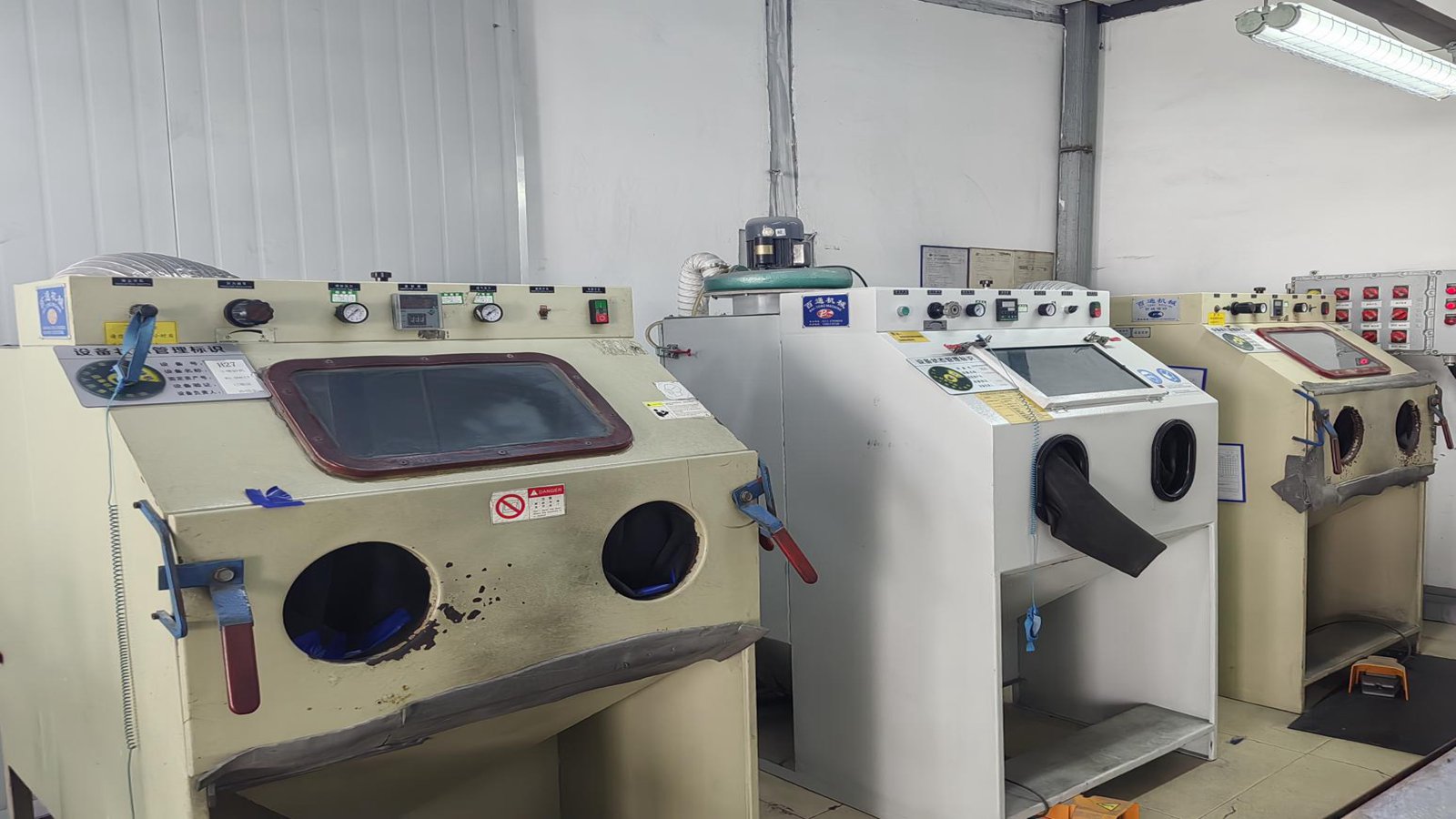
Take a look inside Medispirex’s production workshop, featuring high-end machinery, polishing facilities, and laboratory equipment.
Understanding regional orthopedic requirements allows us to optimize OEM/ODM nail geometry, materials, and surgical instruments to match local patient needs.
With an aging global population, the demand for stable, micro-invasive trochanteric nails is rising. PFNA provides rapid primary stability, helping to prevent complications from prolonged bed rest.
In cases of low bone mineral density, standard locking screws risk backing out. Our PFNA helical blade technology compacts the bone structure, maximizing surface contact to prevent early implant displacement.
For younger patients involved in high-energy trauma incidents, our high-strength Ti-6Al-4V ELI nails provide strong resistance to deformation under extreme structural loading conditions.
Key technical and sourcing questions resolved by our engineering and regulatory affairs department.
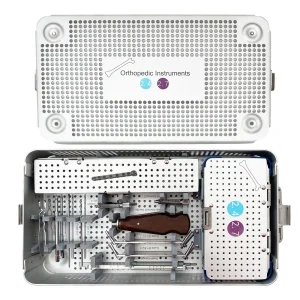
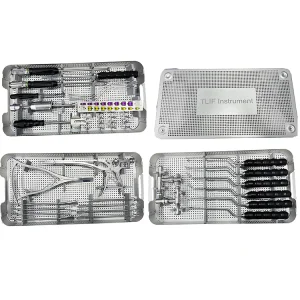
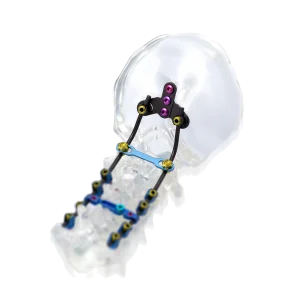
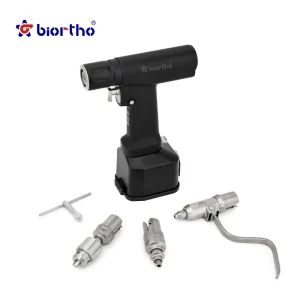
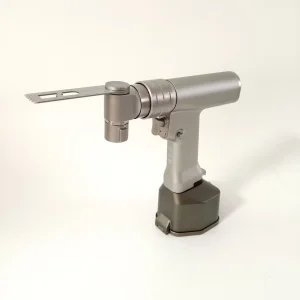
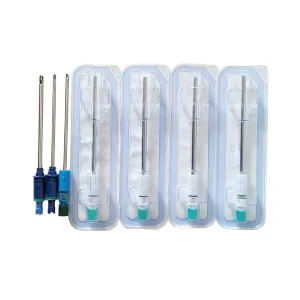
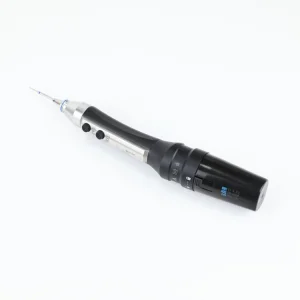
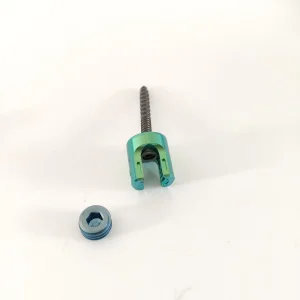
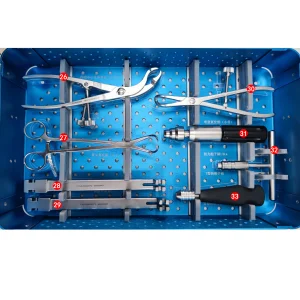
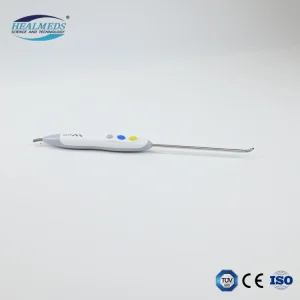
Examine our specialized orthopedic instruments, spinal stabilization hardware, and bone drilling power tools.