Medispirex
Medispirex
Medispirex
Premium Surgical Hardware Engineered for Demanding Clinical Environments
Reverse Shoulder Arthroplasty (RSA) represents one of the most significant paradigm shifts in modern reconstructive orthopedics. Unlike anatomical shoulder replacements, which rely heavily on a functioning rotator cuff, RSA is specifically engineered to treat shoulder joints afflicted by severe cuff tear arthropathy, massive irreparable rotator cuff tears, complex proximal humeral fractures, and failed primary shoulder arthroplasties.
The fundamental biomechanical principle of RSA lies in the inversion of the natural glenohumeral joint anatomy. By replacing the glenoid cavity with a convex hemispherical component (the glenosphere) and the humeral head with a concave socket (the humeral cup), the biomechanical center of rotation (CoR) is shifted medially and inferiorly. This structural reconfiguration increases the moment arm of the deltoid muscle, allowing it to compensate for the absent or non-functional rotator cuff musculature. The medialization of the CoR recruits more deltoid fibers for abduction, while the inferiorization tensions the deltoid, improving joint stability and active range of motion.
For orthopedic OEM/ODM buyers, manufacturing these complex geometries demands uncompromising precision. Small deviations in the glenosphere center of rotation, the inclination angle of the humeral stem, or the eccentric placement of humeral inserts can result in sub-optimal clinical outcomes, glenoid loosening, scapular notching, or joint instability. At Medispirex, we turn these complex biomechanical rules into highly precise, repeatable manufacturing processes using advanced multi-axis CNC machines and stringent quality control protocols.
Medispirex provides a robust range of custom OEM/ODM configurations for Reverse Shoulder Arthroplasty systems, allowing medical device brands to deliver highly tailored clinical solutions:
Aligning Next-Gen Manufacturing with Emerging Orthopedic Trends
Developing advanced trabecular and lattice-structured metaglenes and stems. Direct metal laser sintering (DMLS) in titanium alloy promotes faster osseointegration and mimics human cancellous bone modulus to limit stress shielding.
Transitioning to ultra-high molecular weight polyethylene infused with Vitamin E. This technology actively neutralizes free radicals, preventing oxidative degradation and ensuring the implant maintains its mechanical integrity over 15+ years.
Researching embedded micro-sensor configurations within trial components to provide real-time biomechanical feedback on joint balance, tension, and kinematics during the surgical procedure itself.
The performance and longevity of a Reverse Shoulder Arthroplasty system depend directly on the materials used. Medispirex uses only certified, medical-grade raw materials sourced from leading global suppliers, ensuring full chemical and mechanical traceability for every production run.
Our implants are primarily made from Ti6Al4V ELI (Grade 23) (ASTM F136), which is highly valued for its biocompatibility, corrosion resistance, and high strength-to-weight ratio. For articulating surfaces demanding exceptional wear resistance and low friction coefficients, we utilize Cobalt-Chromium-Molybdenum (CoCrMo) alloy (ASTM F1537) for glenospheres, polished to a mirror finish (Ra < 0.02 μm). This surface finish helps minimize friction and wear against the UHMWPE humeral liners.
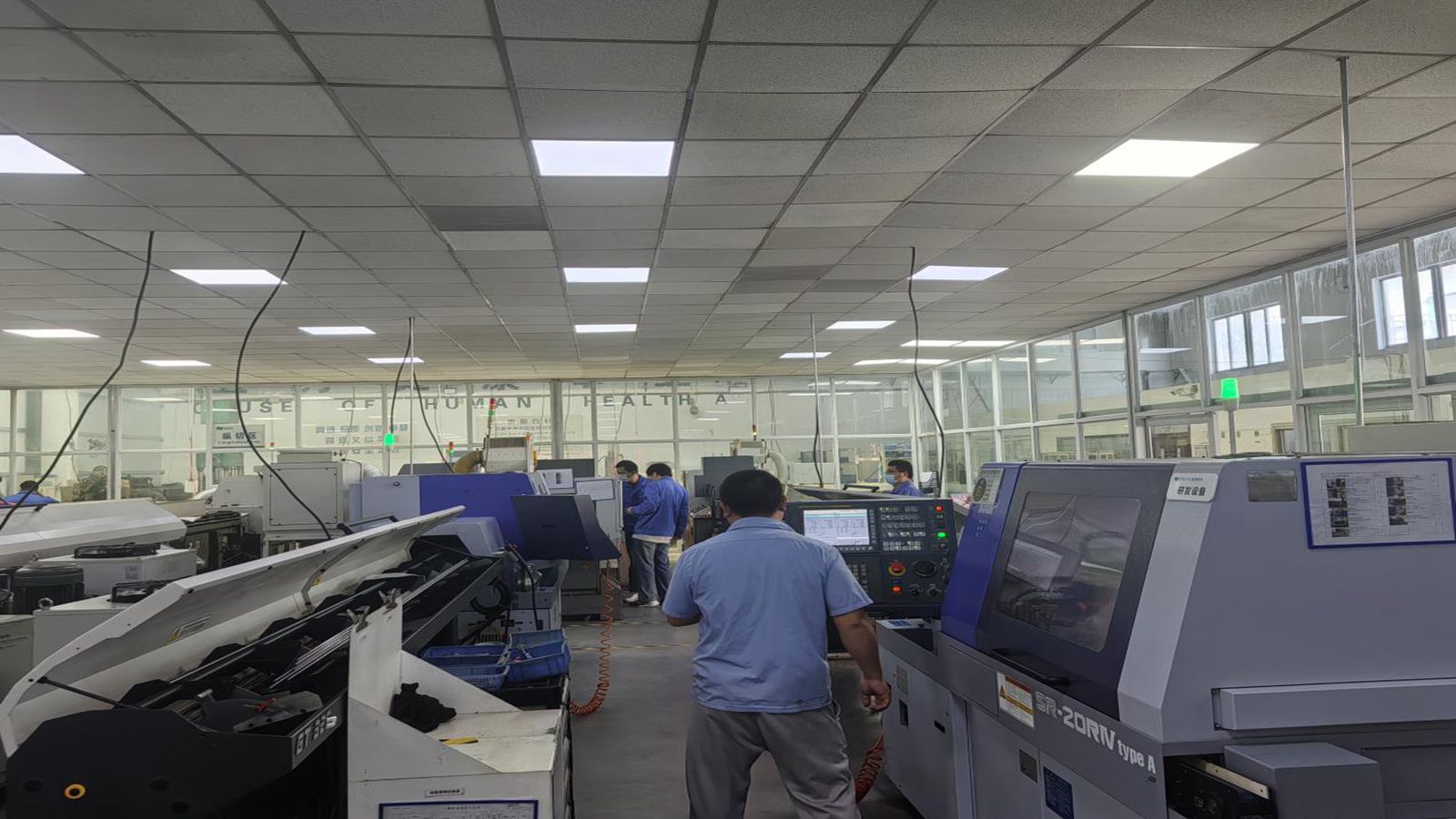
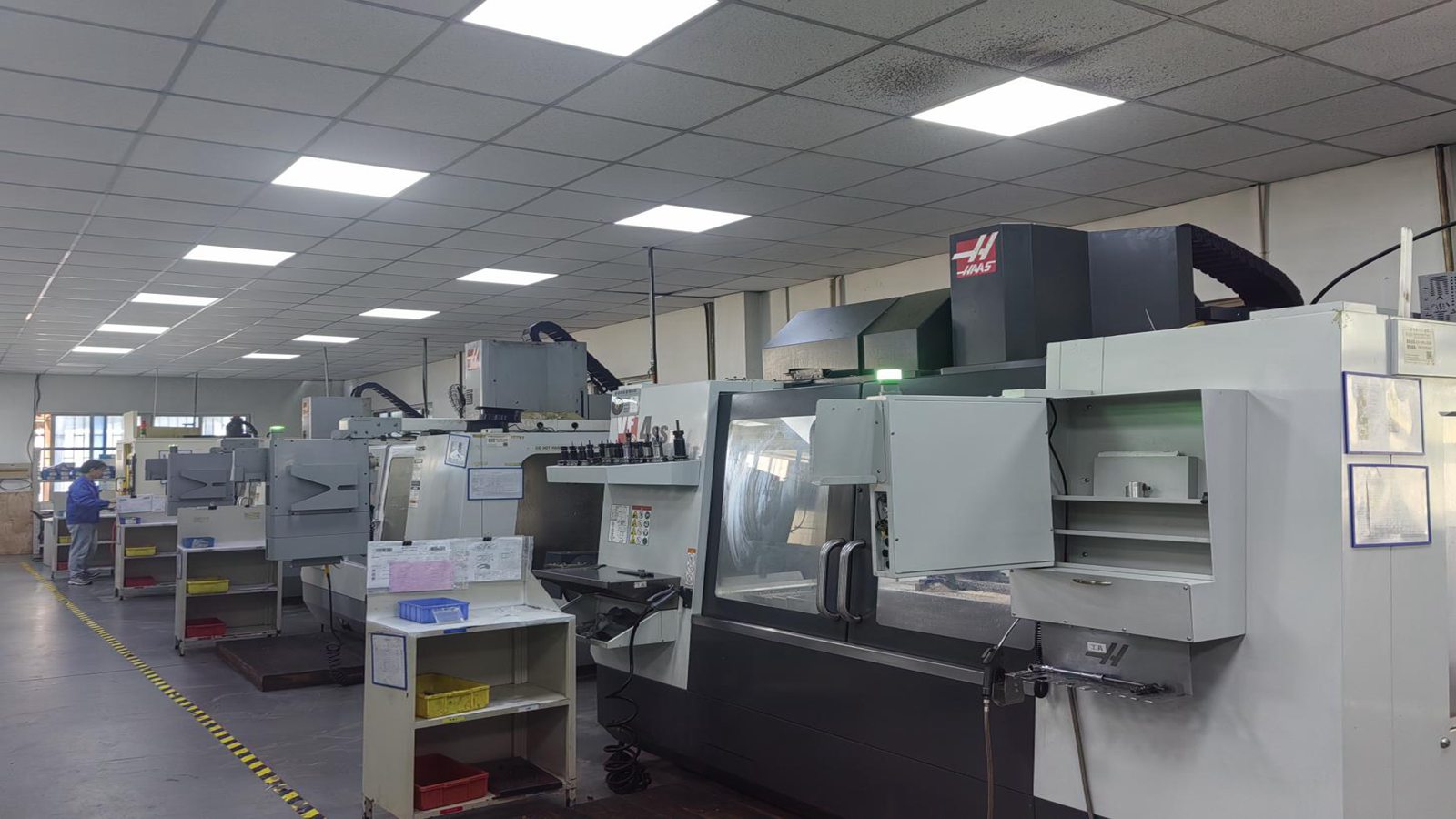
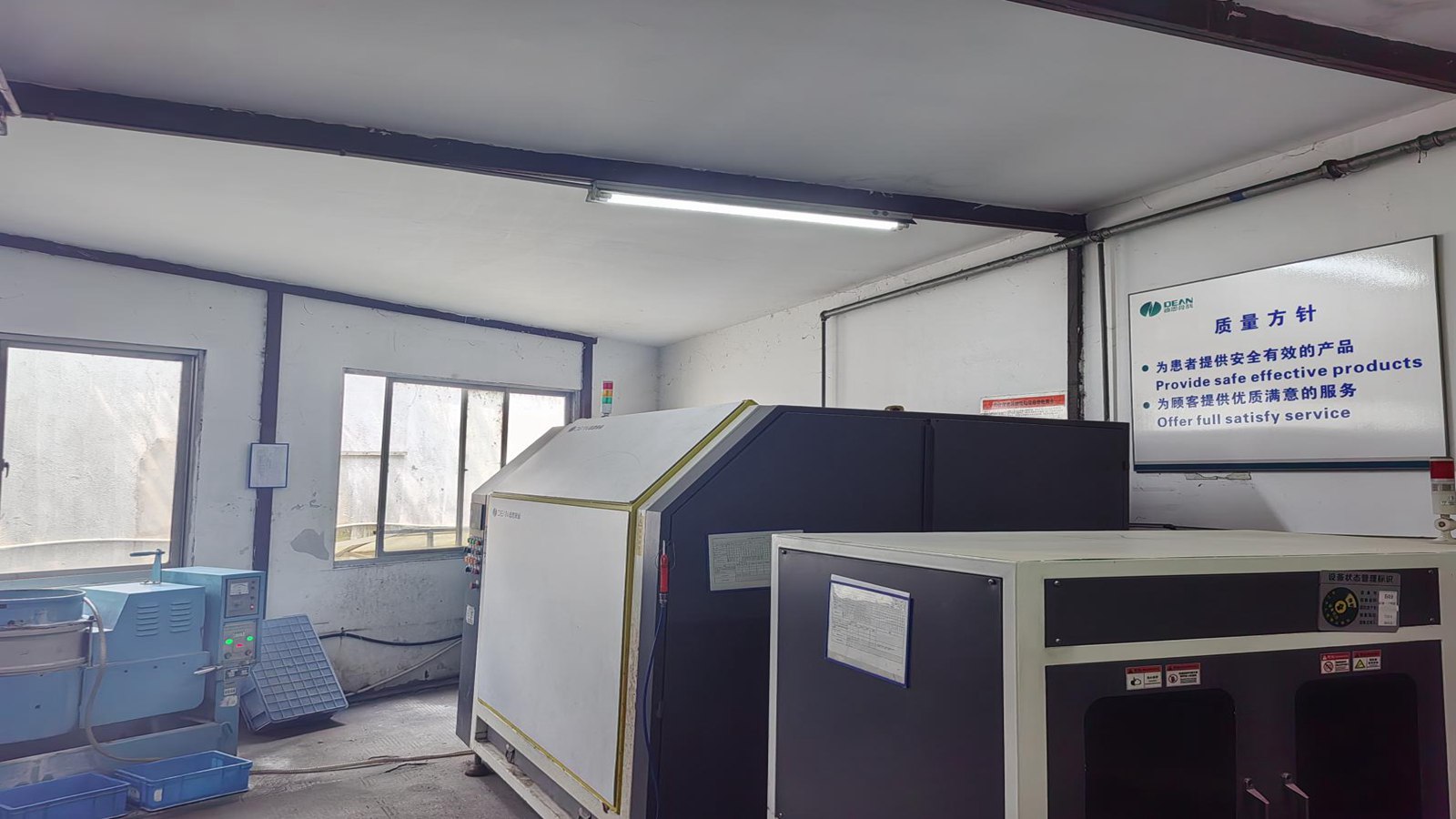
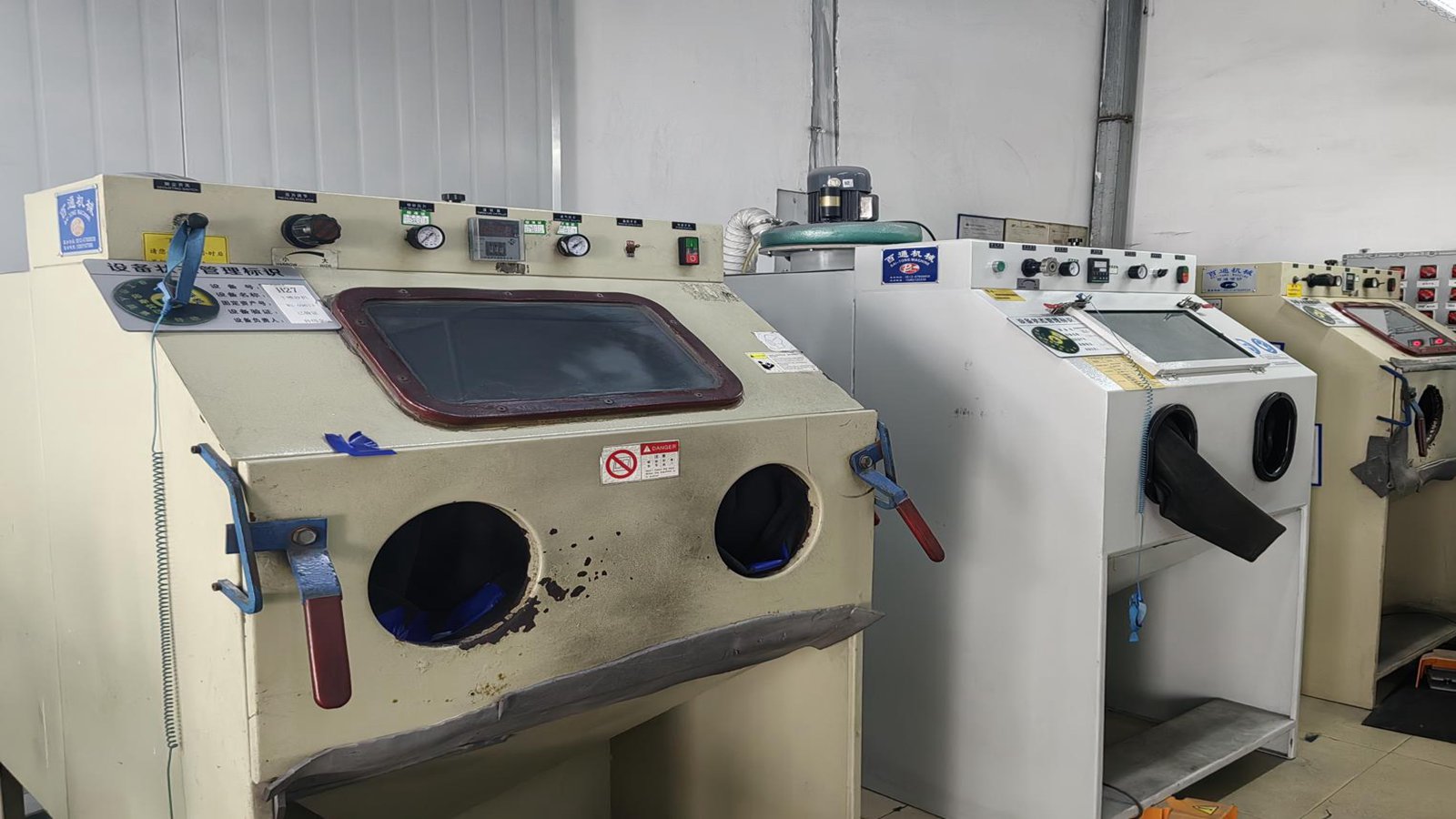
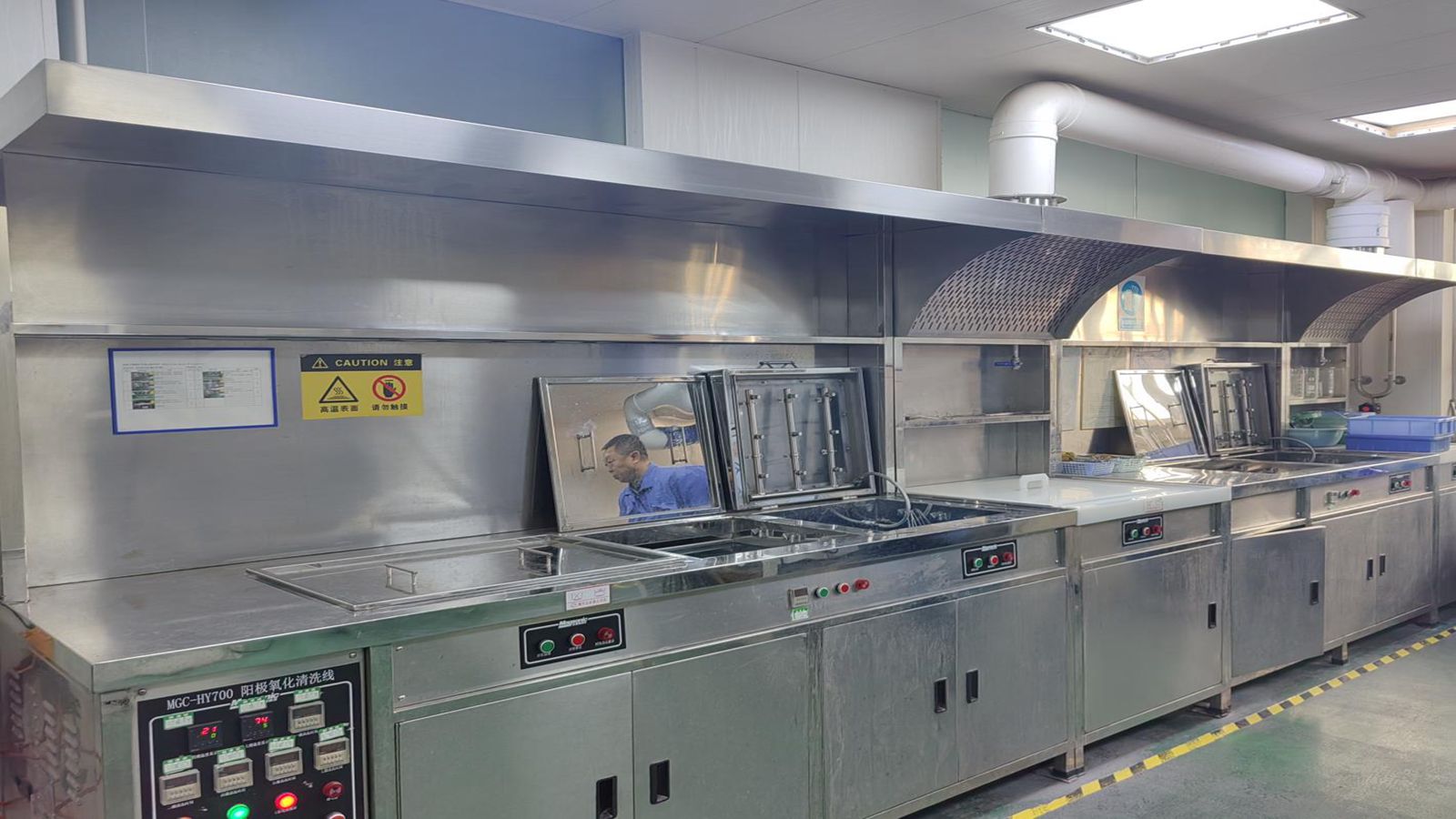
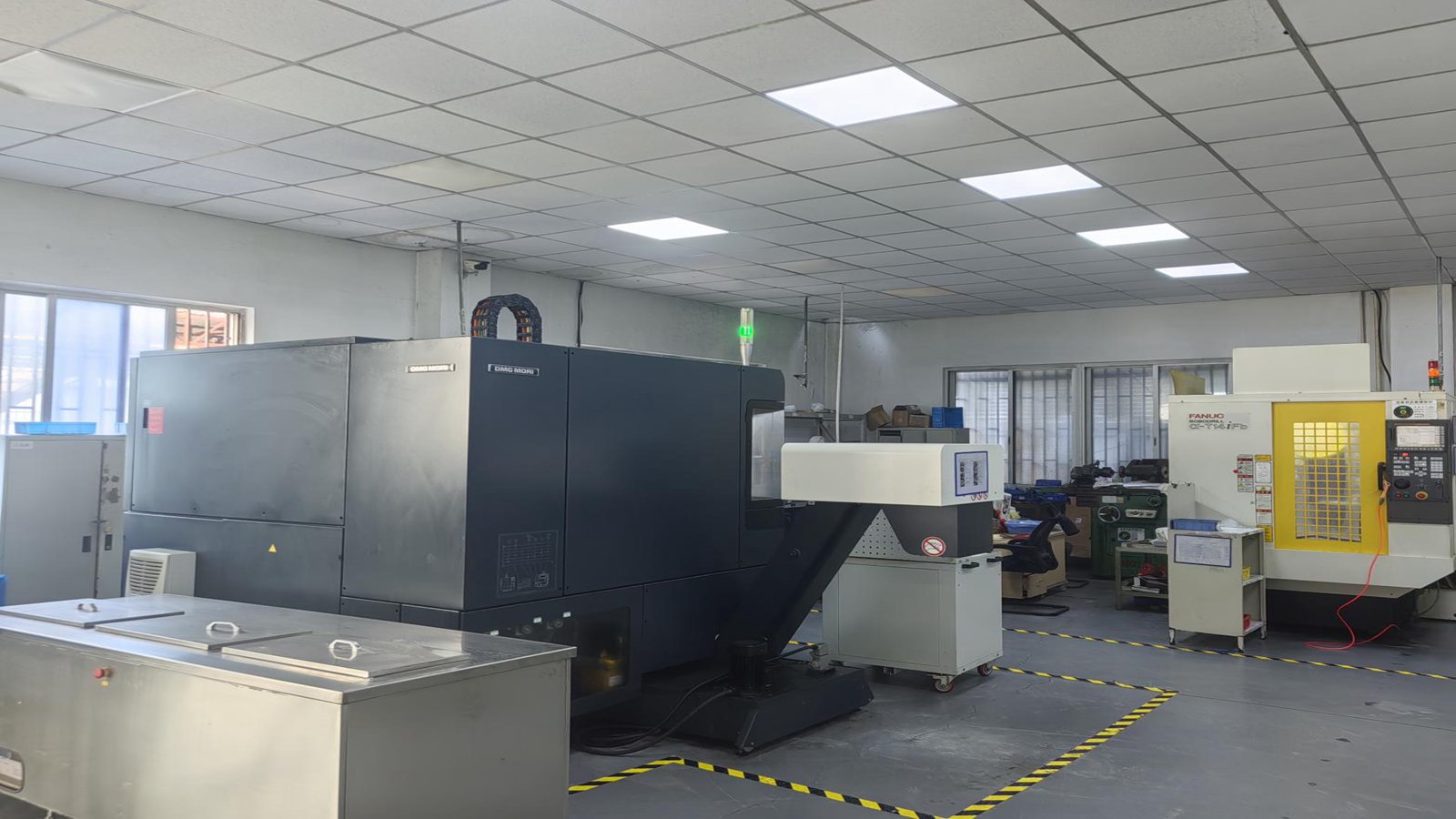
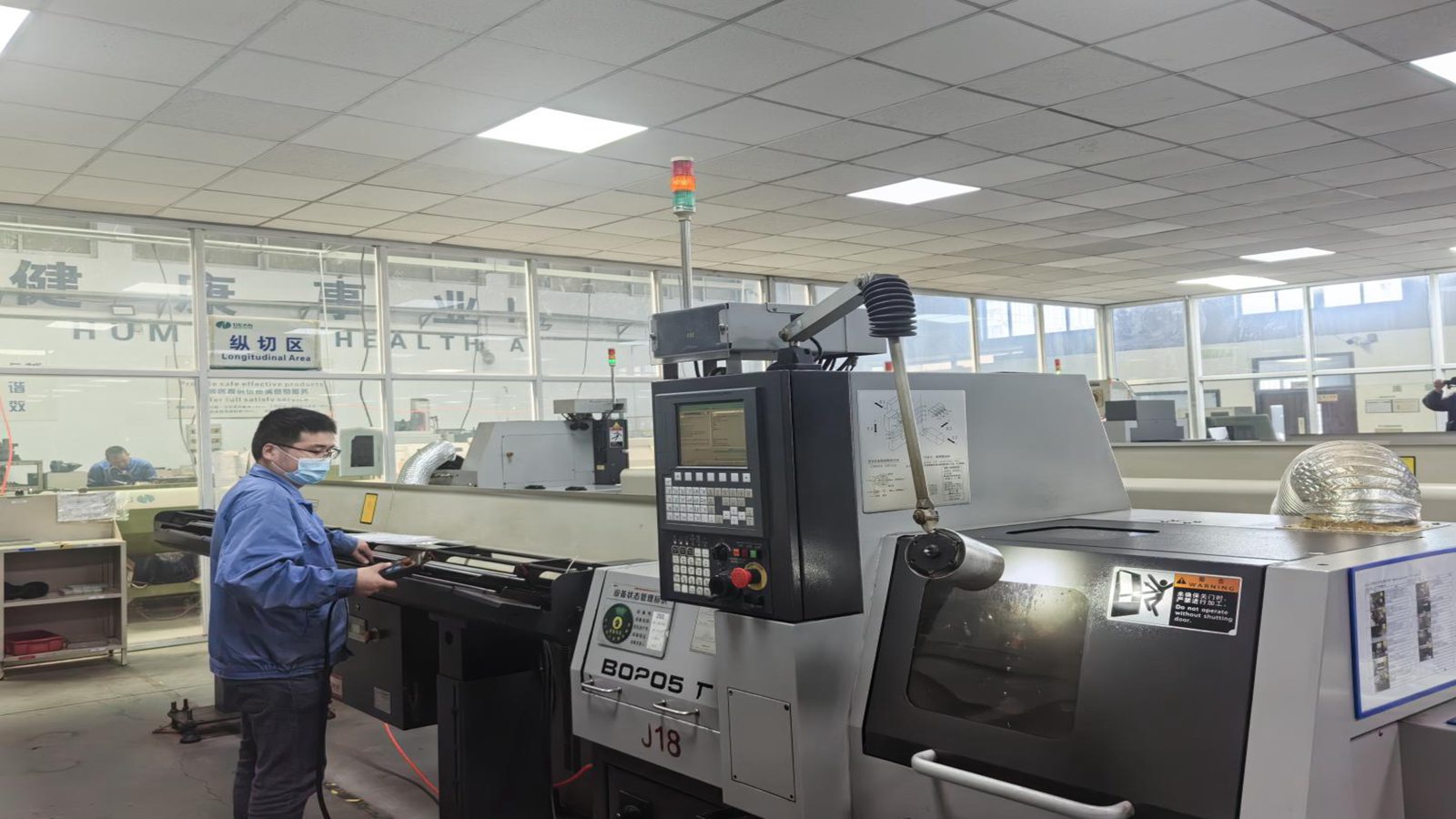
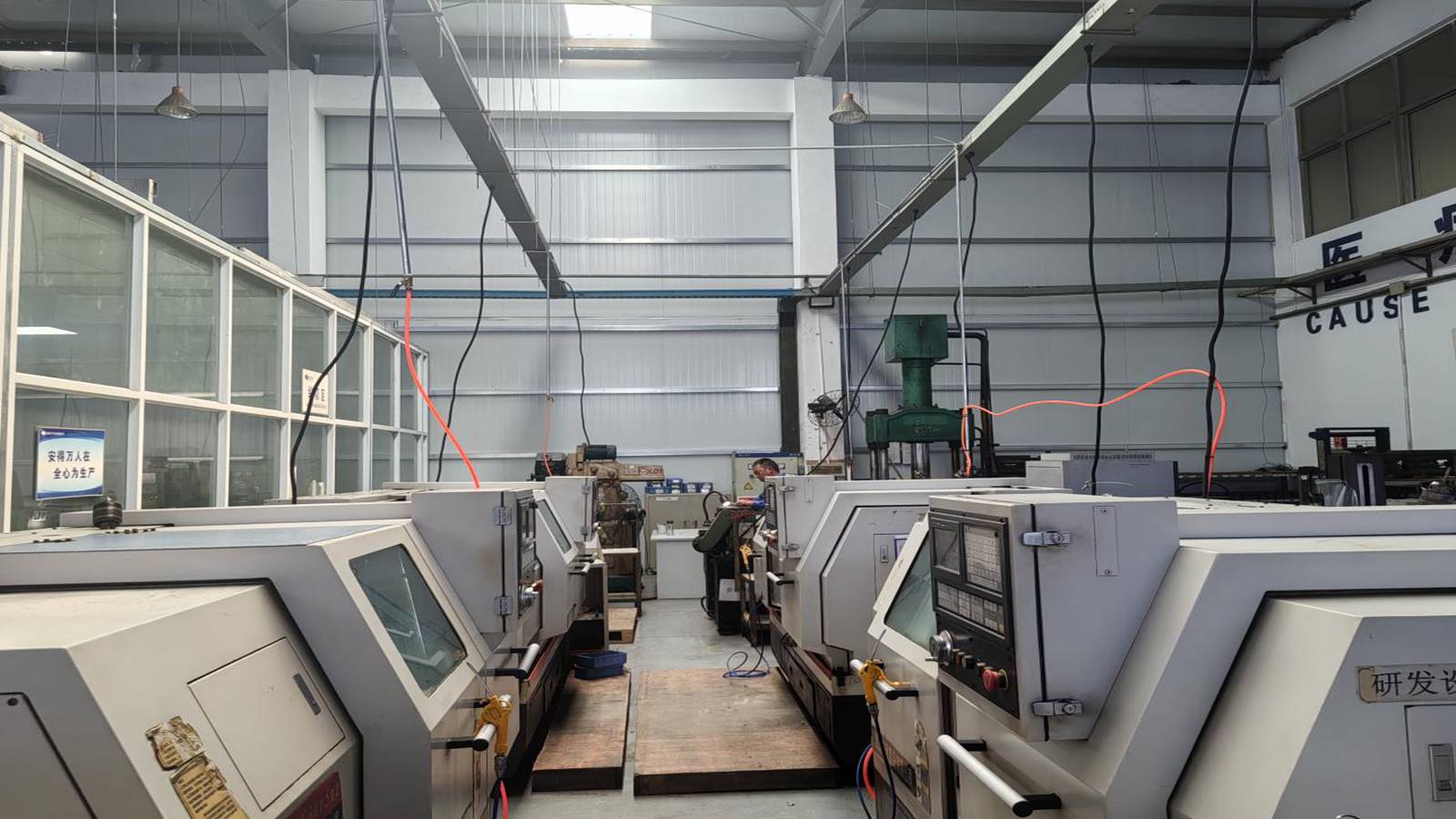
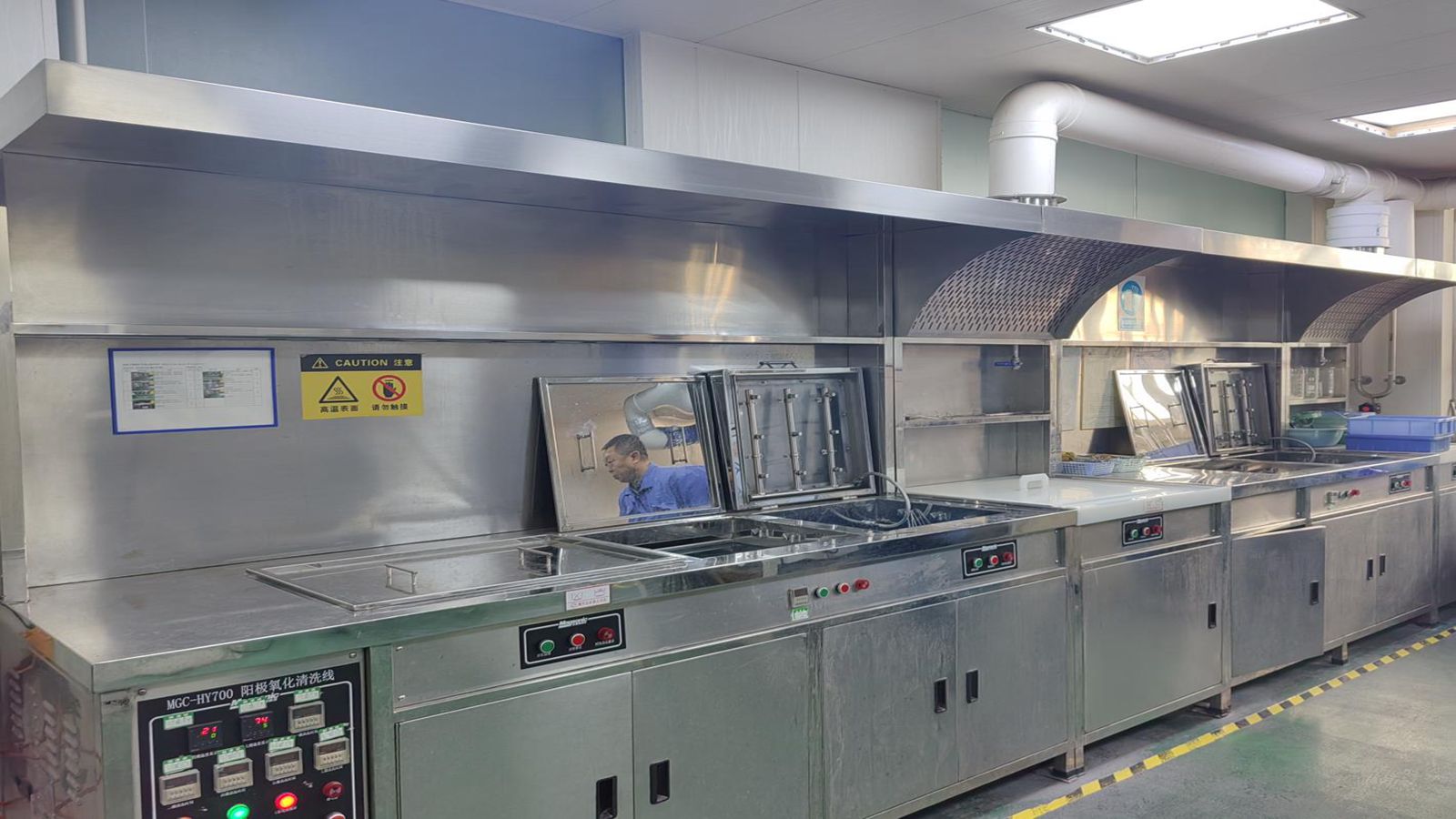
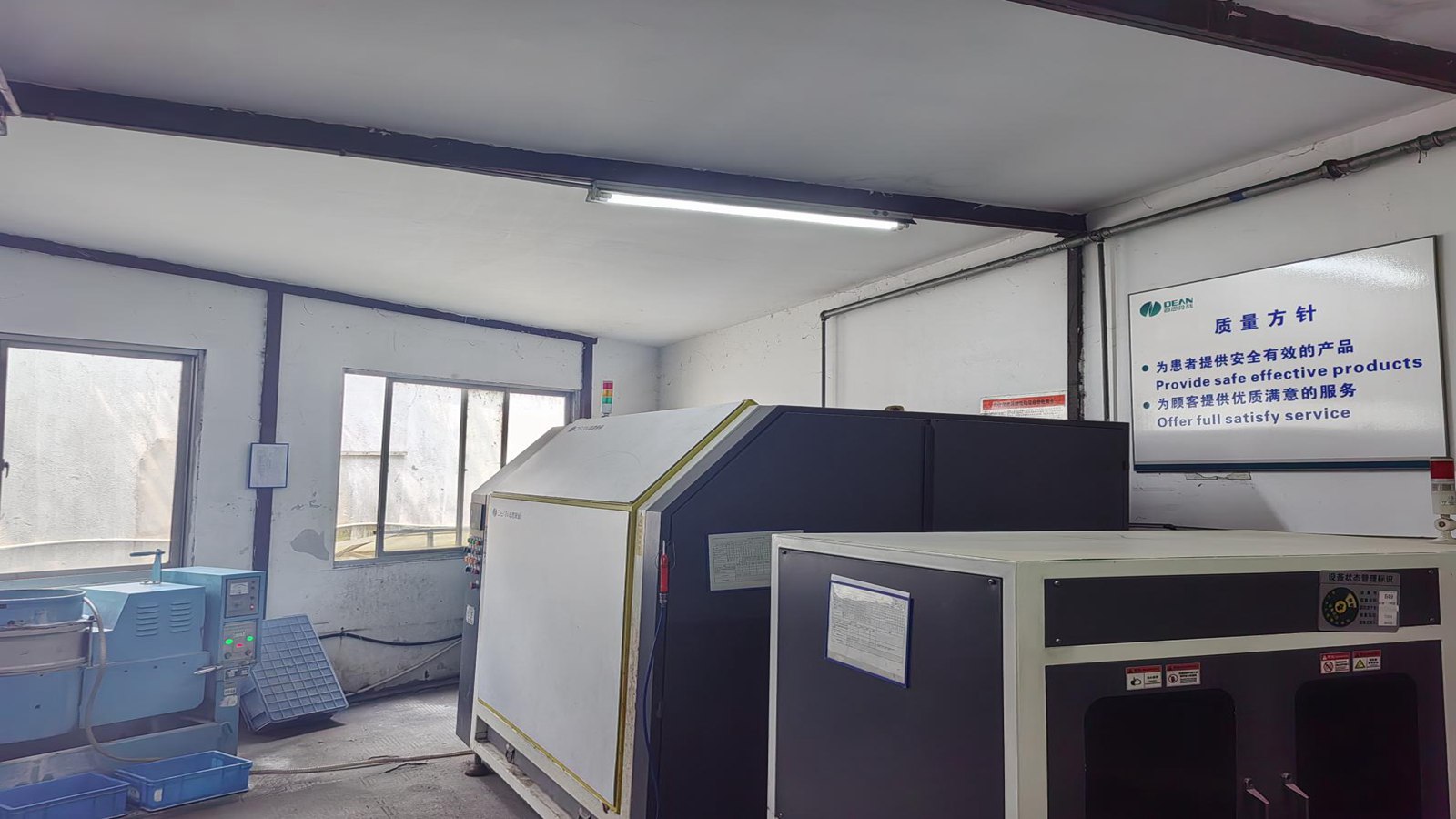
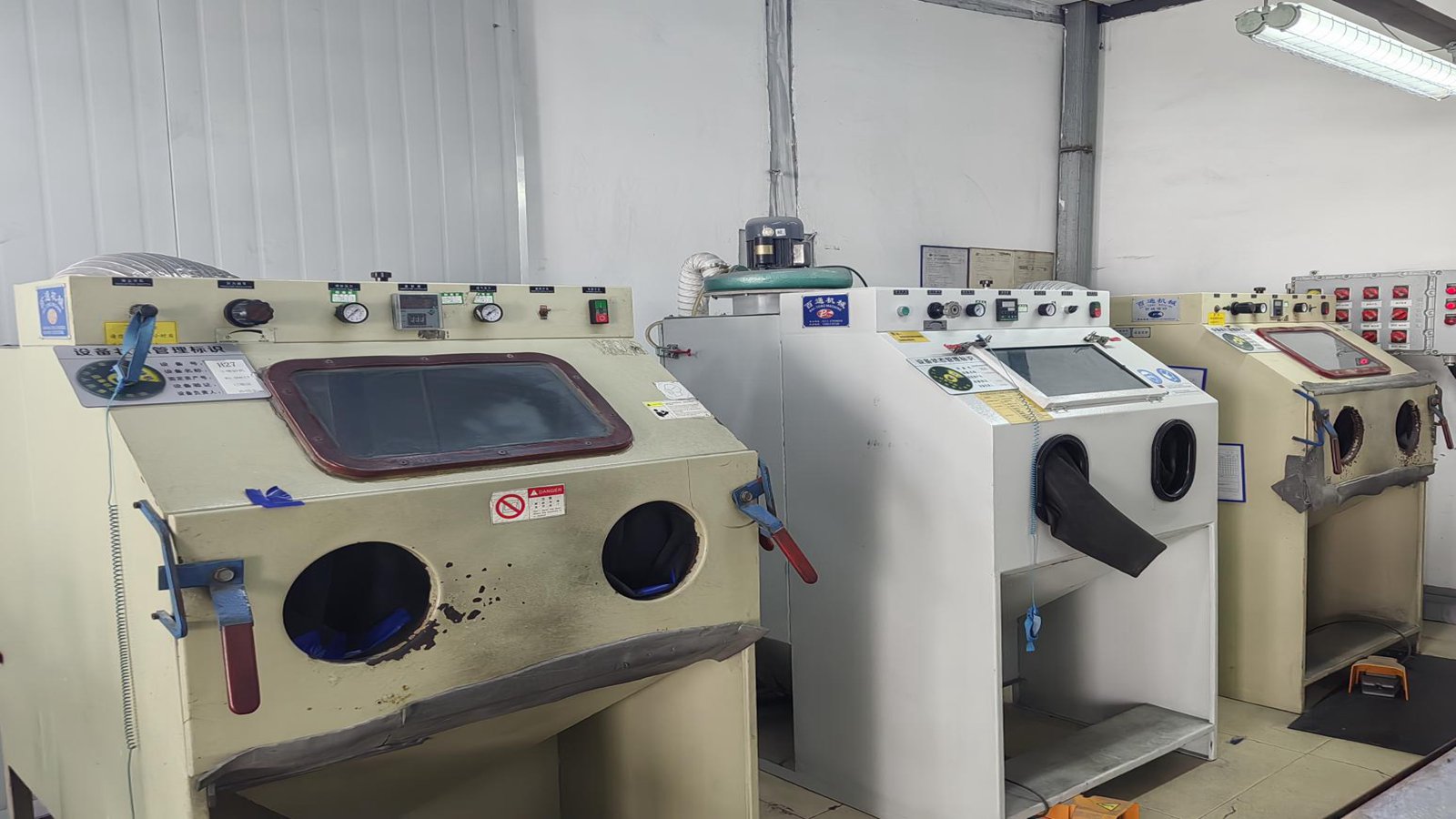
Our manufacturing facility features a dedicated cleanroom packaging area, advanced Swiss-type CNC lathes, multi-axis milling centers, and specialized surface modification systems. Surface processing options include vacuum plasma spraying (VPS) for titanium and hydroxyapatite coatings, as well as controlled Type II anodizing to increase surface hardness and fatigue resistance.
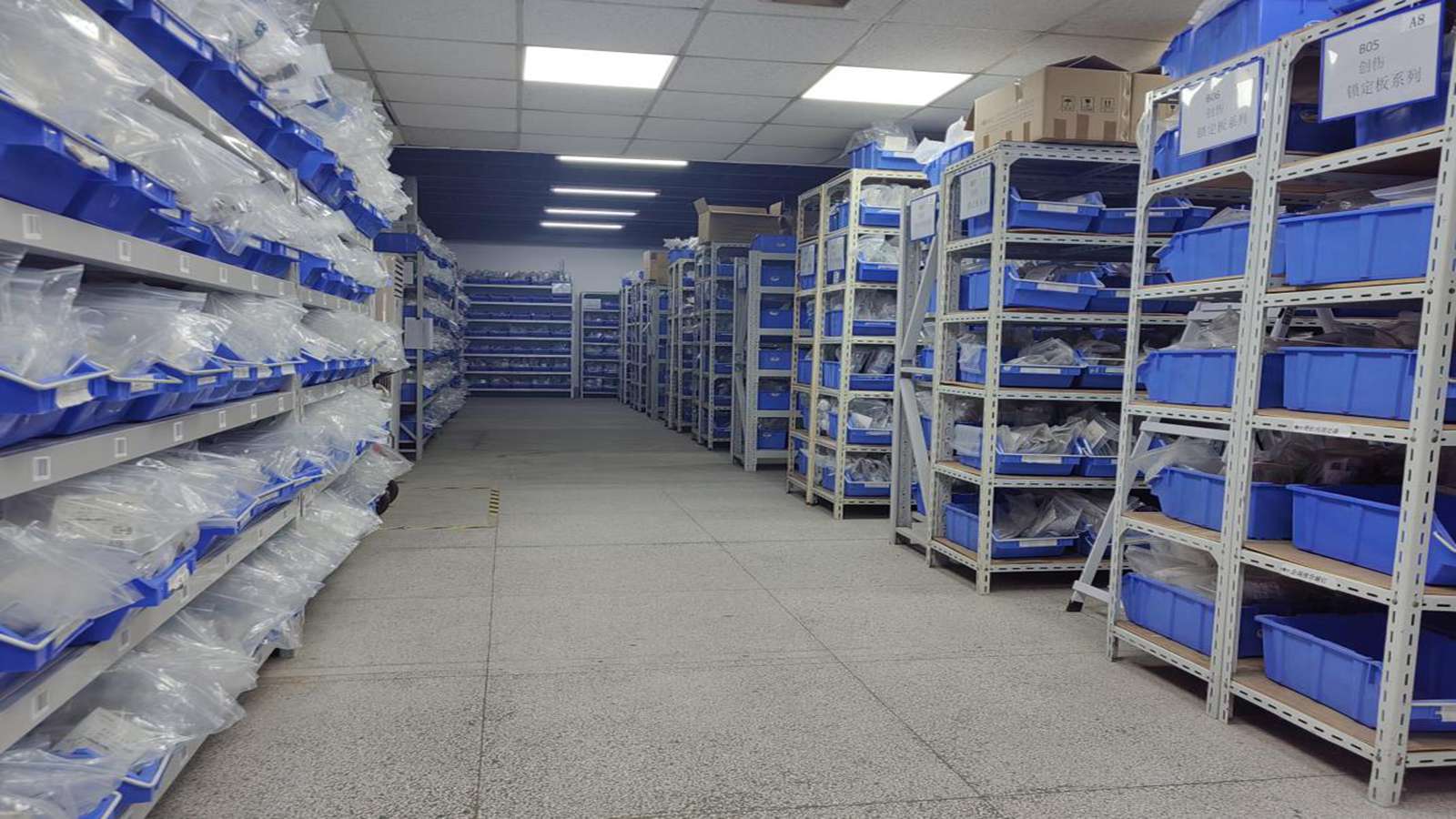
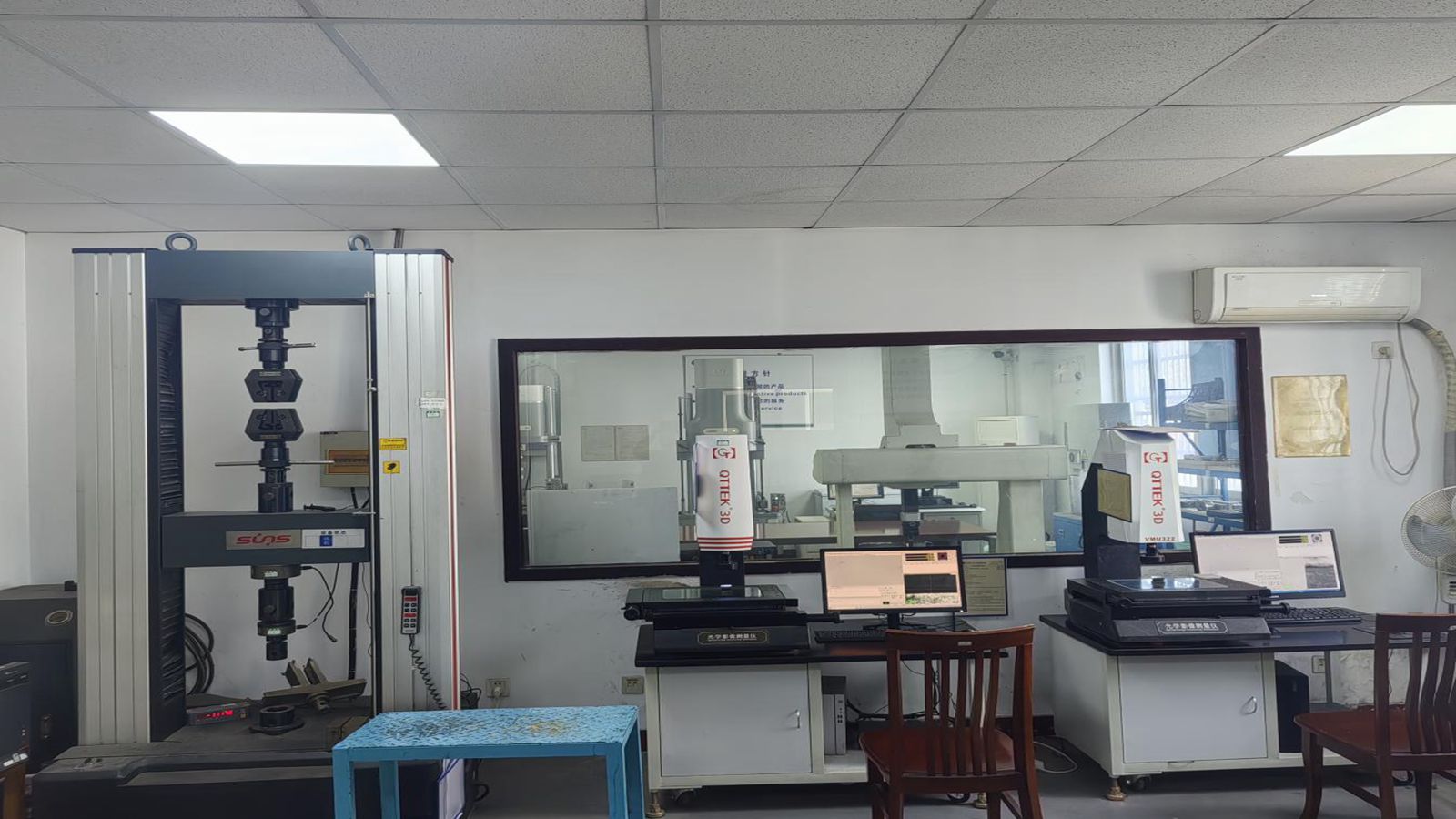
Below is a visual overview of the step-by-step manufacturing and quality control processes conducted inside our 18,600㎡ production facility:
A Globally Integrated Sourcing and Customization Ecosystem
Medispirex utilizes the strengths of the Chinese manufacturing ecosystem to offer OEM partners a balance of cost efficiency, scalability, and technical flexibility. With access to over 860 raw material, surface treatment, and tooling partners, our supply chain is structured to resist global market fluctuations.
Our vertical integration covers the entire production process—from raw material inspection and multi-axis CNC machining to sterile packaging and regulatory documentation. By keeping these steps in-house, we eliminate external logistical bottlenecks, reduce lead times, and maintain tight control over manufacturing costs. This allow us to provide high-quality orthopedic implants at competitive prices, helping our global partners reduce cost-of-goods-sold (COGS) without compromising on clinical safety.
Medispirex works with medical device distributors and healthcare providers across major international markets, including Europe, North America, the Middle East, and Southeast Asia. Because patient anatomy and regulatory requirements vary by region, we offer localized adaptations and support systems.
We customize implants to suit regional anatomical variations. For example, Asian populations often feature smaller glenoid vaults and different humeral retroversion angles compared to Western populations. To address this, Medispirex designs and manufactures specialized micro-implants and customized sizing systems. This ensures proper fit, improves primary mechanical stability, and helps prevent complications like bone fracture or implant loosening during surgery.
Aligned with CE MDR regulations, offering sterile-packaged systems for hospitals and clinics.
510(k) pathway support and compliance with ASTM materials standards for OEM brands.
Custom registration documentation, supply chain support, and localized surgical instrument sets.
Anatomically sized glenosphere options and adaptable instrumentation kits to fit local demographics.
To maintain high reliability, our quality control process spans four distinct stages: incoming raw material verification (chemical and microstructural testing), in-process control (dimensional checks using precision coordinate measuring machines), final testing (surface roughness, fatigue, and mechanical testing), and complete batch traceability (documenting every step from raw material to sterilization). Our quality assurance team of 45 specialists ensures all steps meet international standards, including ISO 13485 and global medical device regulations.
Technical & Commercial Insights for Our Partners
Premium Surgical Hardware Engineered for Spine and Specialty Procedures
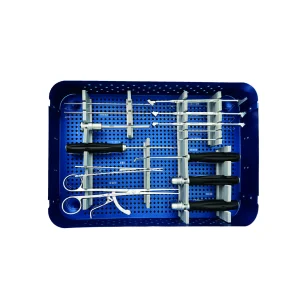
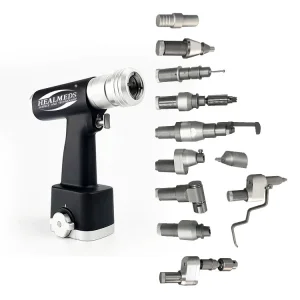
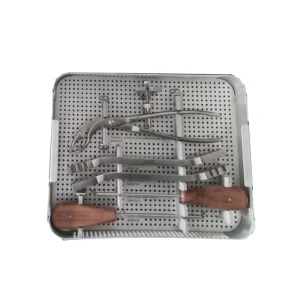
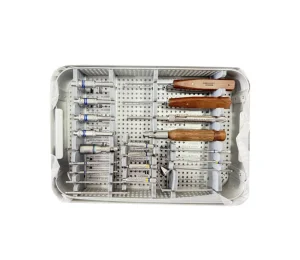
Partner with Medispirex to design, verify, and manufacture custom Reverse Shoulder Arthroplasty systems and surgical instrument kits. Contact our engineering team today to review your project specifications.
Contact Our OEM Experts