Medispirex
Medispirex
Medispirex
Revision Total Knee Arthroplasty (TKA) is one of the most demanding procedures in modern joint reconstruction. As primary TKAs increase worldwide, the clinical need for high-performance revision knee systems has escalated. Joint revision is frequently driven by aseptic loosening, osteolysis, infection, joint instability, or periprosthetic fractures. These complications lead to complex structural bone loss, challenging standard mechanical alignment and implant stability.
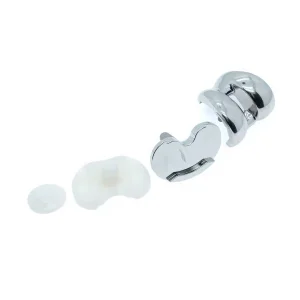
To address these diverse anatomical defects, modern revision knee designs rely on modular configurations. By integrating customizable femoral and tibial stems, wedges, and augments, orthopedic surgeons can reconstruct optimal joint lines, distribute load across the remaining metaphyseal bone, and restore kinematic function. Medispirex design philosophy combines biomechanical longevity with intuitive surgical layouts to minimize operating theater duration while maximizing structural stability.
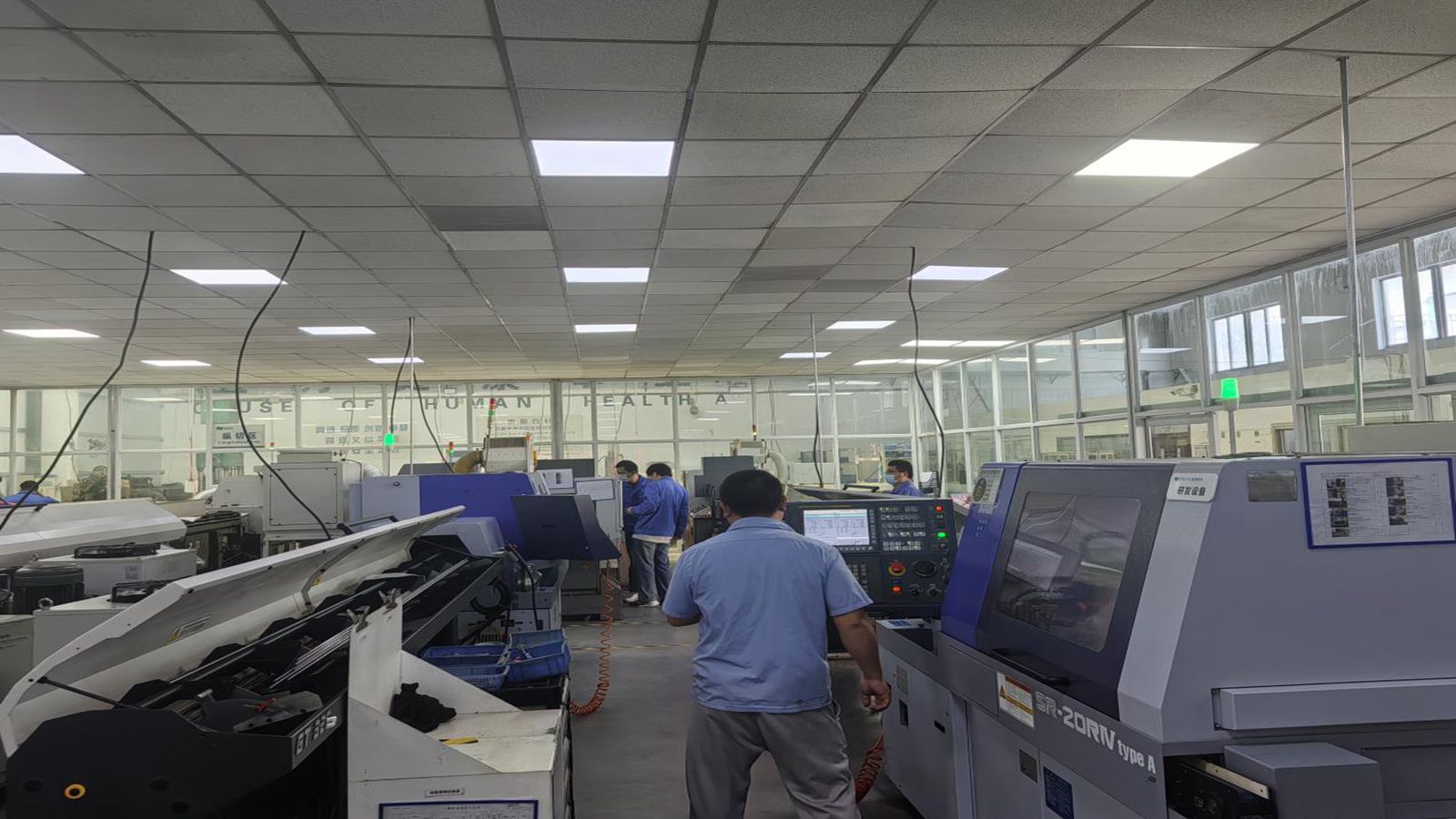
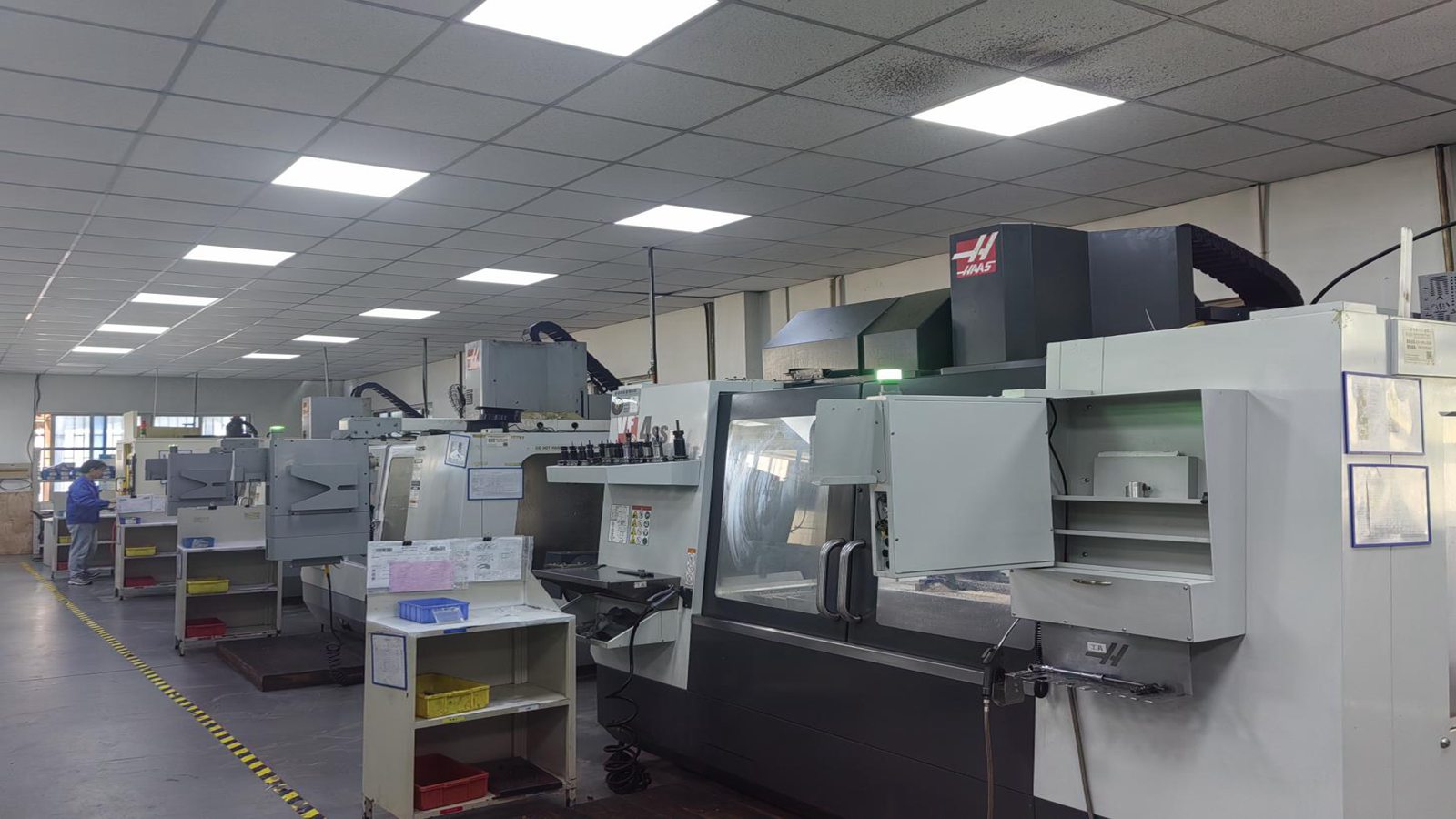
Established in 2016, Medispirex Orthopedic Technology Co., Ltd. is a leading developer and high-precision manufacturer specializing in spine and orthopedic implant solutions. Operating from a modern production facility covering approximately 18,600㎡, the company integrates end-to-end R&D, advanced metallurgical manufacturing, and global distribution. We deliver high-reliability medical devices for trauma, spine, and joint reconstruction applications worldwide.
Supported by 7 years of export experience and over 12 years of industry expertise, Medispirex has achieved a robust international footprint. Our annual export revenue stands at approximately USD 18 million, reflecting strong trust from medical distributors, trauma centers, and orthopedic surgeons across Europe, North America, the Middle East, and Southeast Asia.
Driven by innovation, Medispirex launched approximately 120 new products in the past year. This accelerated pipeline is powered by our specialized R&D team of 85 engineers focusing on medical biomechanics, surface treatment technologies, and clinical orthopedics. Under strict ISO standards, our operations are integrated with a supply network of 860 partners, assuring stable manufacturing and delivery timelines.
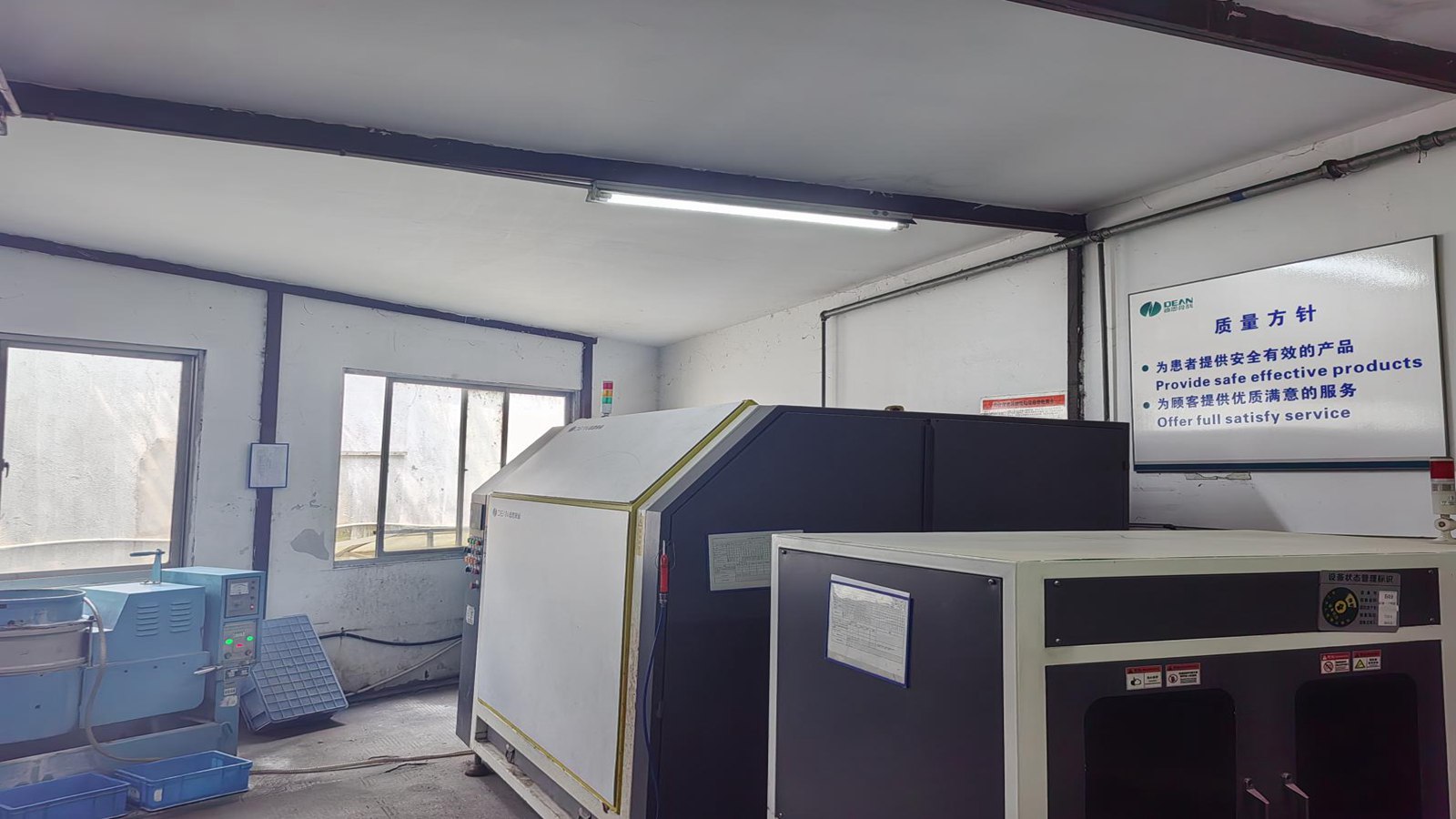
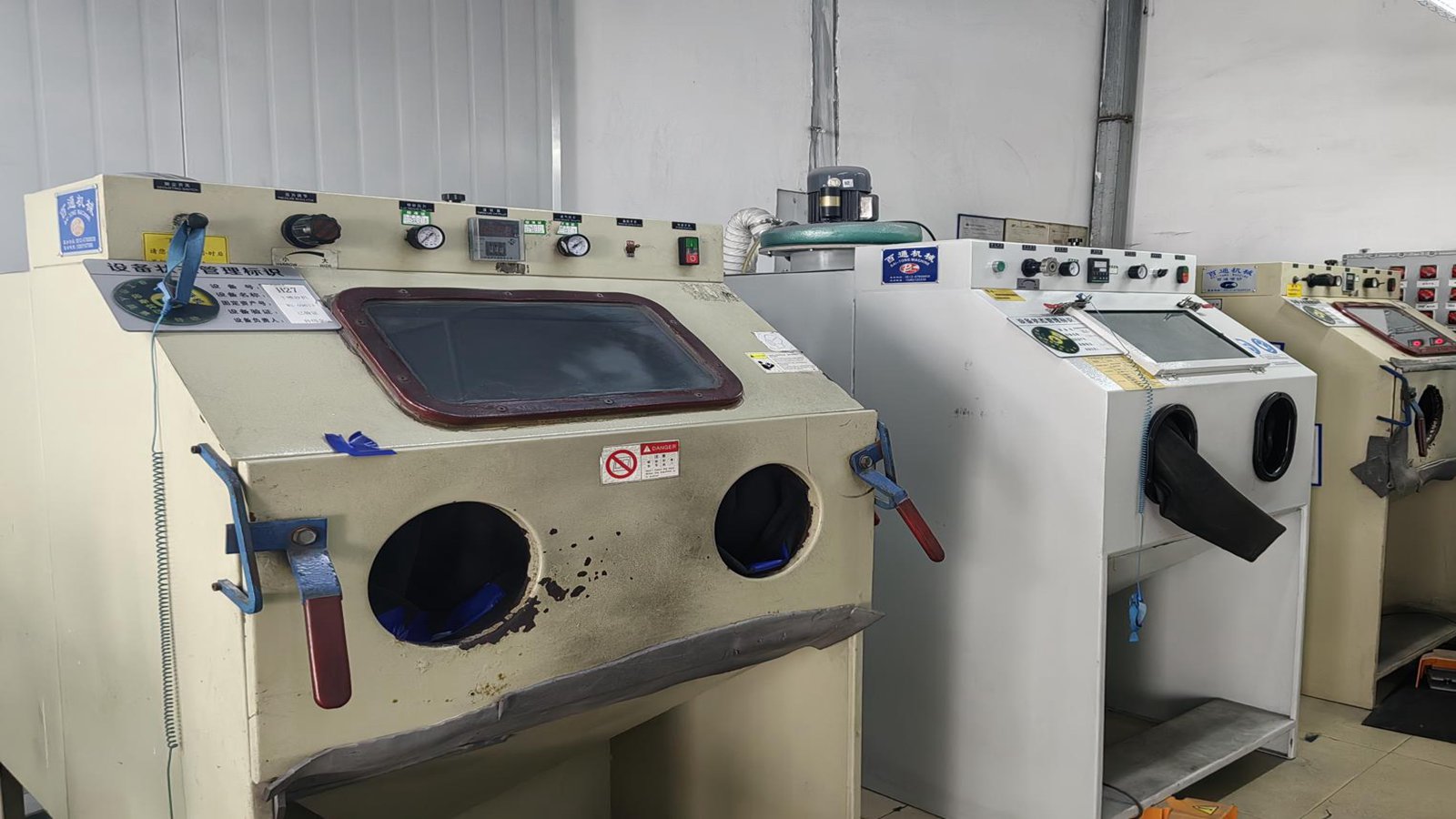
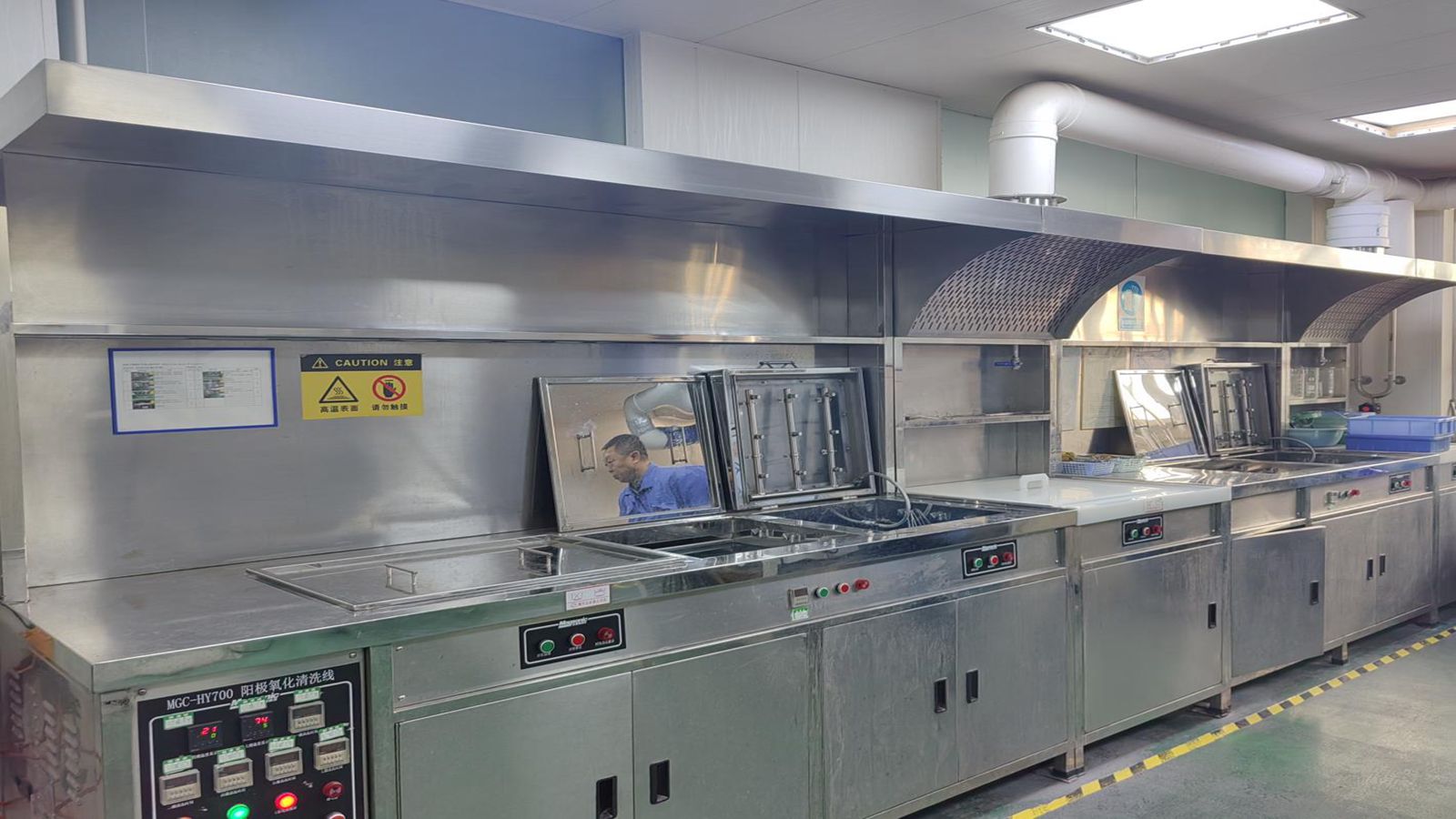
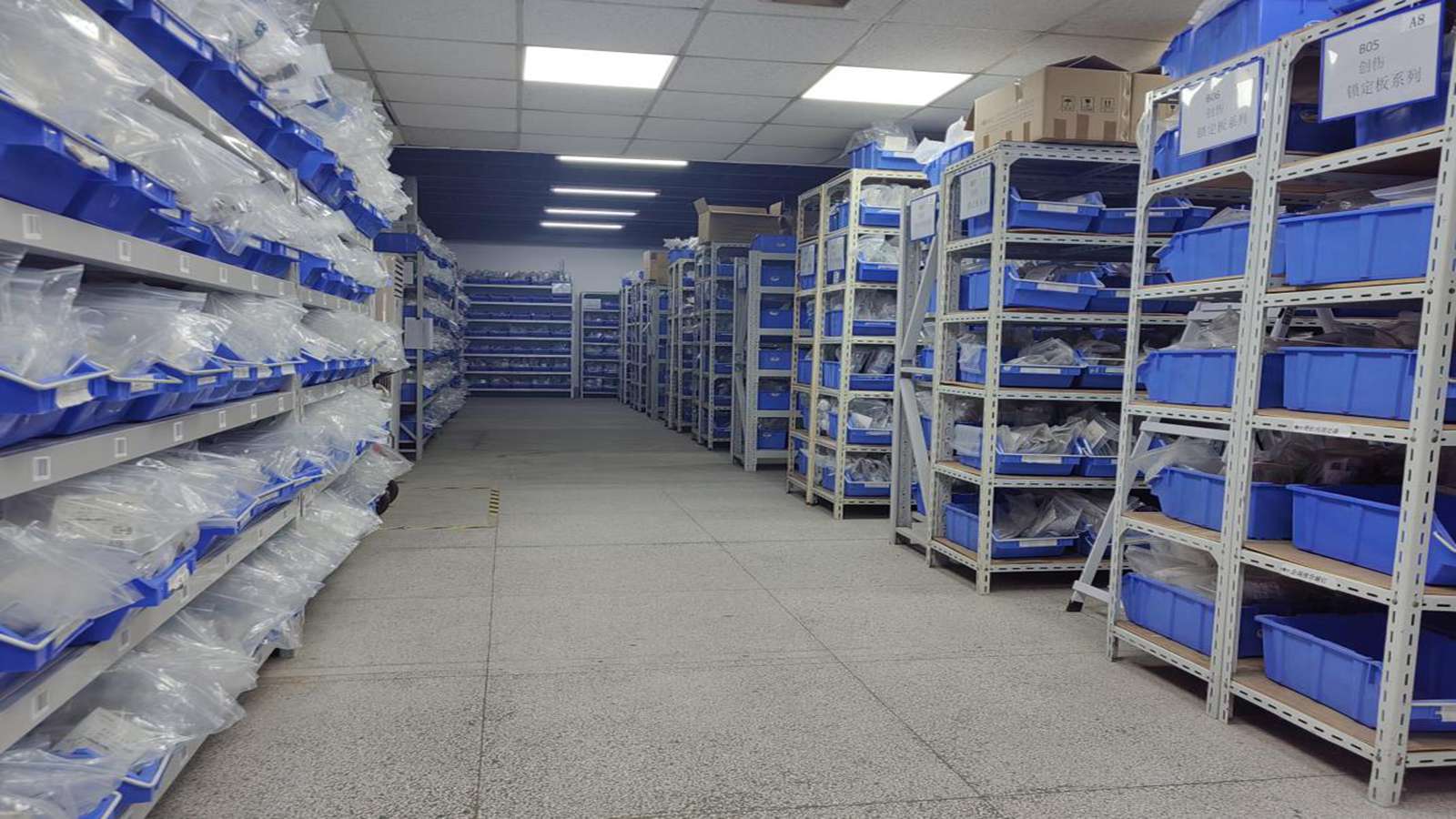
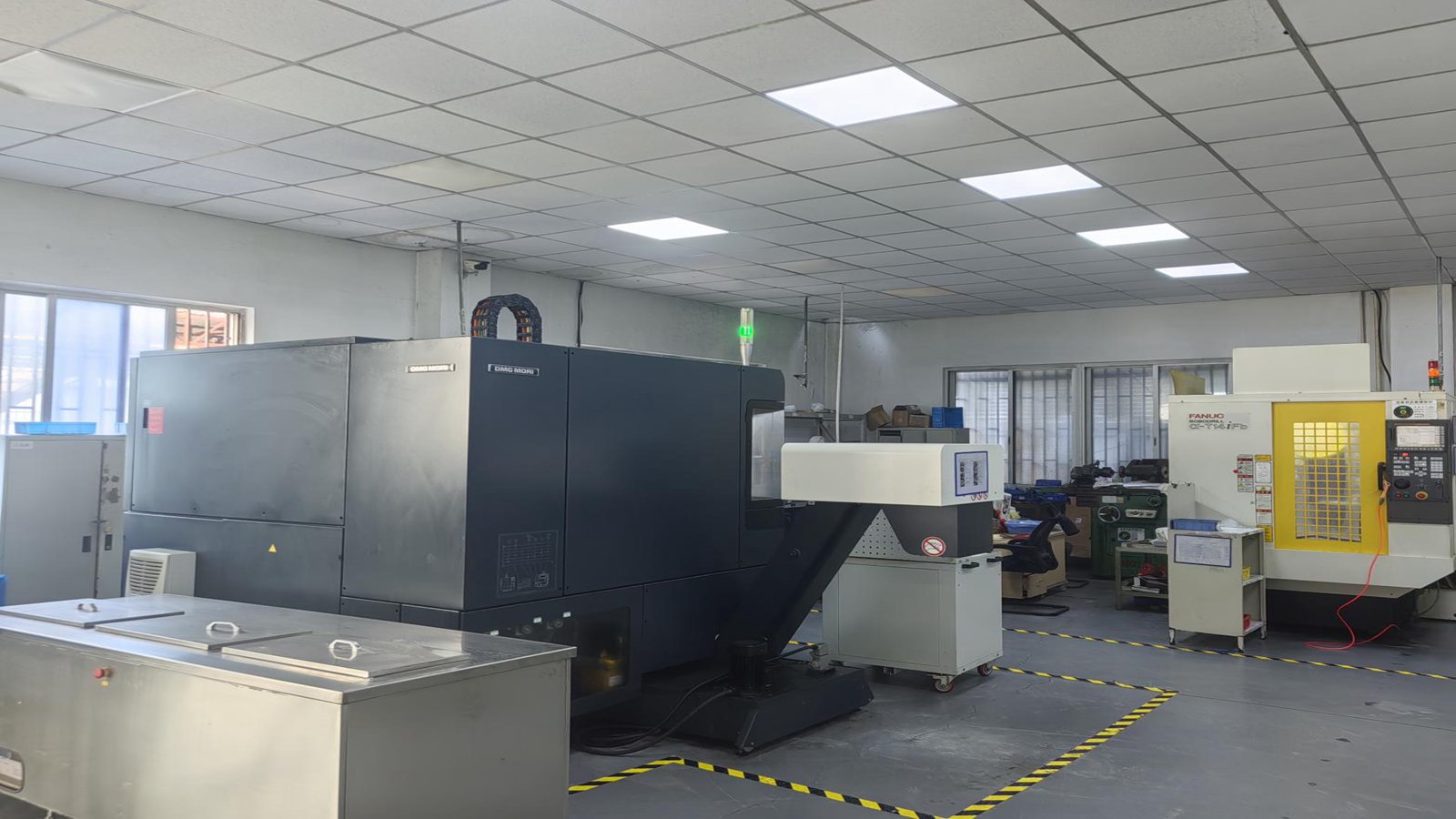
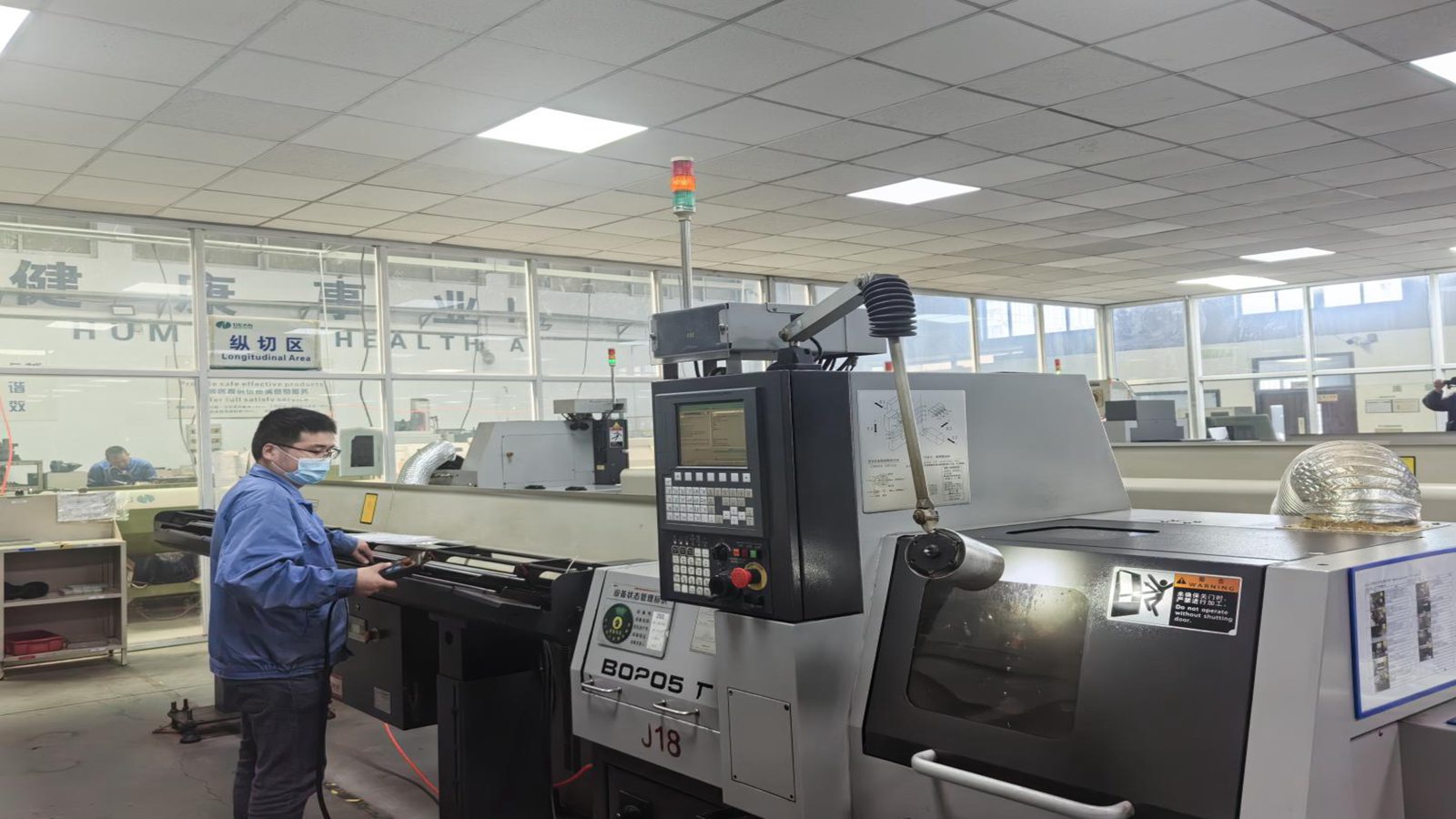
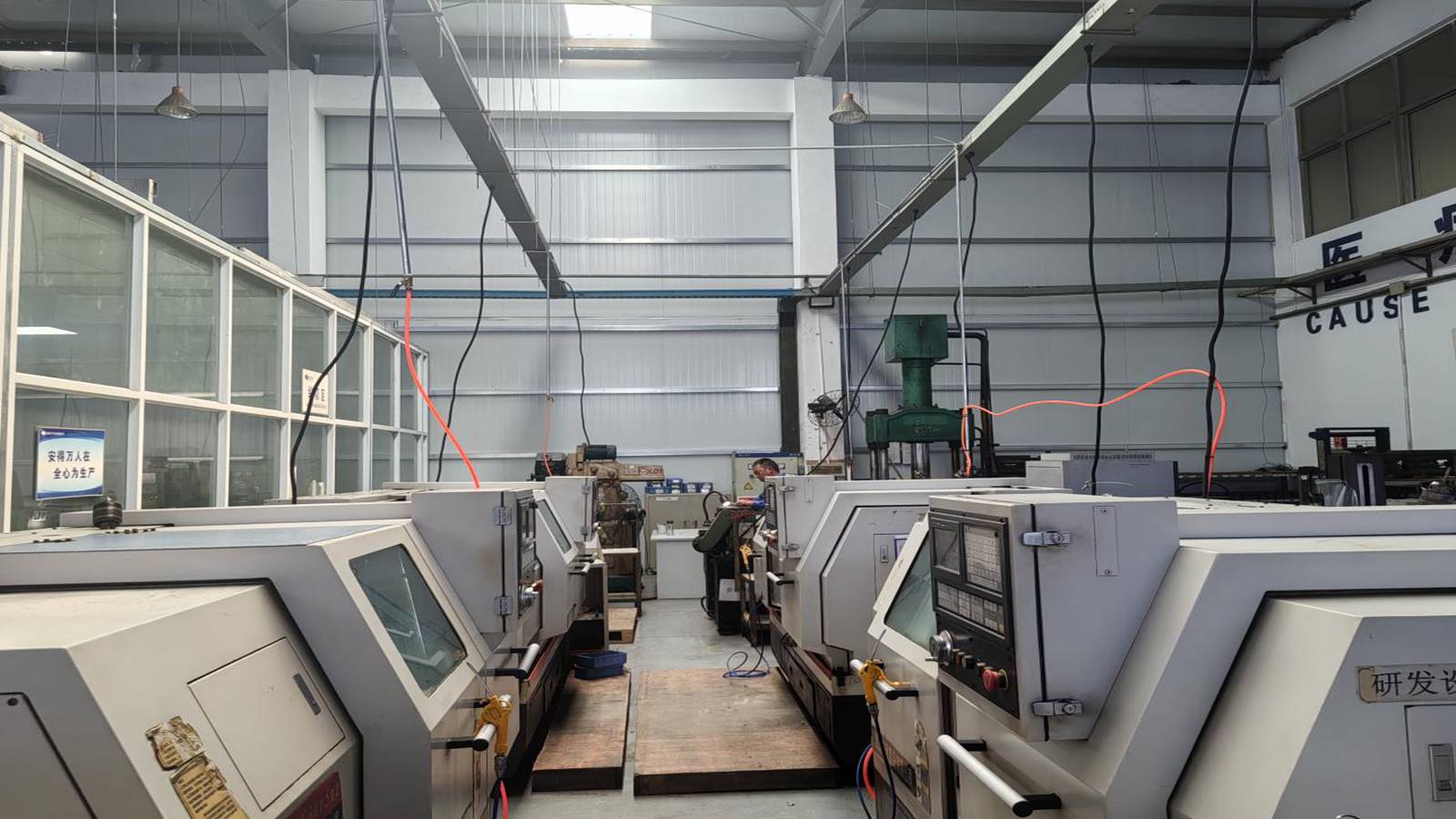
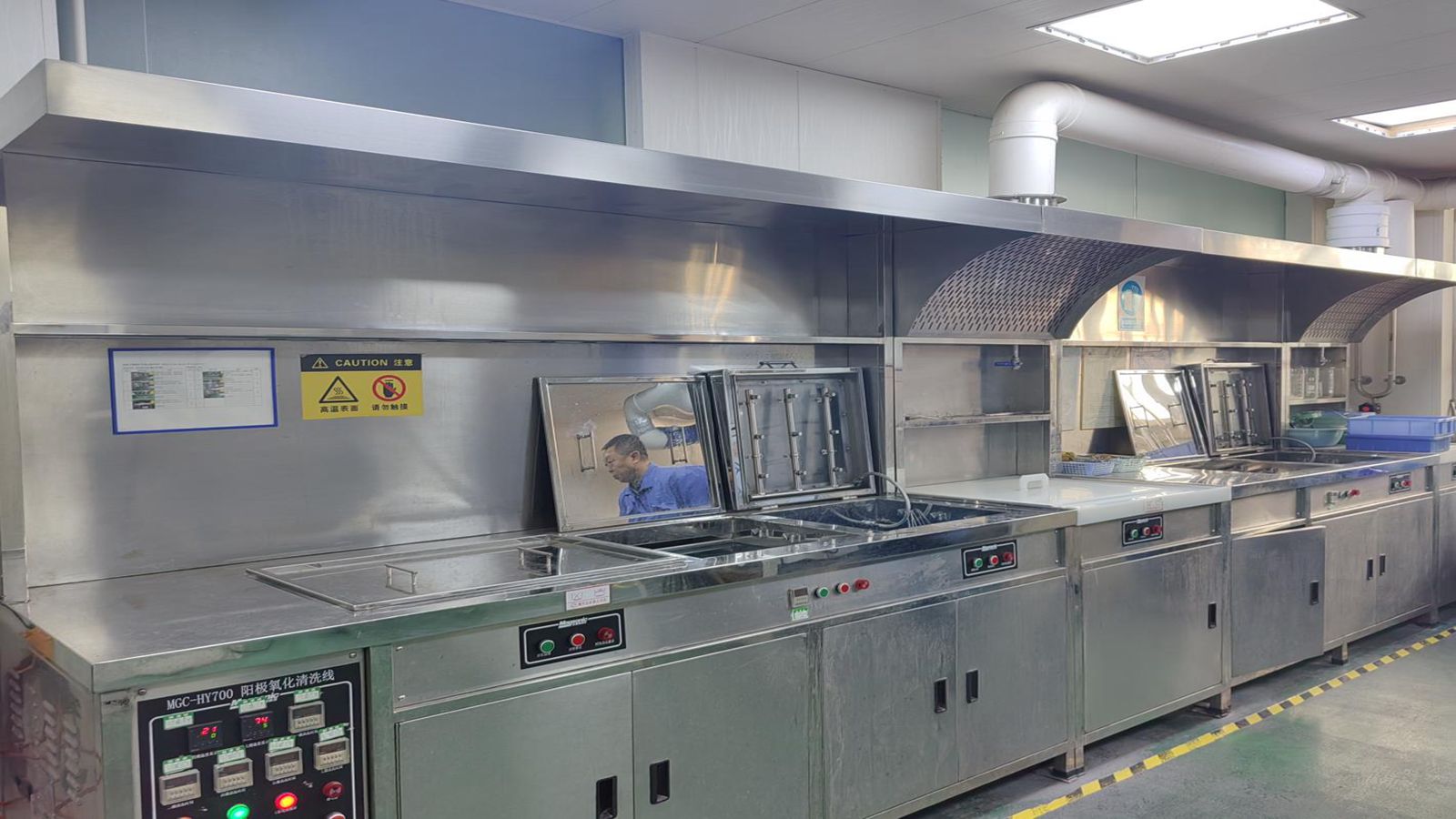
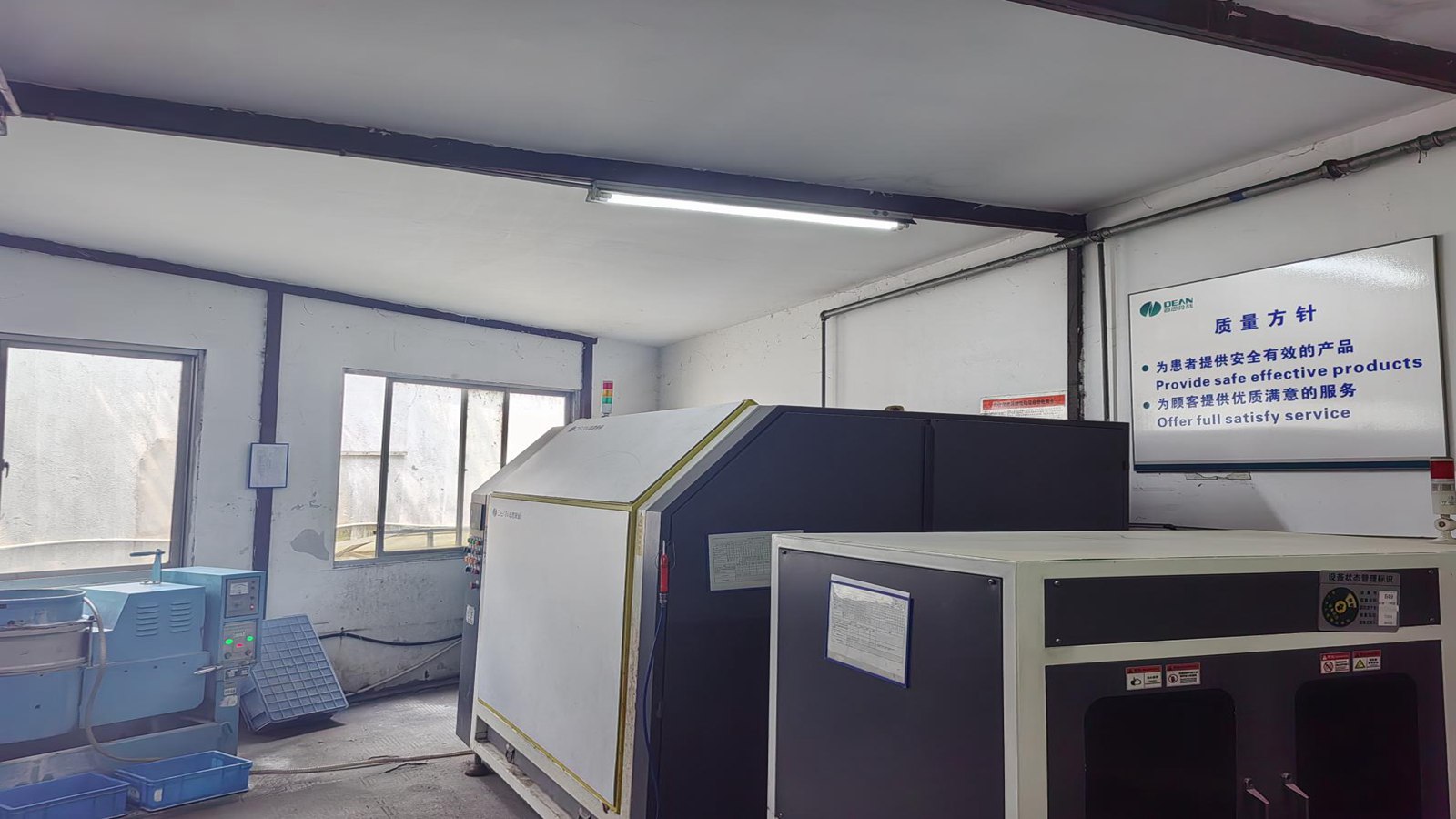
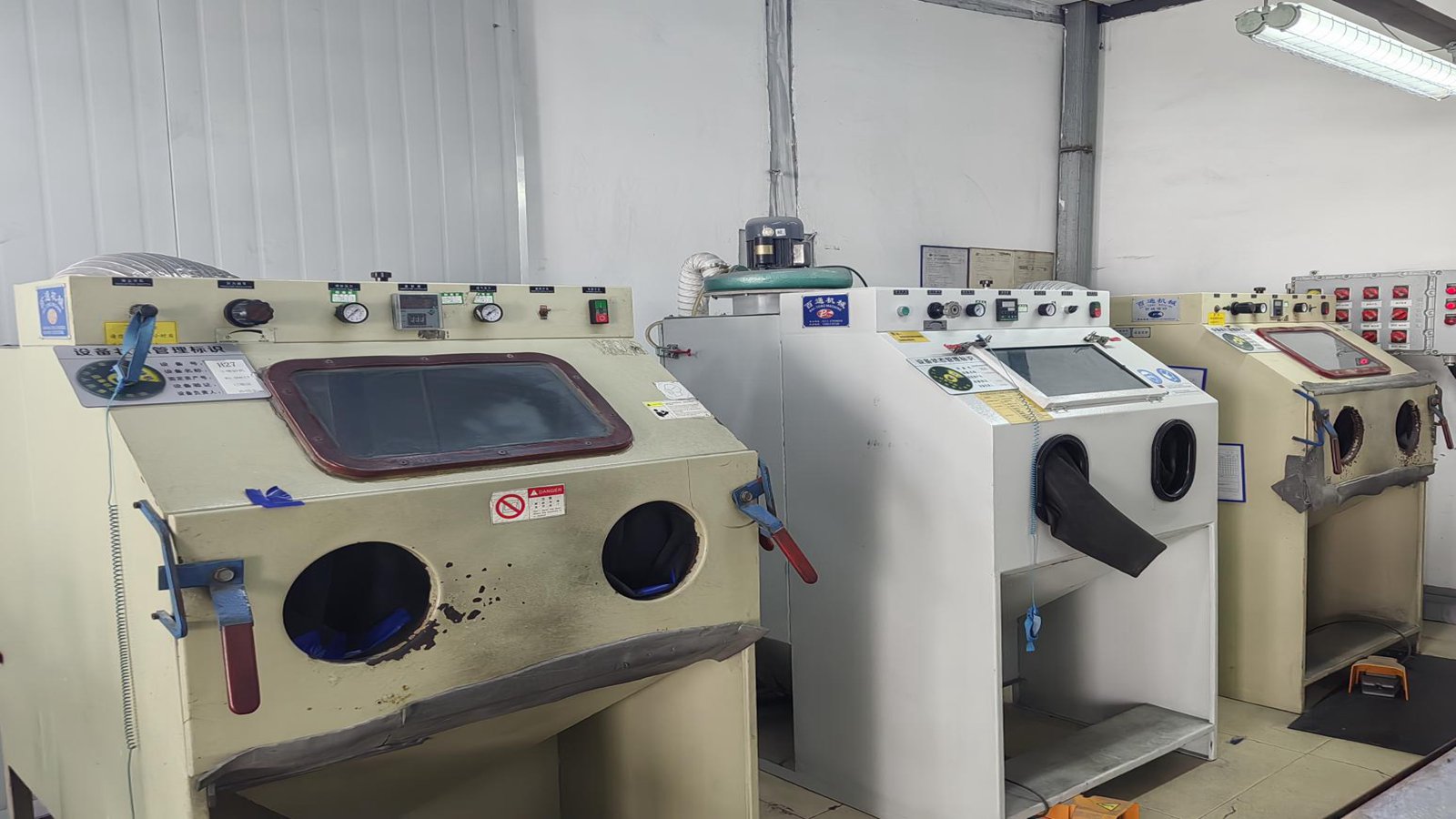
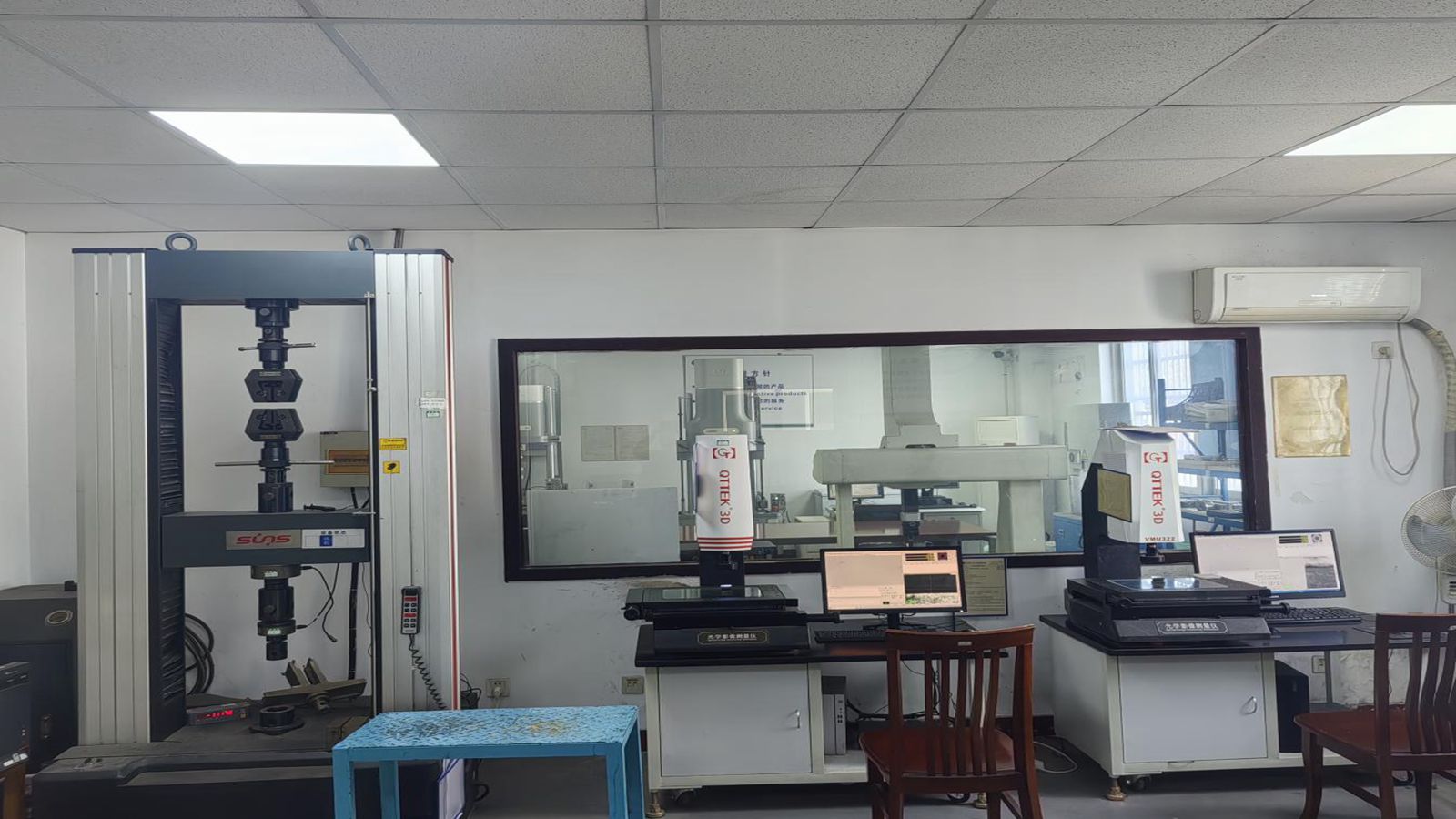
Our state-of-the-art facility features high-tolerance machining centers, sterile cleaning environments, and testing laboratories. Below is an inside look at our manufacturing and processing departments where our revision implants and surgical instruments are crafted:
Revision knee arthroplasty requires careful matching of the implant configuration to the patient's remaining bone and joint geometry. Anatomy varies considerably between demographic groups. Designing revision implants with modular flexibilities allows surgeons to configure constructs that respect these localized anatomical variations.
For patients with localized metaphyseal bone loss (AORI Class I or II), our modular femoral and tibial augments restore joint height and balance without sacrificing healthy structural bone. Segmental wedges and block augments are available in multiple thicknesses and angles, aligning with varied metaphyseal profiles.
Standard Western implants can cause soft-tissue impingement or overhang in smaller-statured patients. Medispirex revision systems provide proportional distal-to-posterior condylar ratios and narrow mediolateral (ML) sizing configurations, ensuring precise bone coverage and kinematic balance for patients worldwide.
To address structural AORI Class III defects, our design utilizes porous metal metaphyseal cones and sleeves. These components provide zonal fixation in the metaphysis, protecting weak diaphyses and distal bone regions, while promoting long-term biological fixation at the implant-bone interface.
At Medispirex, we continuously evolve our implant engineering to meet clinical demands for longer-lasting materials and high-stability biomechanical interfaces.
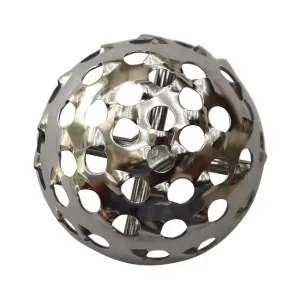
Medispirex is advancing its titanium alloy processing from traditional subtractive CNC milling to Electron Beam Melting (EBM) and Selective Laser Melting (SLM) 3D-printing technologies. This enables the fabrication of trabecular-like porous structures that mimic human cancellous bone. With a porosity range of 60% to 80% and pore sizes designed to optimize osteoblast migration, these structures promote faster osseointegration and reduce risk of aseptic loosening.
Our roadmap includes integrating patient-specific instrumentation (PSI) with advanced porous metal sleeves. By utilizing high-resolution preoperative CT data, our engineering team can adapt revision components to match a patient's exact pattern of osteolysis.
Polyethylene wear particles remain a primary cause of periprosthetic osteolysis. To address this, our materials engineering department focuses on Ultra-High-Molecular-Weight Polyethylene (UHMWPE) cross-linked with vitamin E (α-tocopherol). The addition of vitamin E prevents oxidation, maintaining fatigue resistance and wear properties over the long term.
Future projects focus on surface coating innovations, such as anti-microbial Silver/Titanium Nitride (TiN) coatings, to reduce bacterial adhesion and minimize risks of periprosthetic joint infection (PJI).
Sourcing high-complexity orthopedic revision implants requires supply chain agility and cost predictability. Our integrated manufacturing hub in China delivers structural cost efficiencies while maintaining strict quality standards.
By partnering with local certified titanium (medical-grade ASTM F136 Ti-6Al-4V ELI) and cobalt-chromium (CoCrMo ASTM F75) smelters, Medispirex ensures consistent raw material access, cushioning operations against global metal supply volatility.
Our 18,600㎡ factory is optimized for high-mix, low-volume manufacturing. This configuration allows us to run standard production lines alongside custom revision implant series without compromising manufacturing lead times.
Our 45-person QC team monitors every production stage, from incoming material spectroscopy to ISO class-certified cleanroom packaging. We verify 100% of finished implants via dimensional inspections and fatigue testing.
Navigating international regulatory frameworks is essential for medical device distribution. Medispirex products are manufactured under strict international standards to ensure reliability and patient safety.
Medispirex maintains an ISO 13485 certified quality management system. Our regulatory team assists global distributors by providing required technical documentation, clinical evaluations, and biocompatibility study reports (ISO 10993) to streamline local registrations.
Whether registering under the EU MDR, US FDA 510(k) routes, or local ministries of health in the Asia-Pacific region, we provide comprehensive registration dossiers and product characterization data.
We offer custom manufacturing and packaging configurations for orthopedic brands and distributors:
Key regulatory, engineering, and manufacturing questions answered by Medispirex Technical Support department.