Medispirex
Medispirex
Medispirex
Explore our catalog of certified implant systems and advanced surgical instruments optimized for precision orthopedic procedures.
Bridging the gap between surgical engineering and complex spinal reconstruction pathology.
Cervical open-door laminoplasty, pioneered to treat multilevel cervical spondylotic myelopathy (CSM) and ossification of the posterior longitudinal ligament (OPLL), requires uncompromising biomechanical fixation. Laminoplasty plates act as rigid structural bridges, retaining the expanded spinal canal posture and keeping the hinged lamina secure while preventing late-stage closure or post-operative collapse. At Medispirex Orthopedic Technology Co., Ltd., we design our systems to optimize axial load sharing, facilitate rapid osteointegration, and minimize the risk of hardware displacement.
The biomechanical stability of our laminoplasty plates depends on their specific geometry and material characteristics. Utilizing high-performance Titanium Grade 5 (Ti-6Al-4V ELI), our systems offer an optimal balance of high tensile strength, fatigue endurance, and low elastic modulus, minimizing stress shielding. The low-profile design (typically 1.5mm to 2.0mm thickness) reduces soft-tissue interference, a critical factor in avoiding persistent post-operative axial neck pain and construct palpability.
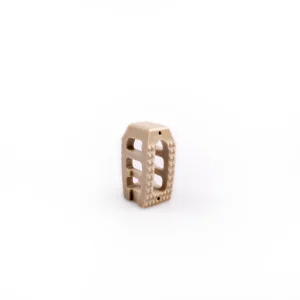
Our plate geometry features integrated screw pockets that allow for multi-axial screw insertion. This capability accommodates anatomically variable laminar angles and ensures secure bicortical or unicortical bone purchase. Integrated graft retention holes allow surgeons to secure allogeneic, autologous, or synthetic bone spacers, creating a robust fusion environment at the hinge side while ensuring long-term canal expansion stability.
Pre-shaped plates minimize intraoperative bending time and reduce internal stresses within the titanium matrix, lowering the risk of implant fatigue failure.
Integrated self-locking or friction-fit mechanisms prevent screw back-out, protecting adjacent neurological structures from hardware migration.
Strategic slot layouts optimize contact with bone grafts, accelerating osteoconduction and establishing a robust biological bridge.
Leveraging high-precision manufacturing systems, extensive testing, and rapid scale capability.
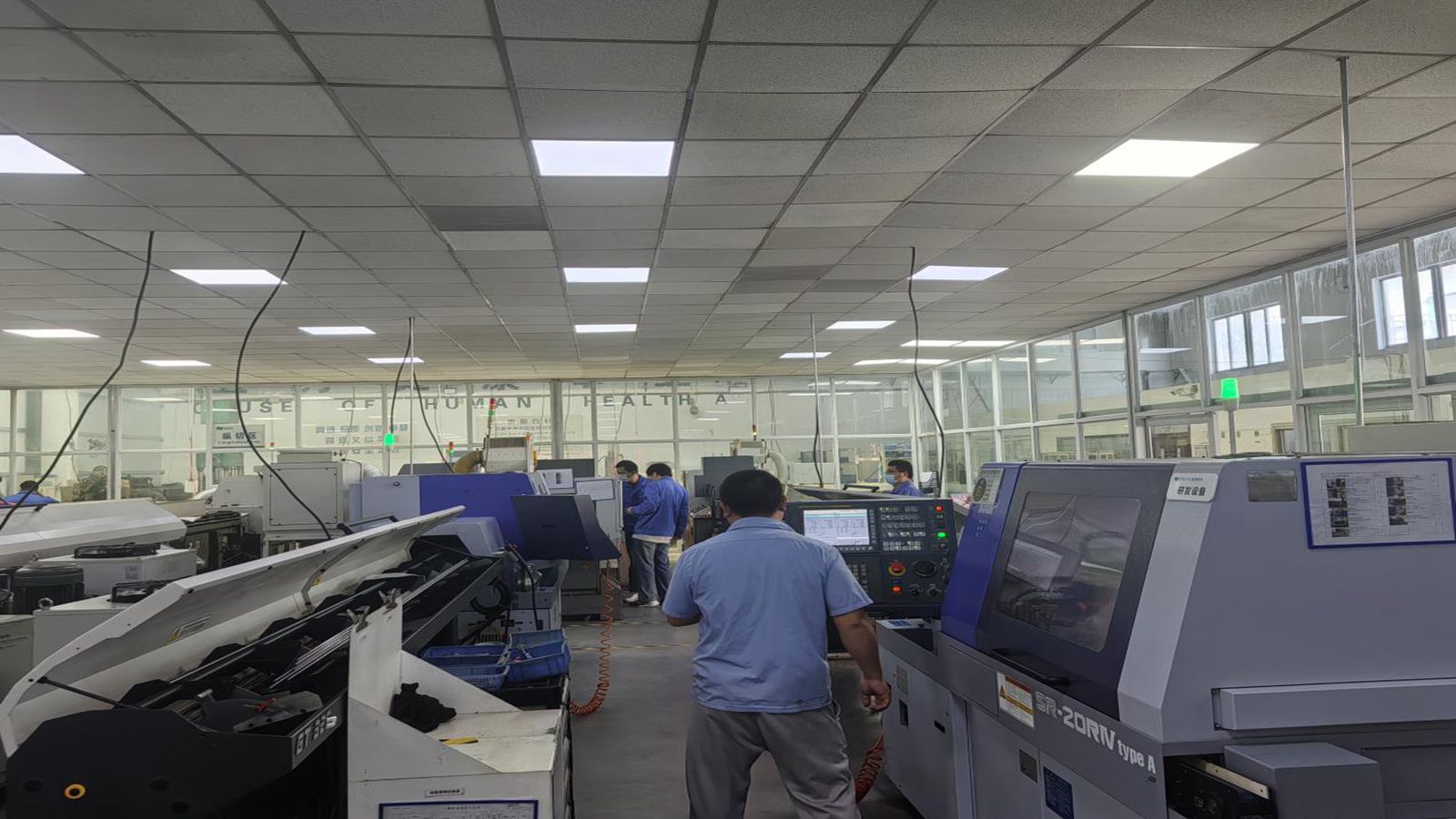
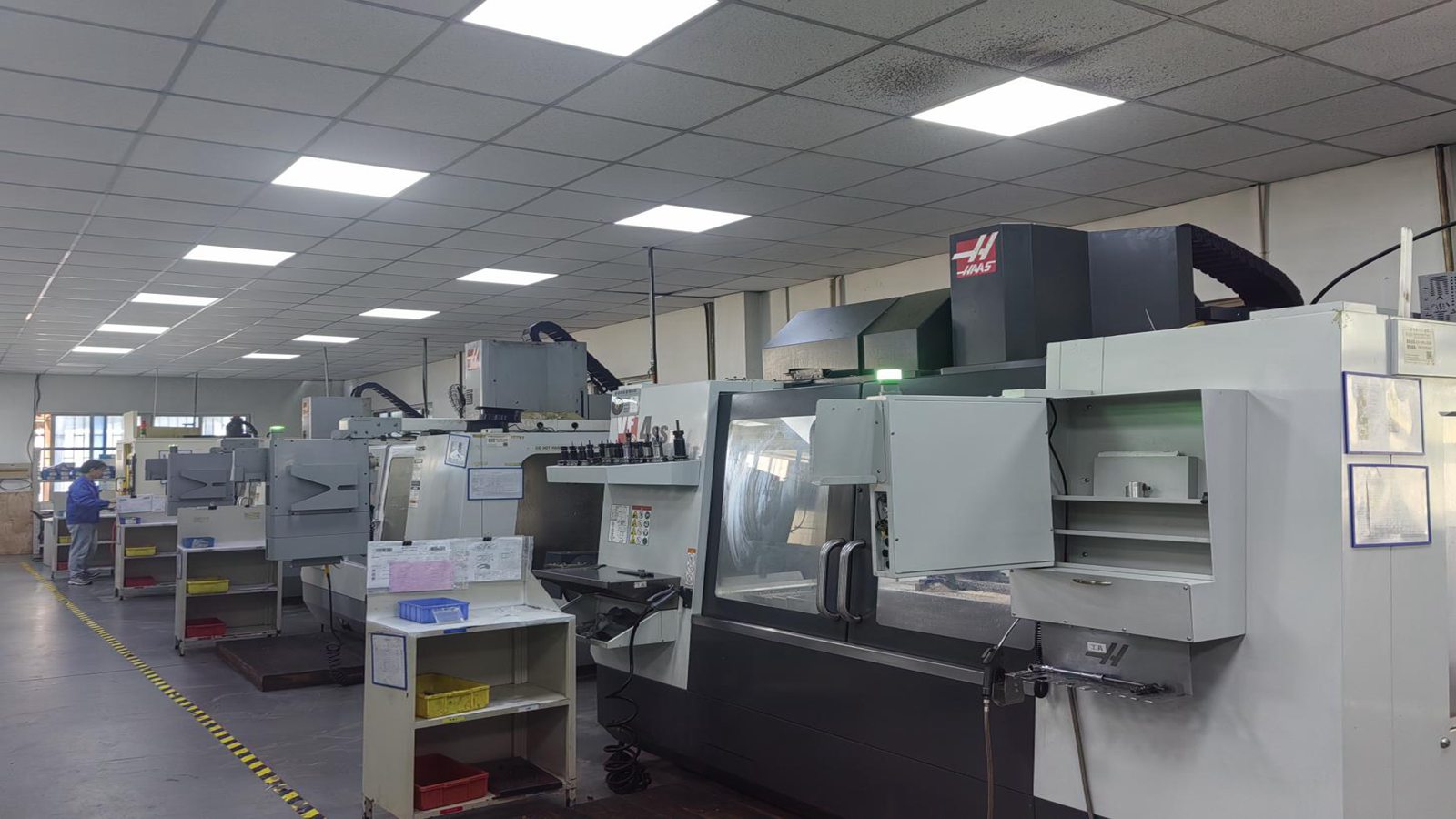
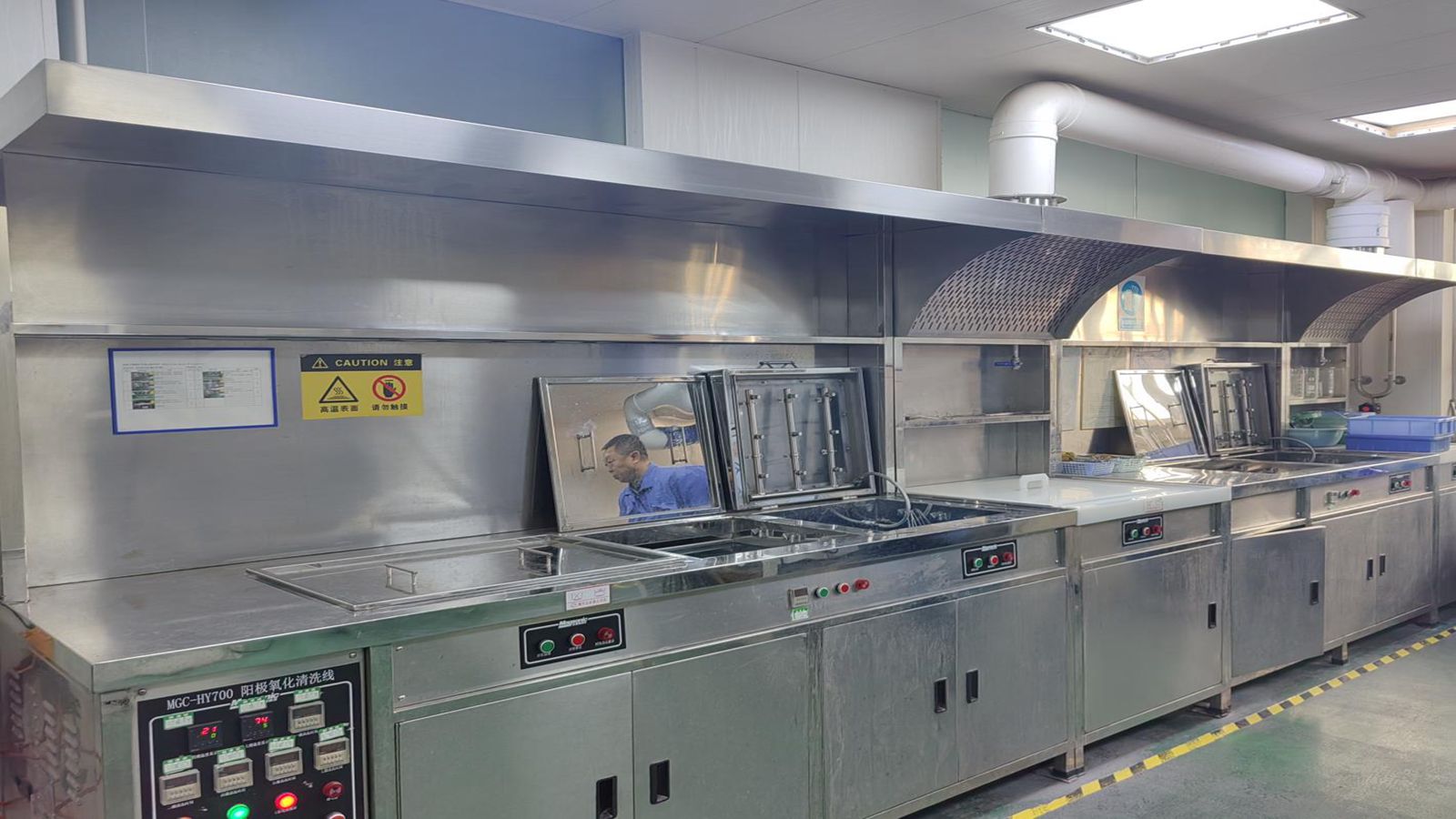
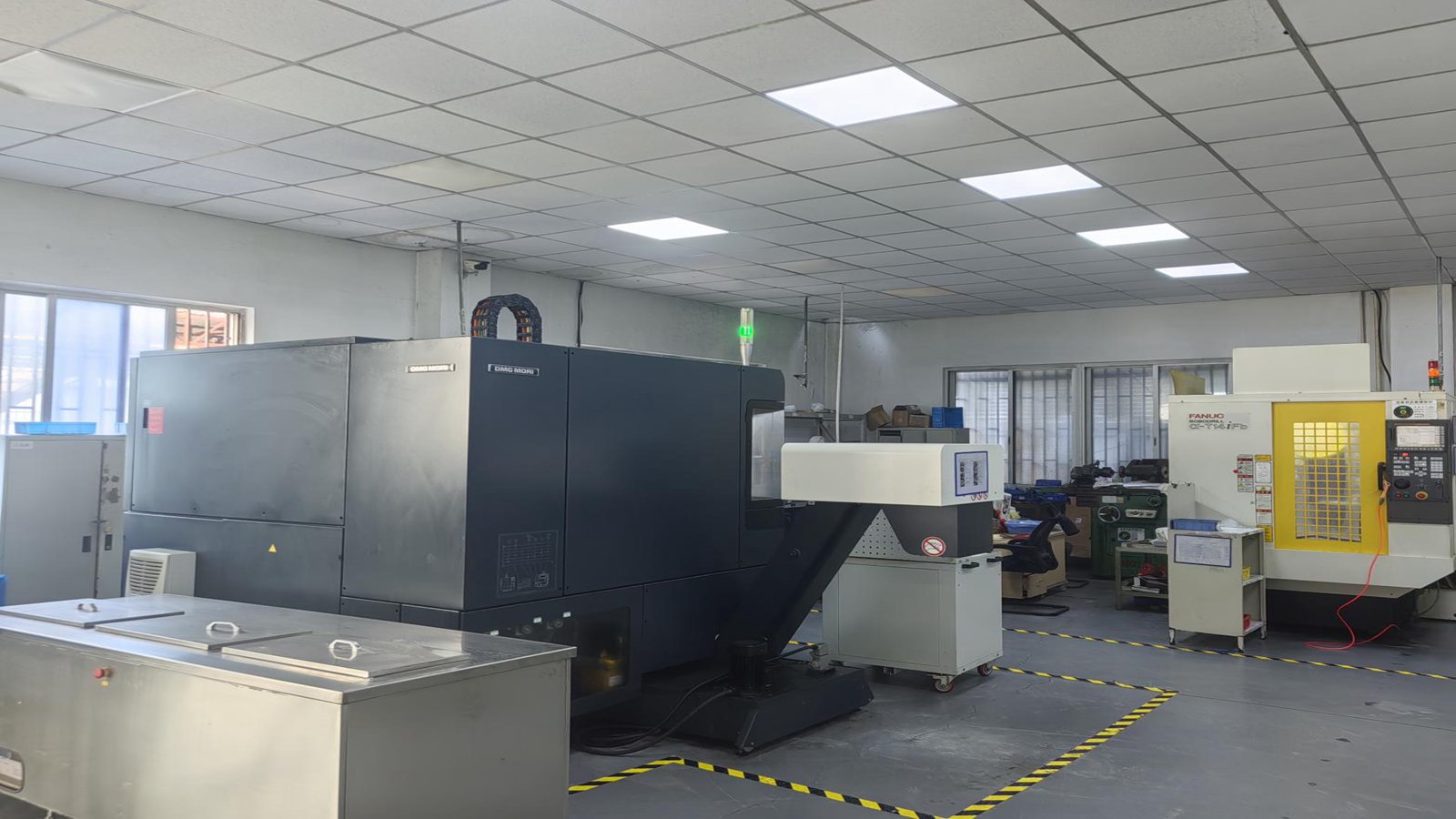
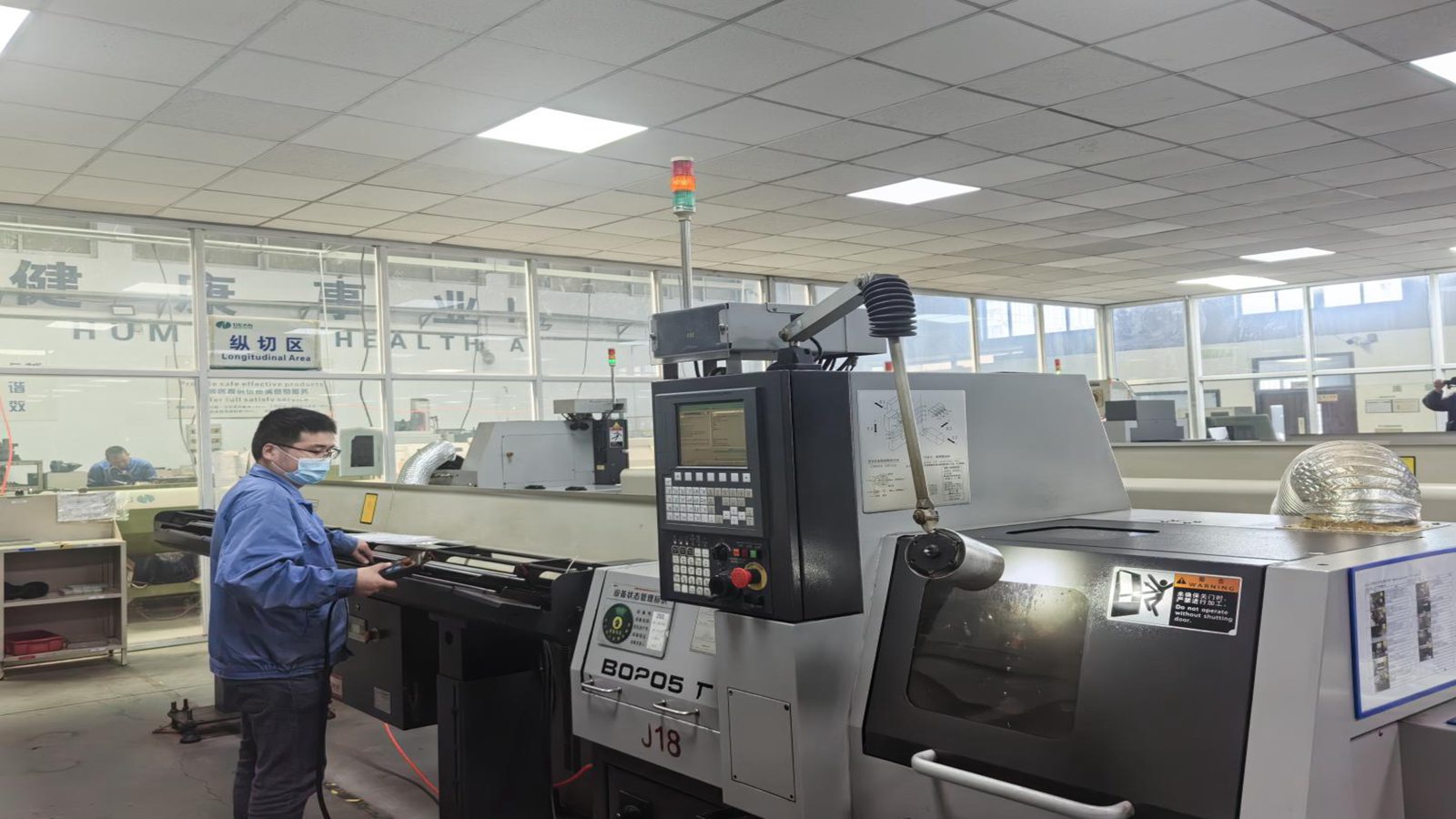
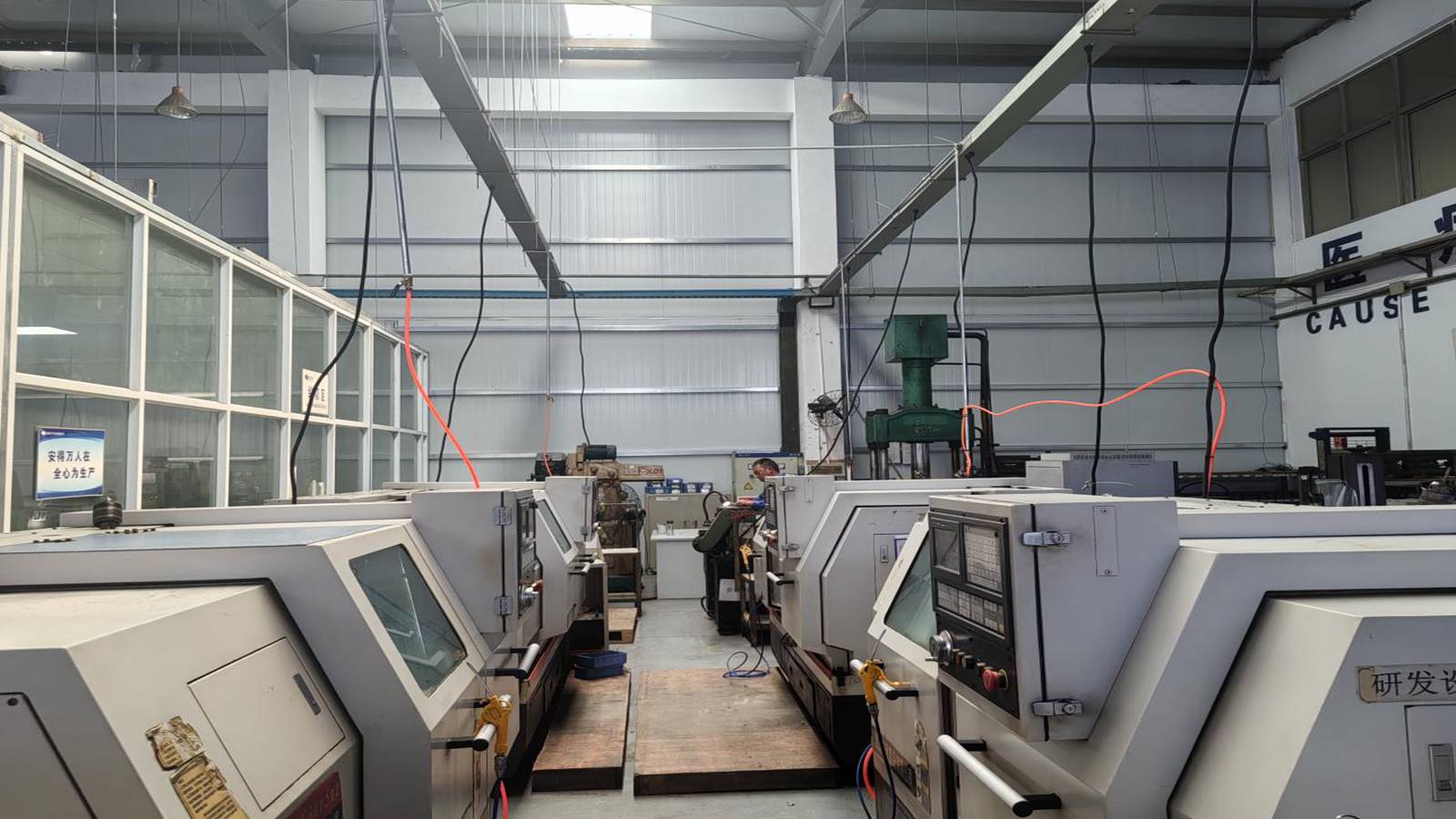
Established in 2016, Medispirex has grown into a leading force in orthopedic implant production. Our state-of-the-art facility covers approximately 18,600㎡. Designed for high-volume manufacturing, the plant is equipped with precision multi-axis CNC machines and automated finishing equipment that meet the strict requirements of international medical device directives.
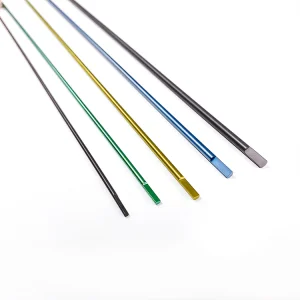
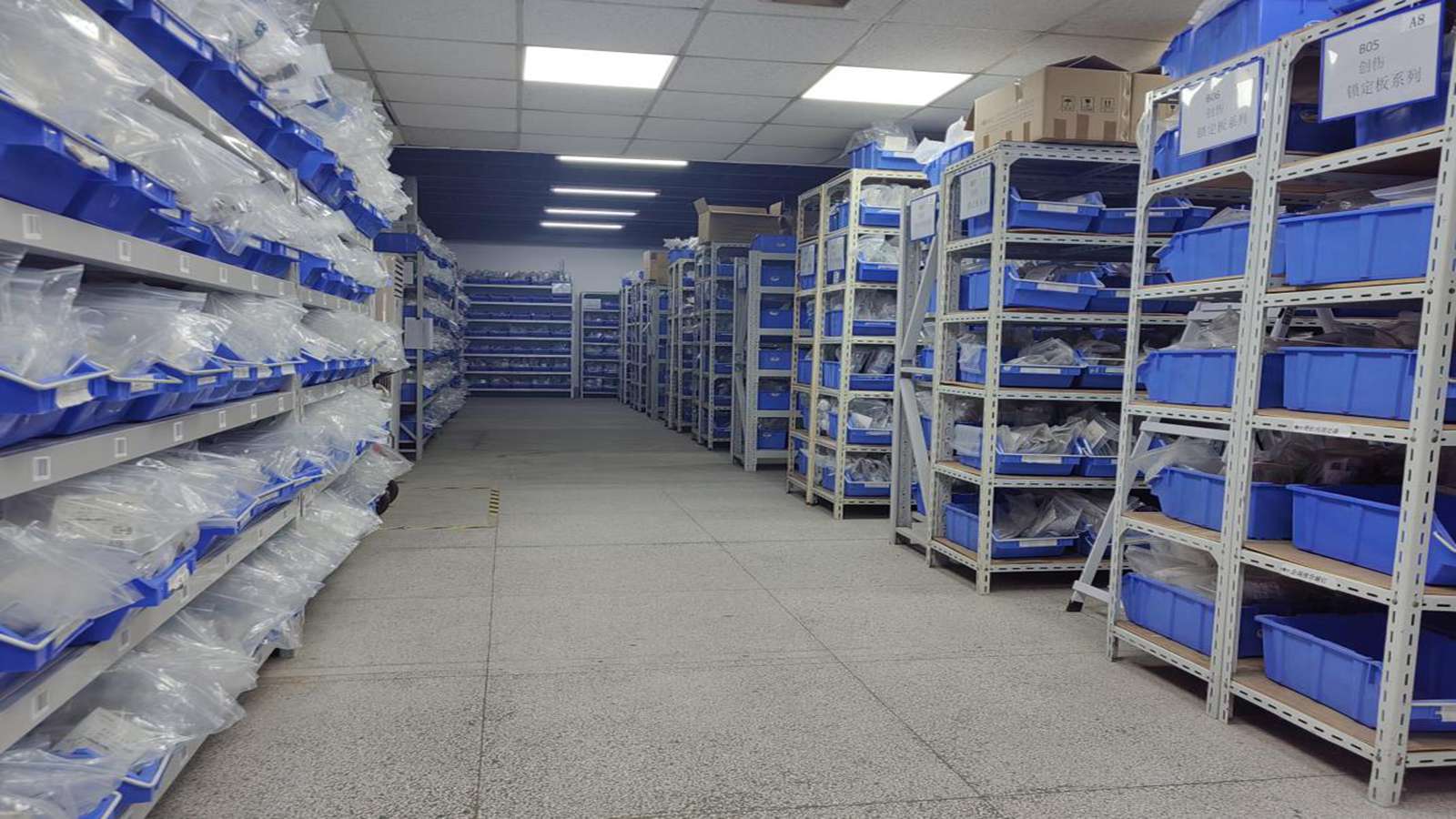
Our operations are supported by a strong supply chain network of roughly 860 upstream and downstream partners. This integration enables consistent material sourcing (including certified surgical-grade titanium bars) and efficient manufacturing workflows. As a result, we reliably achieve an annual export volume of USD 18 million, serving critical healthcare markets across Europe, North America, the Middle East, and Southeast Asia.
Our research and development program is managed by a team of 85 experienced engineers specializing in orthobiologics, mechanical modeling, and finite element analysis (FEA). By analyzing bone-to-implant interface stresses and simulating structural fatigue, our team launched 120 new products over the past year, broadening our portfolio across trauma, spine, joint reconstruction, and sports medicine divisions.
Ensuring clinical safety and reliability through trace-level quality control protocols.
In spinal implant manufacturing, compliance is essential for patient safety. Medispirex operates under a comprehensive quality management system that complies with ISO 13485 guidelines, CE certificates, and FDA requirements. Every stage of manufacturing—from raw bar stock inspection to final sterile packaging—is logged in our digital batch traceability system, ensuring complete accountability for every material lot.
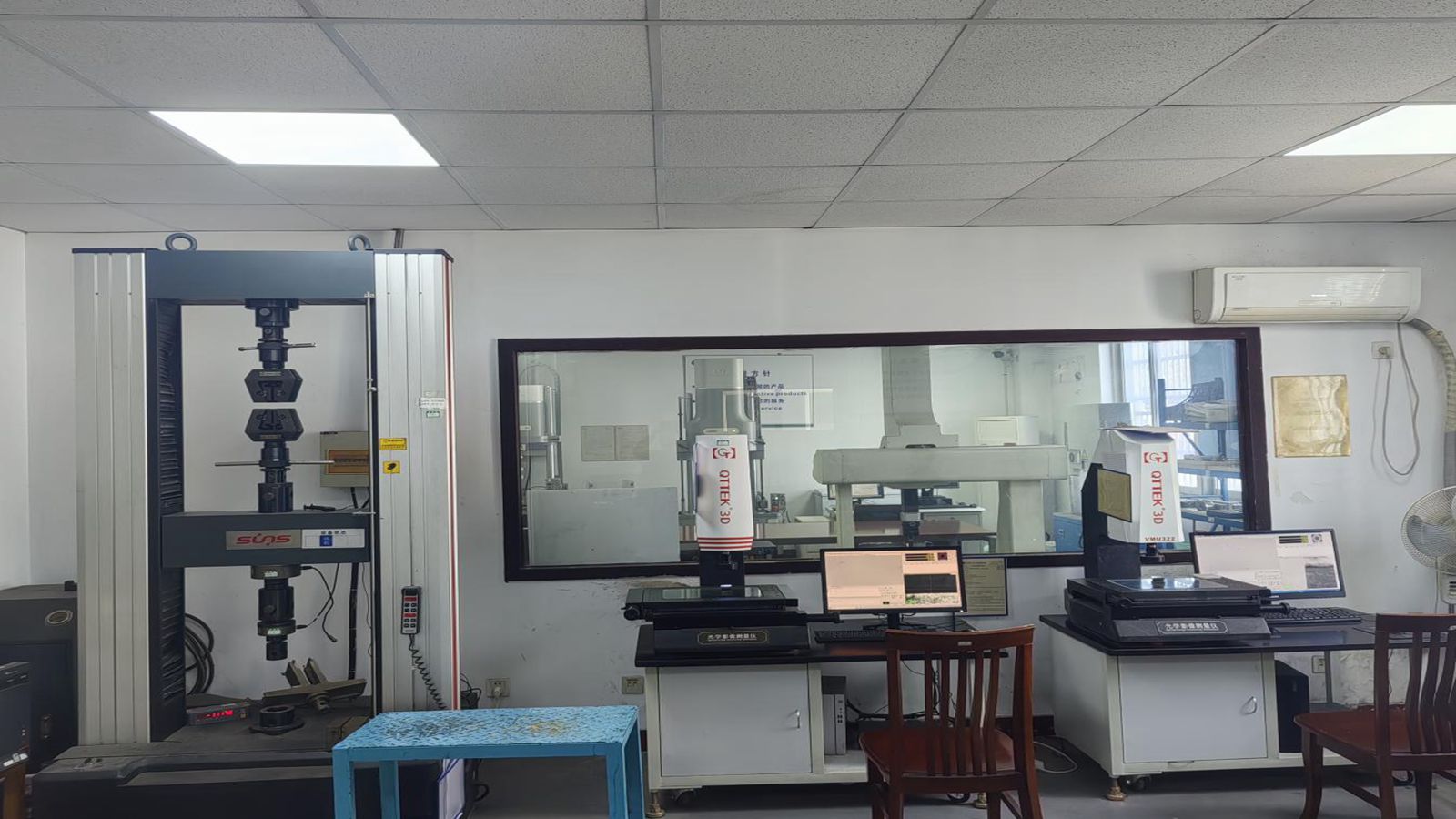
Our quality assurance program is managed by 45 dedicated QC professionals. The QA laboratory employs rigorous testing methods, including optical emission spectroscopy for alloy composition verification, coordinate measuring machines (CMM) for dimensional verification within micron tolerances, and dynamic fatigue testing to simulate long-term physiological loads (conforming to ASTM F1717 and ASTM F2193 standards).
| Evaluation Parameter | Standard Applied | Methodology / Equipment | Acceptance Criteria |
|---|---|---|---|
| Chemical Composition | ASTM F136 / ISO 5832-3 | Optical Emission & ICP Spectroscopy | Ti-6Al-4V ELI conforming limits |
| Dimensional Accuracy | Internal CAD Specifications | Multi-Sensor 3D Coordinate Metrology | Tolerances within ±0.01 mm |
| Static & Dynamic Fatigue | ASTM F1717 / ASTM F2193 | Servo-Hydraulic Test Frames (5M cycles) | No cracking/deformation under load |
| Surface Finish Inspection | ISO 4287 | Stylus Profilometry & SEM Analysis | Ra ≤ 0.4 μm (polished surfaces) |
| Sterility Assurance | ISO 11137-1 / ISO 11137-2 | Gamma Irradiation / Ethylene Oxide (EO) | SAL 10⁻⁶ standard |
To support global medical distributors, we provide localization assistance including regulatory dossier support (CE Technical Files, FDA 510(k) submissions), custom labeling, and multi-language surgical manuals. This helps importers streamline their registration processes and accelerate market entry.
Tailored implant geometries and proprietary private label delivery pipelines.
We recognize that clinical requirements and distributor markets vary globally. Medispirex offers flexible contract manufacturing, private labeling, and custom engineering services. B2B partners can specify variations in plate lengths, spacer step heights, screw locking configurations, and anodization finishes to align with local anatomical preferences or competitive strategies.
Our OEM/ODM workflow is structured to minimize time-to-market while ensuring strict compliance:
Our engineers transform customer specifications or surgical requests into 3D CAD models, optimizing plate thickness and load-bearing performance using finite element analysis.
Prototype samples are machined using dedicated R&D CNC lines and subjected to physical load testing to verify mechanical limits before production tooling begins.
Following validation, products transition to high-volume manufacturing with options for custom laser etching, cleanroom assembly, and sterile packaging.
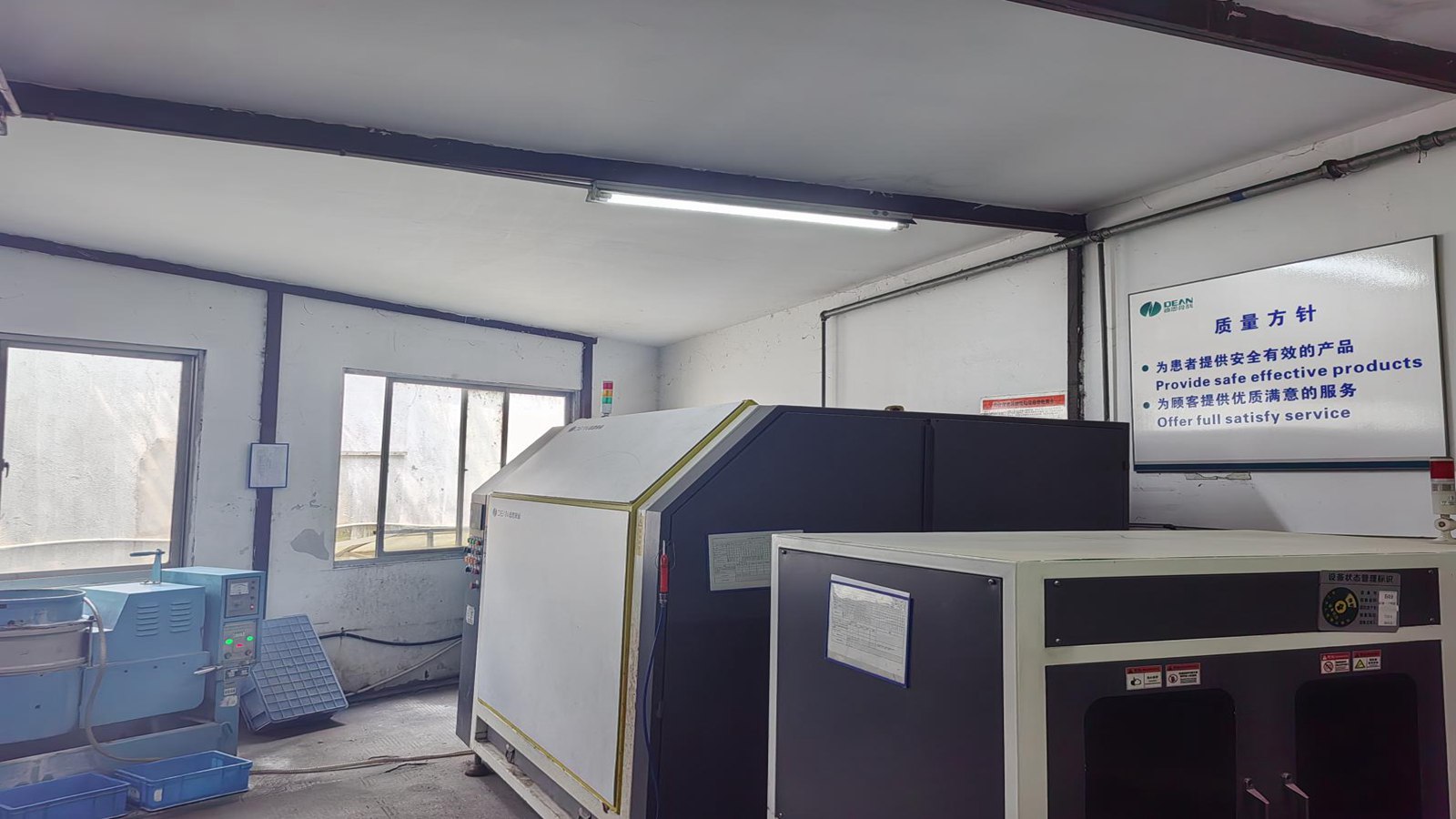
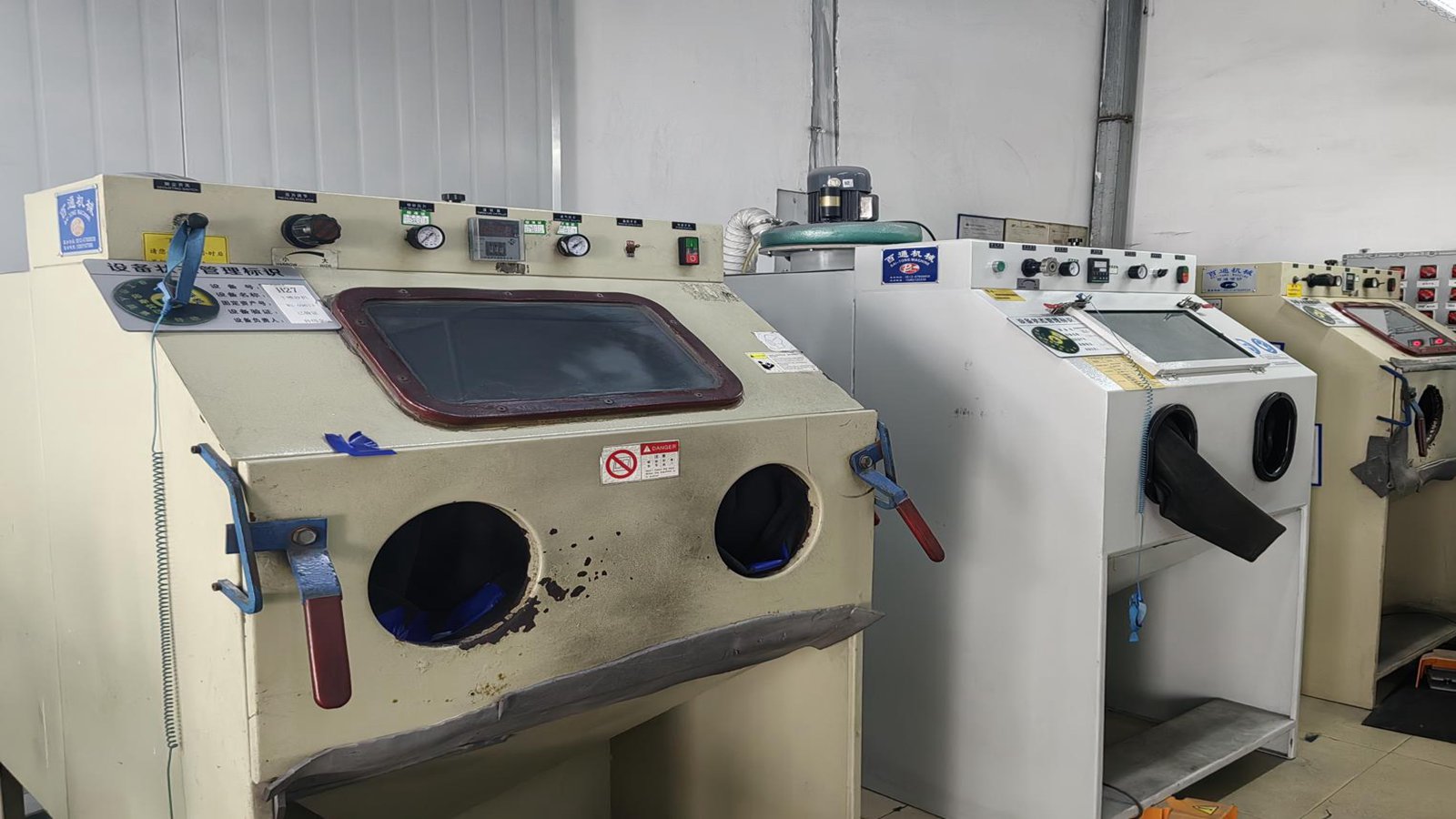
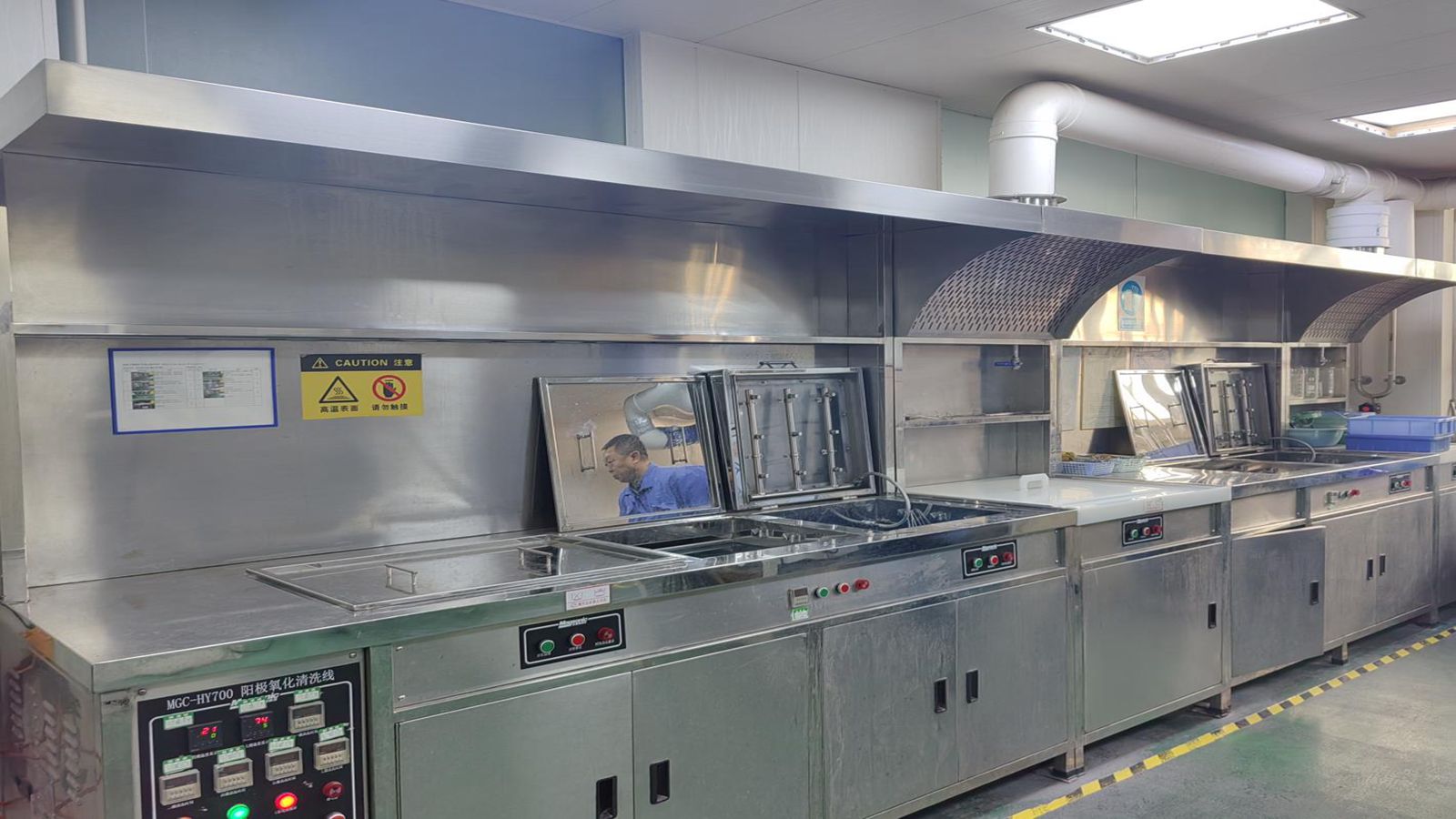
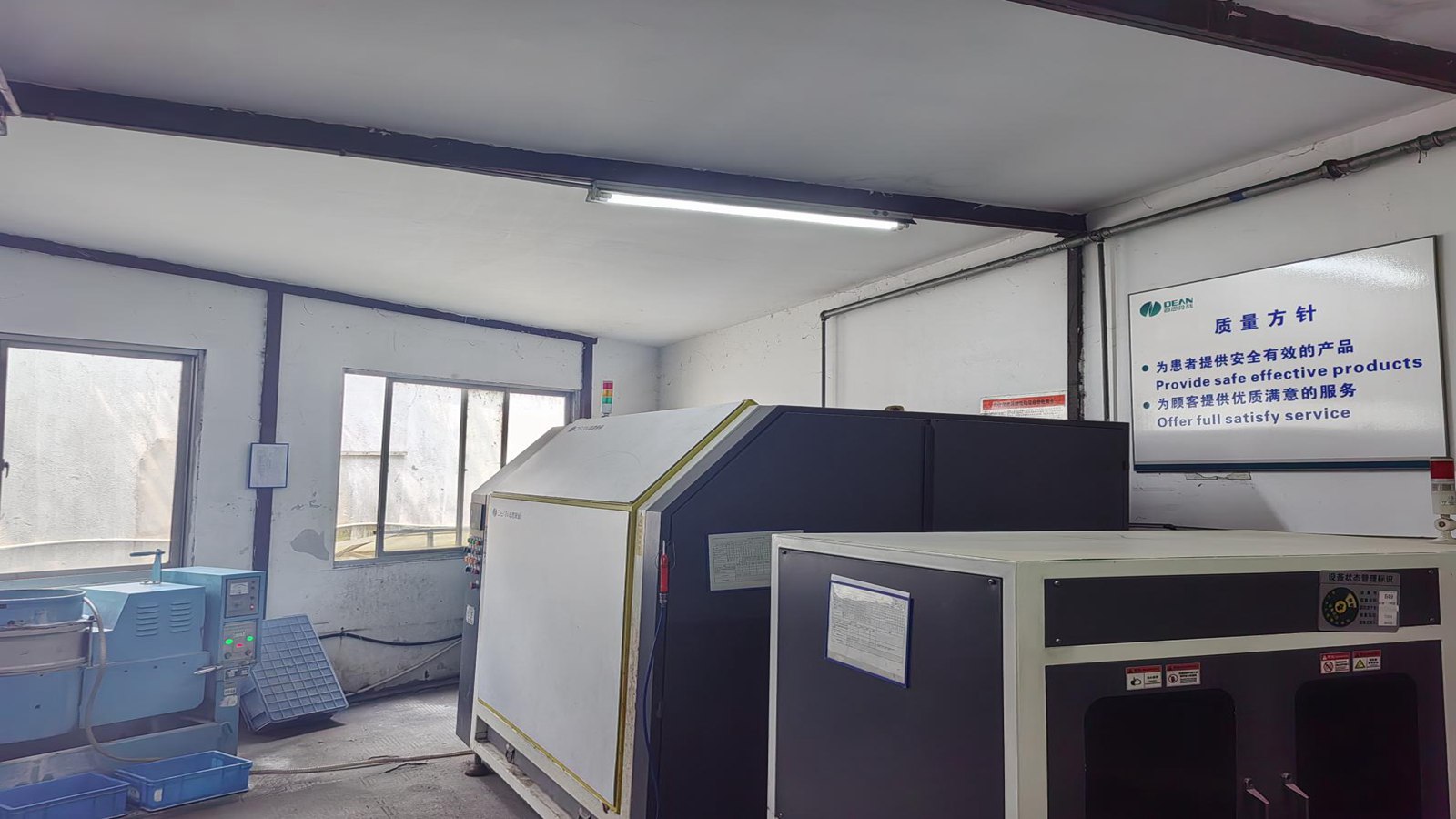
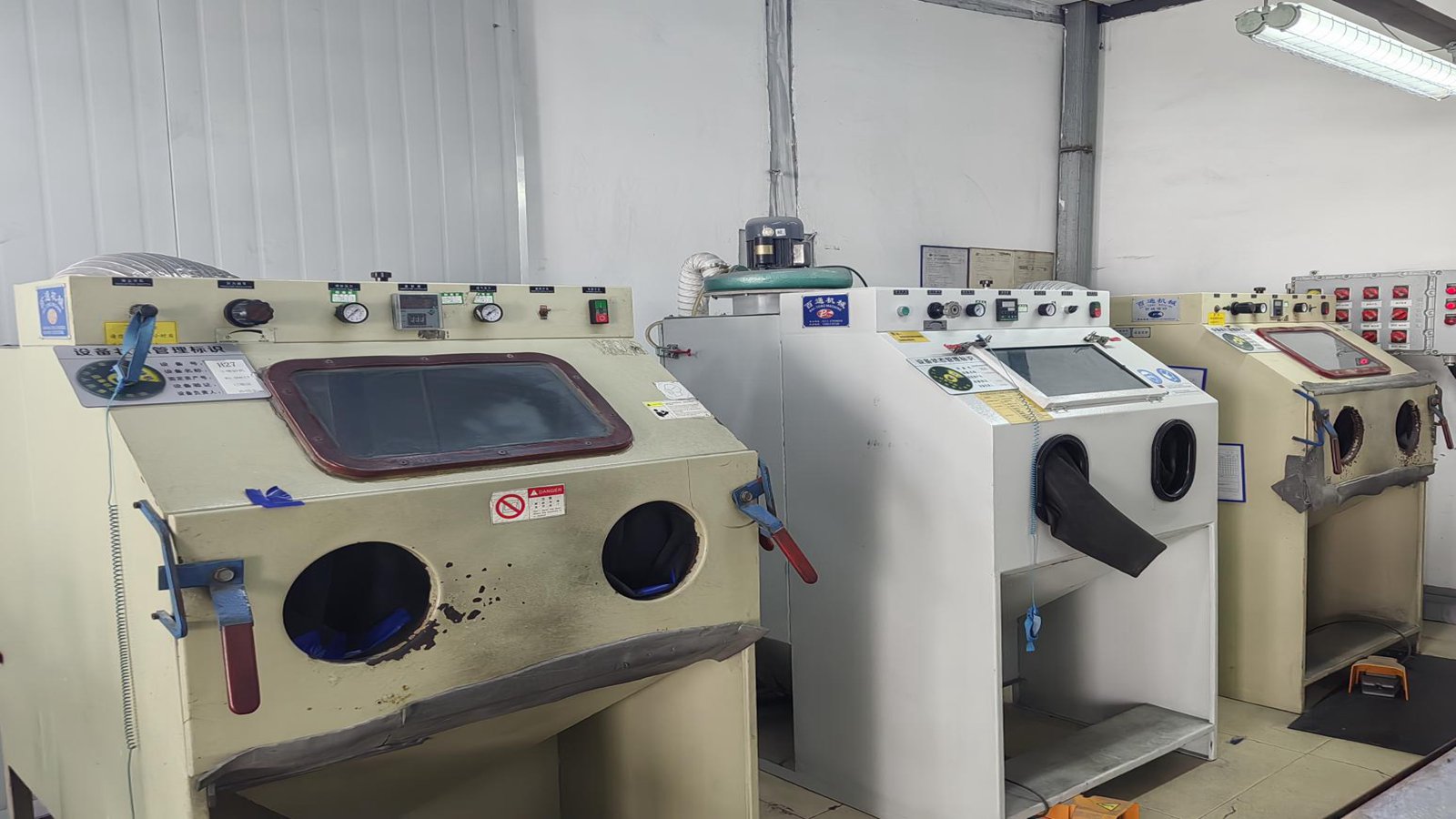
Inside the Medispirex facility: showcasing the integration of high-precision equipment, surface finishing, and quality control.
Monitoring technological shifts to provide future-ready implant systems.
The field of posterior cervical spinal reconstruction is transitioning toward systems that minimize tissue disruption and support natural movement. Emerging trends include the adoption of dynamic laminoplasty plates that allow for micro-motion along the hinge side while maintaining structural spacing. This design helps minimize structural rigidity issues at adjacent spinal segments, lowering the incidence of adjacent segment disease (ASD)—a common complication of rigid fusion procedures.
Additionally, material science advances are introducing hybrid constructs, such as titanium-coated polyetheretherketone (PEEK) designs and 3D-printed porous titanium scaffolds. These structures mimic the mechanical properties of trabecular bone, encouraging rapid bone ingrowth and integration while preserving post-operative MRI radiolucency. Medispirex continues to invest in these advanced technologies, ensuring our distributors have access to competitive, high-performance spinal solutions.
Essential information for orthopedic procurement managers, import coordinators, and clinical evaluators.
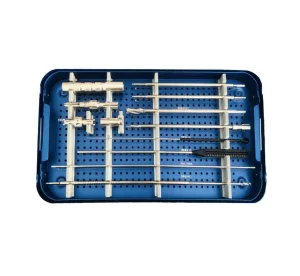
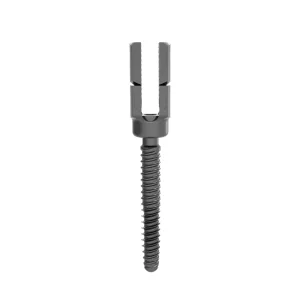
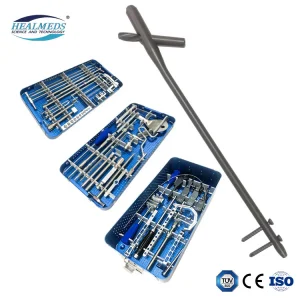
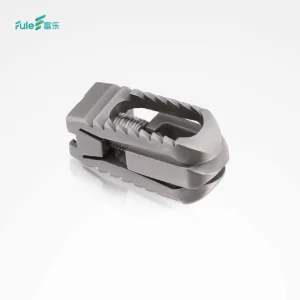
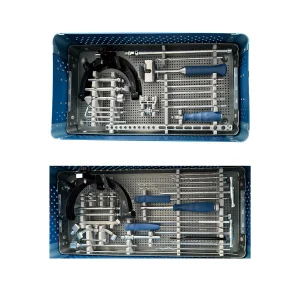
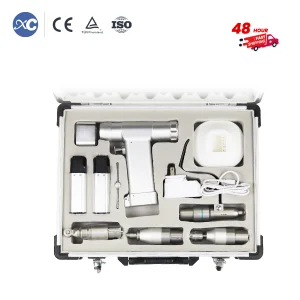
Complete your catalog with our advanced orthopedic instrument sets and specialized reconstructive implants.