Medispirex
Medispirex
Medispirex
Established
Production Facility
Annual Export Volume
R&D Engineers
Quality Control Experts
Clinical-grade surgical instrumentation and implant systems developed for global medical distribution.
Understanding the clinical performance requirements and pitch mechanics of modern bone reconstruction.
The primary mechanism of headless compression screws relies on the thread pitch differential between the distal and proximal ends. By utilizing a wider pitch at the tip and a narrower pitch at the trailing portion, the screw compresses the osteotomy or fracture interface dynamically as it advances, stabilizing bone fragments without requiring a traditional screw head.
A central hollow channel (cannulation) allows for the precise placement of guide wires under fluoroscopic guidance. This minimal-access path reduces surgical error, ensuring concentric insertion into scaphoid bones, femoral necks, or osteochondral lesions before the screw is guided and driven home.
Standard bone screws have prominent heads that can cause joint irritation, tissue friction, and discomfort in areas with thin subcutaneous coverage (e.g., foot, wrist, patella). Headless screws sink flush or below the articular cartilage line, facilitating early joint mobilization and improved patient outcomes.
In clinical osteosynthesis, managing compression forces is vital. Over-compression can trigger bone necrosis, whereas under-compression results in micro-motion and nonunion. Specialized manufacturers like Medispirex Orthopedic Technology Co., Ltd. combine computational biomechanics and strict metal fabrication standards to engineer headless cannulated implants. This ensures stable interfragmentary pressure across various diameters (ranging from mini 1.5mm / 2.0mm options to large 6.5mm / 7.3mm screws).
Why leading global medical distributors rely on Chinese precision engineering for high-volume implant supply.
Established in 2016, Medispirex Orthopedic Technology Co., Ltd. has developed a state-of-the-art 18,600㎡ production complex dedicated to spine, trauma, and joint reconstruction technologies. With a focus on research and industrial-scale manufacturing, we bridge the gap between high-end biomechanics and cost-effective medical supply chains.
Exporting USD 18 million annually, serving hospitals and distributors globally.
Supported by 7 years of export history and over 12 years of industry experience.
Managed by 85 dedicated R&D engineers who launched over 120 new products last year.
Medispirex utilizes strict quality management systems (QMS) matching CE, ISO 13485, and Class III standards. Material traceabilities are fully documented, ensuring raw materials comply with biocompatibility directives.
We source only high-grade medical alloys: Titanium Alloy Ti-6Al-4V ELI (ASTM F136) and cobalt-chrome formulations. This ensures high fatigue strength, bio-inertness, and excellent visibility under imaging systems.
Through flexible operations, we provide private-label branding, customized thread profiles, and specialized surgical kit designs to match targeted osteological demands in regional markets.
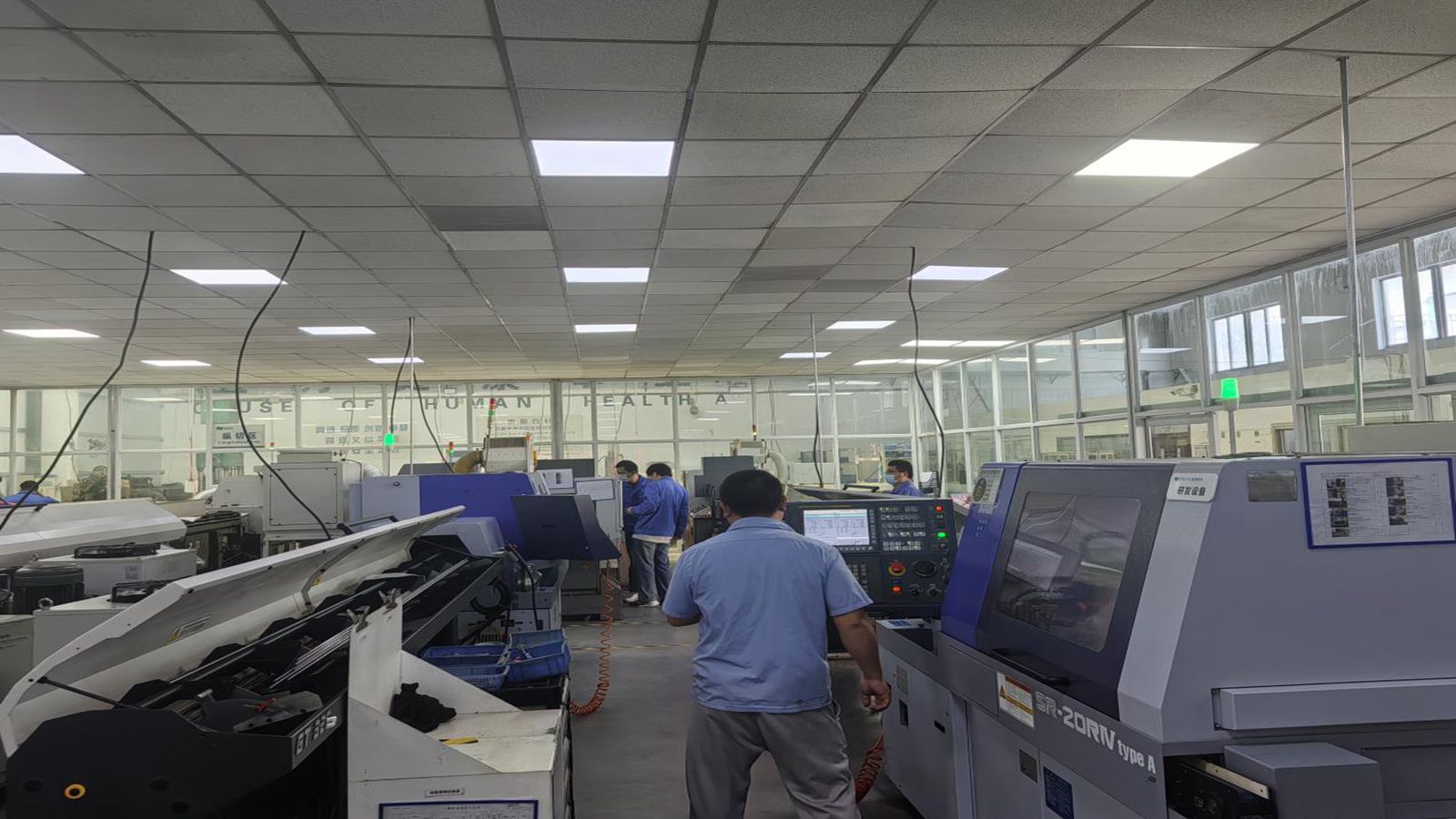
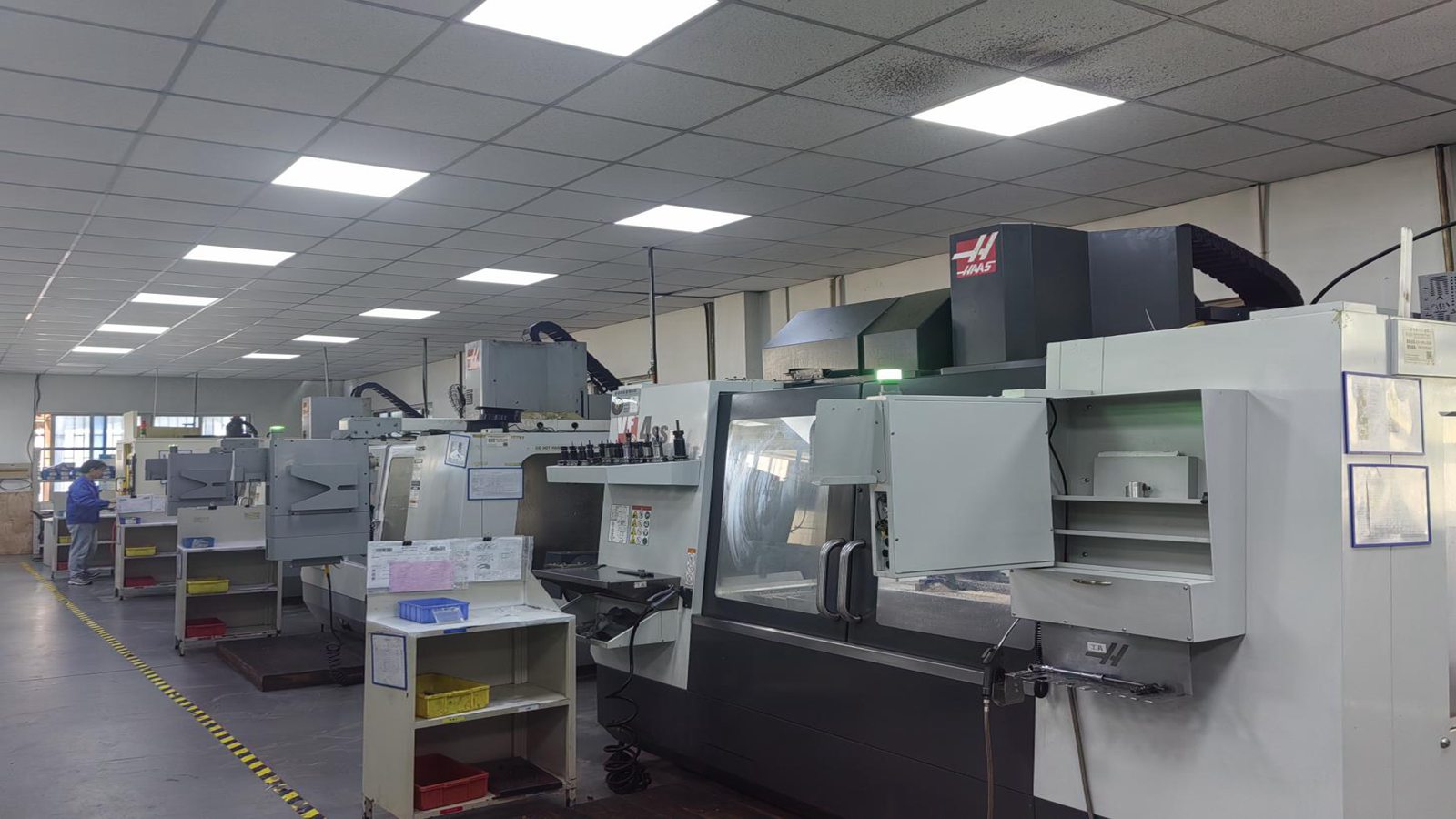
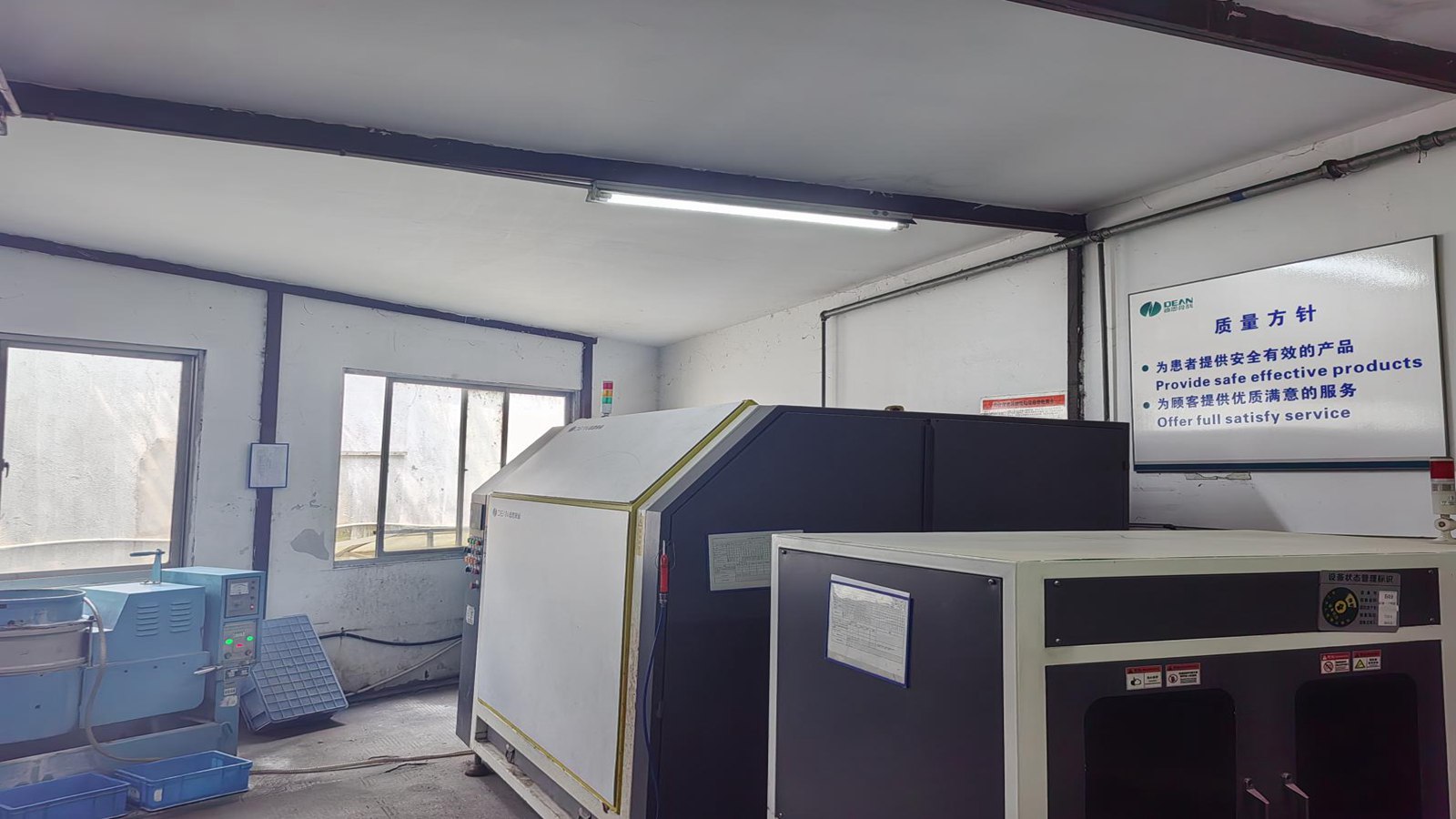
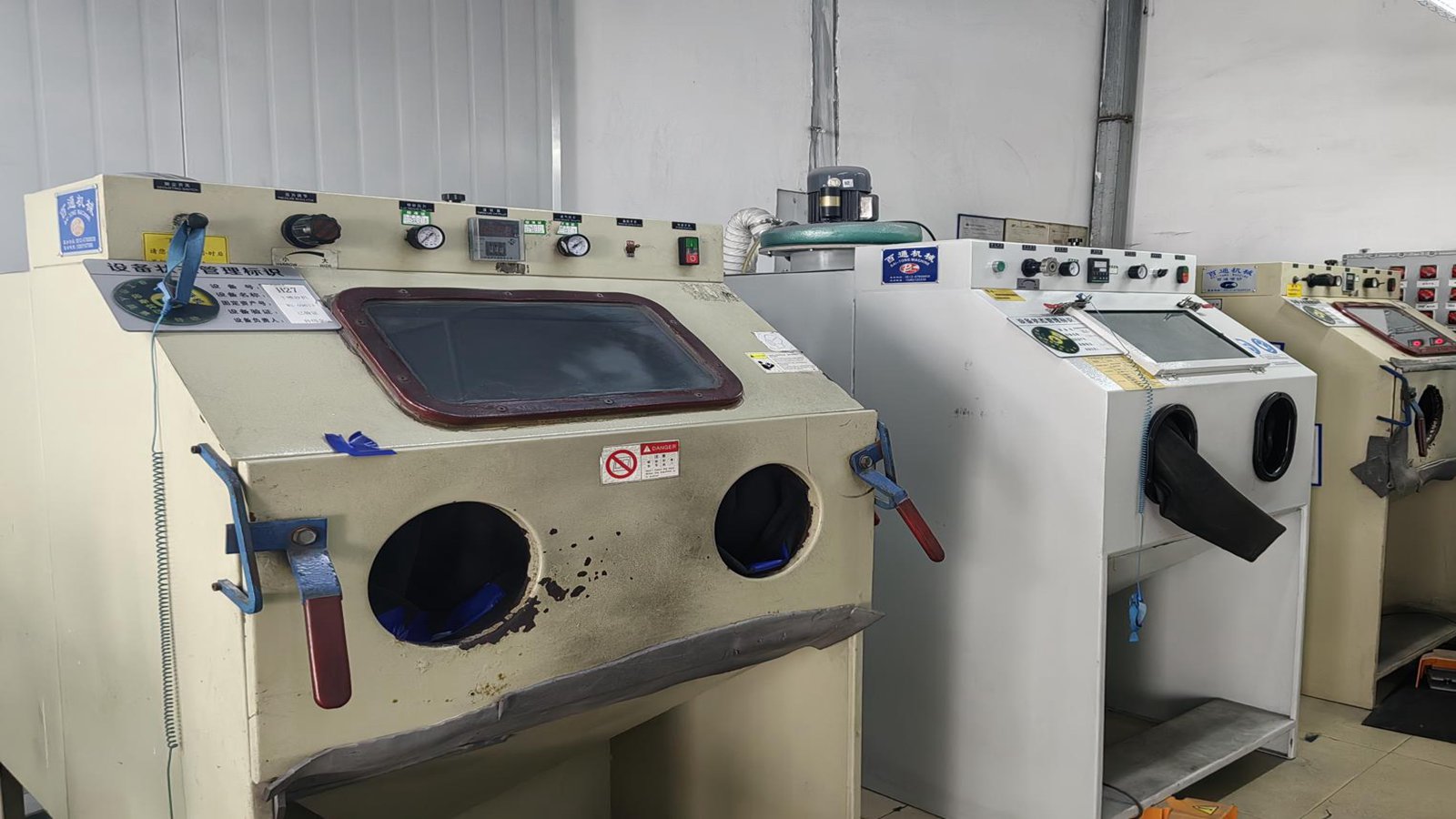
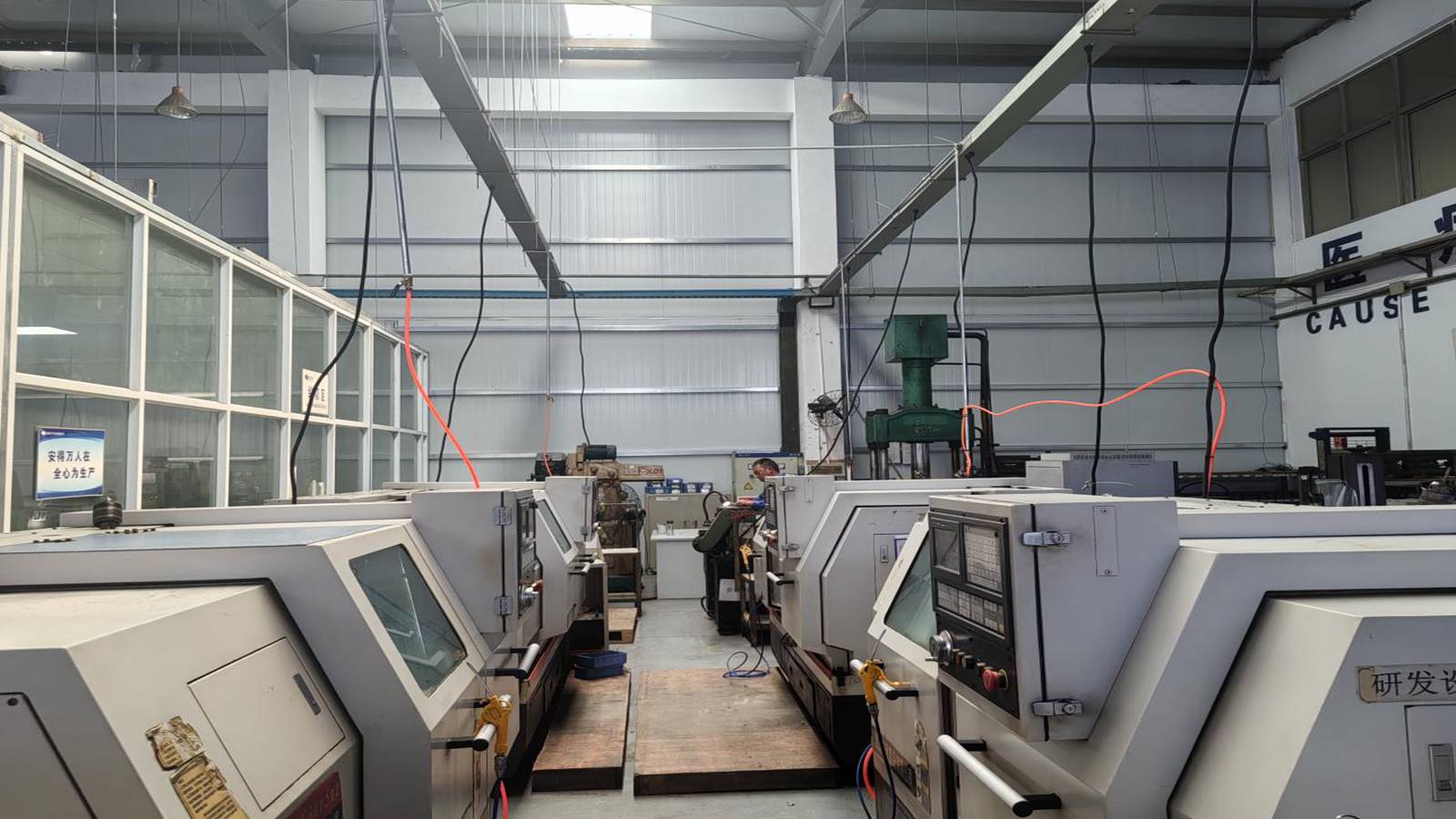
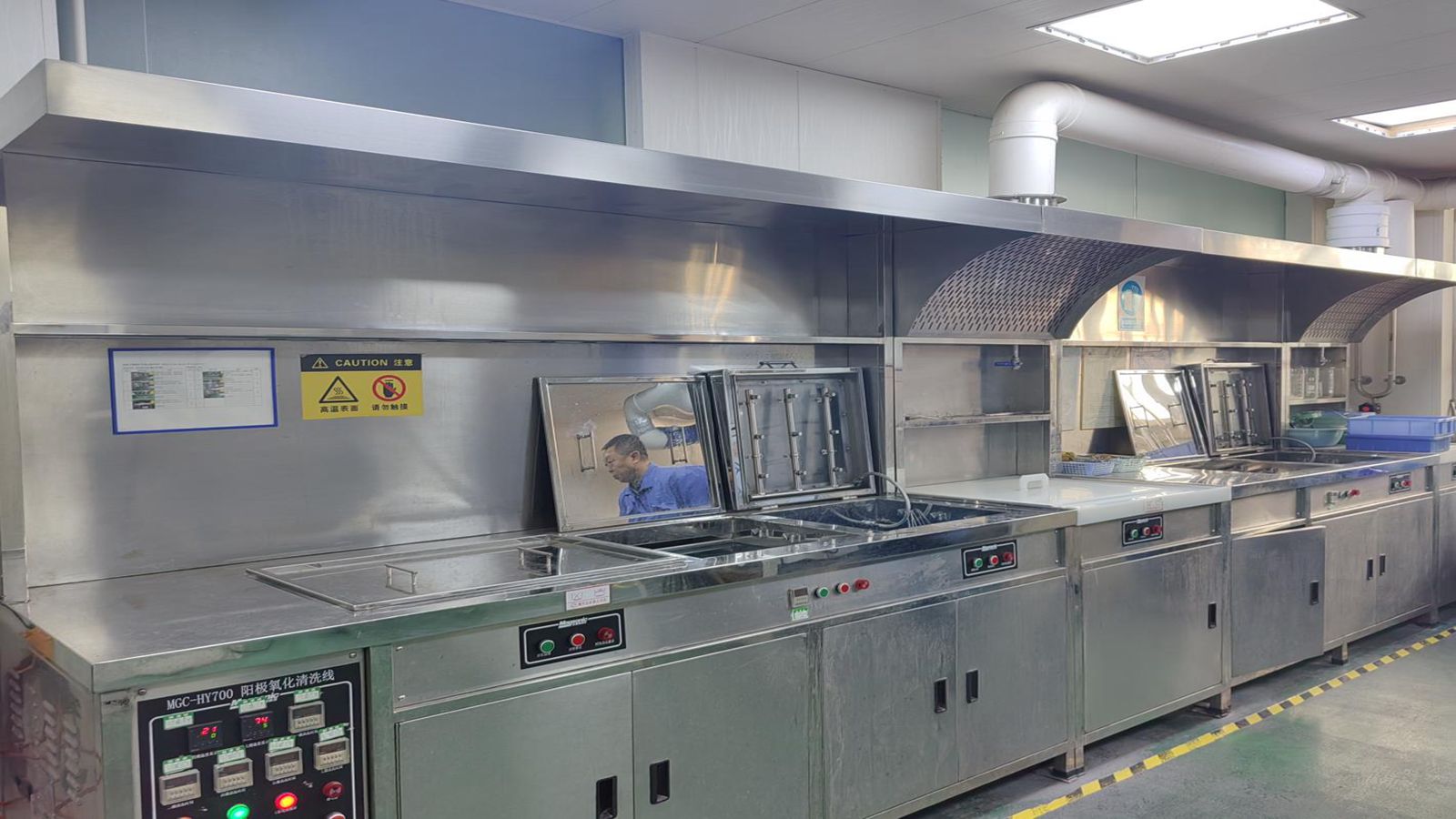
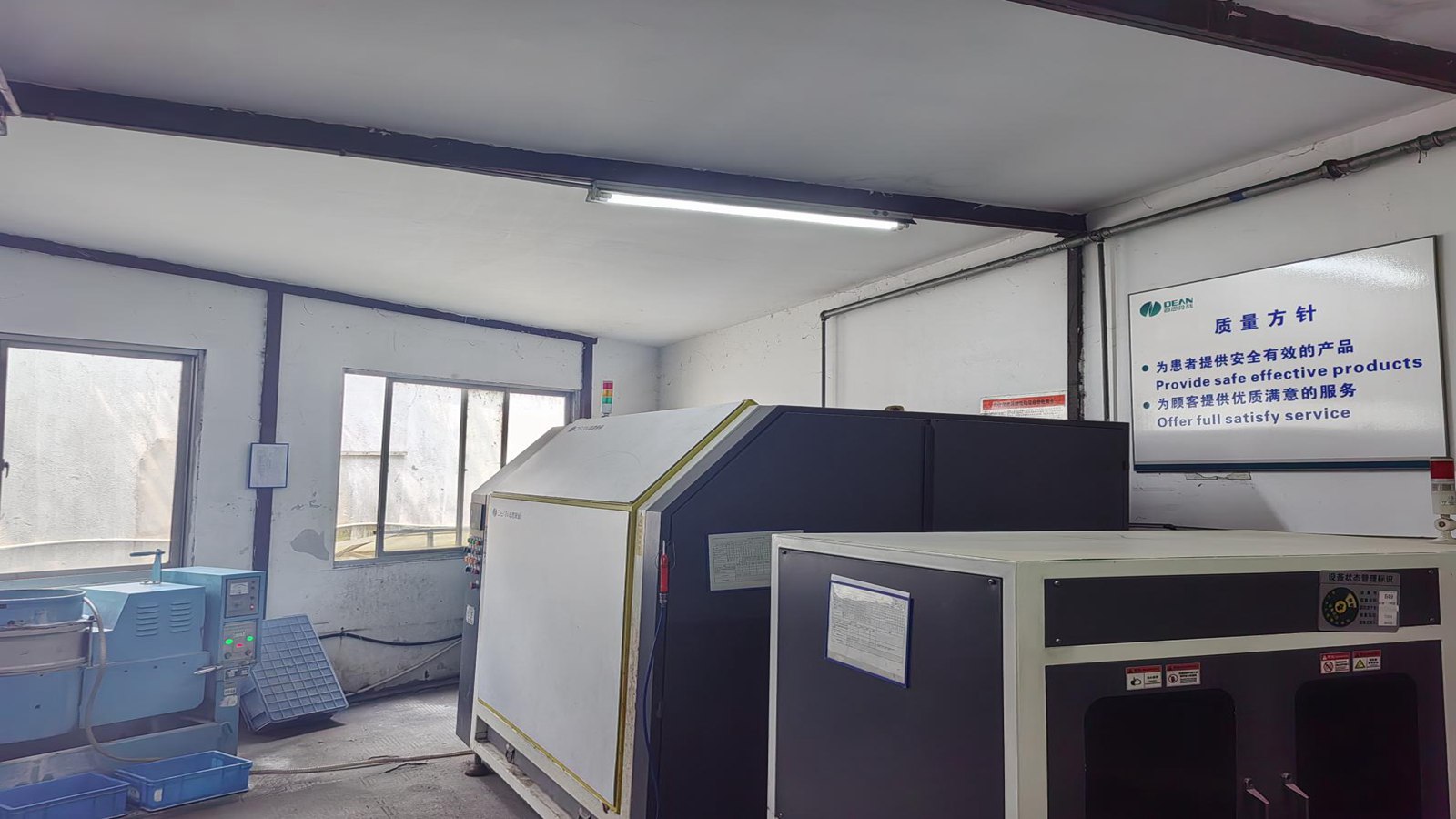
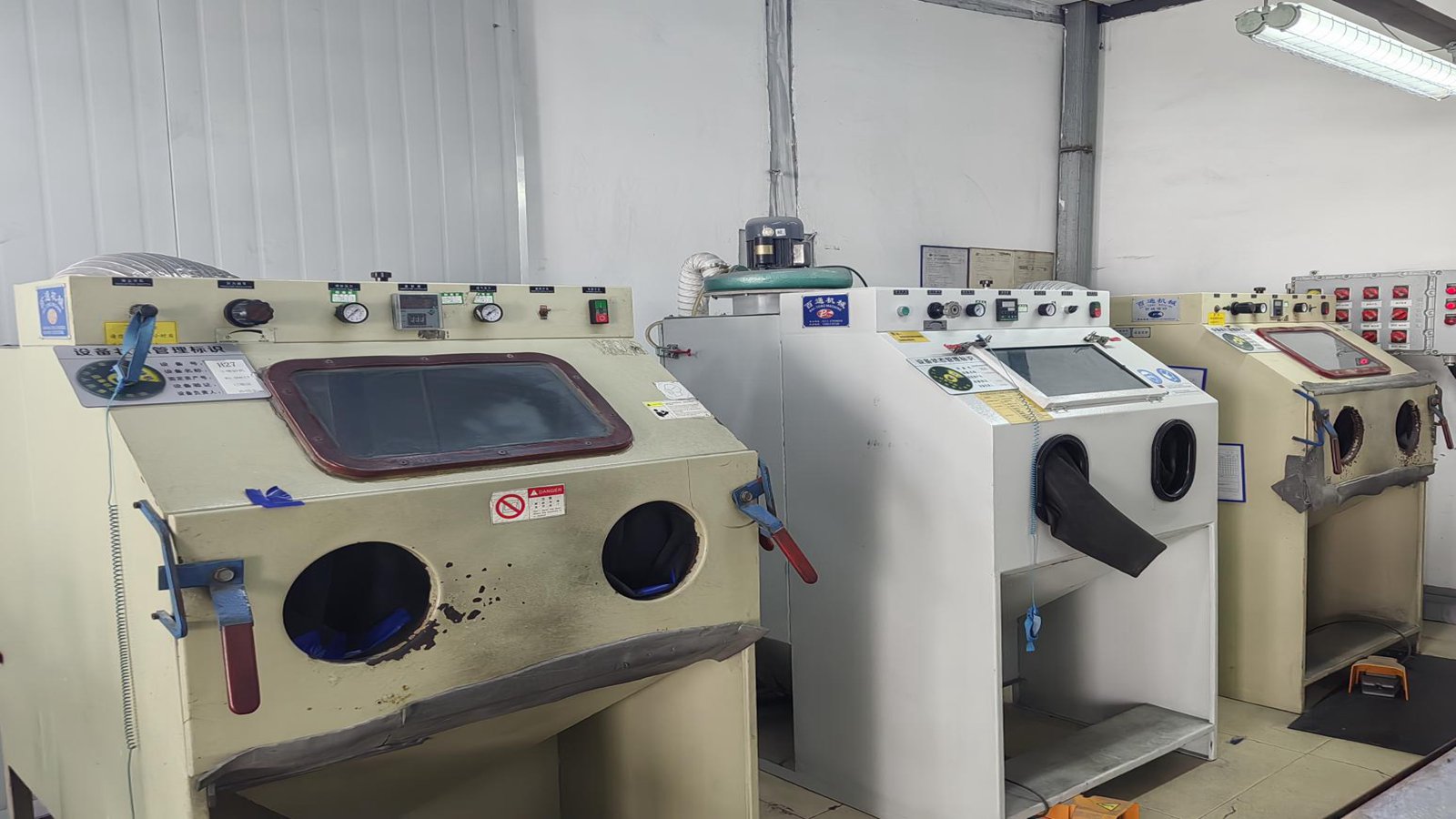
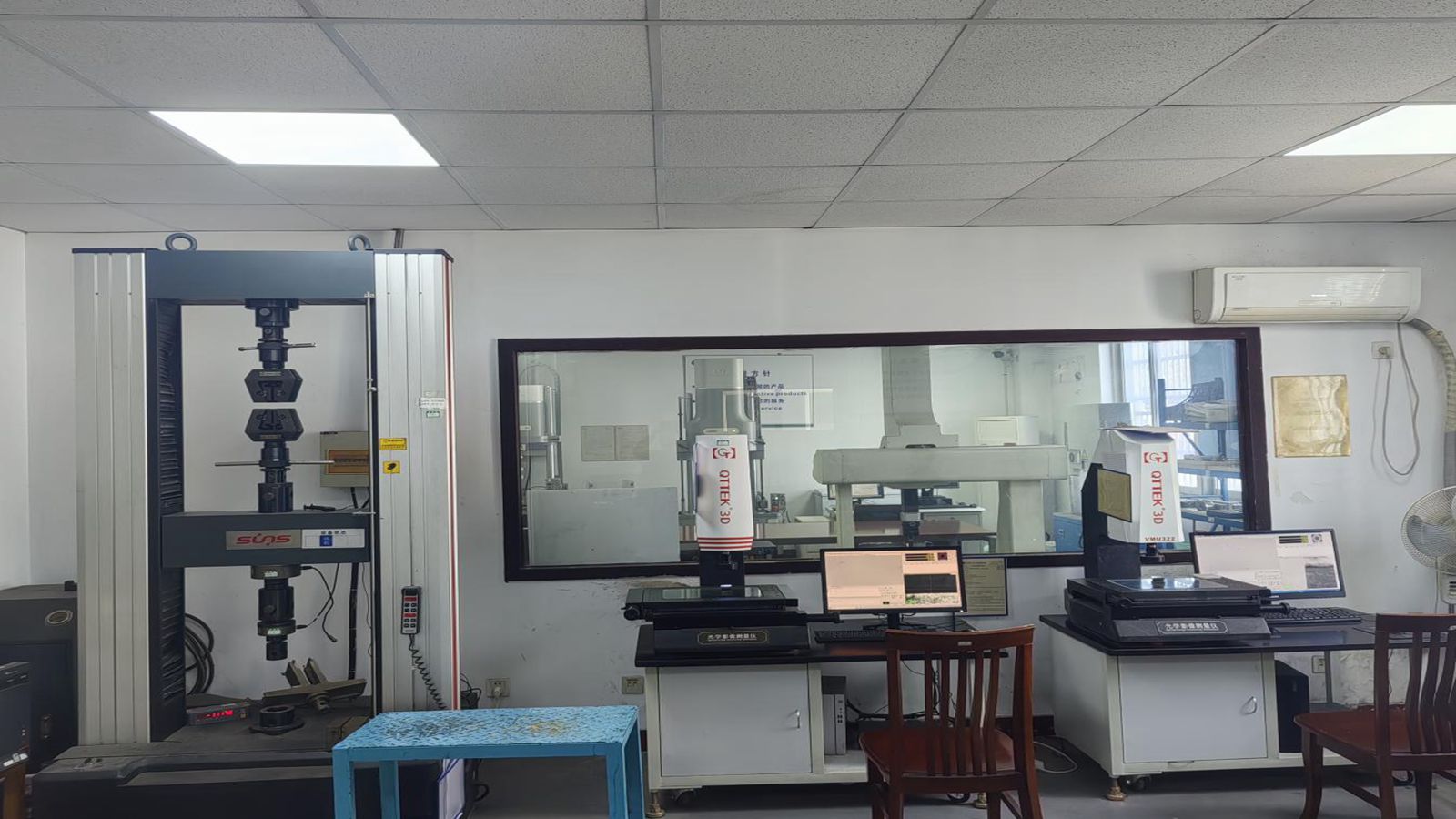
Inside our facilities: CNC precision machining, polishing, cleanrooms, and testing facilities.
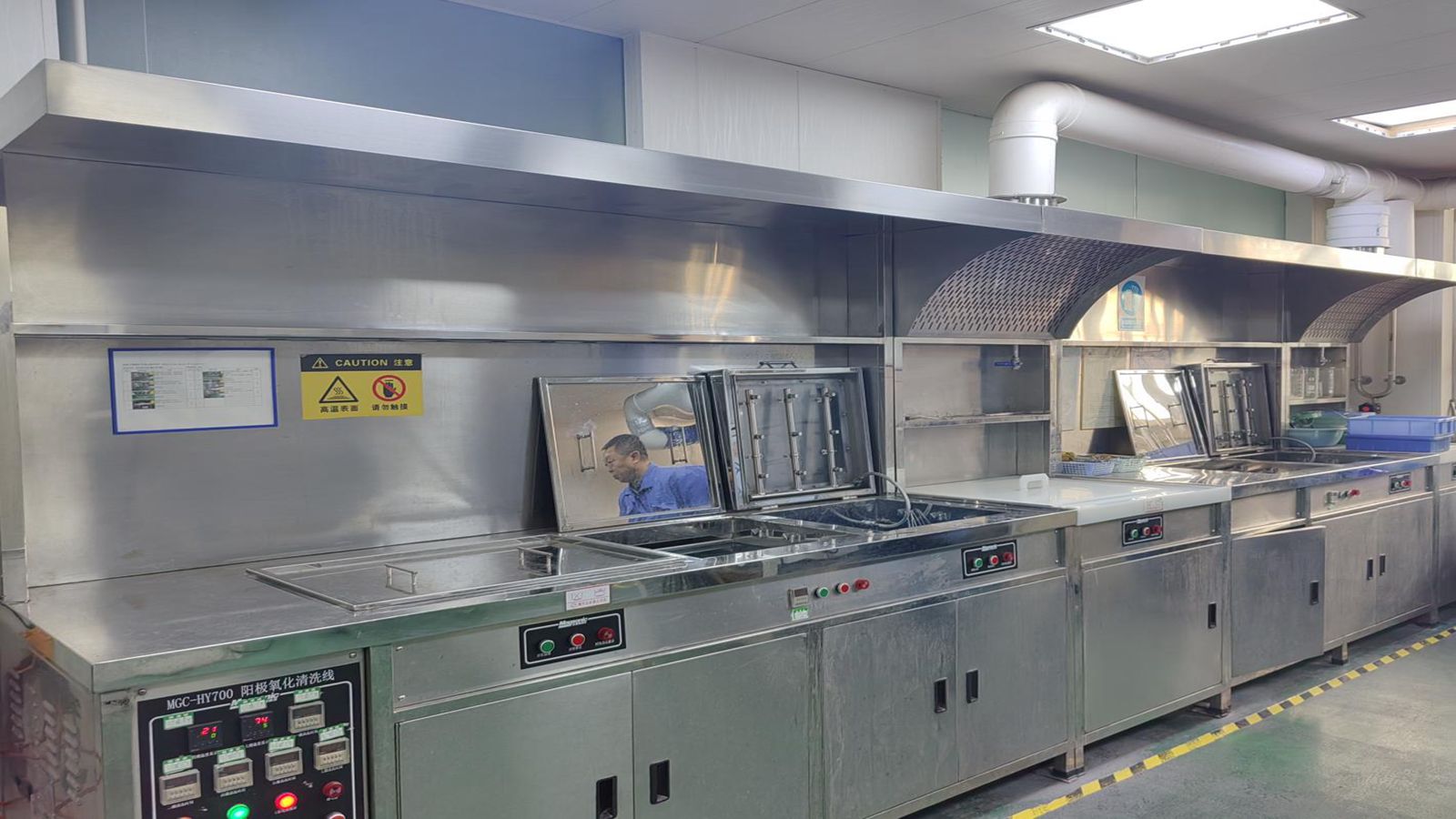
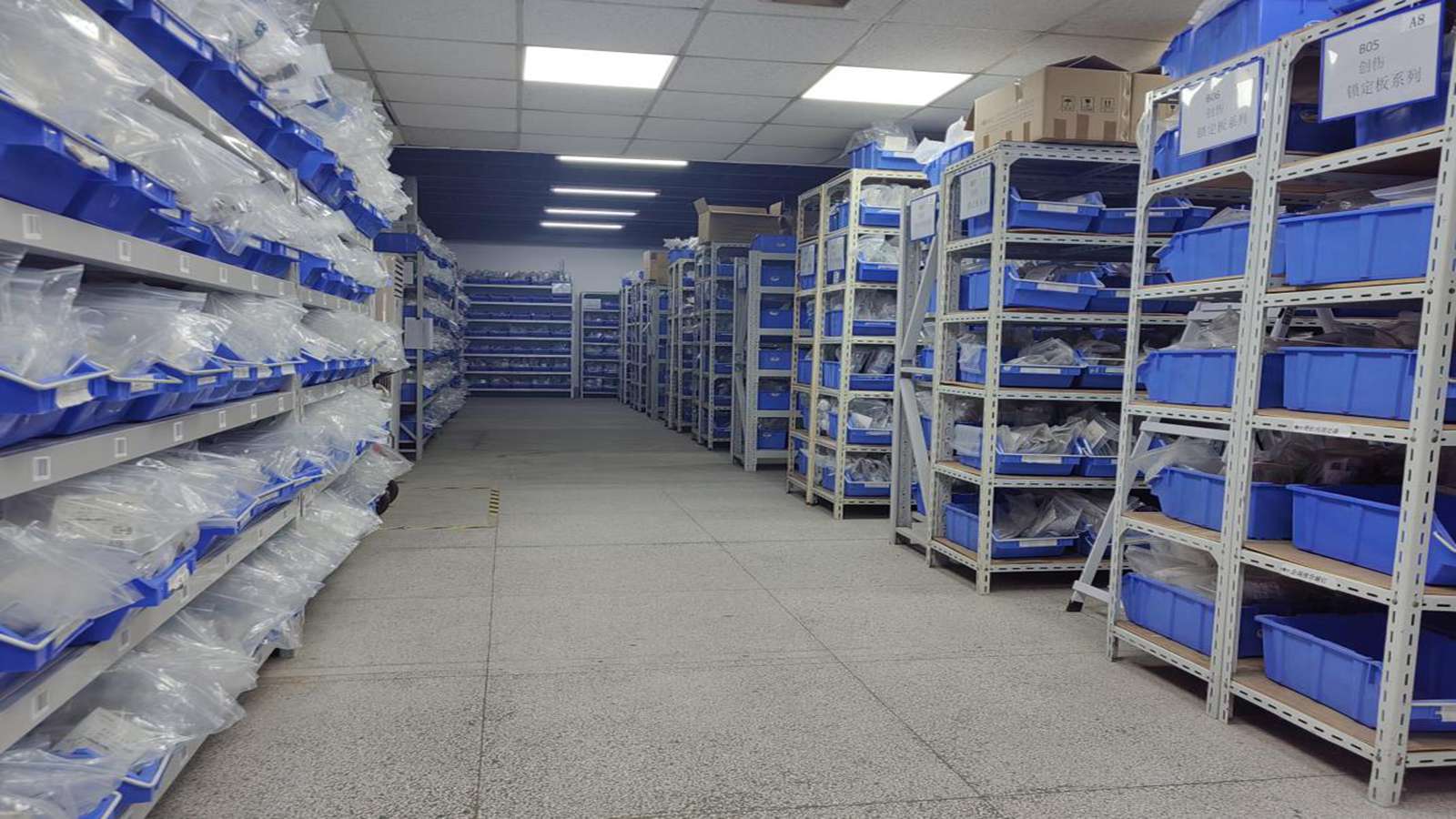
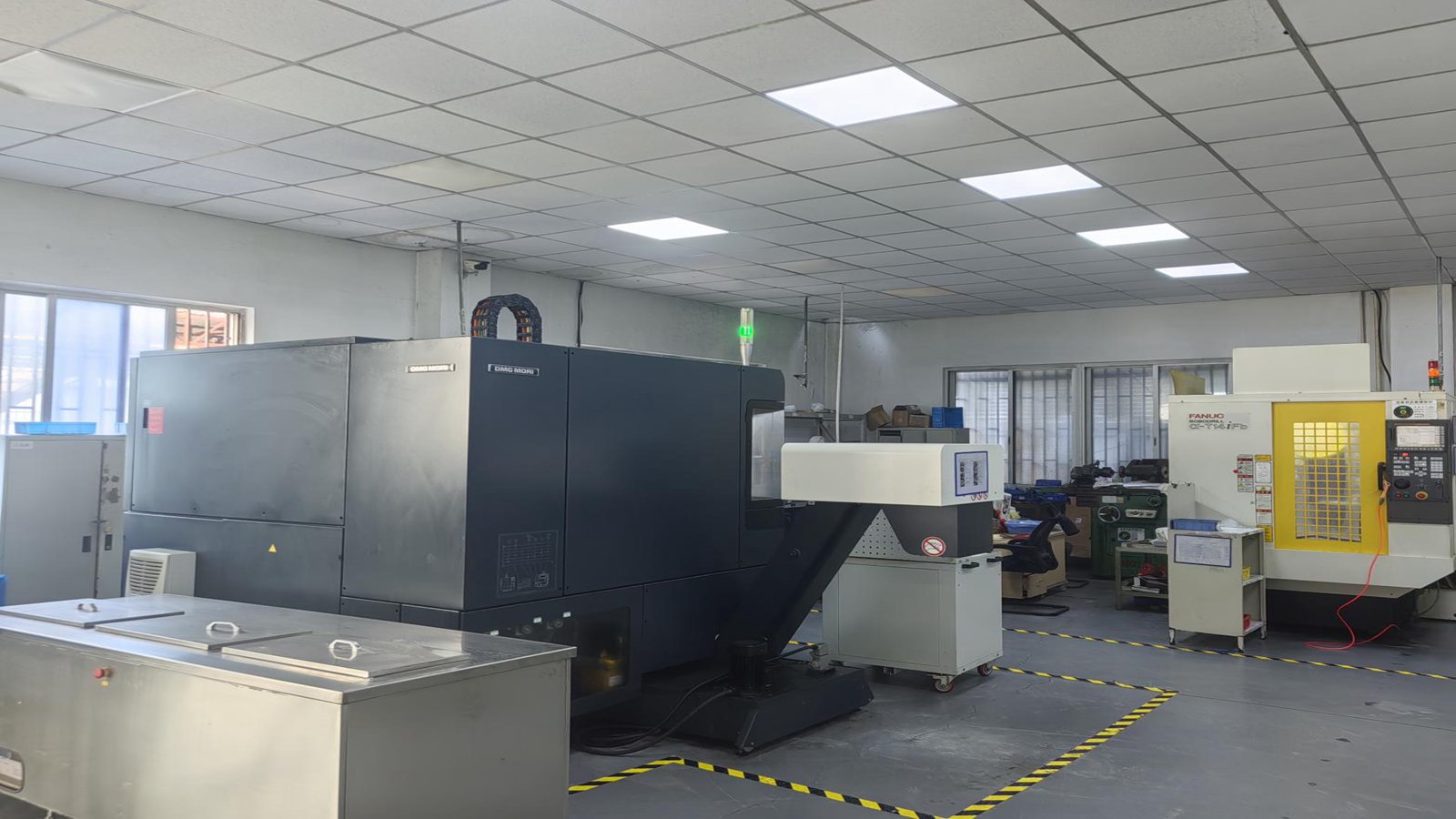
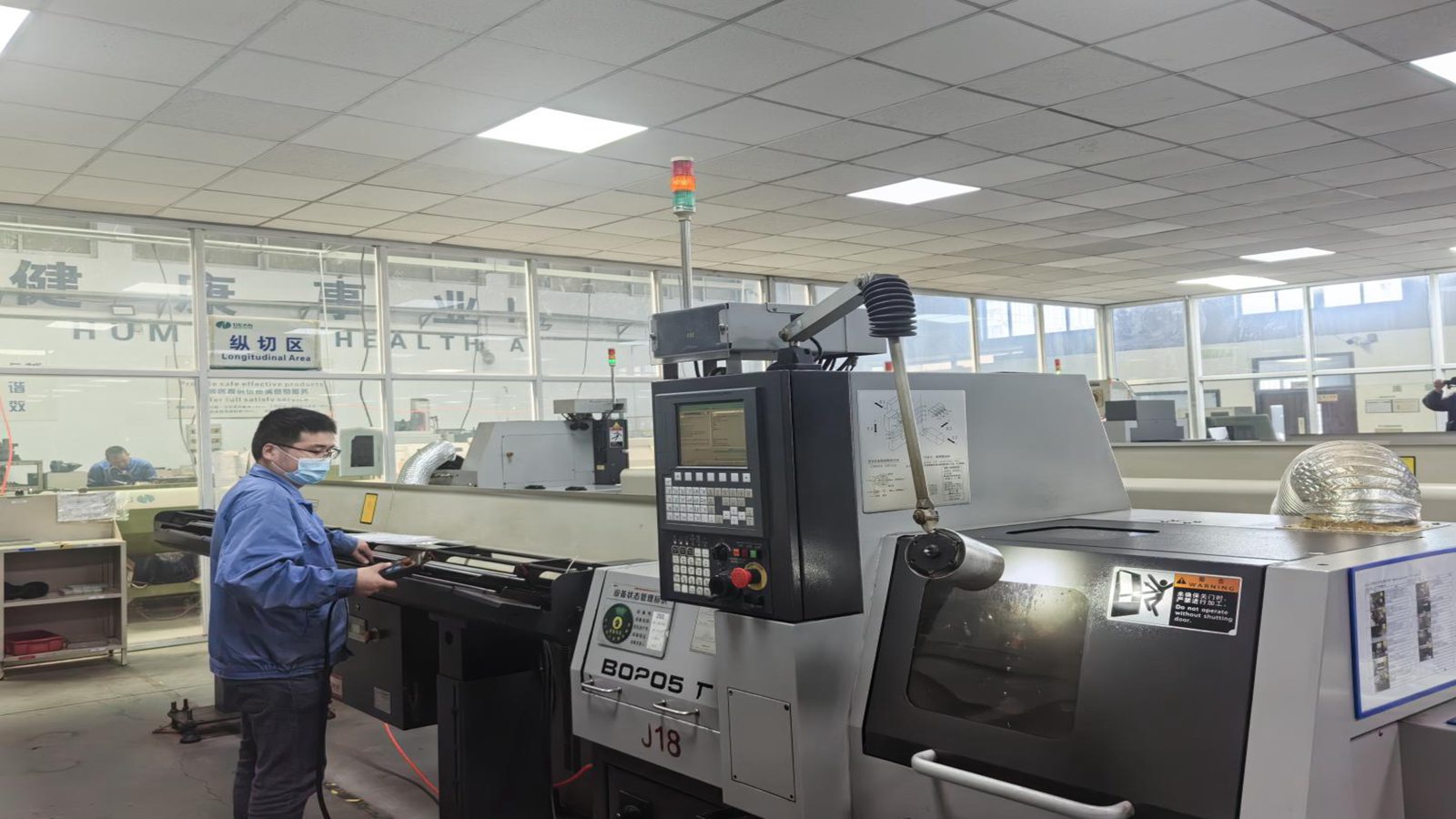
Technical comparison chart detailing the mechanical features of headless screw lines.
| Screw Subclass | Target Diameters (mm) | Recommended Clinical Use | Mechanical Advantages | Standard Material Grade |
|---|---|---|---|---|
| Micro Headless | 1.5mm - 2.5mm | Phalangeal, metacarpal, carpal fractures (Scaphoid) | Zero articular irritation, ultra-low profile | Titanium Alloy Ti-6Al-4V ELI |
| Mini Headless | 3.0mm - 4.5mm | Radial head, tarsal arthrodesis, distal tibia osteotomies | High torsional tolerance, guide-wire matched | Titanium Alloy Ti-6Al-4V ELI |
| Large Cannulated | 6.5mm - 7.3mm | Femoral neck fractures, slipped capital epiphyses | Maximum pullout force, deep cancellous thread | Medical Grade Stainless Steel / Titanium |
How shift in demographic needs and surgical technologies is changing modern trauma hardware.
Modern surgical suites prefer operations through minimal incisions to avoid excessive muscle damage. This shift increases the demand for guide-wire driven implants. Cannulated implants are essential for these systems, reducing patient recovery times and infection risks.
Surgical suites now use 3D printing and digital imaging to simulate operations. We adapt to this trend by configuring patient-specific implants and tool boxes that match personalized anatomies, bridging raw materials with clinical requirements.
To reduce recovery times, manufacturers are exploring advanced coatings (such as hydroxyapatite or anodized microporous profiles) that support fast osseointegration. This enhances implant stability, especially in osteoporotic patients.
In clinical practice, headless cannulated screws are widely applied across various fields:
Overcoming quality, logistics, and customization challenges for global distributors.
Using laser-etching techniques, each screw receives a unique serialization code trace. This allows hospitals to verify material composition, dimensional control records, and fabrication history back to the original titanium ingot.
Supported by a network of 860 partners, we manage raw materials and machining capacity effectively to maintain short delivery times, even for complex custom batches.
Our quality assurance program employs 45 specialized technicians who run mechanical fatigue test trials, dimensional checks via automated optical comparators, and surface composition verification.
Essential insights for medical device buyers, regulatory managers, and surgical distributors.
Explore additional clinical products from our manufacturing range.