Medispirex
Medispirex
Medispirex
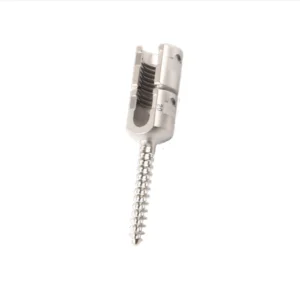
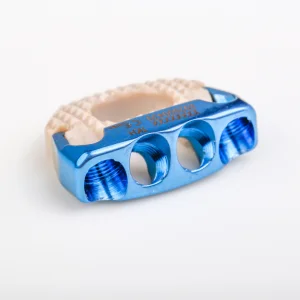
Explore our high-precision implant portfolios engineered for trauma fixation, spinal fusion, and reconstructive surgeries.
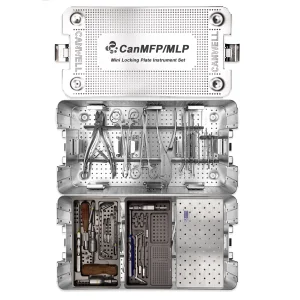
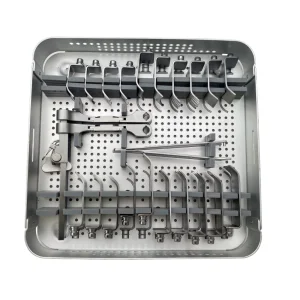
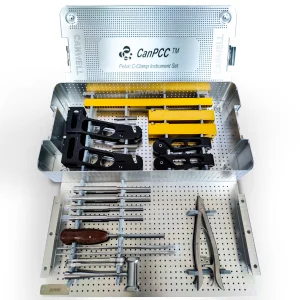
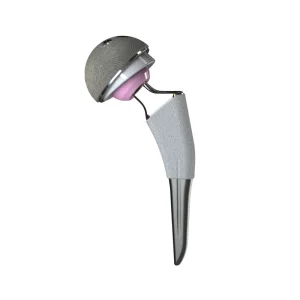
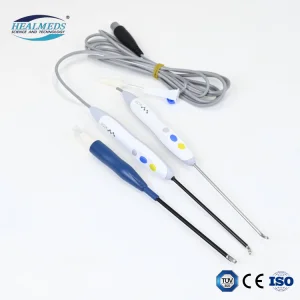
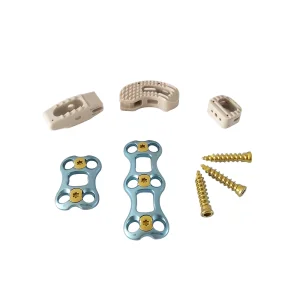
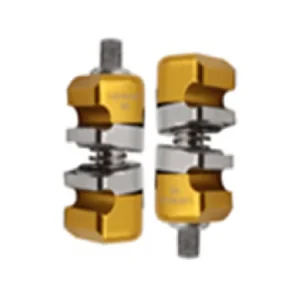
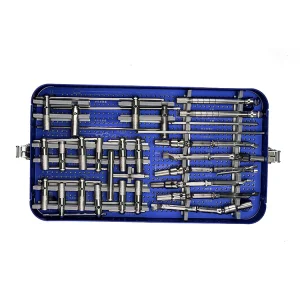
Established in 2016, Medispirex Orthopedic Technology Co., Ltd. stands as a premier global developer and manufacturer specializing in advanced spine and orthopedic implant solutions. Operating a state-of-the-art production facility spanning approximately 18,600㎡, we seamlessly integrate research and development, smart manufacturing, and global clinical distribution. Our mission is to engineer high-integrity medical devices designed to address trauma, spinal pathology, and joint reconstruction applications.
Driven by strict biomechanical engineering standards, Medispirex serves as a key strategic partner for healthcare systems, OEM/ODM medical brands, and distributors globally. Our manufacturing framework ensures complete biocompatibility, mechanical durability, and anatomical precision across all implant lines, contributing directly to optimal patient outcomes and simplified surgical interventions.
Our industrial footprint is designed to support high-throughput, medical-grade manufacturing backed by a rigorous quality assurance team consisting of approximately 45 dedicated QC professionals.
Understanding the transition to modern intramedullary nails, biomechanical advantages, and strategic material selection in trauma orthopedics.
The stabilization of femoral shaft and subtrochanteric fractures has undergone significant evolutionary milestones. From the early K-nails characterized by purely load-sharing friction-fit fixation to modern interlocking intramedullary nail systems, the focus has shifted toward biological osteosynthesis. The biomechanical objective is to preserve the periosteal blood supply while providing a construct stable enough to allow early weight-bearing. Proximal Femoral Nail Antirotation (PFNA) configurations represent the pinnacle of this progress, delivering superior rotational stability and load distribution in proximal femur fractures.
Unlike extramedullary bone plates which act as eccentric load-bearing structures, intramedullary nails act as centromedullary load-sharing implants. The implant aligns along the neutral anatomical axis of the femur, reducing the bending moment exerted on the implant-bone construct. This biomechanical placement minimizes the risk of implant fatigue failure, especially in unstable, comminuted, or osteoporotic fractures. The insertion of proximal and distal locking screws converts the intramedullary nail into an active structural frame, resisting both axial compression and torsional forces.
Choosing the correct metallurgical alloy is crucial to preventing stress shielding and ensuring long-term biocompatibility. Medispirex manufactures implants utilizing medical-grade Titanium Alloy (Ti-6Al-4V ELI / ASTM F136) and premium Stainless Steel (316LVM / ASTM F138). Titanium offers a modulus of elasticity closer to cortical bone compared to stainless steel, which significantly mitigates stress shielding and encourages bone remodeling. Furthermore, titanium exhibits superior fatigue strength under cyclic loading conditions and generates fewer artifacts during post-operative MRI or CT scans.
| Property Parameter | Titanium Alloy (Ti-6Al-4V ELI) | Stainless Steel (316LVM) | Clinical / Mechanical Significance |
|---|---|---|---|
| Modulus of Elasticity | ~ 110 GPa | ~ 200 GPa | Lower modulus reduces stress shielding risk. |
| Tensile Strength (UTS) | ≥ 860 MPa | ≥ 490 - 1350 MPa | Ensures integrity under severe load conditions. |
| Fatigue Limit | Excellent | High | Prevents implant fracture during healing cycles. |
| Biocompatibility | Superior (Passive TiO₂ layer) | Excellent (Nickel content present) | Minimizes tissue reactions and allergy risks. |
| Imaging Compatibility | Minimal Artifacts (MRI safe) | Higher Interference | Improves postoperative bone union visibility. |
In international orthopedic markets, there is a rapidly growing demand for specialized proximal femoral configurations. Global aging demographics have escalated the prevalence of geriatric trochanteric and femoral neck fractures. Standard locking screw configurations often suffer from "cut-out" in soft osteoporotic bone. The integration of the helical blade in PFNA systems acts to compact the cancellous bone during insertion rather than removing it. This design increases the anchorage of the nail, offering superior resistance against varus collapse and rotation.
Inside Medispirex’s manufacturing facility: Where advanced CNC engineering meets rigorous cleanroom processing and complete traceability.
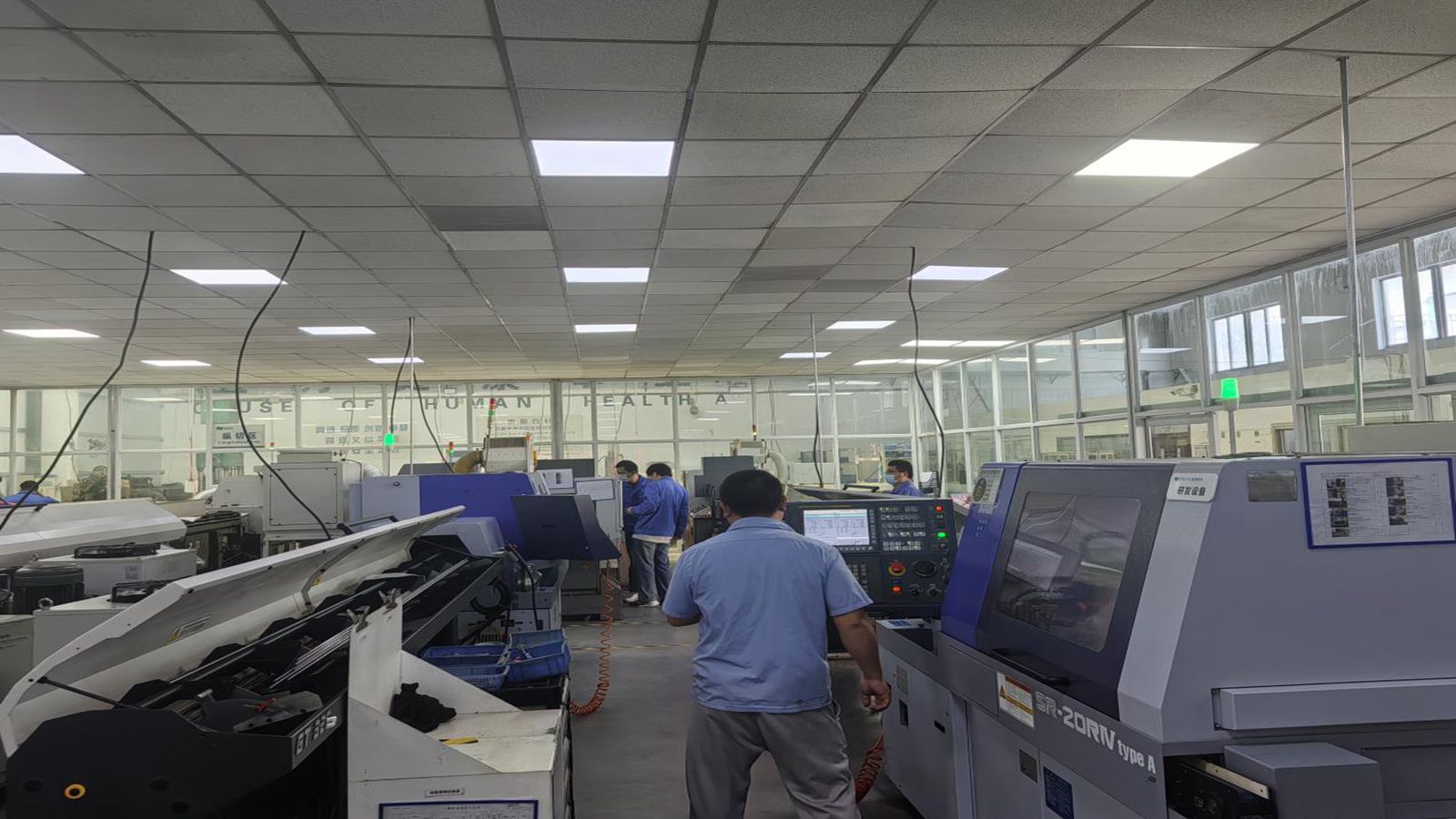
High-speed precision raw bar cutting to prepare premium titanium and stainless steel stock under strict temperature controls.
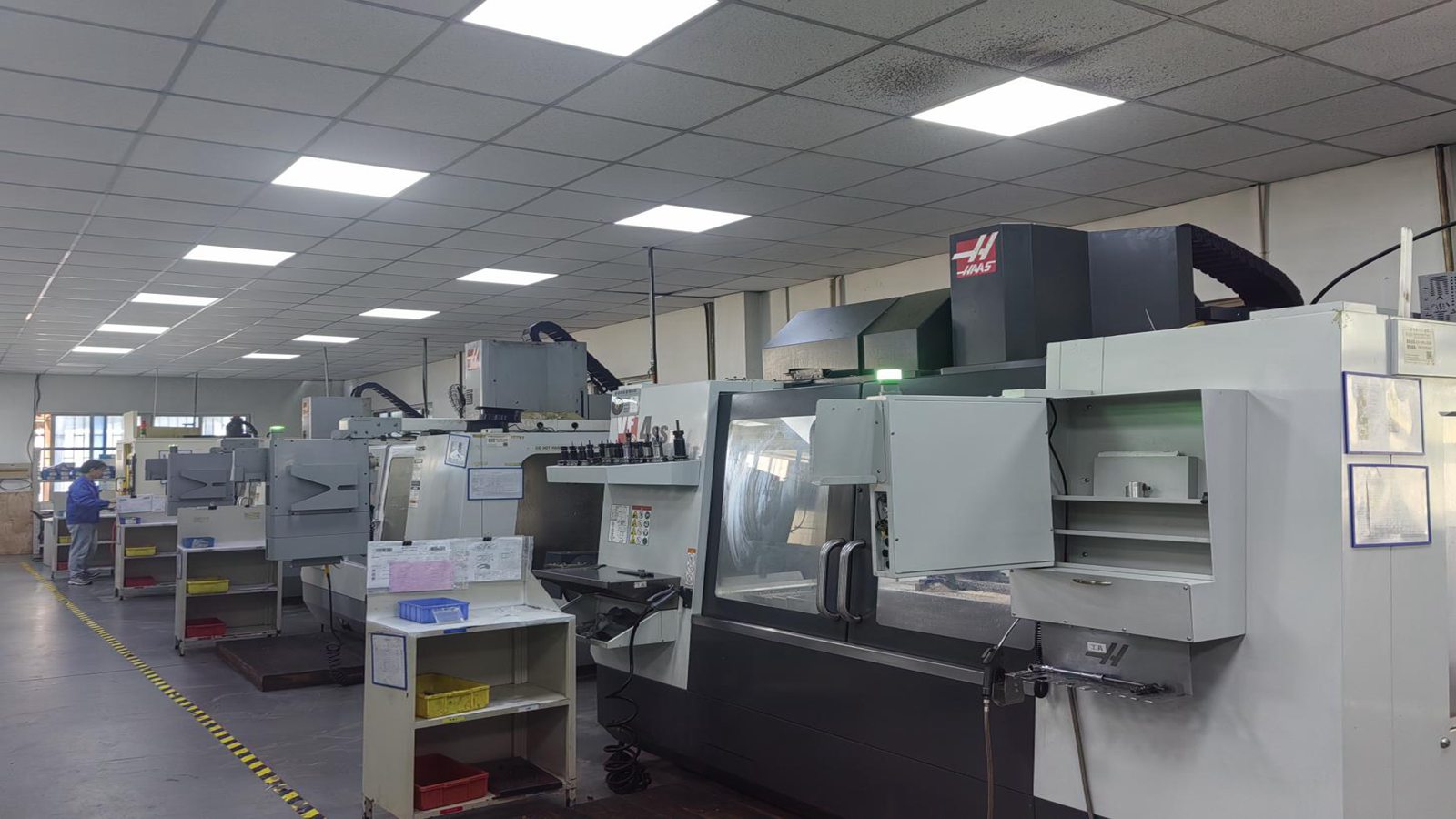
Multi-axis computerized machining to generate initial complex geometrical structures of orthopedic implants.
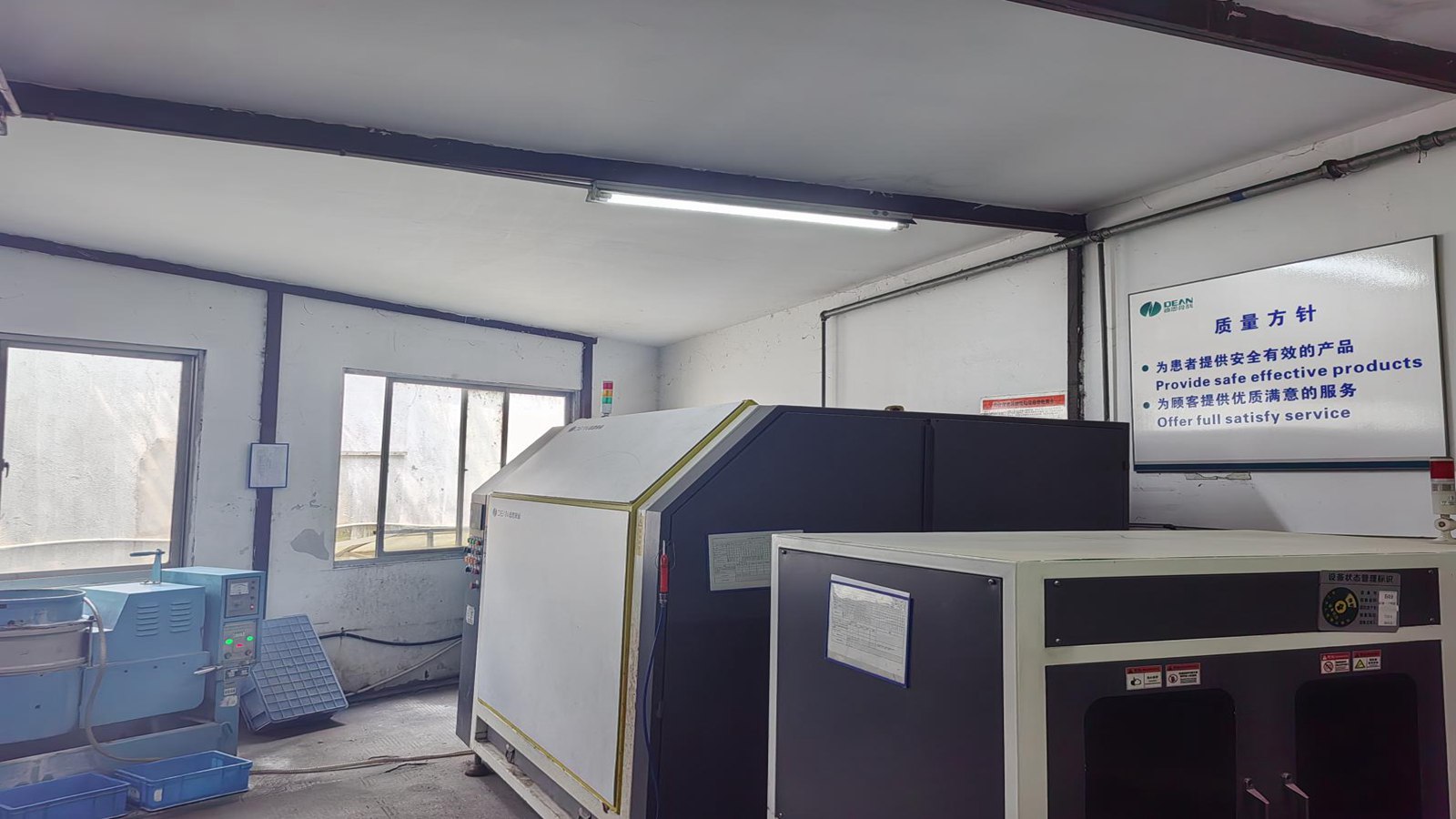
Surface texturing to optimize osseointegration properties and remove microscopic surface defects.
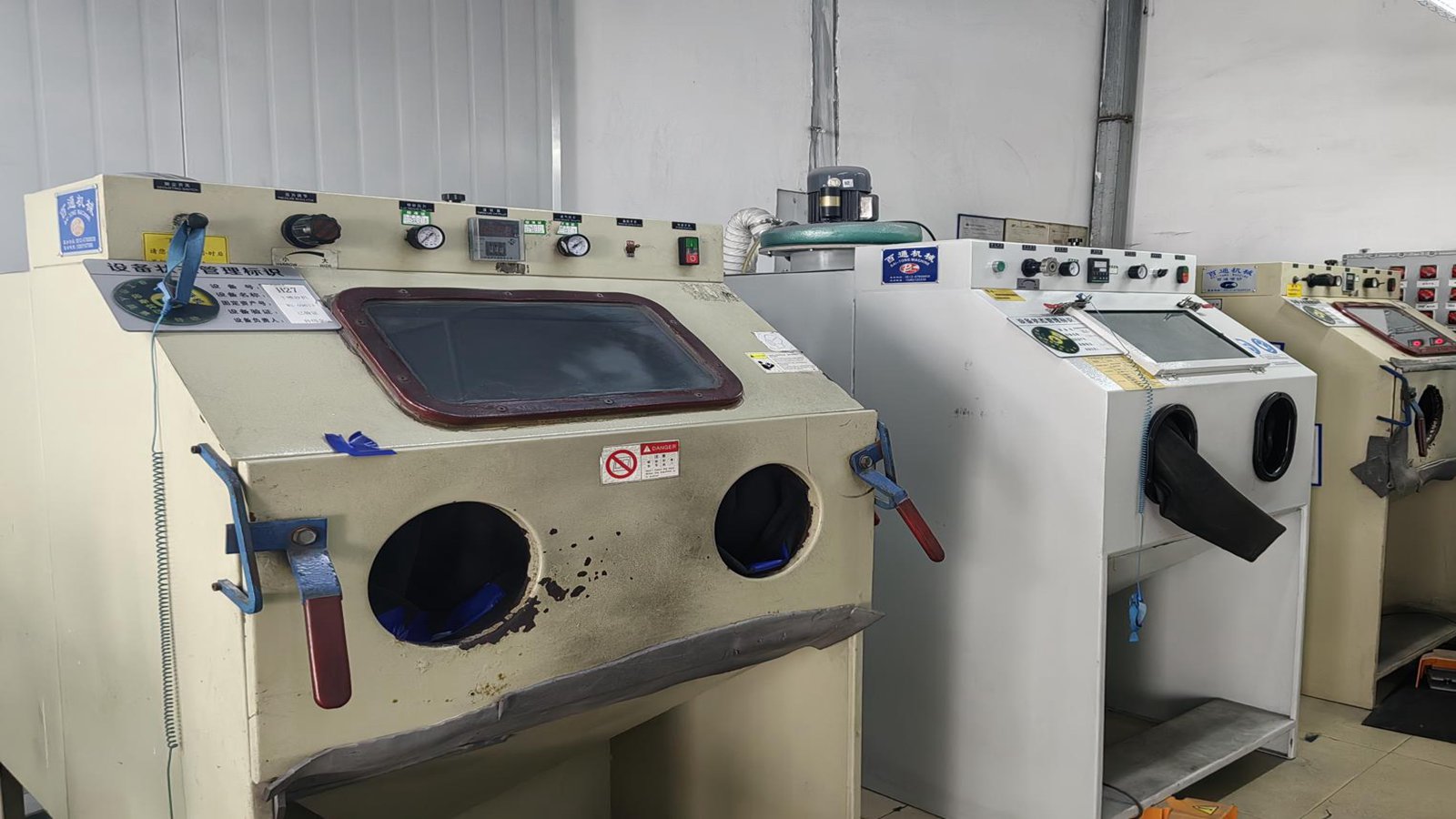
Precision mechanical polishing to reduce friction at implant-tissue interfaces, preventing soft tissue irritation.
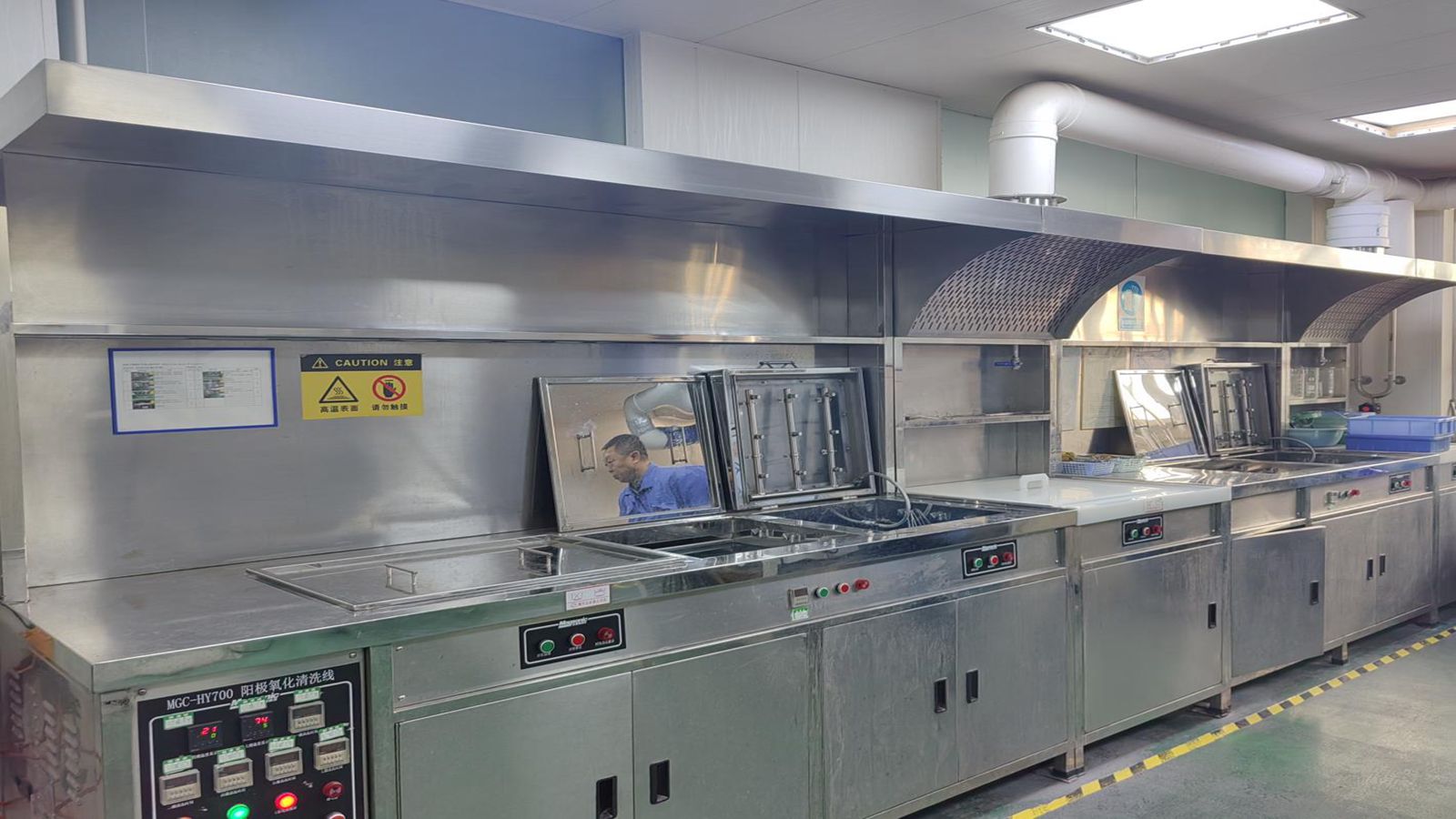
Chemical passivation process creating a highly bio-compatible oxide film on titanium surfaces.
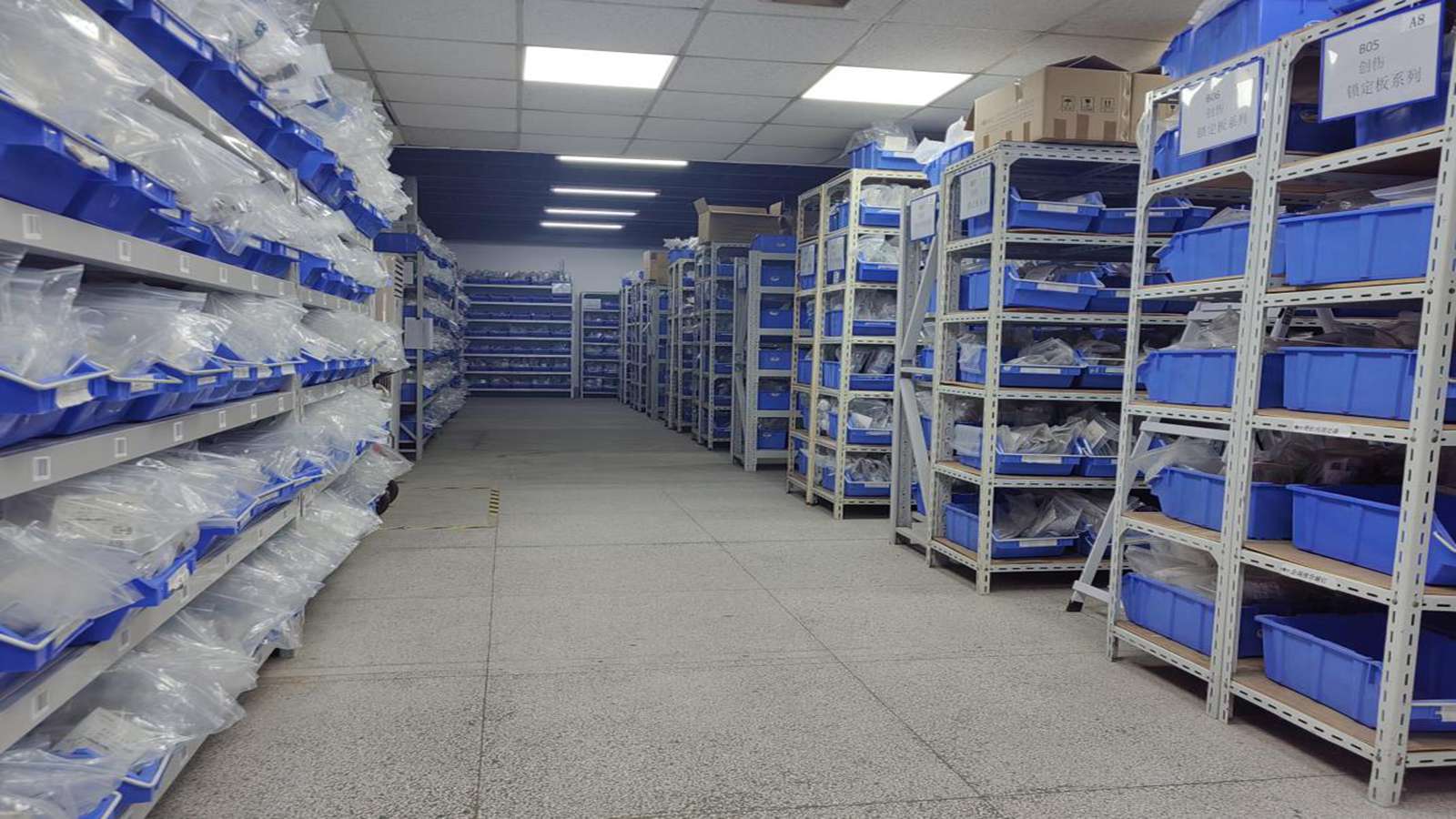
Humidity and temperature-controlled storage facility securing raw material lots and packaged implants.
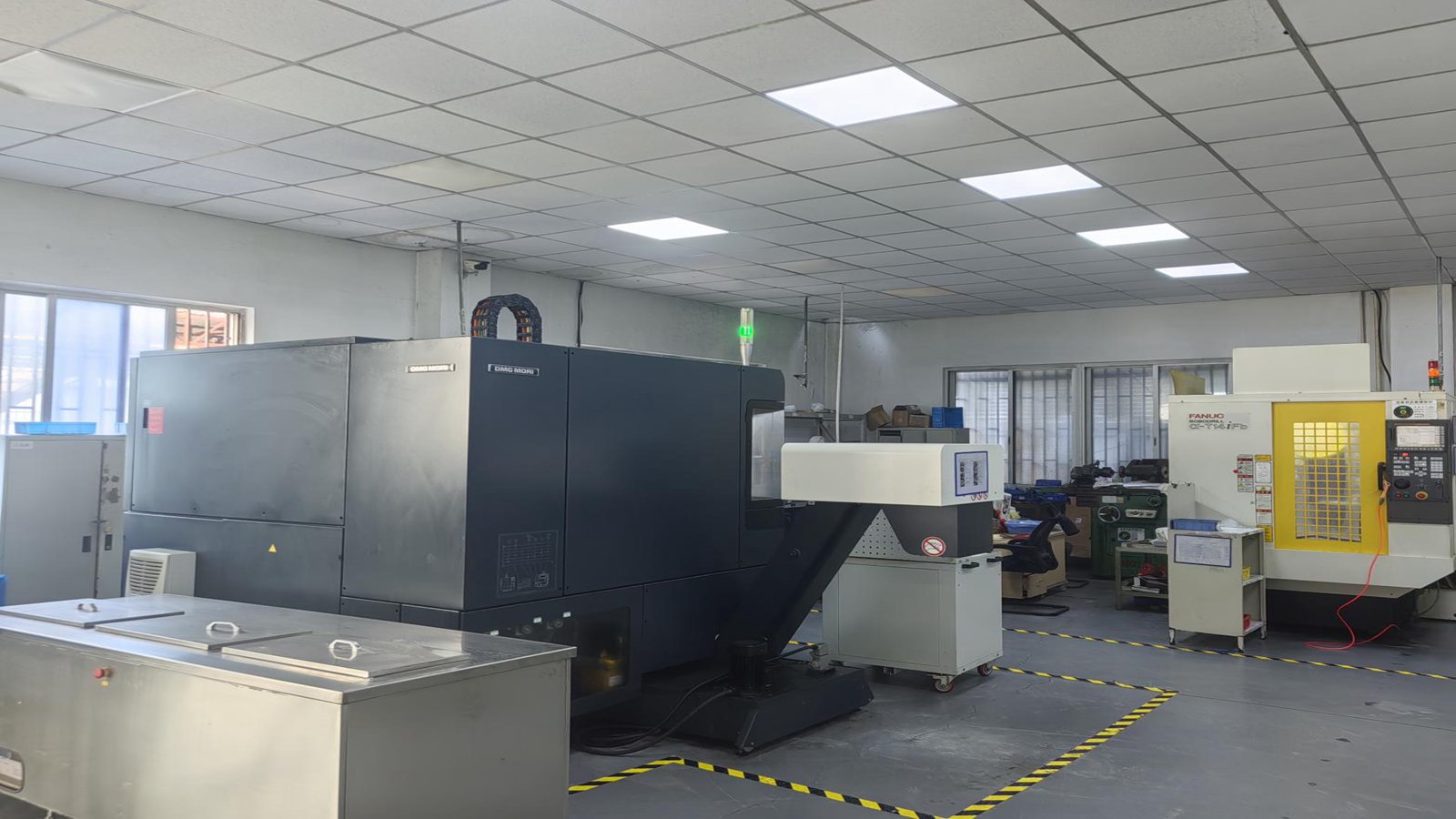
Advanced computer-aided design and milling arrays providing micron-level dimensional tolerances.
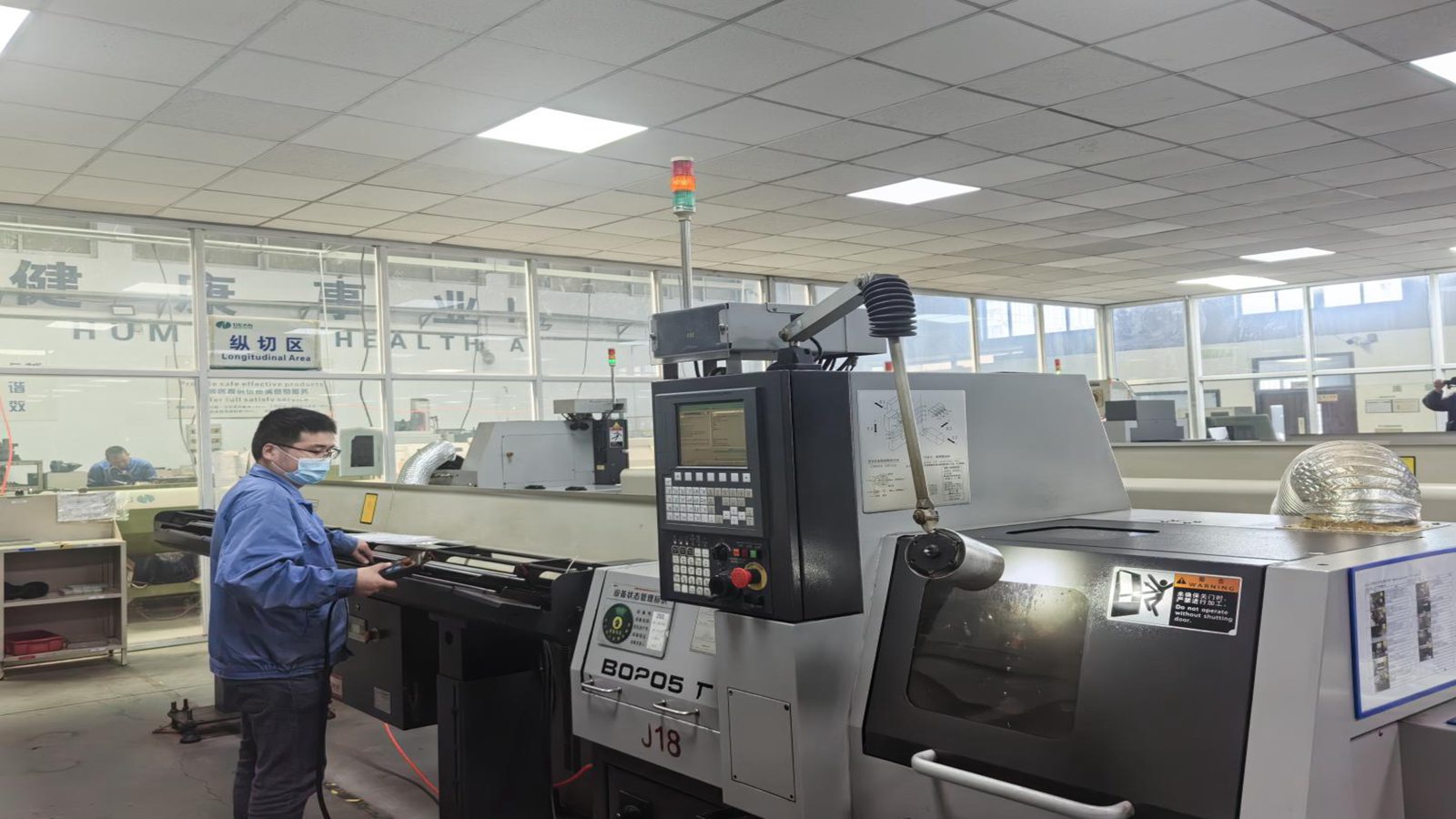
Automated slicing systems maintaining raw material density and crystalline molecular structure during machining.
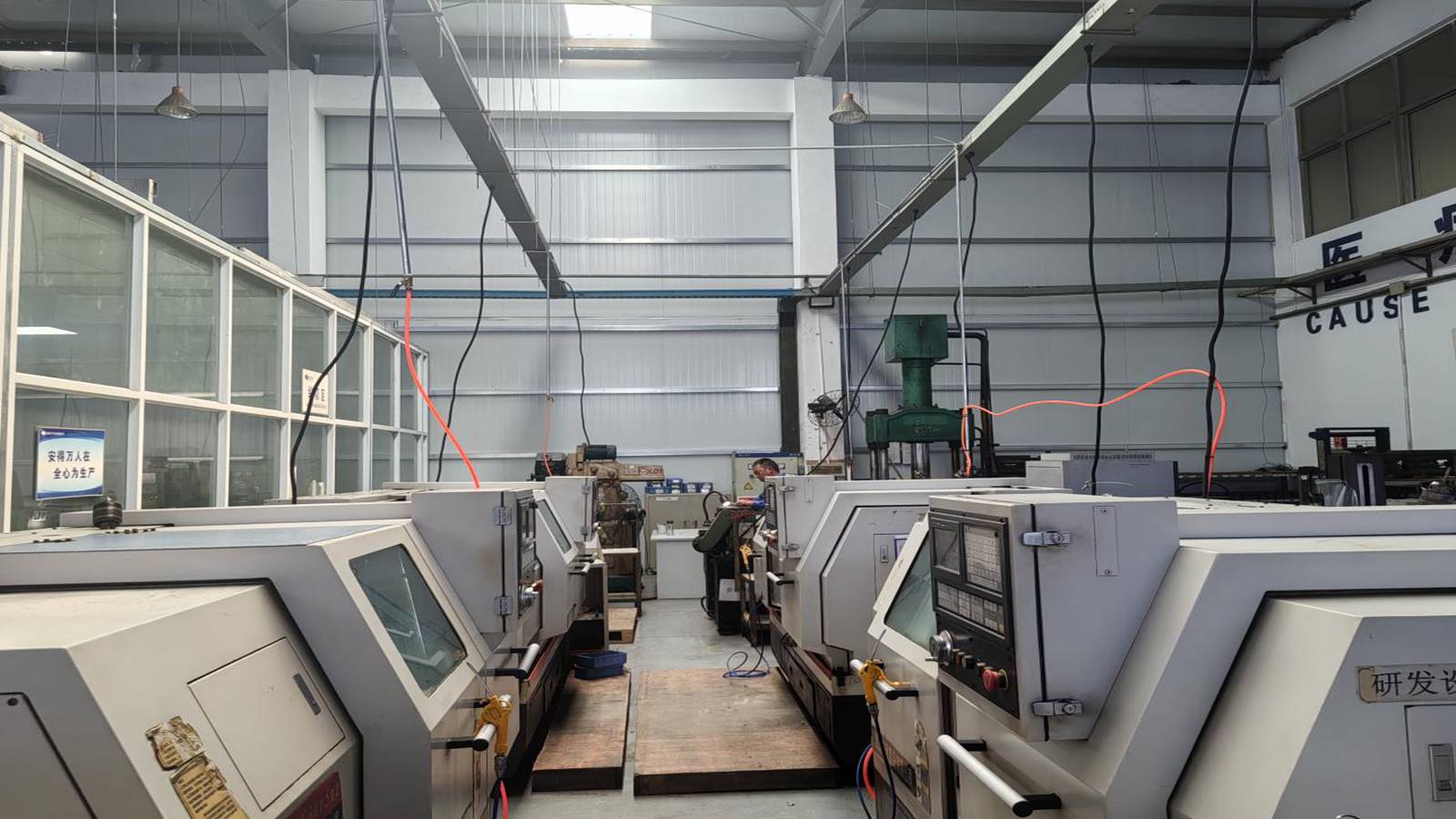
High-precision turning centers machining complex circular threads, shafts, and anatomical curvatures.
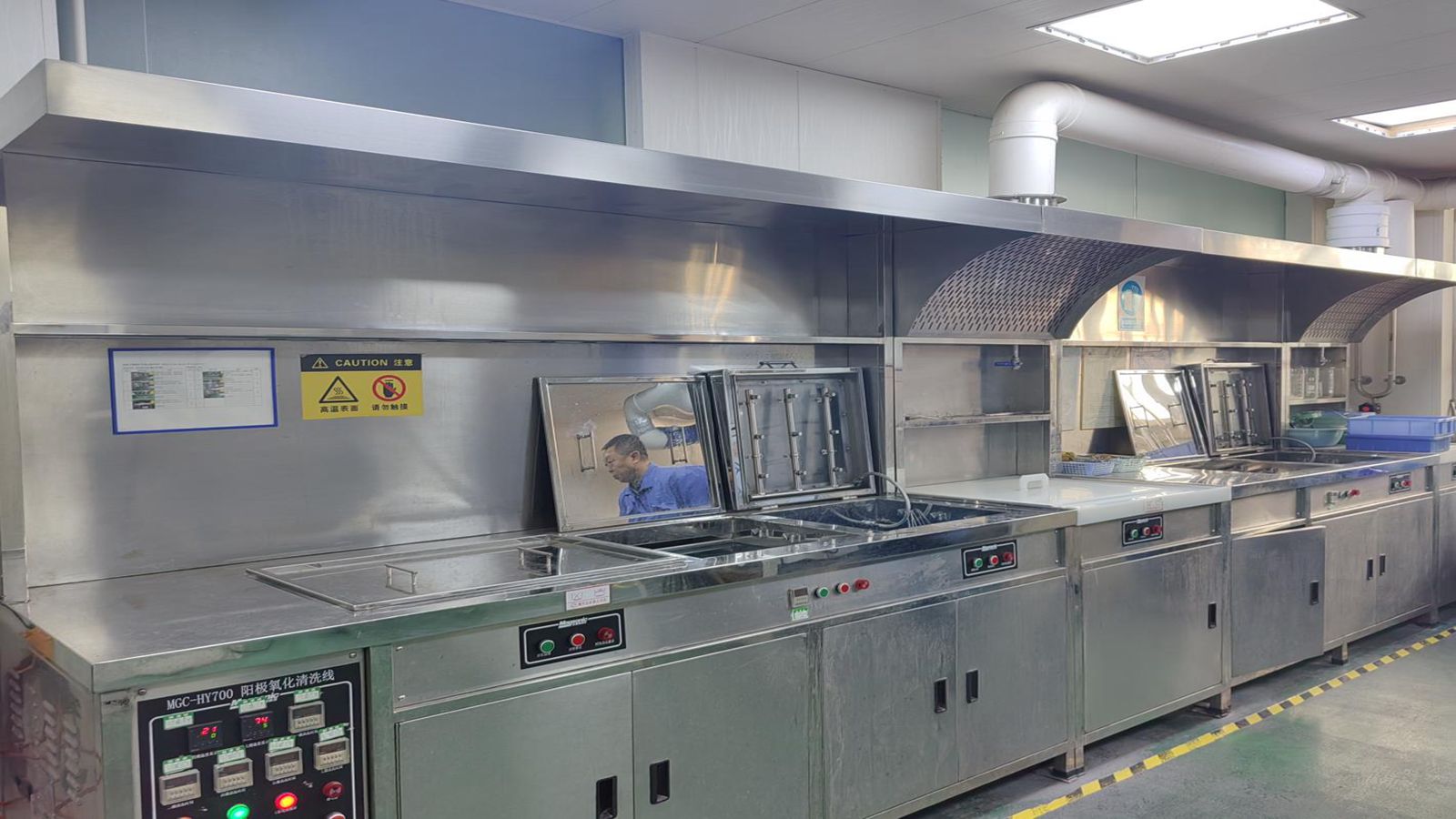
Automated anodization sequence defining specific color coding for quick sizing recognition in the OR.
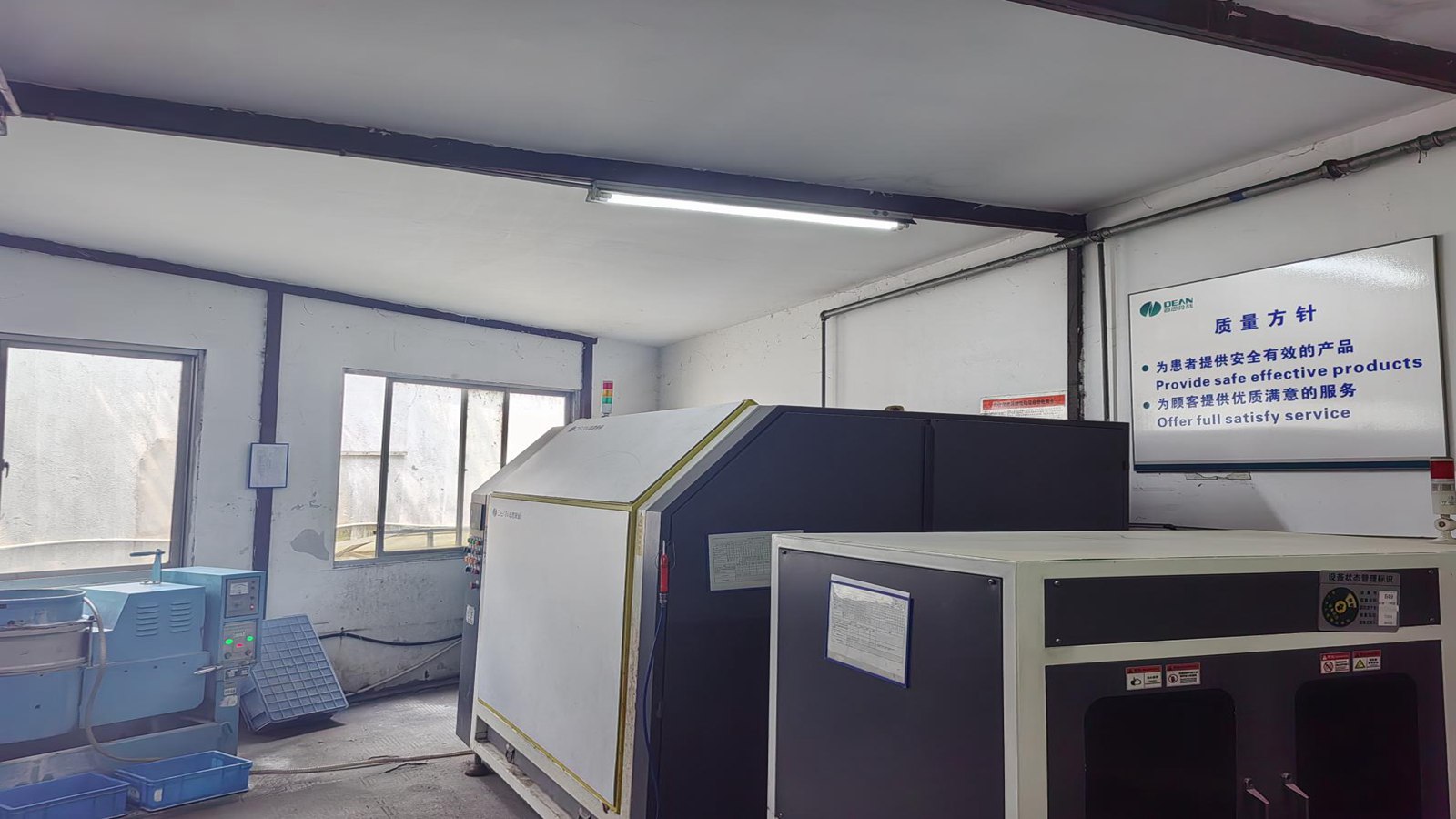
Isolated processing environment preventing cross-contamination during surface preparation stages.
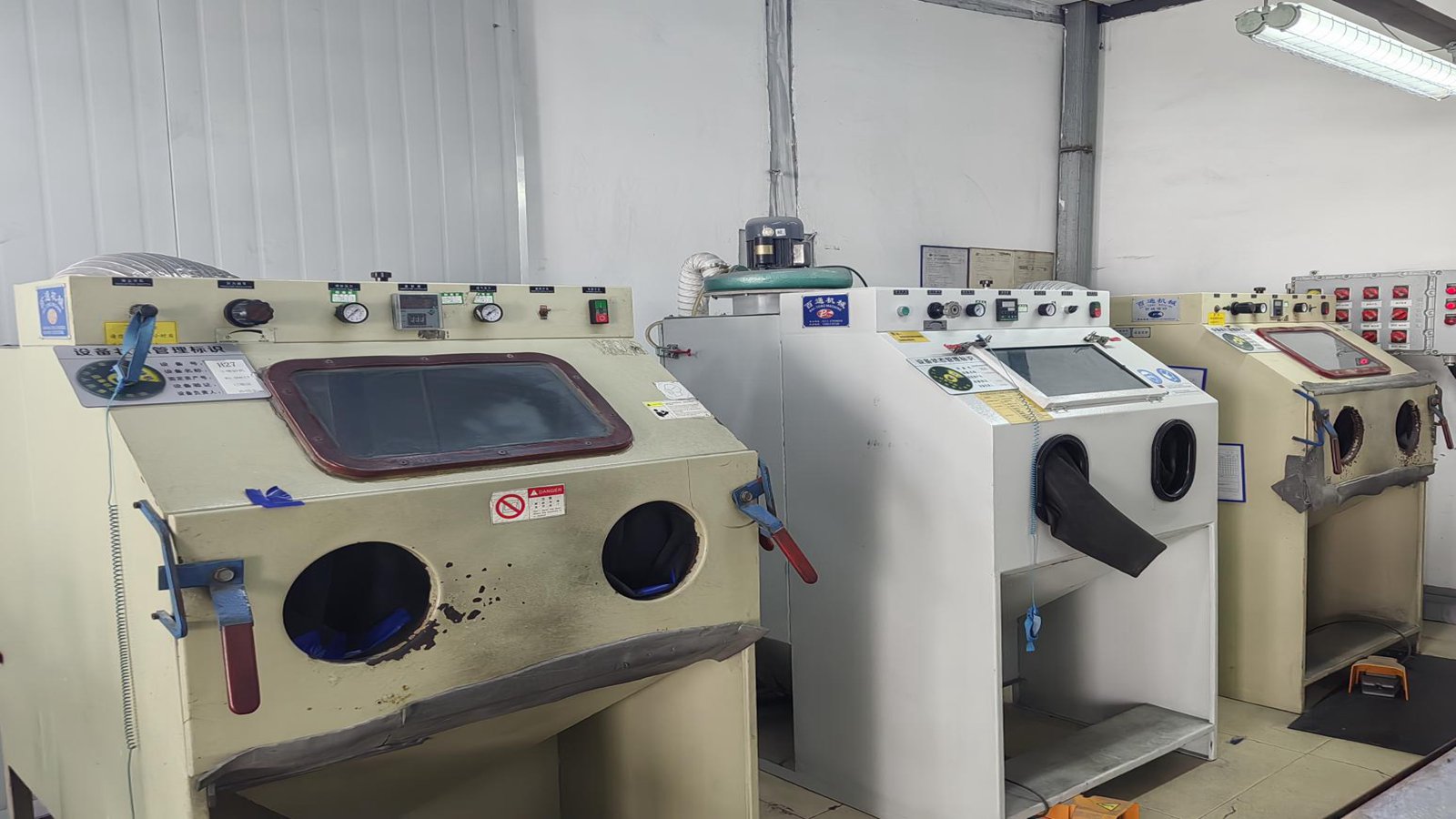
Manual and mechanical polishing station optimizing implant surfaces to standard-defined micro-finishes.
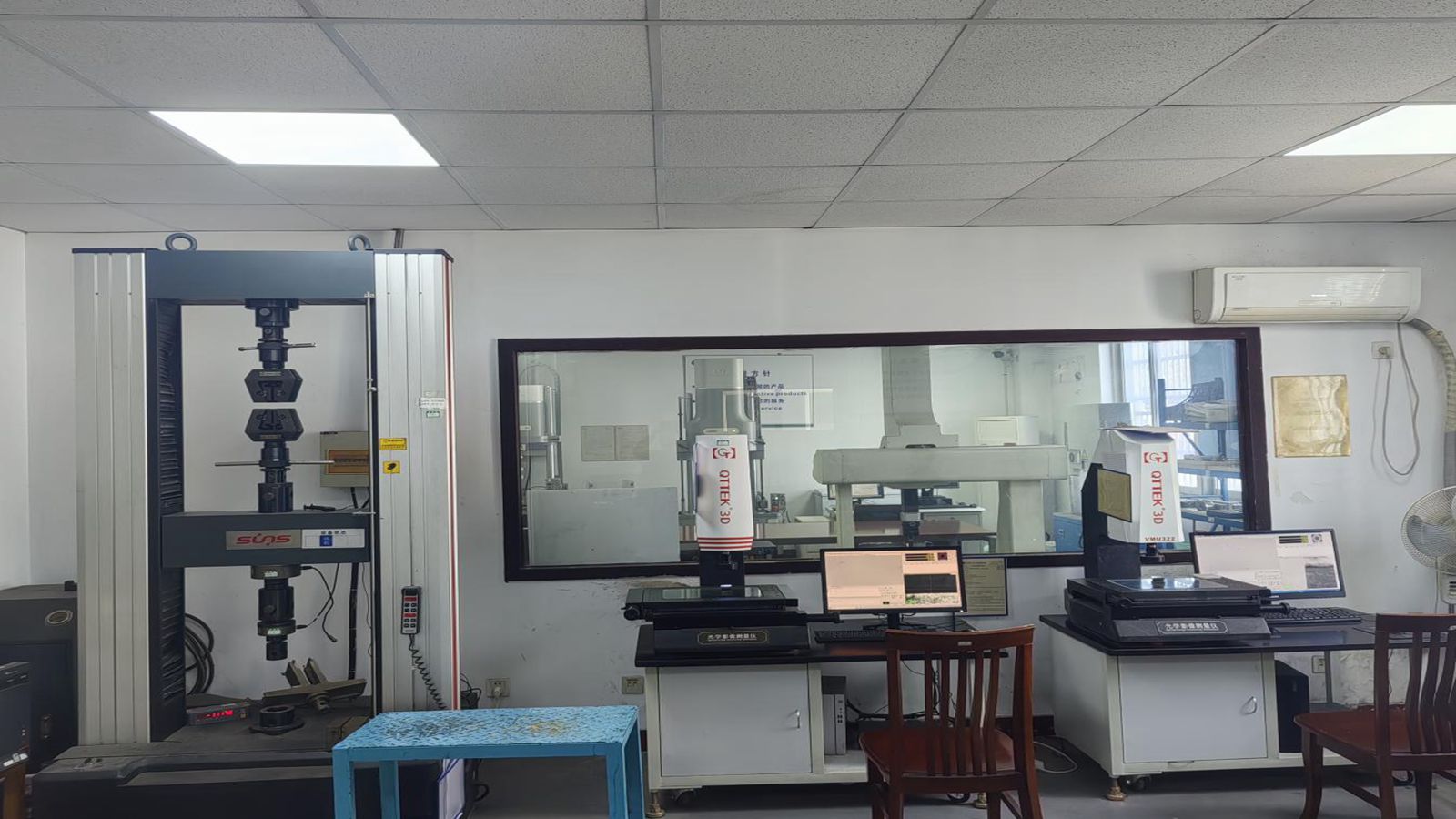
Advanced facility conducting chemical, dimensional, fatigue, and mechanical strain tests on every batch.
Our strategically managed medical device supply chain relies on partnerships with approximately 860 raw material and logistical providers. This dynamic network minimizes lead times, secures consistent titanium and stainless steel access, and maintains manufacturing stability despite shifting global trade climates.
By optimizing processes in our 18,600㎡ facility, we support bulk distribution orders to key markets including Europe, North America, the Middle East, and Southeast Asia. This reliable logistics structure ensures that hospitals and distributors avoid stockouts of critical implant sizes and surgical instrument kits.
Medispirex provides flexible OEM/ODM manufacturing solutions to meet the specific requirements of medical device brands, healthcare networks, and surgical institutes worldwide. Backed by our 85-member R&D team, we offer services ranging from private label branding and surface coating adaptations to customized instrument kit designs.
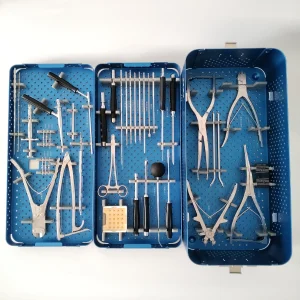
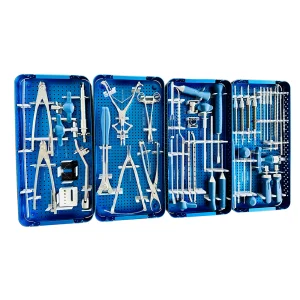
Our engineering services focus on structural design optimization, biomechanical stress modeling, and custom surgical tray layouts, ensuring full compliance with international regulatory bodies and seamless clinical adoption.
In-depth responses to regulatory, engineering, and manufacturing questions critical to global medical device distributors and surgical staff.
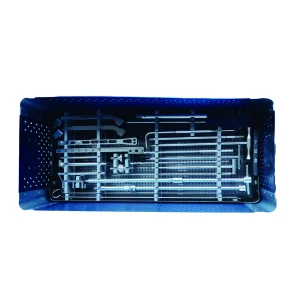
Complete surgical portfolios ensuring precision placement, optimal stabilization, and fast anatomical integration.