Medispirex
Medispirex
Medispirex
High-precision orthopedic implants, trauma plates, joint tools, and spinal surgical sets manufactured under ISO 13485 compliance.
Pioneering clinical excellence, industrial scale, and global supply chain partnerships in spinal implant technologies.
Established in 2016, Medispirex Orthopedic Technology Co., Ltd. has grown to become a premium, clinically recognized manufacturer specializing in spine and orthopedic implant systems. With a modern, state-of-the-art production facility covering approximately 18,600㎡, the company integrates advanced research & development, precision manufacturing, and comprehensive global distribution networks. We deliver certified, high-grade medical devices tailored for complex spinal surgeries, trauma repairs, and joint reconstructions.
Supporting an annual export revenue of approximately USD 18 million, Medispirex leverages over 12 years of core industry expertise and 7 years of direct international trade operation. Our global presence spans demanding healthcare markets including Europe, North America, the Middle East, and Southeast Asia. We operate under a highly regulated, audited quality management structure, ensuring clinical reliability via strict incoming material control, in-process checking (IPQC), final inspection protocols, and comprehensive batch traceability. Our verification methods leverage advanced dimensional inspection, mechanical fatigue trials, and precise chemical composition evaluations overseen by 45 specialized Quality Control professionals.
Driven by innovation and surgeon-centric design, Medispirex operates an agile R&D center staffed by 85 veteran engineers specializing in orthobiologics, mechanical design, and material science. Over the past year, we have introduced approximately 120 new products, bridging key unmet surgical needs. We facilitate flexible collaboration channels, including custom private label manufacturing, orthopedic system tailoring, and specific instrumentation configurations for hospitals, orthopedic surgeons, distributors, and global OEM/ODM partners.
Biomaterial properties, biomechanical demands, and engineering configurations for cervical spinal fusion.
Cervical Interbody Cages are structural implants inserted during Anterior Cervical Discectomy and Fusion (ACDF) procedures to restore disc height, decompress neural pathways, and stabilize the spinal column. The primary goal is structural fusion, which requires a cage with optimal load-bearing capabilities, high resistance to subsidence, and a geometry that promotes bone ingrowth.
We work extensively with medical-grade PEEK (Polyetheretherketone) and Titanium Alloys (Ti6Al4V ELI). PEEK offers an elastic modulus close to human cortical bone, reducing stress-shielding and allowing radiographic fusion assessment. Titanium implants promote excellent direct osseointegration due to surface roughness and biocompatibility.
Our cervical cages incorporate hollow structures to optimize graft packing volume, toothed or ridged surfaces to prevent implant migration, and tapered profiles matching natural lordotic curves (typically 4° to 8° angles) to restore natural cervical sagittal alignment.
Choosing the right biomaterial is critical for optimizing patient outcomes and minimizing revision rates. The table below outlines the primary technical features of contemporary cervical cage configurations.
| Property / Specification | Medical-Grade PEEK | 3D-Printed Porous Titanium | PEEK Optima (Coated) |
|---|---|---|---|
| Elastic Modulus (GPa) | 3.6 - 4.0 (Matches Cortical Bone) | 100 - 110 (Solid), 5 - 15 (Porous) | 3.8 - 4.2 |
| Osseointegration Capacity | Hydrophobic / Fibrous encapsulation | Excellent structural bone ingrowth | Enhanced (via TiO2 or HA coating) |
| Radiolucency (Imaging) | Fully transparent (x-ray, CT, MRI) | Produces artifacts, opaque | Semi-lucent (marker visible) |
| Stress Shielding Risk | Extremely Low | Low (when porous), High (solid) | Extremely Low |
| Ideal Application | Standard ACDF, Multi-level fusion | High-risk patients, Poor bone quality | Active patients demanding fast fusion |
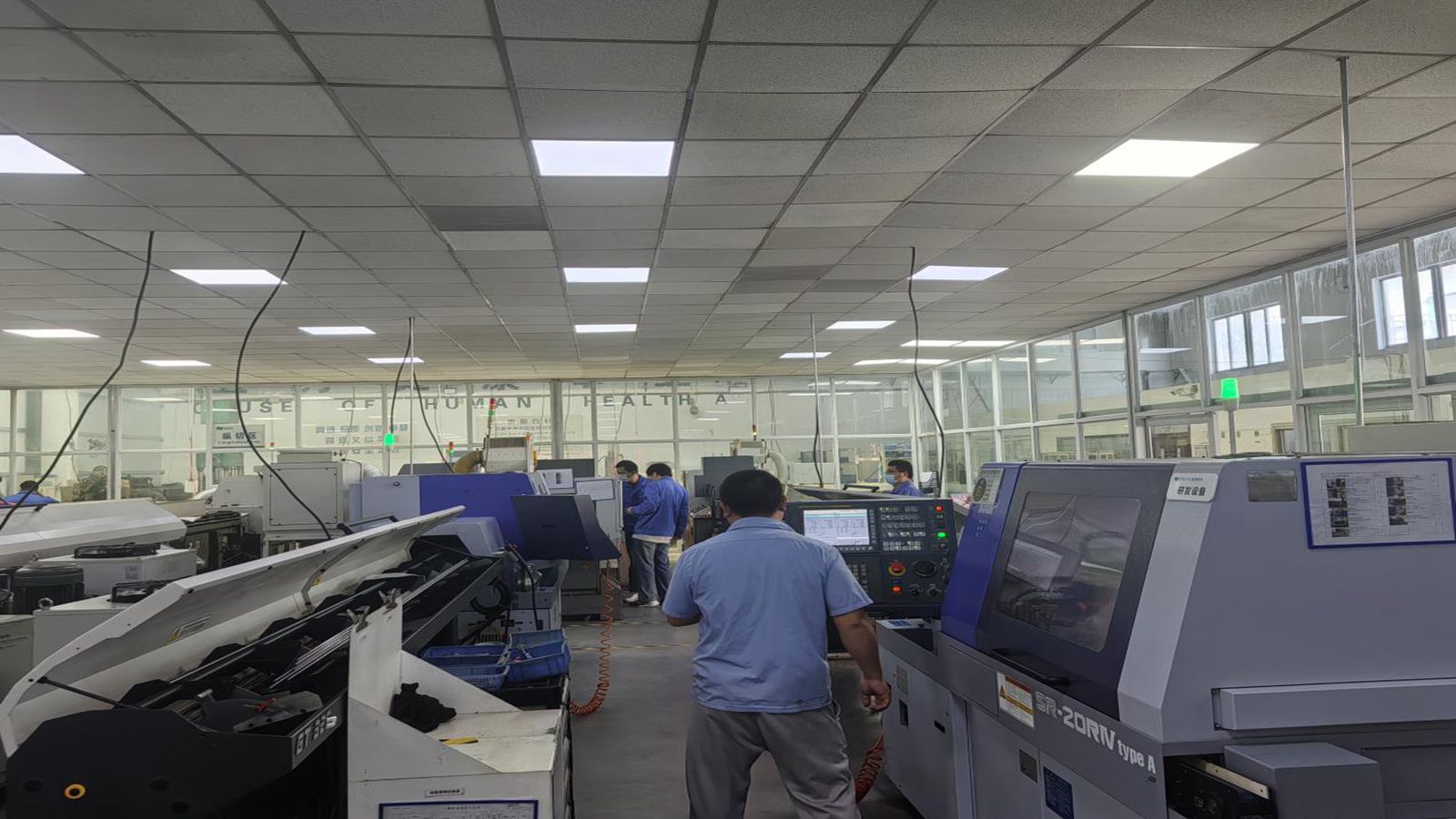
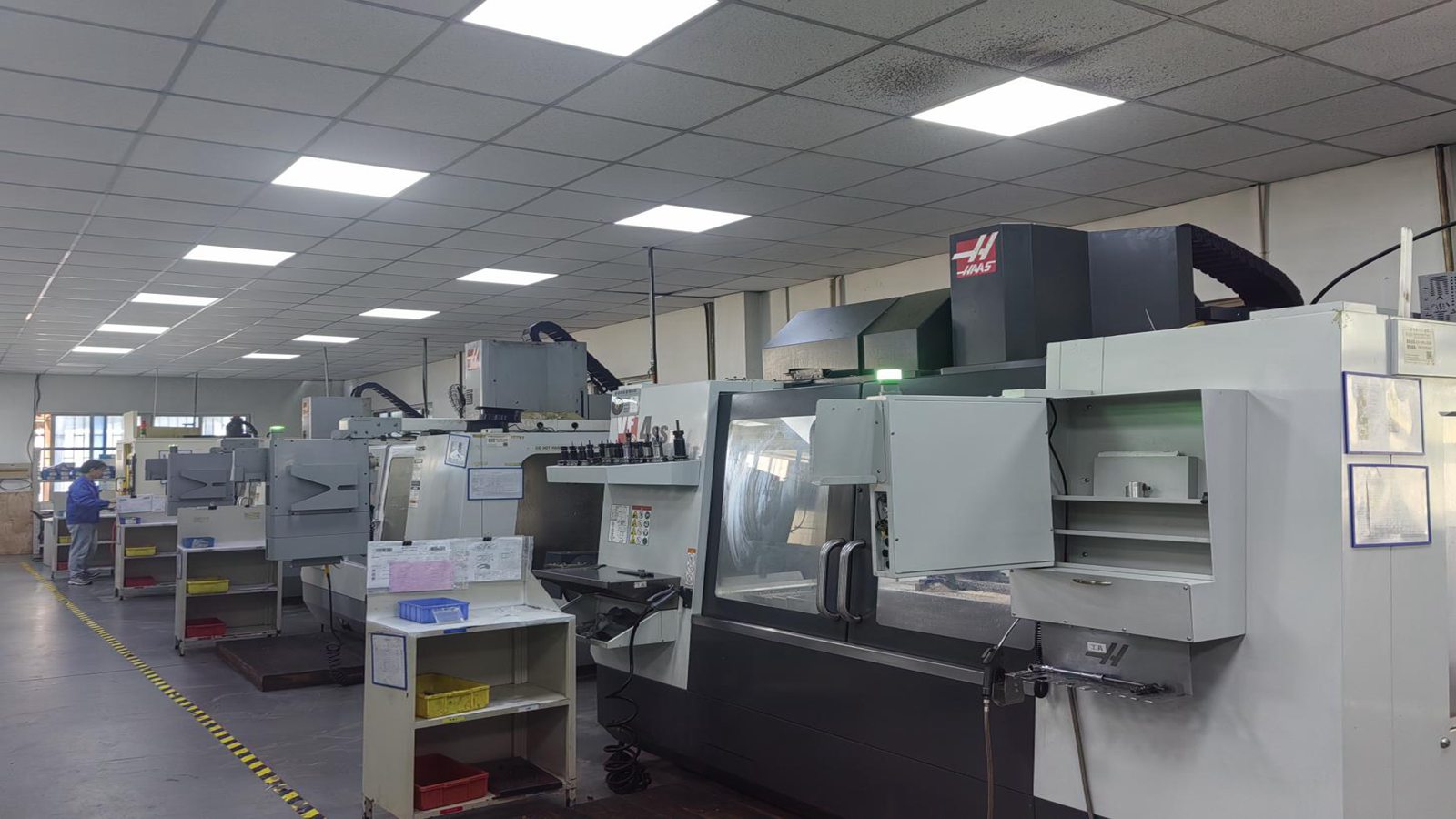
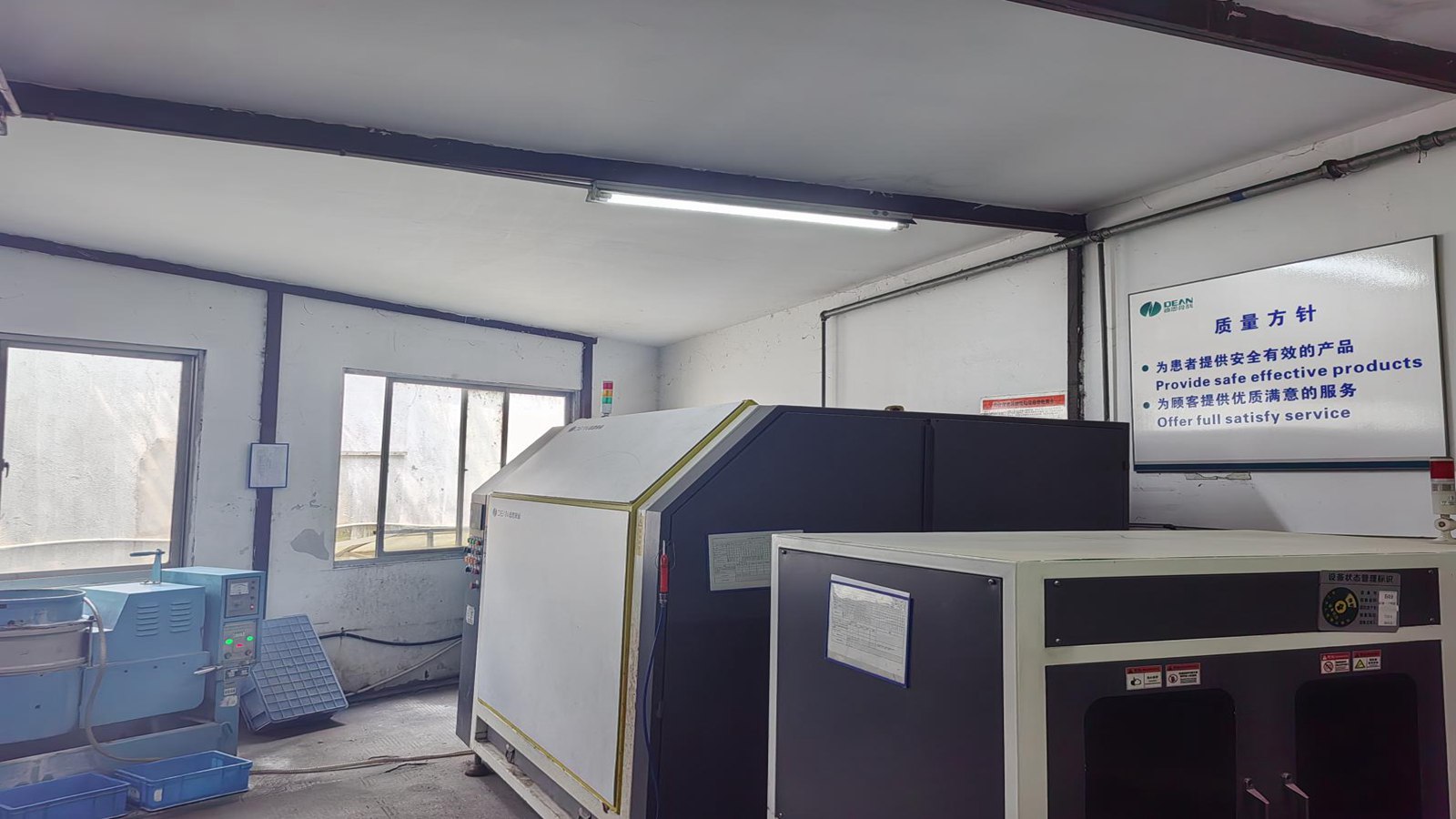
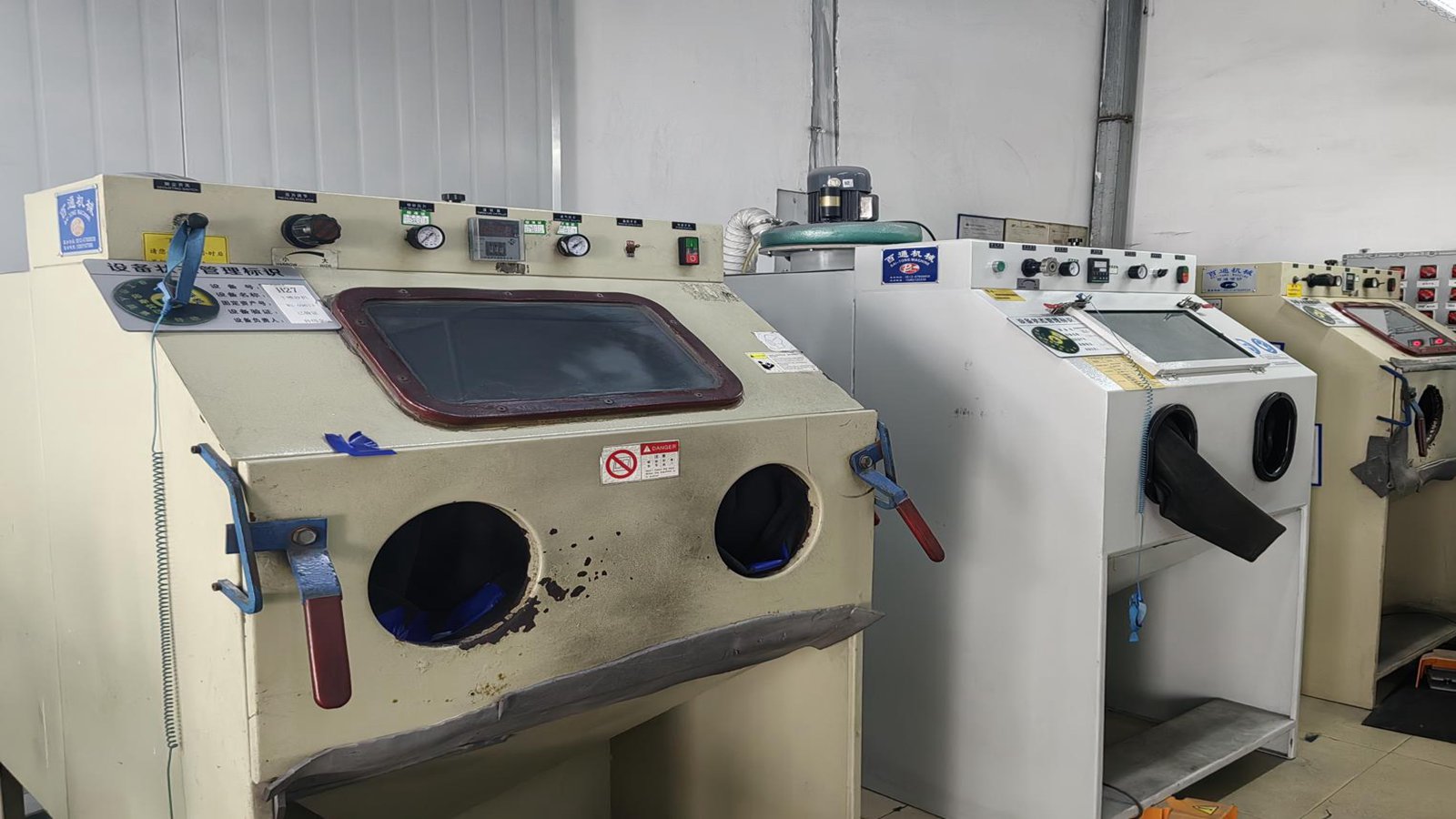
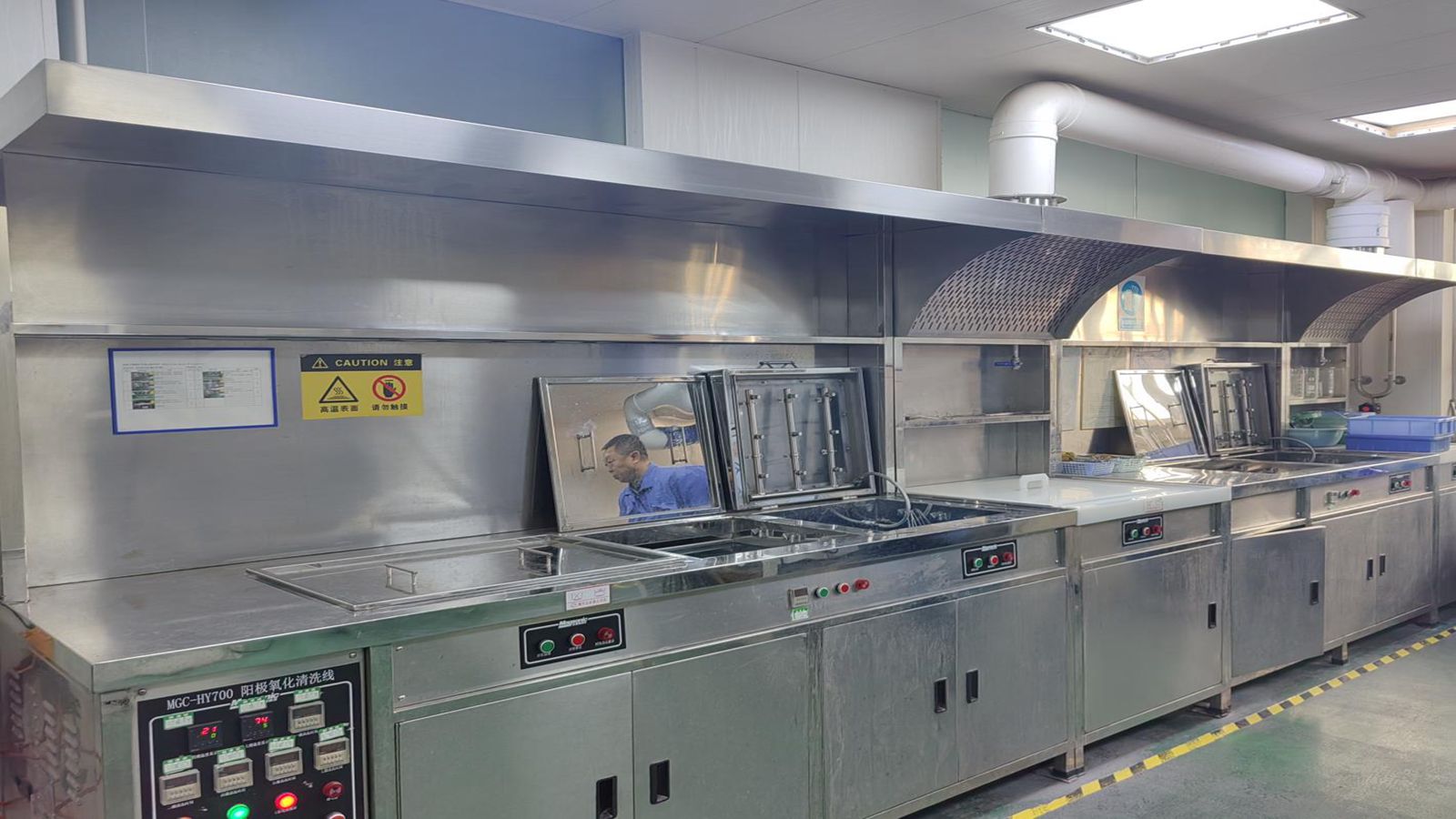
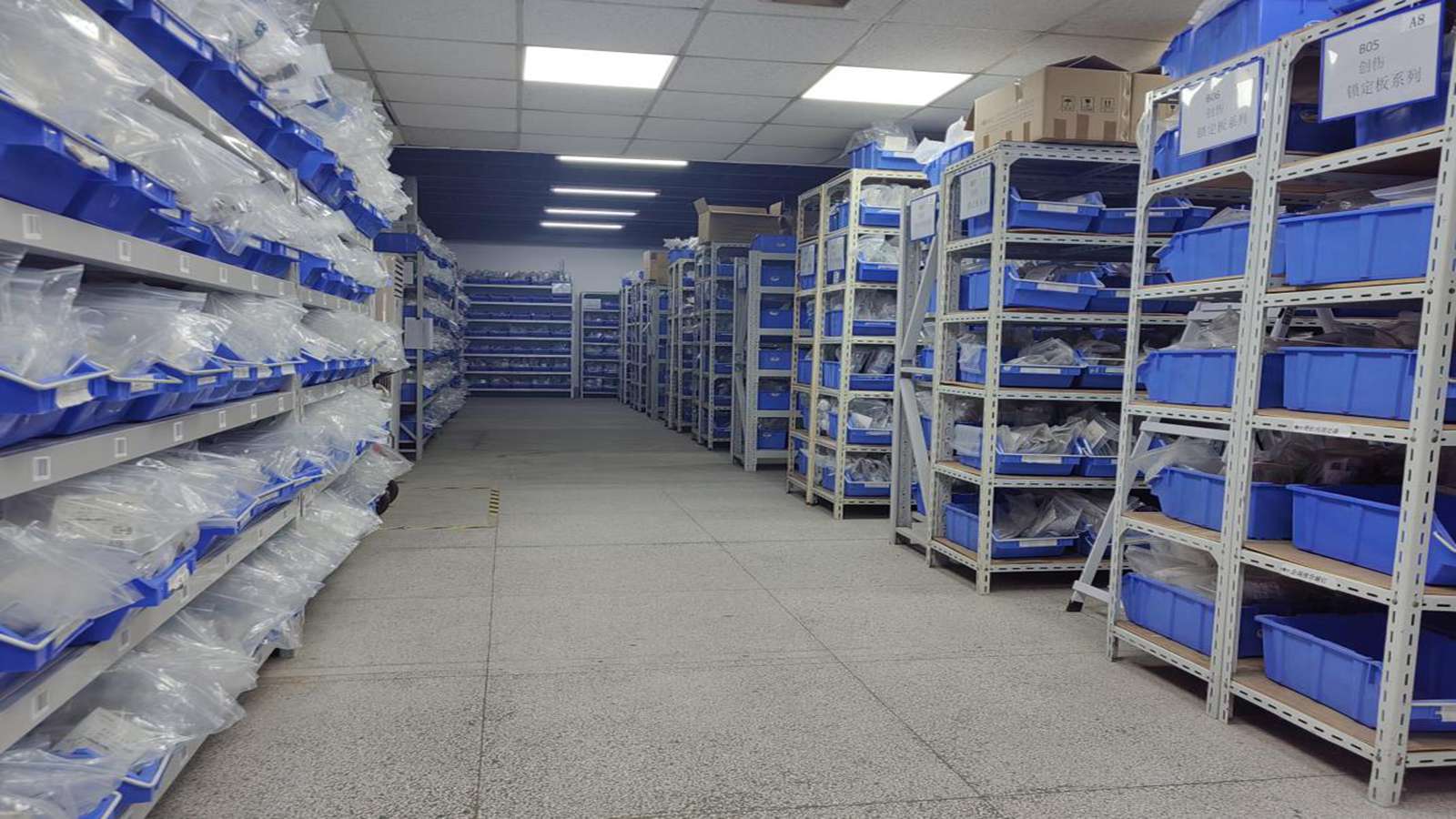
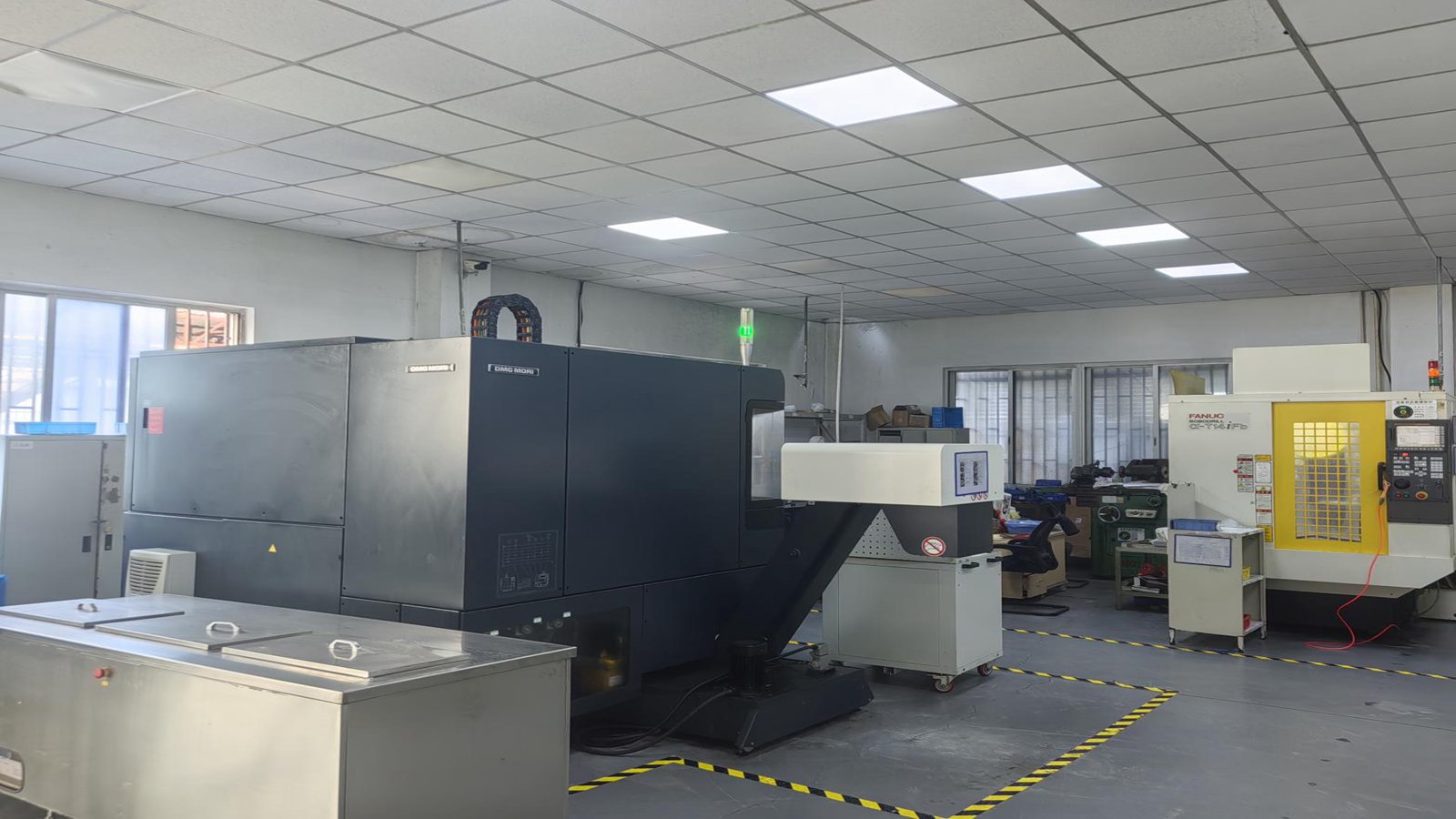
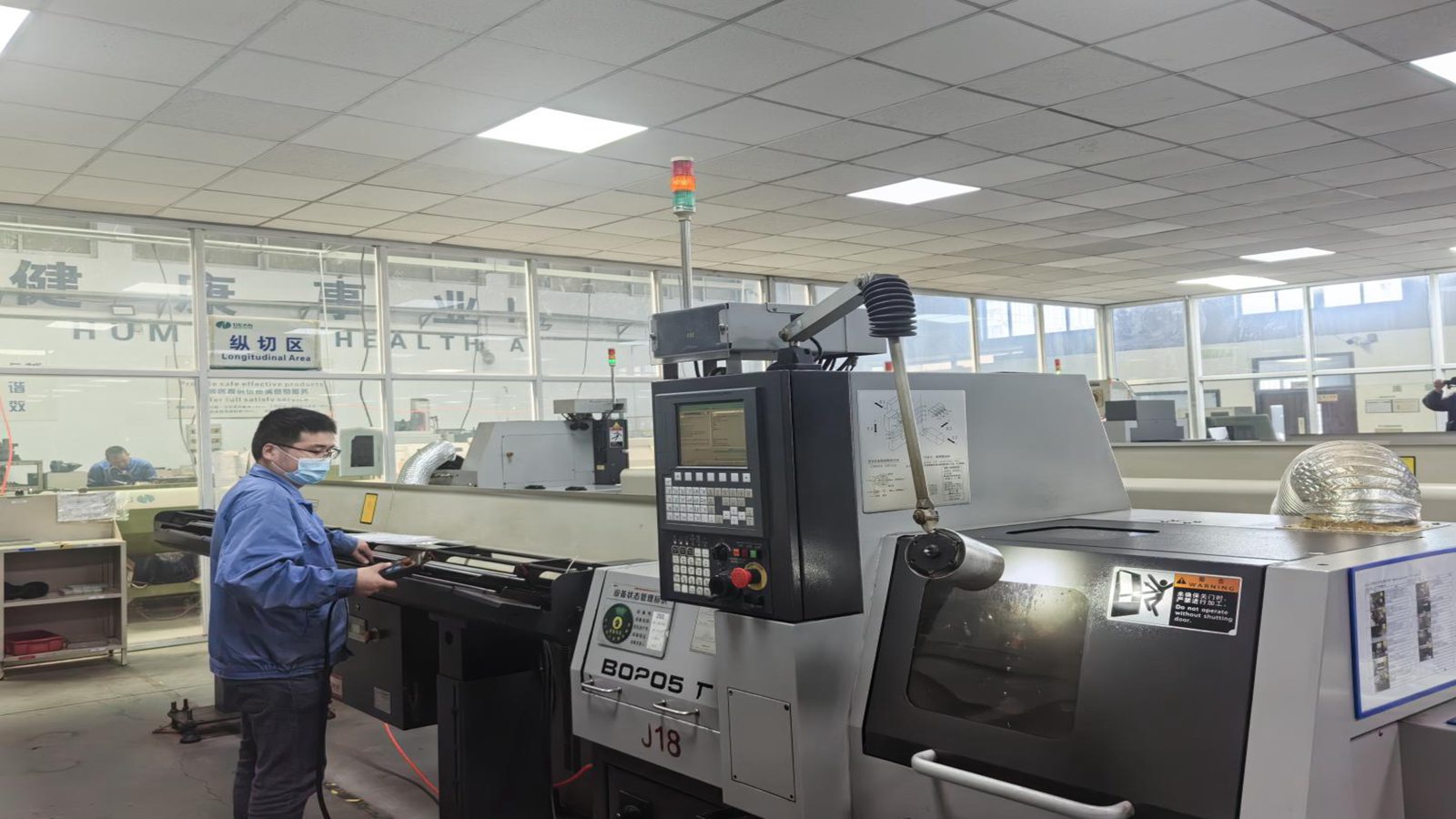
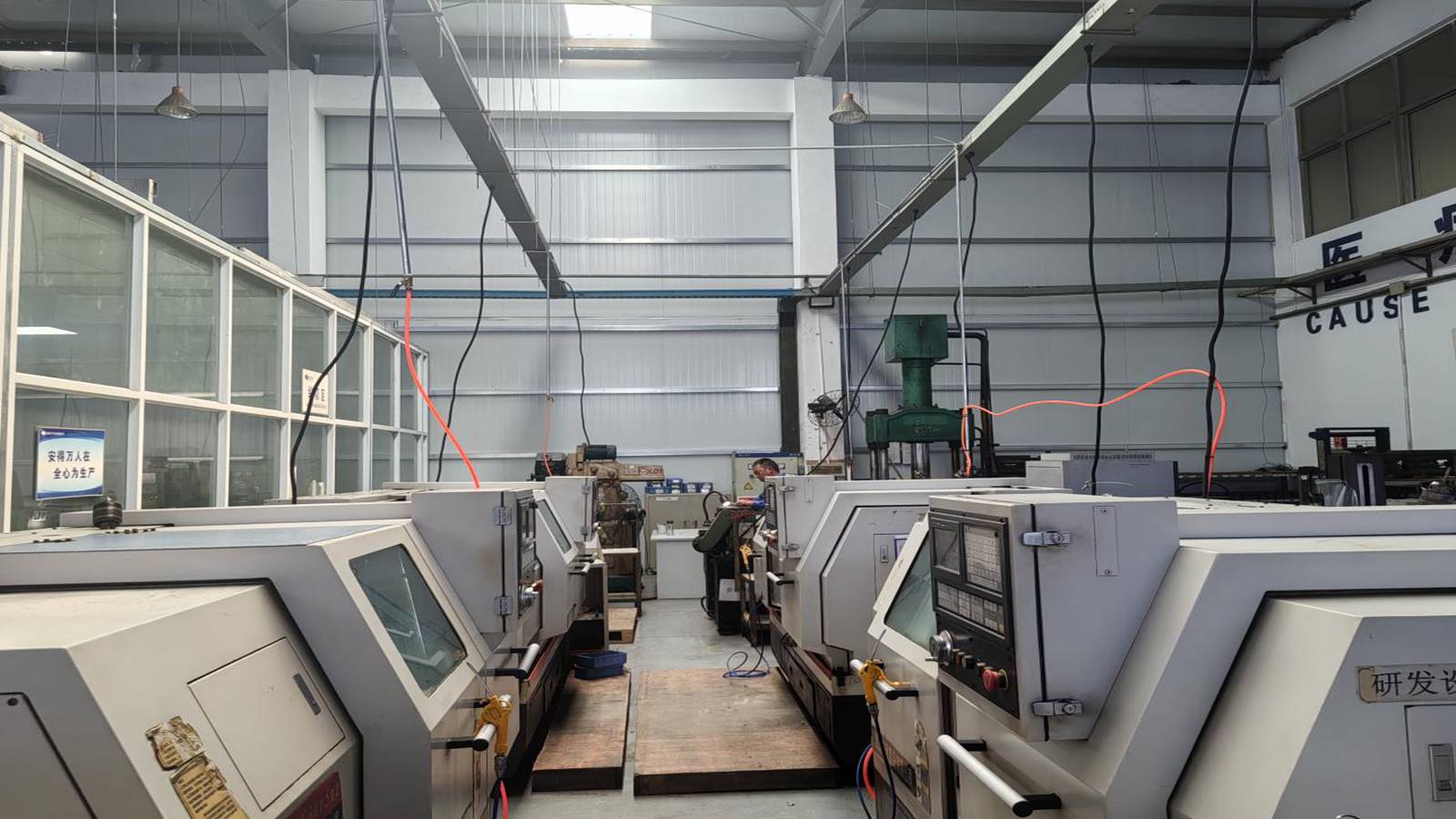
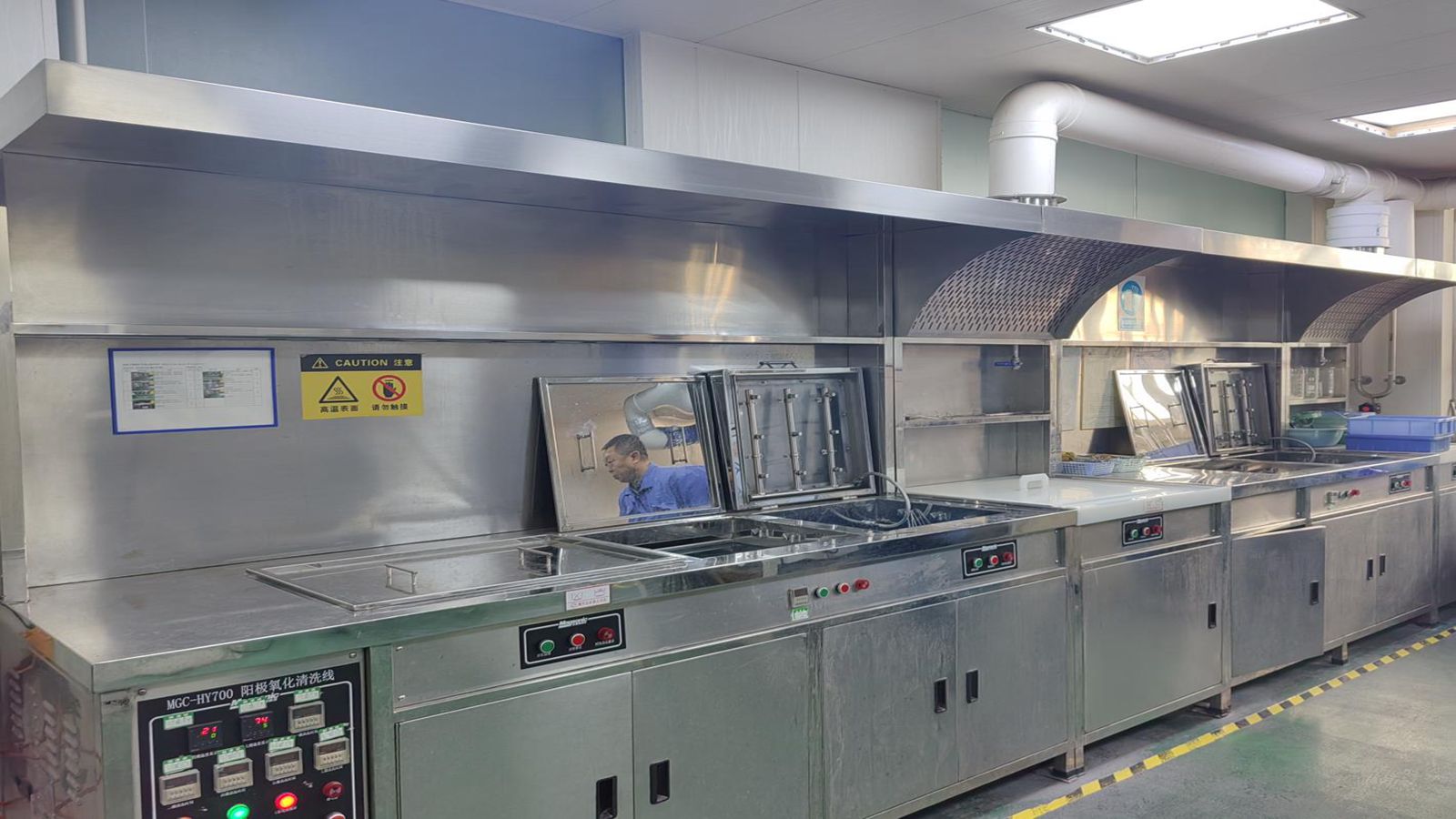
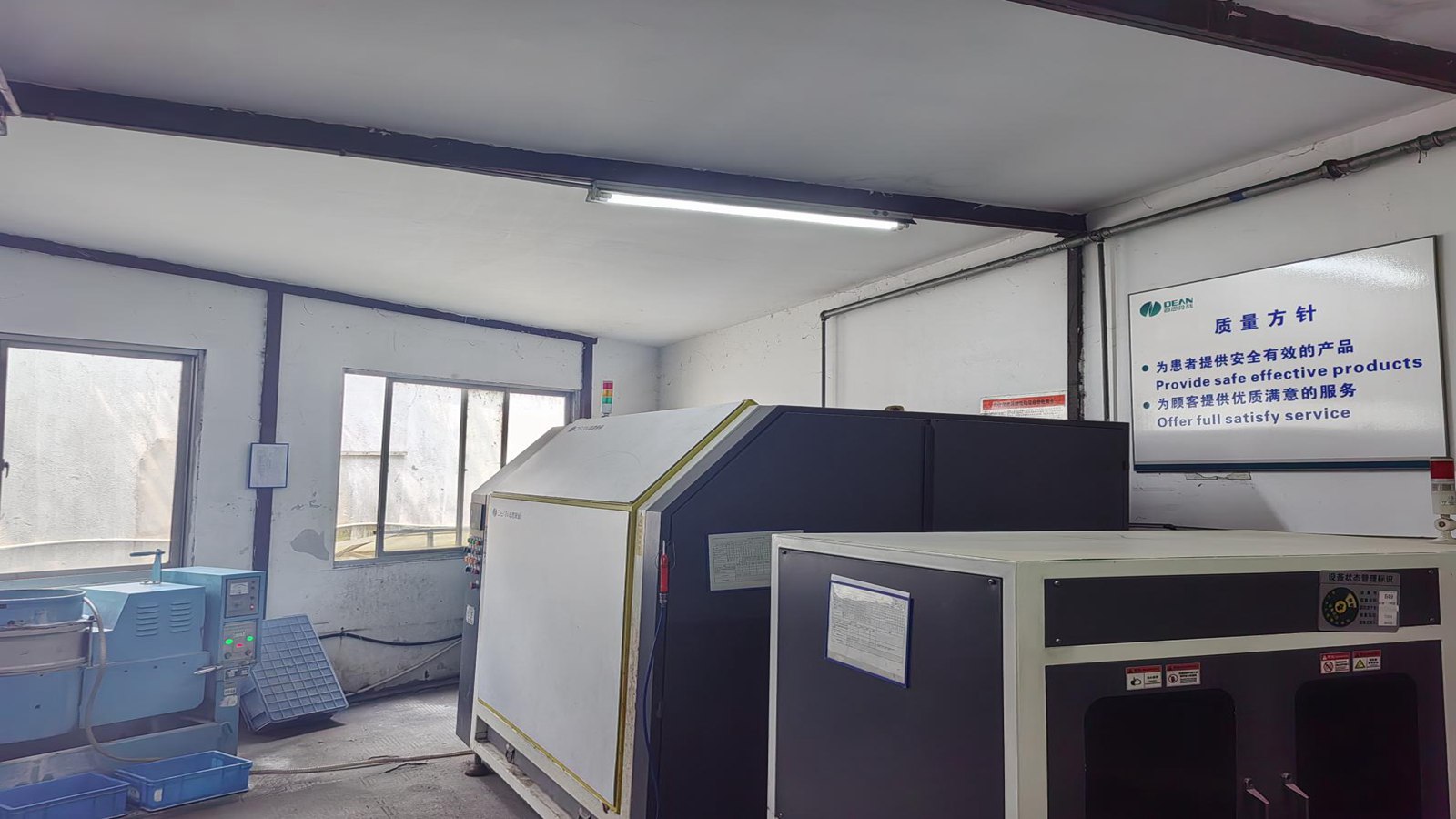
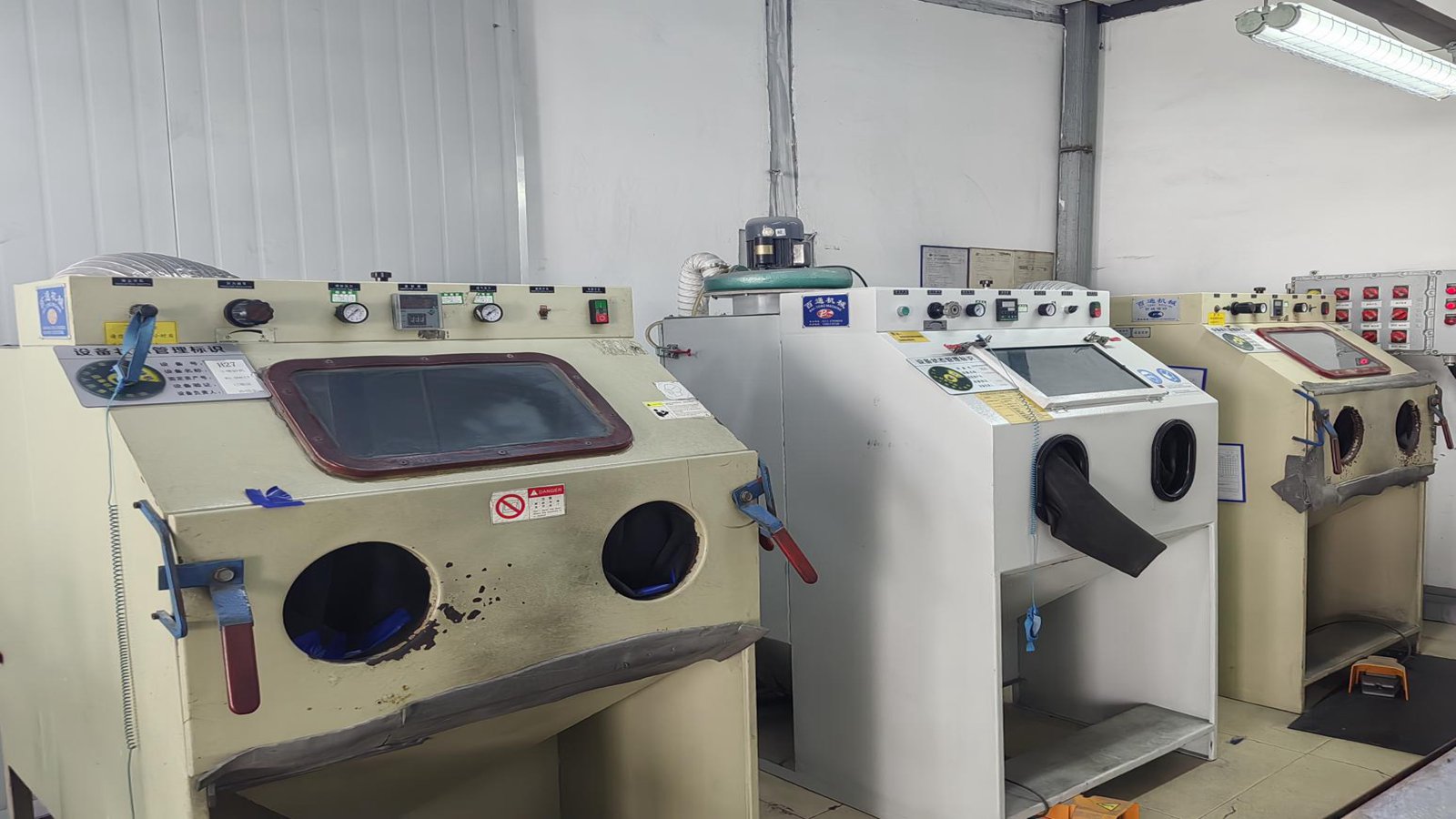
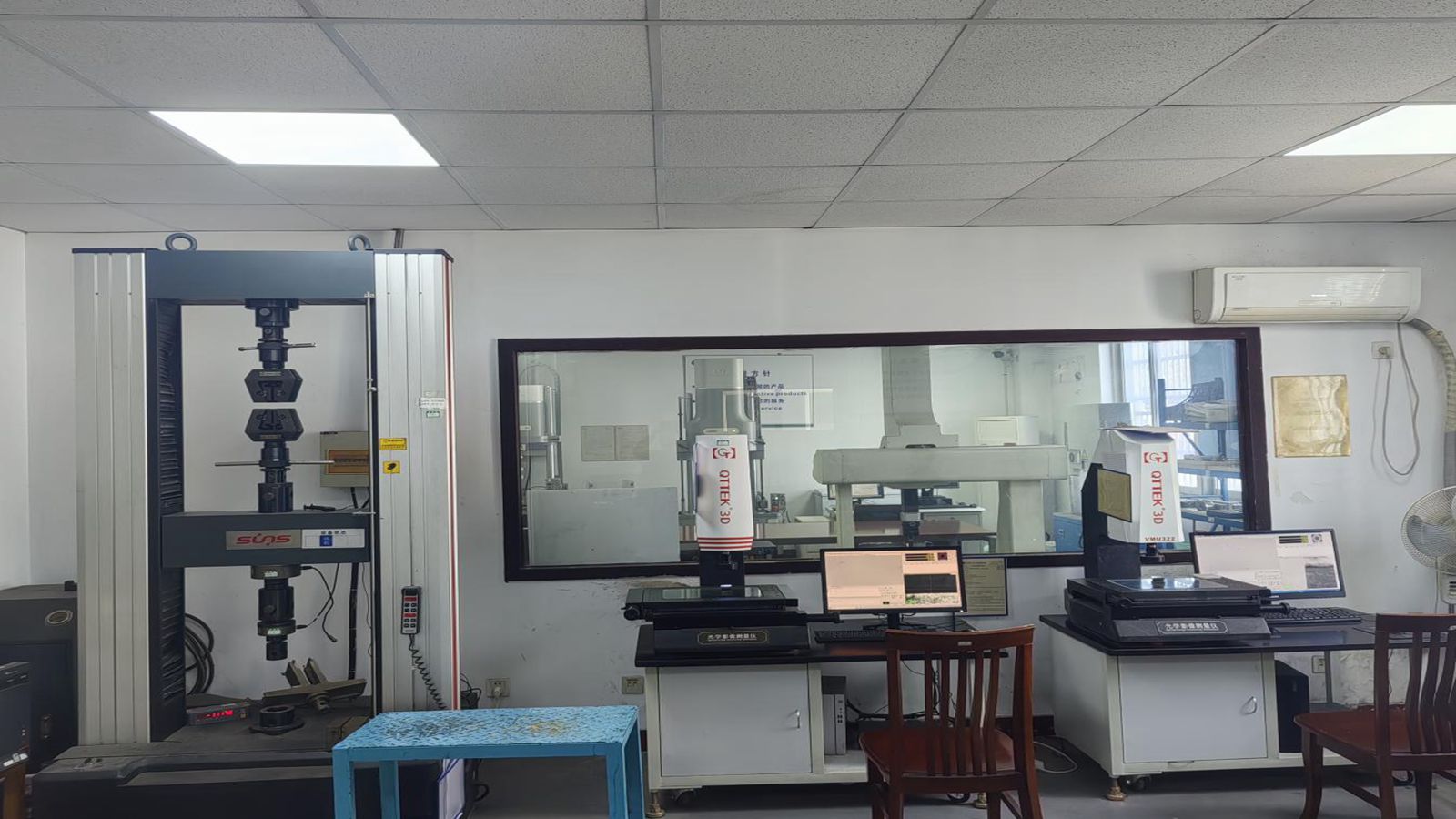
Inside the 18,600㎡ Medispirex factory: High-precision engineering, CNC lines, and certified quality workflows.
Adapting spinal implant architectures to demographic variances and global healthcare models.
The success of cervical arthrodesis is highly dependent on matching patient anatomy. Studies in clinical biomechanics indicate significant variations in cervical vertebral dimensions (apical footprint, vertebral body depth, and height) among patient populations. Medispirex addresses this through anatomical localization:
The international spine implant sector faces intense cost-containment measures, demanding high clinical performance at sustainable price points. Western healthcare institutions, operating under DRG (Diagnosis-Related Group) reimbursement constraints, increasingly rely on top-tier contract manufacturers and OEM suppliers in China to control product costs without sacrificing quality.
Medispirex bridges this market gap by maintaining manufacturing standards comparable to leading international brands, supported by localized delivery schemes, regulatory-approved documentation, and responsive customer service.
How our manufacturing cluster model reduces lead times, optimizes cost structures, and ensures volume stability.
Medispirex is positioned in China’s premier medical device cluster. This provides immediate access to high-purity medical titanium rods, certified PEEK stock, Swiss-type CNC tools, high-capacity anodizing processors, and third-party validation laboratories.
Our supply chain network encompasses over 860 raw material, logistics, and processing partners. This extensive infrastructure protects our operations against spot shortages, enabling consistent raw material supplies and continuous volume manufacturing.
We handle key production processes in-house, including CNC precision machining, cleaning, polishing, surface treatment, packaging, and laboratory verification. This minimizes coordination delays and provides total process control.
By combining specialized cluster dynamics with high automation, Medispirex reduces production cycles by 30% compared to non-clustered global competitors. This ensures we deliver customized prototypes within 14 days and full production runs within 30 to 45 days.
Clinical testing standards, ISO 13485 compliance, and mechanical verification of load bearing implants.
Spinal implants require absolute reliability to protect patient safety. Our 45-member Quality Control team oversees every phase of manufacturing to ensure strict compliance with ISO 13485:
Every batch of raw material (ASTM F136 Titanium, ASTM F2026 PEEK) is verified using optical emission spectrometry and mechanical tensile testing to confirm chemistry, purity, and strength specifications.
Implants undergo mechanical fatigue tests under ASTM F2077 (shear, compression, torsion) and ASTM F2267 (subsidence profiling) to ensure structural integrity across 5 million cycles.
Final cleaning, ultrasonic degreasing, and primary packaging are conducted in ISO Class 7 (Class 10,000) cleanrooms to control bioburden levels prior to sterilization.
Next generation spine therapies, biomimetic implants, and personalized patient care.
Medispirex continues to advance its orthopedic technology platform, focusing on three core development pillars over the next five years:
Transitioning from solid implants to 3D-printed porous lattices that mimic trabecular bone structure, optimizing bone remodeling and reducing modulus mismatches.
Developing bioactive mineral, hydroxyapatite (HA), and silicon nitride coatings on PEEK implants to improve bone-to-implant contact and reduce healing times.
Utilizing pre-operative CT imaging data to design customized, patient-specific cervical cages that address severe spinal deformities and complex revisions.
Key technical, quality control, and logistics details for medical distributors, clinical buyers, and OEM partners.
Clinical-grade surgical instrumentation, veterinary implants, and spinal stabilization systems.