Medispirex Medispirex

CE Certified Titanium Cannulated Screws Suppliers & Exporter

High-Precision Orthopedic Implant Systems, Medical Grade-5 Titanium Alloys, and Certified Compliance for Global Clinical Trauma Fixation Solutions.

Featured Portfolio

Advanced Surgical Implants & Systems

Explore our state-of-the-art orthopedic devices and instrumentation engineered for clinical precision.
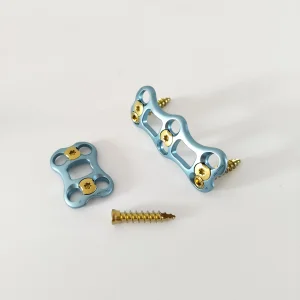
Anterior Cervical Plate Surgical Instrument

High Quality Anterior Cervical Plate Surgical Instrument for Spine Surgery

View Specifications
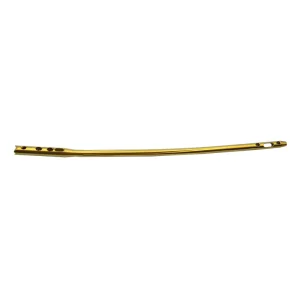
Expert Intramedullary Femoral Nail

Expert Intramedullary Femoral Nail Fracture Surgery Medical Orthopedic Implant Titanium Alloy

View Specifications
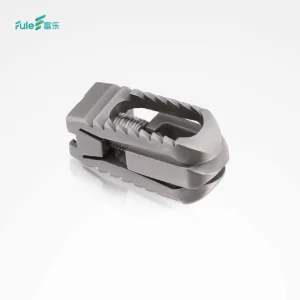
Customized Titanium PEEK Interbody Fusion Cage

Customized Titanium PEEK Artificial Expandable Interbody Fusion Cage Orthopedic Surgery Implant Set Interventional Materials

View Specifications
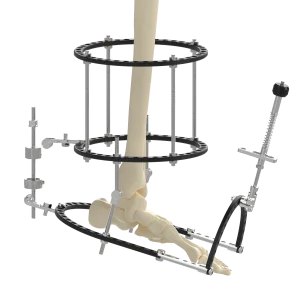
CANWELL Hybrid External Fixator

CANWELL Hybrid External Fixator Instrument Set Rod Pin Femoral Linear LRS Compact System Orthopedic CE Bone Implants Class III

View Specifications
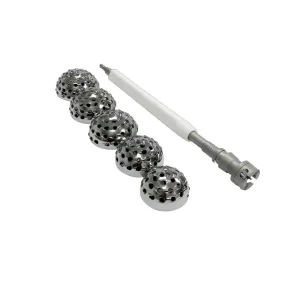
Hip Surgical Acetabular Reamer

Medical Instruments Hip Surgical Orthopedic Acetabular Reamer Hip Replacement Surgery Tools

View Specifications
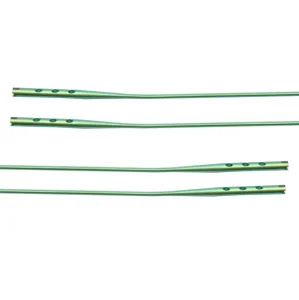
Geasure Orthopedic Implant Ulna Intramedullary Nail

Geasure Orthopedic Implant Set Orthopedic Implant Ulna Intramedullary Nail Ulna Interlocking Nail

View Specifications
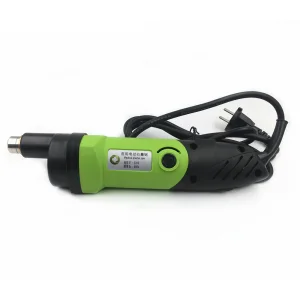
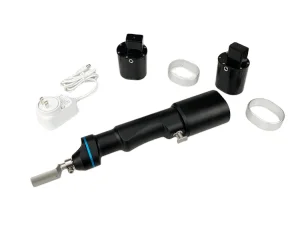
Veterinary Plaster Cast Saw

Best Price Hot Sale Veterinary Surgical Instruments Orthopedic Plaster Cast Saw Medical Plaster Saw

View Specifications
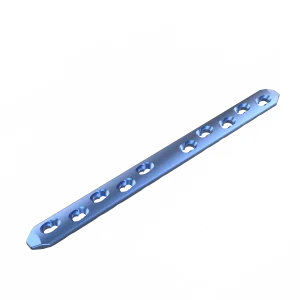
Titanium Locking Compression Plate

CANWELL Orthopedic Surgical for Titanium Locking Compression Plate Small Fragment Bone Fracture Fixation AO Standard CE

View Specifications
Executive Briefing

Re-Engineering Osteosynthesis: The Role of Titanium Cannulated Screws

In modern skeletal trauma surgery and reconstructive orthopedics, the primary objective is to achieve immediate biomechanical stability while safeguarding the surrounding biological pathways. Titanium Cannulated Screws have emerged as a critical clinical standard for internal fracture fixation. Designed with a hollow central shaft (cannulation), these implants allow surgeons to insert a precise guide wire before driving the screw home, ensuring sub-millimeter precision in minimally invasive surgical (MIS) protocols.

From femoral neck fractures and patellar reconstruction to complex arthrodesis in the hand and foot, the structural dynamics of titanium alloys combined with the functional versatility of cannulation yield vastly superior patient outcomes. By eliminating alignment errors, reducing intraoperative fluoroscopy time, and maintaining strong compression across fracture lines, cannulated systems address the most demanding challenges of global orthopedics.

Technical Highlight: Guide-Wire Mediated Fixation

The fundamental biomechanical advantage of the cannulated system is its guide-wire mechanism. By establishing temporary stable reduction through a 1.2mm to 3.2mm guide pin, surgeons can confirm optimal placement using fluoroscopy before drilling or tapping, dramatically reducing the risk of cortical blowout or articular penetration.

Key Procurement Specs

  • Material: Ti-6Al-4V ELI (ASTM F136 / ISO 5832-3)
  • Certifications: CE (MDR Compliant), ISO 13485, Class III Classification
  • Diameter Options: 2.4mm, 3.0mm, 4.0mm, 4.5mm, 6.5mm, 7.3mm
  • Thread Profiles: Partially threaded, fully threaded, self-tapping, self-drilling
  • Surface Treatments: Medical-grade anodic oxidation (color-coded sizing)
Manufacturing Authority

Medispirex Orthopedic Technology Co., Ltd.

A global leader in high-performance spinal, trauma, and joint reconstruction implants.

2016
Established
18,600㎡
Production Facility
$18M
Annual Export Value
12+ Yrs
Industry Expertise

Founded on a commitment to precision engineering and advanced biomechanics, Medispirex integrates cutting-edge R&D with complex medical manufacturing. Supported by a robust supply chain network consisting of 860 upstream and downstream partners, we deliver certified surgical solutions to healthcare systems in Europe, North America, the Middle East, and Southeast Asia.

Our innovation engine is driven by a highly specialized R&D division of 85 dedicated engineers specializing in materials science and biomechanical modeling. This enables us to introduce up to 120 new orthopedic products annually, keeping our clinical partners at the forefront of medical technology.

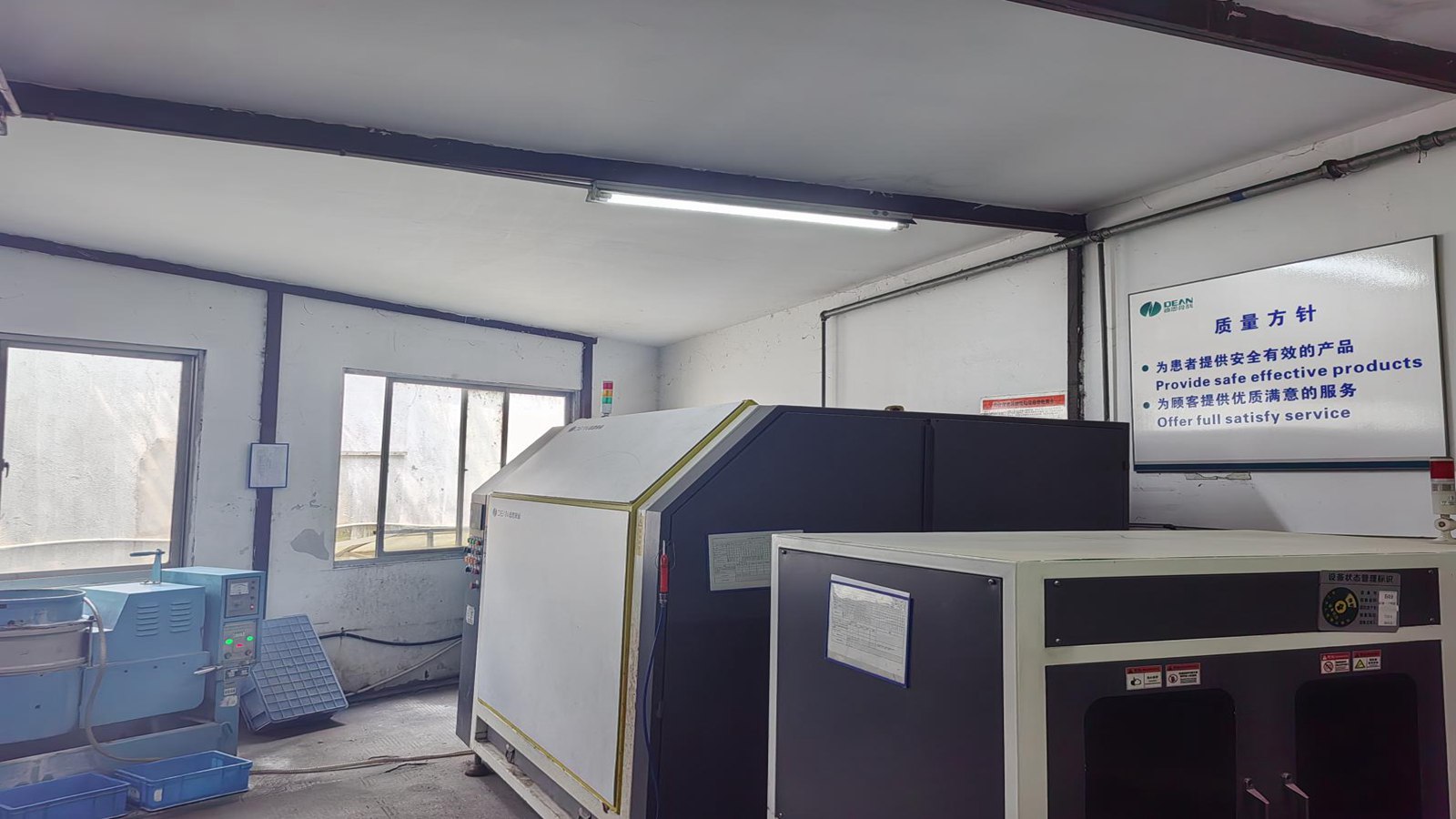
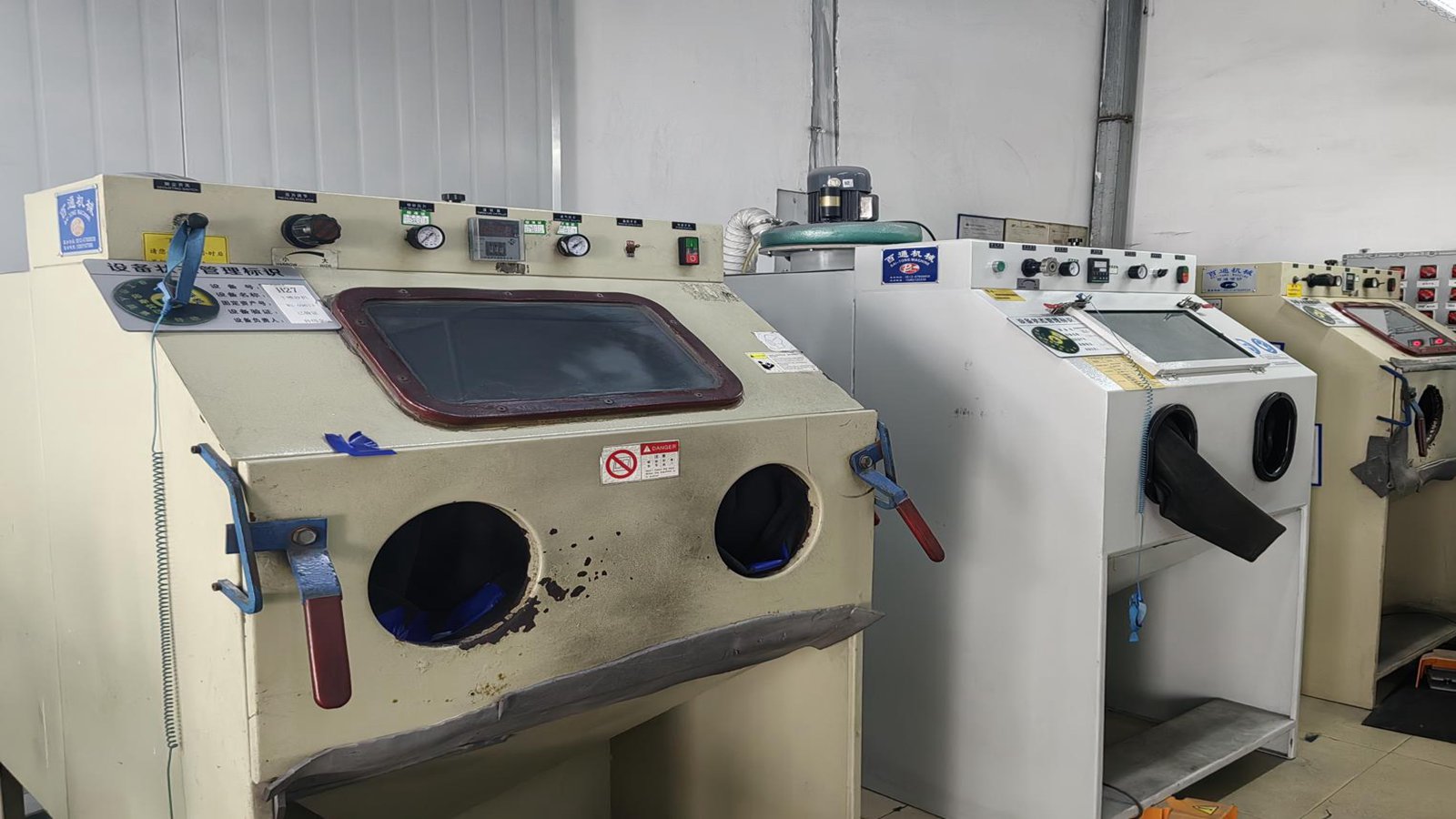
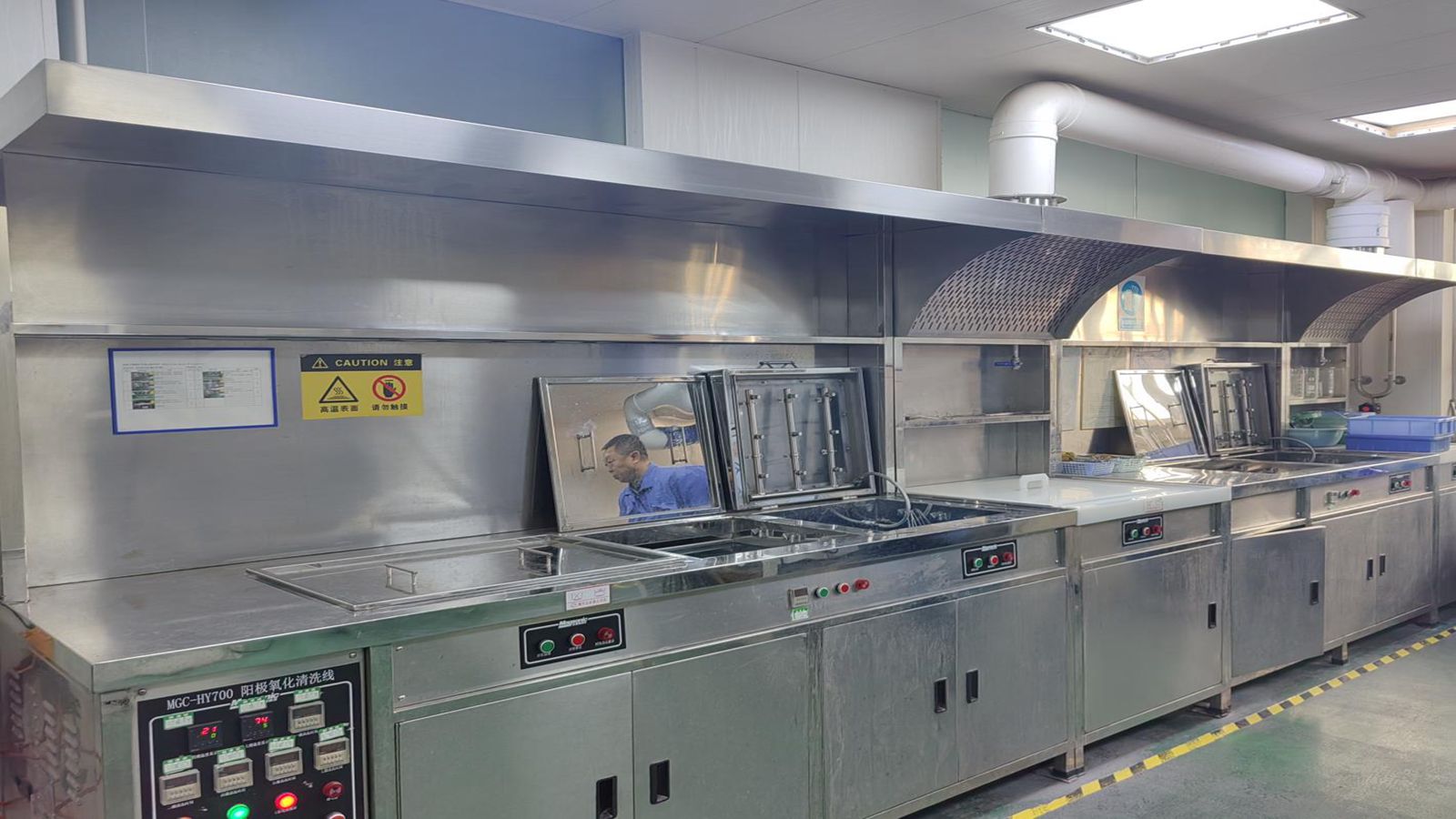
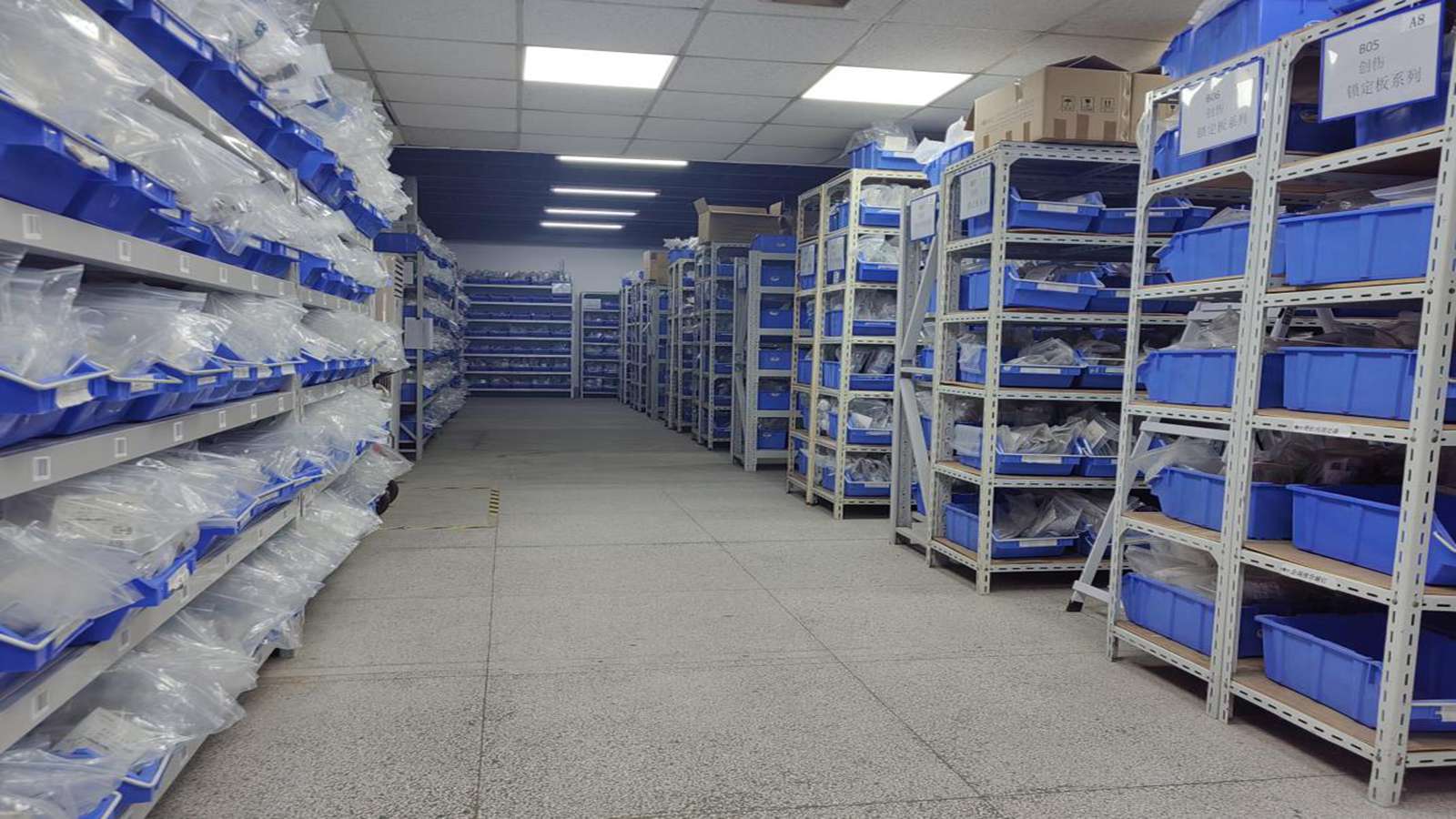
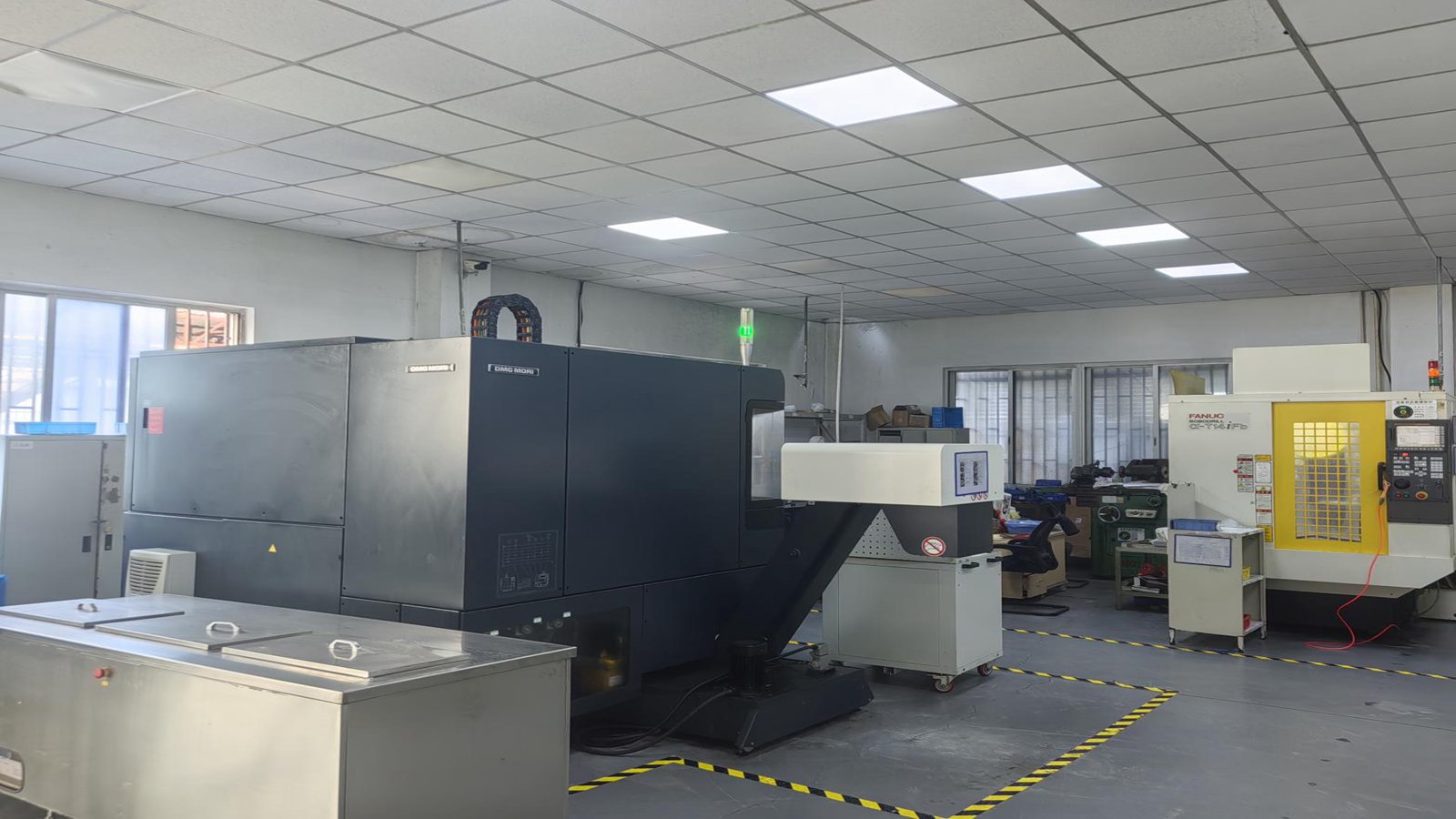
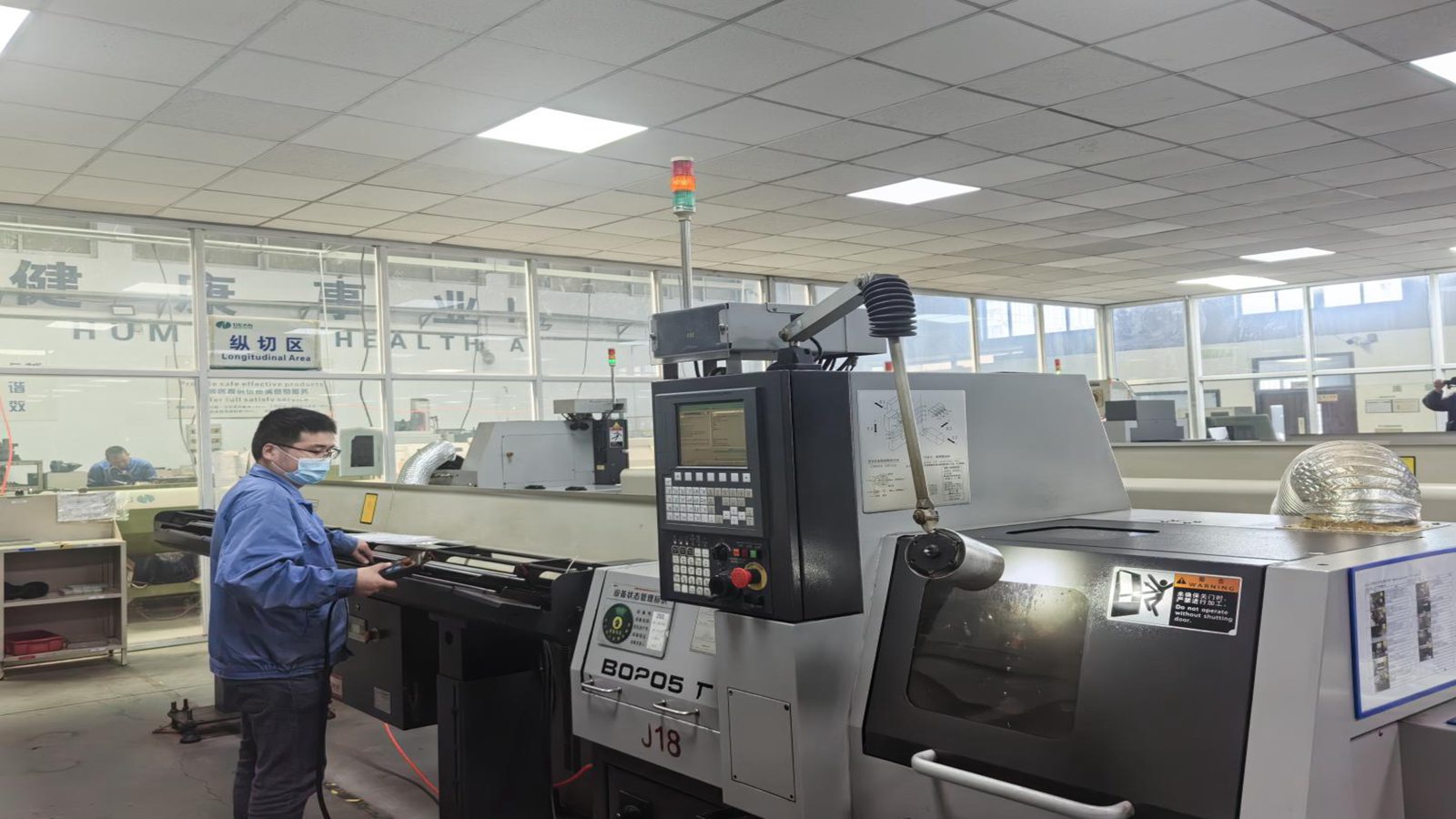
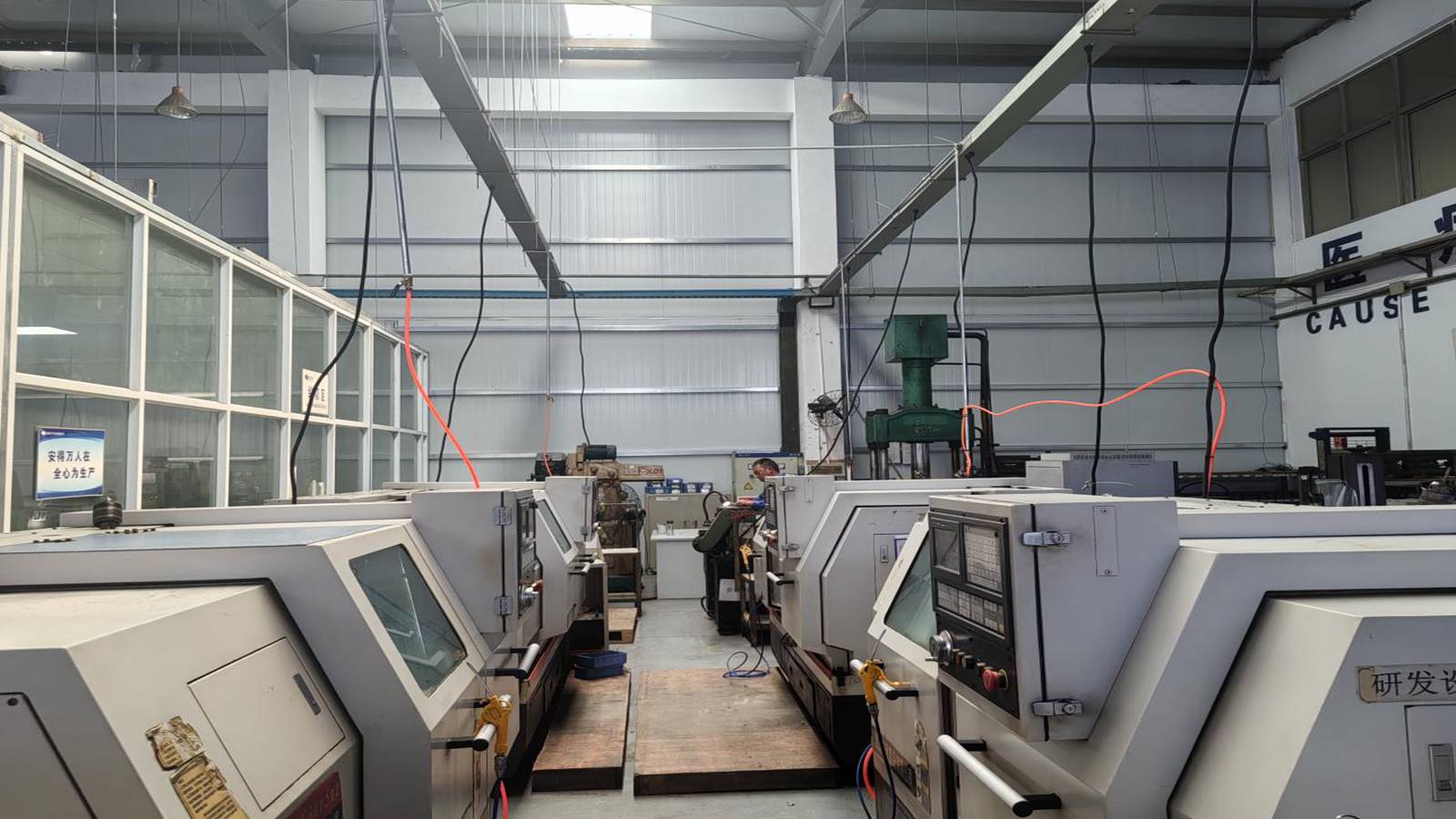
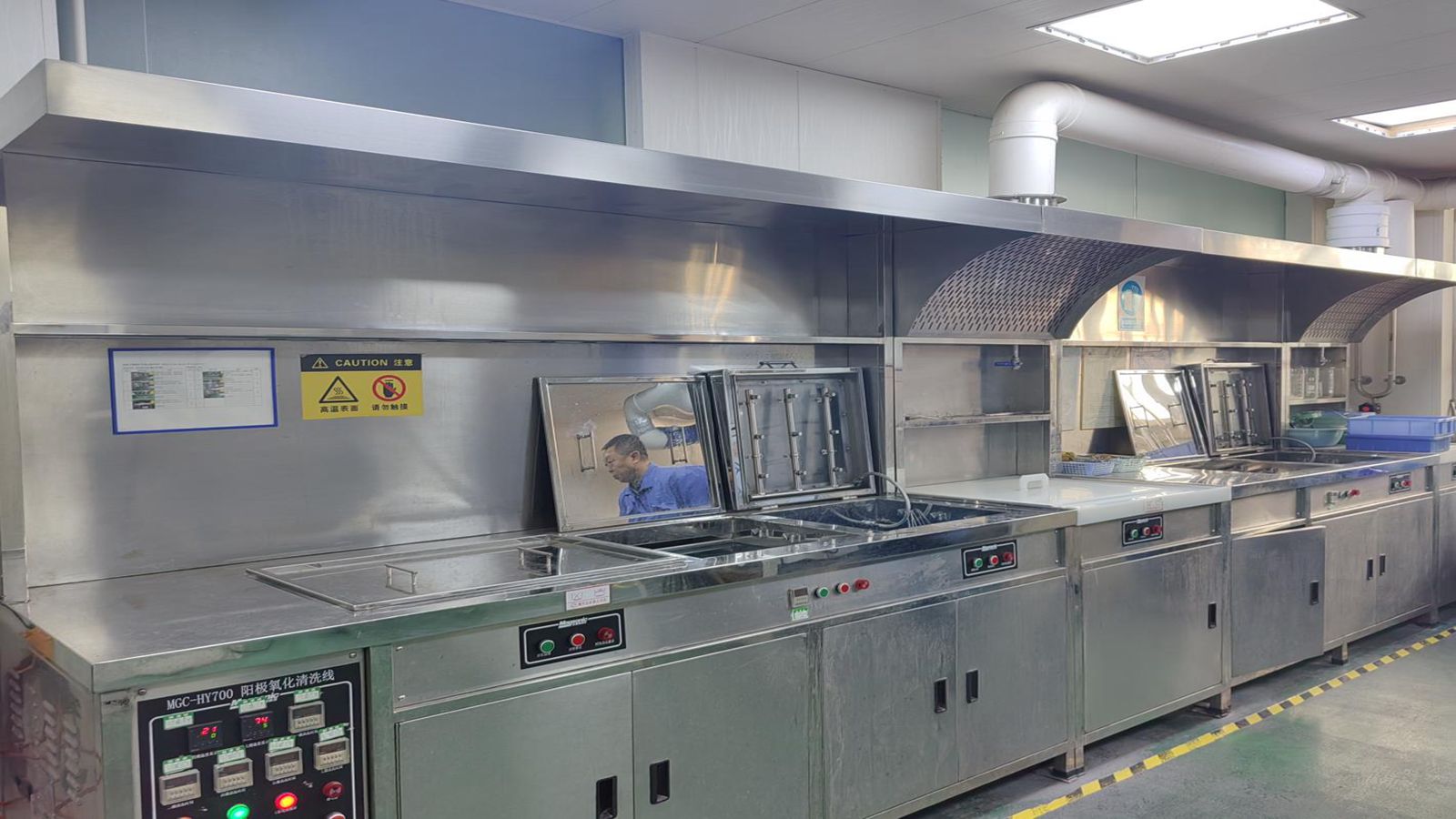
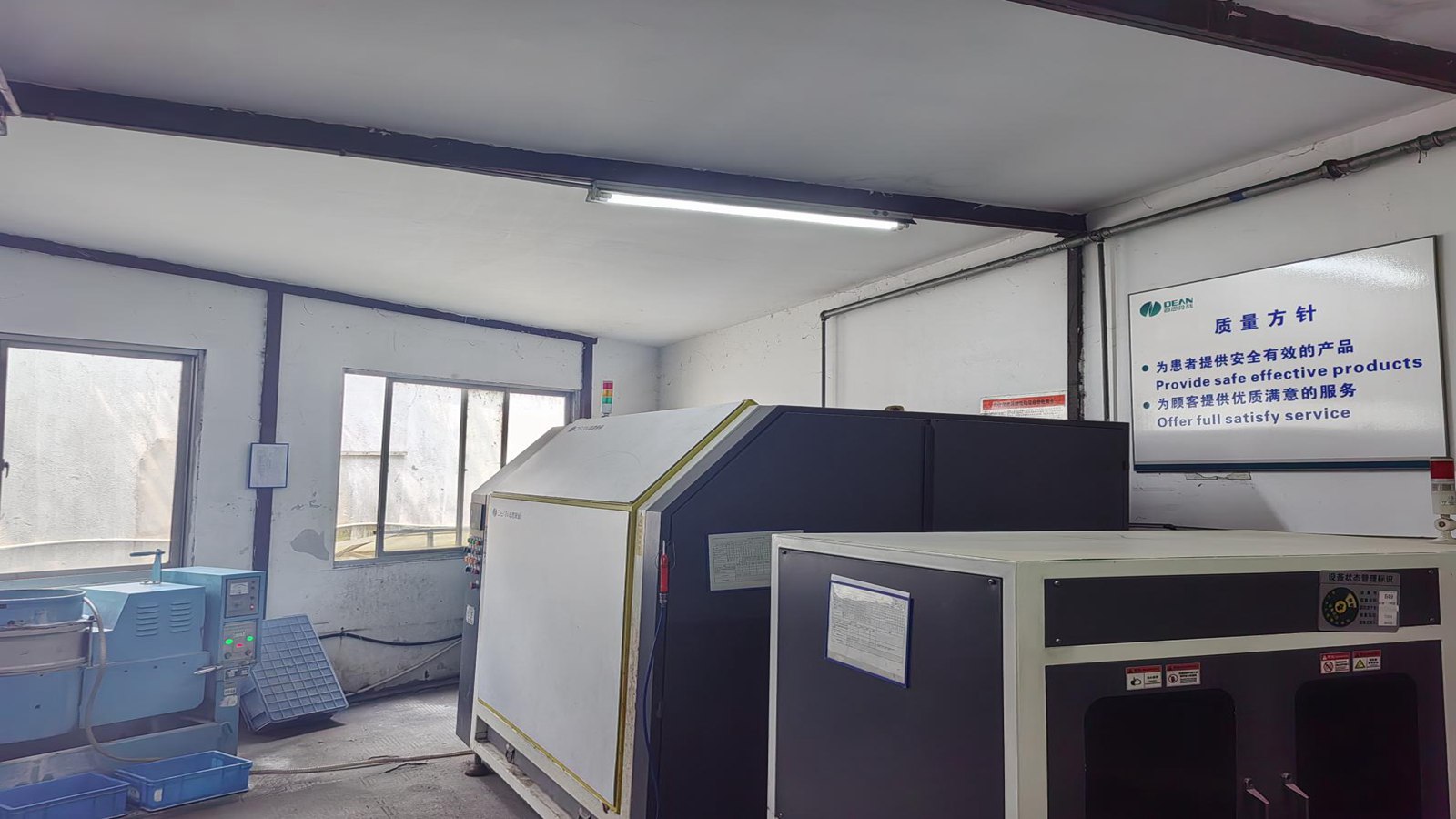
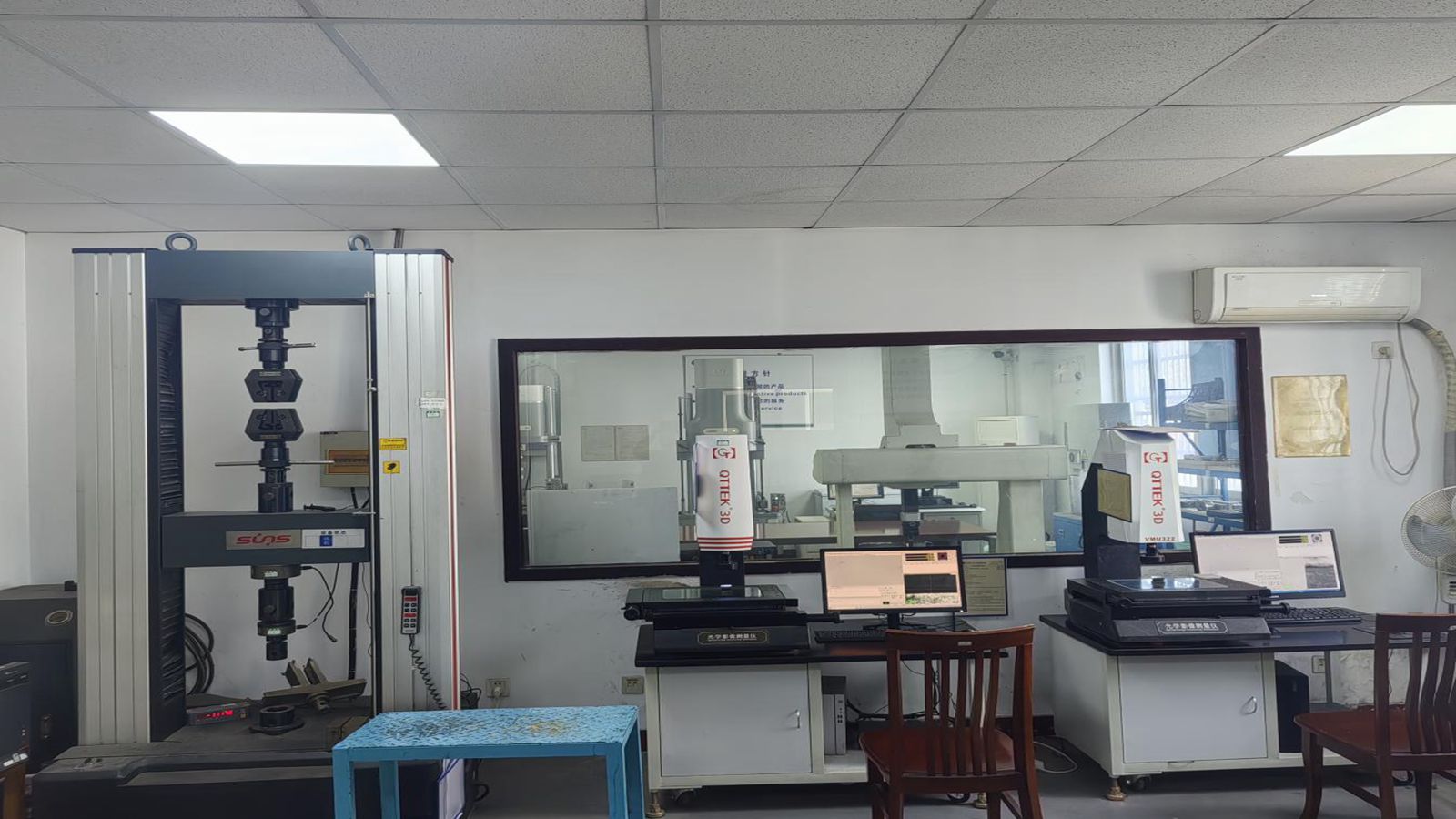
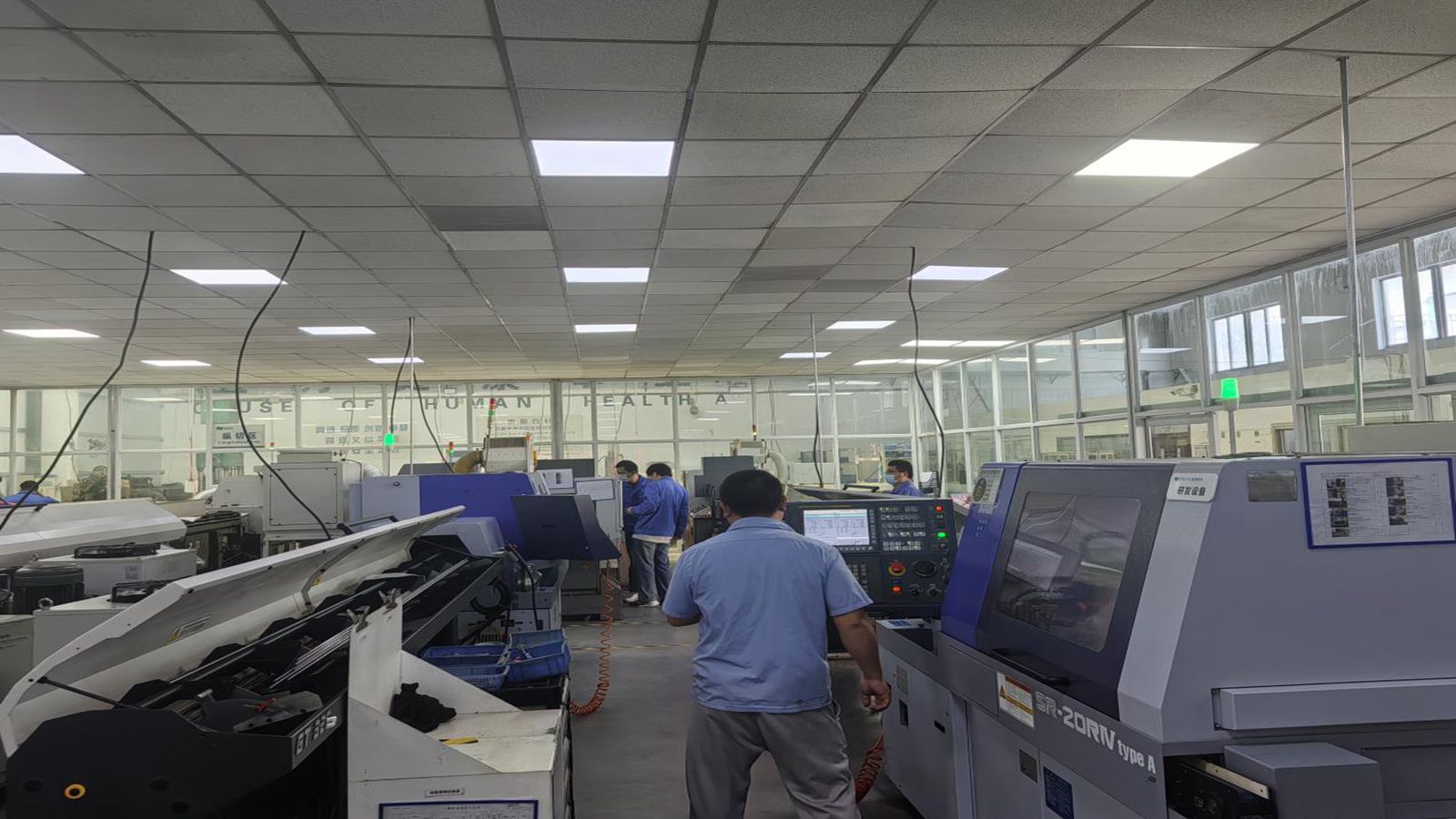
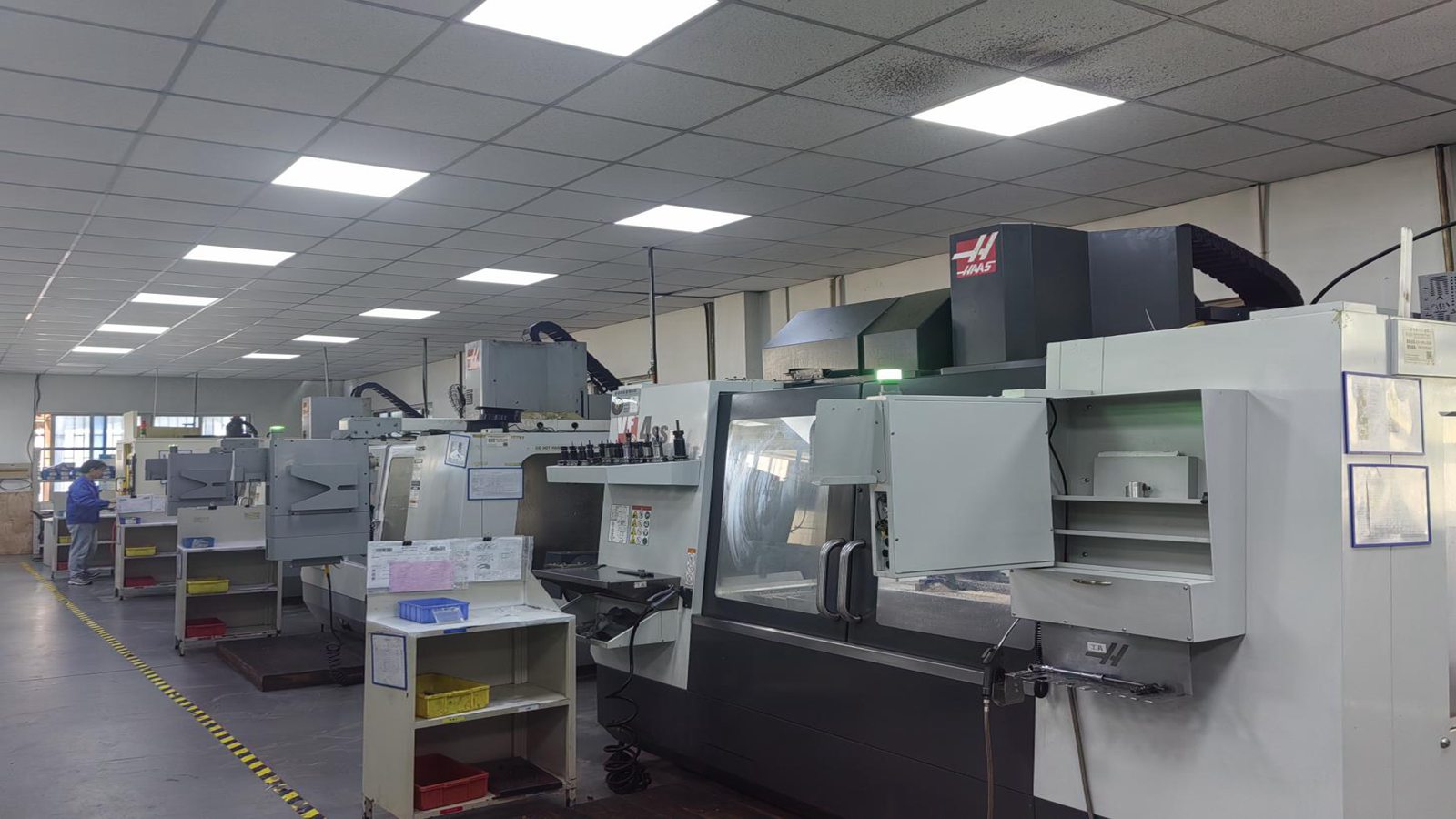
Factory Environment & Quality Facilities

Advanced Manufacturing Infrastructure

Inside our ISO-compliant production lines where high-grade materials transform into life-enhancing implants.
Macro-Analysis

Global Procurement Dynamics & Clinical Requirements

Unlocking supply-chain stability and standardizing specifications for orthopedic implant bids.

Tender & Bidding Alignment

We structure comprehensive technical documentation compliant with national hospital tenders. From CE-certified clinical trial dossiers to Class III medical device declarations, our paperwork ensures smooth processing in public and private medical bids.

Reliable Lead Times

Leveraging a state-of-the-art CNC facility and a robust network of 860 supply partners, we mitigate raw material constraints. We ensure stable production windows and fast shipping pipelines for distributors and large hospital purchasing groups.

Full Material Integrity

We manufacture exclusively with high-grade, biocompatible Ti-6Al-4V ELI (Grade 5) alloys. Each production run includes Mill Test Reports, mechanical stress verification sheets, and complete chemical composition analyses.

Demands of Institutional Sourcing Teams

Institutional sourcing teams in Europe, North America, and other major markets require partners that prioritize safety, cost-efficiency, and strict compliance. Key expectations include:

  • MDR (Medical Device Regulation) Readiness: Assurance that technical files meet current European regulatory requirements.
  • Comprehensive Sterility Profiles: Validated cleaning procedures and sterilization protocols for double-barrier packaging systems.
  • Integrated Instrumentation: Fully compatible, surgical-grade stainless steel instrument sets designed specifically for cannulated systems.
  • OEM/ODM Flexibility: The capability to adapt pitch configurations, thread profiles, and head recesses (e.g., Hexagonal, Torx Star) to align with existing surgical workflows.
Product Deep Dive

Biomechanical Engineering & Specifications

The physics of compression, torque transfer, and implant longevity in skeletal trauma repair.

Our titanium cannulated screws are engineered to optimize bone purchase and ensure clean compression across fracture lines. By using specialized thread geometries and CNC-machined self-tapping/self-drilling flutes, these implants reduce insertion torque and avoid micro-fracturing surrounding cortical bone.

Screw Diameter (mm) Guide Wire Size (mm) Drive Interface Common Clinical Applications Core Mechanical Features
Ø 2.4 / 3.0 Ø 0.8 - 1.1 Star / Hexagonal Scaphoid fractures, osteochondritis dissecans, hand/foot arthrodesis Low-profile head to prevent joint irritation; fine pitch for small bones
Ø 4.0 / 4.5 Ø 1.4 - 1.6 Hexagonal 2.5 Malleolar, distal tibia, acetabular, talus, and calcaneus fractures Dual-thread pitch option to optimize compression in cancellous bone
Ø 6.5 / 7.3 Ø 2.8 - 3.2 Hexagonal 4.0 Femoral neck, slipped capital femoral epiphysis, sacroiliac disruptions High pull-out resistance; robust cannulation for heavy guide wires

Material Optimization: Grade 5 ELI vs. Standard Titanium

To prevent fatigue failure in load-bearing applications like the femoral neck, we manufacture using Grade 5 ELI Titanium Alloy (Ti-6Al-4V Extra Low Interstitials). Compared to standard medical titanium, Grade 5 ELI offers:

  • Superior Tensile Strength: Exceptional yield and ultimate tensile strengths reduce the risk of intraoperative shearing.
  • Low Elastic Modulus: Close structural matching to human cortical bone mitigates stress shielding and accelerates natural bone remodeling.
  • Enhanced Biocompatibility: Extremely low oxygen, nitrogen, and iron content minimizes adverse tissue responses.
  • Excellent Corrosion Resistance: Forms a stable titanium dioxide passivation layer that prevents degradation in physiological environments.
Quality Control Protocol

Rigorous Testing & Verification

Ensuring clinical safety through complete traceability and strict testing standards.

At Medispirex, we understand that surgical implants demand absolute reliability. Our quality assurance team of 45 dedicated QC professionals oversees a comprehensive manufacturing control workflow:

  • Incoming Material Inspection: Every batch of raw titanium bars is verified using optical emission spectrometry and ultrasonic defect detection to ensure zero internal voids.
  • In-Process Quality Control (IPQC): Optical sensors measure dimensions in real-time during CNC cutting and thread-milling, holding dimensional tolerances to within 0.005mm.
  • Final Product Testing: Screws undergo destructive and non-destructive testing, including torsion tests to verify maximum shear strength and insertion tests in synthetic bone models.
  • Traceability System: A unique laser-etched batch code links every finished screw directly to its raw material source, manufacturing log, and anodization cycle.

Our Verification Standards

Mechanical Fatigue ASTM F543 & ISO 6475
Surface Passivation ASTM F86 Compliant
Cleanroom Standards Class 10,000 (ISO Class 7)
Biological Evaluation ISO 10993 Series Certified
Future Integration

Technological Roadmap & Future Outlook

The next generation of active tissue integration and smart implants.

As osteosynthesis technologies advance, the focus is shifting from passive bone fixation to active tissue integration. Medispirex is actively developing next-generation solutions for orthopedic implants:

Bioactive Coating Infusion

We are developing plasma-sprayed hydroxyapatite (HA) and chemical-vapor-deposition (CVD) coatings to encourage osteoblast migration directly onto the screw surface, accelerating biological fixation.

Resorbable Magnesium Cannulae

Our engineering team is researching composite structures with high-strength titanium outer shells and bio-resorbable magnesium alloy cores, promoting healthy bone growth within the screw path over time.

Smart Torque Sensors

We are partnering with university labs to integrate passive RFID micro-transmitters that record biomechanical load cycles. This research will help surgeons monitor fracture healing progress in real time.

FAQ

Technical & Commercial Frequently Asked Questions

Answers to common engineering, clinical, and procurement inquiries.

Q1: What are the primary differences between Grade 5 Ti-6Al-4V ELI and pure titanium (Grade 2) for cannulated screws?
Grade 5 ELI titanium alloy is alloyed with aluminum and vanadium, providing significantly higher tensile and fatigue strength compared to commercially pure Grade 2 titanium. This prevents the screw head from shearing under high torque. The "ELI" (Extra Low Interstitials) designation ensures lower concentrations of carbon, hydrogen, and oxygen, reducing brittle behavior and optimizing mechanical performance under high skeletal loads.
Q2: Can Medispirex customize cannulation diameter and thread pitches for OEM orders?
Yes, our R&D department of 85 engineers specializes in custom solutions. We offer comprehensive OEM/ODM services, including adjustments to cannulation inner diameters (to match specialized guide wires), unique thread pitches, self-drilling flute designs, and custom drive interfaces (e.g., custom Torx Star or hex configurations).
Q3: How does the batch traceability process work for CE-certified titanium cannulated screws?
Every product batch is laser-etched with a unique identification code. This code links to a comprehensive material file containing mill certificates, raw material origin records, CNC operator logs, passivation line records, cleanroom inspection logs, and sterilization validation data. This ensures absolute traceability, aligning with EU MDR requirements.
Q4: What surface treatment options are available, and how do they benefit surgical procedures?
We provide medical-grade anodic oxidation. Anodization thickens the natural oxide layer, improving wear resistance and preventing ion release. By using specific electrochemical potentials, we create color-coded sizing (e.g., blue for 3.0mm, green for 4.0mm, gold for 6.5mm) that allows OR staff to identify screw diameters instantly, streamlining surgical workflows.
Q5: What are the standard lead times for international orders, and do you support custom packaging?
Standard OEM production runs typically require 35 to 45 days, depending on batch volume. We provide flexible packaging configurations, including non-sterile bulk shipments and pre-validated double-barrier sterile packaging (tyvek pouches), complete with private labeling, ready for direct hospital distribution.
Surgical Equipment Portfolio

Trauma, Spine & Orthopedic Systems

Explore our full line of surgical tools and implants designed for precise fracture fixation.
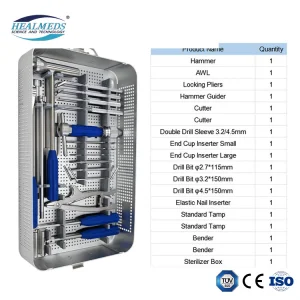
PFNA Intramedullary Nail Instrument Kit

Medical Bone Surgery Elastic PFNA Intramedullary Nail Instrument Kit Proximal Femoral Nail for Orthopedic Trauma System

View Specifications
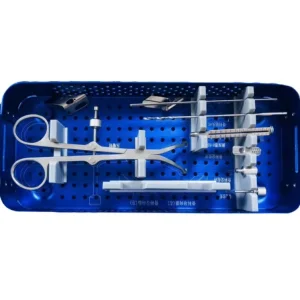
Ulnar Osteotomy Set

Competitive Price Orthopedic Locking Plate Ulnar Osteotomy Instrument Set

View Specifications
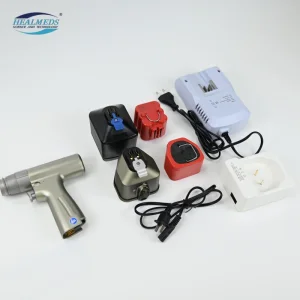
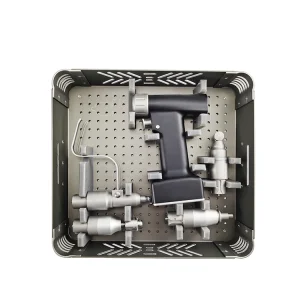
Stryker Medical Power Drill

Stryker Medical Power Drill Profession 6 Machine for Hospital

View Specifications
Geasure Children's Titanium Alloy Nail

Geasure Children's Titanium Alloy Nail Orthopedic Interlocking Intramedullary Femoral Elastic Nail

View Specifications
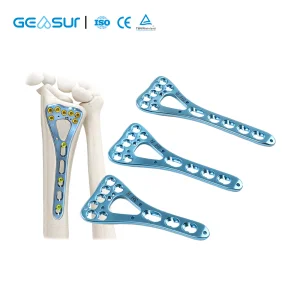
Variable-Angle Distal Radius Locking Plate

Variable-Angle Distal Radius Locking Plate for Orthopedic Trauma

View Specifications
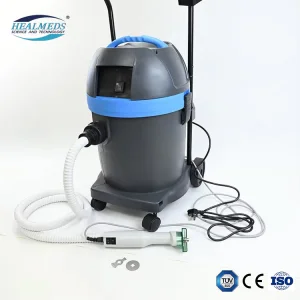
Orthopaedic Electric Cast Removal Saw

Orthopaedic Instrument Medical Electric Cast Removal Saw Machine with Vacuum Cleaner Orthopedic Cast Cutter of Plaster Cast

View Specifications
Electric Veterinary Surgical Instrument

Electric Tplo Veterinary Instrument Surgical Instruments

View Specifications
Mini Veterinary Drill

Mini Multi-Functional Reusable Veterinary Drill for Dog Care

View Specifications