Medispirex
Medispirex
Medispirex
Discover our CE certified, high-grade medical implants and surgical instrument systems engineered for global healthcare standards.
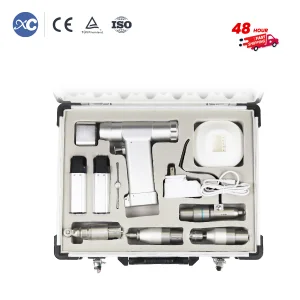
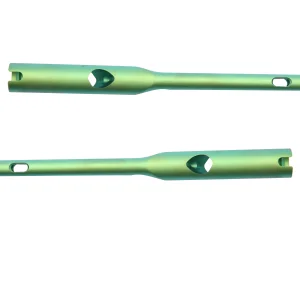
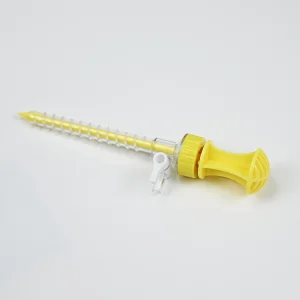
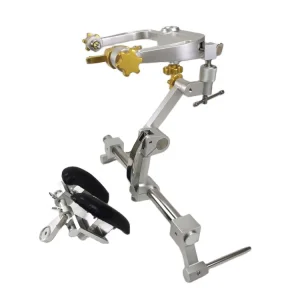
Understanding the complex mechanics and engineering required for stabilizing the craniocervical junction.
The craniocervical junction (CCJ)—comprising the occiput, atlas (C1), and axis (C2)—represents one of the most anatomically complex and biomechanically critical regions of the human skeletal system. It is responsible for a significant percentage of cranial rotation, flexion, and lateral bending. Instability in this region, whether caused by traumatic injury, rheumatoic arthritis, congenital anomalies (such as basilar invagination), or oncology-induced osteolysis, poses severe neurological risks, including cervical myelopathy or sudden respiratory arrest due to brainstem compression.
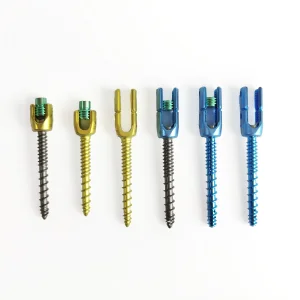
Occipito-cervical fixation (OCF) systems act as the primary structural defense in these clinical scenarios. Modern OCF designs consist of contoured occipital plates, polyaxial cervical screws, and stabilizing rods that must withstand significant dynamic, multi-directional physiological loads. Ensuring immediate rigid stability while facilitating biological fusion requires precise biomechanical design, tight manufacturing tolerances, and raw materials with superior biocompatibility and fatigue strength, such as medical-grade Titanium Alloy (Ti-6Al-4V ELI).
Manufactured using Ti-6Al-4V ELI titanium alloys to ensure complete osteointegration and avoid post-operative tissue rejection or toxic metallosis.
Engaging low-profile plate geometries and variable-angle polyaxial screws to allow optimal plate contouring and maximum screw-thread purchase.
Full compliance with the European Medical Device Regulations (MDR), ensuring strict patient safety and clinical efficacy parameters.
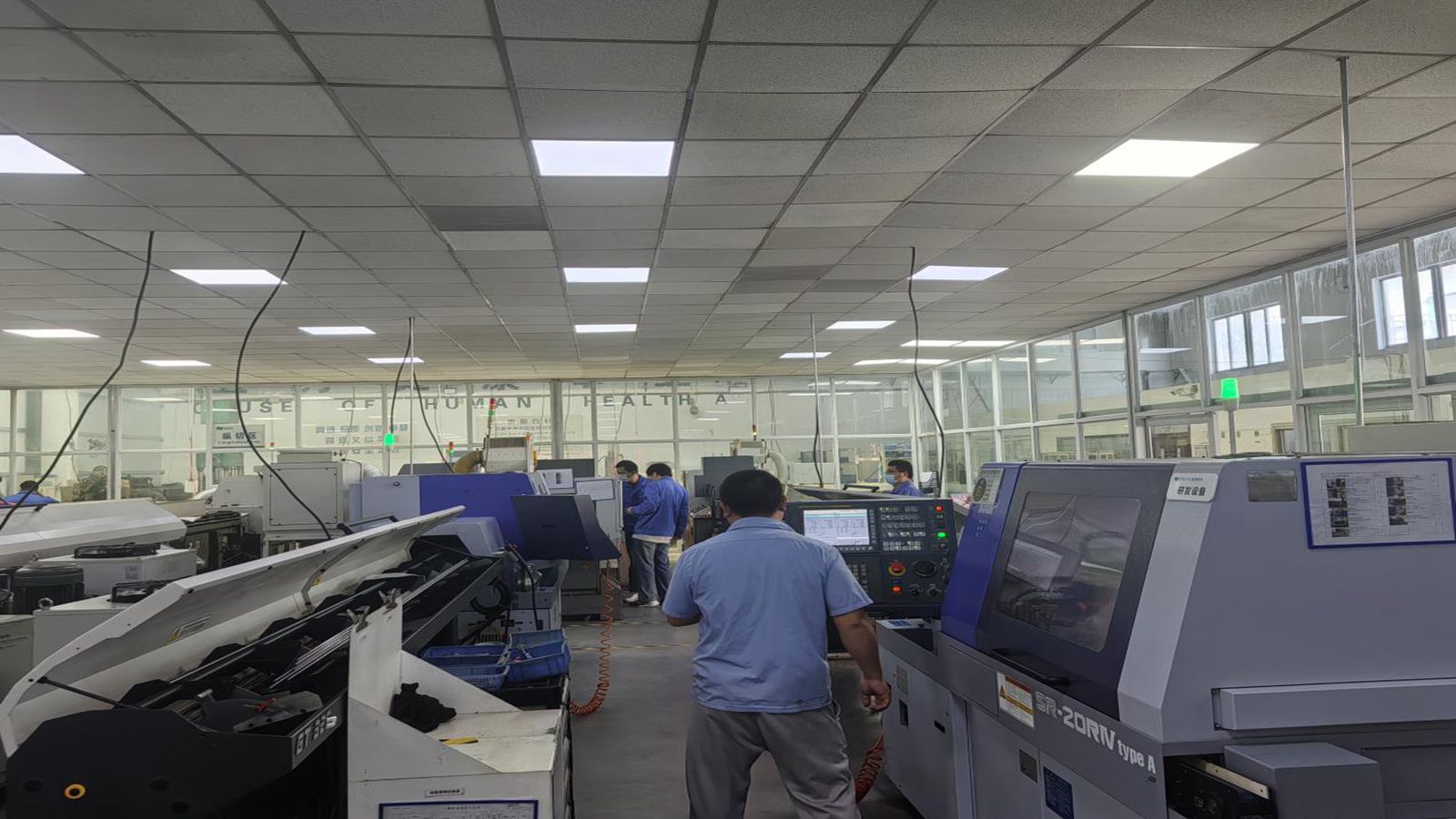
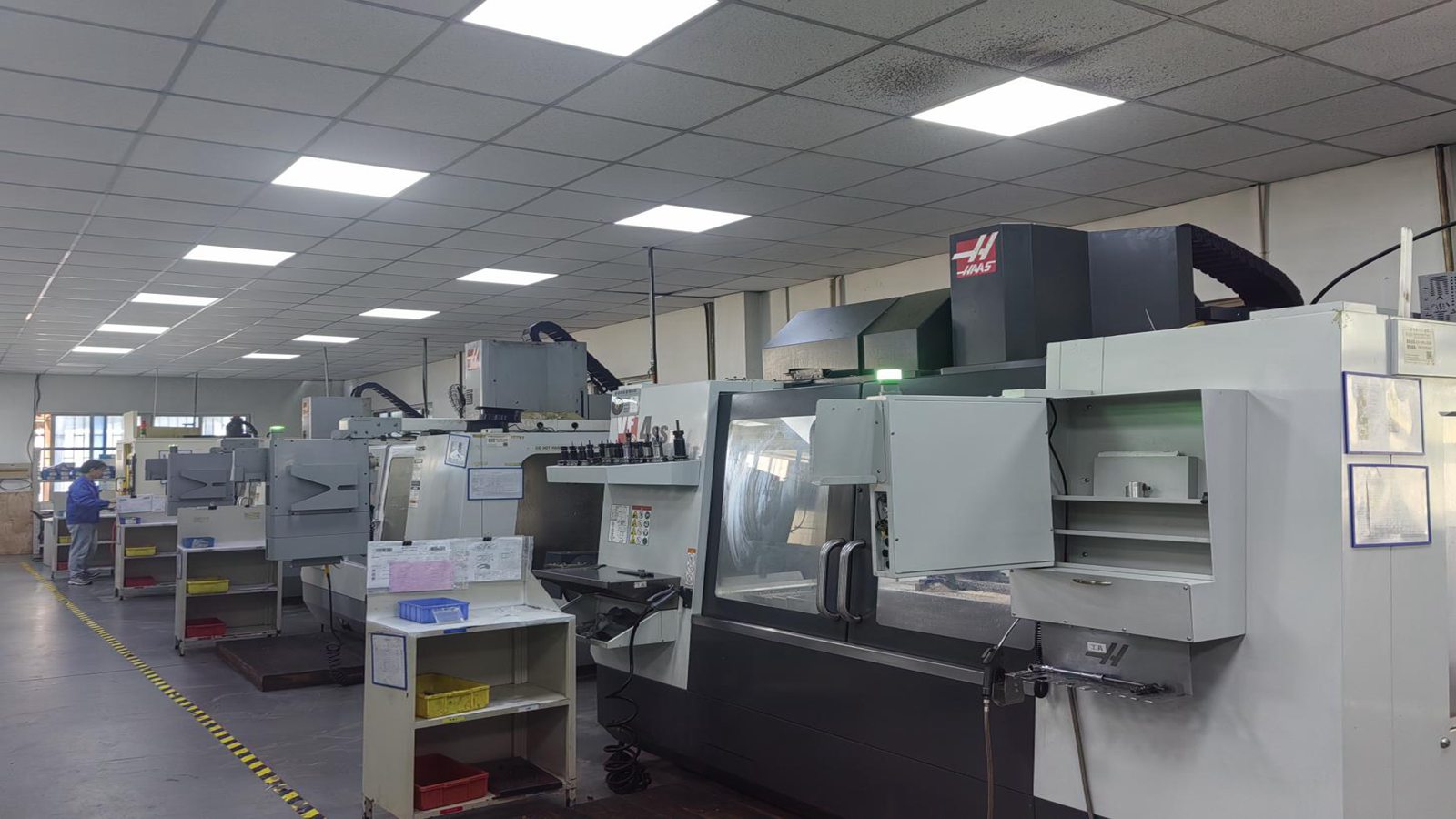
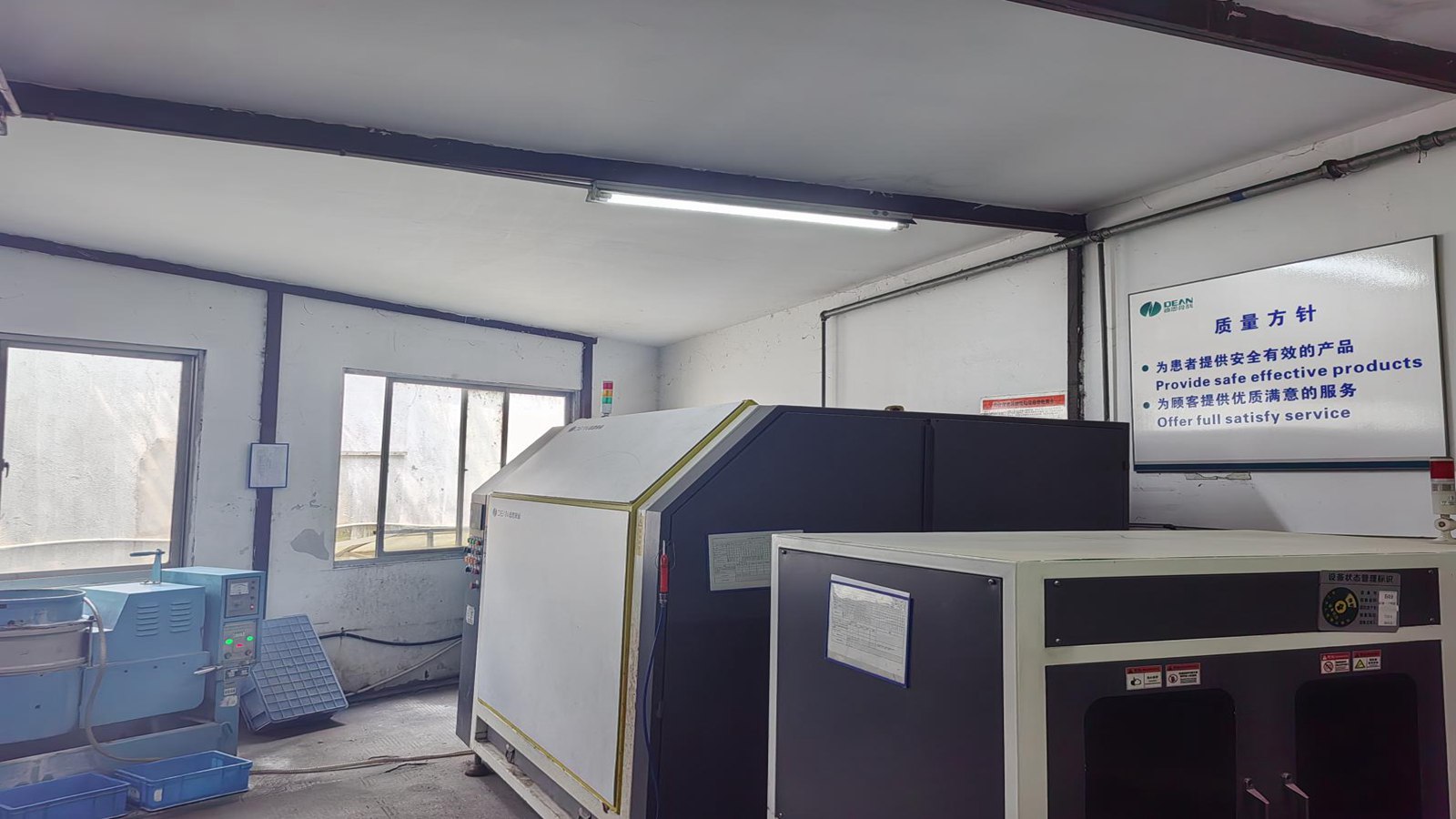
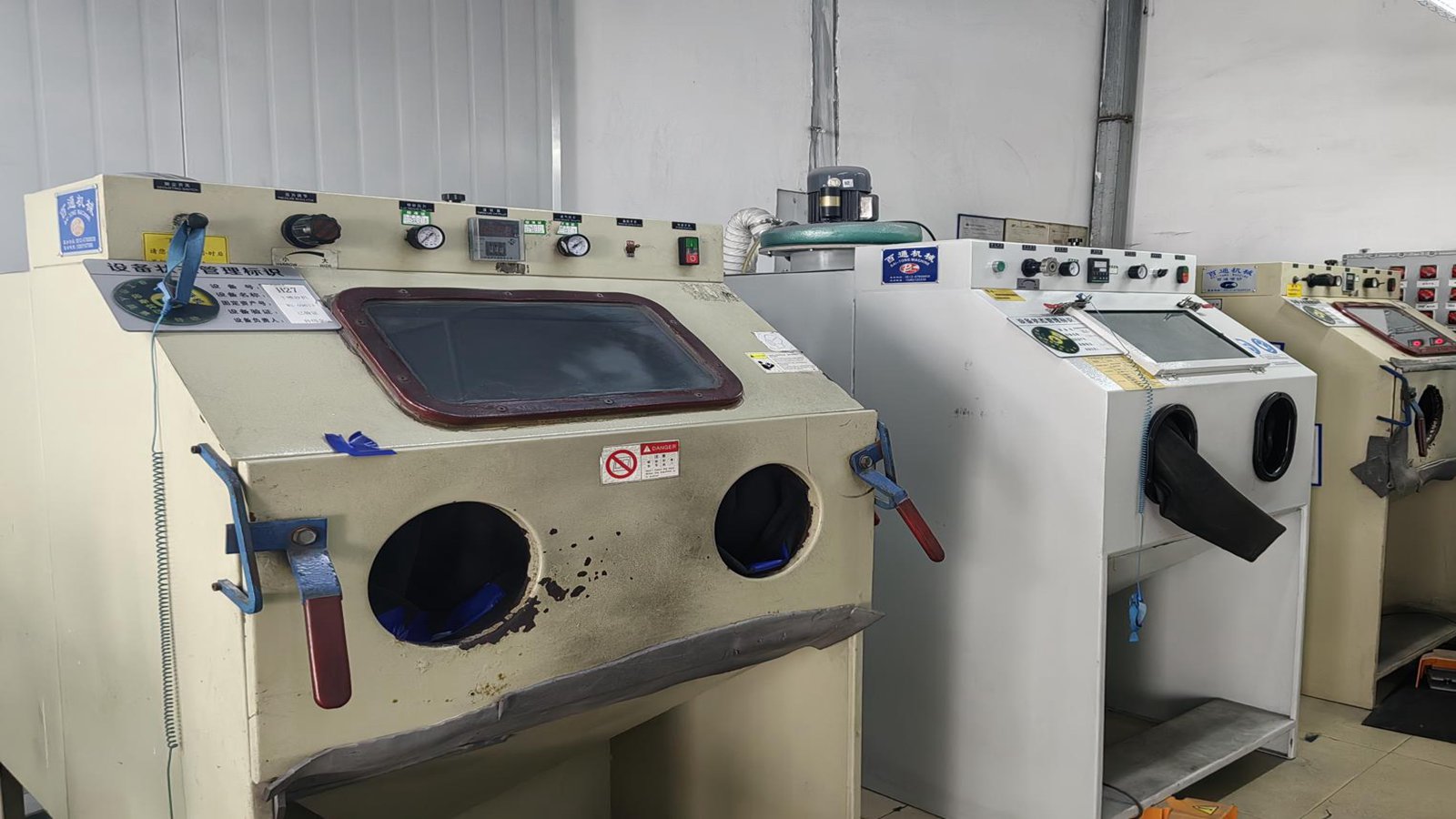
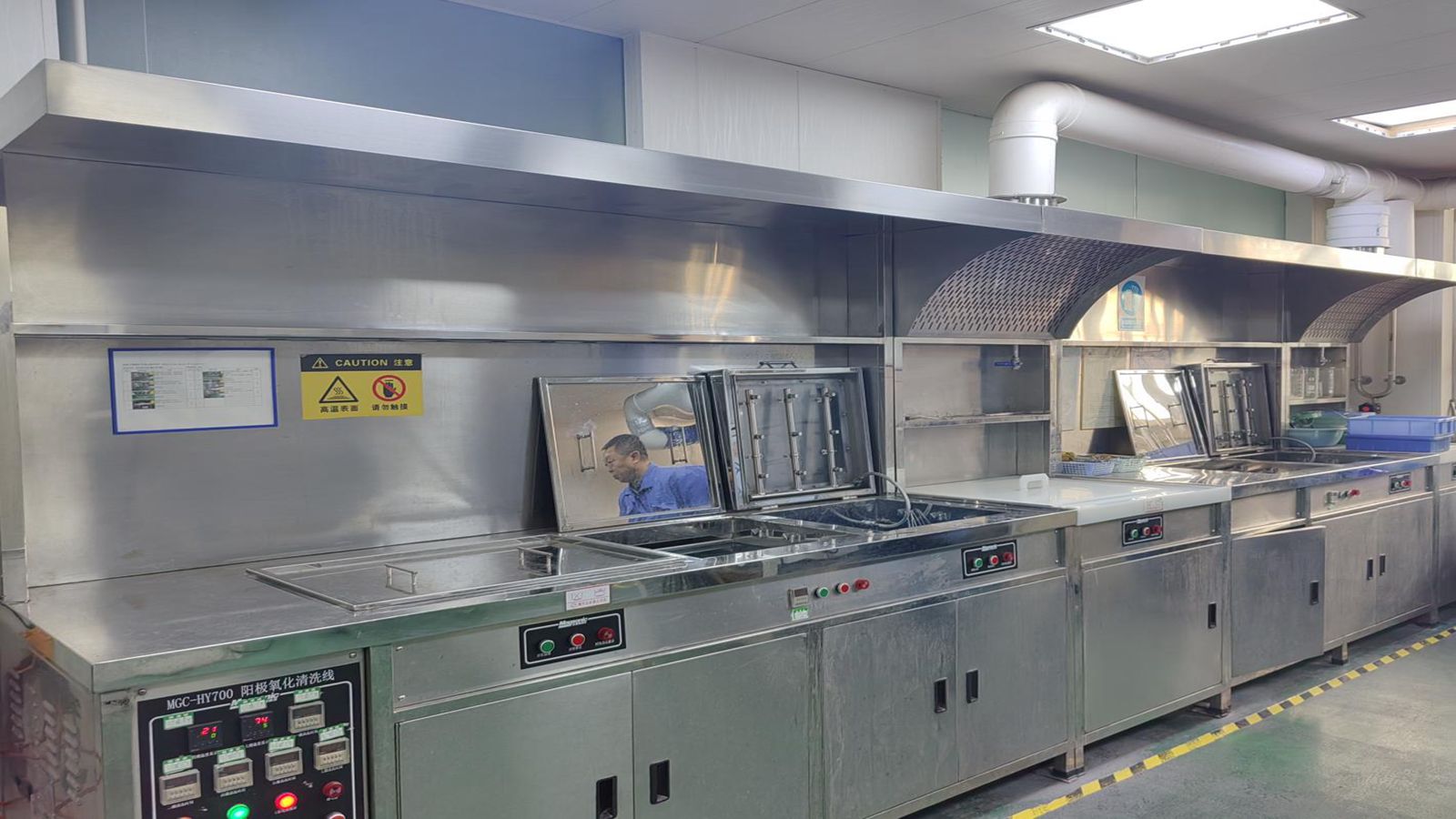
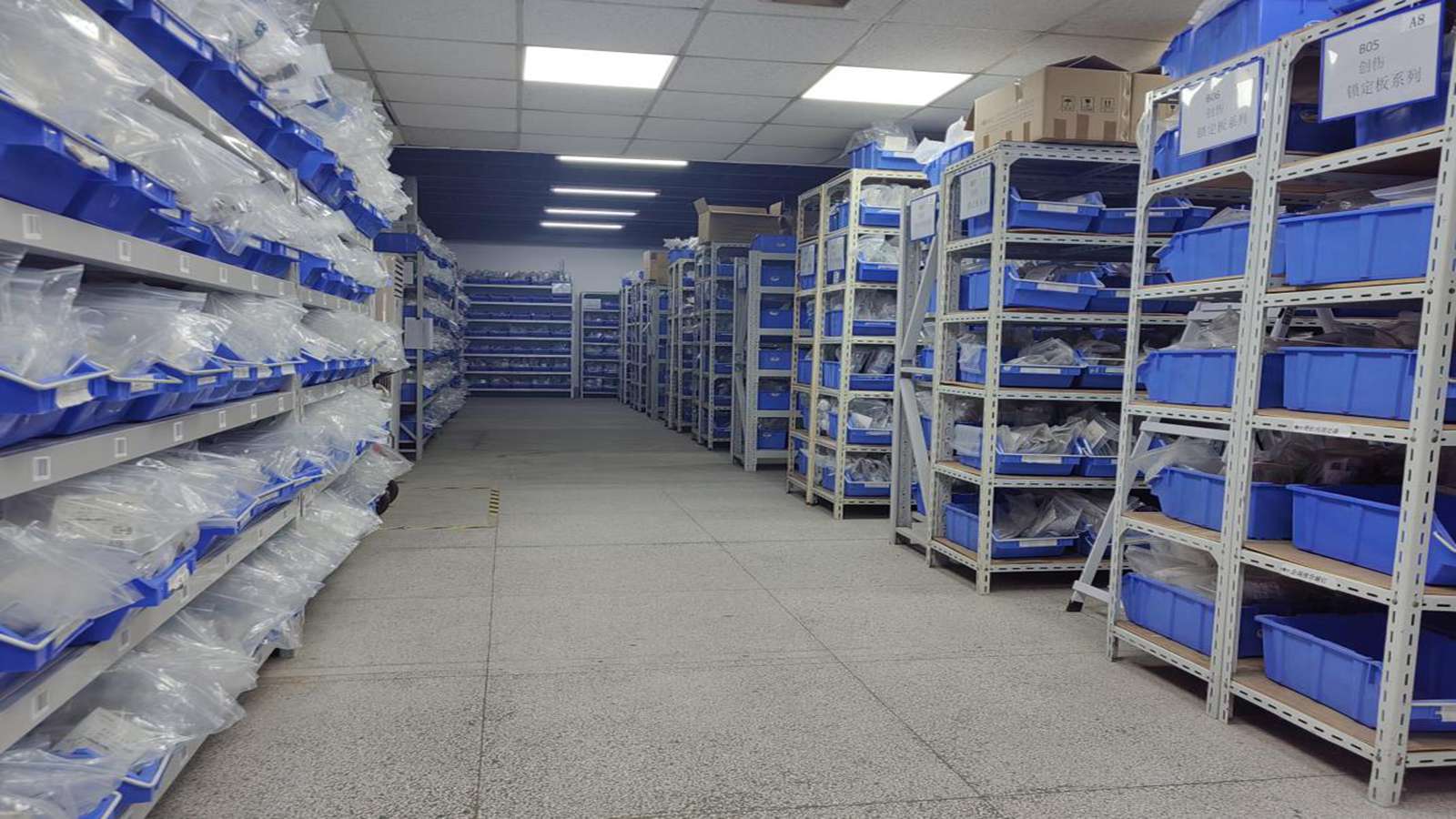
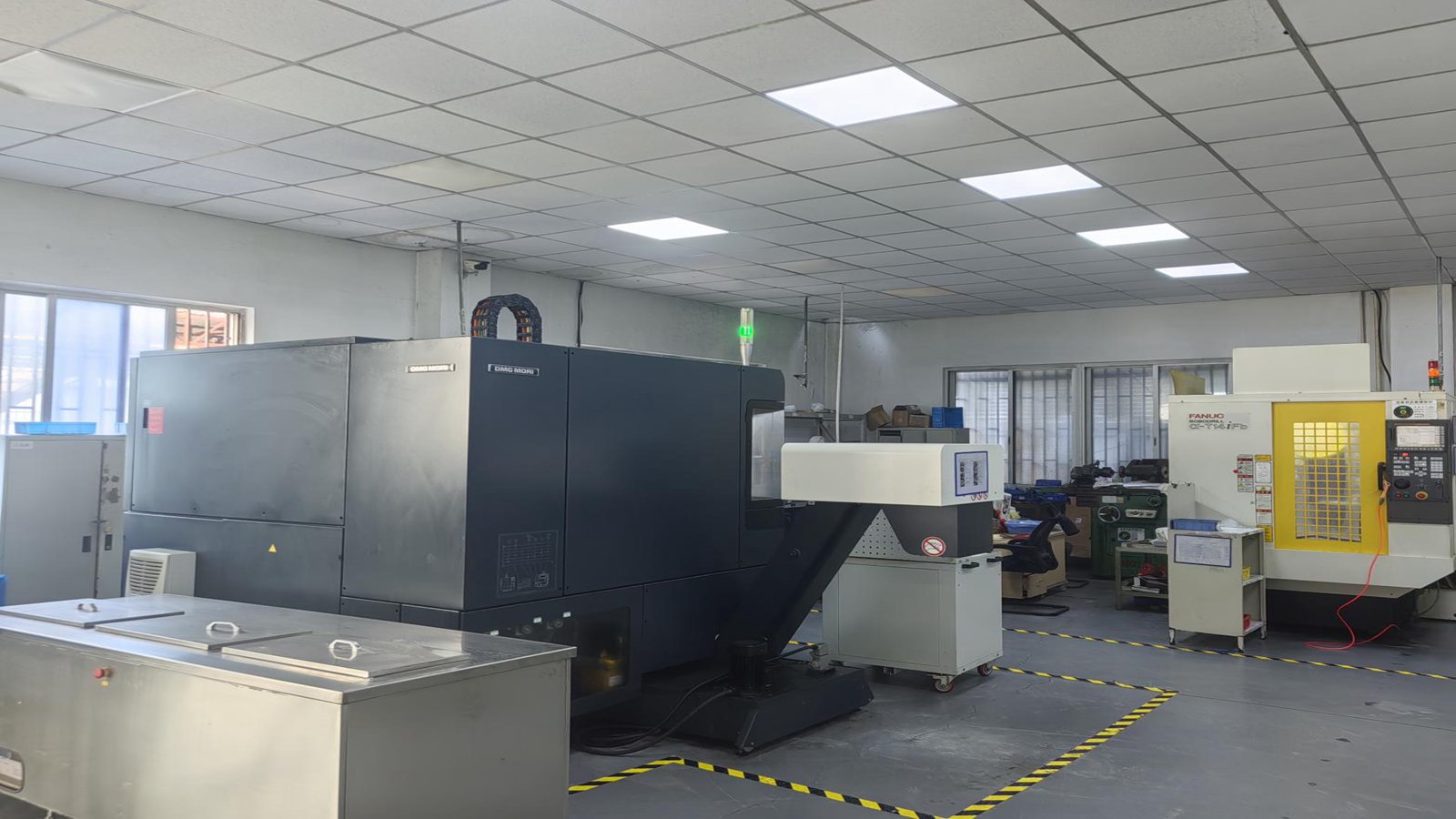
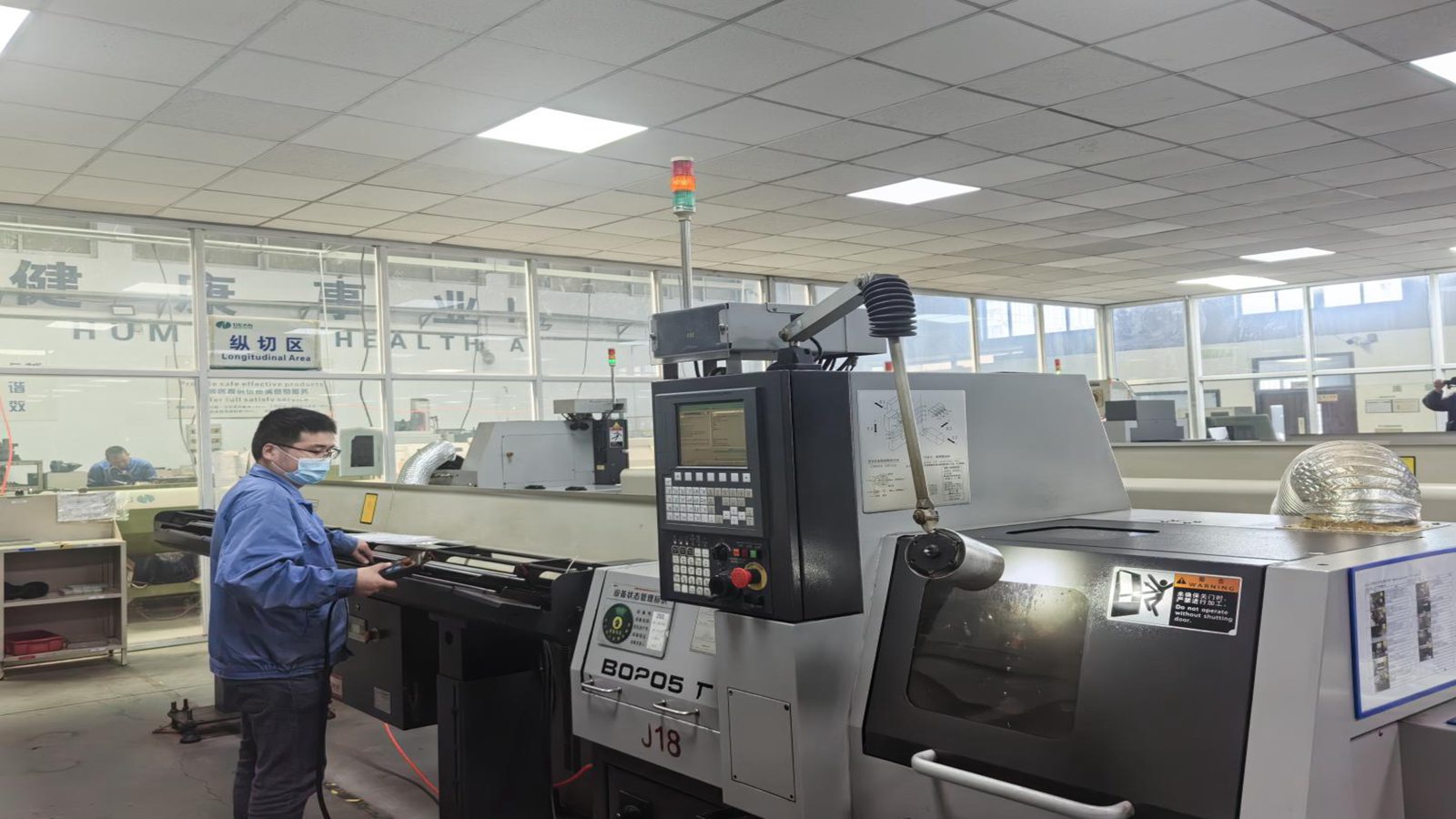
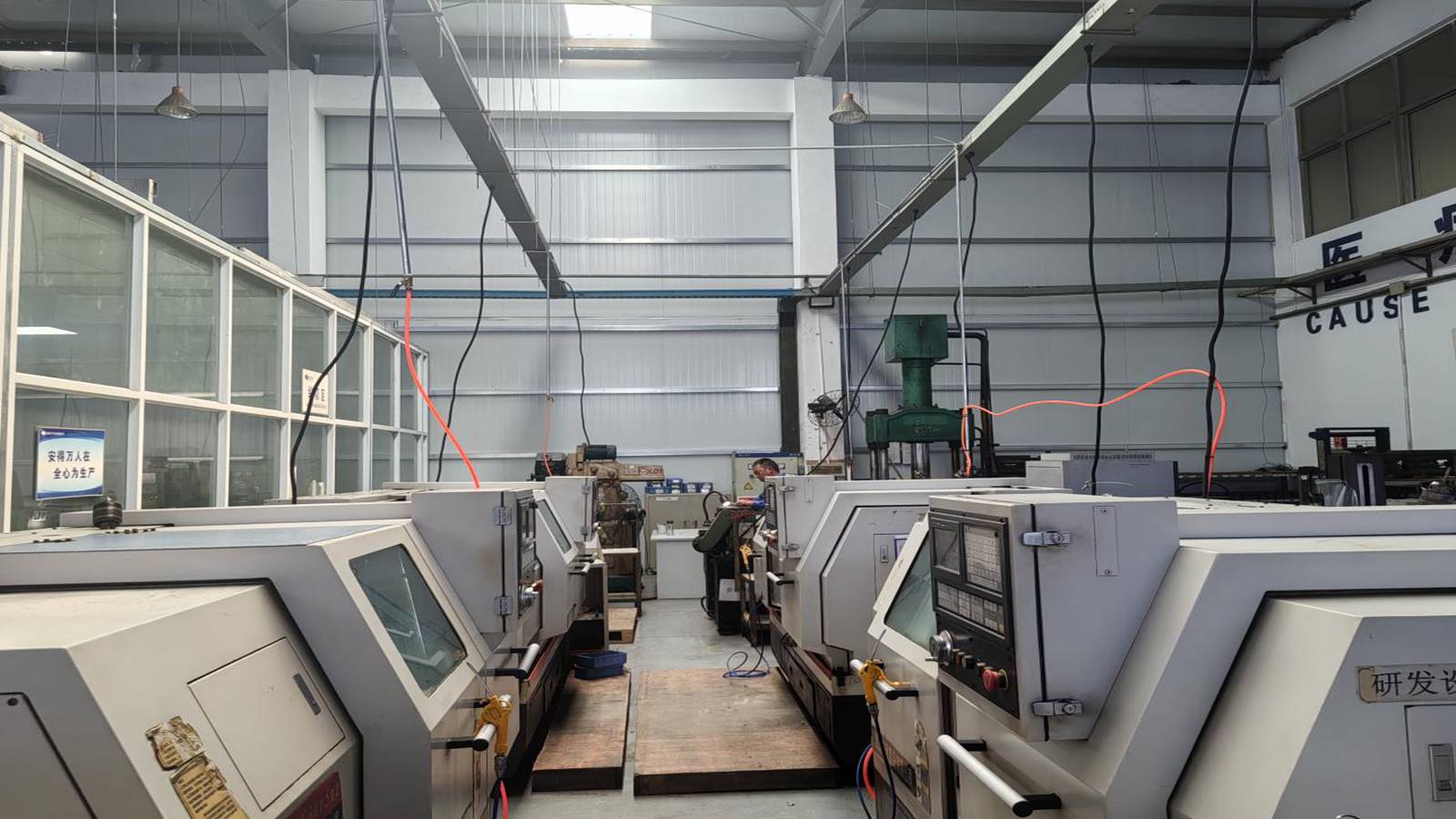
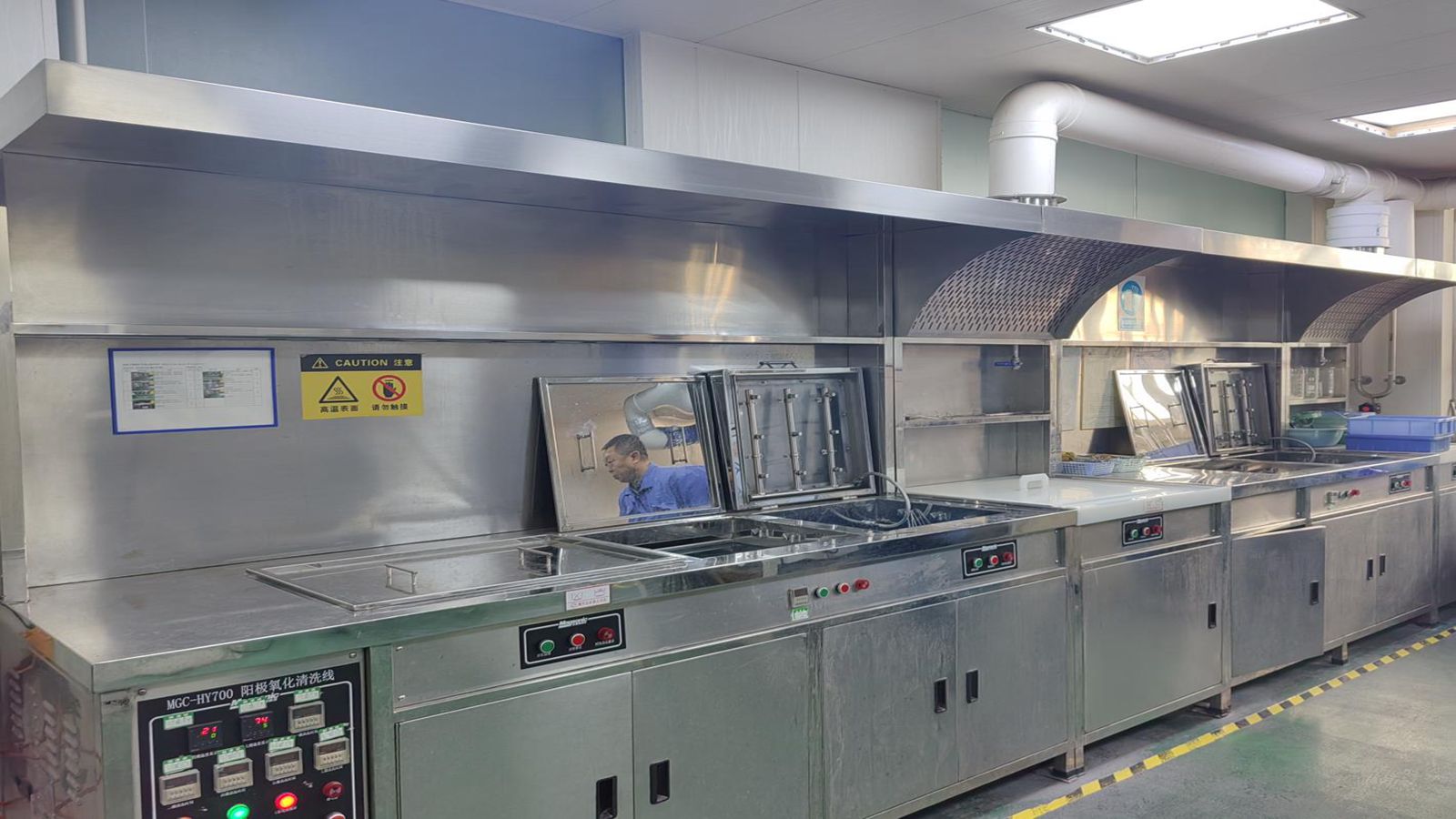
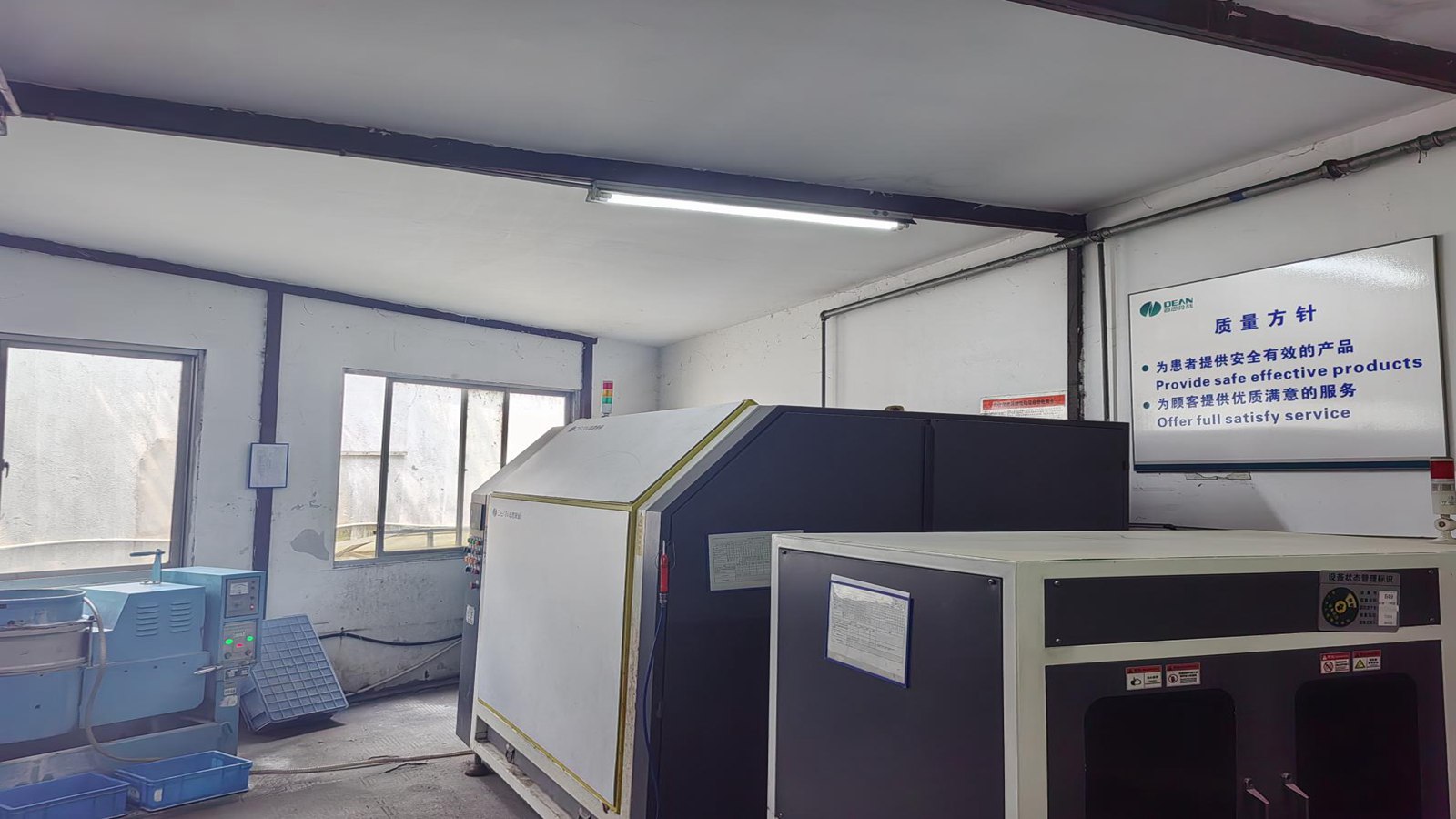
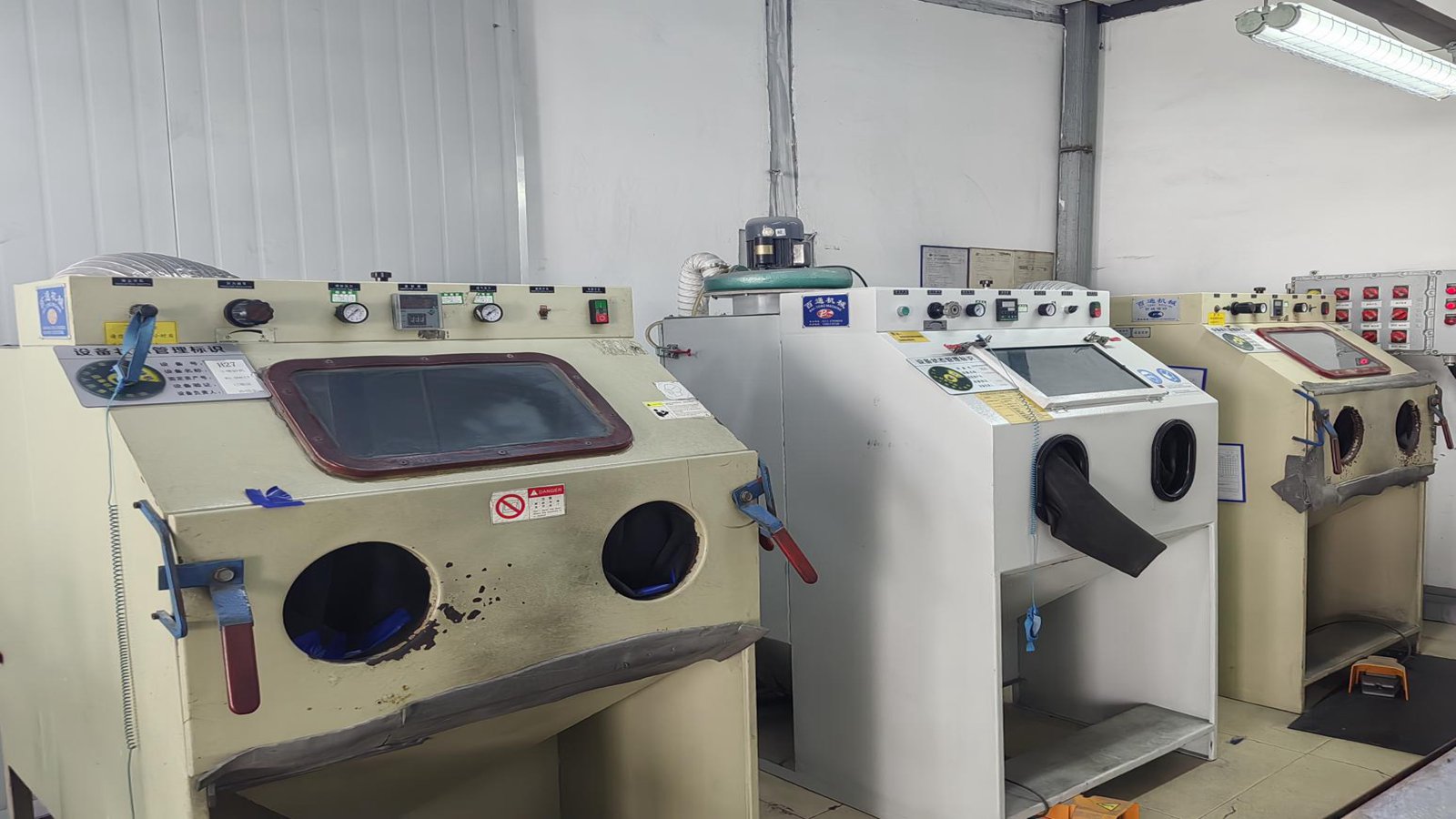
Inside Medispirex Orthopedic Technology Co., Ltd. — an 18,600㎡ modern manufacturing facility dedicated to precision spinal components.
Medispirex Orthopedic Technology Co., Ltd., founded in 2016, has quickly established itself as a leading global manufacturer specializing in spine and orthopedic implant solutions. Operating out of an 18,600㎡ state-of-the-art facility, our factory integrates advanced CNC milling, polishing, and cleanroom packaging to maintain absolute control over the production workflow.
Analysing the macroeconomic trends, supply constraints, and regulatory pathways shaping the spinal implant sector.
The global spinal implants and surgery devices market is projected to reach several billion dollars by the late 2020s, driven by an aging demographic profile, higher incidences of traumatic injuries, and expanding access to complex spinal reconstructive surgeries in developing markets. Within this larger segment, Occipito-Cervical Fixation systems represent a high-margin, technically demanding niche. Unlike standard lumbar pedicle screws, OCF requires specialized registration due to the critical nature of the cranial-cervical junction.
Historically, the market has been dominated by a select group of North American and European multinational medical device corporations. However, regional procurement changes, escalating hospital cost containment strategies, and the transition to value-based healthcare have driven demand for highly reliable, CE certified alternative suppliers. This is where Medispirex offers a unique strategic value proposition: providing premium, European-compliant implant solutions directly from our specialized factory, reducing supply chain friction and lowering overall procurement expenses without sacrificing surgical efficacy.
Europe and North America represent the highest standards of safety requirements. The implementation of the European Union Medical Device Regulation (EU MDR 2017/745) has significantly increased the clinical data requirements and post-market surveillance demands on manufacturers. Many legacy suppliers have phased out low-volume pediatric or specialized OCF systems due to the cost of MDR transition. By investing in robust QA infrastructure—led by a quality control division of 45 specialized engineers—Medispirex guarantees continuous access to CE certified systems, satisfying both medical distributors and regulatory auditors in demanding markets across Europe, the Middle East, and Southeast Asia.
How our R&D division is preparing the next generation of smart, bio-interactive spinal implants.
Implementing automated multi-stage anode oxidation cleaning lines to remove sub-micron chemical residues, improving long-term biocompatibility and cellular attachment.
Adapting standard OCF geometries to support robotic surgical tracking and intraoperative 3D navigation systems for computer-assisted plate alignment.
R&D testing of additively manufactured titanium plates featuring trabecular-mimicking lattices to promote direct bone growth and improve long-term pull-out strength.
Exploring integration of micro-strain sensors in occipital plates to monitor spinal fusion progress and transmit mechanical load data wirelessly to clinical teams.
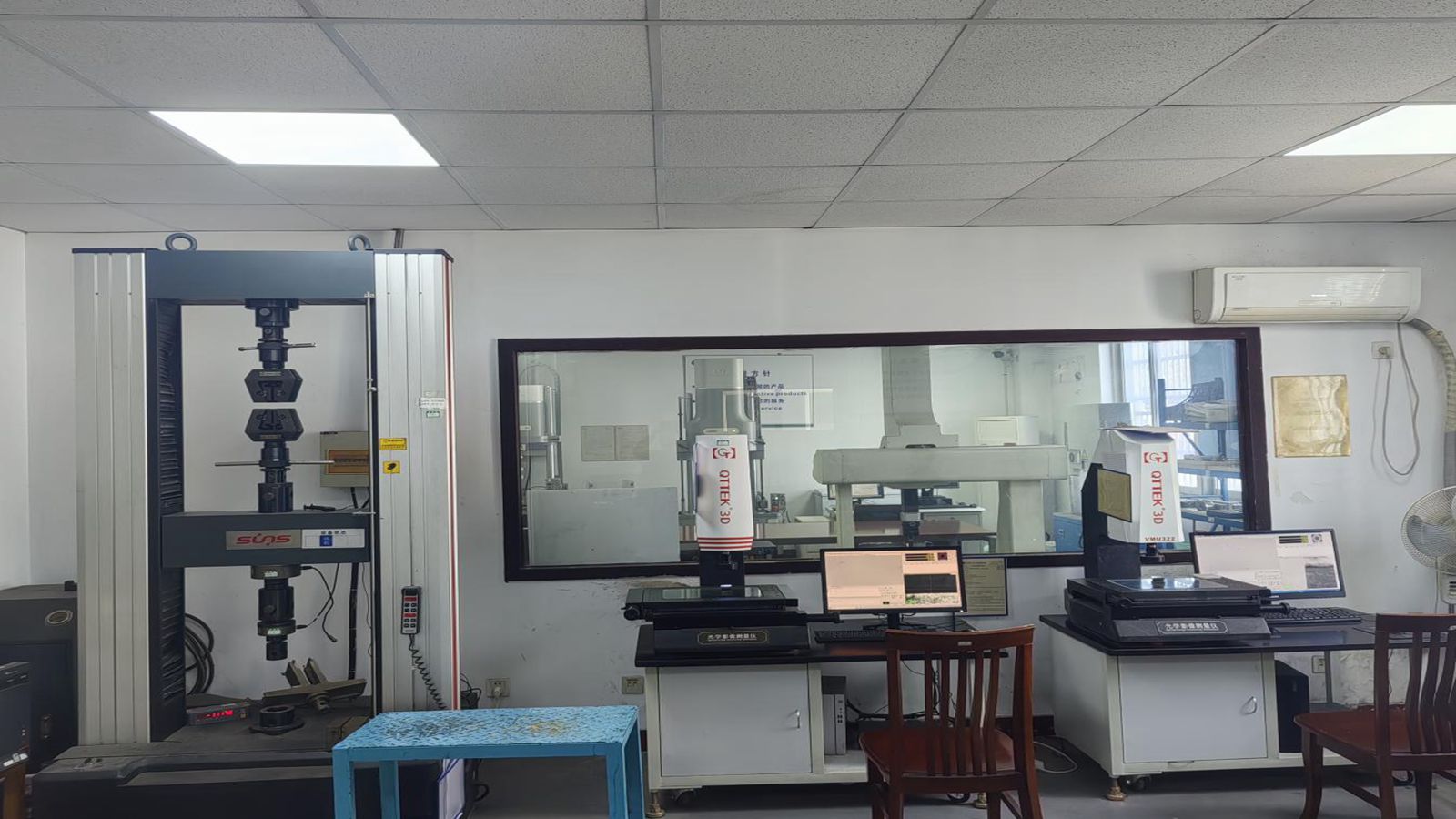
Why our QC framework sets the benchmark for orthopedic manufacturing validation.
A spinal implant is only as good as its verification protocols. Because Occipito-Cervical Fixation systems are implanted in regions subject to continuous mechanical stress, any material imperfection or geometry variance can lead to catastrophic implant fatigue failure. Medispirex implements a triple-layer validation protocol across all production batches:
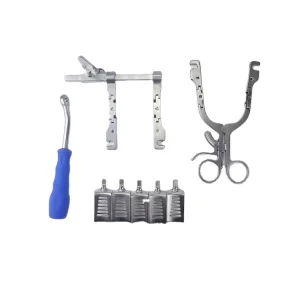
Our dedicated R&D engineering team, consisting of 85 specialists in biomechanics and materials science, works in parallel with our quality control department to study clinical feedback and adjust design parameters. This collaborative development loop resulted in the successful launch of 120 new products last year, continuously updating our product range to support minimally invasive spinal techniques (MIS) and newer cervical micro-retractor systems.
Medispirex operates with a trade-oriented background, establishing a complex network of 860 upstream and downstream partners. This robust integration enables us to mitigate raw material scarcity, guarantee stable production schedules, and offer predictable lead times for international shipping.
For medical device brands, orthopedic distributors, and hospital networks, we offer scalable manufacturing partnerships: from private label branding and custom laser etching to full co-development of custom orthopedic instruments and surgical set configurations.
Established: 2016
Export Volume: USD 18 Million Annually
Export Experience: 7 Years Global Logistics Expertise
Core Markets: Europe, North America, Middle East, Southeast Asia
Primary Audience: Orthopedic surgeons, medical distributors, OEM brands, and hospitals seeking cost-effective, high-quality, regulatory-compliant surgical hardware.
Answers to critical questions regarding compliance, shipping, metallurgy, and customization.
Medispirex works under a strict quality management system aligned with ISO 13485 guidelines. Every batch of occipito-cervical implants is fully traceable back to the raw material ingot. Our CE certification is maintained through regular third-party audits, meticulous technical documentation, and rigorous biocompatibility testing, ensuring hassle-free registration and customs clearance in European and other highly regulated markets.
We utilize high-strength, medical-grade Titanium Alloy (Ti-6Al-4V ELI) conforming to ASTM F136 standards. This alloy is selected for its superior strength-to-weight ratio, excellent fatigue resistance, and proven long-term biocompatibility in spinal fusion procedures.
Yes. Supported by an 85-engineer R&D department, Medispirex provides complete OEM/ODM solutions. This includes modifying plate configurations, custom-labeling surgical instrument trays, adjusting screw thread profiles, and fabricating bespoke retractors to match specific clinical workflows.
Lead times vary depending on the product line and order volume. For standard, catalog-listed implants and instrument sets, we maintain a baseline inventory in our warehouse, allowing dispatch within 2-4 weeks. For custom OEM/ODM production runs, average lead times range from 45 to 90 days, inclusive of prototype validation and quality testing.
Our quality assurance team of 45 QC professionals actively tracks product performance through structured feedback channels established with clinical users and global distributors. This feedback is fed directly back into our R&D lifecycle, helping us refine implant designs and optimize our production processes.
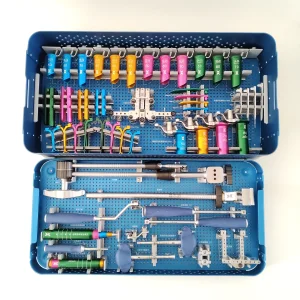
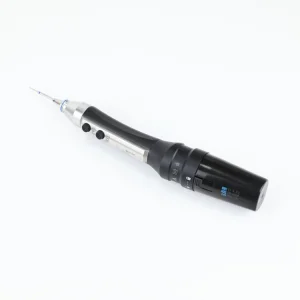
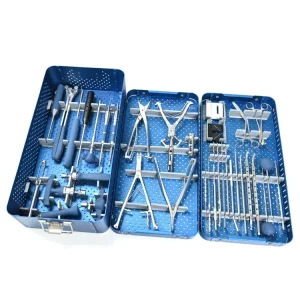
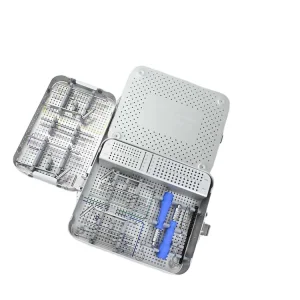
Explore our extended portfolio of premium surgical devices and implant kits designed to support comprehensive surgical routines.