Medispirex
Medispirex
Medispirex
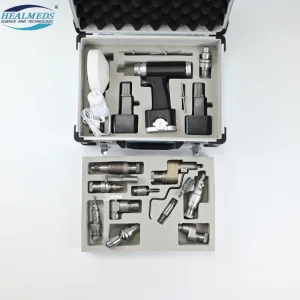
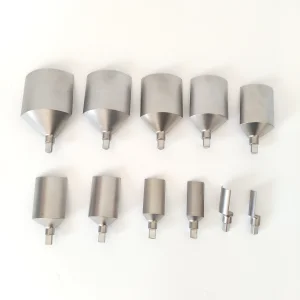
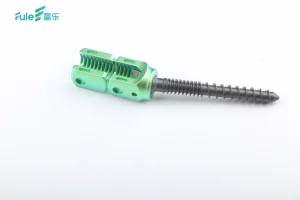
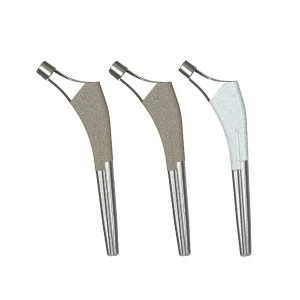
Explore our core selection of certified medical implants, surgical instrumentation sets, and precision bone power tools manufactured under strict ISO 13485 regulations.
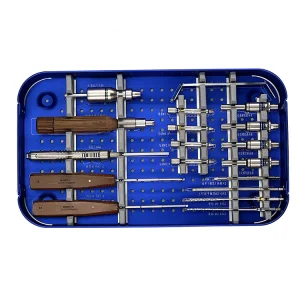
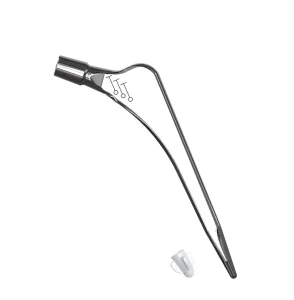
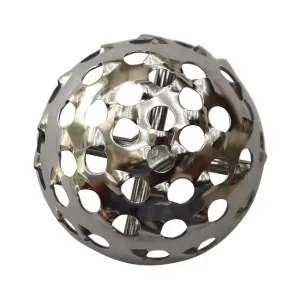
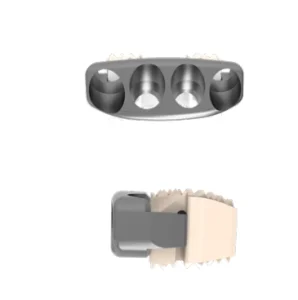
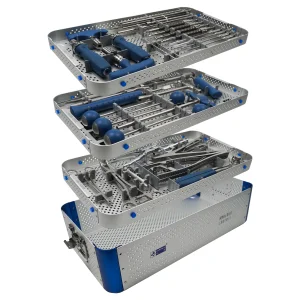
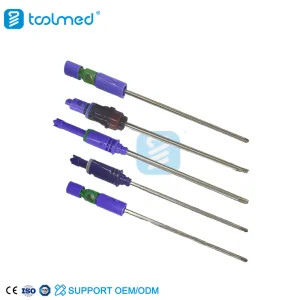
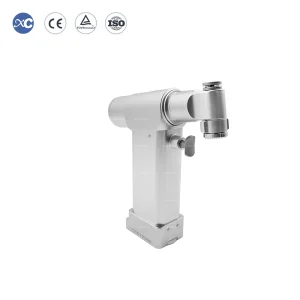
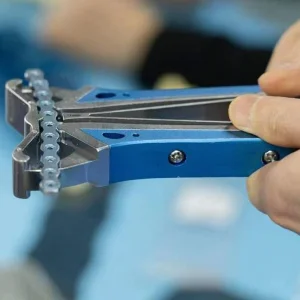
In modern complex trauma orthopedic surgery, managing high-energy periarticular fractures presents extreme challenges for orthopedic surgeons globally. Standard unilateral external fixators often fall short of providing multi-planar stability near articular surfaces. Conversely, classic Ilizarov circular frames offer exceptional stability but demand steep learning curves and carry high patient-compliance challenges.
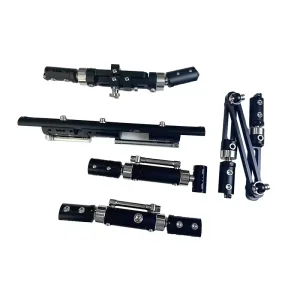
The development of hybrid external fixators solves these issues by combining the anatomical flexibility of unilateral pin systems with the structural stiffness of tensioned wire circular rings. As a leading medical device developer, Medispirex Orthopedic Technology Co., Ltd. (established in 2016) has pioneered the development of CE-certified hybrid external fixator systems that bridge the gap between clinical performance and cost efficacy.
The mechanical behavior of a hybrid external fixator is highly asymmetric, purposefully designed to accommodate different bone segments. The articular or periarticular segment is secured using thin, highly tensioned transfixion wires (usually 1.5 mm to 2.0 mm in diameter) anchored to a semi-circular or full Ilizarov-type ring. These tensioned wires distribute mechanical stress evenly across osteoporotic or comminuted bone fragments near the joint, reducing risk of secondary displacement.
In contrast, the diaphysis (the main shaft of the bone) is managed using rigid half-pins (4.0 mm to 6.0 mm in diameter) secured to a unilateral bar or modular frame. This configuration minimizes soft-tissue disruption in areas where muscle envelope thickness is high, reducing the risk of pin-tract infections compared to full circular frame assemblies.
| Biomechanical Parameters | Thin Wire Ring Segment (Periarticular) | Unilateral Half-Pin Segment (Diaphyseal) | Hybrid Interaction Advantages |
|---|---|---|---|
| Primary Load Mode | Tension & Radial Compression | Bending & Torsional Shear Resistance | Prevents articular shear while promoting dynamic axial loading |
| Soft Tissue Impact | Low profile wire tract footprint | Restricted to safe zones along anatomical pathways | Significantly reduces transfixion-associated muscle binding |
| Stiffness Profile | High planar stiffness, axial compliance | High bending and rotational rigidity | Promotes secondary healing via controlled micro-movements |
The materials used in hybrid fixator designs have evolved significantly. While stainless steel (316L) remains a choice for cost-restricted markets, Medispirex has driven innovation towards lightweight, radiolucent, and MRI-compatible structures. Our engineering roadmap centers on:
Leveraging high-end materials and advanced engineering to deliver next-generation orthopedic implants.
Utilizing high-performance carbon-fiber composites and CFR-PEEK to ensure zero artifact generation on fluoroscopy images, improving clinical evaluation accuracy.
Maximizing biocompatibility and mechanical fatigue resistance. Meets ASTM F136 standards for critical trauma and load-bearing implants.
Ergonomic wrench systems and quick-connect coupling rods engineered to shorten OR setup times and simplify intra-operative adjustments.
Global healthcare systems face intense upward cost pressure alongside demands for improved clinical safety. Unstable international supply chains, changing regulatory policies (such as the transition to EU MDR), and shifting hospital purchasing protocols present challenges for medical distributors and surgeons alike.
Medispirex addresses these challenges by maintaining high manufacturing capacities and an agile supply network of approximately 860 upstream and downstream partners. This prevents raw material shortages (e.g., medical-grade titanium and cobalt alloys) and ensures delivery times remain stable during high-demand periods.
In external fixation manufacturing, compliance is non-negotiable. Medispirex products are CE certified, reflecting compliance with European standards. We actively align our processes with the European Medical Devices Regulation (EU MDR 2017/745), ensuring that all Class IIb implants and associated instrumentation undergo strict Clinical Evaluation Reports (CER) and PMCF tracking.
Our sterilization validation processes meet ISO 11137 standards for radiation sterilization and ISO 11135 for Ethylene Oxide (EO) sterilization, ensuring zero biological contamination upon clinical delivery. Furthermore, packaging integrity is validated under ISO 11607 standards to guarantee sterile preservation during transport and storage across harsh shipping environments.
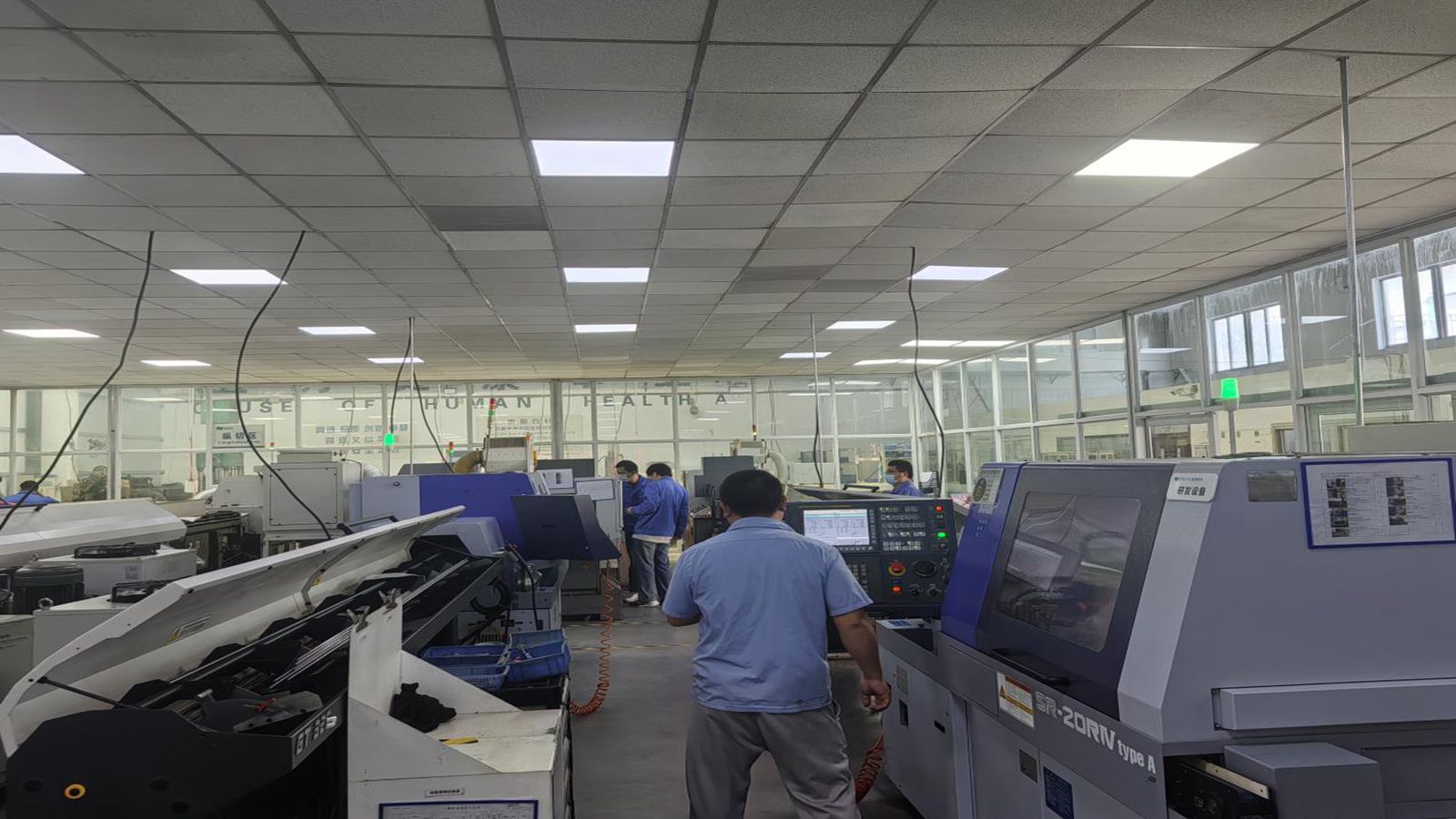
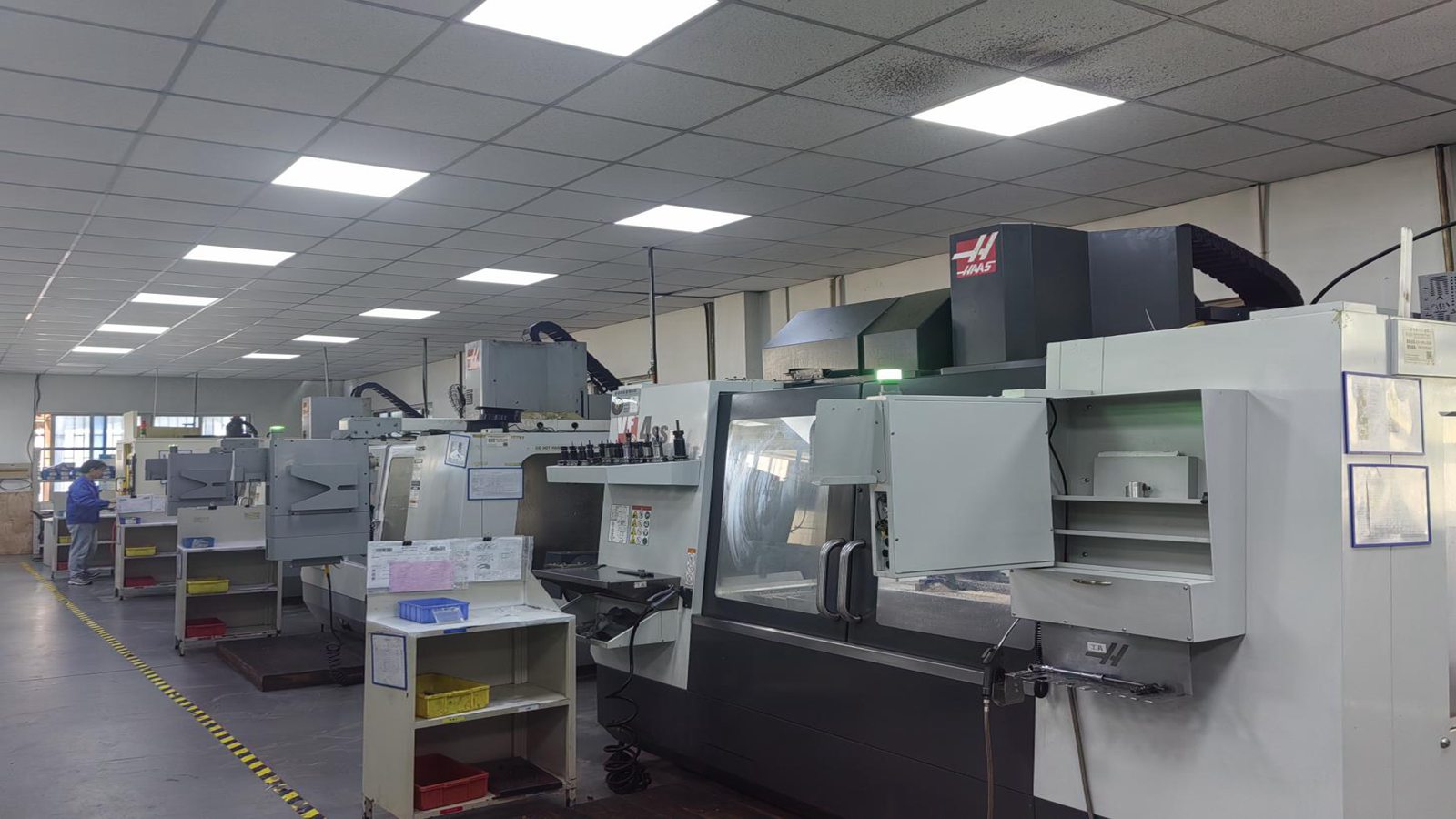
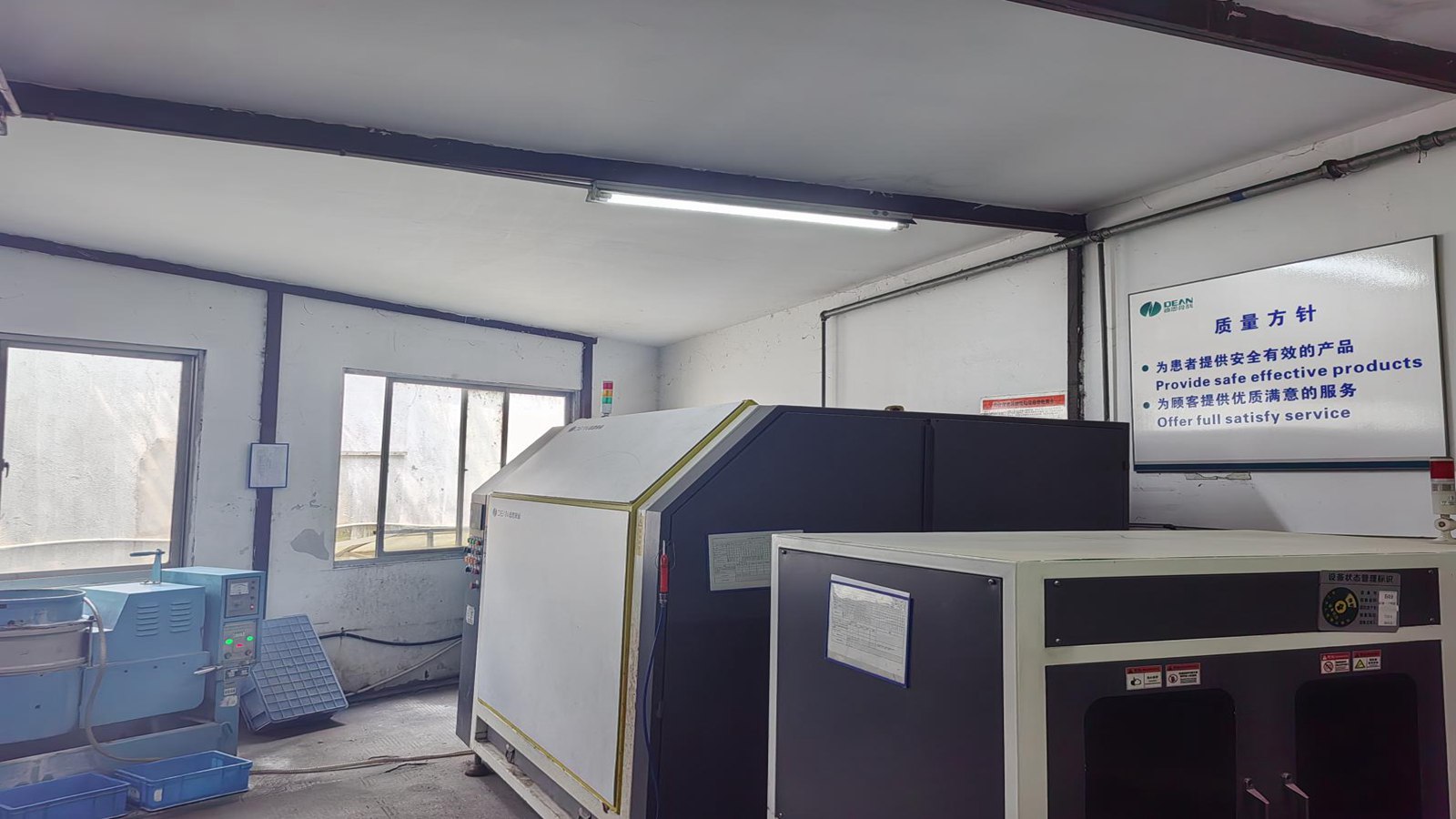
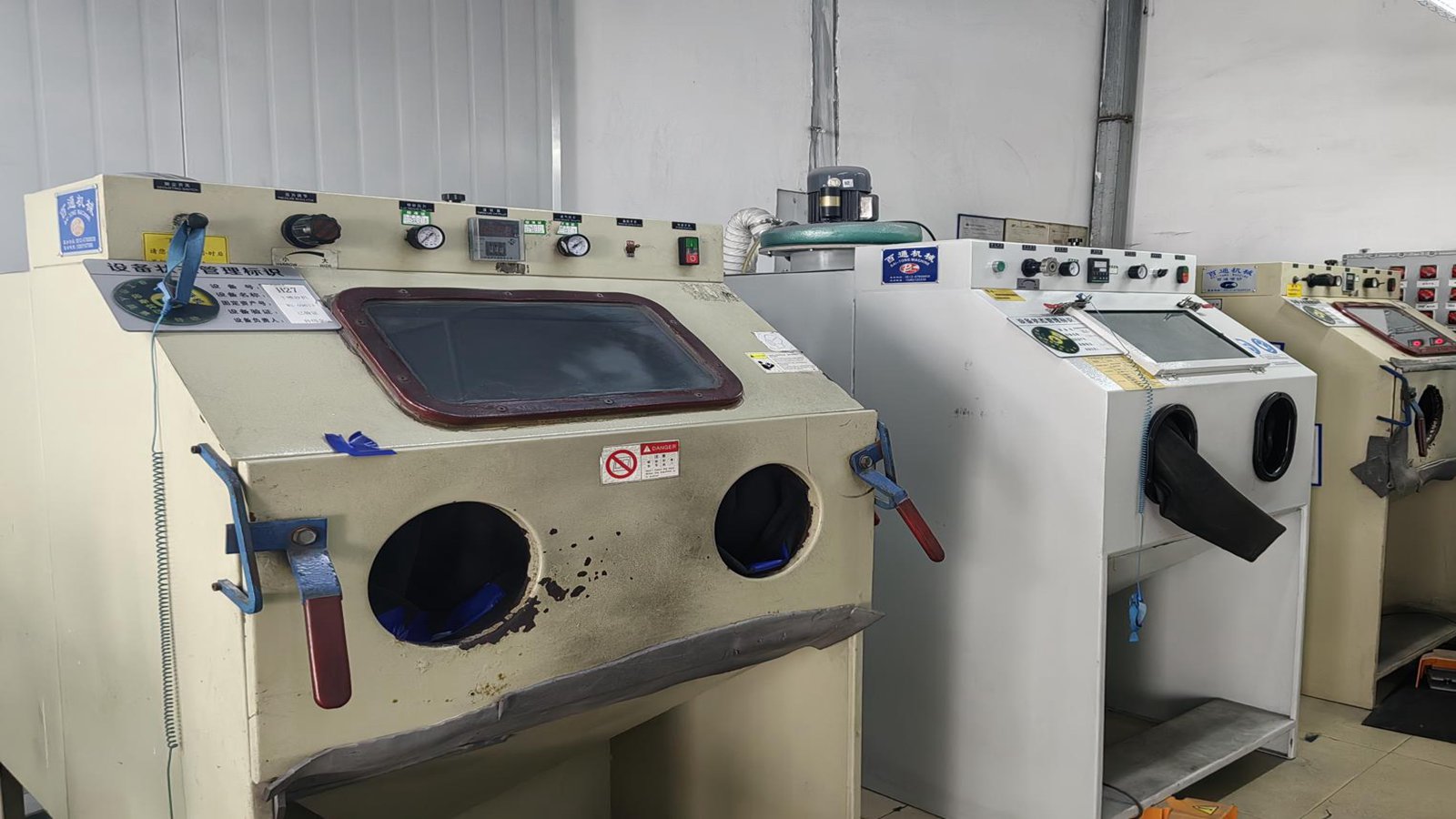
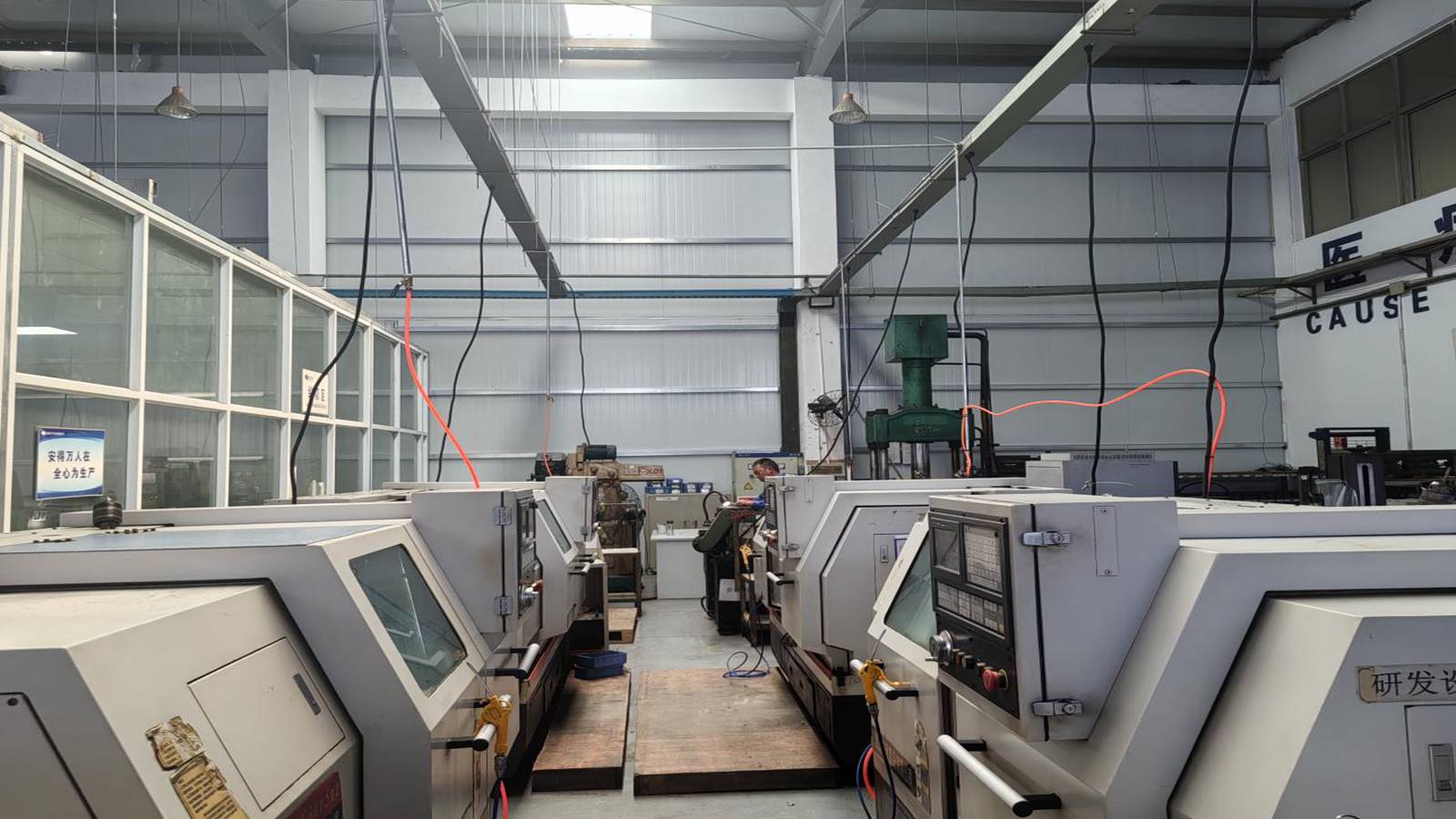
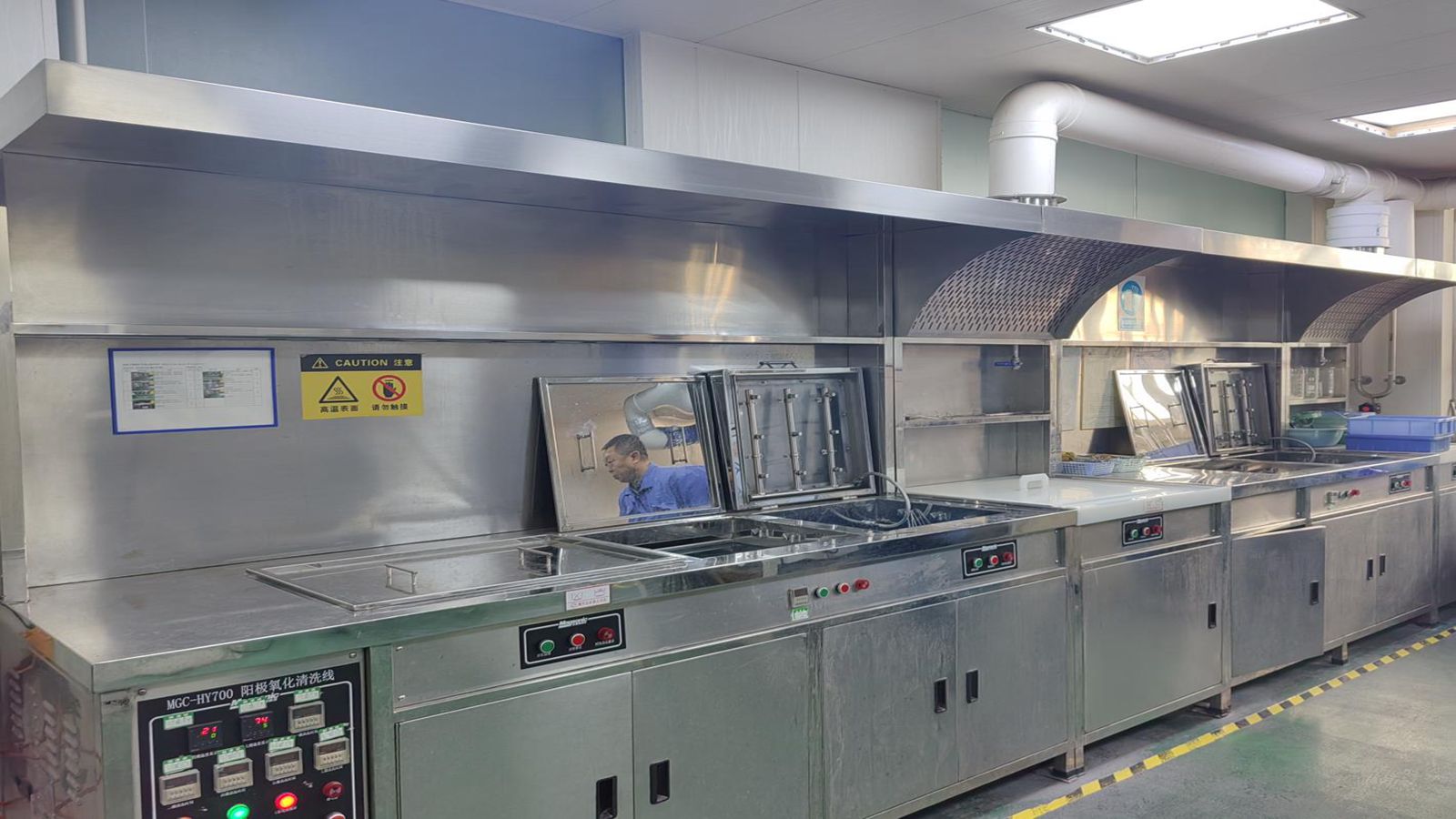
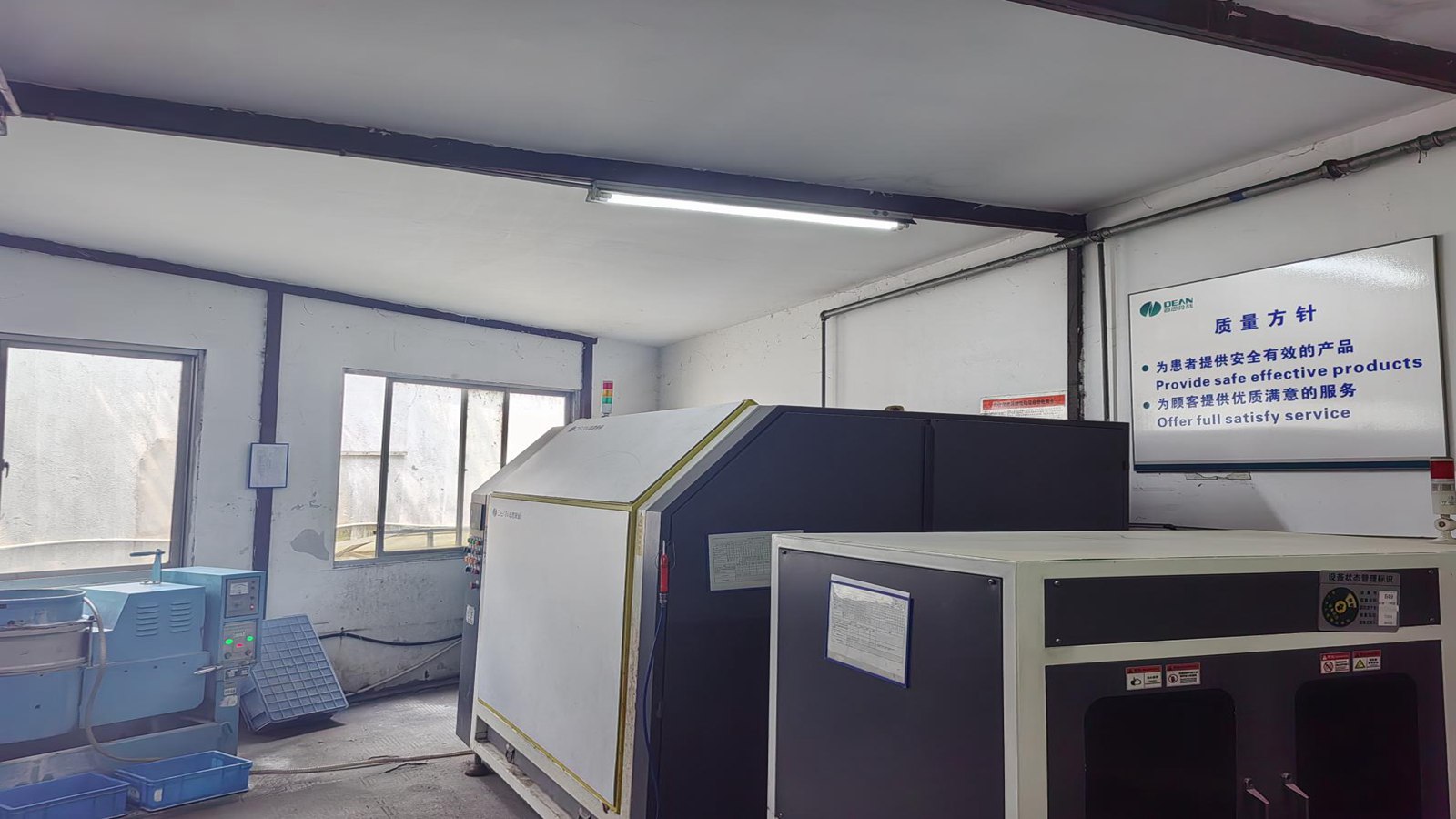
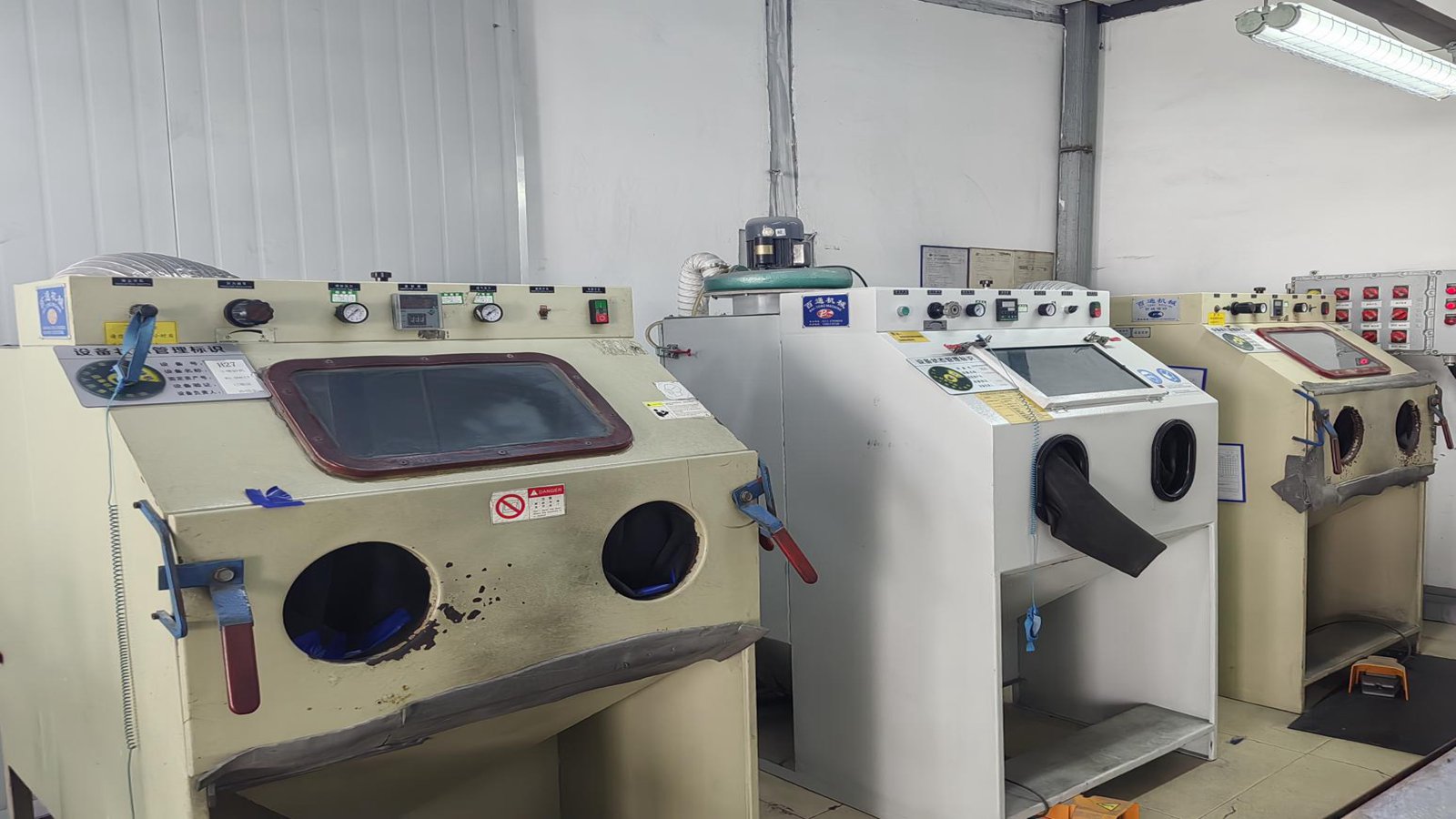
Operating an 18,600㎡ facility equipped with advanced CNC vertical machining centers, automated electrochemical anodization lines, and cleanrooms, Medispirex manufactures high-precision surgical components. Quality assurance is driven by a dedicated team of 45 QC professionals who execute inspection cycles across multiple manufacturing stages.
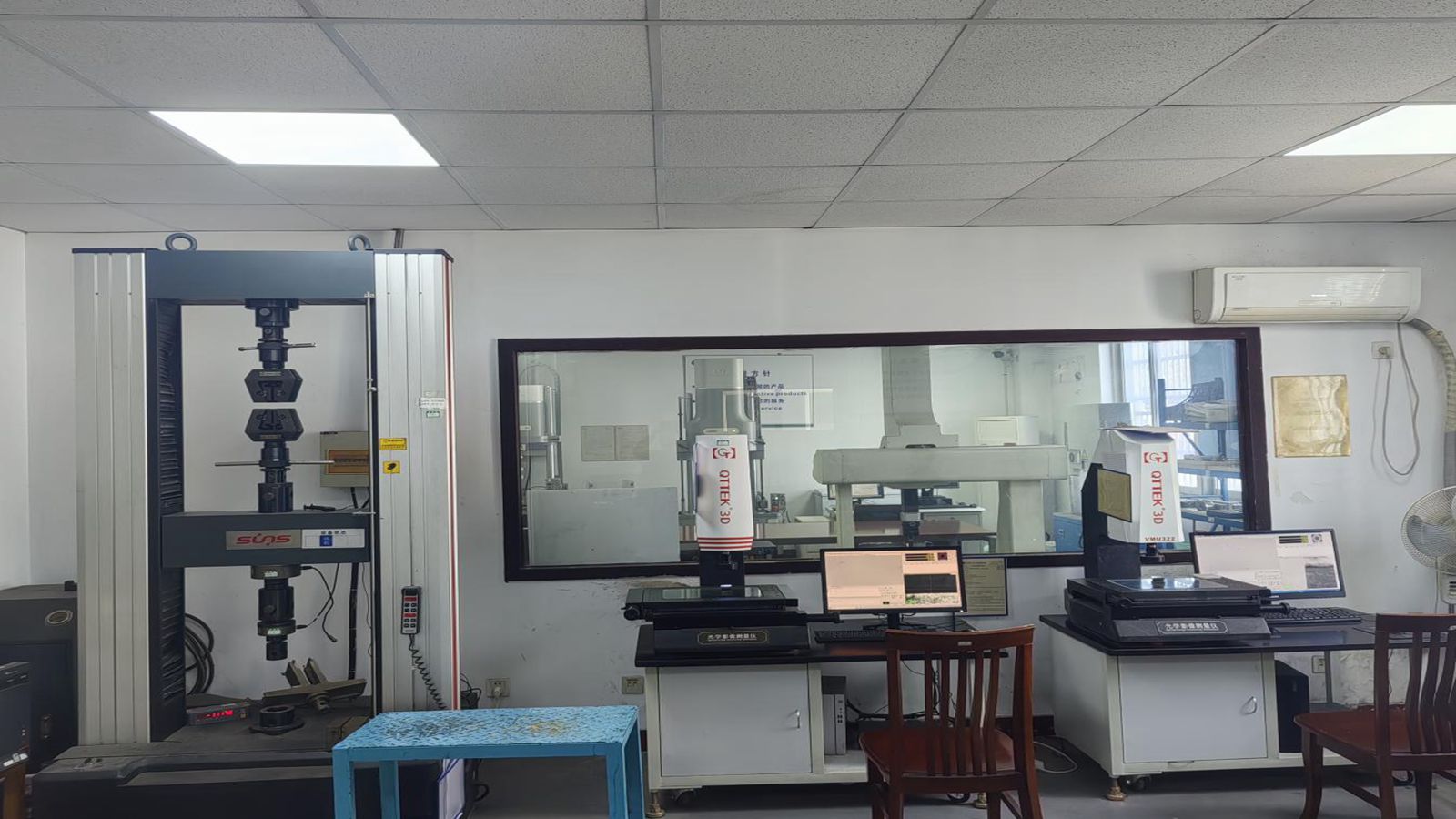
Our testing laboratory features mechanical fatigue testers (evaluating fatigue life under ASTM F1541 standards), coordinate measuring machines (CMM) for sub-micron dimensional tolerance validation, and spectrometer devices for raw material verification.
A transparent look inside our 18,600㎡ facility, where precision engineering meets medical device manufacturing standards.
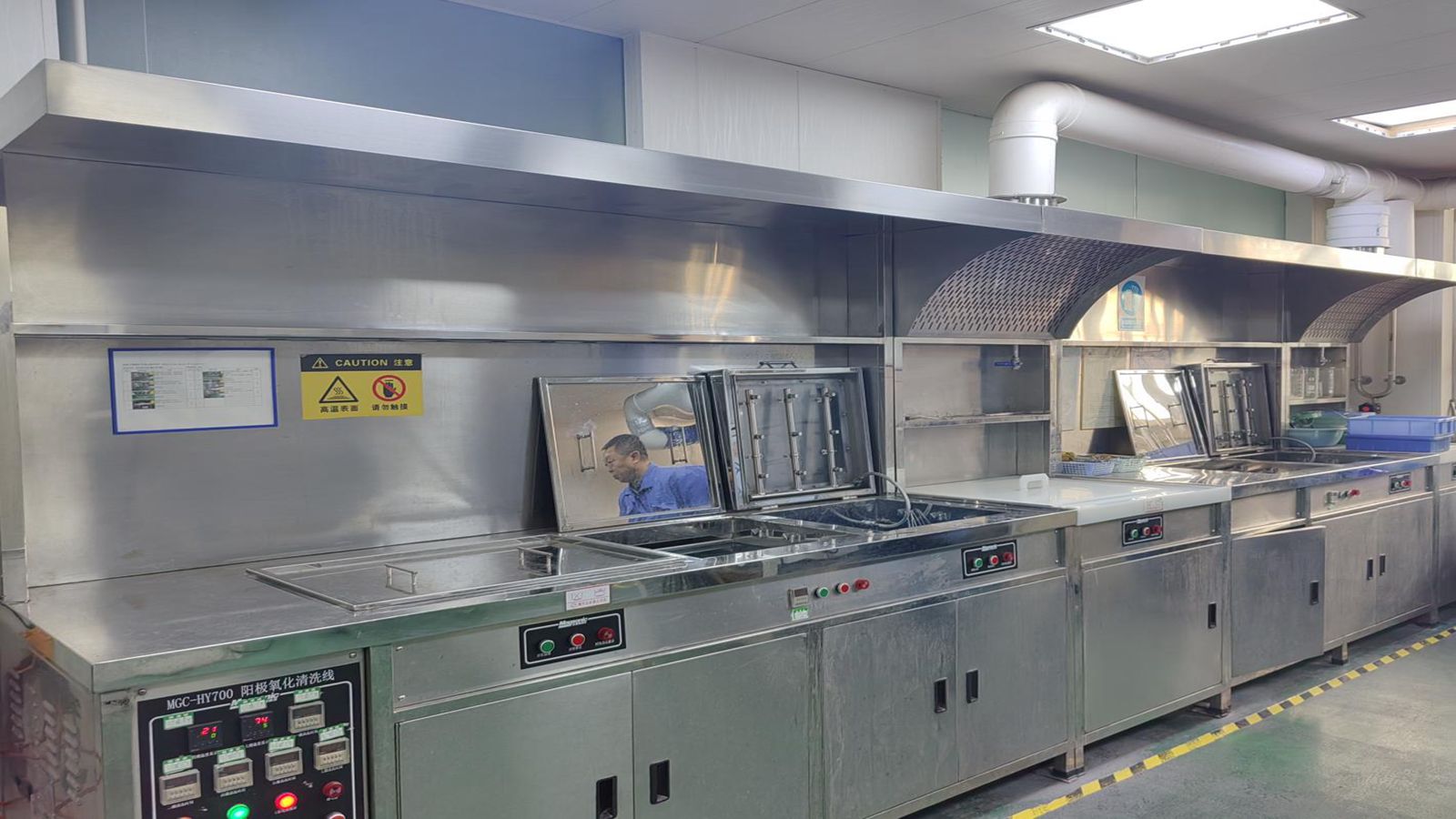
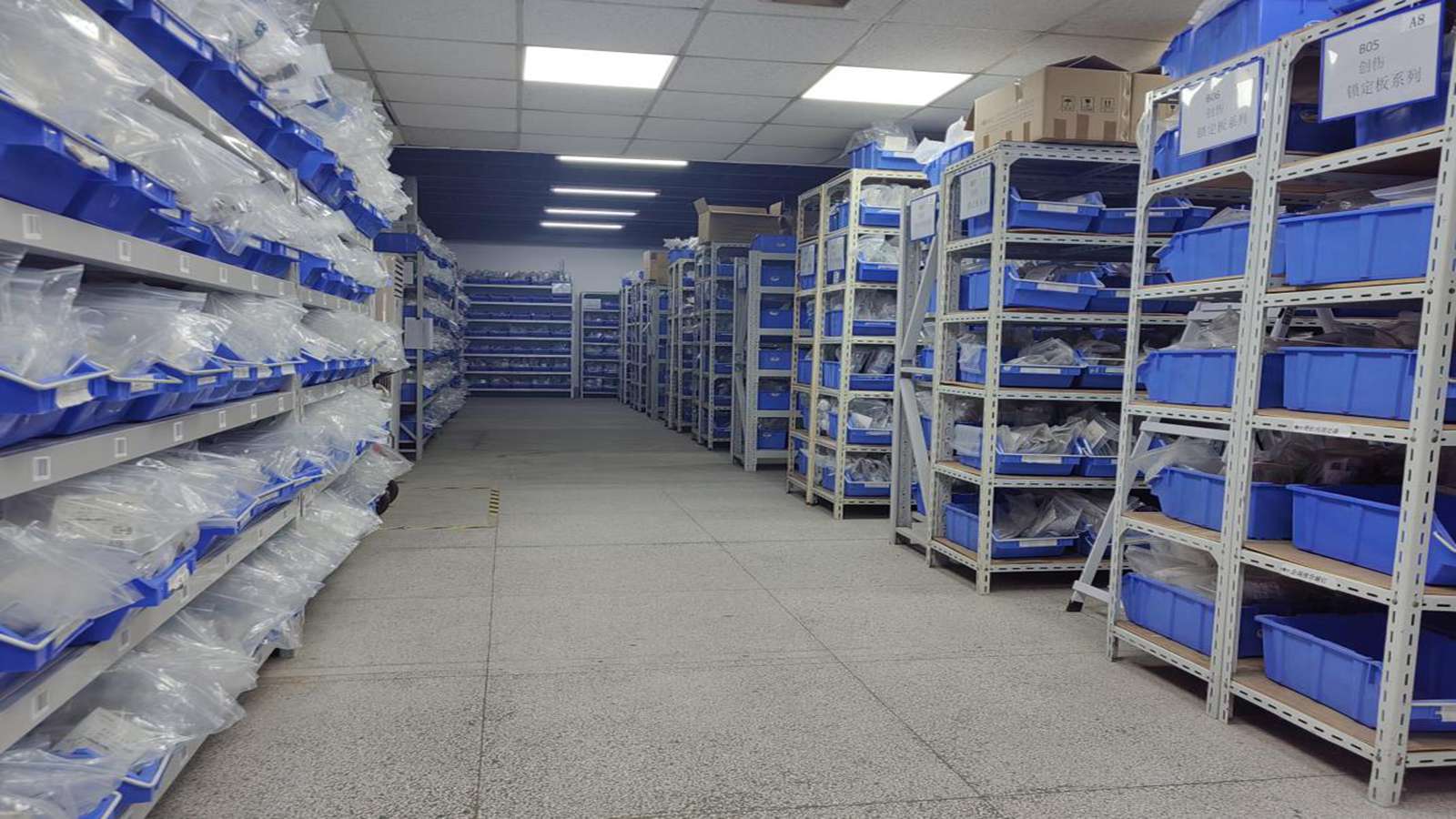
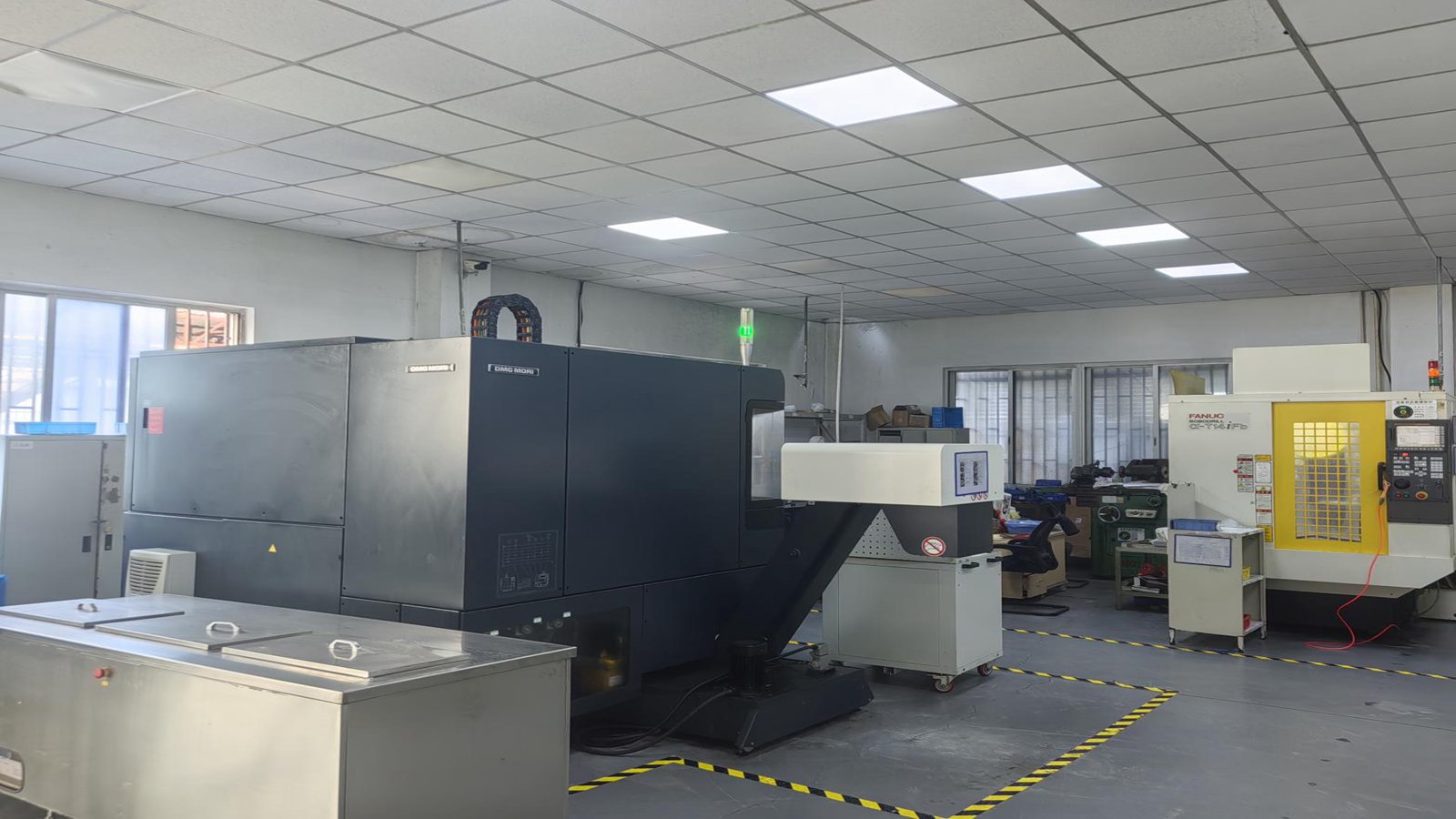
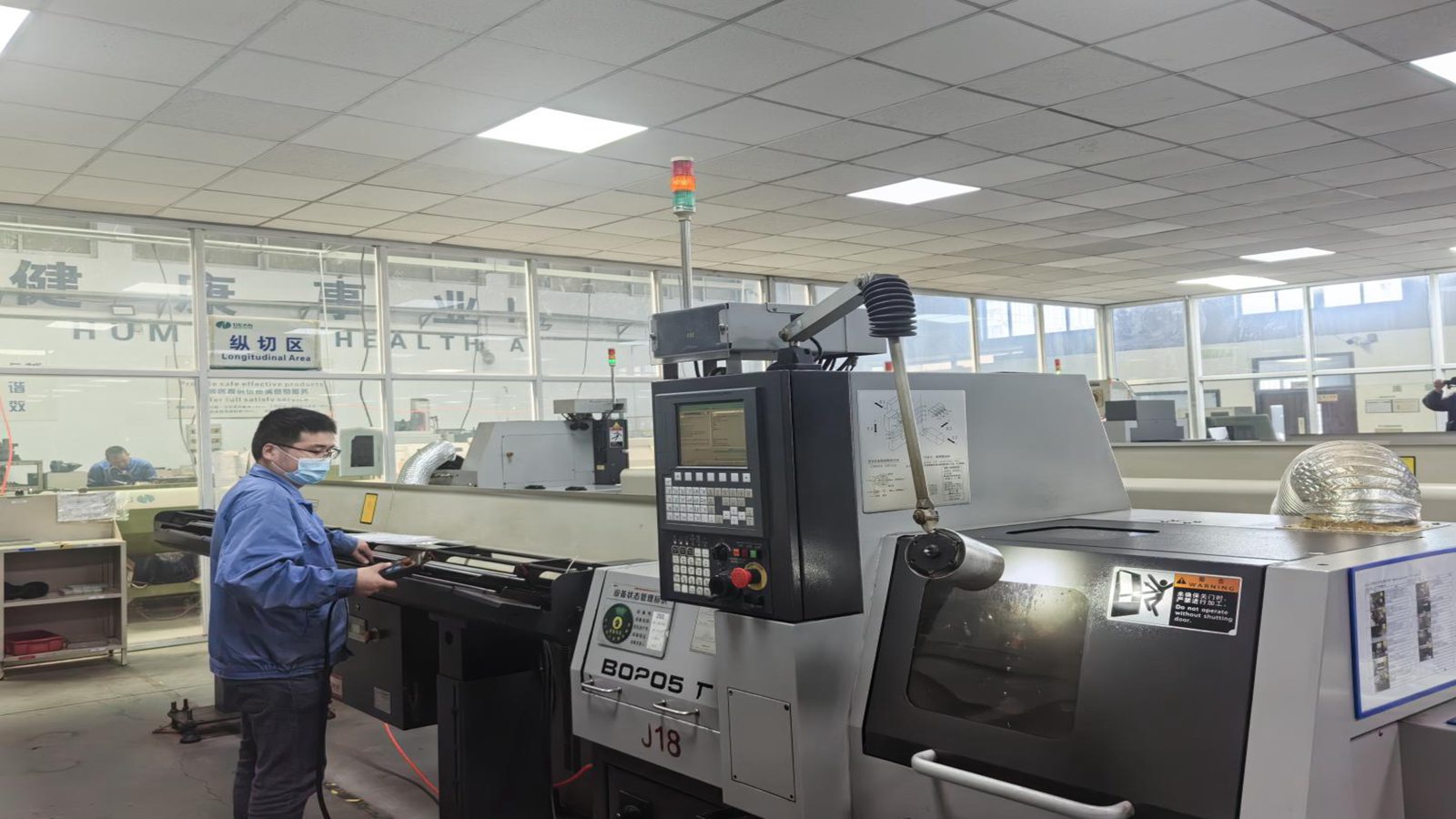
Medispirex works with medical distributors, hospital purchasing organizations, and global orthopedic brands. Our structured business process ensures quality and efficiency from project start to final delivery:
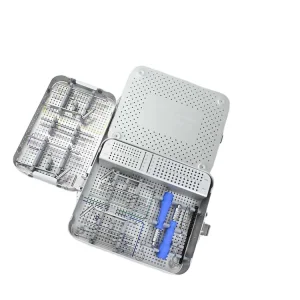
Additionally, our OEM/ODM services support private label packaging, custom medical tray laser engravings, and tailored instrumentation layouts to meet specific local market requirements.
Common questions from orthopedic surgeons, procurement professionals, and medical product distributors.
Review additional surgical instruments, joint prostheses, and surgical tools designed for orthopedic hospitals and veterinary clinics.