Medispirex
Medispirex
Medispirex
Explore our elite spectrum of CE-marked implants, specialized power tools, and precision surgical instruments engineered to medical standards.
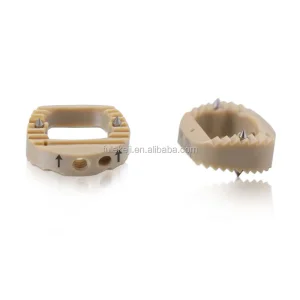
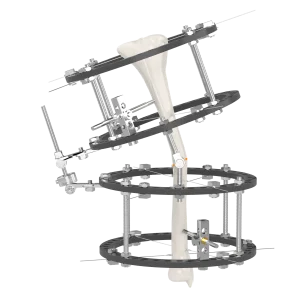
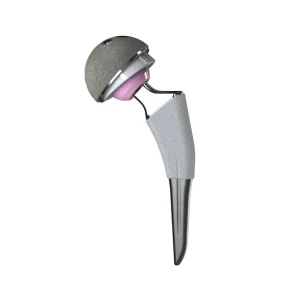
Circular external fixators, based closely on the revolutionary principles discovered by Prof. Gavriil Ilizarov, represent the pinnacle of biological and mechanical synergy in orthopedic reconstruction. Unlike modern mono-lateral frames, circular systems utilize tensioned transfixion wires securely anchored to circumferential rings, distributing multi-planar forces evenly across the bony segments. In modern trauma surgeries and pediatric orthopedics, these devices function as dynamic frame assemblies. They offer unmatched stability under direct axial weight-bearing conditions while allowing micro-motion that stimulates physiological osteogenesis.
For global medical distributors, orthopedists, and medical institutions purchasing these systems, procuring from CE Certified Circular External Fixator Manufacturers is critical. The structural integrity of each ring, rod, bolt, and wire determines patient outcomes. A minor mechanical failure or structural deformation under physiological loads can interrupt bone transport or deformity correction protocols, causing clinical setbacks. The following sections outline the materials, manufacturing processes, and quality assurance workflows required to manufacture these high-performance clinical solutions.
Established in 2016, Medispirex Orthopedic Technology Co., Ltd. is a modern manufacturer specializing in spine, trauma, and joint orthopedic implant solutions. Our production facility covers approximately 18,600㎡. We integrate R&D, manufacturing, and global distribution to deliver clinical-grade medical devices that satisfy strict CE standards.
With a strong trade-oriented manufacturing background, we serve key markets including Europe, North America, the Middle East, and Southeast Asia. Supported by 7 years of export experience and a network of 860 partners, we maintain stable production capacity and global delivery.
In the orthopedic device sector, mechanical performance and biocompatibility are paramount. Standard circular external fixators consist of rings (half or full), connection plates, telescopic struts, standard threaded rods, and Kirschner wires. The material choice directly affects structural stiffness, MRI compatibility, and patient comfort.
Currently, manufacturers utilize two primary material streams:
| Material Class | Tensile Strength (MPa) | Modulus of Elasticity (GPa) | MRI Compatibility | Clinical Suitability |
|---|---|---|---|---|
| Ti-6Al-4V ELI | 860 - 930 | 110 - 114 | High (Low Artifacts) | Standard load-bearing rings & bone pins |
| Medical Stainless Steel (316LVM) | 490 - 1350 | 193 - 200 | Moderate (Potential Distortion) | Connecting bolts, dynamic compression rods |
| Carbon Fiber Composite | ~1500 (Structure) | 130 - 145 | Excellent (Radiolucent) | Lightweight rings, radiolucent hybrid frames |
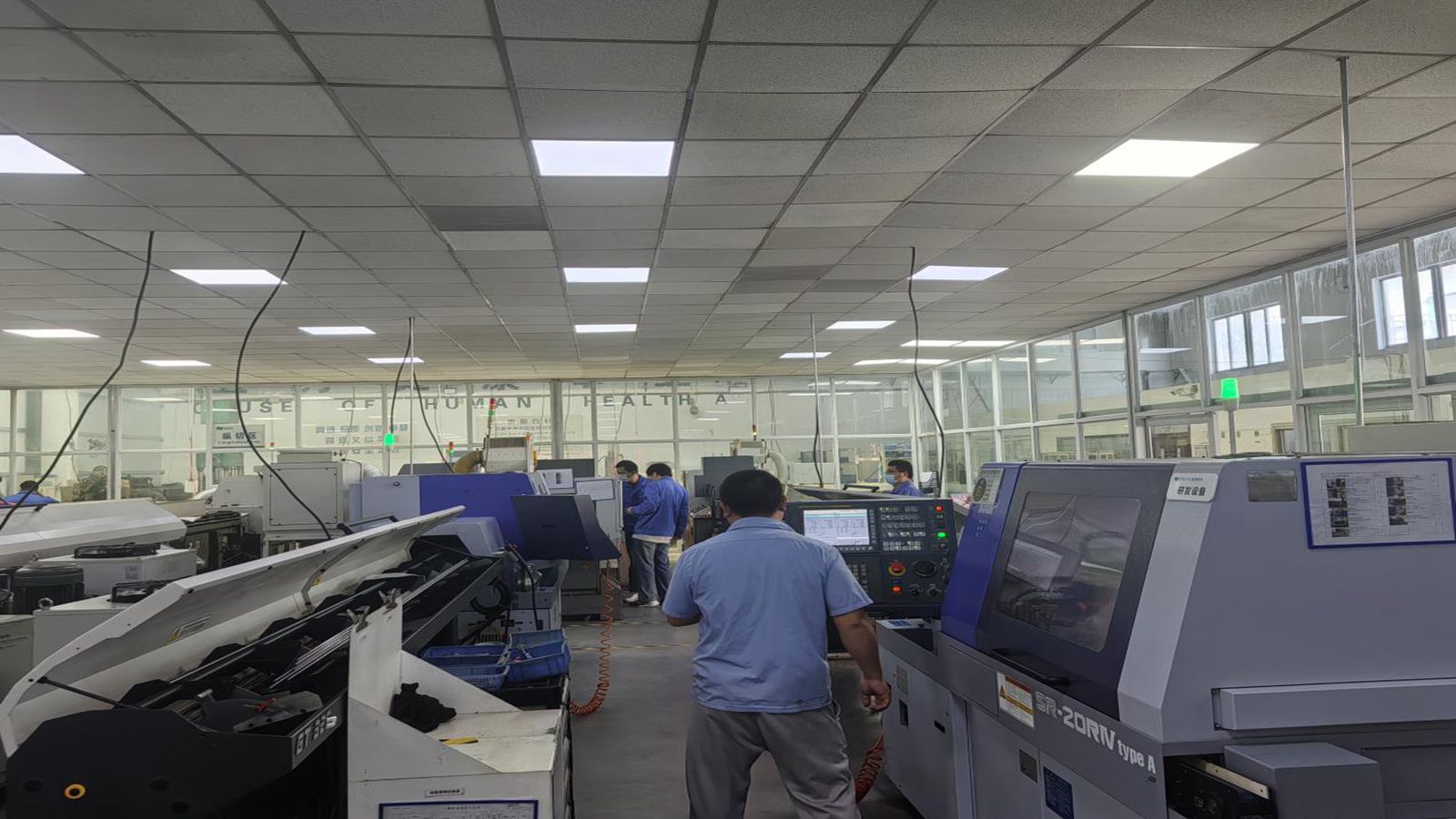
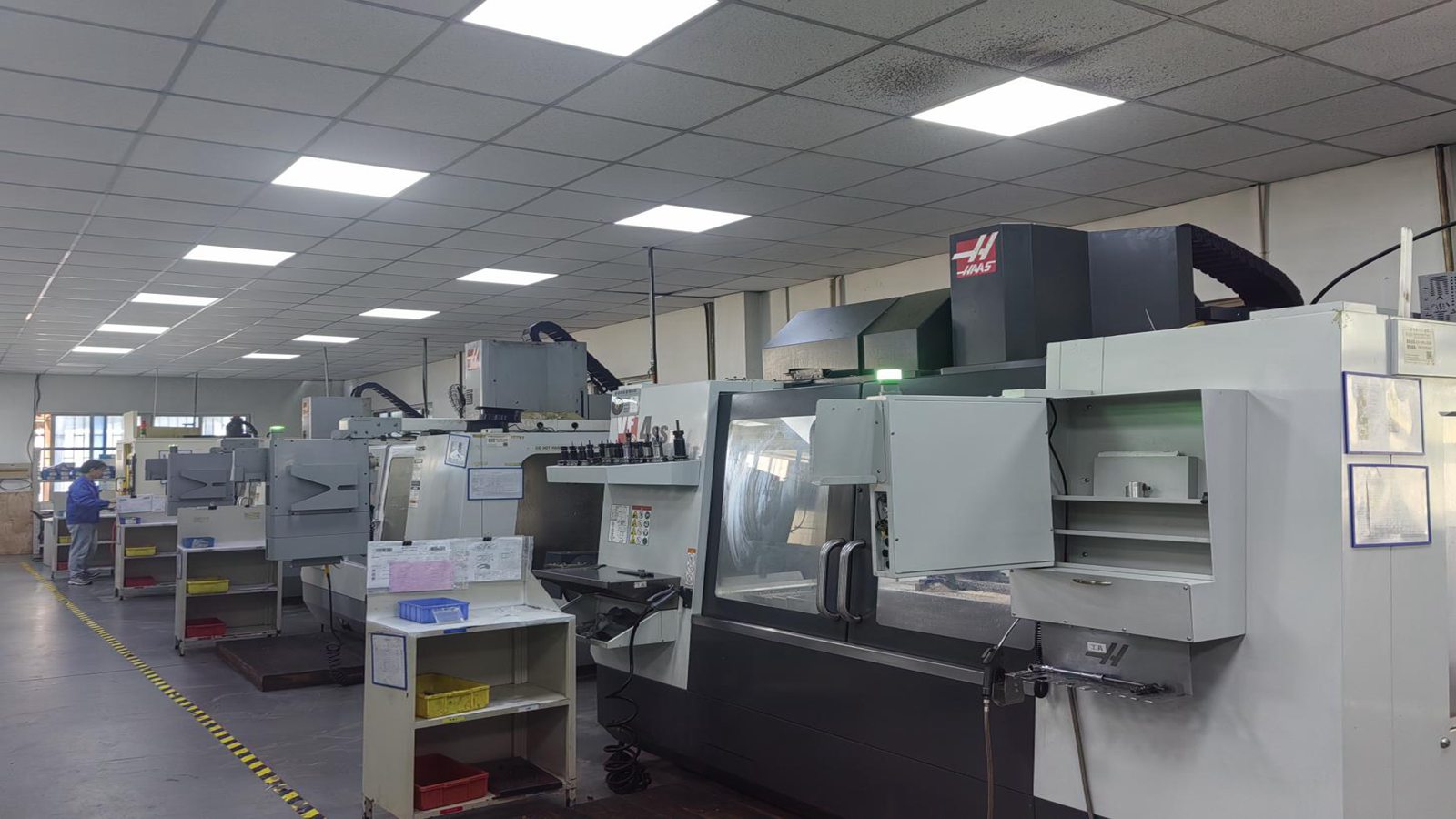
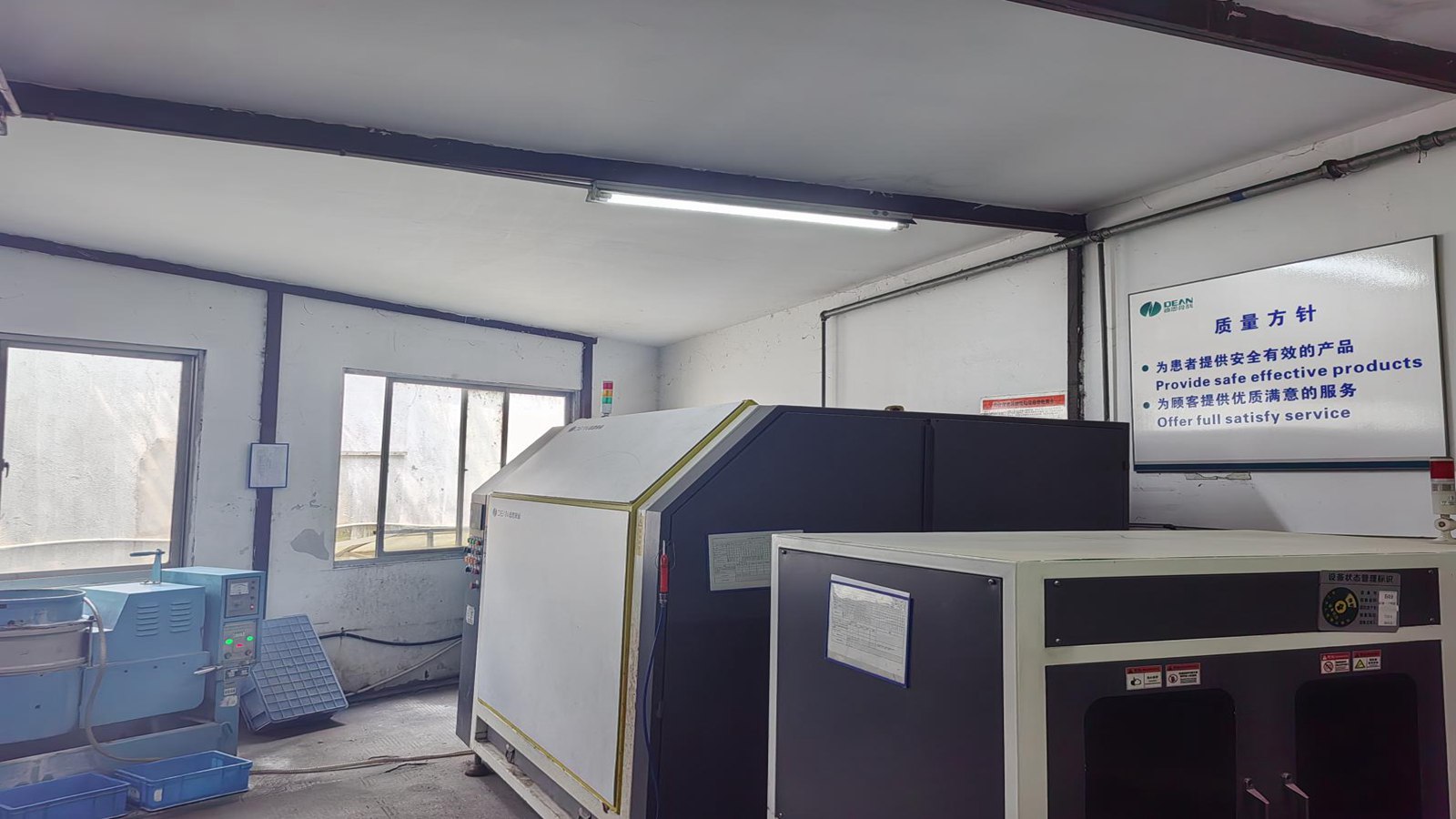
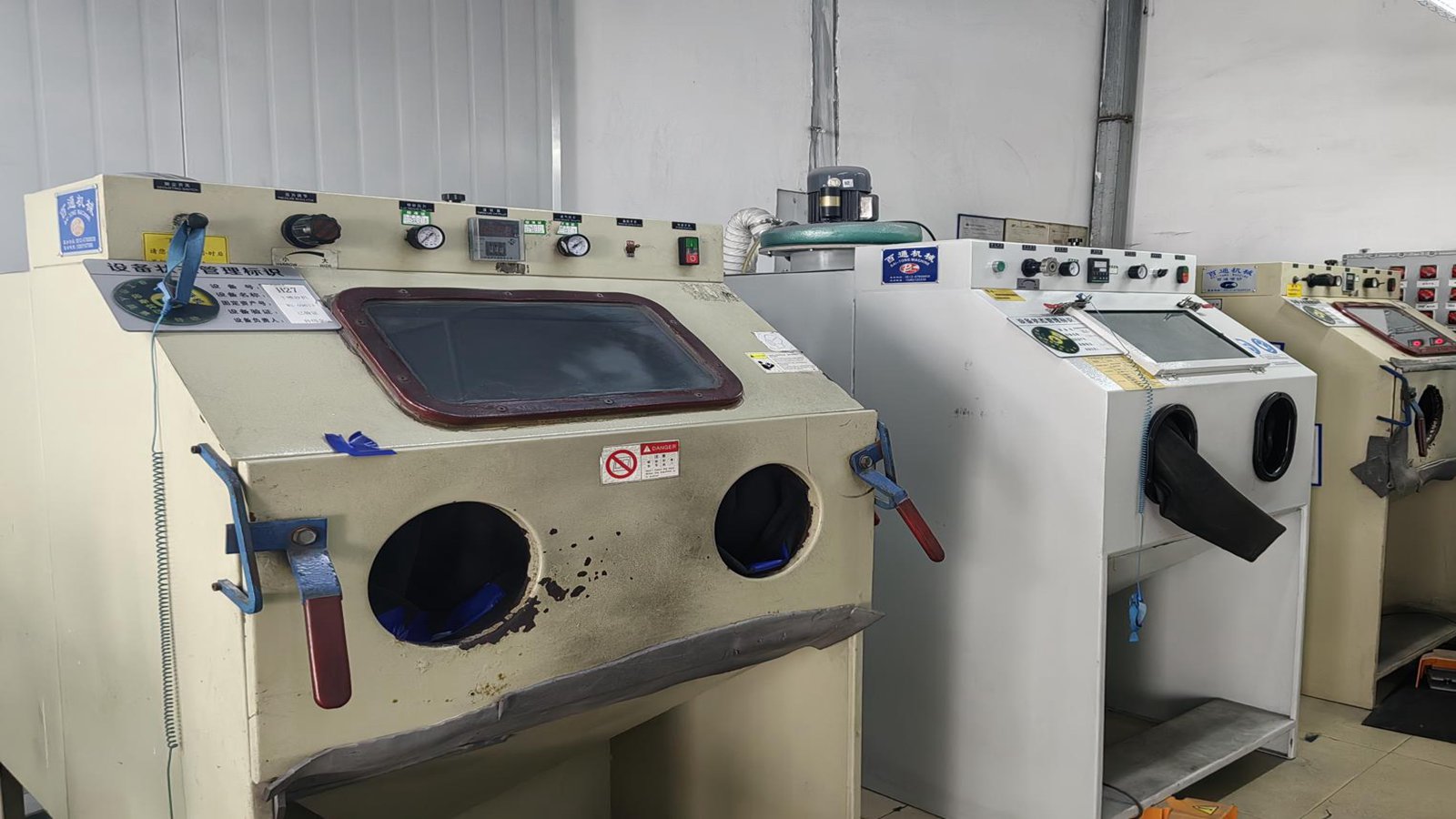
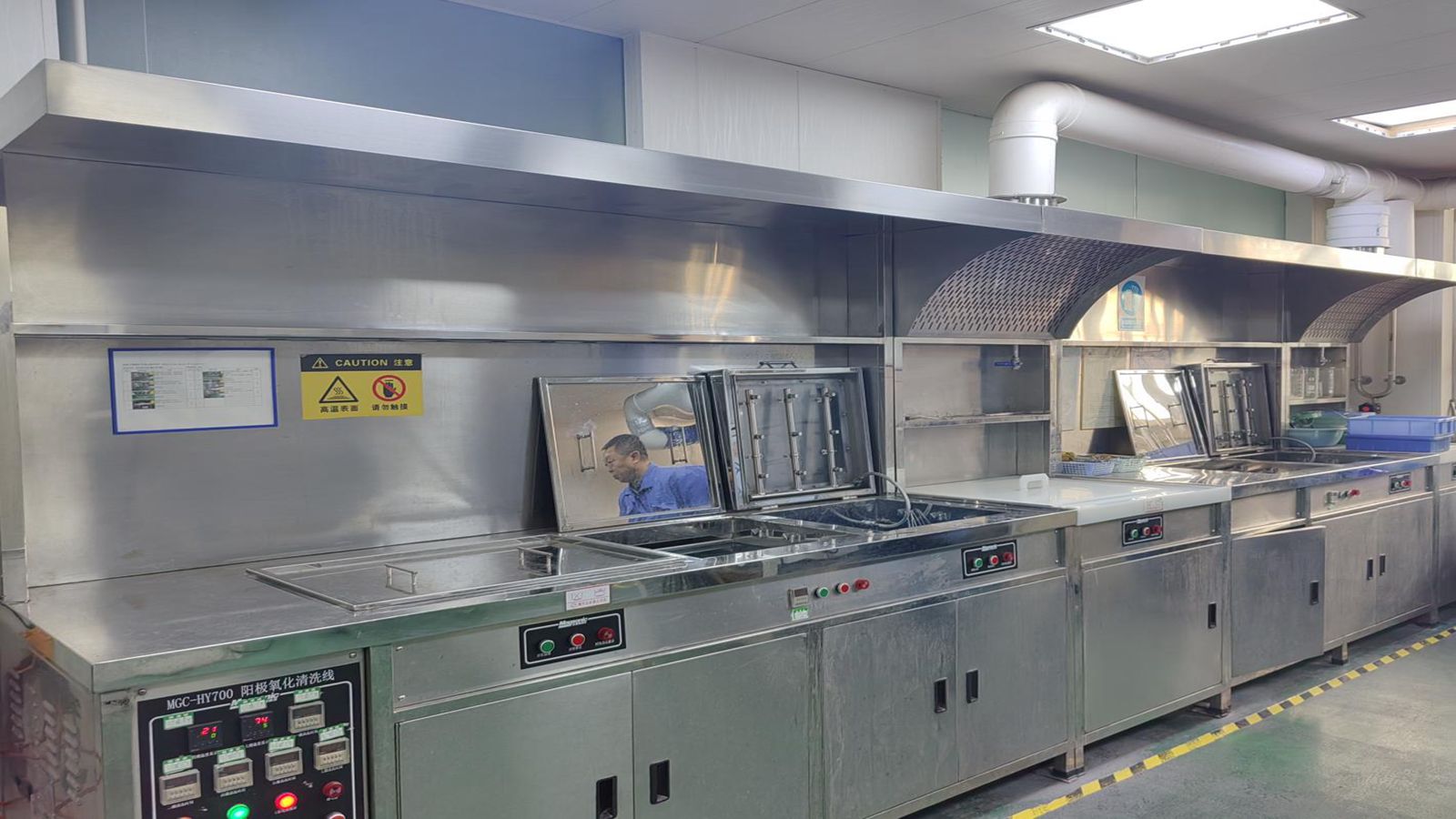
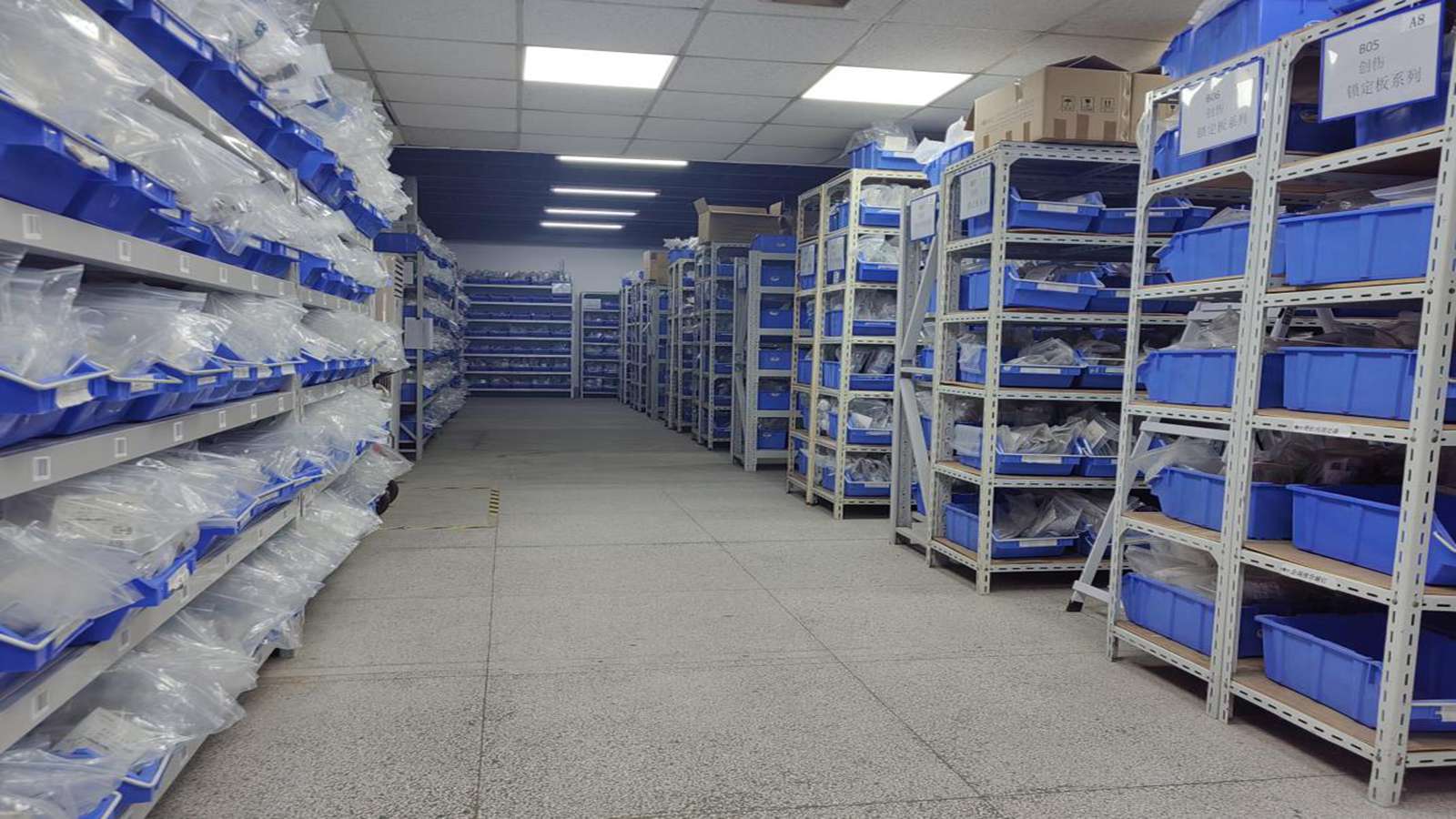
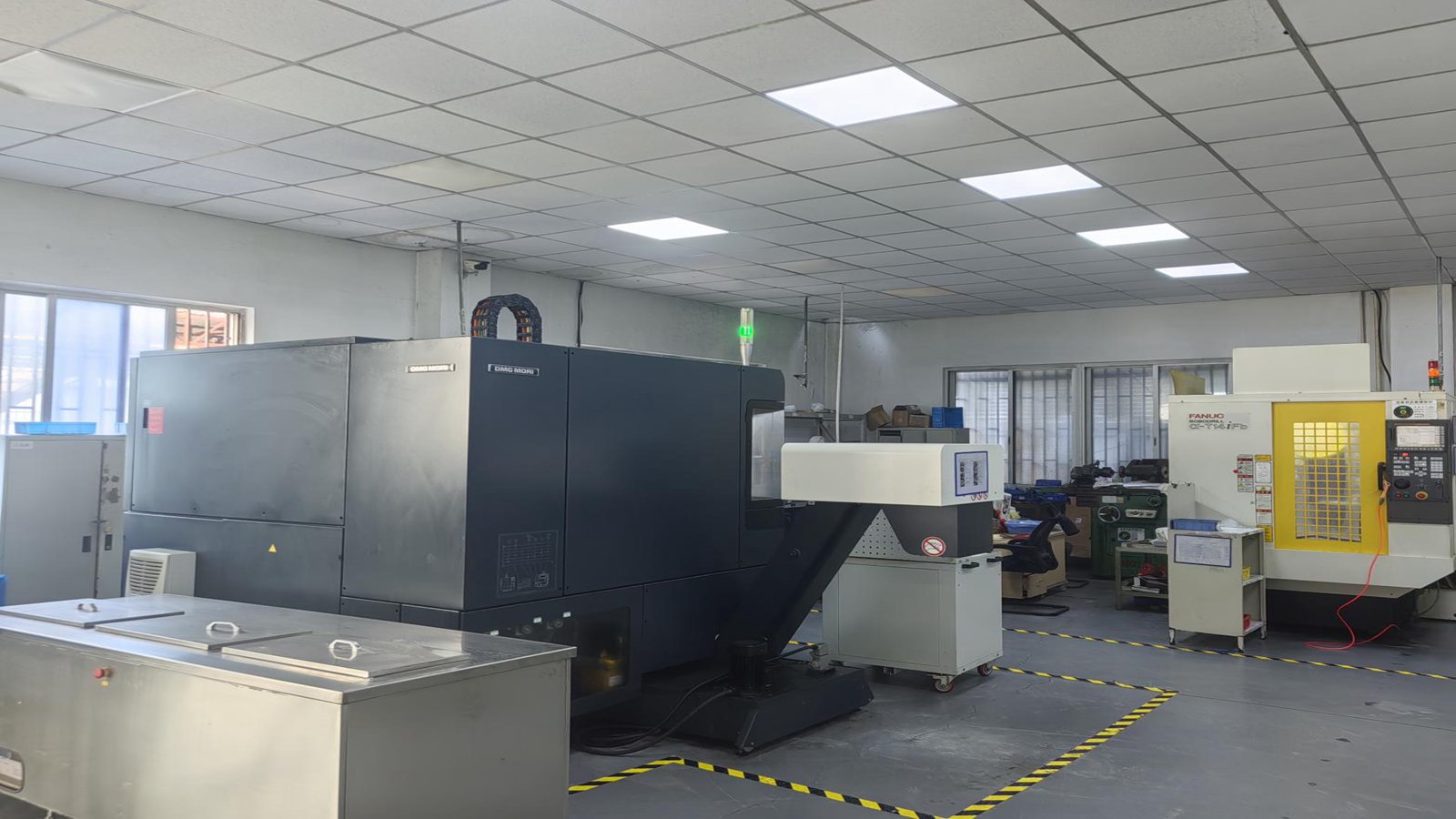
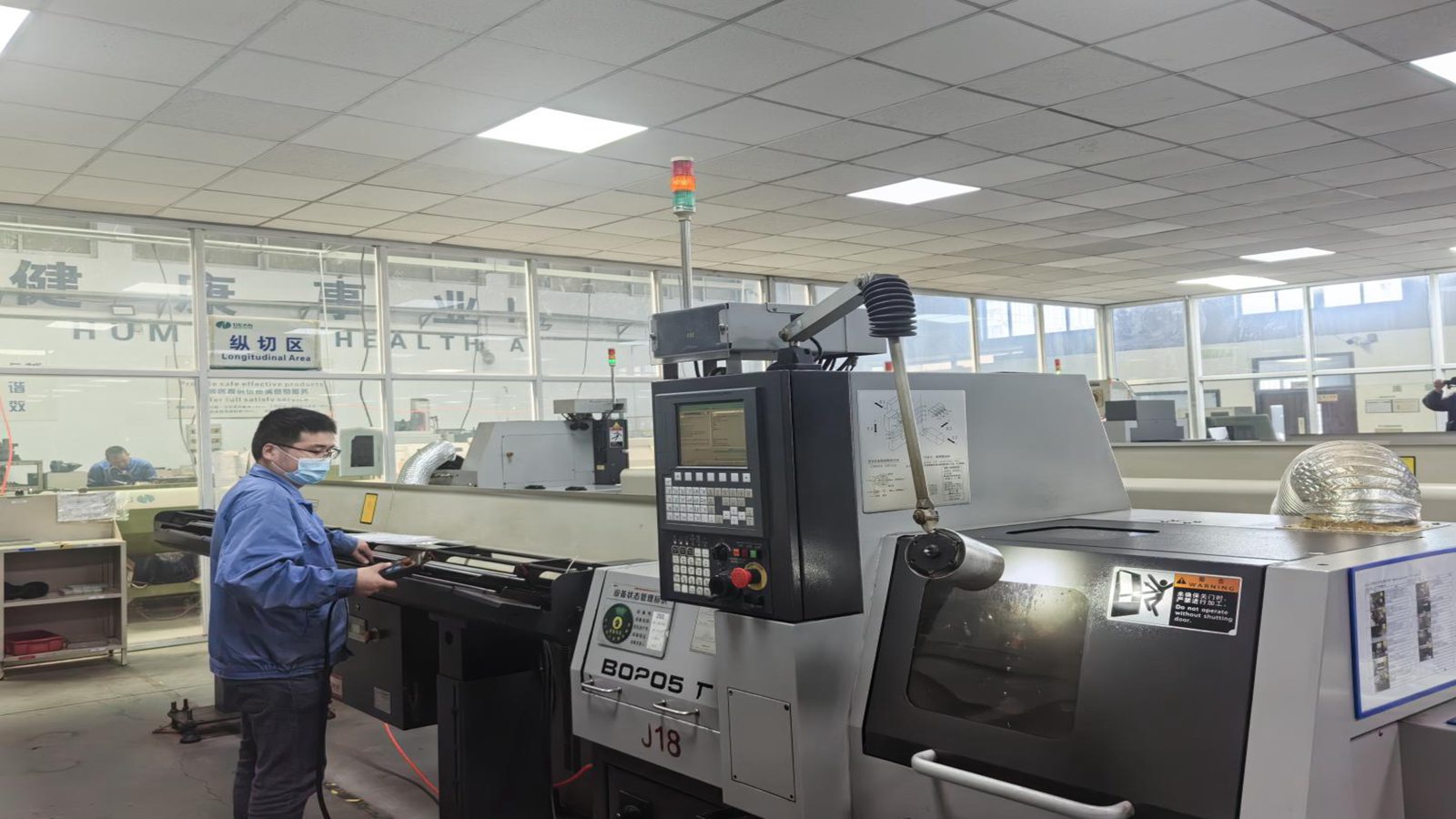
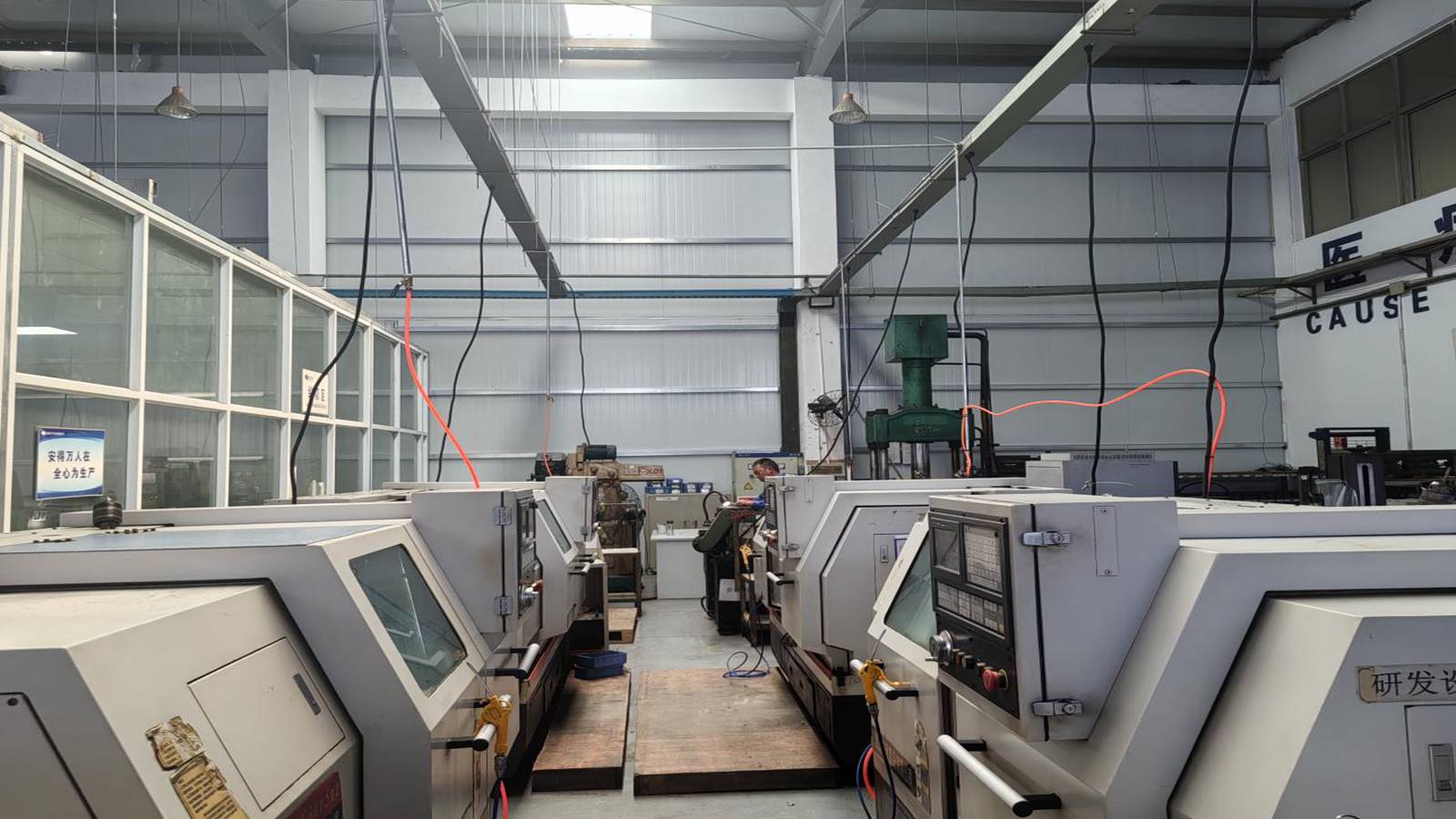
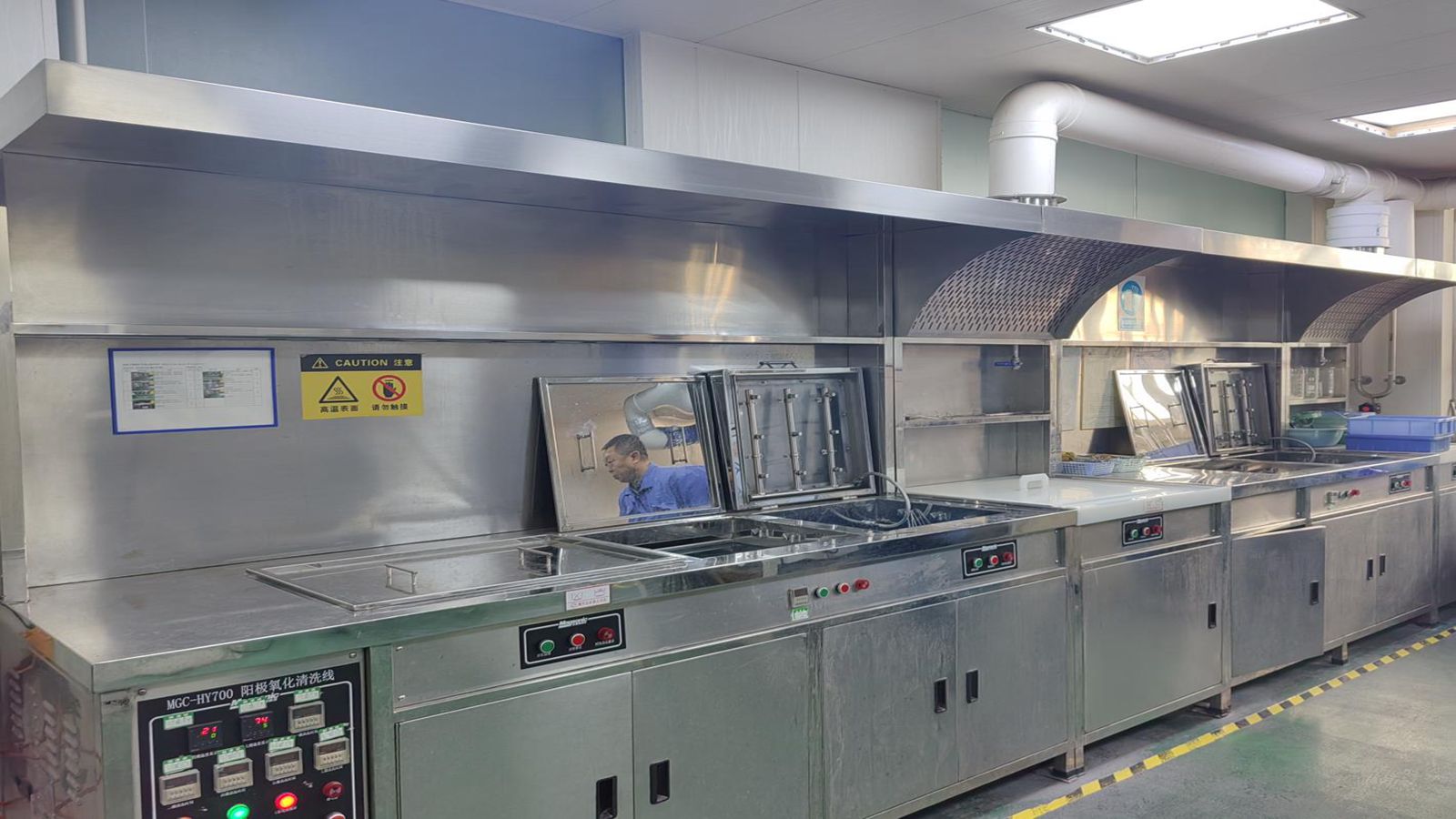
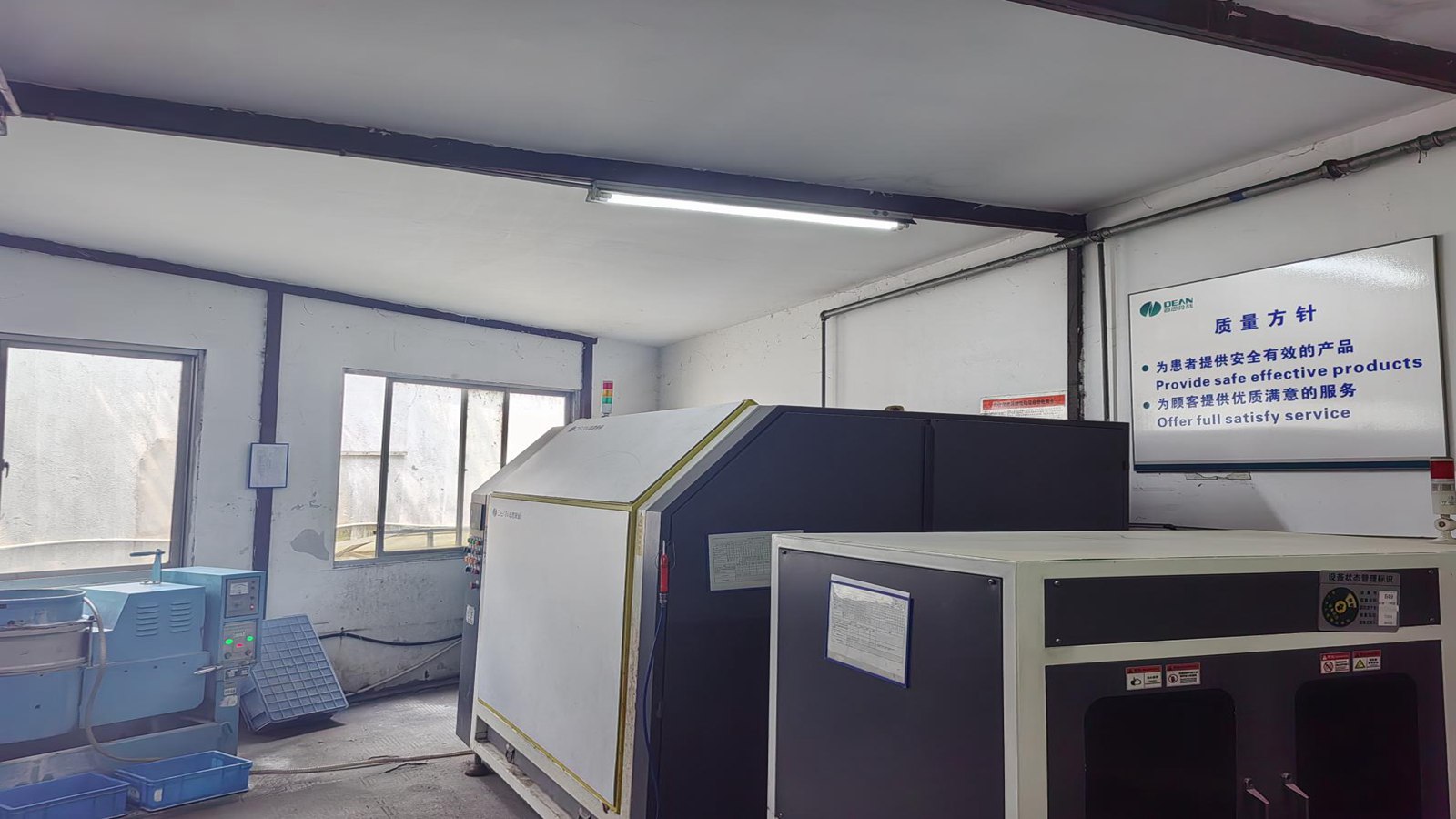
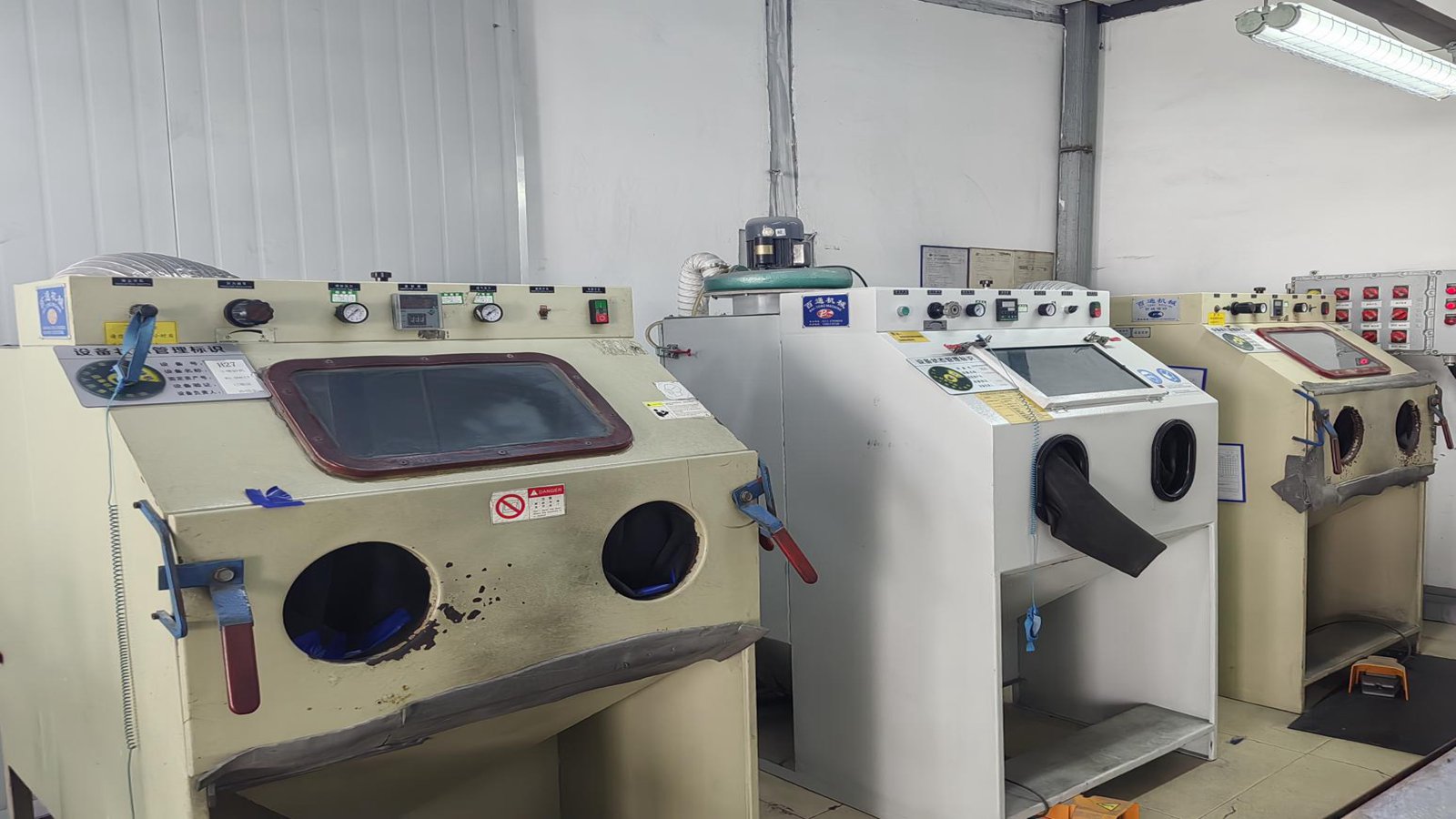
A visual tour of our production facility, showcasing manufacturing steps from raw metal stock to cleanroom packaging.
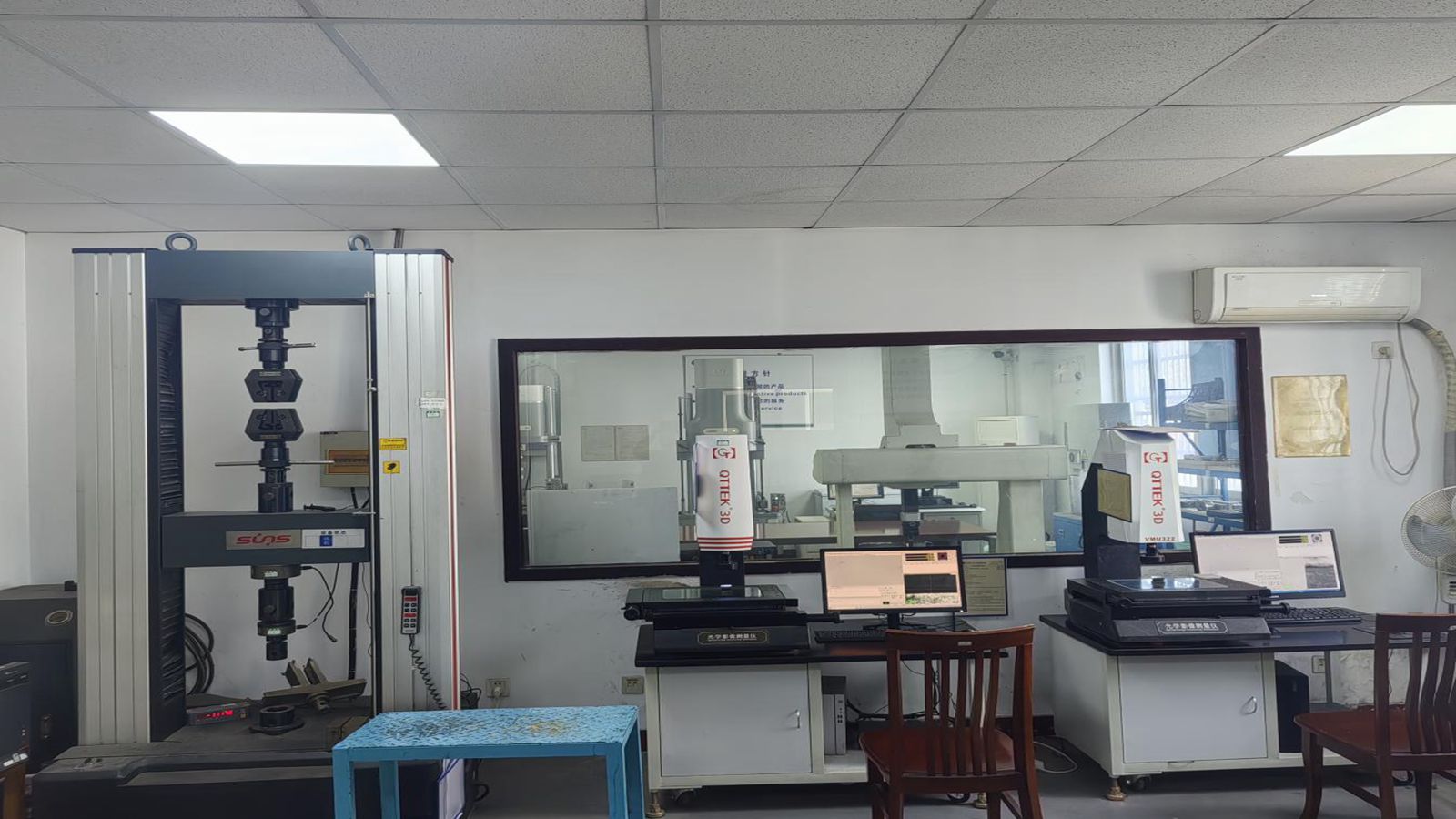
Circular external fixators are versatile tools configured to treat specific pathologies. In developing regions, localized clinical settings shape hardware preferences:
Used in cases of open tibia and femur fractures with soft tissue defects. The circular configuration provides stability without placing implants in infected zones, facilitating reconstruction.
Treats structural bone defects resulting from osteomyelitis or high-energy trauma. The system utilizes slow distraction mechanics (typically 1 mm/day) to guide bone regeneration across gaps.
Used to address congenital limb discrepancies, angular deformities, and complex clubfoot anomalies. Pre-calculated frame templates guide realignments to restore functional joint axes.
External fixation is evolving beyond static mechanical frames. Medical device innovation is shifting toward intelligent, digitalized, and customized reconstructive therapies. Medispirex is positioned to adapt to these shifts.
Integrating computer-aided planning software with six axis-strut assemblies. By entering deformity angles into planning algorithms, surgeons receive precise daily adjustment protocols.
Developing micro-sensors embedded in dynamic struts to measure load transmission. Real-time axial force tracking informs clinicians of callus healing progress, guiding patient mobilization.
Utilizing high-performance PEEK polymers and carbon-fiber reinforcement to manufacture components optimized for patient anatomy, reducing overall weight and radiopaque interference.
Global sourcing partners require cost efficiency and stable lead times. The Chinese medical device manufacturing landscape offers advantages in supply chain integration and production scale:
Orthopedic implants are Class IIb and Class III medical devices under international frameworks. Product quality directly impacts clinical safety. Medispirex operates under strict regulatory protocols:
Implant lines maintain CE compliance, satisfying European medical standards. This guarantees material tractability, clinical evaluation safety, and post-market safety tracking.
Our quality management system is certified to ISO 13485 standards, covering product design, manufacturing controls, sterile processing, and document management.
All materials undergo cytotoxicity, sensitization, systemic toxicity, and genotoxicity testing in ISO 17025 accredited labs, ensuring safe patient application.
Answers to common procurement and technical questions about circular external fixators.
Explore our specialized orthopedic solutions, including spinal fusion cages, intramedullary nails, and veterinary instrumentation.