Medispirex Medispirex

CE Certified Bone Screws Manufacturers & Factory

Providing Precision-Engineered Spinal and Orthopedic Implants, Powered by Global Standards, Strategic OEM Solutions, and Medical Excellence.

Advanced Orthopedic Implants: Global Regulatory Compliance & Safety

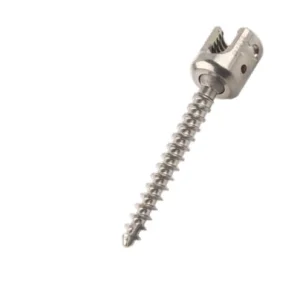
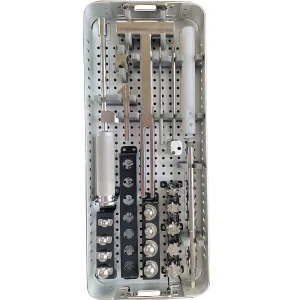
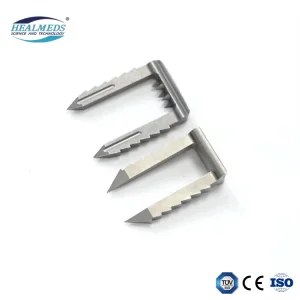
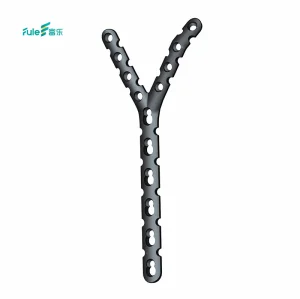
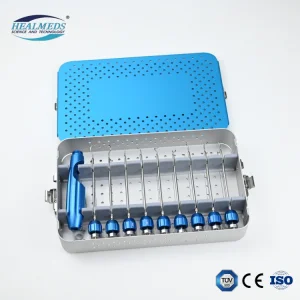
In modern orthopedic reconstructive surgery, bone screws serve as critical anchoring elements designed to fix internal plates, stabilize structural fragments, and distribute biomechanical loads safely. Because of this direct biological interface, the manufacturing requirements are governed by strict European Medical Device Regulation (MDR) and global standards. Medispirex Orthopedic Technology Co., Ltd. stands as a premium developer and CE-certified manufacturer of high-caliber bone screws, spinal fixation systems, and surgical tools.

Established in 2016, Medispirex operates a state-of-the-art 18,600㎡ production complex. Driven by engineering excellence and strict compliance protocols, we integrate design, dynamic testing, and volume fabrication to support hospitals, orthopedic surgeons, international distributors, and medical OEM/ODM partners worldwide. Under our comprehensive quality management, we deliver precision trauma, spinal, and reconstructive hardware built to withstand rigorous physiological demands.
"Reliable clinical outcomes are rooted in structural precision. Through extensive fatigue testing and advanced material science, we ensure that every bone screw exhibits the exact tensile properties required for ultimate biological stability."
12+
Years Expertise
$18M
Annual Export
85+
R&D Engineers
45+
QC Specialists

Global Trends in Bone Screw Design and Manufacturing

How cutting-edge research in metallurgy and orthopedic bioengineering is defining the next generation of fixation technology.

The global orthopedic implant sector is seeing a swift transition toward smart, bioactive, and customizable fixation materials. Bone screw design has evolved from basic mechanical structures into sophisticated, bio-interactive devices designed to accelerate osseointegration and reduce long-term surgical risks. Below are the key engineering trends currently driving the international bone screw industry:

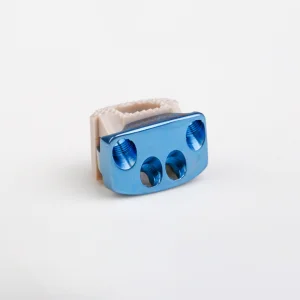
  • Advanced Material Compositions: While Medical Grade Titanium Alloy (Ti-6Al-4V ELI) remains the cornerstone of strength and biocompatibility, there is significant growth in high-strength PEEK (Polyether ether ketone) for radiolucent spinal cages and bioresorbable magnesium-based alloys. Biodegradable alloys slowly dissolve over time, removing the need for a secondary implant removal surgery.
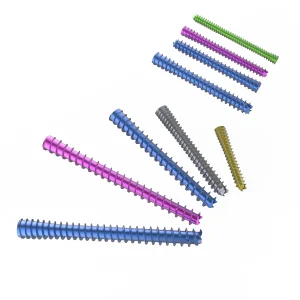
  • Micro-Thread Optimization and Bio-Mimetic Geometry: Specialized double-lead and variable pitch threads improve initial purchase strength and reduce bone damage during insertion. Cannulated configurations allow for highly accurate, guide-wire directed placement in minimally invasive surgeries (MIS).
  • Innovative Anodic Surface Treatments: Standard chemical sandblasting, acid etching, and type II anodization create customized surface micro-roughness. This micro-roughness promotes faster osteoblast attachment, drastically reducing recovery times.

Resolving Global Procurement and Compliance Pain Points

International medical device buyers face complex regulatory hurdles. We mitigate these risks with robust processes designed for global supply chain resilience.

Regulatory Compliance and Traceability: Sourcing orthopedic implants requires absolute compliance with ISO 13485:2016, MDSAP (Medical Device Single Audit Program), and EU MDR. Any break in structural traceability can halt distribution. Medispirex implements a complete raw-material-to-sterilization batch tracking system, ensuring every implant is fully documented.

Supply Chain Security: Unstable supply chains lead to stockouts in critical healthcare environments. Utilizing an robust network of 860 partners, we secure stable access to medical-grade titanium bar stocks, high-precision tooling, and packaging materials. This resilience allows us to protect customers from sudden global price spikes.

Our Sourcing Commitments

  • 100% Raw Material Inspection with Heat-Number Mapping.
  • Strict Cleanroom Packaging conforming to ISO Class 7.
  • On-site mechanical fatigue testing (conforming to ASTM F543 and ASTM F1717).
  • Comprehensive validation files including biocompatibility data.

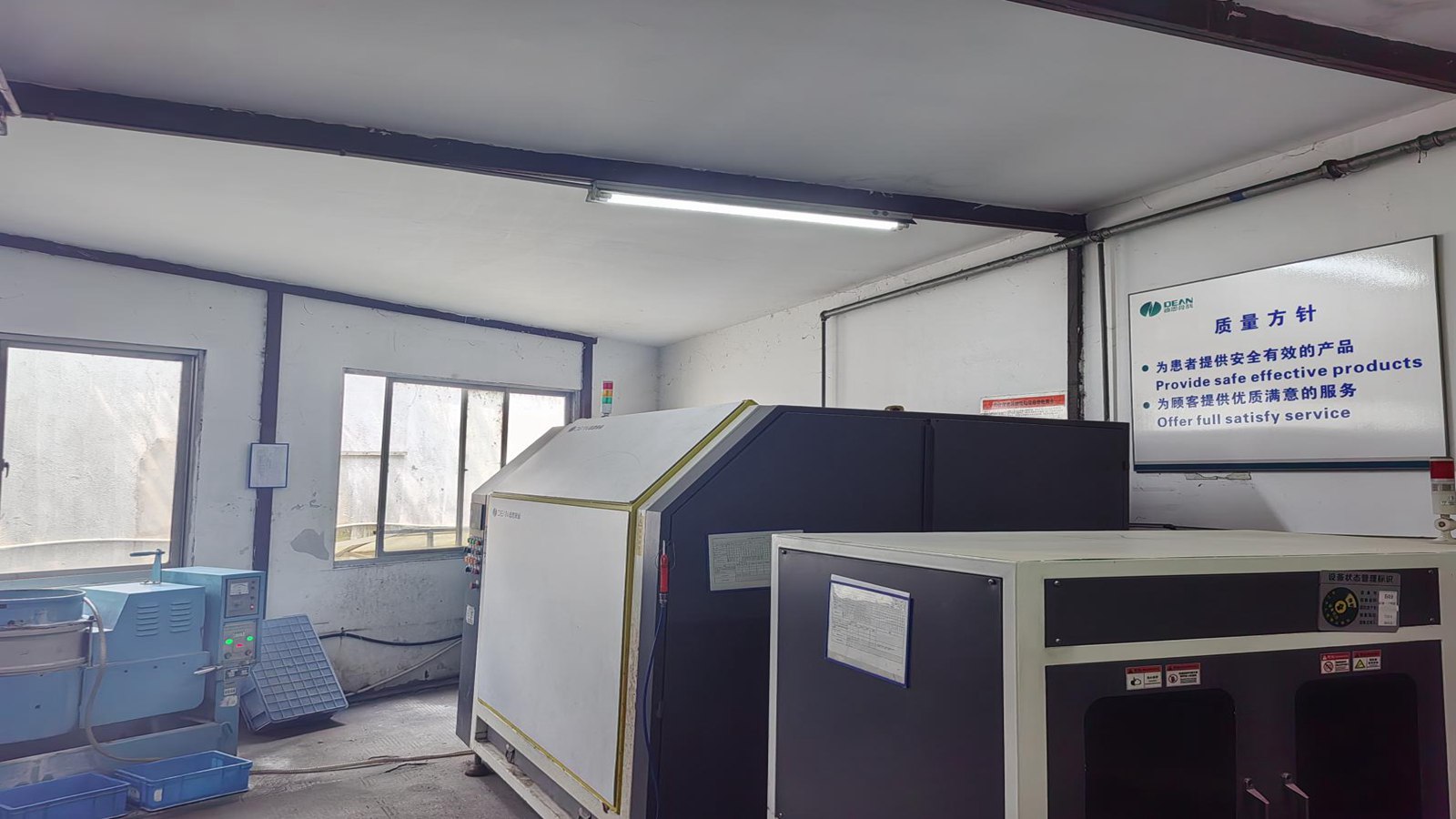
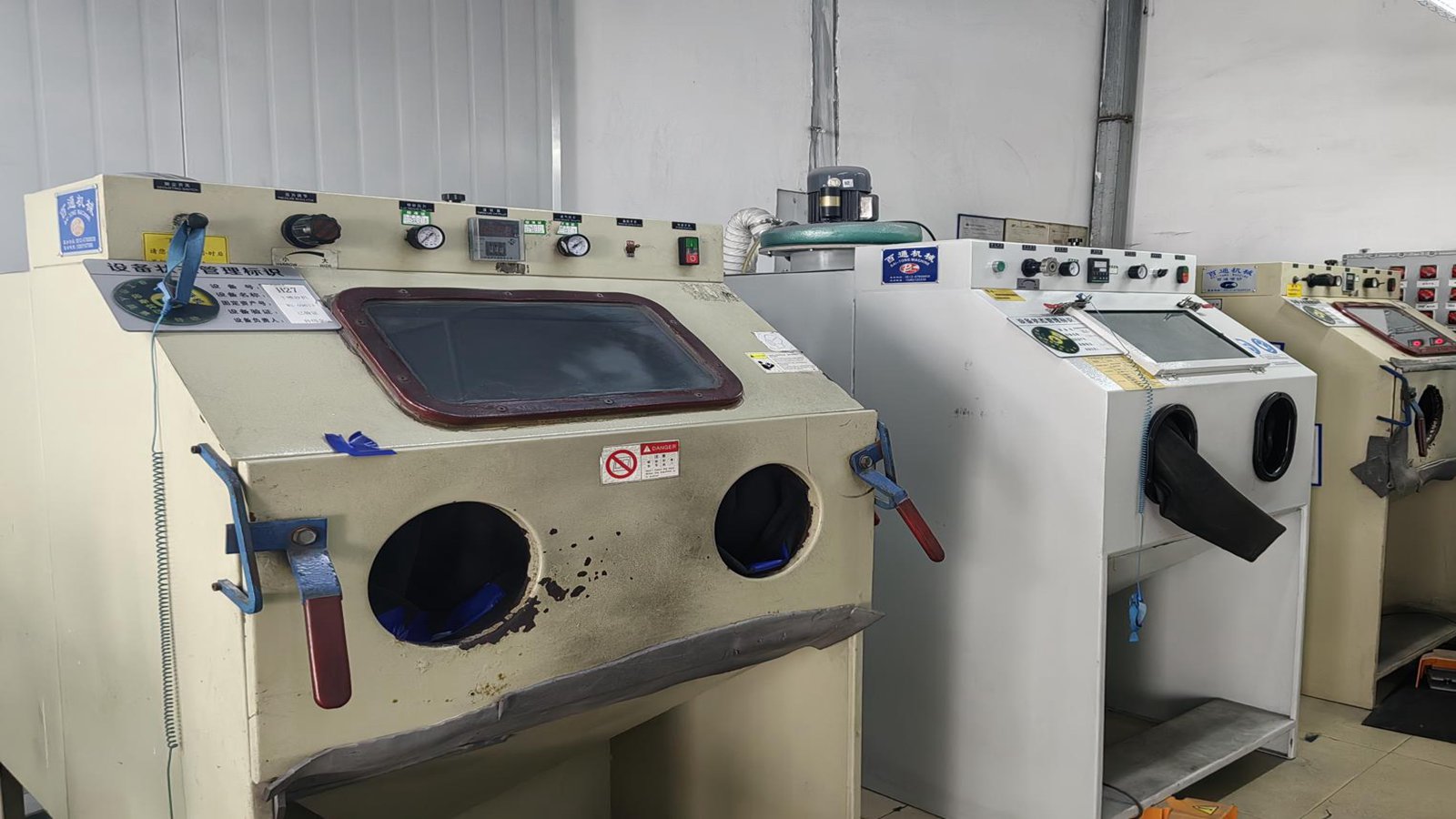
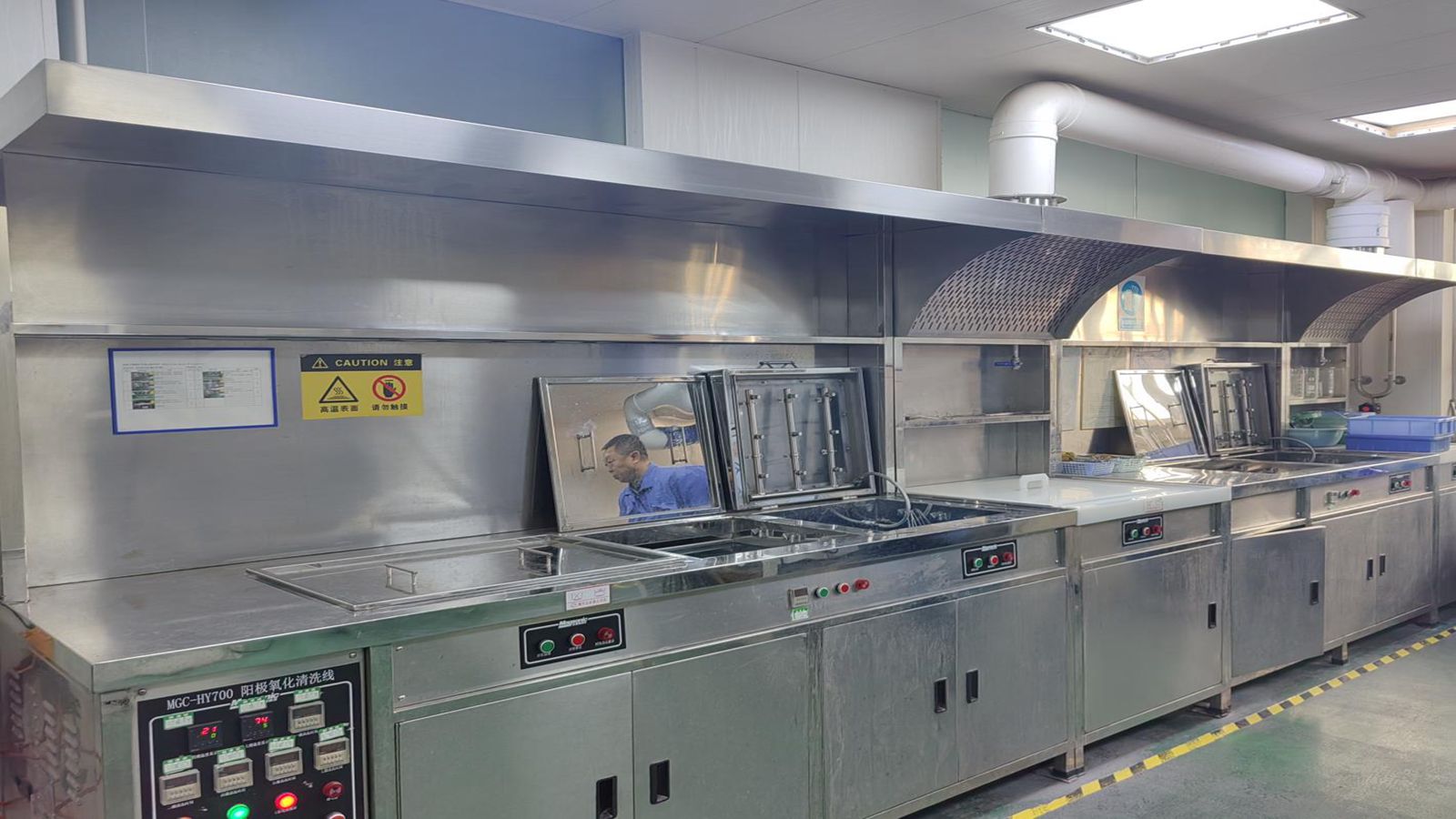
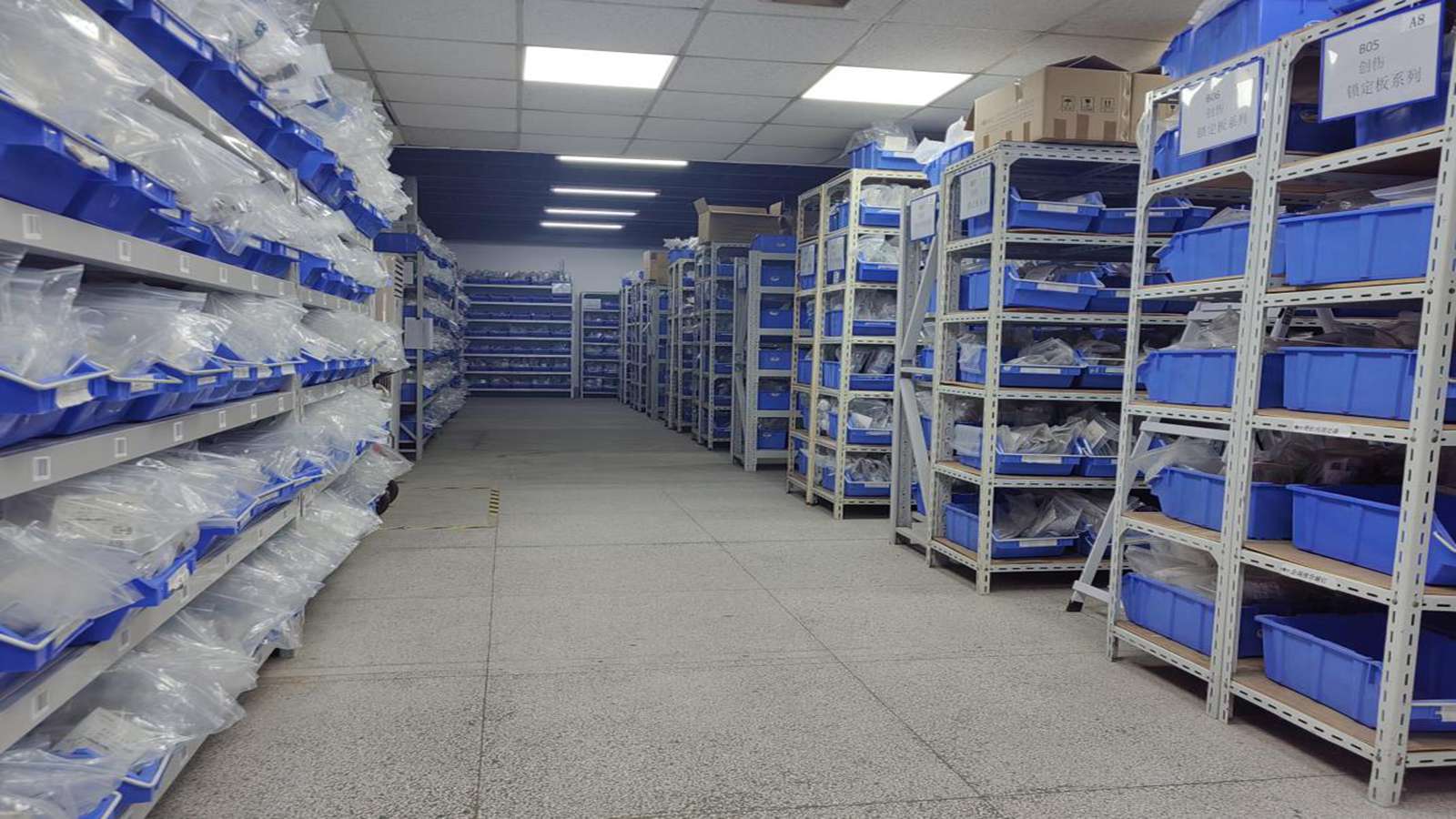
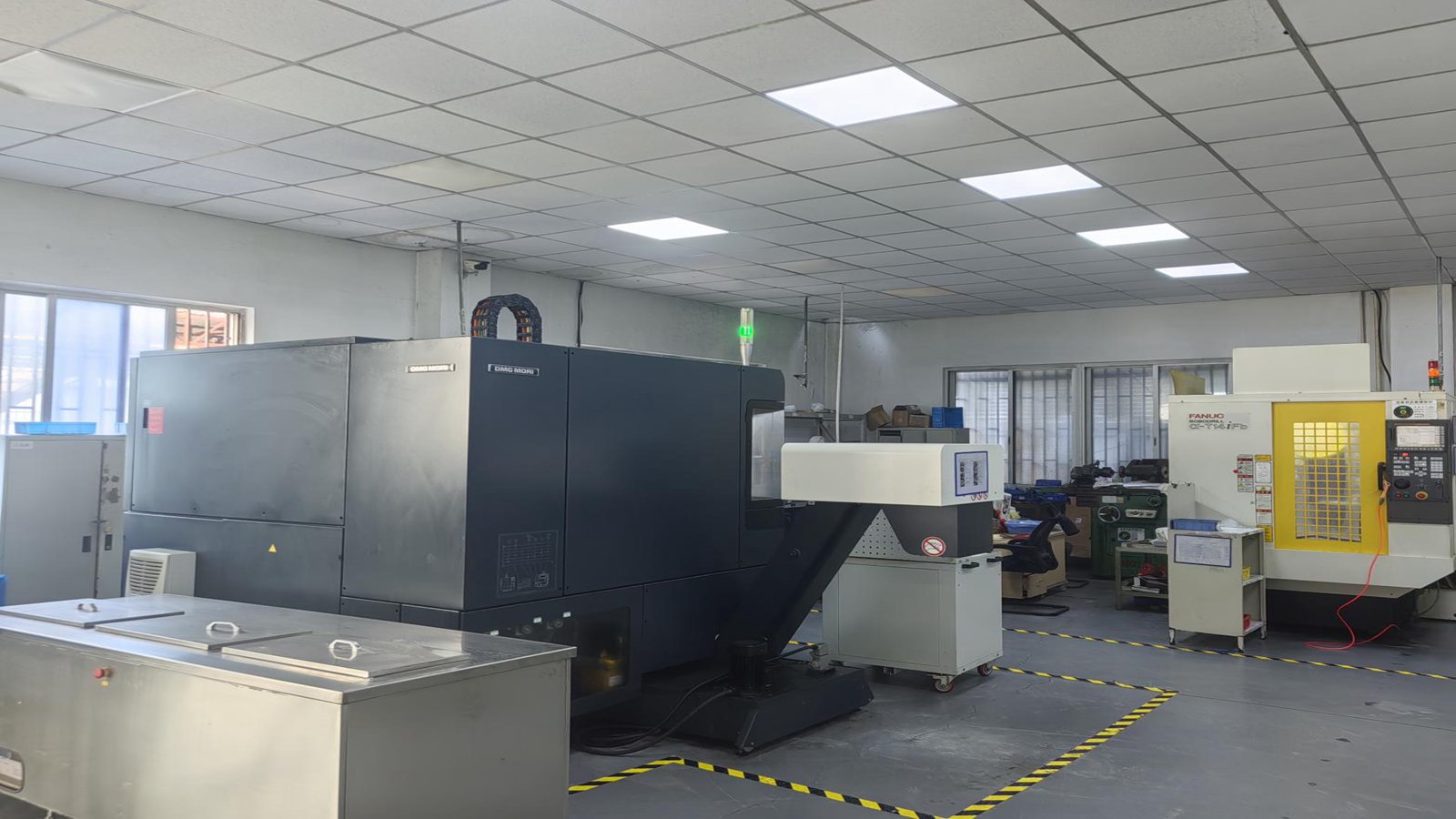
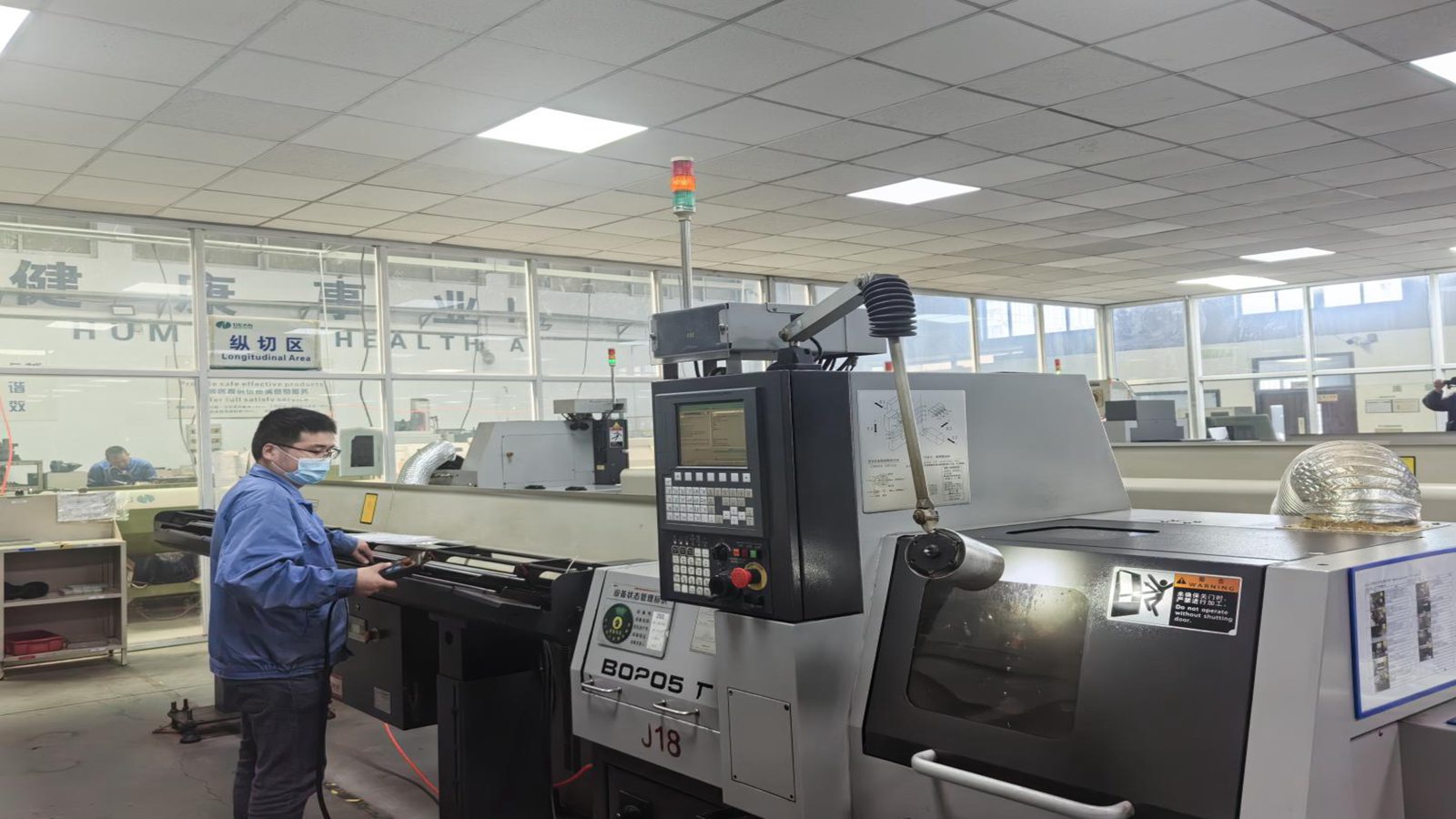
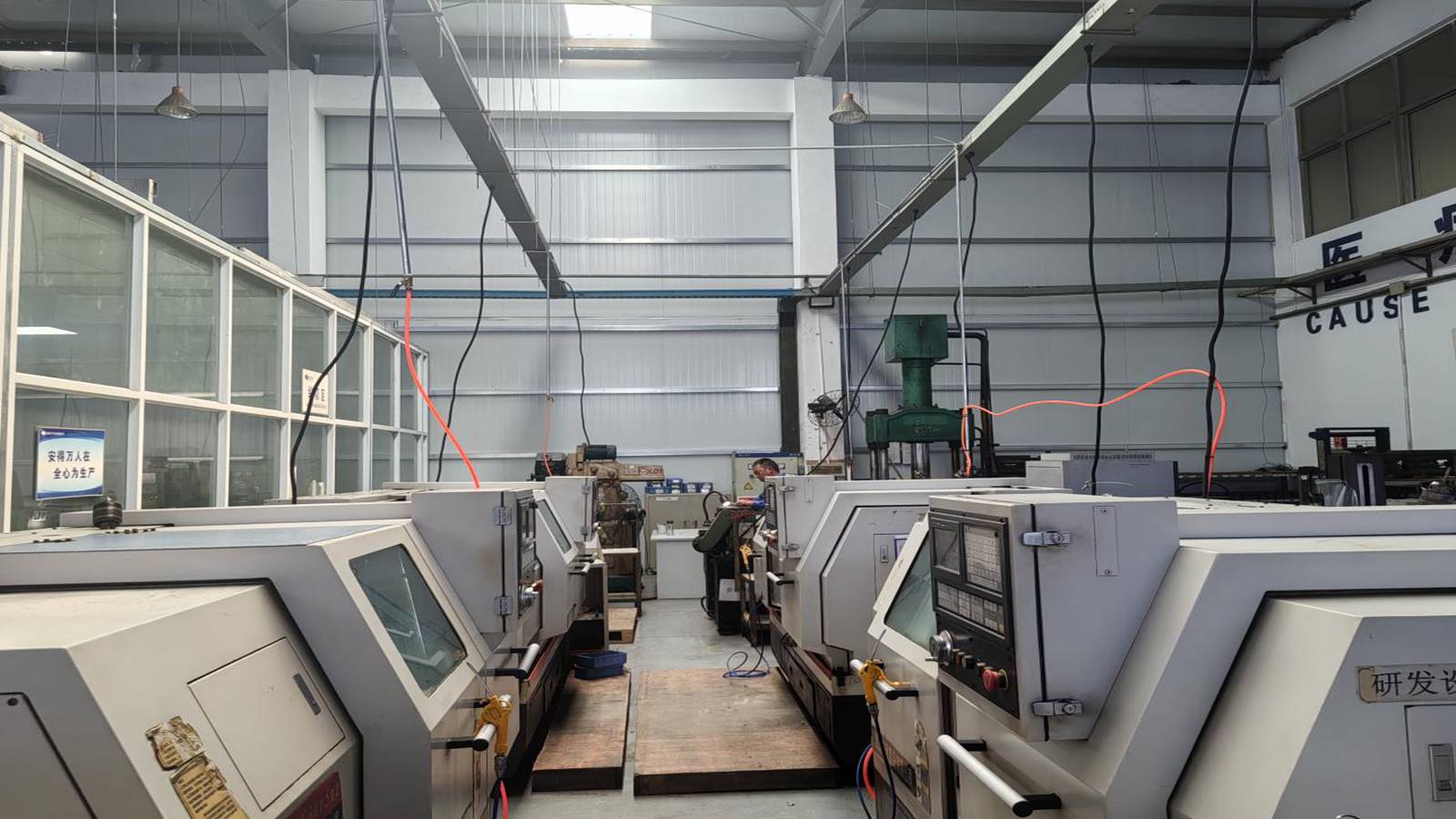
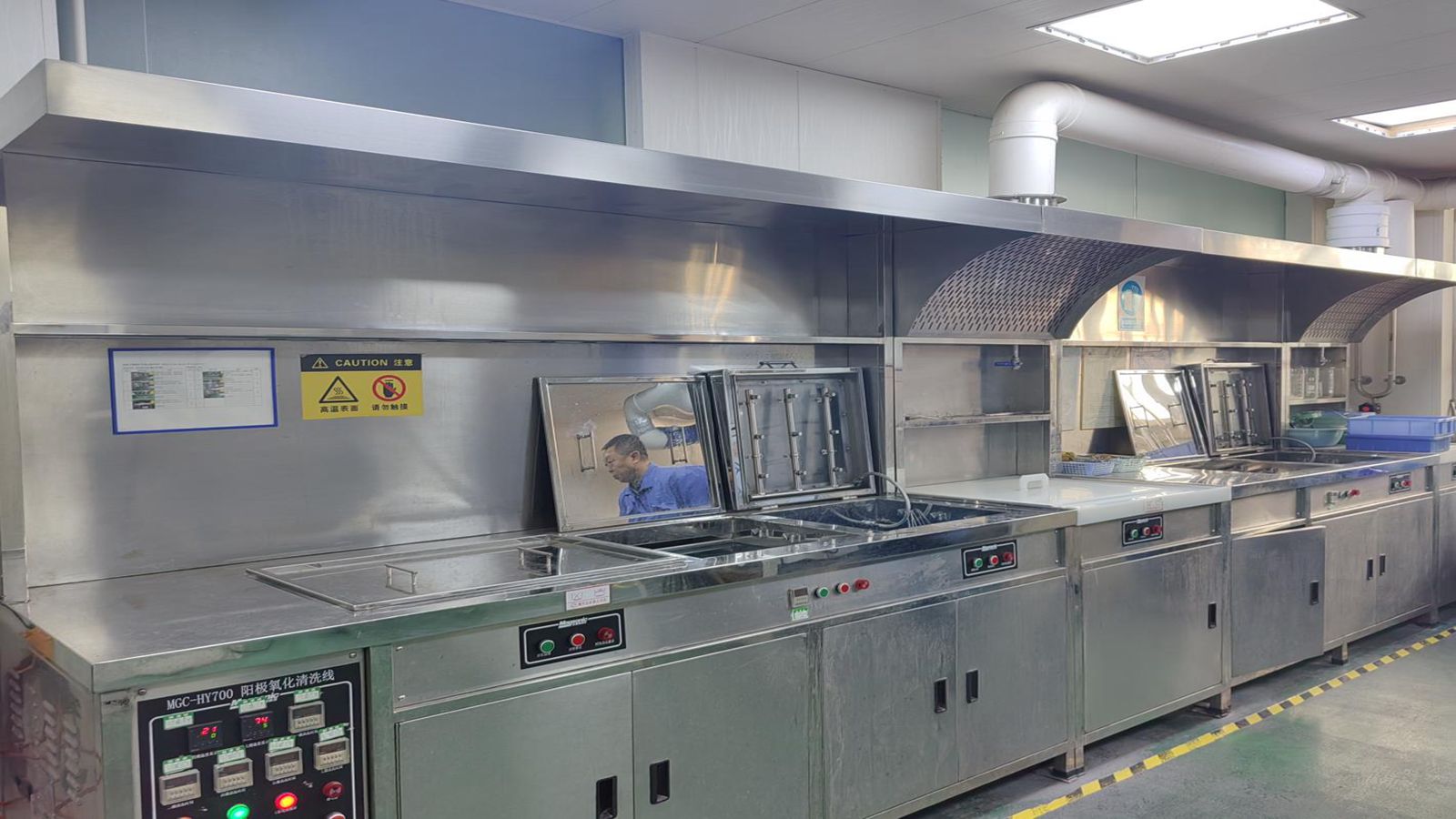
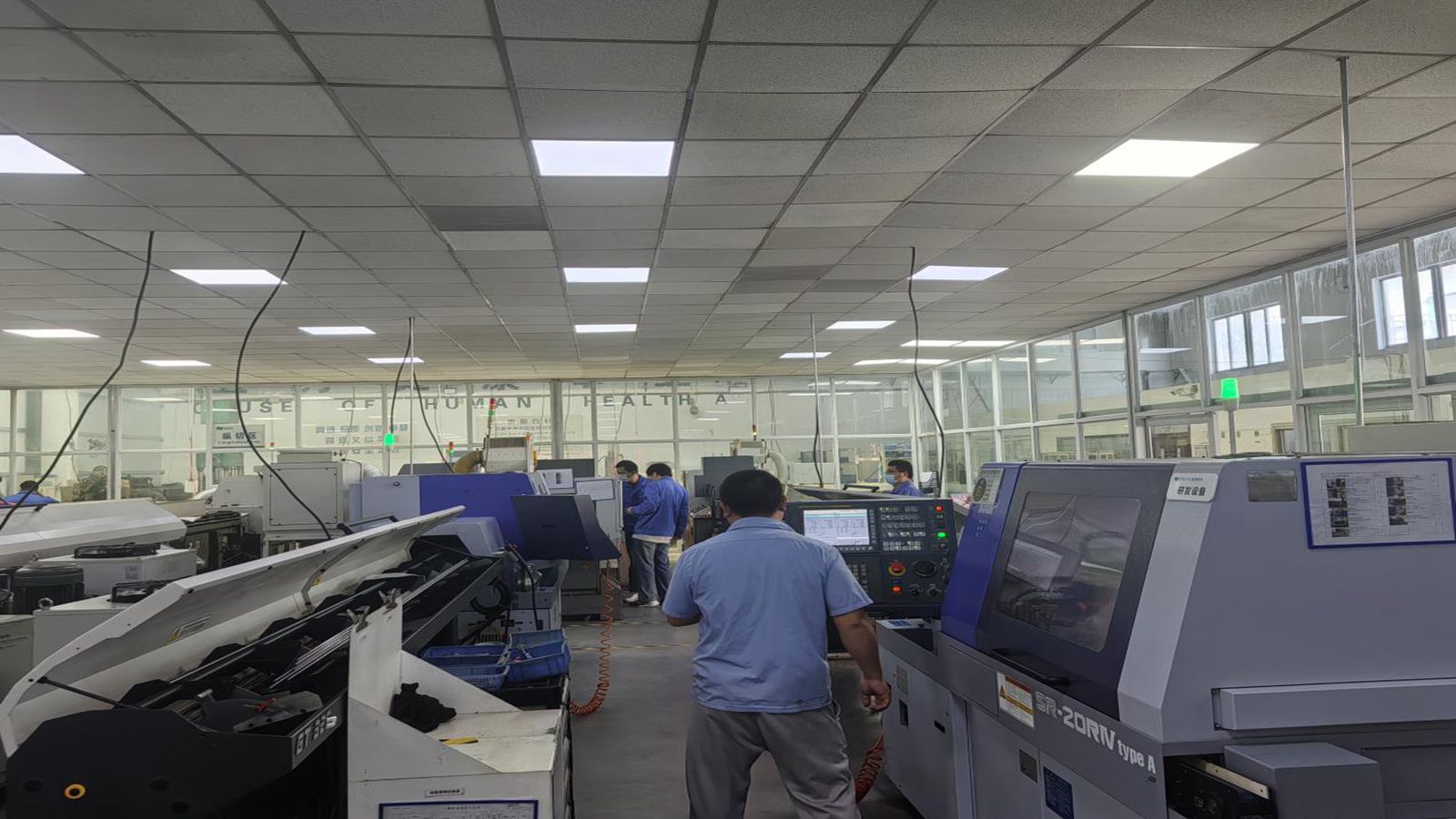
Comprehensive Manufacturing Excellence & Plant Operation

Inside our advanced production facilities where clinical safety and structural precision are built into every component.

CNC Cutting
CNC Cutting
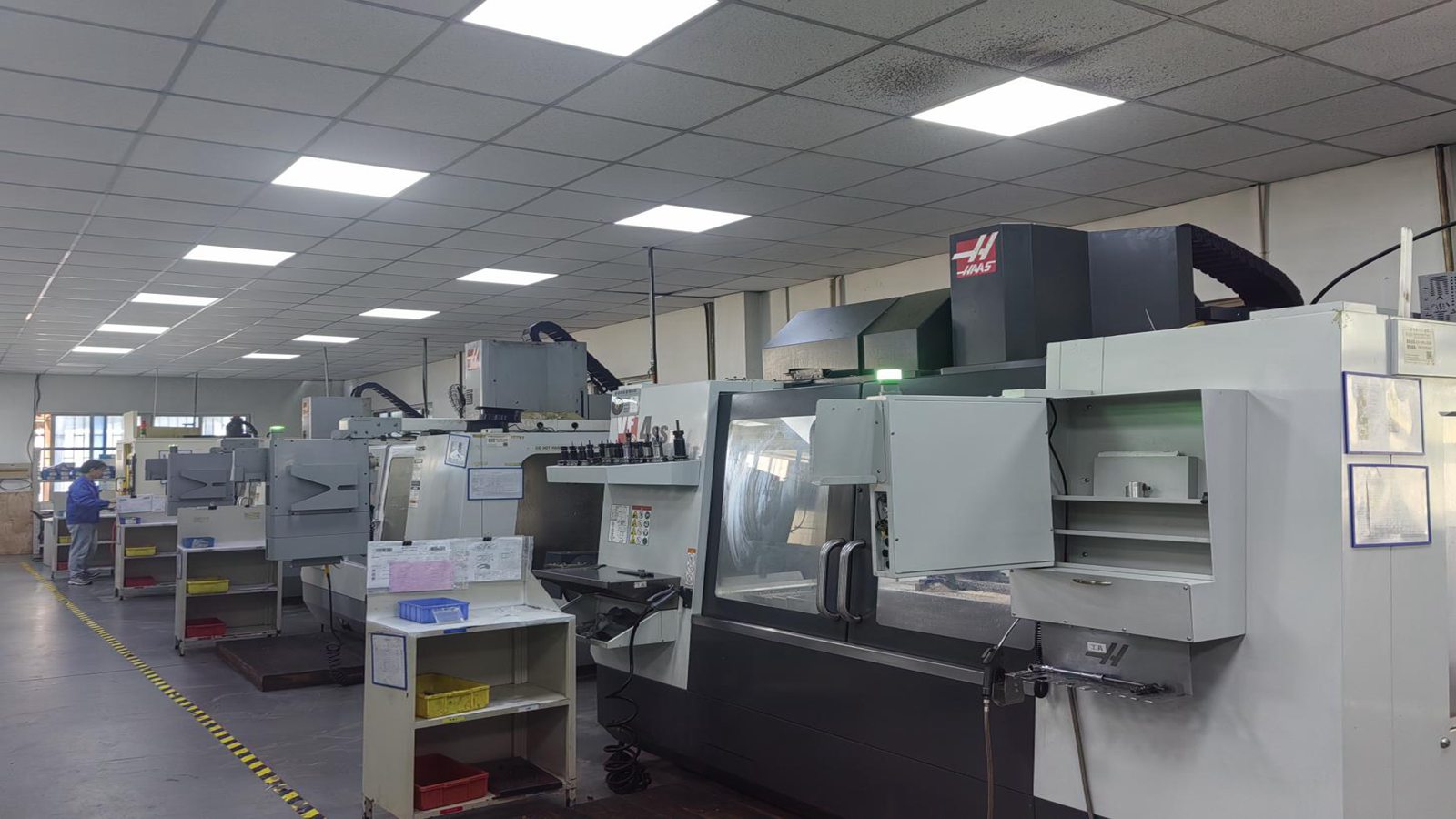
CNC Machining
CNC Machining
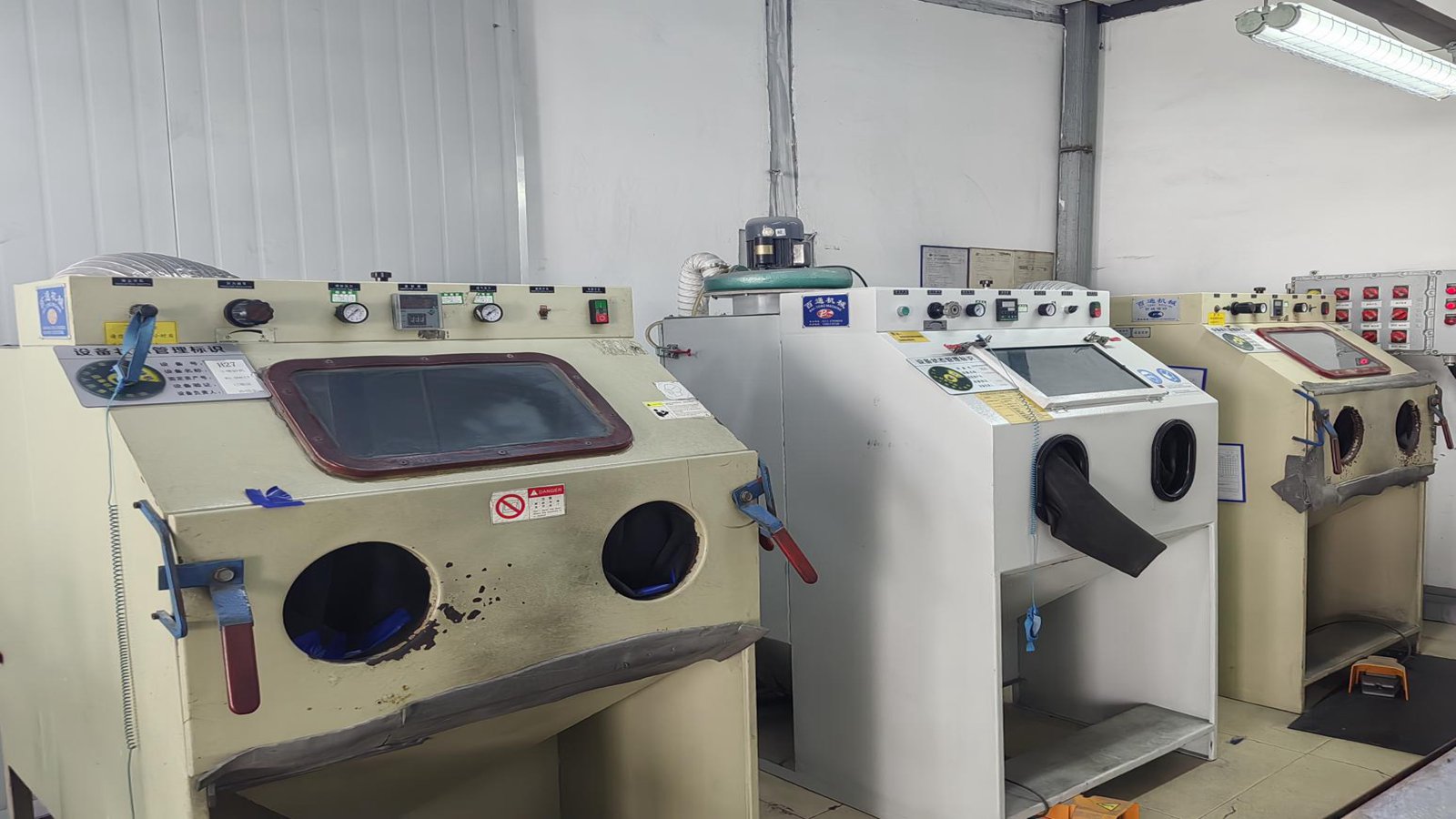
Sand Blasting and Grinding
Sand Blasting & Grinding
Polishing
Polishing
Anode Oxidation Cleaning
Warehouse
Warehouse
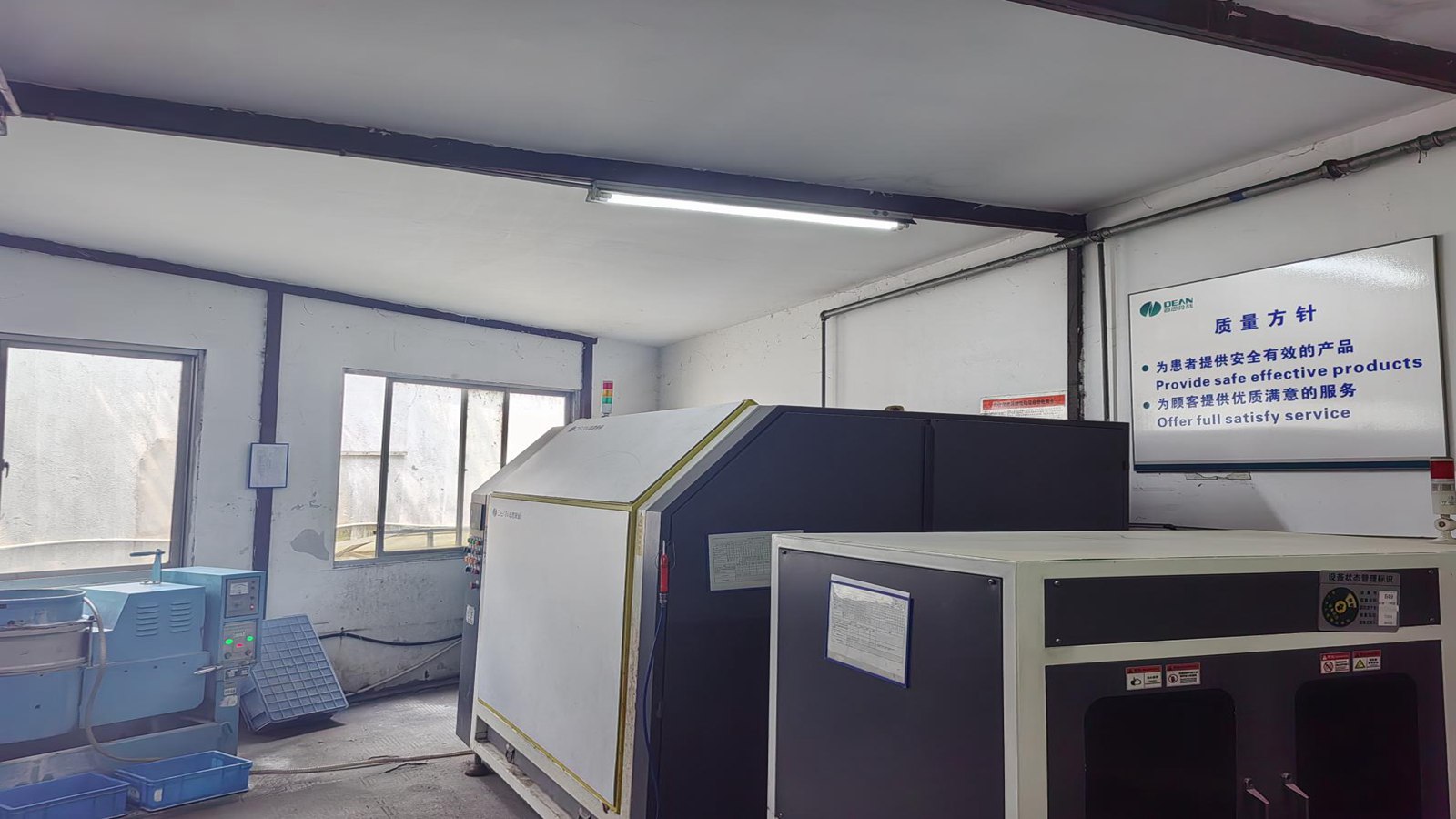
CNC Machining Center
CNC Cutting Machine
CNC Cutting Machine
CNC Lathe
CNC Lathe
Anode Oxidation Cleaning Line
Sand Blasting and Grinding Room
Sand Blasting & Grinding Room
Polishing Workshop
Polishing Workshop
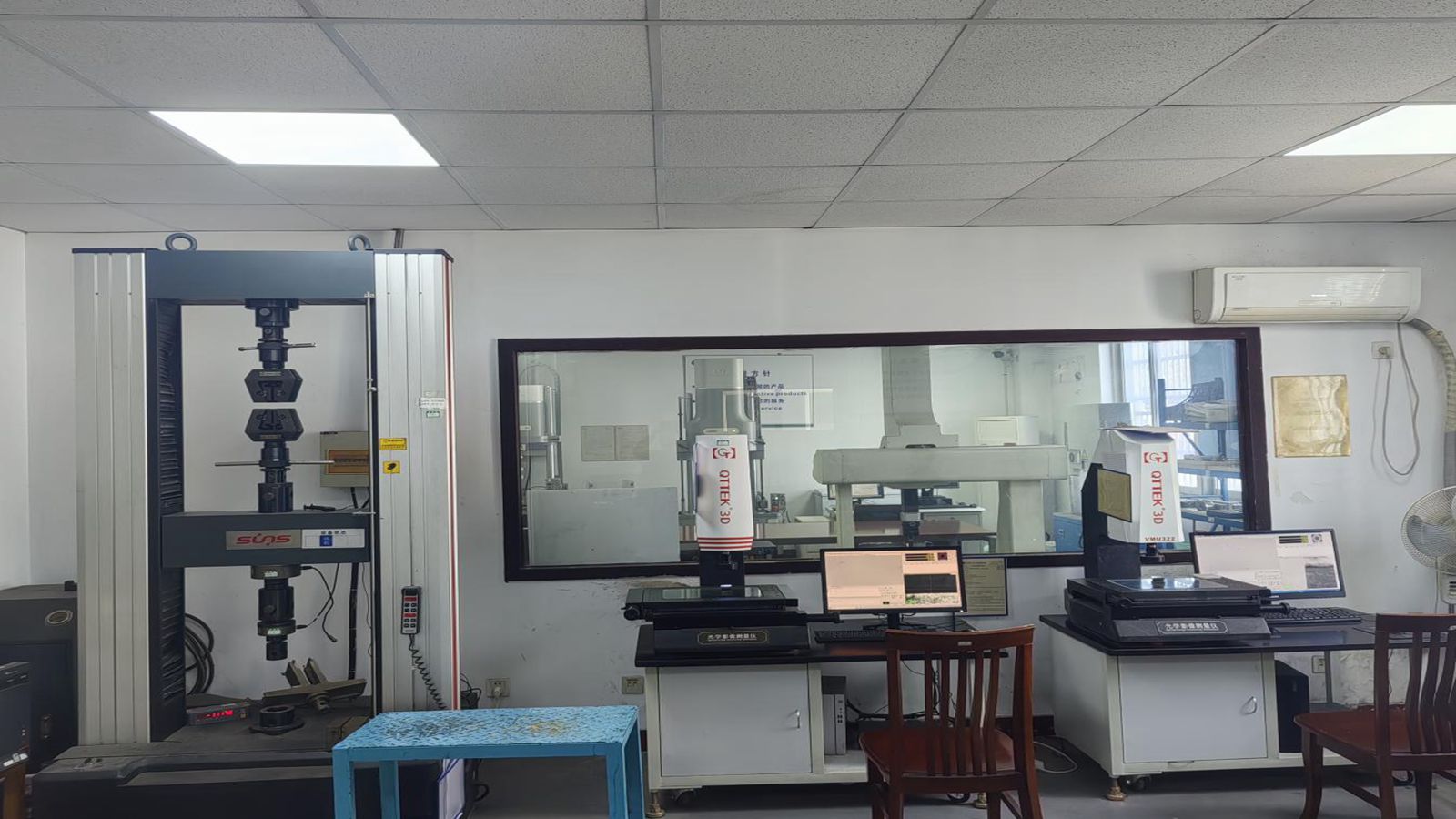
Laboratory
Laboratory

Product Technology Roadmap (2025 - 2030)

Driving continuous innovation in biomechanical performance and advanced osteoinductive coatings.

01

Sub-micron Porous Coatings

Deploying advanced electrochemical deposition to construct porous osteoconductive titanium layers that speed up implant integration with natural bone tissues.

02

Biodegradable Magnesium Alloy Suture Anchors

Developing bioresorbable structural anchors designed to degrade naturally post-healing, eliminating secondary hardware removal surgeries for patients.

03

Intelligent Sensor-Integrated Fixation

Integrating micro-electronic feedback components to measure local bone healing tension and pressure data in real time, assisting clinicians with post-op care.

Orthopedic Implants & Compliance FAQ

Professional answers regarding certifications, design parameters, biocompatibility testing, and custom production.

What ISO standards govern your bone screw production processes?

Our manufacturing workflow complies strictly with ISO 13485 (Medical Devices - Quality Management Systems). Additionally, all design inputs and manufacturing processes are validated to conform to EU MDR 2017/745 Class IIb and Class III requirements, ensuring clean-room and sterilization integrity.

Which medical-grade alloys do you use for your implants?

We source medical-grade titanium alloy (Ti-6Al-4V ELI) conforming to ASTM F136 and pure titanium conforming to ASTM F67. For high-rigidity and radiolucent spinal constructs, we utilize premium implant-grade PEEK (Polyether ether ketone) sourcing from internationally verified raw material partners.

Do you support custom OEM / ODM developments for orthopedic companies?

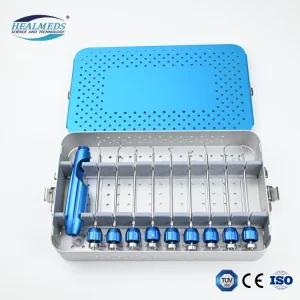
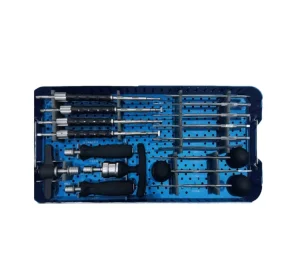
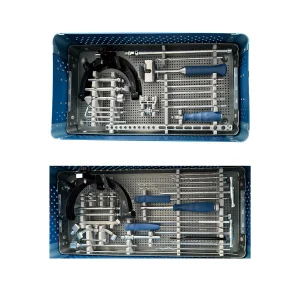
Yes. Powered by our 85-engineer R&D department, we offer end-to-end design modifications, custom surgical thread styles, unique head designs (torx, hex, cruciate), special length adaptations, and complete surgical instrument set configurations customized to your branding.

How do you ensure material traceabilty and batch control?

Every single batch of titanium bar stock is cataloged with its specific heat number. Throughout processing—from CNC milling and anodic treatment to final cleaning and packaging—each production run receives a laser-etched tracking ID to ensure full traceability in clinical reports.

What is your typical production lead time for bulk orders?

Standard screw sizes and plates are kept in stock for immediate shipment. For customized configurations or large OEM orders, lead times range between 30 to 45 days. This timeline includes raw material verification, precision manufacturing, oxidation finishes, sterile barrier packaging, and final quality control release.