Medispirex Medispirex

How to Choose Posterior Pedicle Screw Systems?

Time:2026-11-20 Author:Isabella
0%

Choosing a posterior fixation system is not a catalog exercise. Posterior Pedicle Screw Systems differ in screw geometry, rod options, tulip design, materials, and instrumentation. These details affect surgical planning, implant handling, and the available working space around a patient’s anatomy. A system that suits one case may be less appropriate for another. Fit matters. Selection starts with the treatment goal, spinal level, bone quality, deformity, and planned approach. Imaging, patient-specific risks, and the surgeon’s training also deserve attention. These considerations support clinical judgment; they do not replace it or override current device instructions.

This guide explains how to compare systems without treating marketing claims as evidence. It examines implant compatibility, size options, locking mechanisms, materials, instrument ergonomics, technical support, and published clinical data. Regulatory status and manufacturer labeling also matter. Evidence can be uneven. A feature that looks useful on a product sheet may not improve outcomes for a particular patient. That deserves a closer look. Surgeons should assess options with qualified colleagues and follow applicable standards of care. For patients, the best choice is not necessarily the newest or most complex system. It is the system that fits the clinical plan and can be used safely by a trained team. This article offers a practical framework, not a device recommendation.
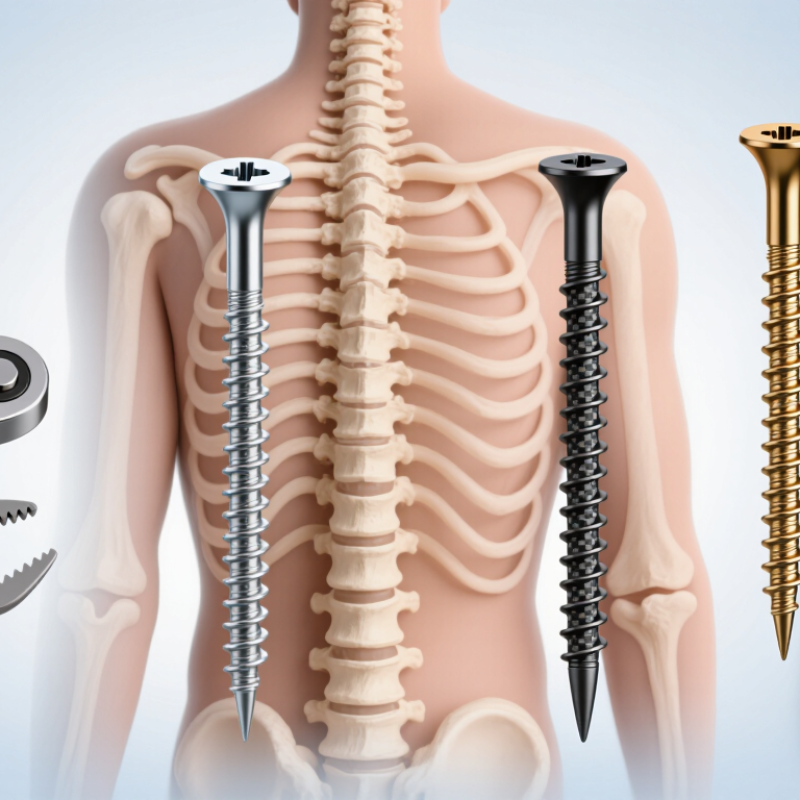
How to Choose Posterior Pedicle Screw Systems?

Define the Clinical and Anatomical Requirements

Before selecting a posterior pedicle screw system, define the levels to be treated, the patient’s bone quality, and the required fixation strategy. A narrow thoracic pedicle may leave little room for trajectory error; a wider lumbar pedicle presents different constraints. Review thin-slice CT images for pedicle width, height, orientation, vertebral rotation, and nearby anatomy. Then match screw diameter and length to the measured corridor, not to a preferred inventory. Small margins matter.

Clinical goals shape the system, too. Consider whether the construct must support deformity correction, trauma stabilization, or fusion across multiple levels. Osteoporosis, prior surgery, and altered anatomy can change the demands on screw purchase and placement. A peer-reviewed meta-analysis by Kosmopoulos and Schizas in Spine pooled 37,337 screws and reported 93.8% placement accuracy overall; results varied by spinal region and placement method. That figure is not a promise for an individual patient. It is a reminder to assess the anatomy and the planned technique together. Check compatible instruments, imaging access, and the surgeon’s experience with the intended trajectory. Real cases are less tidy than planning images. Recheck assumptions.

Compare Screw Designs, Materials, and System Components

Posterior pedicle screw systems should be compared as complete constructs, not by screw diameter alone. Start with the screw’s thread profile, core diameter, and tip geometry: these affect purchase and insertion feel, but anatomy and bone quality matter more than a single design feature. A monoaxial screw keeps the head fixed; a polyaxial head can ease rod alignment when screw trajectories vary. Check whether the system also includes compatible rods, set screws, connectors, and reduction instruments. Compatibility is not always obvious on a crowded operating-room tray.

Material changes both handling and imaging. Ti-6Al-4V ELI is common; ASTM F136 specifies minimum tensile and yield strengths of 860 MPa and 795 MPa, respectively. ASM International’s materials data place titanium alloy’s elastic modulus near 110 GPa, compared with roughly 193 GPa for 316L stainless steel. These figures describe material properties, not patient outcomes. That distinction matters. Titanium may also produce less imaging artifact than stainless steel, though the result depends on implant geometry and scan settings. Compare the system’s stated material, coating, and MRI information in its technical documentation. A small oversight here can complicate planning. Ask the surgical team to review the intended construct, bone quality, and available components together; even a well-specified system may not suit every anatomy.

How to Choose Posterior Pedicle Screw Systems?

Compare screw designs, materials, and system components

How to read this chart: Approximate elastic modulus values are bulk-material properties, not measurements of whole-construct stiffness. Titanium alloys are less stiff than cobalt-chromium and stainless steel; actual performance also depends on screw dimensions, thread design, rod choice, and assembly. Check system compatibility and clinical indications when selecting screws, rods, connectors, and instruments.

Assess Placement Methods and Imaging Compatibility

Choosing a posterior pedicle screw system means checking how its instruments fit the planned placement method. Surgeons may use anatomical landmarks, fluoroscopy, three-dimensional navigation, or a combination. Each approach needs clear visualization of the vertebrae and dependable instrument access. A system that works smoothly with one workflow may feel cumbersome in another. Small details matter, such as whether guides interfere with the imaging field or whether instruments remain visible during placement.

Imaging compatibility deserves close attention before surgery. Confirm that the system can be used with the facility’s imaging equipment and navigation setup. Ask how metal components may affect image quality, registration, and postoperative assessment. Fluoroscopy can provide real-time views, while navigation depends on accurate image registration and stable reference positioning. Neither approach removes every source of error. Patient anatomy, movement, and image distortion can complicate interpretation. It is worth reviewing the manufacturer’s instructions and discussing limitations with the clinical team, rather than assuming compatibility from appearance alone.

Tips: Check instrument visibility in the intended imaging views. Verify navigation requirements and imaging settings. Consider postoperative MRI needs and the system’s labeling. A brief workflow review can expose practical issues, though it may not catch everything.

How to Choose Posterior Pedicle Screw Systems? — Assess Placement Methods and Imaging Compatibility

Placement approach Imaging and guidance typically used Potential advantages Practical considerations Compatibility checks before selection
Freehand placement with anatomic landmarks Direct visualization and knowledge of vertebral anatomy; imaging may be used for confirmation. Does not require a navigation platform and can fit established workflows. Depends on surgeon experience and anatomy; altered anatomy, deformity, or revision surgery may make landmarks less reliable. Confirm that the screw system’s instruments and technique are suitable for the planned approach and intended spinal levels.
Fluoroscopy-guided placement Intraoperative two-dimensional fluoroscopy, commonly using anteroposterior and lateral views. Provides live imaging and is widely available in operating rooms equipped for spinal procedures. Image quality can be affected by patient size, level, positioning, and overlapping anatomy. Radiation exposure to the patient and operating-room staff should be managed. Check access for the C-arm, visibility of the target levels, and whether instruments can be used without obstructing the imaging field.
Three-dimensional intraoperative imaging with navigation Intraoperative 3D imaging, such as a 3D C-arm or mobile CT, registered to a navigation system. Can provide multiplanar guidance and support screw planning in complex anatomy. Requires compatible imaging and navigation equipment, registration, and a clear workflow. Patient or reference-frame movement can affect accuracy. Verify that the instruments are trackable or otherwise supported by the navigation workflow, and that the imaging system can acquire the required anatomy.
Preoperative CT-based navigation Preoperative CT images are registered to the patient using the navigation system’s specified method. May support detailed preoperative planning and navigation where intraoperative 3D imaging is not used. Image-to-patient registration and maintenance of the reference frame are essential. Changes in anatomy or patient position may require reassessment. Check CT protocol requirements, image quality, registration method, and whether the screw instruments are supported by the navigation platform.
Robotic-assisted placement Typically combines a preoperative CT plan or intraoperative imaging with a robotic guidance platform; the exact workflow varies. Can help guide the planned trajectory and provide a controlled instrument pathway. Requires platform-specific planning, registration, setup, and staff training. The robotic guide does not replace verification of anatomy and screw position. Confirm that the system’s compatible instruments, screw dimensions, planned trajectories, and imaging workflow meet the procedure’s requirements.
Implant material and postoperative imaging Radiographs and CT are commonly used to assess implant position; MRI may be considered for other clinical questions. Imaging characteristics and implant labeling can inform postoperative assessment and future imaging planning. Metal can cause artifact on CT and MRI. Artifact depends on factors such as material, implant geometry, imaging parameters, and scanner settings. Review the specific implant’s MRI safety labeling and conditions. Do not assume MRI compatibility from material alone; consult the device instructions and facility protocol.

Selection note: Match the placement workflow to the patient’s anatomy, operative setting, available imaging equipment, and team experience. Confirm device-specific indications, instrument compatibility, and imaging or MRI conditions in the applicable instructions for use.

Review Safety, Clinical Evidence, and Regulatory Status

How to Choose Posterior Pedicle Screw Systems?

Review Safety, Clinical Evidence, and Regulatory Status

Safety begins with details that are easy to overlook. Check screw dimensions, rod compatibility, locking mechanisms, and the clarity of instrument markings. In the operating room, a poorly distinguished driver or an awkward connection can slow a procedure. Review the system’s instructions, sterilization requirements, and training materials. Imaging compatibility matters, too. Surgeons need clear views to assess placement and alignment. No checklist removes uncertainty.

Clinical evidence should match the intended use and patient population. Look for published studies that report complications, revision rates, fusion outcomes, and follow-up duration—not just technical success. Evidence from a small or narrowly selected group may not apply to every patient. A polished brochure is not clinical evidence. Comparing studies can be messy, because definitions and follow-up periods differ. That limitation deserves attention.

Regulatory status varies by country and by specific indication. Confirm that the system is authorized for the intended use in the relevant jurisdiction, and review any safety notices or labeling updates. Authorization does not guarantee better outcomes for an individual patient. Discuss bone quality, anatomy, surgical approach, and alternatives with the treating surgeon. The right choice depends on the clinical picture, not a single feature.

Match System Features to the Patient and Surgical Setting

A posterior pedicle screw system should fit the patient’s anatomy and the planned procedure, not just a product checklist. Review preoperative imaging for pedicle width, vertebral levels, and bone quality. These details can influence screw diameter, length, and available fixation options. Small differences matter. A system with several screw sizes may help address variation across levels, while familiar instruments can support a smoother workflow. The operating surgeon should also consider the planned approach, expected construct, and experience of the surgical team.

Tips: Check instrument availability, component compatibility, and sterilization workflow before the case. Confirm that the team can identify the required sizes quickly. A feature that looks useful on paper may add steps in the operating room. That deserves a second look.

The surgical setting matters, too. An open procedure and a minimally invasive approach may call for different instrument profiles and access requirements. Consider how easily the system supports imaging checks, rod placement, and adjustments during surgery. Ask whether the hospital can maintain the needed components and provide staff training. These practical details are easy to overlook. They are not glamorous, but they affect preparation. No system suits every patient, and selection should remain part of a qualified surgeon’s planning process. I would be cautious about treating a broad feature list as proof of better fit.

FAQS

Which placement methods should a screw system support?

It should fit the planned use of anatomical landmarks, fluoroscopy, three-dimensional navigation, or a combination. A workflow that feels smooth with one method may feel awkward with another.

What should the team check about imaging compatibility?

Confirm compatibility with the facility’s imaging equipment and navigation setup. Check whether metal parts affect image quality, registration, or postoperative assessment. Appearance alone is not enough.

Does navigation eliminate placement errors?

No. Patient movement, anatomy, and image distortion can still complicate interpretation. Stable reference positioning matters.

Which patient details may affect screw selection?

Preoperative imaging can show pedicle width, vertebral levels, and bone quality. These details may influence screw diameter, length, and fixation options. Small differences count.

Why do instrument visibility and access matter?

Guides or instruments can obstruct imaging views or become difficult to see during placement. Check them in the views planned for the procedure. It is an easy detail to miss.

Should the surgical approach influence system choice?

Yes. Open and minimally invasive procedures may require different instrument profiles and access. Rod placement and adjustments also deserve a practical review.

What should be prepared before the procedure?

Check component compatibility, instrument availability, and sterilization workflow. Make sure staff can identify the required sizes quickly. A feature can add steps.

Does a long feature list prove a system is a good fit?

Not really. The system should suit the patient, planned procedure, and team experience. I would still question whether every listed feature helps in the operating room.

Conclusion

Choosing Posterior Pedicle Screw Systems begins with defining the clinical goals and reviewing the patient’s anatomy, bone quality, and spinal levels involved. These factors help guide decisions about screw dimensions, fixation approach, and the components needed for the planned procedure. Comparing design features and materials can clarify how different systems may suit specific surgical requirements, while careful attention to compatibility among screws, rods, connectors, and instruments supports a cohesive setup.

Placement methods and imaging needs should also be considered, including whether the system works with the guidance tools available in the operating room. Review safety information, relevant clinical evidence, and applicable regulatory status before selection. Ultimately, the most appropriate system is one whose features align with the patient’s anatomy, the surgeon’s approach, and the resources of the surgical setting. A structured comparison can support informed evaluation without treating any single system as suitable for every case.

Isabella

Isabella

Isabella is a dedicated marketing professional with a sharp focus on driving brand growth and engagement through strategic content creation. With an extensive background in digital marketing, she combines her passion for storytelling with her keen understanding of industry trends to deliver......