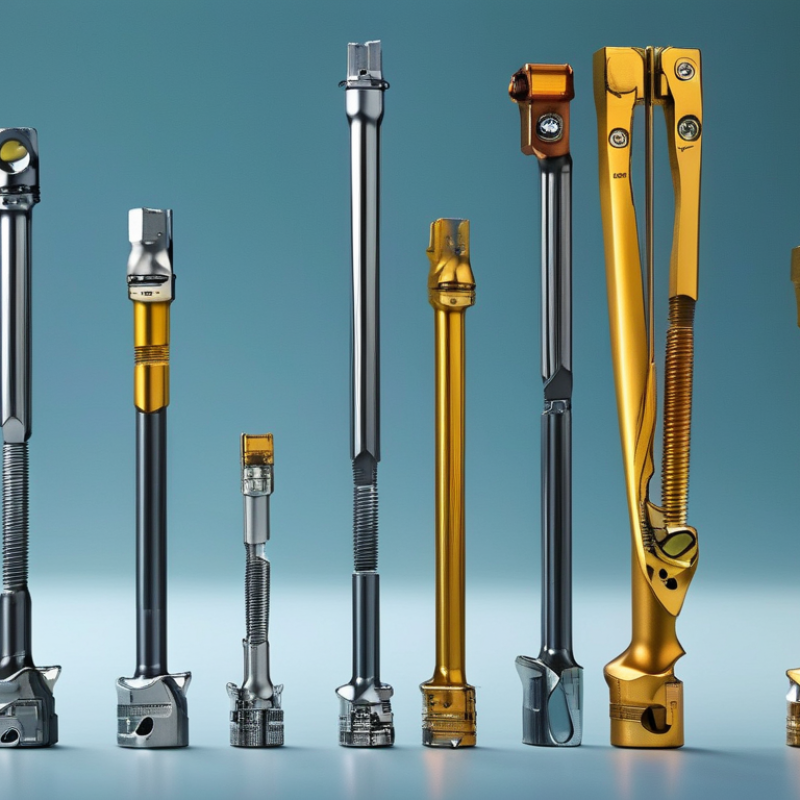
Choosing the right tibial locking plates is crucial for successful orthopedic surgeries. These plates play a vital role in stabilizing fractures and ensuring proper healing. With various options available, understanding their features is essential for practitioners.
Tibial locking plates come in different sizes and configurations. Each design offers specific advantages, depending on the patient's needs. It’s important to consider factors such as plate material, locking mechanism, and compatibility with other hardware. A plate that works for one case may not be suitable for another.
Surgeons must also reflect on their experiences with different tibial locking plates. Learning curves exist, and not every option delivers the expected results. Engaging with peer reviews and clinical studies can provide valuable insights. Striving for a balance between innovation and proven techniques is key to optimizing surgical outcomes.
Understanding Tibial Locking Plates and Their Functionality
Tibial locking plates play a crucial role in orthopedic surgery. They stabilize fractures and promote healing by securely locking the screws into the plate. This mechanism allows for better fixation of bone fragments, enhancing the overall outcome.
Understanding their structure is essential for choosing the right plate for a specific case.
These plates come in various designs, each tailored to different fracture types. The angle of the locking screws affects stability and load distribution. A thorough evaluation of the fracture pattern is necessary. Surgeons must also consider soft tissue condition.
A well-chosen plate can significantly reduce complications while improving recovery time.
However, not all surgeries yield perfect results. Variations in patients' bone quality can impact healing. In some cases, the chosen plate may not fit optimally, requiring re-evaluation.
It's important to stay updated on advancements in plate technology and surgical techniques. Ongoing education in this field ensures better decision-making during procedures.
Key Factors to Consider When Choosing Tibial Locking Plates
When choosing tibial locking plates, several key factors demand attention. The design and material of the plate are crucial.
Stainless steel and titanium are popular choices due to their strength and biocompatibility.
Lightweight materials can help reduce stress on bones but may lack durability. It's essential to balance weight and strength for optimal healing outcomes.
Screw configuration is another vital factor. The number of locking screws influences stability and support. Plates with multiple screw holes allow for better fixation.
However, more holes can complicate placement. Surgeons must evaluate the specific injury and anatomy when deciding. Compatibility with existing surgical hardware can also impact the choice,
leading to potential complications.
Moreover, the plate's contours should match the patient’s anatomy. A good fit distributes forces evenly along the bone. Some plates may not conform well, leading to issues later.
It’s worth considering that not every plate will suit every patient. Doctors must reflect on their past experiences with different plates.
This personal insight can guide better decisions in the future.
Material Types and Their Impact on Tibial Locking Plate Selection
When selecting tibial locking plates, understanding material types is crucial. Different materials impact the plate's strength, weight, and biocompatibility. Steel plates offer high strength but can be heavier, making them less preferable for certain patients. Titanium is lighter and highly biocompatible, reducing the risk of rejection. However, titanium may not provide the same rigidity in high-stress situations.
Another critical factor is corrosion resistance. Stainless steel has excellent resistance, but it can be prone to fatigue over time. In contrast, titanium remains robust under diverse conditions. This feature may lead surgeons to prefer titanium plates in long-term scenarios. Yet, cost considerations cannot be overlooked. Titanium items generally come at a premium.
Surgeons also face challenges with plate design and application. Some plate configurations may not adapt easily to various anatomical shapes. This misfit can lead to complications during recovery. A thoughtful selection process, considering each material's properties and potential drawbacks, is essential. It’s about striking a balance between material capabilities and individual patient needs.
2026 How to Choose the Best Tibial Locking Plates? - Material Types and Their Impact on Tibial Locking Plate Selection
| Material Type |
Weight (g) |
Corrosion Resistance |
Flexural Strength (MPa) |
Radiolucency |
| Titanium Alloy |
75 |
Excellent |
900-1100 |
High |
| Stainless Steel |
100 |
Good |
600-800 |
Moderate |
| Bioabsorbable Polymer |
50 |
Limited |
300-500 |
Low |
| Cobalt-Chromium Alloy |
90 |
Excellent |
800-1000 |
High |
Assessing Patient-Specific Needs for Optimal Plate Selection
When considering tibial locking plates, understanding patient-specific needs is crucial. Each patient's anatomy and condition vary significantly. A thorough assessment must include evaluating bone quality, fracture type, and healing potential. It's essential to collaborate with orthopedic specialists to ensure the chosen plate optimally addresses these factors.
Surgeons should also consider the patient's activity level and age. A younger, active patient may benefit from a more robust fixation to withstand higher stress. Conversely, an older patient may require a different approach, focusing on gentle stabilization rather than aggressive fixation. This distinction can lead to better healing outcomes.
Moreover, reflection on previous cases can assist in decision-making. Analyzing complications and successes with different plate types promotes learning. Each case serves as a stepping stone toward improved practice. Ensuring meticulous documentation and patient follow-up are also vital for future reference. This iterative process encourages growth and better patient care in the long run.
Latest Innovations and Trends in Tibial Locking Plate Technology
Tibial locking plates have evolved significantly, driven by innovations in design and technology. The latest trends focus on enhancing stability and minimizing complications during recovery. Surgeons now favor locking systems that provide angular stability while distributing loads evenly across the plate, reducing the risk of failure.
When selecting a tibial locking plate, consider the material quality. Advanced alloys offer strength without adding extra weight. It’s essential to choose plates that are compatible with the patient’s bone structure. This compatibility fosters better healing and reduces the chances of malalignment.
Tip: Always assess the surgical technique involved. Some plates require specific cutting and drilling tools. Understanding the clearances needed can save time and improve outcomes.
Another key area is customization. New designs allow for tailored shapes that fit more anatomically. This personalization can enhance the overall success rate of fracture repairs. However, understanding the trade-offs between various designs is critical.
Tip: Consult with orthopedic specialists who have hands-on experience with these technologies. Their insights can guide decisions based on real-world outcomes, leading to better patient care.
2026 Tibial Locking Plates: Innovations and Trends
FAQS
: Common materials include steel and titanium. Each has unique properties impacting strength and weight.
Heavier plates may not be suitable for all patients. Lighter options like titanium can reduce discomfort.
Higher biocompatibility minimizes the risk of rejection. Titanium offers better compatibility compared to steel.
Corrosion resistance affects the plate's longevity. Titanium stays robust in various conditions, unlike stainless steel.
Each patient’s anatomy differs. Evaluating bone quality and healing potential ensures optimal plate choices.
Active younger patients may need stronger fixation. Older patients might benefit from gentle stabilization strategies.
Analyzing previous successes and complications informs better decisions. It promotes learning from past experiences.
Meticulous documentation helps track recovery and complications. This aids in refining approaches for better patient care.
Conclusion
Tibial Locking Plates are crucial in orthopedic surgery, providing stability and support during the healing process of tibial fractures. When selecting the best Tibial Locking Plates, it's essential to understand their functionality and the specific needs of the patient. Key factors to consider include the plate's material type, which can significantly influence its performance and integration with the bone. Innovations in technology have led to the development of advanced designs that enhance the effectiveness of these plates, making it imperative for clinicians to stay updated on the latest trends.
Additionally, assessing patient-specific needs is vital for optimal plate selection. Factors such as bone quality, age, and activity level must be taken into account to ensure the most effective healing environment. By integrating these considerations, healthcare professionals can choose the best Tibial Locking Plates that promote successful recovery outcomes for their patients.
 Medispirex