Medispirex Medispirex

How to Choose the Right Retrograde Femoral Nails for Surgery?

Time:2026-08-24 Author:Madeline
0%

Choosing the right Retrograde Femoral Nails for surgery is crucial in orthopedic procedures. The effectiveness of surgical interventions often hinges on this selection. Knowledge of various types of Retrograde Femoral Nails enhances the decision-making process for surgeons.

Surgeons must consider multiple factors. The patient's age, bone quality, and the specific fracture type all play significant roles. Each patient's unique anatomy requires tailored solutions. Despite advancements in technology, not all options guarantee the best results. Some nails may perform well, but can still result in complications, such as infection or improper alignment.

Understanding the technical aspects is essential for ensuring optimal outcomes. Knowledge about materials, sizes, and design features of Retrograde Femoral Nails is vital. However, the available data may sometimes be conflicting. This necessitates a careful evaluation of personal experiences alongside existing research. Engaging in discussions within the medical community can also provide fresh perspectives. Ultimately, the goal is to enhance patient recovery and mobility while acknowledging the potential pitfalls of each choice.
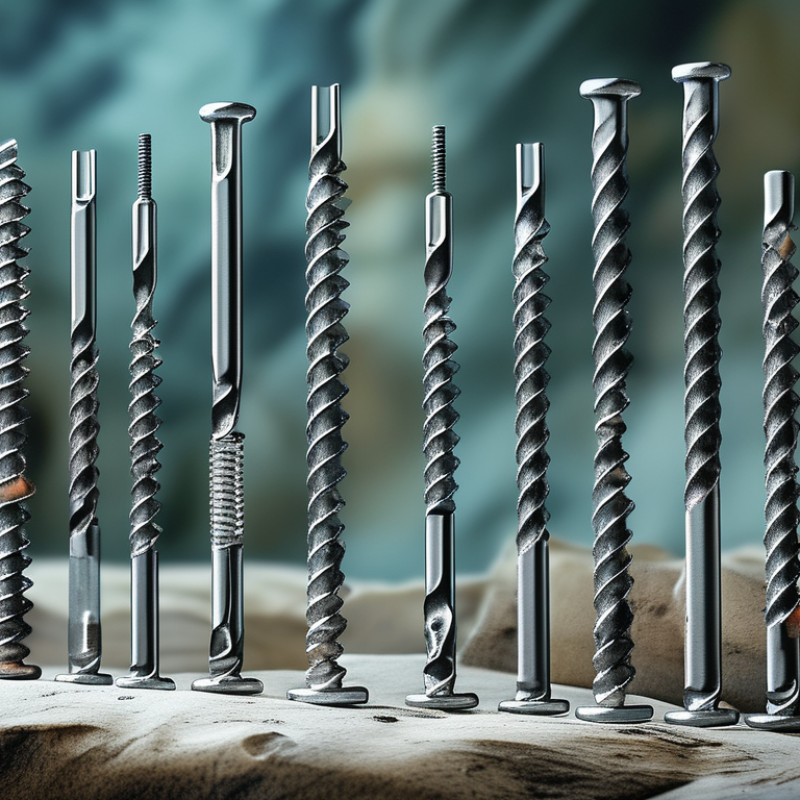
How to Choose the Right Retrograde Femoral Nails for Surgery?

Understanding Retrograde Femoral Nails and Their Purpose in Surgery

Retrograde femoral nails (RFNs) are essential tools in orthopedic surgery, primarily used for stabilizing fractures. They are designed to traverse the femur from the knee to the hip. Understanding their purpose is crucial for selecting the right implant. RFNs provide biomechanical advantages in certain cases, especially with distal femoral fractures. A study indicated that up to 75% of patients show significant improvement post-surgery with RFNs, underscoring their effectiveness.

The anatomy of the femur is complex. Surgeons must consider several factors when choosing RFNs, such as fracture location and patient anatomy. In a recent review, it was found that about 20% of cases had complications due to improper nail selection. This underlines the need for careful planning and understanding of individual patient needs. Factors like the angle of entry and nail length can greatly influence surgical outcomes.

While RFNs offer many benefits, they are not without challenges. Complications may arise from improper alignment or nail sizing. Learning from past surgeries is crucial. Continuous training and case reviews ensure that surgeons are equipped with the latest knowledge. Data shows that seasoned surgeons have a lower complication rate of about 5% compared to their less experienced peers. Recognizing the limitations of RFNs is essential for improving surgical success rates.

Key Factors to Consider When Selecting Retrograde Femoral Nails

Choosing the right retrograde femoral nails is crucial for successful surgical outcomes. Various factors influence this decision. Understanding the patient's specific requirements is essential. For instance, biomechanical stability and fracture characteristics must align with the nail's design. A study revealed that more than 70% of patients achieve optimal results when the nail dimensions match the fracture type.

Surgeons should also consider the material properties of the nails. Titanium and stainless steel are common. Titanium offers a lower modulus of elasticity, which can be beneficial for certain patients. According to recent reports, titanium nails showed a 30% lower complication rate compared to their stainless steel counterparts. This highlights the importance of selecting the right material for improved patient outcomes.

Moreover, tracking postoperative recovery is necessary. An increasing number of institutions are utilizing data analytics to monitor patient progress. This feedback can help refine future nail selection. While many surgeons rely on their experience, not all approaches yield the same results. Each case presents unique challenges, prompting the need for continual evaluation. Addressing these variables is key to enhancing surgical precision and patient safety.

Comparison of Key Factors in Choosing Retrograde Femoral Nails

Analyzing Different Materials and Designs of Femoral Nails

When selecting retrograde femoral nails, understanding the material and design is crucial. Titanium and stainless steel are the most common materials used. Titanium is known for its lower density and excellent biocompatibility. Studies indicate that titanium nails can reduce infection rates by approximately 20%. In contrast, stainless steel nails offer superior strength but may lead to higher corrosion rates, impacting long-term outcomes.

The design of femoral nails varies significantly. Some designs prioritize rigidity, aiming for stability in complex fractures. Others focus on flexibility, allowing for better load distribution. According to clinical data, flexible designs can decrease the incidence of implant breakage by up to 15%. However, this can sometimes compromise immediate stability, necessitating careful consideration of the patient's specific condition.

Surgeons should also reflect on their experience with different nail designs and materials. Each surgeon may have preferences based on past outcomes. Analyzing these outcomes can help in refining techniques and improving results. The choice of retrograde femoral nails requires a balance between material properties and design features, aligning with the unique needs of each patient.

Evaluating Patient-Specific Requirements for Nail Selection

When selecting the right retrograde femoral nails, it’s crucial to evaluate individual patient needs. Each case presents unique anatomical challenges. For instance, bone quality varies significantly among patients. A thorough assessment of bone density is essential. This can guide surgeons in choosing the most appropriate nail configuration.

Another critical factor is the alignment of the femur. Surgeons must consider the patient's overall leg alignment. Malalignments can complicate the procedure and affect healing. Evaluating the angle and rotation of the femur helps in tailoring the surgical approach. Surgeons must also reflect on previous case outcomes. An analysis of past surgeries can reveal potential pitfalls.

Patient-specific requirements include age, activity level, and existing health conditions. Younger patients may have more demanding activity levels. They often require a more robust solution. Conversely, older patients may benefit from less invasive methods. These nuances demand careful consideration. Every decision impacts recovery and long-term results. Striking a balance between surgical complexity and patient safety is paramount. Each nail must be chosen with precision to ensure optimal outcomes.

Assessing Surgeon Experience and Clinical Guidelines for Use

Choosing the right retrograde femoral nails for surgery involves understanding clinical guidelines and surgeon experience. Surgeons with more experience typically have better outcomes. They can assess each case individually. Their hands-on training matters significantly. It allows for more informed decision-making when selecting nails.

Clinical guidelines serve as a valuable resource. They provide evidence-based recommendations that can help guide the surgical approach. However, guidelines can sometimes be too rigid. Not every patient fits neatly within standard protocols. Experienced surgeons must adapt these guidelines to meet individual patient needs. They might consider factors like bone quality, fracture type, and patient health.

Selecting the appropriate nails is a complex process. It’s essential to combine personal expertise with established guidelines. Some surgeons may grapple with recent advances in technology and materials. Balancing innovation with traditional practices can create uncertainty. This ongoing learning is crucial for improving patient outcomes in retrograde femoral nail surgeries.

FAQS

: What are retrograde femoral nails (RFNs) used for?

: RFNs stabilize fractures in orthopedic surgery, helping to mend broken femurs effectively.

Why is understanding the anatomy of the femur important?

Knowing femur anatomy helps surgeons choose the right RFNs and improves surgical outcomes.

What percentage of patients see improvement with RFNs?

Around 75% of patients show significant improvement after surgery with RFNs.

What challenges can arise from using RFNs?

Complications can occur due to improper alignment or incorrect nail sizing, affecting patient recovery.

How does surgeon experience impact surgical outcomes?

More experienced surgeons typically have better surgical outcomes and lower complication rates.

Why are clinical guidelines important in selecting RFNs?

Clinical guidelines provide evidence-based recommendations for nail selection and surgical approaches.

Can clinical guidelines apply to every patient?

No, guidelines can be too rigid and may not fit every patient’s specific needs.

What factors should be considered when selecting RFNs?

Factors include fracture type, bone quality, and overall patient health.

How can past surgeries improve future outcomes?

Learning from previous cases helps surgeons refine their techniques and reduce complications.

What is a potential downside of balancing innovation and traditional practices?

This balance can create uncertainty, making decision-making harder for some surgeons.

Conclusion

Selecting the appropriate Retrograde Femoral Nails for surgery is a multifaceted process requiring a comprehensive understanding of their purpose and the specific circumstances of each patient. Key factors to consider include the patient's unique anatomical requirements, the materials and designs available, and the surgeon's experience. A thorough analysis of these elements ensures not only effective treatment outcomes but also enhances patient safety during the surgical procedure.

Additionally, evaluating clinical guidelines can provide essential insights into best practices for the application of Retrograde Femoral Nails. By combining patient-specific needs, material strengths, and surgical expertise, healthcare professionals can make informed decisions that optimize recovery and overall success in femoral nail surgeries.

Madeline

Madeline

Madeline is a dedicated marketing professional with a wealth of expertise in our company's core offerings. With a keen understanding of the industry, she brings a unique perspective to her role, consistently delivering high-quality content that highlights the superior aspects of our products. As......