Medispirex Medispirex

Why Choose Cortical Screws for Orthopedic Surgery?

Time:2026-09-28 Author:Madeline
0%

Fractures are common, but choosing fixation hardware is never a one-size-fits-all decision. The Global Burden of Disease 2019 Fracture Collaborators estimated 178 million new fractures worldwide in 2019, with a 95% uncertainty interval of 162–196 million (Lancet Healthy Longevity, 2021). Behind each number is a practical challenge: a surgeon must stabilize bone while accounting for fracture pattern, bone quality, and the patient’s needs.

Cortical Screws are designed to engage the dense outer layer of bone, and they are often used with plates in orthopedic fixation. AO Surgery Reference describes screw choice and placement as dependent on the intended fixation and local anatomy. That distinction matters. A screw’s performance cannot be judged by its name alone; diameter, length, trajectory, and surgical technique all influence fixation. In the operating room, even a small change in angle can affect how a screw seats against bone.

Why choose this screw type? The answer is not simply “because it is strong.” Cortical purchase can be useful when the anatomy and fixation plan call for it, yet poor bone quality or an unsuitable construct may change the decision. The evidence also does not support treating every fracture as the same problem. This article examines how cortical screws work, where they may fit, and what clinicians weigh when selecting them. It is an overview, not a substitute for surgical judgment or patient-specific advice. Real cases are less tidy than diagrams. That deserves a closer look.
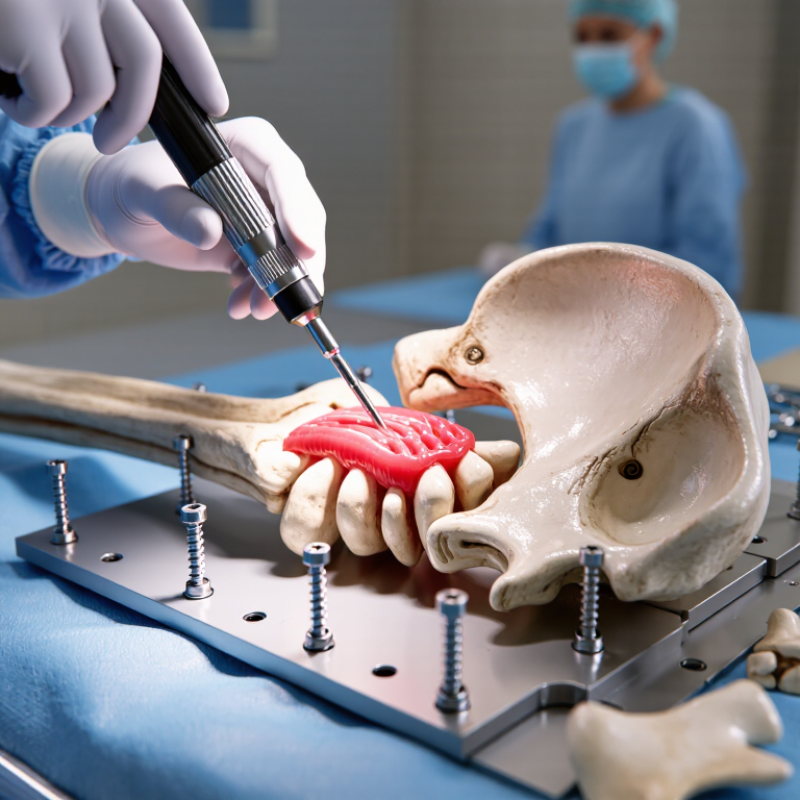
Why Choose Cortical Screws for Orthopedic Surgery?

Cortical Screw Design and Bone Engagement

Cortical screw design is shaped around the dense outer layer of bone. Its threads are typically finer and more closely spaced than those of cancellous screws. This pattern can create multiple points of contact in a relatively thin cortical shell. The result is controlled engagement, not a guarantee of fixation. Bone quality still matters.

Fit is precise. A screw that is too long may extend beyond the far cortex, while a poorly prepared hole can compromise thread purchase. The screw’s path also matters: a small change in angle can affect how much solid cortex the threads capture. During surgery, the tactile feel of insertion may offer useful feedback, but it cannot replace imaging and clinical judgment. A firm turn can be reassuring. It is not proof. Dense bone, fragile bone, and unusual anatomy may respond differently, so the same design will not behave identically in every patient. That limitation deserves attention, even when the hardware appears straightforward. Surgical planning should match screw dimensions and placement to the specific bone and fixation goal.

How Cortical Screws Provide Fixation

Cortical screws are designed to gain purchase in dense outer bone. Their relatively fine threads engage the hard cortical layer along the screw path. As the screw advances, the threads resist pullout and help hold bone fragments or a plate in position. The fit matters. A screw that is too loose may not stabilize the construct; excessive tightening can damage bone.

In plate fixation, the screw head seats in the plate hole while the threaded shaft anchors in bone. With a conventional nonlocking screw, tightening can draw the plate toward the bone surface. Some systems use locking screws, whose heads connect to the plate; these work differently and do not rely on plate-to-bone compression in the same way. Details vary by implant design.

Surgeons select screw length, diameter, and trajectory based on the bone, fracture pattern, and nearby anatomy. A bicortical screw may engage both outer bone layers, but that is not appropriate in every location. Careful measurement helps avoid unwanted penetration near nerves, vessels, or joints. It sounds straightforward. It isn’t. Bone quality, drilling technique, and insertion torque all influence fixation, and the ideal choice can be less obvious than a textbook diagram suggests.

Common Orthopedic Uses of Cortical Screws

Cortical screws are commonly used to secure plates along the shafts of long bones, where dense outer bone provides purchase. In a forearm or tibial fracture, they may anchor a plate while the surgeon restores alignment and length. They can also act as lag screws across suitable oblique fractures, drawing bone fragments together when inserted with the correct technique. Small details matter.

They are used in selected osteotomies as well, holding bone in a planned position during healing. The Global Burden of Disease 2019 fracture analysis estimated 178 million new fractures worldwide that year (published in The Lancet Healthy Longevity, 2021). This figure covers fractures broadly; it does not measure screw use. Still, it shows the scale of injury care in which fixation decisions arise.

Cortical screws are not the right choice for every site or patient. Surgeons consider fracture shape, bone quality, and whether the screw will work alone or with a plate. In softer metaphyseal bone, another screw design or a different construct may be more suitable. It is easy to oversimplify the choice: the screw’s role depends on the whole fixation plan, not just its thread.

Key Benefits of Cortical Screw Fixation

Why Choose Cortical Screws for Orthopedic Surgery?

Key Benefits of Cortical Screw Fixation

Cortical screws are designed to engage the dense outer layer of bone. Their threads are relatively close together, helping them gain purchase in this firm tissue. In a suitable fracture repair, that grip can support stable fixation while bone heals. Stability matters. It can help limit unwanted movement between bone fragments.

Cortical fixation can be useful in areas where the outer bone provides a strong anchor. Surgeons may also choose these screws as part of a construct with plates or other fixation devices. The exact choice depends on the bone, fracture pattern, and surgical plan. A small change in screw angle or length can matter, so placement requires careful judgment.

Still, cortical screws are not a universal solution. Bone quality varies, and dense outer bone may be thin or damaged near an injury. The screw must match the anatomy and the demands placed on the repair. A fixation method that works well in one location may be less suitable in another. Surgeons weigh these details alongside imaging findings and the patient’s overall condition. The benefits are practical, but they depend on proper selection and placement.

Limitations and Factors in Screw Selection

Why Choose Cortical Screws for Orthopedic Surgery?

Limitations and Factors in Screw Selection

Cortical screws are designed to engage the dense outer layer of bone. Their closely spaced threads can provide secure purchase in suitable bone and are commonly used with plates. Yet a cortical screw is not automatically the best choice. Bone quality, fracture pattern, and the intended fixation method all matter. That matters.

In thin or weakened bone, thread purchase may be limited, and tightening too forcefully can strip the hole or damage the bone. A surgeon considers screw diameter, length, and trajectory, along with nearby joints and soft tissues. For example, a screw that is too long may protrude beyond the far cortex, while one that is too short may not provide adequate grip. Small details count.

Selection also depends on the surgical plan and the bone’s anatomy. Cancellous screws may suit some locations with softer, spongier bone, while other constructs use different screw designs together. Imaging and direct assessment help inform the choice, but neither removes uncertainty. In practice, no single measurement captures every variation in bone strength. Even experienced teams must balance stability against the risks of added hardware, poor purchase, or misplaced fixation. A careful choice is specific to the patient and procedure.

FAQS

What makes a cortical screw different?

Its threads are usually finer and more closely spaced than those of cancellous screws. They engage the dense outer bone at several points. Fit matters.

How do cortical screws help stabilize a fracture?

Their threads grip cortical bone and resist pullout. They can hold bone fragments or secure a plate. A firm turn is not proof of secure fixation.

How do conventional and locking screws work differently?

Tightening a conventional screw can draw a plate toward the bone. A locking screw connects its head to the plate and does not rely on the same compression.

Where are cortical screws commonly used?

They often secure plates along long-bone shafts, such as the forearm or tibia. They may also hold selected osteotomies or draw suitable fracture fragments together.

What does bicortical fixation mean?

The screw engages both outer layers of bone. This approach is not suitable for every location, especially near nerves, vessels, or joints.

How do surgeons choose screw dimensions and placement?

They consider bone quality, fracture shape, nearby anatomy, and the fixation goal. Length and angle matter; small changes can affect how much solid bone the threads capture.

Can insertion feel confirm that a screw is secure?

No. Tactile feedback can help, but it cannot replace imaging and clinical judgment. Bone may respond differently than expected.

Are cortical screws right for every patient or bone site?

No. Softer bone may call for another screw design or fixation plan. The choice is not always neat, and a screw’s role depends on the whole construct.

Conclusion

Cortical Screws are designed to engage the dense outer layer of bone, where their threads can provide secure purchase. Their shape and thread pattern help create a stable connection between bone and fixation hardware. When selected and placed appropriately, they can hold bone fragments in position and support alignment during healing.

These screws are commonly used in orthopedic procedures involving fracture fixation and bone reconstruction. Their potential benefits include reliable fixation, versatility, and the ability to work with different surgical techniques. However, suitability depends on factors such as bone quality, the location and type of injury, screw dimensions, and the forces expected at the repair site. Careful planning and appropriate placement are essential, since cortical screws may not be the best choice for every bone or clinical situation.

Madeline

Madeline

Madeline is a dedicated marketing professional with a wealth of expertise in our company's core offerings. With a keen understanding of the industry, she brings a unique perspective to her role, consistently delivering high-quality content that highlights the superior aspects of our products. As......