Medispirex Medispirex

How to Choose Compression Screws for Global Sourcing?

Time:2026-09-13 Author:Isabella
0%

Choosing Compression Screws for global sourcing requires more than comparing unit prices. Thread size, material grade, head design, coating, load capacity, and installation conditions must work together. A screw that performs well in a dry workshop may fail in humid transport, repeated vibration, or outdoor equipment.

John Bickford, a respected fastener engineer and author, emphasized, “The fastener is only one part of the joint.” That principle remains practical today. Buyers should examine drawings, tolerance ranges, test reports, and supplier process controls before approving a production sample. Ask for material certificates. Request torque testing. Check whether the supplier can maintain consistent thread quality across large batches.

Small details matter.

For global sourcing, confirm standards such as ISO, DIN, or ASME when relevant. Also review packaging, labeling, inspection procedures, and export documentation. A low quotation can become expensive after rework, delays, or rejected shipments. Factory audits and independent inspections can reduce that risk, although neither method guarantees perfection.

The human side deserves attention. Engineers may specify performance, while purchasing teams focus on cost and lead time. These goals can conflict. A clear technical agreement helps both sides avoid assumptions. Even experienced buyers sometimes overlook coating thickness or washer compatibility. That is worth admitting.

This guide explains how to compare Compression Screws suppliers, validate samples, assess production reliability, and build a sourcing decision based on evidence rather than promises.
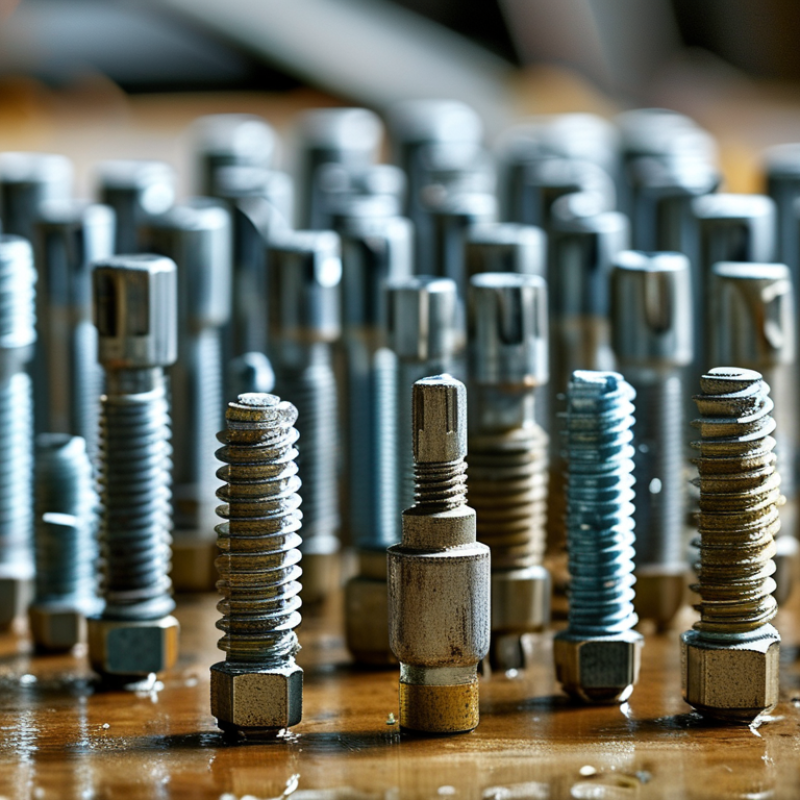
How to Choose Compression Screws for Global Sourcing?

Understanding Compression Screw Types and Their Applications

How to Choose Compression Screws for Global Sourcing?

Understanding Compression Screw Types and Their Applications

Compression screws create controlled pressure between bone fragments, supporting stable healing during fixation. Their design determines how that pressure develops. Fully threaded screws provide consistent purchase across the bone. Partially threaded screws create compression when the smooth shaft crosses the near fragment. Differential-pitch screws can generate compression without requiring a separate gliding hole. Each type suits a different surgical situation.

Cannulated compression screws guide placement over a temporary wire. This feature improves alignment during delicate procedures, especially around small joints. Solid screws may offer higher resistance in certain applications. However, the choice depends on bone quality, fracture pattern, screw diameter, and surgical technique. A large thread is not automatically stronger. It may damage limited bone stock.

During global sourcing, buyers should verify material grade, thread dimensions, head geometry, and driver compatibility. Test reports should support torsional strength, pull-out resistance, and dimensional accuracy. Traceability matters. Packaging must protect sterile or non-sterile components during long transport. A clear inspection plan can catch mismatched gauges before shipment. Small errors become expensive quickly.

One common mistake is choosing by price alone. I have seen specifications look complete while omitting thread length or cannulation details. That gap deserves attention. Supplier documentation, quality controls, and applicable market requirements should be reviewed by qualified professionals. Surgical users should also confirm handling preferences, because a technically suitable screw may still perform poorly in practice. Fit matters. Often, the overlooked detail is the one that changes the entire application.

Defining Material, Size, and Performance Requirements

How to Choose Compression Screws for Global Sourcing?

Defining material, size, and performance requirements begins with the joint’s real working conditions. Identify the load, temperature, moisture, vibration, and installation method before requesting quotations. Stainless steel suits many general applications because it offers strength and corrosion resistance. Titanium can reduce weight, but it may cost more and require careful contact design. Material choice should follow the environment, not habit.

Size needs more than diameter and length. Check thread pitch, head shape, drive type, clamping range, and washer compatibility. A screw that fits the drawing may still fail during assembly. Measure the actual mating parts, including coatings and surface irregularities. Specify dimensional tolerances clearly. Small differences can create serious sourcing problems.

Tips: Request material certificates, dimensional inspection reports, torque data, and corrosion-test results. Ask suppliers to submit samples from the intended production process. Confirm packaging, lot traceability, and inspection frequency. Do not rely on a catalog image. It is not evidence.

Performance requirements should describe measurable limits. Define preload, tensile strength, fatigue life, tightening torque, and acceptable deformation. Testing should reflect the final application, including repeated loading when relevant. Global suppliers may interpret terms differently, so use drawings, test methods, and agreed acceptance criteria. I have seen projects delayed because “high strength” lacked a numerical definition. That mistake is easy to repeat. Recheck every assumption before approving the first production lot.

Evaluating Suppliers, Certifications, and Manufacturing Quality

Choosing compression screws for global sourcing requires more than comparing unit prices. A capable supplier should explain material grades, thread standards, production capacity, and inspection methods clearly. Ask for recent audit records, facility addresses, and references from similar projects. Vague answers deserve attention.

Certifications need careful verification. ISO 9001 can indicate a controlled quality system, but it does not guarantee perfect screws. Check the certificate’s scope, expiration date, issuing body, and covered manufacturing site. For regulated applications, request applicable industry certifications and material certificates. Confirm heat numbers and lot traceability from raw material to shipment. A certificate without traceability is weak evidence.

Inspect the process, not only the paperwork. Review cold heading, thread rolling, heat treatment, surface finishing, and final dimensional checks. Ask how the supplier measures diameter, thread pitch, hardness, and compression performance. Sample reports should show actual readings, not only pass-or-fail statements. Independent testing can verify critical results. Small details matter.

A factory visit may reveal mixed production lots, poorly labeled bins, or clean inspection areas. These details affect reliability. Supplier communication also matters during design changes and nonconformities. Request a corrective-action report with root cause, containment, and completion dates. I have found that even strong suppliers can miss a requirement when drawings are unclear. That is a sourcing weakness worth acknowledging early. A simple pilot order may expose packaging damage, inconsistent torque, or dimensional drift before full production.

Comparing Costs, Lead Times, and Global Shipping Options

Choosing compression screws for global sourcing requires more than comparing unit prices. A low quote may exclude tooling, inspection, packaging, or export handling. Calculate the landed cost instead. Include screw material, coating, thread accuracy, minimum order quantity, freight, duties, and receiving fees. A slightly higher price can be worthwhile if dimensional consistency reduces assembly problems.

Lead time deserves equal attention. Confirm sample approval, production capacity, inspection time, and shipping schedules in writing. Standard sizes may ship quickly, while custom lengths or special finishes can add several weeks. My early estimates were too optimistic because I ignored factory holidays and port congestion. Build a practical buffer. It may feel wasteful, but missed production dates cost more than stored inventory.

Tips: Request samples from at least two qualified suppliers. Test torque, compression performance, corrosion resistance, and fit with the mating component. Compare air, ocean, rail, and consolidated freight options against your required delivery date. Air shipping is faster but expensive; ocean shipping lowers cost but needs stronger planning. Use protective packaging, especially when screws may face moisture during transit. Ask for inspection records and traceable material certificates. Do not assume every supplier measures threads the same way. Clarify tolerances, packaging quantities, delivery terms, and responsibility for import clearance before placing an order.

How to Choose Compression Screws for Global Sourcing?

Comparing indicative landed cost, production lead time, and ocean freight for standard industrial compression screws.

Typical benchmark for a 10,000-piece order of standard stainless-steel compression screws. Landed cost includes estimated product value and ocean freight, excluding duties, tooling, inspection, and local delivery. Actual figures vary by specification, order volume, Incoterms, and destination.

Verifying Samples and Managing International Orders

How to Choose Compression Screws for Global Sourcing?

Verifying samples is the most important step before approving a compression screw order. Request samples from the exact production material and finish. Measure the thread diameter, pitch, length, head profile, and compression range. A small difference can affect assembly pressure. Test the screw inside the actual panel or fixture, not only on a workbench. Record torque, holding strength, and visible damage after repeated use.

Check the material certificate, coating details, and inspection report against your purchase requirements. Ask for batch identification and traceable sample records. Photos are useful, but they cannot replace dimensional inspection. I have seen teams approve polished samples before discovering rough threads in the production batch. That mistake was avoidable. A third-party inspection may be worthwhile when order quantities are high or tolerances are narrow.

International orders need clear control points. Put approved drawings, tolerances, packaging requirements, and inspection methods in the purchase contract. Confirm the shipping quantity, delivery term, customs documents, and carton markings before production starts. Use staged payments linked to inspection evidence rather than assumptions. Keep spare time for port delays and document corrections. It is not glamorous. It prevents confusion. Review the first production lot immediately after arrival, because a successful sample does not guarantee consistent mass production. Record every deviation, even minor plating marks, and decide whether it requires correction, concession, or rejection.

FAQS

What should be checked before selecting compression screws?

Review the joint’s load, temperature, moisture, vibration, and installation method. Material choice should match the working environment. Do not choose by habit.

Which materials are suitable for general compression screw applications?

Stainless steel often provides strength and corrosion resistance for general conditions. Titanium can reduce weight but may cost more. It also requires careful contact design. The lightest option is not always the best.

Which dimensions matter besides diameter and length?

Check thread pitch, head shape, drive type, clamping range, and washer compatibility. Measure the actual mating parts. Include coatings and uneven surfaces. A drawing alone may not reveal assembly problems.

What performance requirements should be defined?

Specify preload, tensile strength, fatigue life, tightening torque, and acceptable deformation. Use numerical limits instead of vague terms like “high strength.” That wording caused delays in one project. It is easy to repeat.

What documents should suppliers provide?

Request material certificates, dimensional inspection reports, torque data, and corrosion-test results. Ask for samples from the intended production process. Confirm lot traceability and inspection frequency. A catalog image proves very little.

How should the real cost be compared between suppliers?

Calculate landed cost, not only unit price. Include tooling, inspection, packaging, freight, duties, and receiving fees. Also check minimum order quantities. A higher price may reduce assembly failures.

How can lead times be estimated more realistically?

Confirm sample approval, production capacity, inspection time, and shipping schedules in writing. Custom lengths and special finishes may need several extra weeks. Include factory holidays and port congestion. My early estimates were too optimistic.

Which shipping option is appropriate for global orders?

Compare air, ocean, rail, and consolidated freight with the required delivery date. Air freight is faster but expensive. Ocean freight costs less and needs stronger planning. Use protective packaging when moisture exposure is possible.

Conclusion

Choosing the right Compression Screws for global sourcing begins with understanding the available types and their intended applications. Buyers should define critical requirements such as material, dimensions, load capacity, temperature resistance, corrosion protection, and expected service life. These specifications help ensure that the selected screws will perform reliably in their target equipment and operating environment.

Supplier evaluation is equally important. Compare manufacturing capabilities, quality-control procedures, certifications, production consistency, and communication standards before making a decision. In addition to unit price, assess tooling costs, minimum order quantities, lead times, packaging, and international shipping options to determine the true total cost. Requesting samples and conducting dimensional and performance checks can identify problems early. For larger orders, establish clear specifications, inspection criteria, documentation requirements, and delivery milestones. A structured sourcing process reduces risk, improves purchasing efficiency, and supports dependable long-term international supply.

Isabella

Isabella

Isabella is a dedicated marketing professional with a sharp focus on driving brand growth and engagement through strategic content creation. With an extensive background in digital marketing, she combines her passion for storytelling with her keen understanding of industry trends to deliver......