Medispirex Medispirex

How to Choose Minimally Invasive Spine Surgery Implants 2026

Time:2026-11-27 Author:Madeline
0%

Minimally Invasive Spine Surgery Implants are not chosen by size alone. Their design must suit the spinal level, diagnosis, bone quality, and planned surgical approach. A small screw or cage still has a major job. It must support stability while allowing the surgeon to work through a limited corridor. Small details matter.

This guide explains how to compare implant options in 2026, including fixation systems, interbody cages, materials, imaging compatibility, and delivery instruments. It also considers fit, strength, and the evidence behind newer designs. A titanium alloy implant, for example, may offer dependable strength, while surface features and cage geometry can influence bone contact. These benefits are not guarantees. Outcomes also depend on patient health, surgical technique, healing, and follow-up care.

The right choice is individualized. Surgeons assess scans, symptoms, anatomy, prior procedures, and risks such as osteoporosis or smoking. Patients can ask what an implant is intended to do, what alternatives exist, and which outcomes are supported by clinical data. Marketing language can sound certain. Real evidence is sometimes less tidy. This article is educational, not a substitute for advice from a qualified spine specialist. Implant decisions should be discussed with the treating team, using current evidence and the patient’s goals. A thoughtful comparison can make that conversation clearer, though it cannot promise a particular result.
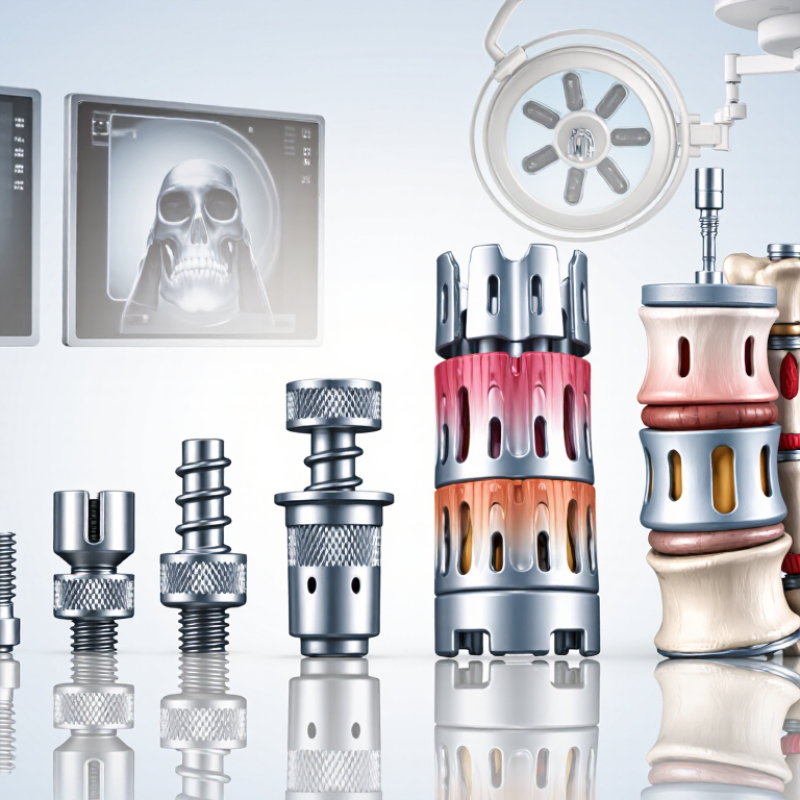
How to Choose Minimally Invasive Spine Surgery Implants 2026

Define Minimally Invasive Spine Surgery and the Role of Implants

Minimally invasive spine surgery uses small incisions and specialized instruments to reach the spine while limiting muscle and soft-tissue disruption. Smaller access does not mean a minor procedure. The diagnosis, spinal level, and a patient’s health still shape the plan. Some operations need no implant at all.

When stabilization or fusion is planned, implants such as screws, rods, or cages may help maintain alignment while bone heals. They do not make bone fuse by themselves.

Surgeons consider imaging, anatomy, bone quality, and the purpose of the operation when choosing an implant’s type and placement. Fit matters.

The label “minimally invasive” can sound reassuring, but it does not guarantee an easier recovery or remove surgical risks. Even experienced teams weigh trade-offs, and no single implant suits every patient.

Tips: Ask what each implant is intended to do and what alternatives are appropriate. Discuss how bone quality or other health conditions may affect the choice. Bring prior scans and a medication list to the consultation. If the plan is unclear, ask the surgeon to explain it using your imaging.

Assess Patient Needs, Spinal Anatomy, and Treatment Goals

Choosing minimally invasive spine surgery implants starts with the person, not the device. A surgeon considers pain, mobility, medical history, and what daily activities matter most. Walking to the mailbox may be a clearer goal than “better function.” Imaging helps show the affected levels, alignment, and available space for an implant. Bone quality matters, too, because weak bone may affect how securely hardware holds.

Spinal anatomy shapes the options. The number of levels involved, nerve pressure, and the location of the problem can influence whether screws, rods, or an interbody implant are appropriate. Prior surgery and unusual anatomy may change the plan. A smaller incision does not make every implant suitable. The surgeon should explain expected benefits, key risks, and alternatives in plain language. Ask how the proposed implant supports the specific treatment goal.

Goals also need to be realistic. Some operations aim to stabilize a segment; others may seek to relieve pressure on nerves. Recovery varies, and an implant cannot guarantee less pain or a return to every activity. This is not always neat. Imaging can guide decisions, but it cannot predict exactly how someone will feel afterward. Discuss bone health, medications, smoking, and recovery demands with the care team. A second opinion may help if the rationale remains unclear.

Compare Implant Types, Materials, and Surgical Approaches

How to Choose Minimally Invasive Spine Surgery Implants 2026

Implant choice depends on the spinal level, bone quality, and the route the surgeon can safely reach. Titanium cages are strong and visible on imaging; PEEK cages have an elastic profile closer to bone, but may require surface treatments to support bone integration. Screws and rods stabilize the segment while fusion develops. Fit matters. A cage that is too large or poorly positioned can create problems, even when the incision is small.

Approach changes the trade-offs. MIS-TLIF reaches the spine from the back, while lateral and anterior approaches access it from the side or front. Each route has different nerve, vessel, and muscle considerations. A 2015 systematic review in the European Spine Journal reported that MIS-TLIF reduced blood loss by about 200 mL and hospital stay by roughly two days versus open TLIF, but took longer in the operating room. These are pooled study results, not a promise for an individual patient. Evidence also varies by technique and surgeon experience.

Tips: Ask which implant material and approach fit your anatomy, bone density, and imaging. Request the specific risks, alternatives, and follow-up plan. Don’t choose by incision size alone. I would also ask how the surgeon handles a change in plan; that detail is easy to overlook.

Evaluate Safety, Clinical Evidence, and Surgeon Expertise

How to Choose Minimally Invasive Spine Surgery Implants 2026

Implant selection should start with your diagnosis, symptoms, imaging, and treatment goals—not a device’s advertised features. Ask your surgeon what the implant is designed to do and why it fits your specific anatomy. Safety includes more than the operation itself. Discuss possible infection, nerve injury, implant loosening, and the chance that symptoms may persist. Ask how these risks apply to you, including any effects of bone quality, smoking, or other health conditions. Small details matter.

Clinical evidence can help separate established use from promising claims. Ask whether studies involve patients with a condition like yours, how long they were followed, and what outcomes were measured. Pain scores alone may not show whether patients regained daily function or needed another procedure. Evidence can be uneven. That uncertainty deserves a clear explanation, not a confident sales pitch. Published results also cannot predict your individual outcome.

Surgeon expertise matters because implant placement and patient selection affect results. Ask how often the surgeon performs the proposed procedure and what alternatives they consider, including non-surgical care when appropriate. Request a plain-language explanation of how imaging guides placement and how success or complications are monitored afterward. You can also ask what the surgeon would do if recovery differs from expectations. A second opinion may help if answers feel rushed or unclear. Bring your questions, and take time to weigh the trade-offs.

How to Choose Minimally Invasive Spine Surgery Implants in 2026

Compare implant material properties alongside safety, clinical evidence, and surgeon expertise.

How to read this chart: These approximate elastic-modulus values (in GPa) describe material stiffness, not implant safety or patient outcomes. Actual values vary by alloy, product design, and measurement method. Material stiffness alone should not determine implant choice. Review applicable regulatory status, relevant clinical evidence, and whether the surgeon has experience with the proposed procedure and implant.

Plan Implant Selection, Recovery, and Long-Term Monitoring

Choosing an implant for minimally invasive spine surgery starts with the problem being treated, not the smallest incision. A spine surgeon may consider your anatomy, bone quality, activity level, and imaging findings. The right implant differs between patients. Ask what each option is meant to stabilize, and what trade-offs it carries. A larger implant is not automatically better. Neither is a smaller one.

Recovery planning should be specific to the procedure and your health. Before surgery, discuss pain control, walking goals, wound care, and when you can drive or return to work. Small details matter. Keep follow-up instructions where you can find them, and note changes in pain, strength, or sensation. Recovery is rarely a straight line; some days may feel unexpectedly difficult. That deserves discussion, not self-blame. Seek prompt medical advice for fever, wound drainage, new weakness, or worsening numbness.

Long-term monitoring may include office visits and imaging when symptoms or clinical findings warrant it. The schedule depends on the operation and your progress. Ask how the care team will assess healing and implant position, and whom to contact between visits. An implant does not guarantee pain relief or prevent every future spine problem. That is not a tidy answer, but realistic expectations help guide decisions.

How to Choose Minimally Invasive Spine Surgery Implants 2026 - Plan Implant Selection, Recovery, and Long-Term Monitoring

An educational planning guide to common spinal implant categories and follow-up considerations. Implant choice depends on the diagnosis, anatomy, surgical goals, bone health, and the surgeon’s assessment.

Implant planning, recovery, and monitoring considerations
Decision Area Common Options or Factors What to Discuss Before Surgery Recovery and Long-Term Monitoring
Confirm the surgical goal Decompression to relieve pressure on neural structures; stabilization and fusion to limit motion; or, in selected cases, motion-preserving surgery. Ask which symptoms and imaging findings the procedure is intended to address, what improvement is realistic, and whether nonoperative options remain appropriate. Recovery depends on the procedure and individual health. Follow the care team’s activity, wound-care, and follow-up instructions; improvement may take time.
Fusion fixation Pedicle screws and connecting rods are commonly used to stabilize selected lumbar segments while fusion develops. Other fixation approaches may be used depending on anatomy and procedure. Discuss why stabilization is needed, the planned levels, whether fusion is intended, and how bone quality or prior surgery may affect the plan. Clinical review and imaging may be used to assess alignment, hardware position, and fusion progress. Imaging schedules vary by symptoms, procedure, and surgeon.
Interbody support An interbody device may be placed between vertebral bodies to maintain disc-space height and support fusion. Implant design and material vary by procedure and patient factors. Ask about the planned surgical route, the reason for using an interbody device, and the potential benefits and risks in your specific anatomy. Follow restrictions and rehabilitation guidance. The care team may monitor for symptoms or imaging findings that suggest delayed fusion, implant movement, or other complications.
Cervical implants Depending on the diagnosis and operation, options may include a cervical interbody device, a plate-and-screw construct, or a motion-preserving artificial disc in selected patients. Discuss whether fusion or motion preservation is appropriate, the number of levels involved, and any factors that may make one option unsuitable. Follow guidance on activity and follow-up. Contact the care team about new or worsening swallowing difficulty, weakness, numbness, or balance problems.
Motion-preserving devices Artificial discs are designed to preserve motion at a treated level and are appropriate only for selected conditions and patients. They are not a substitute for fusion in every case. Ask about eligibility, expected benefits, contraindications, and how adjacent-level disease or bone quality may influence the decision. Long-term clinical follow-up may be recommended to assess symptoms and device function. New symptoms should be evaluated rather than attributed to the implant without assessment.
Material and compatibility Spinal implants may be made from materials such as titanium alloys, cobalt-chromium alloys, or polymer-based materials. Material and design are procedure-specific. Tell the surgical team about allergies, prior implant reactions, and any planned MRI or other imaging. Ask about MRI conditions for the specific implant. Keep implant documentation when available. MRI safety and image quality depend on the exact device and scan conditions; confirm with the imaging facility.
Bone health and fusion factors Bone density, nutrition, smoking, certain medications, and conditions such as diabetes can affect healing and fusion risk. Discuss bone-health assessment, medication review, smoking cessation support, and ways to optimize health before surgery. Take prescribed medicines as directed and attend follow-up visits. Do not start or stop medication or supplements without guidance from your clinician.
Minimally invasive approach Smaller incisions and specialized instruments may be used for some procedures; the approach does not eliminate surgical risks or guarantee a faster recovery. Ask why the approach is suitable for your condition and whether conversion to a different approach might be needed for safety or effectiveness. Recovery varies. Use the individualized walking, lifting, driving, and return-to-work guidance provided by the surgical team.
Risks and warning signs Potential risks include infection, bleeding, nerve or vascular injury, blood clots, persistent symptoms, nonunion, and implant-related problems. Review your personal risk factors, expected benefits, alternatives, and whom to contact after discharge if concerns arise. Seek urgent medical advice for new severe weakness, loss of bowel or bladder control, fever with wound changes, chest pain, or shortness of breath.
Shared decision and follow-up Selection should reflect the diagnosis, imaging, anatomy, goals, health history, and informed preferences—not a device category alone. Ask for the planned procedure and implant category in plain language, the main alternatives, and the follow-up plan. A second opinion may be reasonable for major elective surgery. Attend scheduled reviews and report changes in pain, function, or neurological symptoms. Further imaging is individualized and is not necessarily required at fixed intervals for everyone.

Important: This table is general educational information, not a personalized recommendation. The treating spine surgeon and care team should determine the appropriate procedure, implant, and monitoring plan.

FAQS

What does minimally invasive spine surgery involve?

It uses small incisions and specialized tools to reach the spine while limiting muscle and soft-tissue disruption. Small incision, not small stakes.

Does every minimally invasive spine procedure require an implant?

No. Some procedures need no implant. Screws, rods, or cages may be considered when stabilization or fusion is planned.

What do spine implants do during fusion?

They may help maintain alignment while bone heals. They do not make bone fuse by themselves.

How is an implant chosen for an individual patient?

The surgeon considers the diagnosis, imaging, anatomy, bone quality, activity level, and treatment goals. The smallest option is not automatically best.

What risks should I discuss before surgery?

Ask about infection, nerve injury, implant loosening, and symptoms that may persist. Smoking and other health conditions may affect personal risks.

How can I judge whether evidence for a procedure is useful?

Ask whether studies included people with a similar condition, how long they were followed, and what outcomes were measured. Pain scores alone tell only part of the story.

What should I ask about the surgeon’s experience?

Ask how often they perform the proposed procedure, what alternatives they consider, and how imaging guides implant placement. Take time to understand the answers.

What should recovery planning include?

Discuss pain control, walking goals, wound care, driving, and returning to work. Keep follow-up instructions handy. Recovery may not move in a straight line.

When should I seek medical advice after surgery?

Contact your care team promptly for fever, wound drainage, new weakness, or worsening numbness. Do not wait for the next appointment.

Does an implant guarantee pain relief or prevent future spine problems?

No. It cannot guarantee pain relief or prevent every future problem. I still find that difficult to predict.

Conclusion

Choosing Minimally Invasive Spine Surgery Implants involves matching the implant and surgical approach to the patient’s specific condition, spinal anatomy, and treatment goals. This overview explains how implants support stability or alignment while allowing surgeons to work through smaller incisions when appropriate. It also compares common implant categories, materials, and procedural approaches, emphasizing that suitability depends on factors such as the affected spinal level, bone quality, symptoms, and overall health.

Safe selection requires weighing potential benefits and risks, reviewing relevant clinical evidence, and considering the surgeon’s training and experience. Patients can use these considerations to discuss options and expectations with their care team. Planning should also account for recovery, follow-up appointments, and long-term monitoring, so progress and any changes in symptoms can be assessed over time. The aim is an informed, individualized decision rather than a one-size-fits-all choice.

Madeline

Madeline

Madeline is a dedicated marketing professional with a wealth of expertise in our company's core offerings. With a keen understanding of the industry, she brings a unique perspective to her role, consistently delivering high-quality content that highlights the superior aspects of our products. As......