Medispirex
China’s maxillofacial device industry has developed rapidly, supported by advanced machining, medical-grade materials, and expanding clinical expertise. This article introduces the China Top 10 Maxillofacial Plating Systems Manufacturers for buyers, surgeons, distributors, and healthcare researchers seeking reliable market information. The selected companies are considered through practical criteria, including product design, manufacturing capacity, quality management, regulatory documentation, and clinical support.
Maxillofacial Plating Systems must provide stable fixation while respecting delicate facial anatomy. Small plates, low-profile screws, and accurate bending options can influence surgical efficiency and patient comfort. In practice, surgeons may compare titanium strength, screw engagement, instrument handling, sterilization compatibility, and imaging performance. Clear catalogs matter too. So does after-sales support.
The ranking is not absolute.
Manufacturers may differ by product range, export experience, and regional approvals. Some companies offer extensive trauma portfolios, while others focus on customized implants or cost-efficient solutions. Evidence should be checked carefully through certification records, published clinical information, product registrations, and direct technical communication. ISO 13485 certification can support confidence, but it does not replace independent product assessment or clinical judgment. Manufacturing photographs and polished brochures are useful, yet they cannot prove long-term performance alone.
This guide aims to provide a practical starting point rather than a final verdict. Market data changes, and supplier capabilities can improve or decline. Readers should verify specifications, regulatory status, material grades, and warranty terms before purchasing. Even experienced professionals can overlook small details. That is worth remembering.
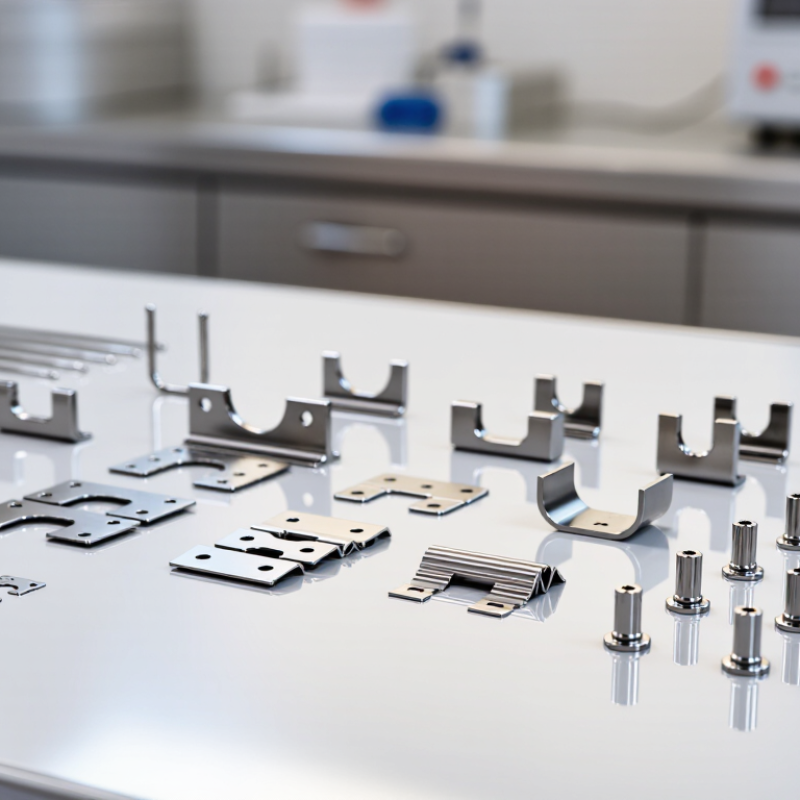
Maxillofacial plating systems are medical devices used to stabilize facial bones after trauma or corrective surgery.
They usually include small plates, screws, meshes, and related instruments. These components support bone alignment while natural healing develops. Their design must match delicate anatomy around the eyes, nose, jaw, and nerves.
The main role is mechanical stability.
A well-selected plate can reduce unwanted movement and help restore facial shape, chewing function, and symmetry.
Surgeons consider fracture location, bone thickness, soft-tissue condition, imaging, and patient health. Experience matters because millimeters can affect comfort and appearance.
No system is perfect. A strong construct may still cause irritation, while a smaller one may lack support. This judgment deserves careful review.
Tips:
Confirm the system’s intended use, material, screw compatibility, and sterilization requirements. Use accurate imaging and avoid placing hardware near vital structures without clear anatomical guidance. Check instruments before surgery. Poor handling can damage threads or reduce fixation quality. Document the selected components and clinical reasoning. Even experienced teams should reassess fit, stability, and possible complications during follow-up.
Evaluating Chinese maxillofacial plating system manufacturers requires more than comparing catalog prices. A credible supplier should provide traceable material records for titanium plates and screws. Ask whether each batch has documented chemical analysis, dimensional checks, and sterilization controls. ISO 13485 certification can support confidence, but verify its validity and scope. Certificates alone are not enough.
Technical experience matters in real surgical conditions. Review plate designs for contouring, screw engagement, edge smoothness, and anatomical fit. Request test data for torsional strength, fatigue resistance, and pull-out performance. Experienced engineers should explain how design changes affect fixation stability. Surgeon feedback can reveal problems that laboratory tests miss. Small details matter.
Factory evaluation should include equipment maintenance, inspection records, employee training, and nonconformance handling. A reliable manufacturer can explain lead times without making unrealistic promises. It should also offer clear drawings, instructions, lot numbers, and responsive post-sale support. Sample evaluation is useful, but one successful sample proves little. I would compare several batches and inspect packaging, markings, and fit under controlled conditions. My own judgment may still be incomplete, especially when clinical evidence is limited. That uncertainty deserves attention, not polished language.
China’s Top 10 Maxillofacial Plating Systems Manufacturers represent a competitive field in surgical implant production. Their systems commonly support facial fractures, mandibular reconstruction, and delicate orbital procedures. A serious evaluation should examine plate geometry, screw compatibility, instrument design, and material documentation. Surgeons also value smooth edges, accurate bending, and predictable handling during time-sensitive operations.
In procurement reviews, quality cannot rely on catalog images alone. Manufacturers should provide batch traceability, dimensional inspection records, sterilization guidance, and consistent technical support. Titanium plates may offer useful strength and biocompatibility, but design fit remains equally important. Clinical feedback can reveal practical problems, such as difficult screw insertion or poor visibility through narrow approaches. No ranking is flawless. Facility needs, surgeon preference, and local regulatory requirements can change the order.
Tips: Compare complete system data, not isolated products. Request samples when possible. Check screw locking performance, plate thickness, and instrument balance. Review postoperative feedback from qualified medical teams. Keep evidence current, because manufacturing quality can change over time. A careful buyer should also question unclear claims and incomplete testing reports. Small details matter.
| Rank | Manufacturer Profile | Primary Product Focus | Common Implant Material | Typical Plate Thickness | Typical Screw Diameter | Key Clinical Applications | Common Quality Framework |
|---|---|---|---|---|---|---|---|
| 1 | Profile A – Comprehensive CMF Portfolio | Modular systems for cranial, midface and mandibular fixation | Commercially pure titanium and Ti-6Al-4V alloy | 0.6–2.0 mm | 1.2–2.4 mm | Trauma reconstruction, osteotomy and cranial repair | ISO 13485, ISO 10993 and applicable implant-material standards |
| 2 | Profile B – Cranial Fixation Specialist | Low-profile cranial plates, burr-hole covers and fixation screws | Commercially pure titanium | 0.5–1.5 mm | 1.2–1.6 mm | Craniotomy closure and cranial defect stabilization | ISO 13485 and biocompatibility evaluation under ISO 10993 |
| 3 | Profile C – Mandibular Reconstruction Specialist | Reconstruction plates, angle plates and load-bearing fixation systems | Ti-6Al-4V alloy | 1.5–2.8 mm | 2.0–2.7 mm | Comminuted fractures, segmental defects and tumor reconstruction | ISO 13485, mechanical testing and sterilization validation |
| 4 | Profile D – Midface and Orbital System Provider | Orbital floor meshes, rim plates and midface fixation components | Commercially pure titanium and titanium alloy | 0.4–1.2 mm | 1.2–1.7 mm | Orbital fractures, zygomatic injuries and Le Fort fractures | ISO 13485, ISO 10993 and dimensional inspection controls |
| 5 | Profile E – Pediatric and Low-Profile System Provider | Small-profile plates designed for pediatric and delicate anatomy | Commercially pure titanium | 0.4–1.0 mm | 1.0–1.5 mm | Pediatric craniofacial trauma and congenital reconstruction | ISO 13485, pediatric-use risk assessment and ISO 10993 |
| 6 | Profile F – Resorbable Fixation System Provider | Bioabsorbable plates, screws and temporary fixation components | PLLA, PGA or related biodegradable polymer systems | 1.0–2.5 mm | 1.5–2.5 mm | Pediatric craniofacial procedures and selected osteotomies | ISO 13485, polymer degradation testing and ISO 10993 |
| 7 | Profile G – Patient-Specific Implant Manufacturer | CT-based custom plates, cutting guides and reconstruction solutions | Ti-6Al-4V alloy produced by machining or additive manufacturing | 1.0–3.0 mm | 1.5–2.7 mm | Complex mandibular, cranial and midface reconstruction | ISO 13485, design controls, CT-data traceability and ISO 10993 |
| 8 | Profile H – Orthognathic Surgery System Provider | Straight and curved plates for maxillary and mandibular osteotomies | Commercially pure titanium and titanium alloy | 0.6–1.5 mm | 1.5–2.0 mm | Le Fort I osteotomy, sagittal split osteotomy and genioplasty | ISO 13485, fatigue testing and biocompatibility assessment |
| 9 | Profile I – 3D Mesh and Contour Plate Provider | Pre-contoured plates, titanium meshes and anatomical reconstruction plates | Commercially pure titanium | 0.3–1.5 mm | 1.2–2.0 mm | Orbital reconstruction, cranial defects and bone contour restoration | ISO 13485, surface-finish inspection and sterilization validation |
| 10 | Profile J – Trauma and Instrumentation Provider | Trauma plating kits supplied with compatible drills, drivers and instruments | Ti-6Al-4V alloy and commercially pure titanium | 0.6–2.5 mm | 1.5–2.7 mm | Emergency maxillofacial trauma and multi-region fixation | ISO 13485, instrument reprocessing guidance and ISO 10993 |
Note: The specifications shown are representative industry ranges for maxillofacial plating systems. Exact dimensions, materials, indications and regulatory status should be confirmed in the manufacturer’s current technical documentation.
China Top 10 Maxillofacial Plating Systems Manufacturers
A credible top-ten comparison should examine product categories, materials, and manufacturing strengths. Maxillofacial systems commonly include reconstruction plates, trauma plates, orbital meshes, bone screws, and surgical instruments. Some suppliers also provide patient-specific implants and cutting guides. The material choice matters. Implant-grade titanium offers strength, corrosion resistance, and predictable handling. Titanium alloy may reduce weight while preserving stability. PEEK and bioresorbable polymers suit selected applications, but their performance requires careful clinical evaluation. Small details matter, such as screw thread accuracy, plate contouring, and smooth implant edges.
Manufacturing strength is more than factory size. Look for CNC machining, precision laser cutting, controlled anodizing, and clean finishing processes. Reliable producers should maintain lot traceability, dimensional inspection, and documented quality controls. Experienced buyers also review sterilization compatibility, packaging integrity, and technical support. A polished catalog is not proof. No supplier excels at everything. Some offer broad product ranges but limited customization; others provide excellent custom work with longer lead times. That trade-off deserves honest discussion.
Tips: Compare material certificates, test reports, and sample fit before purchase. Ask how each batch is inspected. Check whether instruments match the implant system. Request clear evidence of manufacturing consistency, not only attractive photographs. Clinical feedback should be considered, but it may be incomplete. There is room for doubt.
Choosing a Chinese maxillofacial plating system manufacturer requires more than comparing catalog prices. Start with clinical fit. Ask which plate profiles, screw diameters, and instrument sizes match your procedures. Request material certificates for implant-grade titanium and verify lot traceability. Look for a current ISO 13485 quality system and registration documents relevant to your target market. Not every certificate proves strong daily control. Audit the process behind it.
During a factory evaluation, inspect machining, cleaning, packaging, and final inspection areas. Ask to see records, not only photographs. Review dimensional inspection reports and fatigue or torsion test data for representative plates and screws. Confirm how the manufacturer controls burrs, thread accuracy, surface finish, and packaging integrity. Small defects matter in a narrow surgical field. Very much. Request samples from different production lots. A single attractive sample can hide variation. This is where many buyers become too optimistic.
Reliable suppliers explain design changes, complaint handling, and corrective actions without vague promises. Check whether engineering staff can discuss CT-based planning, fixation biomechanics, and instrument compatibility. Clarify minimum order quantities, mold ownership, lead times, replacement policy, and technical support after delivery. Ask for sterilization compatibility data if the system is supplied non-sterile. Speak with surgeons or distributors who have used comparable systems. Their feedback may reveal screw insertion feel, plate bending behavior, and missing instruments. Communication deserves testing too. Send a detailed drawing and observe the response. A fast reply is not always a competent one. Select a manufacturer that documents limitations, welcomes verification, and maintains consistent quality as volumes increase.
They stabilize facial bones after trauma or corrective surgery. Plates and screws support alignment while natural healing develops. They may help restore facial shape, chewing, and symmetry.
Designs must fit areas around the eyes, nose, jaw, and nerves. A difference of a few millimeters can affect comfort or appearance. Delicate anatomy leaves little room for error.
They should review fracture location, bone thickness, soft-tissue condition, imaging, and patient health. Screw compatibility also matters. No system fits every case perfectly.
Ask for material records, chemical analysis, dimensional checks, and sterilization controls. Each batch should have traceable lot information. Missing records deserve careful questioning.
No. Certification can support confidence, but its validity and scope require verification. Factory inspections, test reports, and surgeon feedback provide additional evidence.
Review torsional strength, fatigue resistance, and pull-out performance. Also inspect screw engagement, plate thickness, edge smoothness, and anatomical fit. Laboratory results may not reveal every surgical problem.
Check packaging, markings, plate contours, screw locking, and instrument balance. Try controlled fitting when possible. One successful sample proves very little.
Poor handling can damage threads or reduce fixation quality. Teams should check instruments before surgery and reassess stability afterward. My judgment may still be incomplete when clinical evidence is limited.
This article presents a practical overview of Maxillofacial Plating Systems, explaining their role in stabilizing fractured or reconstructed facial bones and supporting accurate healing. It outlines the main factors used to evaluate Chinese manufacturers, including product safety, material quality, design precision, manufacturing capabilities, quality-control procedures, regulatory compliance, customization services, and supply reliability. The discussion of China’s top 10 manufacturers focuses on their general strengths and market positioning without naming specific brands.
The article also reviews common product categories, such as plates, screws, meshes, and specialized fixation components, along with materials including titanium and other medically appropriate options. It highlights how advanced machining, surface treatment, testing, and research capabilities influence product performance. Finally, readers receive guidance on selecting a suitable Chinese manufacturer by comparing certifications, technical support, production capacity, communication, delivery consistency, and after-sales service. The goal is to help hospitals, distributors, and medical professionals make informed and responsible sourcing decisions.
