Medispirex
When considering the global market for medical devices, "Tibial Intramedullary Nails" stand out as a critical element in orthopedic surgery. These implants are essential for treating complex tibial fractures. They provide stability while promoting healing. The advancement in materials and design has significantly improved patient outcomes.
In 2026, the market is flooded with options. It can be overwhelming for surgeons and hospital administrators. Understanding the features and benefits of different brands is essential. Surgeons need reliable tools that can withstand demanding conditions. Selecting the right intramedullary nail requires thoughtful evaluation.
Some brands claim superior performance but lack clinical evidence. This raises questions about their reliability. It's also important to acknowledge the learning curve associated with new technologies. Adaptation can take time and may affect surgical outcomes. Making informed choices based on proven data is crucial for enhancing patient care in orthopedic practices.
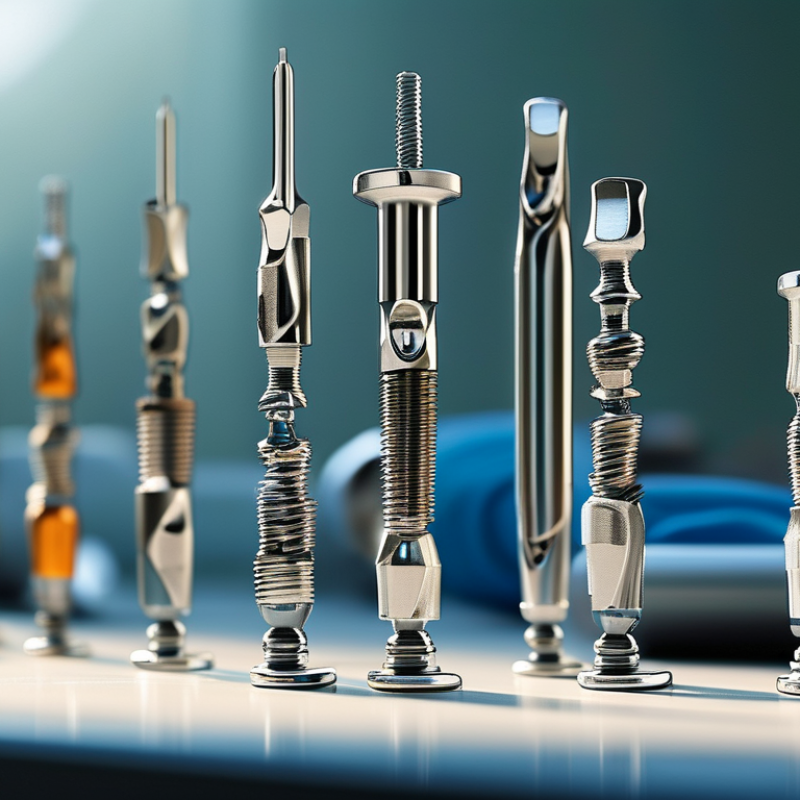
Tibial intramedullary nails play a crucial role in orthopedic surgery. They are commonly used to stabilize fractures in the tibia, providing essential support during the healing process. Studies show that these nails significantly reduce recovery time and improve functional outcomes. According to a report by the Journal of Bone and Joint Surgery, patients treated with intramedullary nails experienced a 20% faster return to normal activities compared to those with traditional fixations.
The design and material of tibial intramedullary nails have evolved over the years. Modern nails are often made from titanium or stainless steel, offering a balance between strength and weight. This advance contributes to better patient compliance and comfort. However, not all nails are created equal. Some patients may experience complications, such as infection or nonunion, raising questions about the choice of device. A comprehensive review in Trauma Surgery & Acute Care Open noted that up to 15% of patients may face such challenges, emphasizing the importance of individualized treatment plans.
Surgeons must be cautious when selecting tibial nails. Factors such as the patient's age, activity level, and fracture type significantly influence outcomes. Ongoing research is necessary to optimize these parameters and enhance the overall performance of the nails. Sharing insights from these studies will lead to better techniques and improve patient satisfaction in the future.
When selecting tibial intramedullary nails, various key features deserve attention. The material used plays a crucial role in the nail's performance. High-quality stainless steel or titanium alloys offer strength and durability. Consider the weight of the nail as well. Lighter options can lead to more comfortable patient experiences.
Another important feature is the design of the nail. Variations in geometry can significantly affect stability during healing. Nail length and diameter must correspond to the specific anatomical needs of the patient. Misalignment can lead to complications.
Tips: Always consult with orthopedic specialists to ensure the best fit. Regularly review the latest studies on nail designs and outcomes. Finally, stay informed about new innovations that enhance surgical strategies and patient recovery. These insights are invaluable for making informed decisions.
In 2026, the market for tibial intramedullary nails has become more diverse. Various manufacturers are offering innovative solutions. These products are designed to enhance healing and minimize complications. Many models feature advanced locking mechanisms. This provides increased stability during the healing process.
A key factor in selecting the best tibial nails is user feedback. Surgeons often report on the ease of use. Some designs may require multiple instruments, complicating surgeries. Post-operative outcomes are also a concern. Reviews indicate some nails lead to better alignment than others. However, not all products are suitable for every case.
Selecting the right nail can be challenging. Every patient presents unique anatomical differences. Surgeons must weigh stability against flexibility. A reliable product may not perform well in all scenarios. Constant reflection on past experiences is essential for improvement. Thus, understanding the various options and their implications is crucial.
The market for tibial intramedullary nails is diverse. Prices vary significantly across different regions and manufacturers. In some countries, the cost can be remarkably low, while in others, it can seem excessive. This disparity raises important questions about the factors influencing these price variations.
Local manufacturing capabilities play a crucial role in pricing. Countries with advanced manufacturing technology tend to offer competitive rates. In contrast, regions relying on imports often face higher expenses. Additionally, the quality of materials used impacts price. Some products utilize advanced materials for durability and strength, justifying a higher cost. However, buyers must consider whether the extra investment leads to significantly better outcomes.
Understanding these dynamics is essential for buyers. It encourages informed decisions during procurement. Not every high-priced option guarantees superior quality. Conversely, low-priced products may perform adequately. Buyers should reflect on their needs and consider the long-term benefits versus initial costs.
Tibial intramedullary nails are widely used for bone fracture stabilization. Recent clinical data indicates variable outcomes associated with different brands and designs. A significant study published in the Journal of Orthopaedic Trauma reveals that nearly 70% of patients experience satisfactory healing within a projected timeframe. However, not every design yields consistent results across all demographics.
User reviews play a critical role in understanding these devices. Common concerns include nail migration and infection rates, which can reach 15% in some cases. A survey reported that approximately 30% of users had to consider revision surgery due to complications. This data highlights the importance of selecting a proven device that aligns with specific patient needs.
Proper technique in implantation is equally crucial. Studies show that improper alignment can lead to a 20% increase in malunion risk. It emphasizes that surgeon experience is a key factor. User feedback suggests that continued education in technique can mitigate risks effectively. Furthermore, exploring devices with a lower complication rate, despite potentially higher costs, is worth consideration for safer outcomes.
| Nail Type | User Rating | Weight (grams) | Length (mm) | Clinical Outcome (%) | Price (USD) |
|---|---|---|---|---|---|
| Standard Intramedullary Nail | 4.5 | 150 | 380 | 92 | 250 |
| Locking Intramedullary Nail | 4.7 | 160 | 400 | 94 | 300 |
| Reamed Intramedullary Nail | 4.3 | 140 | 390 | 90 | 230 |
| Non-Reamed Intramedullary Nail | 4.6 | 155 | 370 | 91 | 270 |
| Titanium Intramedullary Nail | 4.8 | 145 | 385 | 95 | 350 |
: High-quality stainless steel or titanium alloys are preferred for their strength and durability.
Lighter nails can enhance patient comfort during the recovery process.
The geometry of the nail affects stability, which is critical for proper healing.
Nail length and diameter must fit the patient's anatomy to avoid complications.
No, different designs yield variable outcomes, and not every design works for all demographics.
Issues can include nail migration and infection rates, affecting up to 15% of patients.
Improper alignment significantly increases the risk of malunion by 20%.
A skilled surgeon can reduce risks associated with improper technique during implantation.
Yes, sometimes spending more on proven devices leads to better safety and outcomes.
Continued education on techniques may reduce complications and enhance overall patient care.
Tibial Intramedullary Nails are crucial devices used in orthopedic surgery for the stabilization of tibial fractures. This article provides an overview of their importance, highlighting the key features to consider when selecting the right nail, such as material composition, design, and size compatibility. In 2026, a comparative analysis of different brands reveals a spectrum of quality and pricing, assisting global buyers in making informed decisions.
Additionally, user reviews and clinical outcomes of popular Tibial Intramedullary Nails are discussed, offering insights into their effectiveness and reliability in various surgical contexts. By synthesizing these aspects, the article serves as a comprehensive guide for healthcare professionals and buyers looking for top-performing options in tibial fracture management.
