Medispirex
Choosing a China-based supplier for Orthognathic Surgery Implants takes more than comparing prices or browsing polished product photos. These devices are used in complex jaw procedures, so material specifications, manufacturing controls, and dependable documentation deserve close attention. Surgeons and procurement teams should check whether product information is clear, consistent, and supported by relevant quality records. They should also ask how dimensions, plate shapes, and screw options fit the intended clinical applications. Small details matter. A confusing label or incomplete technical file can slow evaluation and create avoidable uncertainty. Ask for evidence.
A useful supplier review can include manufacturing experience, inspection procedures, product traceability, and responsiveness to technical questions. Buyers may also request sample documentation and confirm that the supplier’s stated certifications apply to the specific products under consideration. Independent verification is prudent; a polished catalogue alone is not proof. The right choice depends on clinical needs, professional judgment, and the standards applicable in the buyer’s market. It is not a contest with one universal winner. Even a detailed comparison can miss something, so teams should record unanswered questions rather than assume they are minor. This guide explores practical criteria for assessing Chinese manufacturers and suppliers, helping readers make a more informed shortlist. The goal is not to replace clinical evaluation, but to support a careful conversation between qualified professionals and potential suppliers.
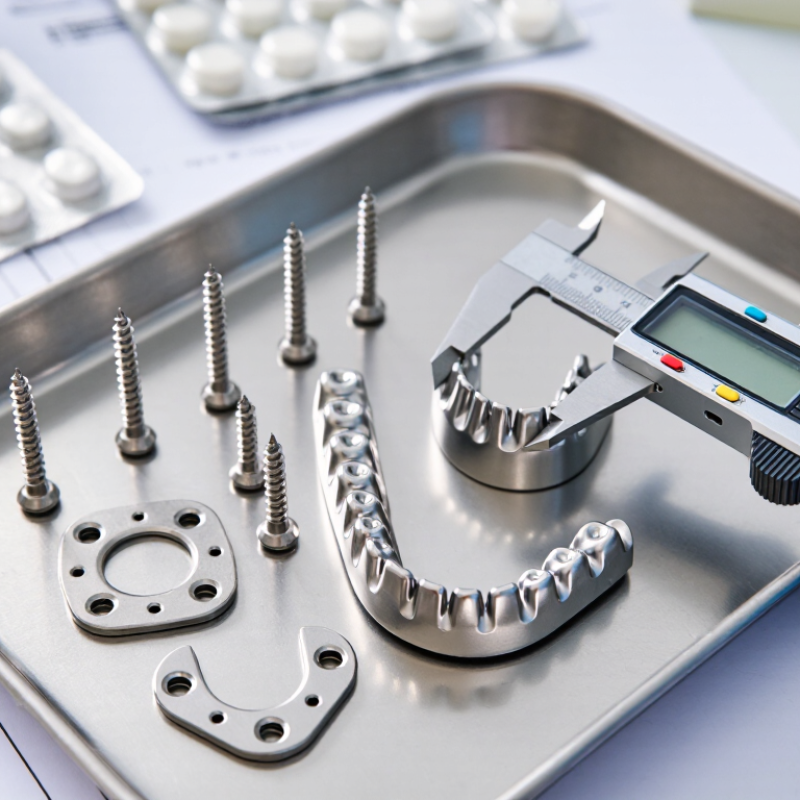
Orthognathic surgery repositions the upper jaw, lower jaw, or both to improve bite alignment and facial balance. Small fixation plates and screws—often made from medical-grade titanium—hold the bones in their planned positions while healing begins. These devices are different from dental implants, which replace missing teeth. They are usually placed along the jaw through incisions inside the mouth, so visible facial scars are uncommon.
Before surgery, the team reviews scans, bite records, and the patient’s health. During the procedure, the surgeon moves the jaw and secures it with plates and screws. The exact number and placement depend on the surgical plan and the patient’s anatomy. Healing takes time; swelling, temporary numbness, and changes in chewing can occur. A digital plan can look precise, but real tissue does not always behave exactly as expected. Follow-up visits help the surgeon check healing and bite stability.
Tips: Ask what materials will be used, how long recovery may take, and what symptoms need prompt attention. Follow your surgeon’s instructions on oral hygiene, diet, and activity. If pain or swelling worsens unexpectedly, contact the care team rather than adjusting treatment yourself.
China Best Orthognathic Surgery Implants Supplier?
Material choice affects strength, contour, and handling during jaw fixation. Titanium alloy is widely used for plates and screws because it combines strength with corrosion resistance. Resorbable polymers may suit selected cases, but their performance and indications differ. One material does not fit every surgical plan. Design matters, too. Low-profile plates can reduce prominence, while varied hole patterns help surgeons adapt fixation to anatomy. Patient-specific components require careful planning and verification.
Tips: Ask suppliers for material specifications, dimensional inspection records, and lot-level traceability. Check whether quality systems align with recognized frameworks such as ISO 13485. Confirm biocompatibility evidence and validated sterilization documentation for the supplied device. Paperwork alone is not proof of clinical suitability.
Manufacturing controls should cover machining, surface finishing, cleaning, packaging, and final inspection. Small burrs or inconsistent screw threads can complicate handling. Ask how tolerances are measured and how nonconforming parts are managed. Standards and regulatory requirements vary by market, so confirm the applicable documentation with qualified professionals. A catalogue can look reassuring. Still, I would not judge reliability from polished images alone; real evidence may take time to review.
A material-property comparison to support evaluation of implant materials and manufacturing specifications.
Values are representative approximate elastic moduli in gigapascals; actual values vary by material grade, processing, and test conditions. A higher modulus does not automatically mean a better implant—the plate and screw design, fixation requirements, biocompatibility, and manufacturing quality also matter. For metallic materials, relevant specifications include ISO 5832-1 for wrought stainless steel, ISO 5832-2 for unalloyed titanium, and ISO 5832-3 for wrought titanium-aluminium-vanadium alloy. Confirm the exact grade and applicable standard when assessing a supplier.
China Best Orthognathic Surgery Implants Supplier?
How to Evaluate Orthognathic Implant Suppliers in China
Assess a supplier by evidence, not polished product photos. Request its current ISO 13485 certificate, device registration details, and traceability records for each production batch. Confirm that the registered device matches the plates and screws being offered. Ask for material specifications, dimensional tolerances, and test reports covering mechanical performance and biological safety. ISO 14971 risk-management documentation can show how hazards are identified and controlled. A certificate alone is not enough. Check its scope and expiry date.
Clinical evidence also matters. Published systematic reviews of orthognathic fixation report that hardware removal rates vary across studies, reflecting differences in patients, procedures, and follow-up. That variability is a reason to ask suppliers for clear, applicable evidence—not broad claims of “zero complications.” Review sterilization validation, packaging integrity, and shelf-life data, then compare these against the intended clinical use. WHO’s Global Model Regulatory Framework for Medical Devices emphasizes oversight across a device’s lifecycle, making post-market complaint handling a useful supplier check. Ask how complaints are logged, investigated, and linked to a specific batch. Details matter. A supplier may provide complete paperwork yet respond slowly to technical questions; that gap deserves scrutiny. Before procurement, have qualified clinical and regulatory staff review the documents and sample devices.
For orthognathic plates and screws, supplier review should begin with traceability, not glossy catalogs. Ask for current quality-system certificates, their scope and expiry dates, and registration documents for the markets where products will be sold. Request batch records linking titanium material to the finished implant. For U.S.-bound devices, FDA’s Quality Management System Regulation took effect on February 2, 2026, incorporating ISO 13485:2016 by reference. Check the certificate scope and production records, not just the certificate itself.
Inspect dimensions, material specifications, surface finish, packaging integrity, and sterilization validation. Request representative inspection data and confirm that test methods match product specifications. The WHO’s 2023 patient-safety fact sheet reports that about one in ten patients experiences harm in healthcare, with more than half of that harm considered preventable. This is not an implant-specific estimate, but it underscores why supplier controls and complaint handling matter. A polished document does not prove every lot is consistent. Look closer.
Tips: Trace one sample lot from incoming material records through machining, cleaning, sterilization, and release. Ask how the supplier handled a real nonconformity. Slow or vague answers deserve follow-up; even a tidy audit trail can leave questions.
China Best Orthognathic Surgery Implants Supplier?
Ordering, Customization, and After-Sales Support
Ordering orthognathic implants requires more than confirming a product code and delivery date. Buyers should check material specifications, manufacturing records, packaging details, and any documents needed for clinical review. A dependable supplier gives clear timelines and identifies what information is needed before production begins. Ask whether case files are reviewed for completeness and how changes are confirmed. For patient-specific devices, the surgical team must approve the design before manufacturing. Details matter.
Customization depends on accurate imaging, clear communication, and an agreed review process. Suppliers should explain acceptable file formats, design options, revision limits, and expected production times. A sample workflow can help teams spot gaps before a real case is underway. Still, no checklist catches everything. A small mismatch in a file or measurement can cause delays, so critical details should be checked by qualified clinical staff rather than assumed from an email exchange.
After-sales support matters when a shipment is delayed or a package arrives with an unclear label. Confirm who handles tracking, documentation questions, and urgent production updates. Ask how complaints are recorded and how corrective steps are communicated. Keep order confirmations, approved designs, and delivery records together for traceability. Response times should be stated plainly, not left vague. Even a careful process can have weak spots; suppliers and clinical teams should review them openly and improve the workflow case by case.
| Evaluation area | What to check | Useful ordering or service details | Evidence to request |
|---|---|---|---|
| Product scope | Confirm the supplier offers the required orthognathic fixation products and intended use. | Request specifications for plates, screws, materials, sizes, and compatible instruments. Product availability varies by supplier and market. | Current product catalogue, technical specifications, instructions for use, and applicable market authorization details. |
| Patient-specific customization | Establish whether custom plates or guides are available and how the clinical plan is reviewed. | Agree on accepted imaging and planning files, design review steps, approval responsibility, revision limits, and the final design sign-off before manufacture. | File-format requirements, sample workflow, design approval record, and patient-data handling procedure. |
| Materials and manufacturing | Verify material grade, manufacturing controls, and traceability for the specific device. | Ask whether the device is made from an implant-grade material, such as titanium or titanium alloy, and how each production lot is identified and inspected. | Material certificates, inspection records, lot or serial traceability information, and quality-system documentation. |
| Order process and lead time | Map the steps from quotation and file submission through approval, production, and dispatch. | Request separate estimated timelines for standard and patient-specific orders. Lead times depend on design approval, production capacity, sterilization, and shipping; confirm them in writing for each order. | Written quotation, order confirmation, production milestones, dispatch estimate, and shipment tracking process. |
| Minimum order and pricing | Clarify whether minimum quantities or separate design and engineering fees apply. | Request itemized pricing for products, customization, instruments, packaging, shipping, and any applicable taxes or duties. Terms are supplier-specific. | Itemized quotation, payment terms, minimum-order policy, and written rules for design changes or cancellations. |
| Sterilization and packaging | Confirm whether products are supplied sterile or non-sterile and check packaging and shelf-life information. | Sterilization status and validated method must match the product labeling and the requirements of the destination market. | Label samples, sterilization records or validation information as applicable, expiry or shelf-life details, and storage instructions. |
| Regulatory and quality documentation | Check that documentation matches the exact device, intended use, and country where it will be supplied. | A quality-management certificate, such as ISO 13485 where applicable, does not by itself establish that a particular device is authorized for sale in every market. | Applicable certificates or registrations, device-specific declarations, labels, and instructions for use; verify validity with the issuing authority where appropriate. |
| After-sales support | Agree on contacts and procedures for order questions, documentation requests, complaints, and product issues. | Set response-time expectations in the supply agreement and define escalation contacts. Response times and remedies are supplier-specific. | Written complaint-handling and returns procedures, contact details, replacement or credit terms, and product-traceability process. |
Note: Lead times, prices, regulatory status, and support commitments vary by supplier, product, and destination market; verify all details in current written documentation before ordering.
Review current quality certificates, their scope and expiry dates, and registration documents for intended markets. A certificate alone is not enough.
Ask for records linking titanium material to the finished implant. Trace one sample lot through machining, cleaning, sterilization, and release.
Check dimensions, material specifications, surface finish, packaging integrity, and sterilization validation. Request inspection data and confirm the test methods match product specifications.
The U.S. Quality Management System Regulation took effect on February 2, 2026, incorporating ISO 13485:2016 by reference. Check production records, too.
Ask how the supplier managed a real nonconformity and how complaints are recorded. Vague answers deserve follow-up.
Confirm acceptable imaging file formats, design options, revision limits, and expected production times. Small file mismatches can delay a case.
The surgical team should review and approve the design before manufacturing. Critical measurements need qualified clinical review, not assumptions from email.
Clarify who handles tracking, documentation questions, urgent updates, and response times. Keep order confirmations, approved designs, and delivery records together. Weak spots remain.
Orthognathic Surgery Implants are medical devices used to stabilize bone segments during corrective jaw surgery. They may include plates and screws designed to support healing while accommodating the anatomical and functional needs of each patient. Common considerations include material strength and compatibility, implant shape and size, manufacturing consistency, and clear documentation of product specifications.
When evaluating suppliers in China, buyers can review relevant manufacturing capabilities, quality-management processes, product traceability, and applicable regulatory documentation. It is also useful to assess how a supplier handles verification requests, customization needs, order planning, delivery expectations, and after-sales support. A careful comparison of these factors can help healthcare organizations identify a reliable source and make informed purchasing decisions based on product quality, clinical requirements, and service reliability.
