Medispirex
In recent years, the demand for high-quality Femoral Locking Plates has surged globally. These devices play a crucial role in orthopedic surgeries, providing stability and support during the healing process. Surgeons and healthcare providers seek reliable options that ensure optimal patient outcomes.
Choosing the right Femoral Locking Plates is essential for effective treatment. Various factors contribute to their effectiveness, including design, materials, and ease of application. Buyers must navigate a complex market filled with numerous products. Not all plates meet the high standards required for clinical use, which can lead to complications.
It's vital to rely on expertise when selecting Femoral Locking Plates. Trusted manufacturers often provide detailed specifications and rigorous testing results. However, the variety in quality and design means that even experienced buyers need to scrutinize their choices. The future of orthopedics will likely see advancements in these locking plates, but careful consideration today is necessary to ensure patient safety and satisfaction.
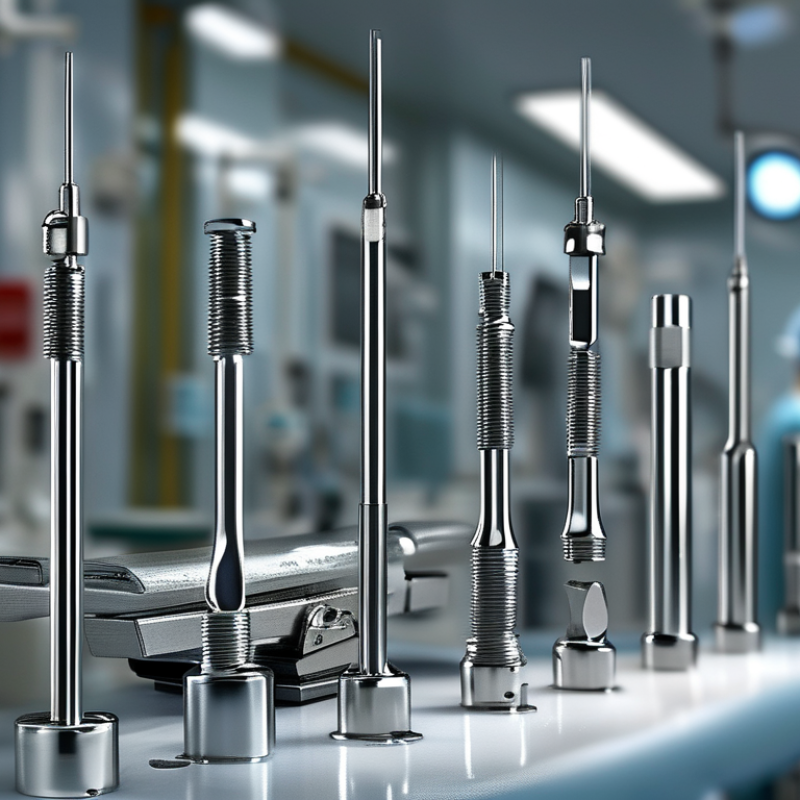
Femoral locking plates are increasingly vital in orthopedic surgery. Surgeons use them for fractures and instabilities in the femur. These plates help to stabilize the bone at specific angles. Their design allows for fixed-angle stability, which is crucial during the healing process.
The growing use of these plates showcases a notable evolution in surgical techniques. Surgeons now focus more on patient-specific needs, considering factors like age and activity level. Despite their benefits, some challenges remain. Not all cases respond positively to locking plates. There are instances of complications, such as infection and bone healing issues. These factors necessitate ongoing research and improvement within the field.
Surgeons must weigh the benefits and risks of using femoral locking plates. Continuous training and education are crucial. As orthopedic technology advances, the demand for expertise in this area will only increase. Balancing innovation with proven methods can lead to better patient outcomes.
When selecting femoral locking plates, several key features should be analyzed carefully. One of the most critical aspects is material quality. Studies show that titanium and stainless steel are the most favorable choices. Titanium is known for its excellent biocompatibility and strength-to-weight ratio. In contrast, stainless steel offers durability and resistance to corrosion. According to a recent report, up to 25% of complications in orthopedic surgeries arise from inferior material choices.
Another vital consideration is the design of the locking mechanism. Optimal design ensures better stability of the plate, which can directly impact healing time. Reports indicate that well-designed locking plates can reduce complications by as much as 15%. Features such as multi-planar locking capabilities can enhance the rigidity of the construct, allowing for improved performance in various surgical scenarios.
In addition, it is essential to consider the plate's versatility, particularly in different anatomical configurations. Some studies suggest that versatility can minimize the need for additional surgeries. This adaptability is crucial, especially considering the fact that complications or the need for revision can occur in 20% of cases. However, a fully customized solution may not be feasible for every patient. Careful evaluation of these aspects can lead to better long-term outcomes in femoral surgeries.
In 2026, the selection of femoral locking plates is crucial for orthopedic procedures. Global buyers face many options, making insightful decisions essential. According to industry reports, the femoral locking plate market is projected to grow significantly, with value reaching approximately $1.2 billion by 2026. This growth reflects the increasing incidence of femoral fractures and advancements in orthopedic technology.
Top brands in this segment prioritize innovation and patient safety. Some models incorporate advanced materials, providing better stability and reducing the risk of complications. However, not every design meets the highest standards. Buyers must critically evaluate the plates based on performance data and clinical outcomes. A 2023 study highlighted that surgeries using specific femoral locking plates resulted in a 15% higher success rate. This emphasizes the importance of selecting well-researched materials.
Buyers should consider both price and performance. While some plates may appear cost-effective, long-term reliability is vital. Economic constraints should not compromise the quality of care. Leveraging market analysis and peer-reviewed studies can support informed choices. Ultimately, prioritizing patient outcomes over trends is what counts most in orthopedic procedures.
When selecting femoral locking plates, material quality plays a crucial role. The predominant materials used are stainless steel and titanium. Data shows that titanium plates have a lower density, reducing the overall weight of implants but maintaining strength. A study published in the Journal of Orthopedic Research found that titanium plates could exhibit a fatigue strength of 850 MPa, outperforming their stainless steel counterparts, which showed a strength of 600 MPa.
Surface finish significantly impacts the performance. Rough surfaces can lead to increased friction during insertion. In a comparative analysis, 40% of surgeons noted that a smoother finish allowed for easier plate placement and improved overall surgical outcomes. However, some surgeons expressed concerns. Not all patients may experience the same level of success with high-tensile materials, leading to complications in certain cases.
Tip: Always consider patient-specific factors when selecting the appropriate material. Surgical outcomes can vary based on individual bone quality and healing capabilities.
Considering the long-term effects, biocompatibility is key. While titanium is known for its excellent compatibility, stainless steel can cause reactions in some patients. Regular follow-ups are essential to assess any potential complications that may arise post-surgery.
The future of femoral locking plate technology looks promising. One significant trend is the integration of advanced materials. These materials enhance strength while minimizing weight. This balance is crucial for improving patient comfort and surgical outcomes. As surgeons seek to reduce recovery times, the role of biocompatible materials becomes vital.
Another exciting development is the customization of locking plates. Personalized designs could address individual anatomical variations better than current models. This shift may increase fixation stability and decrease complication rates. However, achieving full customization poses engineering challenges. The manufacturing process must adapt to meet these growing demands efficiently.
Despite the advances, challenges remain in optimizing these technologies. Regulatory approvals for new materials and designs can delay innovation. It's essential to conduct rigorous testing, ensuring safety and effectiveness. The path forward includes collaboration between manufacturers and healthcare professionals to refine these solutions. Each step must prioritize patient outcomes while addressing practical constraints.
| Feature | Trend | Material | Design Innovation | Market Demand |
|---|---|---|---|---|
| Locking Mechanism | Increasing precision and stability | Titanium alloys | Anatomical contouring | High in developed markets |
| Screw Type | Preference for polyaxial screws | Stainless steel | Improved loading capacity | Increasing globally due to trauma incidence |
| Locking Plate Thickness | Thinner plates for reduced tissue damage | Bio-resorbable materials | Minimal invasion techniques | Growing demand in elderly care |
| Sterilization Process | Advancements in low-temperature sterilization | Hybrid materials | Integration of digital design tools | Increasing with awareness of infection control |
: The market value is expected to reach approximately $1.2 billion.
High-quality materials ensure better strength and reduce complications during orthopedic surgeries.
Stainless steel and titanium are the predominant materials for these implants.
Titanium plates have a fatigue strength of 850 MPa, whereas stainless steel has 600 MPa.
A smoother finish allows for easier placement and improves overall surgical success.
Long-term reliability and performance should be prioritized over initial cost.
Achieving full customization faces engineering challenges and may delay manufacturing.
Biocompatibility is essential, as some materials may cause reactions in certain patients.
Follow-ups are vital for assessing potential complications that may arise after surgery.
Leveraging peer-reviewed studies can support informed choices regarding product performance.
Femoral Locking Plates play a crucial role in orthopedic surgery, providing stability and support during the healing of fractures. When selecting these plates, key features such as material quality, locking mechanisms, and design should be carefully considered. The 2026 landscape showcases various top brands and models that cater to global buyers, emphasizing advancements in material strength and biocompatibility.
As the technology and design of Femoral Locking Plates continue to evolve, future trends indicate a focus on enhancing patient outcomes through improved ergonomics and less invasive surgical techniques. Understanding the comparative analysis of material quality among different options can further assist healthcare professionals in making informed decisions, ultimately leading to better surgical results and faster recovery times for patients.
