Medispirex Medispirex

Top Benefits of Headless Cannulated Screws for Global Buyers

Time:2026-09-03 Author:Amelia
0%

Headless Cannulated Screws have gained attention in the medical device market. These screws offer numerous benefits that appeal to global buyers. Their unique design streamlines surgical procedures, enhancing efficiency and patient recovery.

The advantages of Headless Cannulated Screws extend beyond mere functionality. They reduce the need for extensive drilling, lowering surgery time and associated risks. This efficiency can lead to shorter hospital stays and quicker rehabilitation processes. Surgeons appreciate their reliability in providing stable fixation for various applications, from orthopedic to trauma surgery.

Buyers must evaluate the quality and sourcing of these screws. While many manufacturers claim expertise, the safe choice lies with trusted brands. Ensuring that the screws meet international standards is crucial for effective outcomes. Headless Cannulated Screws can revolutionize surgical practices, yet careful consideration is essential for success.
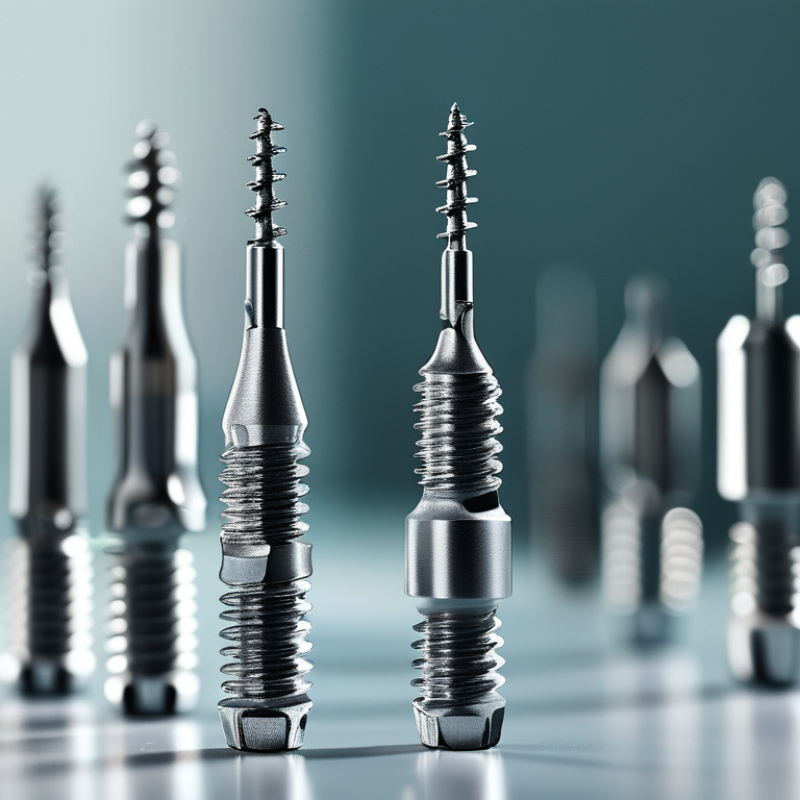
Top Benefits of Headless Cannulated Screws for Global Buyers

Key Features of Headless Cannulated Screws in Orthopedic Surgery

Headless cannulated screws have transformed orthopedic surgery. These screws allow for better alignment and stability in bone fixation, which is critical for successful recovery. A study published in the Journal of Bone and Joint Surgery indicated that the use of headless cannulated screws significantly reduced complication rates, particularly with regard to symptomatic hardware. The technology supports minimally invasive techniques, which is increasingly crucial in modern surgical practices.

Surgeons appreciate the design of these screws. Their unique shape allows for secure placement without the need for a prominent head, reducing soft tissue irritation. Research highlights that this feature can lead to faster patient recovery times and less postoperative pain. Furthermore, the internal threading is crucial for enhancing grip in bone, resulting in improved load-sharing capabilities during healing.

It’s essential for buyers to consider the quality of materials used in these screws. Materials that meet rigorous industry standards can improve surgical outcomes. For optimal results, always prioritize the sourcing of instruments from well-respected suppliers with a proven track record.

Understanding the challenges is key. While headless cannulated screws offer many advantages, some still face difficulties in insertion due to anatomical variations. Surgeons must remain adaptable and skilled in manipulating the tools to overcome potential obstacles. Regular training can make a significant difference in overcoming these challenges.

Top Benefits of Headless Cannulated Screws for Global Buyers

Advantages of Using Headless Cannulated Screws in Bone Fixation

Headless cannulated screws stand out in bone fixation due to their unique design. These screws lack a prominent head, which allows for a lower profile when inserted. This feature is especially beneficial in joints or areas where surrounding tissues are delicate. With this screw type, surgeons can achieve optimal placement without compromising the surrounding anatomical structures. The reduced visibility also enhances patient comfort post-surgery.

The precision of headless cannulated screws improves surgical outcomes significantly. Their cannulated design allows for guided insertion over a guide wire, reducing the risk of misalignment. This innovation translates into quicker recovery times for patients. However, improper technique or inadequate training can lead to complications. Surgeons must be adequately skilled to avoid issues such as screw loosening or infection.

These screws also offer versatility in various orthopedic procedures. They work well in both pediatric and adult populations, enhancing their appeal. However, their success might vary based on individual cases. Prioritizing patient assessment and ensuring the correct application is essential for effective treatment. While the advantages are notable, every surgical intervention requires careful planning and reflection on potential challenges.

Cost-Effectiveness of Headless Cannulated Screws for Medical Facilities

Headless cannulated screws are gaining traction in the medical sector due to their cost-effectiveness. These screws provide a less invasive solution for bone fixation, leading to quicker recovery times and reduced hospital stays. Research published by the Journal of Orthopaedic Surgery highlights that using these implants can lower overall surgical costs by up to 20%. This reduction is critical for medical facilities facing budget constraints.

Moreover, the reduction in operational costs is not just about the price of the screws. The use of headless cannulated screws decreases the risk of post-operative complications. According to a report from the International Journal of Medical Devices, complications can lead to extended treatments, which add to the overall expense. By minimizing such risks, facilities can save significantly on follow-up care.

Medical facilities often struggle to balance quality care with financial sustainability. Investing in headless cannulated screws appears to offer a practical solution. However, facilities must still consider the need for proper training on the implementation of these screws. Without proper education, the effectiveness and cost savings can diminish. Therefore, a thorough assessment of training needs remains vital for maximizing benefits.

Comparative Analysis: Headless Cannulated Screws vs. Traditional Screws

Headless cannulated screws have become increasingly popular in orthopedic surgeries, especially for fracture fixation. A comparative analysis shows they outperform traditional screws in various aspects. Studies indicate that headless screws allow for better load sharing and reduced stress concentration at the fracture site. This ultimately leads to improved healing times. According to research published in the Journal of Orthopedic Research, headless cannulated screws demonstrated a failure rate of only 2% compared to higher rates associated with traditional screw designs.

One significant advantage is their design, which minimizes soft tissue irritation. Traditional screws may protrude, causing discomfort. In contrast, headless screws are fully embedded, reducing complications. The flexibility of headless screws also aids in minimally invasive techniques. A clinical trial revealed an increased preference for headless design among surgeons, mainly due to these benefits.

When considering headless cannulated screws, it’s essential to assess your needs carefully. Evaluate the patient’s condition and potential complications. Choose the right gauge and length to ensure optimal placement. Decisions should stem from both clinical evidence and each patient's unique problem. Reflect on how these factors influence surgical outcomes when selecting fixation devices.

Global Market Trends and Demand for Headless Cannulated Screws

The global market for headless cannulated screws is witnessing significant growth. According to a recent market analysis, the demand for these orthopedic devices is expected to increase by over 7% annually. This growth trend is driven by an escalating need for minimally invasive surgical solutions. These screws offer an effective fixation method without the need for prominent hardware protruding through the skin.

Surgeons appreciate the advantages of headless cannulated screws in various procedures. They allow for the reduction of soft tissue irritation and improve patient outcomes. Research indicates that these screws tend to reduce recovery times, which is crucial in today's healthcare environment. However, some challenges remain, such as the learning curve associated with surgical techniques. Continuous education for medical professionals is essential to maximize the benefits of these devices.

As hospitals and clinics strive to adopt advanced technologies, the demand for reliable, evidence-based surgical tools increases. The competition among manufacturers to create innovative designs is also intensifying. According to market experts, the shift towards headless cannulated screws is not just about innovation, but also about meeting evolving healthcare demands. This dynamic environment presents both challenges and opportunities for global buyers in the orthopedic device market.

FAQS

: What are headless cannulated screws used for in orthopedic surgery?

: They are used for better alignment and stability in bone fixation, critical for successful recovery.

How do headless cannulated screws compare to traditional screws?

They outperform traditional screws in load sharing, stress concentration, and healing times.

What advantages do headless cannulated screws offer?

They minimize soft tissue irritation and are fully embedded, reducing complications compared to traditional screws.

What materials should be considered for headless cannulated screws?

Look for high-quality materials that meet rigorous industry standards for better surgical outcomes.

Are there any challenges in using headless cannulated screws?

Yes, difficulties may arise during insertion due to anatomical variations. Skills and adaptability are important.

How can surgeons improve their success with these screws?

Regular training and practice can help surgeons overcome challenges related to insertion techniques.

Why is the design of headless cannulated screws significant?

Their unique shape allows secure placement without a head, reducing soft tissue irritation.

What is the failure rate of headless cannulated screws?

Research shows a failure rate of only 2%, much lower than traditional screw designs.

How important is the choice of screw gauge and length?

Choosing the right gauge and length is essential for optimal placement based on the patient’s needs.

What should be reflected on when selecting fixation devices?

Consider the patient’s condition and how these factors influence surgical outcomes for effective treatment.

Conclusion

Headless Cannulated Screws have emerged as a pivotal innovation in orthopedic surgery, providing significant advantages in bone fixation. Their design facilitates minimal intervention while ensuring strong engagement with bone, which enhances stability during the healing process. This cutting-edge technology not only benefits patients by reducing recovery time and postoperative complications but also offers medical facilities a cost-effective solution due to decreased surgery duration and improved outcomes.

As global market trends indicate a rising demand for Headless Cannulated Screws, a comparative analysis reveals their superiority over traditional screws in various aspects such as efficiency and effectiveness in bone healing. Medical professionals are increasingly recognizing the value of these screws, leading to their widespread adoption in orthopedic procedures, aligning with the evolving needs of healthcare providers worldwide.

Amelia

Amelia

Amelia is a seasoned marketing professional with a wealth of expertise in our company’s core offerings. With an unwavering passion for driving growth and innovation, she plays a pivotal role in shaping our marketing strategies and enhancing brand visibility. A key aspect of her responsibilities......