Medispirex Medispirex

2026 Top Types of Cancellous Screws for Global Buyers?

Time:2026-10-03 Author:Aria
0%

In 2026, global buyers need more than a long product list when evaluating Cancellous Screws. These implants are designed for softer, porous bone, especially in metaphyseal and epiphyseal areas. Their coarse threads can improve purchase in cancellous bone. However, design differences strongly affect surgical handling and fixation performance.

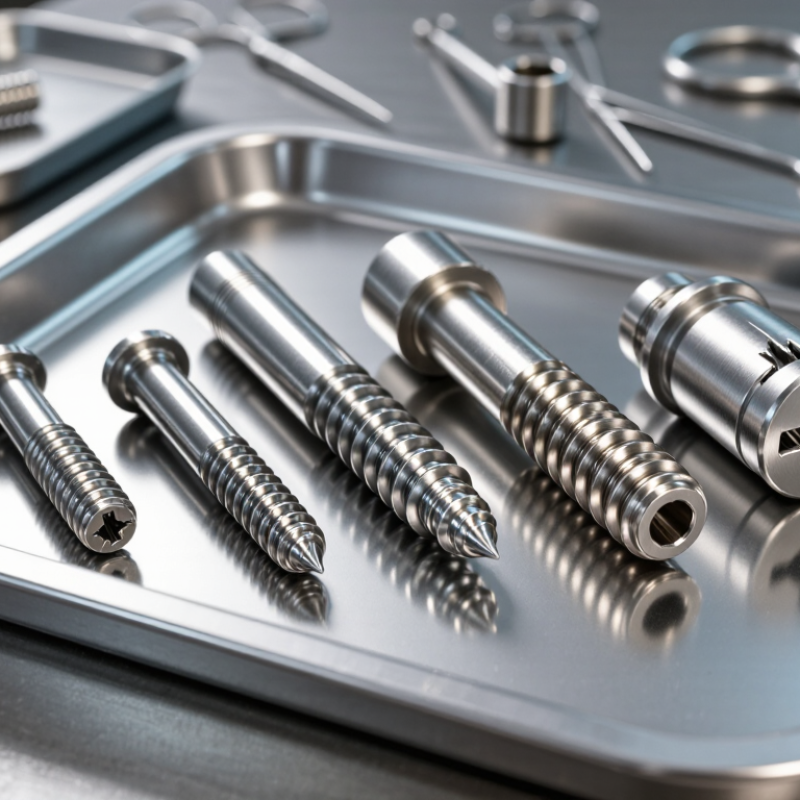
The main categories include partially threaded, fully threaded, cannulated, headless, and locking cancellous screws. Partially threaded models can provide interfragmentary compression when the thread crosses the far fragment. Fully threaded designs may support controlled fixation without compression. Cannulated screws can guide placement over a wire. Headless versions may reduce prominence near joint surfaces. Locking options can improve construct stability in selected systems. Each type has limits.

Material matters too. Titanium may offer useful imaging characteristics and lower stiffness. Stainless steel remains common because of its strength and established manufacturing history. Buyers should review thread geometry, core diameter, pitch, recess design, and available lengths. Small details matter.

Quality evidence should include material certificates, dimensional inspection, fatigue testing, sterilization validation, and traceable lot records. Buyers also need to confirm regional registration and labeling requirements before purchase. Experienced teams compare clinical indications with supplier data, not marketing claims alone. The market is not perfectly uniform. Product names can be confusing across countries. That distinction is easy to miss.

This guide examines the leading Cancellous Screws for global procurement in 2026. It considers surgical use, manufacturing consistency, documentation, compatibility, and total purchasing risk. No single screw fits every case. Careful selection still requires qualified clinical judgment.
2026 Top Types of Cancellous Screws for Global Buyers?

Cancellous Screws: Definition, Purpose, and Key Design Features

Cancellous screws are orthopedic fixation devices designed for softer, porous bone. They commonly support metaphyseal and epiphyseal fracture repair. Their deep, coarse threads improve purchase where cortical bone is limited. The wider thread spacing can also reduce insertion resistance.

Purpose matters. A screw may provide compression, maintain alignment, or hold a plate against bone. The correct role depends on fracture pattern, bone quality, and surgical technique.

Common types include partially threaded, fully threaded, cannulated, and locking cancellous screws.

Partially threaded designs can create interfragmentary compression when the threads cross the far fragment. Fully threaded versions may provide more consistent fixation across selected fracture zones. Cannulated screws guide placement over a wire, which can improve positioning during minimally invasive procedures. Locking designs may add angular stability, but they are not suitable for every construct.

Key design features deserve close inspection.

Buyers should review thread depth, pitch, core diameter, head geometry, tip shape, and available lengths. A blunt or rounded tip may help reduce soft-tissue irritation. Recess design affects driver engagement and insertion control.

Materials, surface finish, sterility status, and traceability also require verification. In practice, a size chart alone is not enough.

Surgeons may prefer different profiles after handling comparable cases. That judgment deserves respect, although it should be documented carefully.

Global buyers should compare technical files, quality records, packaging, and local registration requirements before purchase. Small details can change clinical performance.

How Cancellous Screws Are Classified by Thread and Head Design

Cancellous screws are classified mainly by thread coverage and head design. Full-thread screws provide continuous purchase through softer metaphyseal bone. Partial-thread screws create interfragmentary compression when the smooth shaft crosses the fracture line. Their coarse, widely spaced threads improve grip in porous bone. However, thread length must match the planned purchase depth, not simply the fracture location.

Head design also changes handling and load transfer. A conventional hexagonal head supports controlled tightening with standard drivers. A low-profile head may reduce soft-tissue prominence near joints. Cannulated designs allow guidewire placement and more accurate trajectory control. Countersunk heads can seat flush, but excessive countersinking may weaken the bone surface. The boundary is not always clean. Surgeons and buyers should review the complete drawing.

A 2024 Grand View Research report estimated the global orthopedic implants market at over USD 50 billion, with steady growth toward 2030. A MarketsandMarkets report also projected continued expansion, driven partly by trauma fixation demand. These figures describe the wider market, not cancellous screws alone. That distinction matters when forecasting procurement volumes.

Tips: Compare thread diameter, pitch, core diameter, head angle, and cannulation. Request fatigue, torsion, and pull-out data under recognized test methods. Check whether dimensions follow the relevant regional standard. A practical mistake is accepting identical thread labels across suppliers. Measure the actual profile.

Major Cancellous Screw Types Available to Global Buyers in 2026

Global buyers will find several major cancellous screw types in 2026. Standard partially threaded screws provide interfragmentary compression, while fully threaded screws offer stronger purchase across unstable cancellous bone. Cannulated versions guide placement over a temporary wire, improving accuracy around the hip, ankle, and wrist. Locking cancellous screws add angular stability when bone quality is poor.

The choice is not only about thread design. Stainless steel remains widely selected for strength and cost control, while titanium alloys support lower weight and imaging compatibility. Headed screws are practical for controlled insertion. Headless designs may reduce prominence near joints, but removal can be less straightforward. The 2024 orthopedic devices market report from Grand View Research valued this global sector at approximately US$47 billion in 2023, reflecting strong demand for trauma and fixation systems. That figure covers many products, not cancellous screws alone.

Global purchasing teams should verify diameter, thread length, pitch, drive interface, and instrument compatibility. Regulatory clearance also differs by destination market. A screw suitable for dense metaphyseal bone may perform poorly in severe osteoporosis. That mistake is easy to make. AO clinical guidance emphasizes matching thread engagement and compression technique to fracture pattern and bone quality. Buyers should request fatigue testing, material certificates, sterilization information, and dimensional inspection records. Product catalogues can look complete, yet missing surgical instruments may delay actual use.

Material, Coating, and Size Options for Different Clinical Applications

2026 Top Types of Cancellous Screws for Global Buyers

Cancellous screws are selected by bone quality, fracture location, and fixation requirements. Stainless steel offers strength and familiar handling in many trauma procedures. Titanium alloy is lighter and more compatible with imaging environments. It may also reduce stress shielding, although clinical performance depends on design and placement. Bioabsorbable options exist, but their indications, degradation behavior, and long-term evidence require careful review.

Coating can influence bone contact and early fixation. Hydroxyapatite coatings support bone ongrowth on selected implants. They are often considered for osteoporotic metaphyseal fractures and revision situations. Surface treatments must remain uniform and firmly bonded. A coating that looks attractive on paper is not enough. Buyers should check testing data, sterilization compatibility, and regulatory documentation.

Size selection needs practical judgment. Common diameters range from about 4.0 to 7.3 millimeters, with lengths matched to the fracture pattern and soft-tissue coverage. Partial-thread screws can provide interfragmentary compression, while fully threaded designs may support positional fixation. Larger threads can improve purchase in cancellous bone, but excessive size may weaken the fragment. Small differences matter.

For foot, ankle, and pelvic applications, thread pitch and washer compatibility deserve attention.

Surgeons also need consistent instruments and clear measurement markings. Global buyers should compare tolerances, packaging integrity, and traceability records. I would not rely on a catalog alone. Patient anatomy varies, and even a carefully chosen screw may perform poorly when reduction or insertion technique is inadequate.

How to Compare Suppliers, Standards, and Global Procurement Requirements

For global buyers, comparing cancellous screws starts with intended anatomy, not catalog price. Thread depth, pitch, core diameter, and self-tapping design affect purchasing decisions. Titanium alloy may suit imaging-sensitive workflows, while stainless steel can support cost-controlled systems. Ask for material certificates, dimensional drawings, fatigue data, and sterilization validation. ASTM F543-23 provides recognized test methods for metallic bone screws. ISO 5835 addresses screw dimensions and drive connections. A supplier’s compliance file should link every claim to a test record.

Supplier quality deserves equal scrutiny. ISO 13485 certification is useful, but it cannot replace an on-site audit. Review nonconformance rates, lot traceability, change-control records, complaint handling, and shipping stability. The WHO Global Patient Safety Report 2024 estimates that one in ten patients experiences harm in healthcare, with more than half considered preventable. That figure makes packaging integrity and traceability procurement issues, not paperwork. The details matter. Compare lead times against realistic forecasts; optimistic promises often fail during demand spikes.

Tips: Build a weighted scorecard with 30% regulatory evidence, 25% mechanical performance, 20% quality systems, 15% delivery, and 10% total cost. Adjust these weights for your surgical setting. Request three production lots, not one sample. Check thread consistency under magnification and review pullout results from an independent laboratory. Be cautious with “ISO-certified” wording; verify certificate scope, expiry, and issuing body. Public reports rarely separate cancellous screws from broader orthopedic-device categories. Record assumptions, then revisit them after procurement feedback.

FAQS

What are cancellous screws designed for?

They are designed for softer, porous bone.

Why do cancellous screws have deep, coarse threads?

Deep threads improve purchase where cortical bone is limited.

What is the difference between partially and fully threaded screws?

Partially threaded screws can create compression across a fracture line.

When are cannulated screws useful?

Cannulated screws pass over a guidewire.

What does a locking design add?

Locking screws may provide angular stability within a compatible construct.

Which screw features should buyers inspect?

Review thread depth, pitch, core diameter, head shape, tip design, and available lengths.

How can head and tip design affect handling?

A low-profile head may reduce prominence near a joint.

Is a size chart enough for comparing suppliers?

No. Measure the actual thread profile and review complete drawings.

What quality information should global buyers request?

Request technical files, quality records, packaging details, sterility status, and traceability.

Conclusion

Cancellous Screws are specialized orthopedic fixation devices designed to secure bone fragments in areas with soft, porous bone, such as the metaphysis and epiphysis. Their larger thread profile and deep engagement help provide stability while reducing unnecessary bone damage. This article explains their main purposes and design features, including differences in thread patterns, head shapes, and available locking or non-locking configurations. It also outlines major screw types for global buyers in 2026, helping readers understand how design selection may vary according to anatomy, fracture pattern, and surgical technique.

The guide further reviews material choices, surface coatings, diameters, lengths, and related size options for different clinical applications. It also presents practical criteria for comparing suppliers, including product consistency, documentation, quality management, applicable standards, packaging, traceability, and international procurement requirements. By considering both clinical needs and purchasing controls, buyers can make more informed decisions when evaluating cancellous screw solutions for professional orthopedic use.

Aria

Aria

Aria is a dedicated marketing professional with a deep passion for innovative strategies and a keen understanding of our company's product offerings. With a wealth of experience in the industry, Aria excels at crafting engaging content that highlights the unique features and benefits of our......